

As I strolled through the aisles of a large supermarket chain recently, I was overwhelmed by the quantity of mass-produced, industrialized food products lining the shelves. Stacks and stacks of processed food items, replete with refined, nutrient-devoid, artificially preserved, chemically altered and/or genetically modified ingredients, as well as produce grown using environmentally and biologically hazardous agricultural methods. Basically, all of the ills of modern food production that organic practices seek to remedy.
Israel’s first organic food conference took place this year on May 15th at the Givatayim Theater. The conference was organized by eatwell.co.il– Israel’s largest online nutrition portal founded by life coach and health and nutrition enthusiast Ben Yakir. The conference was designed to answer the many common questions surrounding organic food such as: Should we be eating organic? Is organic food really a healthier option? Why is organic so much more expensive?
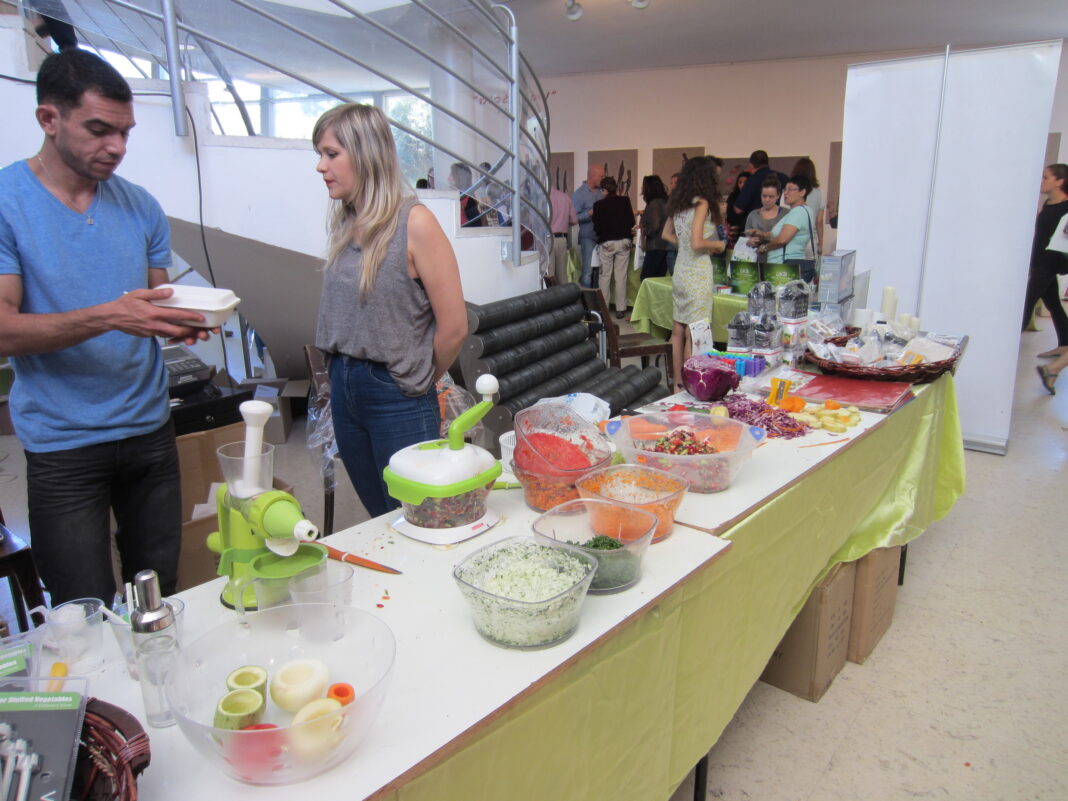
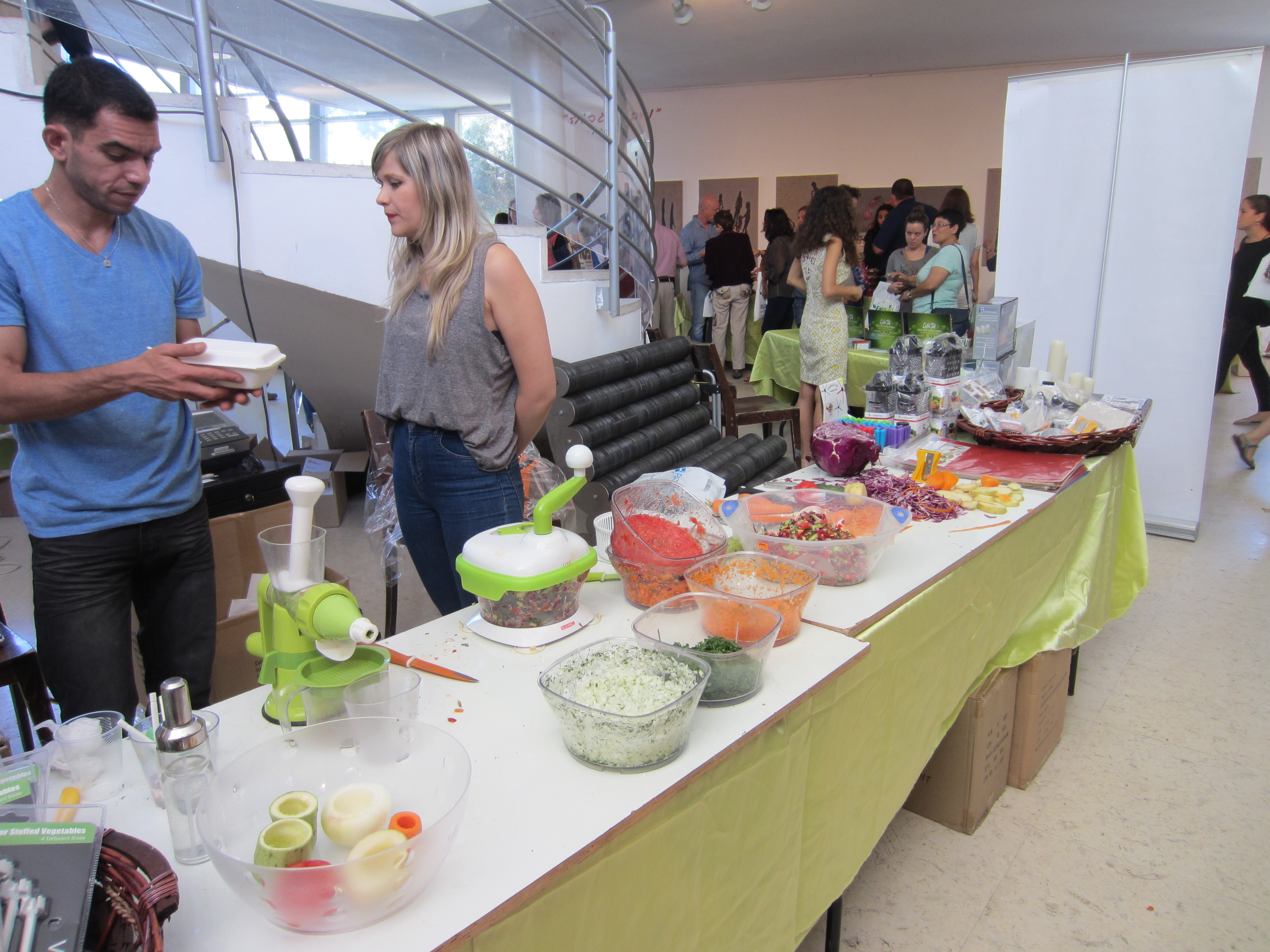
The conference featured a series of six lectures covering various aspects of organic farming and food production, with plenty of break time to visit stalls exhibiting an array of organic products.
The first lecture was given by Dr. Shirly Gazit of the Israel Bio-Organic agriculture association “Tuv HaSadeh ” (www.organic-israel.org.il). Dr. Gazit presented a formal definition of the term “organic” and provided an in-depth discussion of the 4 principles that underlie organic methods as well as their application- namely, Health, Environment, Fairness, and Responsibility.
The second lecture, presented by Hila Aflalo of “Organic Life” (www.organiclife.co.il), discussed organic consumerism, covering the various reasons why organic is more expensive than non-organic. Aflalo described the unique variables behind organic food production that necessitate the extra expense. When you consider the many ways in which organic foods are superior, of higher quality and are produced using more environmentally responsible methods, the extra expense certainly seems worth it.
Dr. Yitzchak Saklaski, CEO of Agri Or (www.agrior.co.il)- Israel’s main organic inspection and certification authority explained the specific standards and regulations that any food or food product must adhere to in order to be officially certified as “organic.” Also discussed were trends in national and international consumption of organic foods, Israel’s alarmingly high usage of chemical pesticides due to challenges presented by the country’s climate, and safer, more environment-friendly alternatives to managing agricultural pests. While the rules for organic production are strict and strongly enforced, Dr. Saklaski himself was quite open and flexible, inviting anyone in the audience to call him on his personal cell phone with any questions they may have.
Quite a few vegetarian and vegan members of the audience quickly exited the auditorium as Arik Melamed of “Lool Organi” (www.loolorgani.co.il) came on stage to discuss his organically-raised chicken and free-range eggs. However, I, along with other organically-minded non-vegans were happy to learn from his presentation. Melamed described his organic farming and livestock practices, whereby the health of the chickens and their environment is placed at top priority- using ethical and humane farming methods without the use of drugs, antibiotics or hormones. He also warned the audience about usage of the “free-range” label, explaining that “free-range” chickens are not necessarily raised according to organic standards.
Clinical Nutritionist Noam Ochana discussed the mechanisms of genetic engineering and GMOs (Genetically Modified Organisms), summarizing the pros and cons of genetic engineering in agriculture and food production. While certain crops may be engineered to be more nutritious and pest-resistant, there is a danger of disturbing the balance of the ecosystem as cross-contamination with wild plants can lead to their extinction. Many genetically modified crops also have compromised nutritional profiles. Fortunately, GMO crops are not raised in Israel for human consumption, though many imported foods contain genetically modified ingredients- especially those made with corn, soya and canola oil.
The final lecture was given by Ester Lachman of “Arugot” (www.habosem.com) discussing the benefits of natural, organic cosmetics for the most important organ of the body- our skin. Cosmetics refer not only to luxury “beauty” creams and make-up, but to deodorants, hair products, sun block, and any other formulas designed for topical use. Lachman explains that topical use, however, is never just “topical” as the skin is like a sponge and whatever ingredients it absorbs actually penetrates the body. Lachman encourages the use of products whose ingredients come from natural sources with no synthetic compounds and free of toxic elements such as parabens, sulfates, mineral oils and aluminum.
The conference was attended by nearly 200 participants. At a price of 200 NIS per ticket, one would expect a complementary bag or tote with organic samples and such. Or perhaps some refreshments. None were distributed, with the explanation that the conference placed emphasis on quality speakers and information. On that promise, the conference certainly delivered.
Eatwell’s major annual event, “Eating Healthy”- Israel’s largest Health and Nutrition conference, takes place this year in November. With Eatwell’s proven track record in organizing high quality events, this upcoming conference is not one to be missed.
This guest post is by Nili Badanowski, Nutrition and Fitness enthusiast, and owner of Nevet HaSadeh sprouted grain company



[…] Going organic in the Land of Milk & Honey – Basically, all of the ills of modern food production that organic practices seek to remedy … On that promise, the conference certainly delivered. Eatwell’s major annual event, “Eating Healthy”- Israel’s largest Health and Nutrition conference … […]
[…] My first organic food conference in the Land of Milk & Honey The second lecture, presented by Hila Aflalo of “Organic Life” (www.organiclife.co.il), discussed organic consumerism, covering the various reasons why organic is more expensive than non-organic. Aflalo described the unique … Dr. Yitzchak Saklaski … Read more on Green Prophet […]