
 We speak to Muslim green campaigner Sofiah Jamil about the environmental threats facing Southeast Asia and why climate justice alone isn’t enough
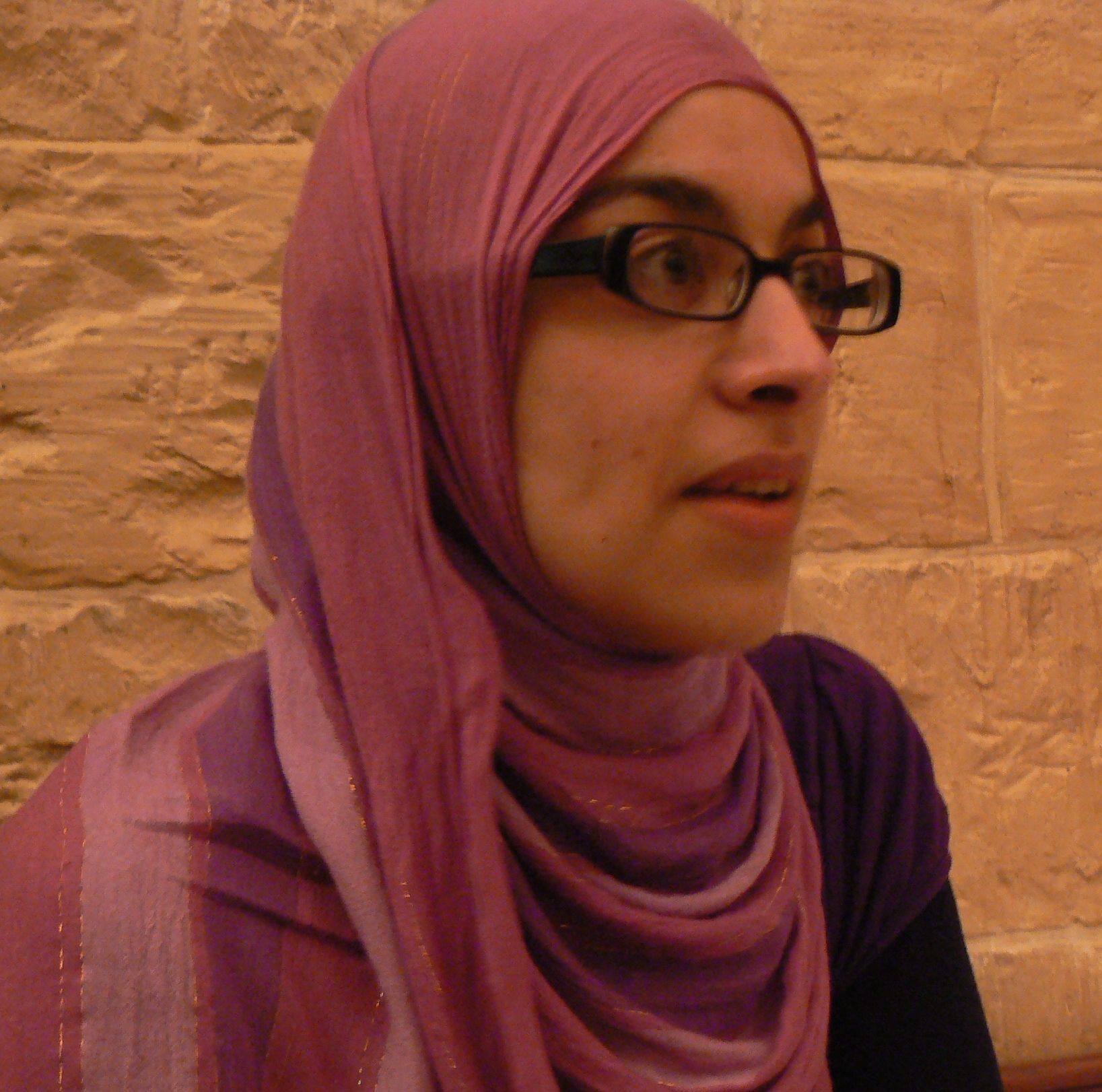
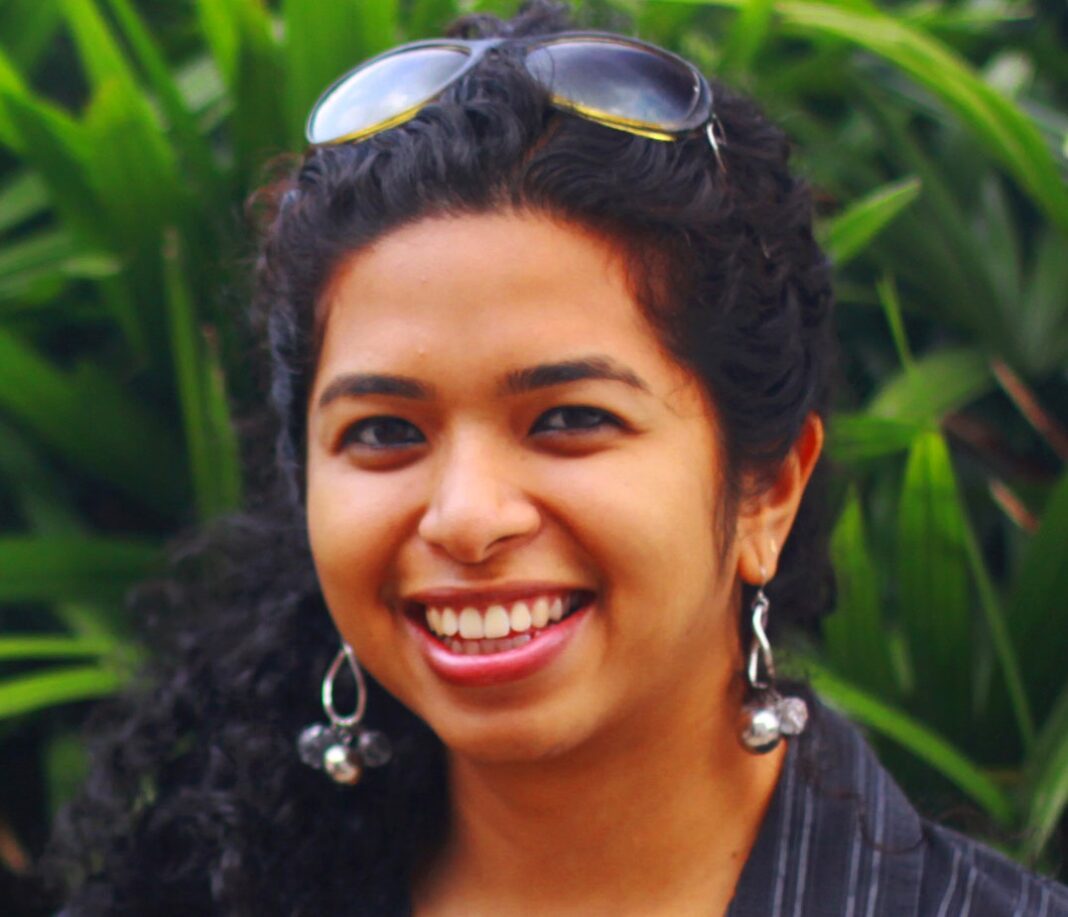
Sofiah Jamil is a Singapore-based campaigner who has been working hard to help Muslims living in Southeast Asia connect their faith with environmental issues. As well as setting up ‘Project ME: Muslims + Environment‘ and running The Green Bush blog, her research at Nanyang Technological University focuses on environmental security. Spurred on by her undergraduate studies in Australia where she experienced a higher level of environmental awareness (compared to her concrete and urban home of Singapore), she has studied the implications of forest fires on Indonesia and Malaysia.
In 2009, Sofiah took part in a 6-week programme by the Study of the United States Institute for the Environment to help increase her knowledge and hopes to start her PhD next year at the Australian National University focusing on the topic of Muslim environmental initiatives. Green Prophet spoke to her about the unique environmental risks that the Southeast region faces and the role women can play in dealing with these.
Green Prophet: What the main environmental threats that Southeast Asia faces?
Sofiah Jamil: The Southeast Asian region is a highly complex and diverse region, and the intensity of environmental threats and the capacity available to address them, varies depending where you are. Several countries in the region sit along the Pacific Rim of Fire, and are thus prone to earthquakes, volcano eruptions and tsunamis. Indonesia is a case in point.
Several Southeast Asian countries are also prone to typhoons, such as the Philippines and Vietnam, who on average experience at least 12 typhoons a year. Most countries in the region also experience high levels of rainfall during the monsoon seasons. In addition to this, studies have demonstrated that climate change has in fact increased the intensity and frequency of these weather-related disasters.
The risks you mention above are part and parcel of the environmental context of the region. In what ways have these been aggravated by human factors?
Urbanisation has brought about various environmental issues such groundwater extraction which has resulted in cities sinking (even before we take into account rising sea levels) and the loss of important natural habitats. For example, mangroves that are important natural defences against typhoons and tsunamis have been affected.
This is further exacerbated by trends of population growth. The region is home to at least 3 of the world’s megacities – Bangkok, Manila, Jakarta – and Ho Chi Min City in Vietnam is likely to be a 4th. The question here is whether these cities are able to accommodate the increasing population, which requires more resources as well as more fortified social infrastructure.
There is also increasing rural to urban migration in various parts of Southeast Asia. Informal slums by migrants from rural areas are often situated in areas that are most vulnerable to environmental threats, such as along river banks which overflow during a flood. While there have been attempts to relocate slum dwellers to designated public housing areas, these areas are often far from their sources of economic livelihood, and hence many leave the public housing (and rent it out) while returning back to the slums.
Flooding in megacities is also due to ineffective drainage systems, which are often clogged by thrash either from the slums or from other urban residents. As such, environmental threats in urban areas need to look at the issue holistically by including issues related to urban planning and economic activity. Given the above issues, a main challenge for many countries in the region is figuring out how to address these multiple concerns which can at times happen simultaneously. This was the case for Indonesia last year which experienced an earthquake, tsunami and volcano eruption at the same time.
What are the specific risks facing Singapore and do you get a sense that there is increasing environmental awareness of these risks?
In Singapore, like many other island countries, we are threatened by sea-level rise. More threatening is the fact that more than 90% of our food is imported. Staple items such as rice and vegetables come from neighbouring countries. As such our food security is, to a certain extent, dependent on our neighbours and their ability to address their environmental threats.
What’s more worrying is the fact that most Singaporeans are not aware of these environmental threats. Very few are in touch with nature as more than 90% of our natural habitat has been lost as a result of urban development. Most are happy as long as the supermarket shelves are stocked with the necessary food items, even though prices of food has been increasing lately.
Women are most likely to affected by environmental disasters- does the issue of climate justice motivate you work?
It does to a certain extent, but in some ways I find the concept of climate justice limiting. Climate justice must also demonstrate how it is significant to other existing issues. Not all of the environmental disasters that we experience in this region are climate related. Moreover, it must show how it relates to other forms of justice – such as social justice, which women are still fighting a hard battle for.
For example, when the tsunami happened in Aceh in 2004, it was sad that some sections of society blamed the disaster on women. That the tsunami was a result of vice in Aceh, and that immoral women were part of the problem. Such sort of mentalities, I think, limit societies’ abilities to fully appreciate the resourcefulness of individuals. In fact, many Acehnese women who lost their fishermen husbands at sea during the tsunami had to become the sole breadwinners of their families. Here we see how women play important roles in getting their families back on their feet after environmental disasters.
What really motivates me is the fact that women are not the problem, but rather have the potential to provide solutions to address environmental disasters and more importantly address other socio-economic issues. We just need more women out there to come forward to tell us their stories.
For more interviews with inspiring green Muslims see:
Interview with America’s Leading Green Muslim- Ibrahim Abdul Matin