
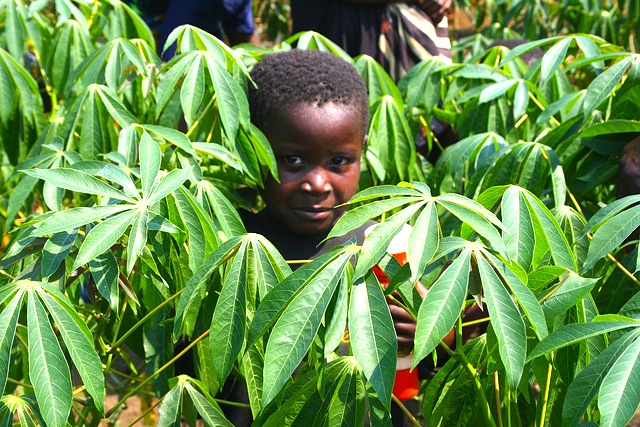

 Even though it seems like the earth couldn’t possibly handle 10 billion people, an article published in Nature shows that it is possible to feed them all. Read on for five handy tips.
So, all this worrying about the burgeoning population was for nought? We don’t need to be concerned that we are rapidly reaching a population of 7 billion and by the end of the century, we are likely to hit the 10 billion mark? Well, not exactly. Yes, Nature published a handy guide to increasing agricultural yields (hat tip to Nona Willis Aroniwitz from GOOD for breaking it down), but no, it won’t be easy. Feeding 10 billion people can be done, except it will require political will, cooperation, and even a bit of Jobsian self-discipline and self-sacrifice. Step on in for the most succinct five solutions to ending hunger we have ever seen.
Every nation on earth is concerned about feeding their people, but in the Middle East, we have especially good reasons to start thinking quickly. Already, in densely and economically challenged countries like Egypt – despite the rise in organic farms and the slow food movement – food is becoming scarce. And all the wealth in the world hasn’t brought the Gulf countries sufficient fertile land to achieve food independence.
This situation is leading to “land grabs” – where wealthier countries like the United Arab Emirates and Saudi Arabia are buying up huge swaths of land from poorer countries in Africa and Asia.
- As it turns out, Solutions for a Cultivated Planet recommends that we focus more agricultural attention on Africa, Latin America and Eastern Europe into order to increase agricultural yields. But we would like to add that if we do so, it should occur in a manner much more egalitarian than current resource extraction. In other words, it has to benefit the locals too!
- Farming in tropical lands is a waste of time. Although rich in biodiversity, the tropics aren’t great for growing nutritious food for a lot of people. Leave the forests to the task of sponging up our carbon emissions!
- This seems like a no-brainer since farmers and suppliers are locked into a never-ending cycle of doing just this, but it is suggested that the use of water, fertilizer, and chemicals needs to be improved. We are becoming especially adept at excellent irrigation methods in parts of the Middle East, although other countries remain woefully inefficient.
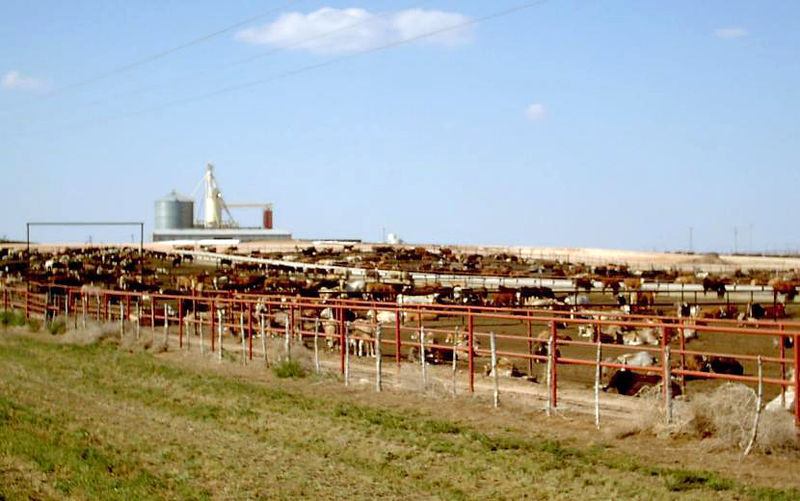
- We need to stop eating so much meat! This will send some carnivores into paroxyms of panic, but cultivating meat – particularly in wealthier countries – usurps an incredible amount of land and feed. Cattle are getting fat, but the people in Somalia are starving. Tell that to your kids at the dinner table.
- And finally, food waste must end. This isn’t only a problem during Ramadan or other holidays. It turns out that one third of all the food we produce in the world either rots, gets tossed out, or becomes fodder for pesky pests.
The 21 authors who contributed to this study make it sound so simple, but so far human beings have not proved especially talented at ensuring that everyone has enough to eat. Still, we have to believe we’ll get it right eventually!
More on the Challenges Associated with Population Growth in the Middle East:
A Profile of Iraq’s Environmental Woes
The GINK Manifesto: Childless, Proud, and Loud
Fish Farming Isn’t so Evil After All
image via USAID on Flickr


Thanks Melissa! We appreciate your input.
Some great suggestions. However, I would like to caution that tropical forests can provide an ideal climate for food cultivation – if you look at the permaculture movement you can see that food forests are an ecosystem where everything works together to produce diverse foods. While monocropping (ie taking down forests to grow one single crop) is probably the worst thing we can do, interplanting in existing or created forest systems works with nature to produce higher yields of diverse crops. Moreover, forest systems naturally harvest water, the soil acts like a sink instead of drain, making the most of available water, produce food and still sequester carbon. Moreover, many of the crops have medicinal uses, used wisely, can provide renewable materials and provide a wildlife habitat. And what’s more nutritious than plant-based food systems?
Very amazing Post. Mostly people dont have a even clean water, It is also a big issue after 5 years.massage houston