If Homo Sapiens Want A Home, They’re Gonna Need Some Biodiversity First

biodiversity-numerous-speciesIf our leaders don’t get their hands dirty and effect real plans to protect biodiversity, we stand to lose the land we live on

We have begun to reach the climatic “tipping points” environmentalists worry so much about – the point where the glass of (camel) milk is leaning, leaning and it hasn’t leaned so far that the milk has leaked out but then boom, the glass falls over, milk splatters everywhere, and someone has to come in to mop it up. The United Nations (UN) looks to the dismal health of the Amazon forest, certain freshwater lakes, and coral reef ecosystems like the Red Sea for signs that unless our leaders implement schemes that protect biodiversity more urgently, humanity is going to shed some serious tears.   

So what is biodiversity?

According to the UN, which will convene in 10 days to discuss the efficacy of the International Year of Biodiversity campaign, biodiversity includes: diversity of species, diversity within species, and diversity of ecosystems.

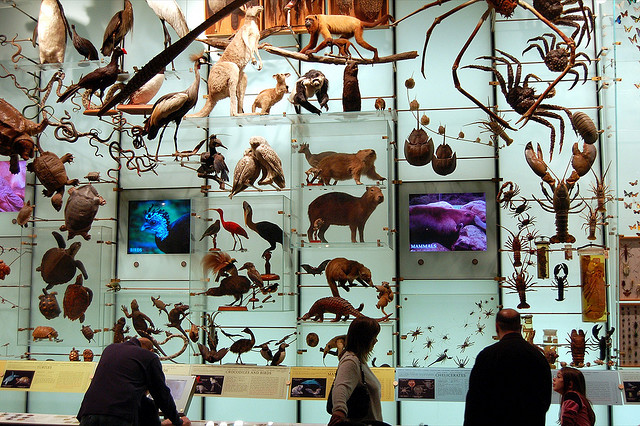
The more variety of grain and vegetables and fish we have to eat, the more likely we are to survive. But our survival depends on the ability of other species along the food chain to survive as well. Just as we need a variety of foods to survive, so do other species.

Genetic diversity within species is the reason you aren’t allowed to marry your relatives. Whereas a lack of genetic diversity leads to increased vulnerability to disease and in-breeding, the opposite makes species more adaptable to change and facilitates evolution, also necessary for survival.

Ecosystem diversity refers to the different kinds of ecosystems that each play their own complicated, intertwined role: wetlands, for example, keep our lakes clean, while forests and the ocean are “carbon sinks.” Each ecosystem represents a planetary limb. If we cut off all our legs and arms, we’ll have a hard time keeping up with all of nature’s work.

Habitat change, over-exploitation of resources, pollution, invasive species, and climate change are the five major pressures the UN believes are driving biodiversity loss.

Following are four conclusions among several derived from the UN’s 2005 Millennium Ecosystem Assessment:

  • The ability of the planet’s ecosystems to sustain future generations can no longer be taken for granted
  • Human actions are depleting the earth’s natural capital
  • Because of human actions, species are being lost at a rate of 100 x the natural rate of extinction
  • In the past century, 35 per cent of mangroves, 40 per cent of forests and 50 per cent of wetlands have been lost

The possibility that we can reverse these problems within the next 50 years exists because of universities in the Middle East that are going green with gusto, conservationists that work in heinous conditions, organizations such as FoEME that keep an eye on our rivers, and companies that invest in clean technology. It’s now time for our leaders to get their hands dirty, risk their political careers, cap carbons, and stop polluters dead in their tracks.

And they have to mean it, otherwise the land as homo sapiens have known it could be rendered unlivable.

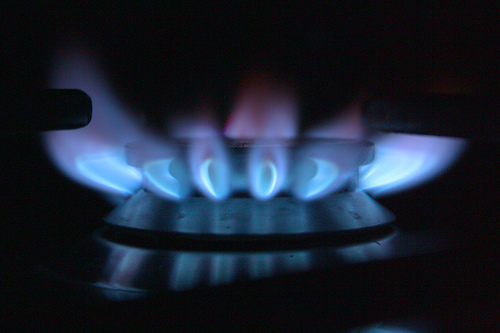
:: image via Dano

Good News From the Middle East:
Too Hot To Handle? Mammals Scatter Pests With Their Breath

Organic Farms Growing in Dubai

World Breastfeeding Week Focuses on “Baby-Friendly” Policies

Tafline Laylin
Tafline Laylinhttp://www.greenprophet.com
As a tour leader who led “eco-friendly” camping trips throughout North America, Tafline soon realized that she was instead leaving behind a trail of gas fumes, plastic bottles and Pringles. In fact, wherever she traveled – whether it was Viet Nam or South Africa or England – it became clear how inefficiently the mandate to re-think our consumer culture is reaching the general public. Born in Iran, raised in South Africa and the United States, she currently splits her time between Africa and the Middle East. Tafline can be reached at tafline (at) greenprophet (dot) com.
2 COMMENTS

Comments are closed.

TRENDING

Nearly the half the world’s migratory species are declining, in new UN report for COP15

With larger, land-bound animals human encroachment and Middle East warns make it more troubling for the survival of migratory animals on land, air and at sea. A new United Nations report released this week warns that the situation is getting worse, not better.

Jordan’s $6 Billion Aqaba–Amman Desalination Project from the Red Sea Moves Forward

In 2025, the Jordanian government signed agreements with a consortium led by Meridiam and SUEZ, alongside VINCI Construction and Orascom Construction. Under a 30-year concession agreement, the consortium will design, build, finance, operate, and maintain the system before transferring it back to the Jordanian government. The total investment is estimated at approximately $6 billion USD.

The Saudi Startup Turning Desalination’s Toxic Waste Into Its Own Disinfectant

For millennia, the Middle East's water crisis seemed an immutable fact of geography — a region defined as much by what it lacked as by what lay beneath its sands. Today, a convergence of plummeting solar costs, advancing membrane technology, and hard-won engineering expertise is rewriting that story.

Ethiopians are Looking to Somaliland for Red Sea Access as Global Powers Move In

Somaliland, for its part, has operated as a de facto independent state since 1991. It has its own government, elections, currency, and security forces. It’s often described as one of the more stable and democratic political systems in the region, despite never being formally recognized internationally. 

Peace hospital opens between Jordan and Israel

The proposed medical centre, described by Emek HaMaayanot Regional Council head Itamar Matiash as “a centre for cancer treatment, so that people from Jordan or further away could come and receive treatment,” would become the flagship of a wider cluster of medical, academic and innovation-based services planned for the Israeli half of the zone.

Should You Invest in the Private Market?

startustartup Unlike public stock exchanges, which offer daily trading, strict...

How to build a 100-year-company

Kongō Gumi is a Japanese construction company, purportedly founded in 578 A.D., making it the world's oldest documented company. What can we learn about building sustainable businesses from them?

From Pilot Plant to Global Stage: How Aduro Clean Technologies’ 2026 Expansion Signals a Turning Point for Chemical Recycling Investors Like Yazan Al Homsi

The company's Next Generation Process (NGP) Pilot Plant in London, Ontario, has officially moved into initial operating campaigns, generating the kind of structured, repeatable data that separates laboratory promise from commercial viability.

How AI Helps SaaS Companies Reduce Repetitive Customer Support Work

SaaS products are designed for large numbers of users with different levels of experience, and also in renewable energy.

Pulling Water from the Air

Faced with water shortage in Amman, Laurie digs up...

Turning Your Energy Consultancy into an LLC: 4 Legal Steps for Founders in Texas

If you are starting a renewable energy business in Texas, learn how to start an LLC by the books.

Tracking the Impacts of a Hydroelectric Dam Along the Tigris River

For the next two months, I'll be taking a break from my usual Green Prophet posts to report on a transnational environmental issue: the Ilısu Dam currently under construction in Turkey, and the ways it will transform life along the Tigris River.

6 Payment Processors With the Fastest Onboarding for SMBs

Get your SMB up and running fast with these 6 payment processors. Compare the quickest onboarding options to start accepting customer payments without delay.

Related Articles

Popular Categories