
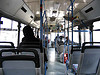

Riding the bus is one of the simplest and most powerful actions an individual can take to reduce their environmental footprint. At a time when transportation accounts for nearly a quarter of global carbon emissions, shifting even a portion of daily trips from private cars to public transit can dramatically lower pollution. A single full bus can replace up to 50 private vehicles, reducing traffic congestion, cutting fuel consumption, and lowering greenhouse gas emissions that contribute to climate change. For cities struggling with smog, heat islands, and poor air quality, more people choosing to ride the bus translates directly into cleaner, healthier urban air.
Buses are increasingly part of the clean-energy transition. As electric and hybrid buses become mainstream, their emissions drop close to zero, especially when powered by renewable energy. This benefits not only the climate but also public health: fewer tailpipes mean lower rates of asthma, cardiovascular disease, and respiratory illness—conditions that disproportionately affect children and vulnerable populations. Choosing the bus also reduces noise pollution, making cities calmer and more livable.
Beyond the environmental benefits, riding the bus strengthens communities. It supports equitable mobility by ensuring everyone—regardless of income, age, or ability—can access jobs, schools, and essential services. Reliable bus systems encourage the development of walkable neighborhoods, reducing sprawl and protecting natural habitats from urban expansion. Every person who opts for public transit helps make the system more viable, improving frequency and coverage for everyone.
There’s also a personal advantage: taking the bus saves money. Between fuel costs, parking fees, insurance, and maintenance, car ownership is expensive. Public transit offers a cleaner, cheaper, and often less stressful way to travel. Instead of staring at brake lights, bus riders can read, work, relax, or simply enjoy the view.
In an era of rising temperatures and shrinking carbon budgets, small daily choices matter. Riding the bus may feel ordinary, but its impact is real. It’s a vote for cleaner air, quieter streets, and a more sustainable city. And it’s a reminder that climate solutions don’t always require new inventions—sometimes they’re already waiting at the corner.




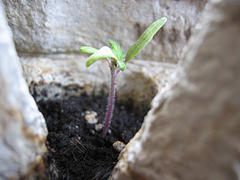
 In the spirit of the 3 R’s see try to think outside of the box. How canyou reuse household items in ways not originally intended for them? Forinstance, want to start an herb garden? Egg cartons make great planters forseedlings. Cottage cheese containers can be used as a great for organizinglittle things.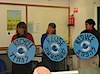
 What once was the considered the basic education needed – reading , ‘riting, and ‘rithmatic – is today’s the abc’s of a greener living: Reuse, Reduce, Recycle.


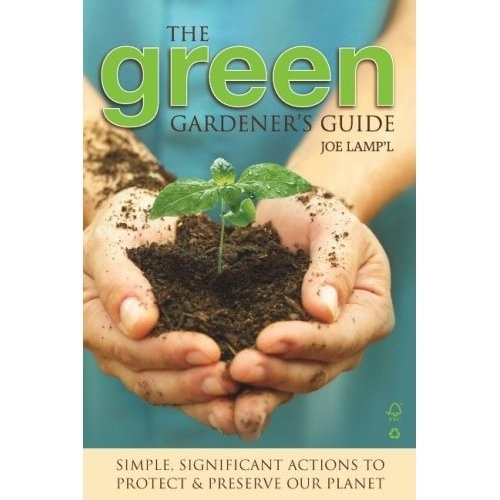



 When trying to stay warm in the winter make sure that your heater has a thermostat. Using a thermostat will make sure that you do not use excess energy. It’s great to reap the benefits of modern living and technology. That used to mean that you could stay warm at all. In today’s world it means that you can stay warm and save! Check your thermostats and GreenYourselfDaily!





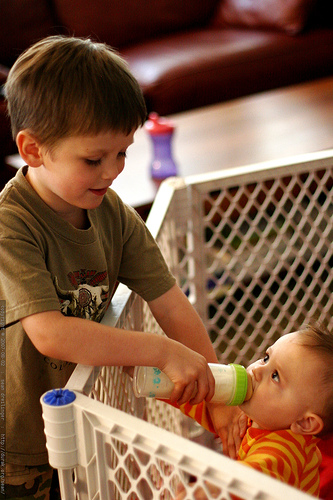
 Well of course I am going to tell you that organic is best for lots and lots of reasons, but first the high note: it actually can work out a lot cheaper as well. All those prepared baby foods are far more expensive pound for pound than organically grown food.