Tel Aviv, for those who haven’t had the pleasure of visiting the city, is a city of coffee drinkers and cafes. (Some would say bums and people who don’t work in the middle of the day… but we say coffee drinkers and cafes.) It is not unusual to step out in the middle of a work day and spot people happily sitting out on sidewalk cafes drinking some form of coffee drink.
So it’s not a surprise that after organic hummus, organic falafel and even a vegan burger bar hit Tel Aviv… organic coffee would follow suit.

Loveat cafe in the southern part of Tel Aviv (that just opened another branch on Nachalat Binyamin Street), offers only organic, shade-grown coffee which means that the coffee is both delicious and deliciously better for the environment.
Since LoveEat opened years ago, there are even more organic chains like Cafelix — another coffee shop with a hard to pronounce name. And Cafe Ada Hanina in Jaffa. Probably the best choice in Israel for great coffee and amazing vibes. See barrista below.

Ada says: “We love preparing good fresh coffee for you, every day, practicing direct fare trade, farm 2cup, and then back 2farm!”
Why is organic, shade-grown coffee important? Well, since coffee is one of the most widely consumed products in the world (and dangerously close to global consumption of fossil fuels), anything you can do to make your coffee consumption greener will have a big impact.
Regenerative farming and coffee
Organic coffee farming and regenerative agroculture is important because it doesn’t use pesticides and therefore avoids polluting soil and waterways. Shade-grown coffee is important because although it takes longer for the beans to ripen, no trees and natural habitats need to be cleared in order to grow the coffee.
Traditionally, coffee has been grown under the shade of trees but in order to keep up with modern demand farmers have begun to clear forests so that coffee beans can ripen faster under direct sunlight.
So coffee that is organic + shade grown = winning combination. Stir it up with some organic raw sugar and organic milk in a reusable cup, and that’s even better.
For more information about food, farming:
Israel’s Organic Eggs: On the Political Edge?
Why Doesn’t Tel Aviv’s Carmel Market Compost (or Recycle)?

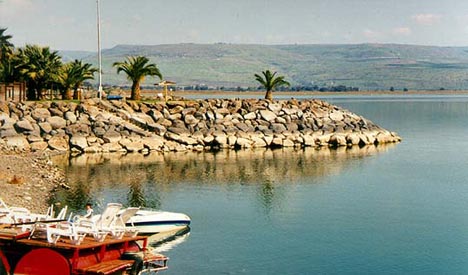
 Every Israeli knows what the Sea of Galilee’s (a main source of Israel’s drinking water) red line means. It’s bad. It means Israel is running out of water and we’re all in trouble. So when the Israel Water Authority came out with a campaign about two weeks ago saying that Israel’s water levels were deteriorating from the red line to the black line, that was even scarier.


 In The Beginning