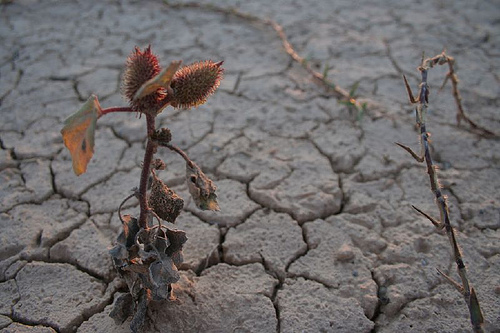
You’d think that the Organization of Petroleum Exporting Countries (OPEC) in the Persian Gulf would have nothing to do with alternative energy initiatives, right? Since they have close to a quarter of the global petroleum reserves literally underfoot, you might assume that they’d try to prevent the development of alternatives, or at least not be interested in using them. It turns out, however that even the oil rich Gulf is diversifying the energy sources beyond fossil fuels, both for business diversification and as a result of real need.
Selling off natural resources
The Gulf Cooperation Council (GCC) countries are facing increasing shortages in domestic energy supply, and their economies depend on selling petroleum to other countries rather then burning it for their own needs. Many of these countries face gas shortages, and they recognize that petroleum supplies are finite and need to be managed wisely and husbanded for the future.
One way of supplying this power is through renewable energy sources like sun and wind. Saudia Arabia, Oman, Dubai and Kuwait all have programs to promote and develop solar and wind power farms, solar powered desalination, more efficient use of oil through fuel cells, carbon sequestration, oil gasification, and green building. The city of Masdar in Abu Dhabi aims to be the first carbon neutral area in the world through clean energy initiatives and cooperation with the Massachusetts Institute of Technology.

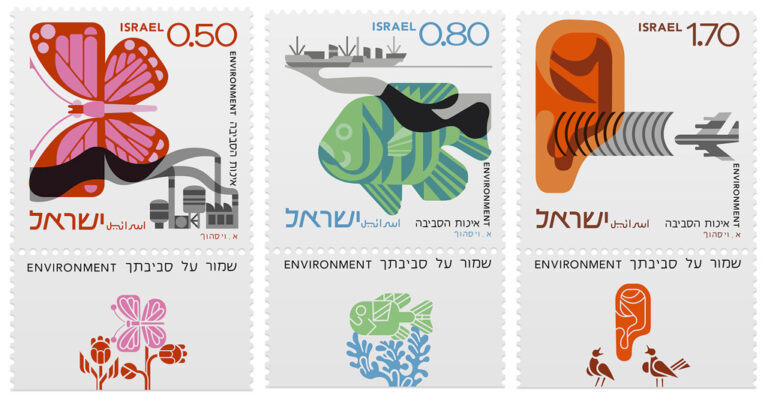
 Literally, postal. It was quite a pleasant surprise when we found out that in 1975 Israel came out with stamps encouraging civillians to protect their environment. Not only was the message beautiful, but the stamps were pretty darn good looking too.


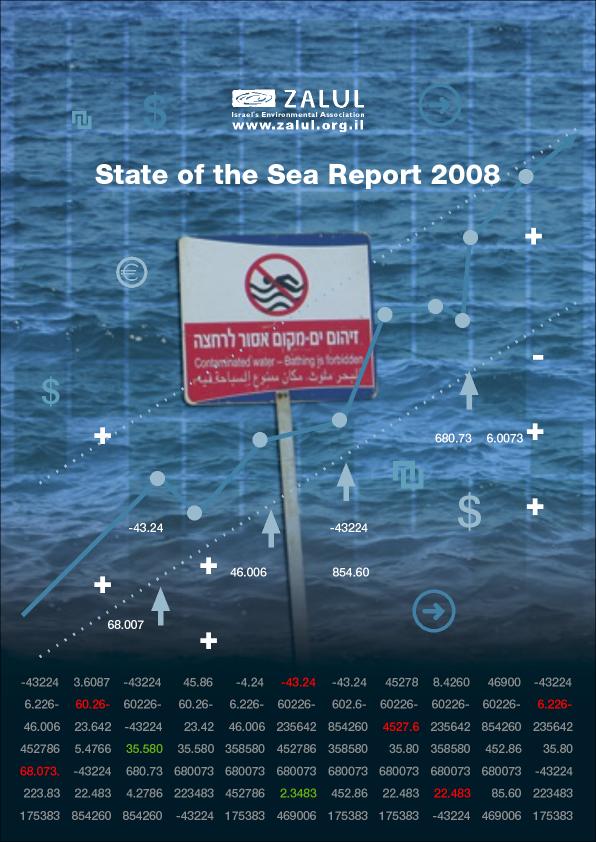
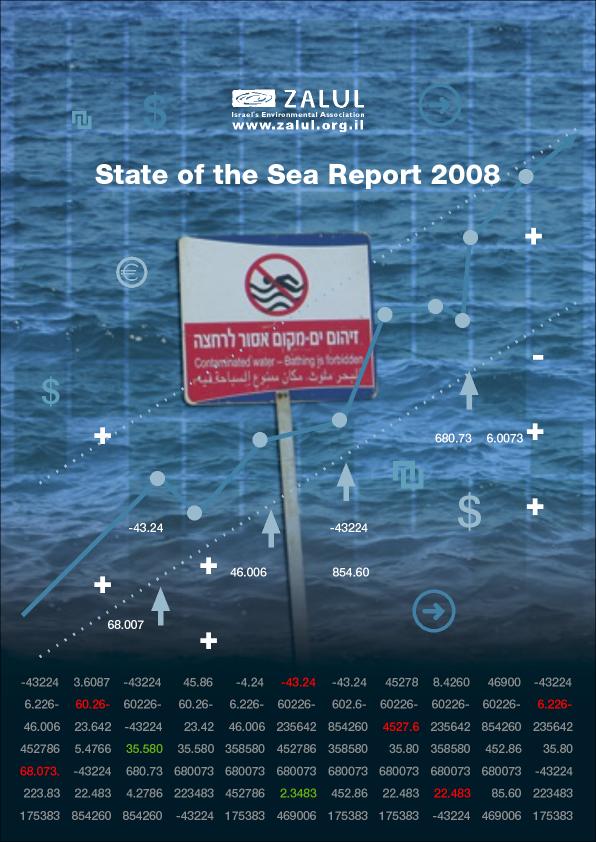 Zalul, the non-profit marine NGO, has released it’s

.jpg) We are undeniably in the thick of
We are undeniably in the thick of