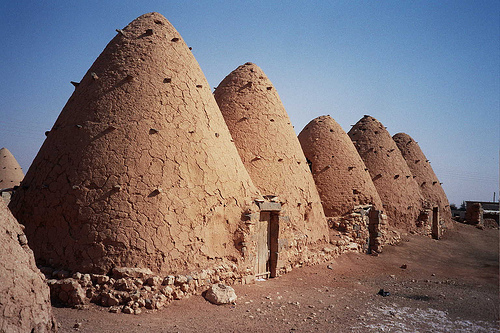
 Syria faces a severe drought. A shift in weather patterns, or just a dry season?
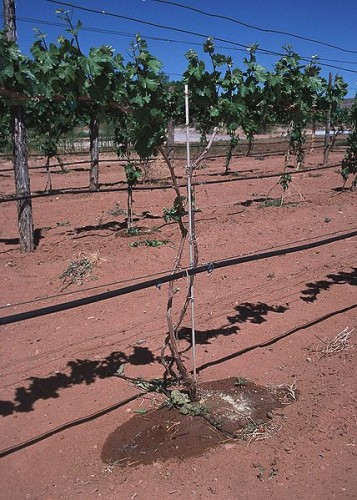
A severe water shortage in Syria is forcing farmers to look for alternative means of livelihood but the drought’s impact doesn’t end with the crops.
Around a quarter of a million Syrian farmers have been forced to abandon their land over the last two years following three years of drought and failed crops. It’s one of the worst water crises in recent years with residents in Damascus and other major cities putting up with periodical water cuts during off-peak hours.
The crisis is not only the result of several years of below average rainfall but also the rising needs of a growing population, in a country with more than 20 million people and an estimated growth rate of 2.1%.
Syria’s main sources of water are the Euphrates River, the Tigris River, the Orontes River and ground water. Syria’s economy relies heavily on agricultural export, a strategy which is being called into question by experts.




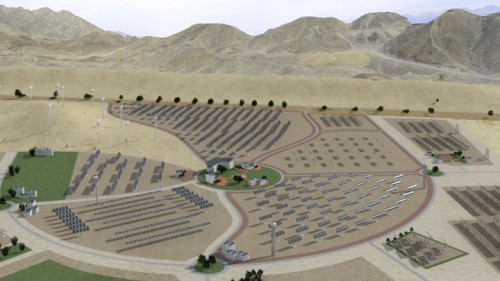
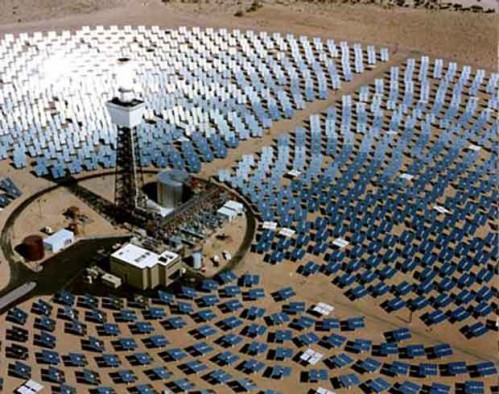
 Artistic rendition of the Timna Renewable energy park In Eilat

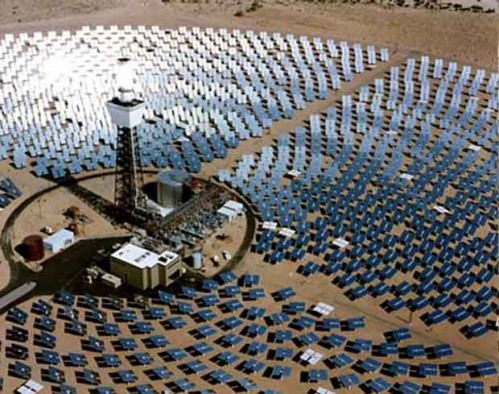

 Climate change activists are pooling their resources as we speak in Barcelona at the

 It is finally raining in Israel and other parts of the Middle East; but the region’s acute water shortage is far from being over. An Israeli company