Home Blog Page 611

Beware Turkey’s Naysayers: Some Agricultural Chemicals ARE Harmful

6

danger-sign-agricultural-chemicalsIt’s worthwhile to heed the “eco-washers” and other insincere marketers, but to completely overlook the harm in certain chemicals is to do a disservice to the community.

We are as quick to take eco-washing to task as any rabid consumer. Earlier this year, we called out Foster & Partners for their “sustainable” architecture, which is only sustainable for maybe the next few years. And we are willing to take a critical view of vegetarianism and sustainable fishing – both practices that we promote but that are controversial issues in the blogosphere. However, we don’t have a lot of patience for the naysayers who blithely publish erroneous information that threatens to undo years of campaigning for better health for everyone.

Feather Project’s Young And Old Get Together To Save The Planet

0

green-faith-feather-projectWhat lesson would you like to share with the next generation? What does it take to create a better future for the human family and all life on this planet?

These questions are at the heart of the Feather Project which seeks to bring together young and old people to create solutions for the problems facing the planet.

Launched by the award-winning humanitarian Rabbi Awraham Soetendorp from the Netherlands, the project states that using the wisdom of elders, the dreams of the young, and the world’s spiritual traditions we can create a more sustainable planet.

Rabbi Soetendorp also notes that the key to safeguarding the planet is intergenerational dialogue in which wisdom is passed on and the hopes and wishes of the future generations are expressed.

He wrote: “It is the natural but too often neglected passionate cooperation between the generations, blending the lessons from the past with daring visions for the future that will pull us out of the trap of self-indulgence and callousness, which could only lead to destruction of ourselves and the diversity of all life.”

Israel to Make Public Buildings More Energy Efficient – At No Cost to the Taxpayer

1

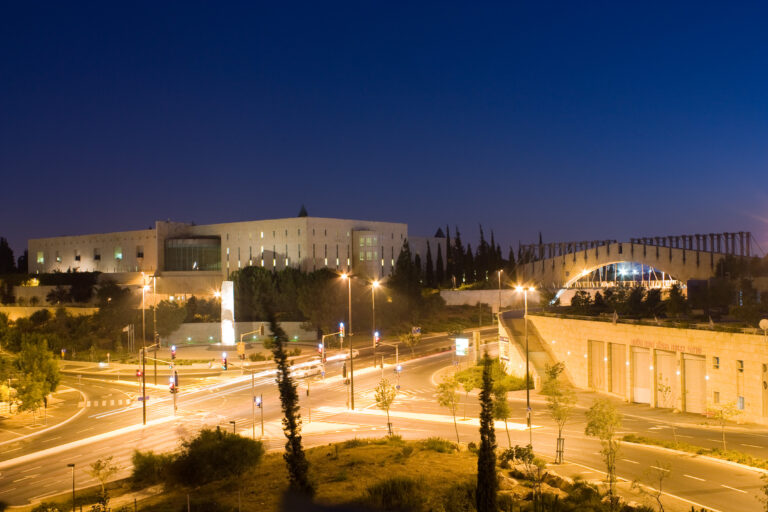
Israeli Supreme Court Energy will soon be used more judiciously at the Supreme Court (shown here) and other public buildings in Israel.

The Israeli government has awarded a tender for improving energy efficiency in public buildings by over 30% – without spending a shekel of taxpayer’s money. Under the tender’s Energy Saving Sharing plan, EHS Tech will bear all of the costs of acquiring and installing new lighting systems and other equipment, and the company will receive 70% of the anticipated savings in energy costs during the first seven years.

Spain’s Solaer is Bullish on Israel’s PV Market, Hopes to Win 10% Market Share

1

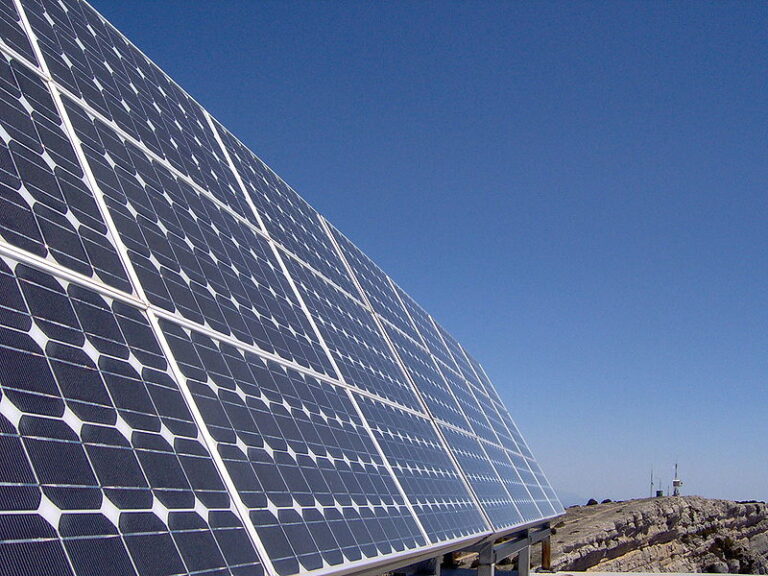
Solaer sees ‘huge potential’ for solar arrays in Israel.

After building a number of photovoltaic solar facilities in Spain, the Spanish renewable energy company Solaer is now exploring several other sunny markets, including Israel. In fact, Solaer’s founder and CEO, Ignacio Arganza Alvaro, told the Israeli business newspaper Globes that his company hopes to achieve a 10% share of the Israeli market within five years.

Daridere Resort and Camping Area a New Turkish Eco Tourist Spot

1

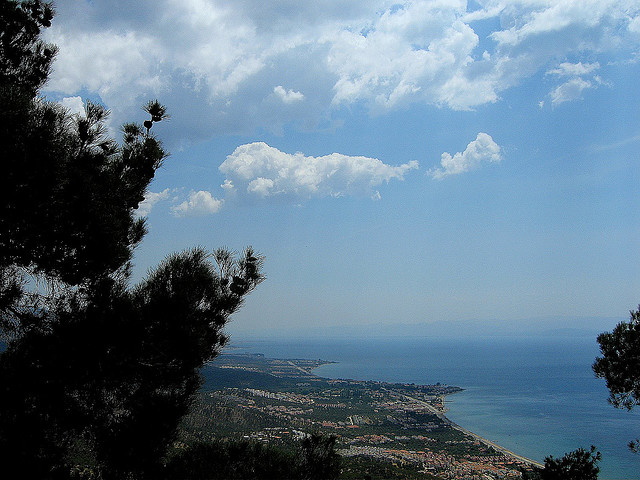
daridere-resort-turkeyEnjoy Turkey a little bit more naturally at Daridere Resort and Camping Area near the northwestern town of Altinoluk.

Turkey, like many areas of the Middle East, is endowed with beautiful natural landscapes. Landscapes that you may not enjoy viewing the gas-guzzling, wasteful hotel, standard way. Instead, you may enjoy taking in these landscapes in a way that is more harmonious with your surroundings. Daridere Resort and Camping Area, near the northwestern town of Altinoluk, allows eco tourists to enjoy the Ida Mountains and the region’s great biodiversity in an eco-friendly way.

Syrian Environment Association Advances The Country’s Eco-Deeds

0

syrian-environment-associationThis environmental group is bringing all kinds of eco-goodness to the people of Syria.

Syria doesn’t always get it right, but we have to give them kudos for trying. On the one hand, certain citizens are making an effort to spread their environmental message even though, during one eco-event, they sent balloons into the atmosphere. And while trying to reduce congestion in their fruit and vegetable markets, they inadvertently disparage the poor farmers who can’t afford to pay exorbitant fees for a license. But the country’s grasp of wildlife and environmental tourism, and its effort to direct people towards discovering their fauna and flora, is becoming increasingly progressive. For this, the Syrian Environment Association (SEA) deserves recognition.

Worldwide Seed And Gene Banks Are “Libraries Of Life”

1

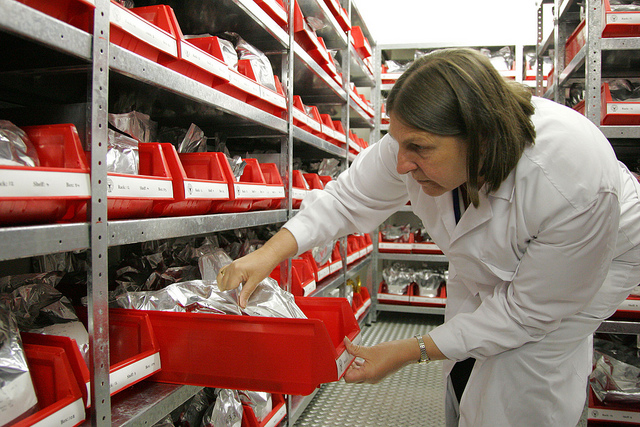
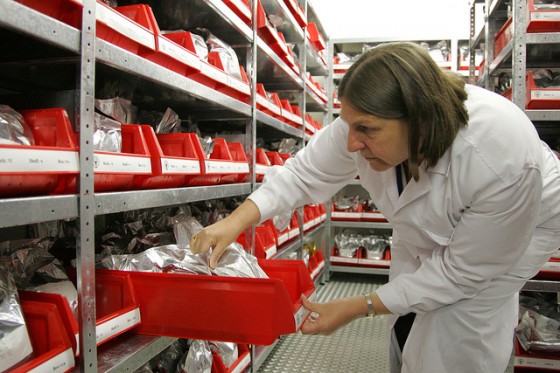
sorting-seed-bank-vaultAs populations surge and climate change destroys existing crops, seed and gene banks prepare us for potential food-shortage emergencies.

As we learned when fires raging through Russia destroyed wheat crops, countries all along the food chain, including Egypt, feel the pinch, though climate change is not all that puts at risk Israel’s tomato, cucumber, and melon supply. Lack of biodiversity also threatens agriculture as much it does any ecosystem.

As rising food prices, growing populations and natural disasters increasingly put pressure on food production, governments and scientists are focusing on preserving the world’s agricultural biodiversity through seed and gene banks.

Seedy savings

“Crops are resources that are renewable as long as you can conserve them,” Cary Fowler, executive  director of the Global Crop Diversity Trust told IRIN from Rome. “In this sense, seed and gene banks are the libraries of life.”

Gene and seed banks, by storing food varieties, prepare the world for food crises by acting as a “savings account.” Just as one saves money for emergencies, scientists are saving seeds in case certain crops die out or are destroyed.

These stockpiles can be used to feed a growing population, which the UN predicts will balloon from seven billion to nine billion by 2050.

Adaptation

Scientists also hope to use genetic features of these stored seeds to create crops that can adapt to various weather conditions.

“Different varieties have different traits which are suitable for different climates, diseases, soils and markets,” said Rory Hamilton, head of the T.T. Chang Genetic Resources Center at the International Rice Research Institute. “If we lose those traits, then we lose our ability to respond to challenges.”

According to Diverseeds, a food security project of the European Commission, the world’s diet is primarily comprised of only 30 crops. Of those, wheat, corn and rice account for more than half of the world’s food consumption.

IRIN lists some of the most important crop seed and gene banks around the world:

Pavlovsk Experimental Station (Berry Bank) – Russia

What: Established in 1926, the Pavlovsk Experimental Station has one of the oldest collections of fruits and berries in the world and the largest in Europe. It contains more than 5,500 seed varieties of blackcurrants, apples and strawberries. Despite the fact that 90 percent of the station’s collection is unique, it is currently facing demolition plans by the Russian government. Sixty percent of the blackcurrants in Russia – the top producer at $400 million per year – originated from this research centre.

Where: Built outside St. Petersburg, the station earned a special place in Russian history during the World War II siege of the city, when 12 scientists chose to starve to death rather than eat the precious seeds.

International Rice Research Institute (IRRI) – Philippines

What: The oldest and largest international agricultural research institute in Asia, IRRI has more than 109,000 types of traditional, wild and ancestor rice. Rice farms cover 11 percent of the world’s arable area, and almost half the world depends on rice as a major source of food and income. It was established in 1960 by the Ford and Rockefeller foundations, in cooperation with the Philippine government.

Where: Los Baños, about 60km south of the Philippine capital, Manila.

International Maize and Wheat Improvement Centre (CIMMYT) – Mexico

What: Established in 1971, CIMMYT manages the most diverse maize and wheat collections. Each year the centre ships several tons of seed to more than 100 researchers in dozens of countries. The centre has some 140,000 samples of wheat seed from more than 100 countries, and 27,000 samples of maize.

Where: Mexico City.

International Potato Center (CIP) – Peru and Ecuador

What: CIP conducts scientific research on potato, sweet potato and other root and tuber crops, and examines ways to improve natural resource management in the Andes and similar mountain climates. Established in 1971, CIP has 5,000 samples of potato, 6,500 samples of sweet potato and 1,300 samples of nine species of Andean roots and tubers.

Where: CIP has experimental stations in a variety of climates in Peru and Ecuador, including in an irrigated coastal valley in La Molina, outside Lima, Peru’s capital; in the high Andes in Huancayo (Peru); on the eastern, rainforest-covered slopes of San Ramón (Peru); and Quito, Ecuador, in the high Andes.

Svalbard Seed Vault – Norway

What: Managed by the Global Crop Diversity Trust, Nordic Genetic Resource Center (NordGen) and the government of Norway, Svalbard is the largest seed vault in the world. Built in 2008 as a safety net in case other collections are destroyed, the vault cost US$9 million to build and holds 526,000 seed samples (500 seeds per sample).

Where: Dug out of an arctic mountainside nearly 1,000km north of the Norwegian mainland, the vault is located in the Svalbard Archipelago, near the town of Longyearbyen. For nearly four months a year, the Svalbard islands are enveloped in total darkness. Permafrost and thick rock ensure that even without electricity, the samples, which are stored at -18 degrees Celsius, remain frozen.

More food and health news:

6 Ideas For Eating Well With Leftovers

5 Vegetarian Myths To Counter Die-Hard Carnivores

Missing That Special Herb? Abu Dhabi Pesticide Testing Slows Supply

Ramadan’s Favorite Spices Flavor Middle Eastern Food

0

image-spice-shop-Nazareth

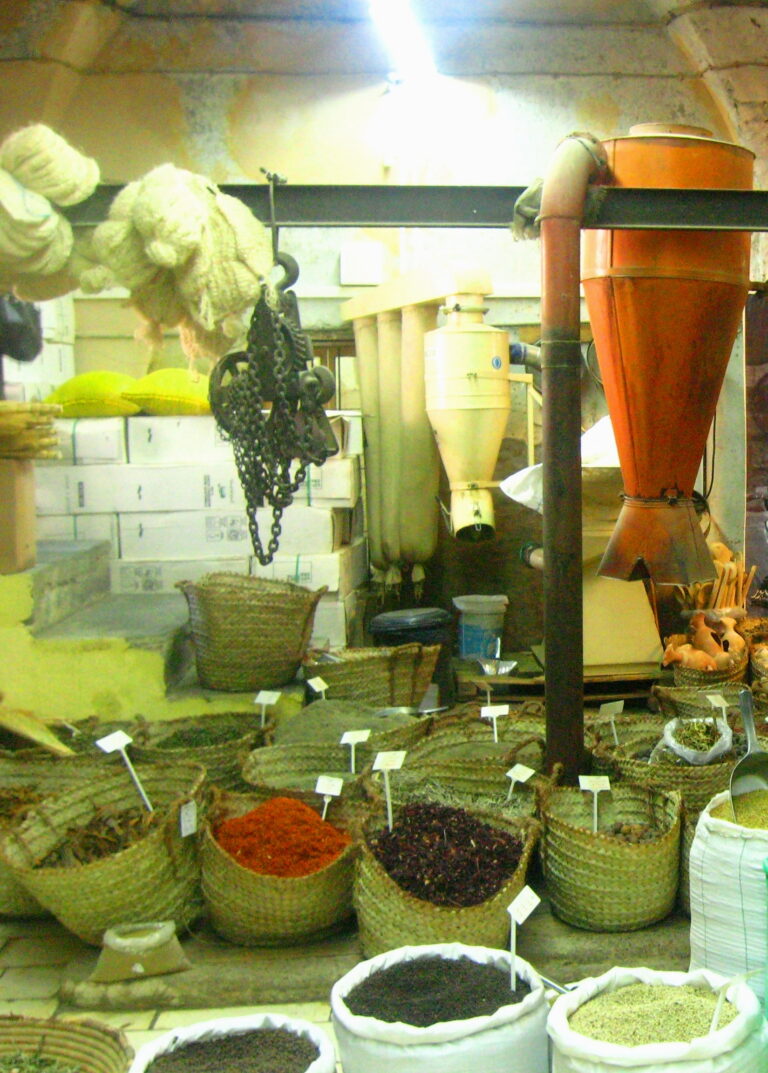
Dozens of colorful fresh spices enliven traditional dishes of the Arab world.

Spices and herbs are treasured as culinary ingredients, and as medicine, in every Middle Eastern country. While modern supermarkets and small grocery stores carry many of the popular ones, people in the know still search out traditional spice and herb shops, where they find exotic blends that may include ingredients like dried rosebuds, or fresh herbs like parsley and curry leaves.

According to the online news magazine DP (Day Press) News, the spices beloved by the Arab community sell especially well during the just-concluded month of Ramadan.

Barge Sinks In The Nile, Releasing 110 Tonnes Of Diesel Fuel

0

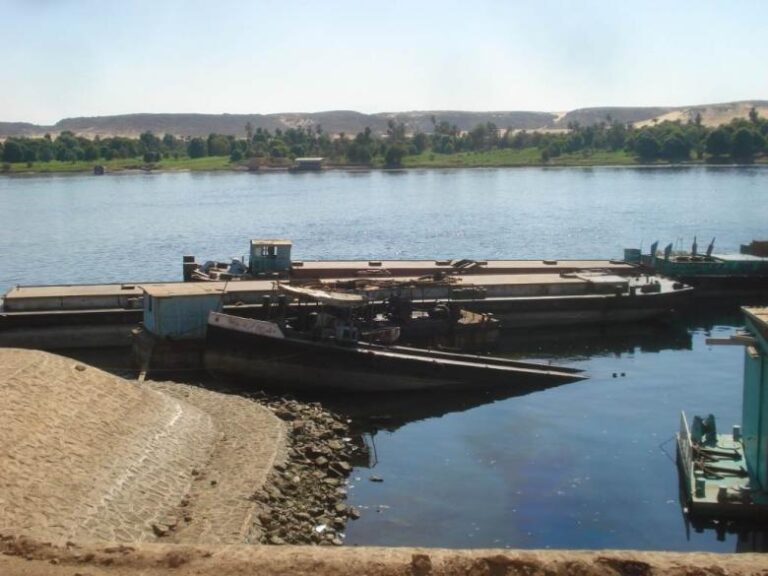
nile-river-diesel-spillWill the Nile River diesel spill bolster lower nations’ claims to the river?

Who has rights to the Nile’s sometimes polluted water is under dispute, catering as it does to numerous nations up and down its long and winding length. Egypt has kept control, but other African nations are beginning to stand up to claim their share. The barge that sank in the river on Saturday, just north of Aswan, may give other nations additional political leverage if it appears that Egypt is not maintaining its environmental responsibility.

Earlier this year there was an oil spill in the Red Sea, which media reports show the Egyptian authorities attempted to cover up, while the country’s recent, widespread power cuts demonstrates even further bad management. If the country hopes to hold on to its access to the Nile, its  agencies need to start implementing better environmental practices.

UAE Man Campaigns Against Reckless Driving That Killed His Sister. Part I.

Esuraya-campaignvery day 35 people are killed in the Gulf as a result of poor driving. Mohd Shahnawaz has launched a new campaign to change the attitude behind the Gulf’s reckless drivers.

Just yesterday we posted a report that Iran has the highest rate of traffic fatalities, though that country competes with Saudi Arabia for the same dubious distinction. This was said to result in part from “cultural attitudes.” Those attitudes are being taken to task by Mohd Shahnawaz.

An engineer and entrepreneur by profession Mr. Shahnawaz started the Suraya Foundation in the United Arab Emirates after the death of his sister in an undisputed and possibly reckless driving incident.

Named after Mohd’s sister, Suraya is a road safety organization that aims to change attitudes of reckless drivers throughout the Middle East by spreading education about dangerous driving via the media. Here’s his story:

The Hidden “Natural” Sugar in Your Food

1

list-of-ingredientsA list of ingredients is often full of long, complicated words when all you really want to know is: “How much sugar is in this?”

We live in an age where consumers are trying to become more health conscious. It is important to control what we eat, including the amount of items like salt and sugar. This means that we habitually read the ingredients of different types of food, but then again, there is always that one new product, which looks extremely seductive with the phrase printed across the front, “No added sugar.” What’s the gimmick?

Atoning for Environmental Sins in the Kitchen this Yom Kippur

3

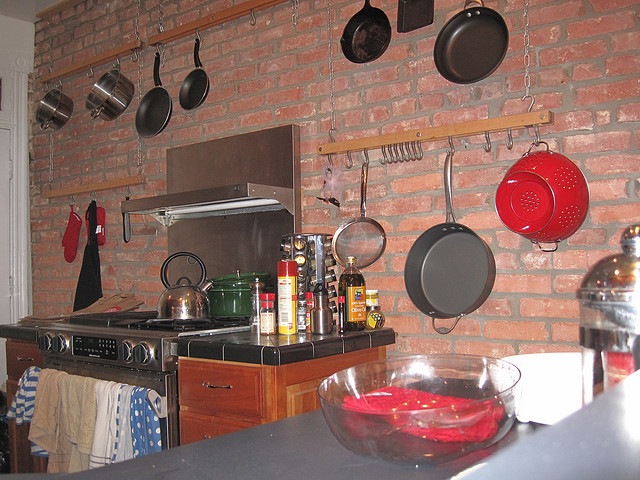
old-fashioned-Brick-kitchenAvoid environmentally unfriendly cooking habits in the new year

The Jewish holiday of Yom Kippur begins this Friday night, September 12. In Jewish tradition this is the day of repentance, a time to look back on our actions during the past year and resolve to do better. It’s a good time to power down, and during the holiday season, much of our activity focuses on cooking for friends and family. The kitchen is the part of any home that uses up the most resources on a daily basis. It’s time to take stock—have you committed any of these environmental “sins” in your kitchen over the past year?

Artocos: Architectural “Musical” Activism in Dubai

0

artocos-power-plant-one
Dubai’s designers protest a planned development project with this musical power plant

If we continue to usurp every inch of undeveloped land in order to protect consumption, we will likewise destroy the very biodiversity upon which all life depends. Everything matters: that blade of grass? It’s someone’s food. Those bobble-eyed frogs? They get eaten too. Eventually, this energy chain – a chain of transferred calories – gives us the nourishment that we need in order to feed our brethren. So when we pollute another wetland or chop down another stand of trees, we foolishly destroy ourselves.

This is no secret to scientists or environmentalists or even small children, so surely it isn’t a secret to the entrepreneurs who pursue irresponsible building schemes? Just in case it is, Dubai’s illuminated designers are pointing out the possibility that power need not pollute, that energy can be sustainable, and that nature should take front stage.

6 Ideas For Eating Well With Leftovers

7

sandwhich-from-leftovers
You’ll eat well and save money by changing the way you look at holiday leftovers.

This time of year is a time of intense food activity. For Jews, the High Holidays are taking off with symbolic foods called Simanim, and for Arabs, Ramadan just came to a close (have a look at the lively, vegan couscous and Roqaq dish we posted for Ramadan). Cooks plan, shop, and work hard in the kitchen to set holiday dishes on the table with pride. We know that the food nourishes not only appetites, but memories and group identity as well. But then we open the fridge and view the leftovers with a jaundiced eye. What to do with those containers holding little bits of this and that?

Before starting a clean-the-fridge marathon, consider looking at leftovers as something different. View them as ingredients. And in view of rising food prices, it makes sense to craft these “pre-cooked ingredients” into new, delicious meals. After all, you’ve already paid for them.

Canadian Man Revolutionizes Sharjah, UAE With Recycling

4

workers-recycling-beeah-uaeDespite being a very conservative district, Sharjah in the United Arab Emirates has invested in recycling, revolutionizing how the emirate treats its trash

In some parts of the United Arab Emirates, attitudes towards the environment are moldy and overgrown with ignorance. The daily feasts during Ramadan produced extraordinary food waste, and artificial islands continue to grow. Not to mention Dubai, that glittering blight on the UAE’s environmental horizon. But elsewhere in the Emirates, leaders are attempting to catch up to the more advanced Western approach. Strict new rules prevent tainted herbs from reaching markets, and more recently, the rulers of Sharjah, an otherwise conservative emirate that strictly forbids alcohol, or men and women to mix, invested $41 million in a recycling facility.