Home Blog Page 610

Turkey’s New Step Towards Wind Energy in Balıkesir

1

turkey-wind-energyOn the heels of  Turkey’s  smart-grid connection to Europe, the country announces that it will host a new wind-turbine factory in the Western province.

News moves quickly in the blogosphere. Roughly two weeks ago we reported Turkey’s new “smart-grid” connection to Europe, which is expected to not only improve the country’s own renewable energy sector, but will allow it to boost its economy by exporting energy to Europe.

While Leviathan promotes miniature wind-turbines, and others are leasing their roof space for smaller-scale agricultural and renewable energy projects, Turkey will host a full-scale wind-turbine manufacturing plant in the western province of Balıkesir.

UAE Man Campaigns Against Reckless Driving That Killed His Sister. Part II.

suraya-campaignEvery day, 35 people are killed in the Gulf as a result of poor driving. Mohd Shahnawaz has launched a new campaign to change the attitude behind the Gulf’s reckless drivers.

This is the second in a two-part series about the Suraya Foundation. In the first (which you can read here) we described how Mr. Shahnawaz started the Suraya Foundation in the United Arab Emirates after the death of his sister in an undisputed and possibly reckless driving incident.

In this second part, Mr. Shahnawaz describes his methodology for changing the cultural attitudes that wreck havoc on the roads.

In the Arab world, though particularly in the Gulf region, reckless driving accounts for a devastating string of traffic accidents and attendant fatalities. We reported that Iran has the highest rate of traffic fatalities, though Saudi Arabia also has a very serious traffic problem. Mr. Shahnawaz believes that a campaign that combines both an emotional and logical appeal is the most effective way to sway the public.

Tel-Aviv’s $60 Million Eco-Office Tower A Go

1

Tel-Aviv's-first-office-eco-towerTel Aviv’s first ‘green’ office tower uses recycled, sustainable and domestic building materials and ecological maintenance procedures for a long-term low impact on nature.
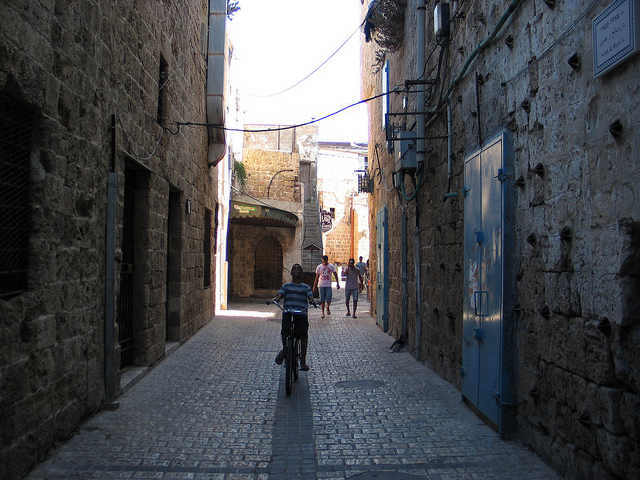
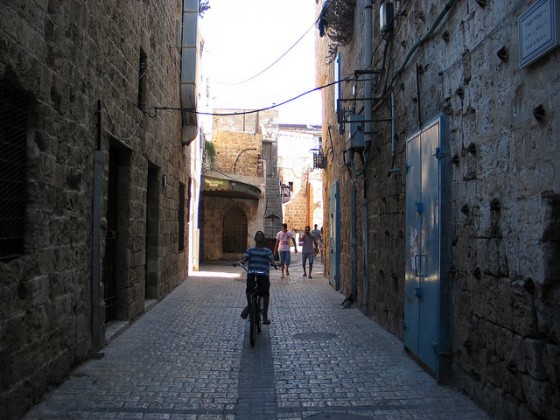
Israel’s scarce water and energy resources were foremost in the minds of constructors Ronen and Alon Azouri when they designed Tel Aviv’s first ‘green’ office tower. Using recycled sustainable and/or domestic building materials and ecological maintenance procedures, their goal was to create an office block with a long-term low impact on nature.
Can Shmuel Ovadia’s SDE Wave Energy Compete with World’s Largest Wave Power Hub?

2

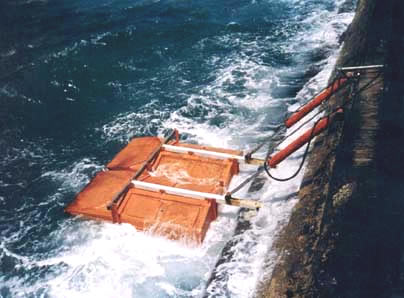
israel-wave-energyWave energy may be Mankind’s future energy resource.

Generating electricity from ocean currents and waves is still far from being an accomplished reality, despite efforts being made by innovators like Shmuel Ovada and his SDE wave energy company. But now, the idea of using the tremendous power of the sea to create energy is much closer to practical reality with the completion of what is being hailed as the world’s largest wave power hub that is estimated to be able to produce as much as 187,000 MWh of electricity per year.

Why Israel Breathes Easy On Car-free Yom Kippur Day

1

quiet-yom-kippur-streets

Israel’s green campaigners note the quiet streets and clear skies on Yom Kippur Day

Yom Kippur, the Jewish Day of Atonement, is the holiest day of the year in Judaism and begins this Friday. For non-Jews in Israel it is a day when the streets are quiet, peaceful and vacant of anything but feet.

But beyond urban tranquility, green campaigners in Israel have noticed an unexpected benefit to the Jewish day of prayer and fasting: the country’s ecological footprint is significantly reduced.

Sue Tourkin Komet Integrates Recycling (and a whole lot of other stuff) Into her Sukkah

0

recycling-sukkahBefore you start building your sukkah, think about the materials and values that you want to use.

Sukkot, the Jewish Festival of Booths, will begin next week and many Jews all over the world are starting to think about building their sukkah. While intended to imitate a natural makeshift shelter and honor certain forms of plant life, sukkot are often decorated with plastic ornaments and other non-eco-friendly items. Sue Tourkin Komet, based in Jerusalem, shows us that it doesn’t have to be that way.  You can integrate upcycled and recycled elements into your sukkah (and perhaps even fully create it out of them).

Bridging Syria’s Bio-Tech Gap

0

biofuel-technology-syriaSyria’s building its environmental research infrastructure one Masters at a time

In addition to de-congesting its markets, albeit at the expense of certain locals, and improving local and foreign knowledge about Syria’s extraordinary biodiversity, the country appears to be taking important steps to educating their public about environmental issues. Often the unsung heroes spend their lives doing critical research, which if any good is then applied to real-world scenarios. Thanks to the National Commission for Biotechnology, developed in concert with the Ministry of Higher Education in 2002, Syria is beginning to close the East-West gap in biotechnology and other critical environmental research.

Organic Honey versus Mass Produced?

1

Sinsila beekeeper, East JerusalemThe honey bee chooses the flower, which changes the flavour of the honey. Which honey do you choose?


The Jewish New Year, otherwise known as Rosh Hashanah, was celebrated just this past week, and one of the most common symbols of this time is honey. A jar of honey symbolises a sweet new year, so around this time it is a popular commodity in Jewish households. When buying honey, no matter the time of year, do you stop to consider which type of honey you are purchasing?  

Beware Turkey’s Naysayers: Some Agricultural Chemicals ARE Harmful

6

danger-sign-agricultural-chemicalsIt’s worthwhile to heed the “eco-washers” and other insincere marketers, but to completely overlook the harm in certain chemicals is to do a disservice to the community.

We are as quick to take eco-washing to task as any rabid consumer. Earlier this year, we called out Foster & Partners for their “sustainable” architecture, which is only sustainable for maybe the next few years. And we are willing to take a critical view of vegetarianism and sustainable fishing – both practices that we promote but that are controversial issues in the blogosphere. However, we don’t have a lot of patience for the naysayers who blithely publish erroneous information that threatens to undo years of campaigning for better health for everyone.

Feather Project’s Young And Old Get Together To Save The Planet

0

green-faith-feather-projectWhat lesson would you like to share with the next generation? What does it take to create a better future for the human family and all life on this planet?

These questions are at the heart of the Feather Project which seeks to bring together young and old people to create solutions for the problems facing the planet.

Launched by the award-winning humanitarian Rabbi Awraham Soetendorp from the Netherlands, the project states that using the wisdom of elders, the dreams of the young, and the world’s spiritual traditions we can create a more sustainable planet.

Rabbi Soetendorp also notes that the key to safeguarding the planet is intergenerational dialogue in which wisdom is passed on and the hopes and wishes of the future generations are expressed.

He wrote: “It is the natural but too often neglected passionate cooperation between the generations, blending the lessons from the past with daring visions for the future that will pull us out of the trap of self-indulgence and callousness, which could only lead to destruction of ourselves and the diversity of all life.”

Israel to Make Public Buildings More Energy Efficient – At No Cost to the Taxpayer

1

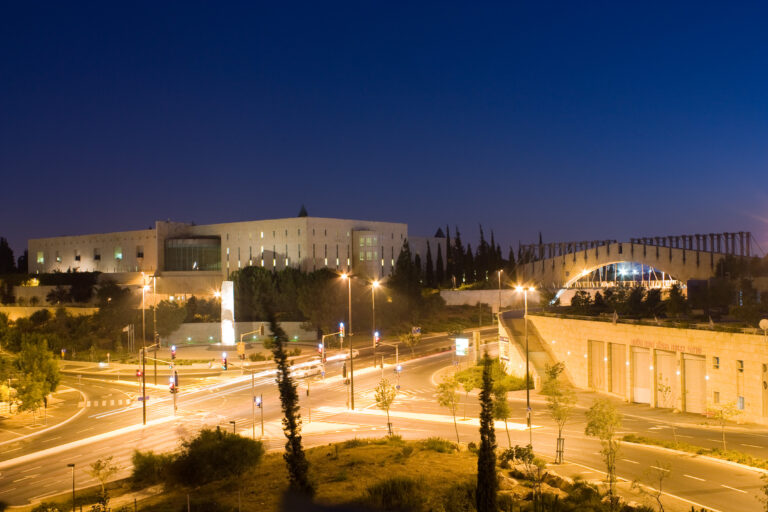
Israeli Supreme Court Energy will soon be used more judiciously at the Supreme Court (shown here) and other public buildings in Israel.

The Israeli government has awarded a tender for improving energy efficiency in public buildings by over 30% – without spending a shekel of taxpayer’s money. Under the tender’s Energy Saving Sharing plan, EHS Tech will bear all of the costs of acquiring and installing new lighting systems and other equipment, and the company will receive 70% of the anticipated savings in energy costs during the first seven years.

Spain’s Solaer is Bullish on Israel’s PV Market, Hopes to Win 10% Market Share

1

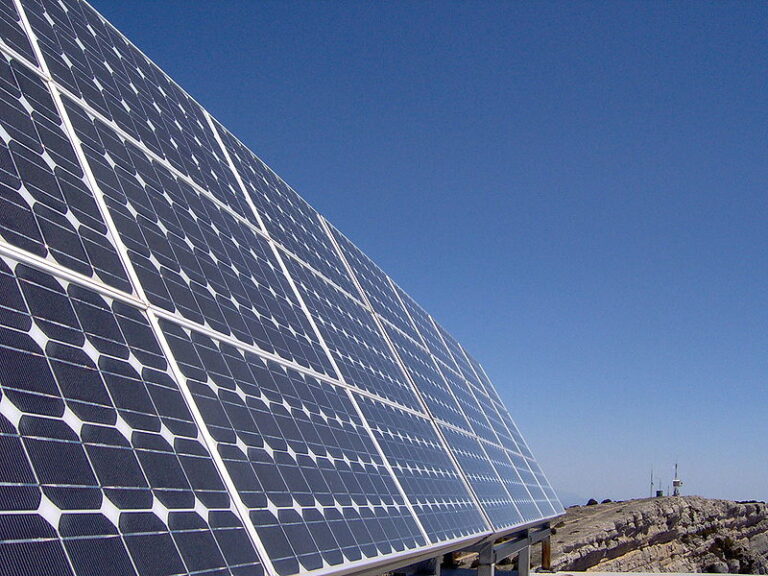
Solaer sees ‘huge potential’ for solar arrays in Israel.

After building a number of photovoltaic solar facilities in Spain, the Spanish renewable energy company Solaer is now exploring several other sunny markets, including Israel. In fact, Solaer’s founder and CEO, Ignacio Arganza Alvaro, told the Israeli business newspaper Globes that his company hopes to achieve a 10% share of the Israeli market within five years.

Daridere Resort and Camping Area a New Turkish Eco Tourist Spot

1

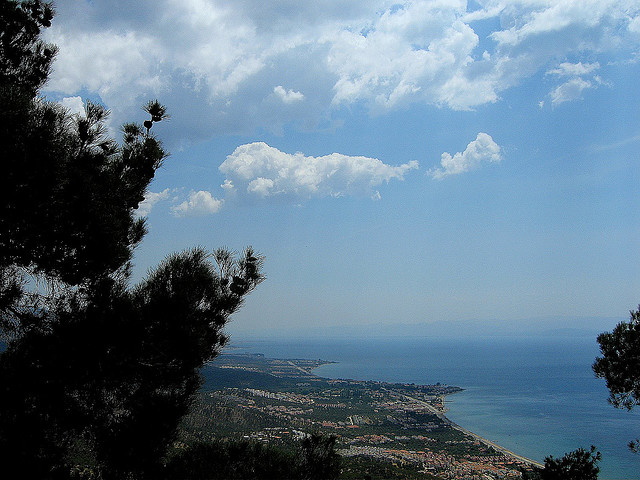
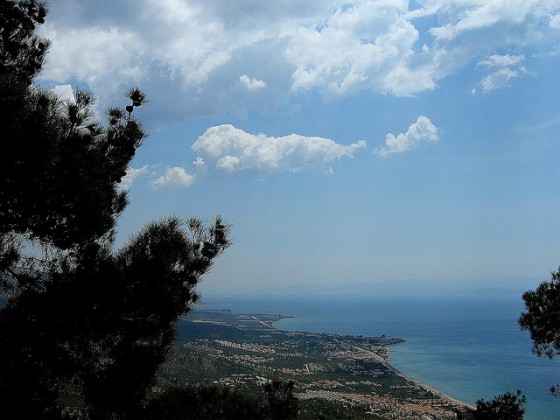
daridere-resort-turkeyEnjoy Turkey a little bit more naturally at Daridere Resort and Camping Area near the northwestern town of Altinoluk.

Turkey, like many areas of the Middle East, is endowed with beautiful natural landscapes. Landscapes that you may not enjoy viewing the gas-guzzling, wasteful hotel, standard way. Instead, you may enjoy taking in these landscapes in a way that is more harmonious with your surroundings. Daridere Resort and Camping Area, near the northwestern town of Altinoluk, allows eco tourists to enjoy the Ida Mountains and the region’s great biodiversity in an eco-friendly way.

Syrian Environment Association Advances The Country’s Eco-Deeds

0

syrian-environment-associationThis environmental group is bringing all kinds of eco-goodness to the people of Syria.

Syria doesn’t always get it right, but we have to give them kudos for trying. On the one hand, certain citizens are making an effort to spread their environmental message even though, during one eco-event, they sent balloons into the atmosphere. And while trying to reduce congestion in their fruit and vegetable markets, they inadvertently disparage the poor farmers who can’t afford to pay exorbitant fees for a license. But the country’s grasp of wildlife and environmental tourism, and its effort to direct people towards discovering their fauna and flora, is becoming increasingly progressive. For this, the Syrian Environment Association (SEA) deserves recognition.

Worldwide Seed And Gene Banks Are “Libraries Of Life”

1

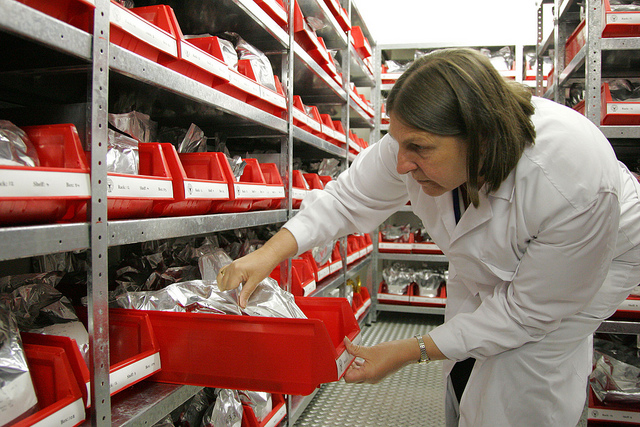
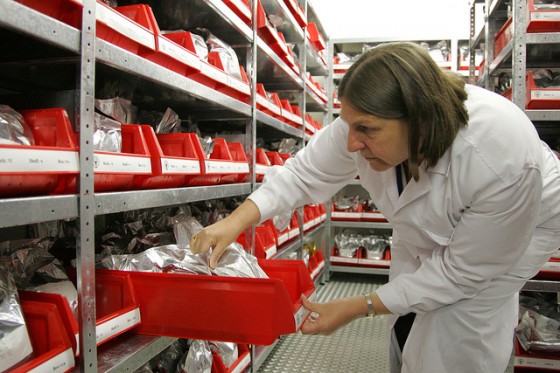
sorting-seed-bank-vaultAs populations surge and climate change destroys existing crops, seed and gene banks prepare us for potential food-shortage emergencies.

As we learned when fires raging through Russia destroyed wheat crops, countries all along the food chain, including Egypt, feel the pinch, though climate change is not all that puts at risk Israel’s tomato, cucumber, and melon supply. Lack of biodiversity also threatens agriculture as much it does any ecosystem.

As rising food prices, growing populations and natural disasters increasingly put pressure on food production, governments and scientists are focusing on preserving the world’s agricultural biodiversity through seed and gene banks.

Seedy savings

“Crops are resources that are renewable as long as you can conserve them,” Cary Fowler, executive  director of the Global Crop Diversity Trust told IRIN from Rome. “In this sense, seed and gene banks are the libraries of life.”

Gene and seed banks, by storing food varieties, prepare the world for food crises by acting as a “savings account.” Just as one saves money for emergencies, scientists are saving seeds in case certain crops die out or are destroyed.

These stockpiles can be used to feed a growing population, which the UN predicts will balloon from seven billion to nine billion by 2050.

Adaptation

Scientists also hope to use genetic features of these stored seeds to create crops that can adapt to various weather conditions.

“Different varieties have different traits which are suitable for different climates, diseases, soils and markets,” said Rory Hamilton, head of the T.T. Chang Genetic Resources Center at the International Rice Research Institute. “If we lose those traits, then we lose our ability to respond to challenges.”

According to Diverseeds, a food security project of the European Commission, the world’s diet is primarily comprised of only 30 crops. Of those, wheat, corn and rice account for more than half of the world’s food consumption.

IRIN lists some of the most important crop seed and gene banks around the world:

Pavlovsk Experimental Station (Berry Bank) – Russia

What: Established in 1926, the Pavlovsk Experimental Station has one of the oldest collections of fruits and berries in the world and the largest in Europe. It contains more than 5,500 seed varieties of blackcurrants, apples and strawberries. Despite the fact that 90 percent of the station’s collection is unique, it is currently facing demolition plans by the Russian government. Sixty percent of the blackcurrants in Russia – the top producer at $400 million per year – originated from this research centre.

Where: Built outside St. Petersburg, the station earned a special place in Russian history during the World War II siege of the city, when 12 scientists chose to starve to death rather than eat the precious seeds.

International Rice Research Institute (IRRI) – Philippines

What: The oldest and largest international agricultural research institute in Asia, IRRI has more than 109,000 types of traditional, wild and ancestor rice. Rice farms cover 11 percent of the world’s arable area, and almost half the world depends on rice as a major source of food and income. It was established in 1960 by the Ford and Rockefeller foundations, in cooperation with the Philippine government.

Where: Los Baños, about 60km south of the Philippine capital, Manila.

International Maize and Wheat Improvement Centre (CIMMYT) – Mexico

What: Established in 1971, CIMMYT manages the most diverse maize and wheat collections. Each year the centre ships several tons of seed to more than 100 researchers in dozens of countries. The centre has some 140,000 samples of wheat seed from more than 100 countries, and 27,000 samples of maize.

Where: Mexico City.

International Potato Center (CIP) – Peru and Ecuador

What: CIP conducts scientific research on potato, sweet potato and other root and tuber crops, and examines ways to improve natural resource management in the Andes and similar mountain climates. Established in 1971, CIP has 5,000 samples of potato, 6,500 samples of sweet potato and 1,300 samples of nine species of Andean roots and tubers.

Where: CIP has experimental stations in a variety of climates in Peru and Ecuador, including in an irrigated coastal valley in La Molina, outside Lima, Peru’s capital; in the high Andes in Huancayo (Peru); on the eastern, rainforest-covered slopes of San Ramón (Peru); and Quito, Ecuador, in the high Andes.

Svalbard Seed Vault – Norway

What: Managed by the Global Crop Diversity Trust, Nordic Genetic Resource Center (NordGen) and the government of Norway, Svalbard is the largest seed vault in the world. Built in 2008 as a safety net in case other collections are destroyed, the vault cost US$9 million to build and holds 526,000 seed samples (500 seeds per sample).

Where: Dug out of an arctic mountainside nearly 1,000km north of the Norwegian mainland, the vault is located in the Svalbard Archipelago, near the town of Longyearbyen. For nearly four months a year, the Svalbard islands are enveloped in total darkness. Permafrost and thick rock ensure that even without electricity, the samples, which are stored at -18 degrees Celsius, remain frozen.

More food and health news:

6 Ideas For Eating Well With Leftovers

5 Vegetarian Myths To Counter Die-Hard Carnivores

Missing That Special Herb? Abu Dhabi Pesticide Testing Slows Supply