Home Blog Page 599

Bogus Job Offers For Elephant Trainers And Graphic Designers

4

bogus-job-opportunities

Deputy Editor of XPRESS goes undercover and exposes rampant recruitment racket in the United Arab Emirates.

Mazhar Farooqui, Deputy Editor of XPRESS, posted a resume that depicted him as the most worthless employee in the United Arab Emirates. Even so, he was offered all kinds of lucrative jobs. For only $81, the undercover editor was told by the “recruitment agency” Waseela near Sharjah City Centre that he could transfer to Canada to work in a veterinary hospital, or a zoo with elephants or any other number of animals.

They need trainers, lots of trainers they told him. But first he had to produce a processing fee. In an undercover operation, XPRESS revealed a handful of phony recruitment agencies in Dubai, Sharjah, and Ajman that charge illegal processing fees for jobs that do not exist. And because it is not a criminal offense, police claim to be powerless. 

Eid Al-Adha: The Muslim Festival of Meat?

8

eid-al-adha-meat-vegetarianism-muslimArwa explores why the shift away from home slaughtering during Eid al-Adha is damaging the way people see meat.

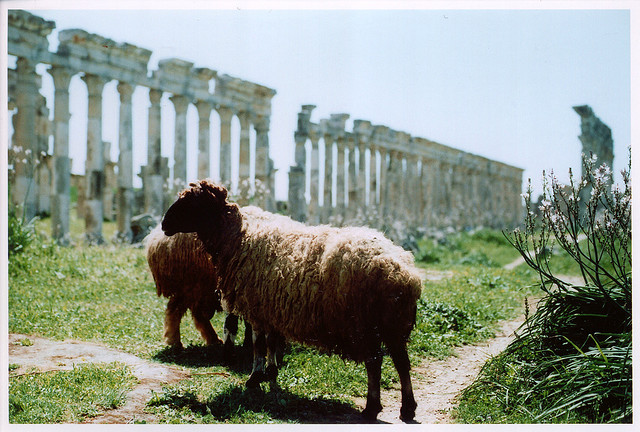
In around one month’s time Muslims from across the world will celebrate Eid al-Adha by sacrificing a sheep or a goat. Eid al-Adha, the ‘Festival of Sacrifice’, commemorates the occasion when god asked Prophet Ibrahim to sacrifice his son Ismail as an act of obedience and at the last minute his son was replaced with a sheep to slaughter. Although festival is spiritual event, major elements of it include eating lots of meat which raises the question: where will people be getting their meat from?

Traditionally, many Muslim families would buy a sheep or goat weeks in advance and slaughter it themselves on the day. Today, however, that practice is increasingly rare in the Middle East and almost non-existent in Muslim communities in the west. Many will now buy their meat from a butcher or worse their supermarket which ultimately disconnects them from the fact that their meat comes from somewhere; that an animal was sacrificed to feed them.

Holidays and Home Slaughters

One of the earliest memories I have is watching a sheep get slaughtered in our front garden in Jordan to celebrate Eid al-Adha. I must have been around 5 or 6 yrs old at the time and although it should have been traumatic, I can honestly say it wasn’t. A sheep had been brought into our house a couple of weeks before and it stayed on our flat roof upstairs where it had enough food and water to keep it happy. My brother and sister would occasionally go up to keep it company but I wisely kept my distance. A couple of days before Eid it was brought down and led into the front garden- come Eid day, it was quickly and efficiently slaughtered.

Now one of the things that sticks in my mind is that there was a lot of blood and it sprayed everywhere- on the walls, the steps, the porch and the windows. But the blood was washed away and the meat cut up and distributed to neighbors and poor families. I wasn’t left feeling that what had happened was shocking, terrible or that the animal had suffered. It’s was where our meat came from and I accepted that as a fact. [It would be years down the line when I watched a video about factory-farming that I felt disturbed and shocked at the treatment of animals.]

Where Does Your Meat Come From?

These days, meat is bought nicely wrapped in plastic and if you asked, most kids probably wouldn’t know where their meat came from. In the UK, I asked a young Muslim girl aged six where she thought tuna was and after some thinking she asked back, ‘Is it like a type of bread?’. She’s quite a smart girl but where her food comes from just isn’t something she’s ever needed to think about before. Is vegetarianism the answer? Some have put convincing arguments for vegetarianism within Islam as a way to solve our problematic relationship with meat but ultimately, not everyone will embrace it and so other solutions are needed.

Bringing people closer to, or even reminding them of, where their meat comes from is one way to do this. People always want lots and lots of cheap meat but meat shouldn’t be cheap because it comes from taking an animal’s life. Around a year ago, I was speaking to Ali Carr, a Muslim farmer who sells organic halal meat in the UK and after recalling the horrific conditions of factory-farming and the small scale nature of organic farming he admitted that :“If we try to follow the design the our maker has laid for us on how raise livestock, then we may have to eat less meat in the future. It’s better to save up and eat meat that tastes better, is more nutritious and halal rather than eat factory farmed meat everyday.”

This Eid, I hope people take the time to think about where their meat came from, and the conditions the animal lived through before it made to their plate.

For more on food and religious celebrations see:
Eid Al-Adha: Getting close to your meat
Have a Green and Joyful Sizdah Bedar (Persian New Year)
Repair Your Eating Habits in Time for Yom Kippur


What Abu Dhabi Plans For When The Water Runs Out

5

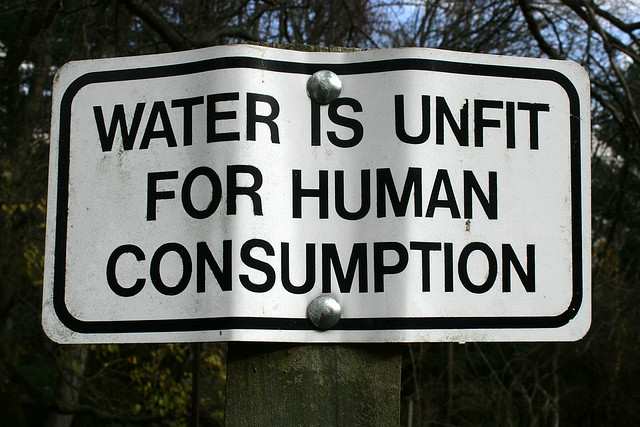
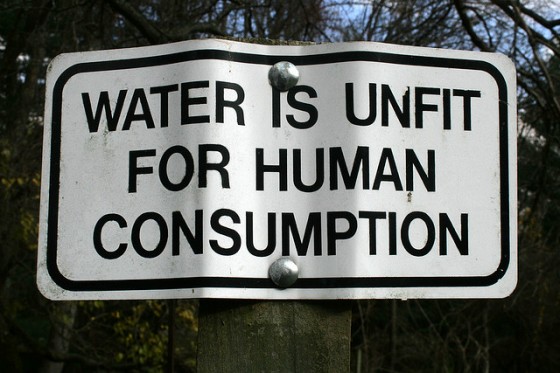
water-unfit-for-drinking Abu Dhabi’s government plans to pump desalinated water underground to prepare for event that its desalination plants are threatened.

Relying almost entirely on desalination plants for drinking water, and with approximately 90% of its groundwater unfit for drinking, Abu Dhabi’s water security is deeply uncertain. A major oil spill or a serious case of sea pollution could ground the plants; without them for even a few days, experts say Abu Dhabi’s constituents will face tremendous suffering.

The government recently announced the details of Plan B: millions of dollars of desalinated water – taken from excess winter supplies – are slated to be pumped into underground aquifers. Though cheaper, less environmentally destructive, and more secure than above-ground holding tanks, this plan does not come without risks.

Paula Leven Handspins and Knits Wool, Bringing Totally Off-the-Grid Crafts to Etsy

2

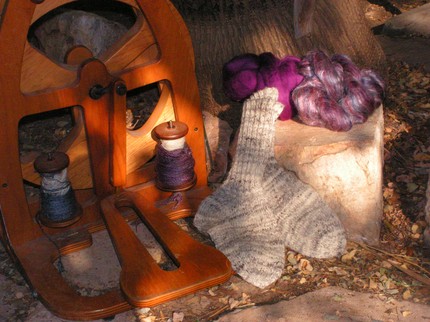
Paula Leven is an avid spinner, in the archaic use of the term.

Etsy, the popular handmade craft shopping site, touts itself as being green for a few reasons: all the items on the site are either handmade or vintage, and there is a feature to help shoppers buy local.  And yes, these are green ideas.  But Paula Leven takes her Etsy shop to a new eco-friendly level with her completely off-the-grid wares.  Whereas other crafters often using electronic devices such as sewing machines to make their products, Paula relies solely on her two hands, her spinning wheel, and her knitting needles.  Her products are old school, and completely non-electric.

Cluster Of Turkish Buildings Cool Off With Roof Pools

3

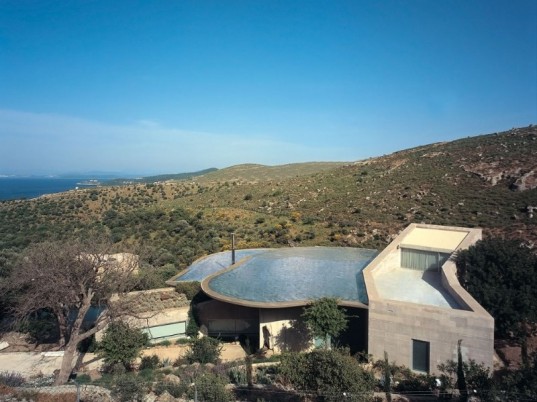
turkish-pool-roofGlobal Architecture Development circumvents heat and building codes with this house in Southwest Turkey.

There’s all kinds of things you can do with roofs: in the Middle East, we like to party on the roof – that’s for sure, and you can lease it to farmers and electricity generators if you have enough space. You can also cool your home with the roof. Though critics suggest that Turkey’s hot sun (which is great for solar panels) smears the ingenuity of Global Architecture Development’s  rainwater catchment that doubles as an air-conditioner on a collection of buildings in Southwest Turkey, we’re convinced that it’s an interesting alternative to energy-intensive air conditioning units.

UAE To Cut Electricity Output, Carbon Emissions

0

carbon footprint

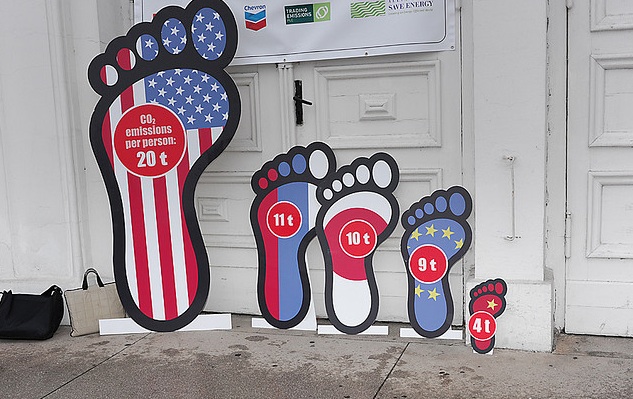
The United Arab Emirates has one of the largest carbon footprints in the world. Not surprising considering the small country has an indoor ski hill in the middle of the desert and a number of other Las Vegas-esque attractions (like the IceLand waterpark), but the government has said enough. A new high-tech plan was announced on Sunday that could see the UAE’s daily electric power consumption reduced by 30 percent, the government said.

More Signs Of Dubai’s Foul Ecology At Jumeirah Islands

3

jumeirah-islands-dubai
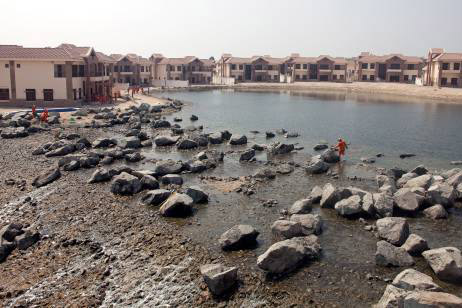
An ecological disaster in their own right, Dubai’s Jumeirah Islands’ environmental record is sinking deeper with this algae-choked lake.

Tourists are charged $200 a night to stay in this Jumeirah Islands apartment. Residents similarly pay a handsome sum to live at one of Dubai’s much-touted artificial palm islands. Within the last few years, despite warnings from environmentalists, people flocked to snatch a share of this exclusive, sinking, erosive man made island. And already, they are beginning to experience the side effects of such an ecological calamity.

Dubai’s daily, The National, followed up on residents’ year long complaints that the algae-choked lake surrounding Jumeirah Island emits a foul odor and attracts mosquitoes after the developers, Nakheel, failed to follow through on their promises to improve the situation. The paper submitted water samples to an independent laboratory which confirmed that levels of ammonium, as well as dissolved and suspended solids, are considerably higher than permitted by the municipality.

A Story About the Elephants and Sparrows of Israeli Society

1

sami ofer
Twenty families own most of the “free” economy in Israel: a recent report points to disturbing trends concerning class and society. Dr. Gotlieb sees fault in the free market policies that injure people and the environment.

In his comments on Israel’s invitation join to the Organization of Economic Cooperation and Development (OECD) last May, Prime Minister Benyamin Netanyahu stated: “The more we continue to free up Israel’s economy, and the more we continue to remove barriers to competition, the more Israel’s economy will thrive and the more the people of Israel will prosper.…”

A government report published on Sunday suggests differently: Statistics from the report by Israel’s Central Bureau of Statistics (CBS), indicate that large swaths of Israel’s population have been left behind by the Likud’s liberal economic program (Likud is the major center-right political party in Israel). Class division has increased, the number of people living under the poverty level is rising and Israel’s compares most unfavorably to European standards of socioeconomic welfare.

Is Jerusalem Stone Under Threat?

0

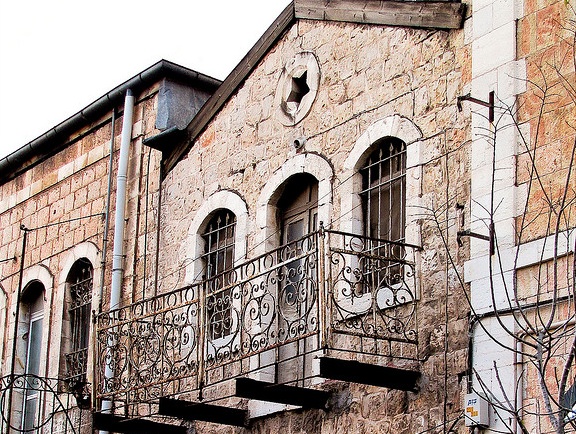
jerusalem stoneWe’ve heard about peak oil. Ilana asks about “peak Jerusalem stone” – and if it will ever be under threat.

My earliest memory of arriving in Jerusalem in 1993 is permeated with a sense of bewilderment. Coming from Queens, New York, everything was strange to me as I stared out the window of a car speeding from the airport – from the palm trees to the massive banner stretched across three buildings with an unintelligible slogan (in later months I’d discover it said, “The nation is with the Golan”).

But what stood out most to me was the beauty of the luminous stone buildings, so different from Queens architecture and seemingly so appropriate to all that the ancient holy city is and should be. Even now, after becoming jaded to the sight of Jerusalem stone, I feel a pang that is almost like pity when I visit other parts of the country and see that they – like Queens – have dull slabs for facades instead of the stone that makes Jerusalem unique.

Better Place Gets a “Charge” With GE Partnership

better place GE charge spotsGE’s  handsome designer car charging post the Watt Station even “talks” to drivers!

Entrepreneur Shai Agassi’s Better Place electric car battery exchange infrastructure projects will probably get a new “power boost” vi an announced partnership with the American General Electric Company (GE) to develop electric car infrastructures in the USA and other locations, according to  the NY Times. The article reported that GE announced it would be “working with one of the most experienced players in the field, Better Place, with the parties promising to collaborate on technology, battery financing, fleet electrification and consumer awareness.” We love the charge spots designed by Gadi Amit, but worldwide and outside of Israel it looks like Better Place has other plans for how its cars will recharge. 

Why 60 Percent of Iranians Are Overweight

5

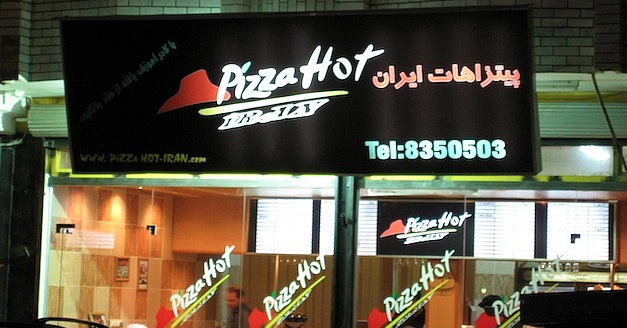
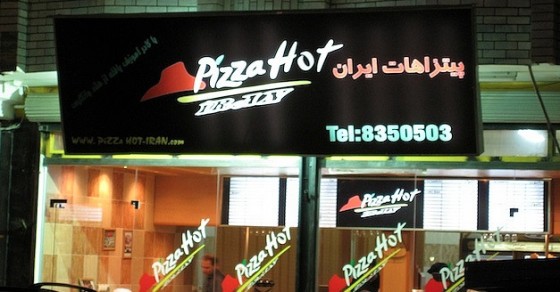
pizza hut hot iranPizza Hut or Pizza “Hot” – Iranians are getting fatter. Maybe because they are ignoring public transport.

The statistics show that obesity is growing among Iranian families. According to Dr. Marzieh Vahid Dastjerdi, Minister of Health, only 20 percent of the Iranians do regular sport activities and about 60% of them are overweight. She also has said that 11% of Iranians have diabetes and 12%  are in danger of this disease. Such news is spread while 30 minutes daily walking can reduce the danger of diabetes by 50%.

Recently Dr. Fereidoun Azizi the head of the Research Institute for Endocrine Sciences in Tehran had announced that the obesity rate in Iranian families was rising. The result of the research of this institute indicates that the obesity rate in the women is 35 percent and the same factor for men is 15 percent.

While the news and statistics show this worrying fact, fundamental change in transportation and urban planning strategies of the country is not observed.

Biodiversity Convention In Nagoya: Keeping The Jellyfish Out Of Our Sandwiches

1

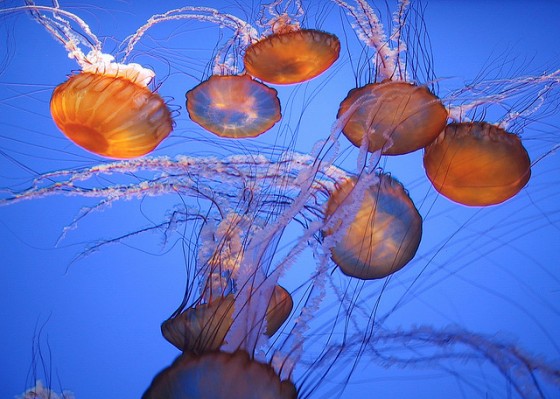
jelly-fishWill the UN Convention on Biodiversity (CBD) in Nagoya, Japan fare better than Copenhagen?

It’s easy to bandy about the term biodiversity, but much less easy to pin down its meaning. Harder still is to enumerate just how important biodiversity is to human life. The rate at which species are going extinct is 100-1000 times as high as normal. According to the International Institute for Environment and Development (IIEE), 33% of our genetic resources for food and agriculture have been lost, 40% of birds, 42% of amphibians, and roughly 70% of fisheries are stretching the sustainable threshold.

Fish is a staple source of animal protein for many of the world who do not have ready access to McDonalds. But we’ve nearly depleted the larger stock such as bluefish tuna and keep hauling out smaller and smaller species. At this rate, all that will be left to eat are jellyfish and algae, according to a recent IIED report called “Banking on Diversity.” The task of representatives gathered at the Convention on Biological Diversity (CBD) in Japan, then, will be to create policies that will stay what some call the sixth mass extinction.

Hezbollah Chief Compares Environment To Freedom of Speech And Religion

0

nasrallah-plants-treesHezbollah leader Sayyed Hassan Nasrallah adds environmental stewardship to its political platform.

In order to reach the populace in the Middle East, where environmental awareness has not yet reached the pinnacle necessary to combat problems such as pollution and waste, Islamic leaders have met several times to suss out religious mandates to maintain ecological integrity.

In so doing, they circumvent prevailing (western) climate science of which many lay people are suspicious, and appeal to religious sensibilities that are more likely to sway behavior. Following that tradition, Sayyed Hassan Nasrallah, the leader of the militant Islamist movement Hezbollah has also taken up arms in defense of the environment.

Tel Aviv Will Ban Trucks During Morning Rush Hour to Reduce Congestion

2

Will a simple morning truck ban solve Tel Aviv’s traffic problems, or is the problem much more complicated?

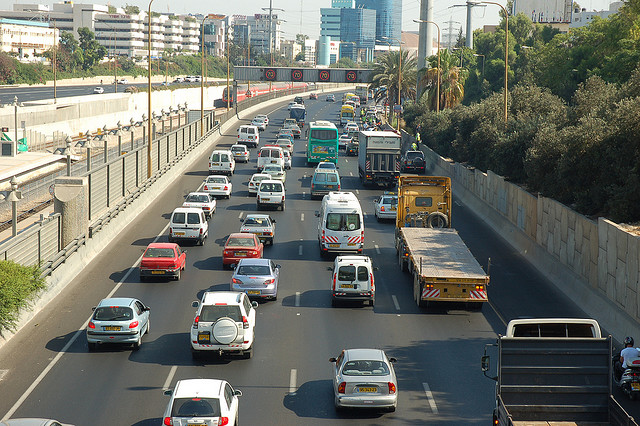
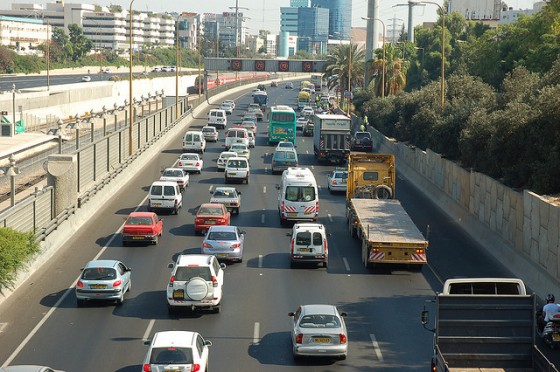
Anyone driving into Tel Aviv on a Sunday morning (the first day of the Israeli work week) knows that it’s a traffic nightmare.  As the main hub of central Israel, many people need to get to work in Tel Aviv, bring goods into Tel Aviv, etc.  And the congestion is a mess.  In an attempt to free up the roads and create more space for efficient public transportation, Transportation Minister Yisrael Katz announced a few weeks ago that trucks will be banned from entering the greater Tel Aviv area on major roads during the morning rush hour.

Denmark Prepares to (Slowly) Enter Electric Car Network

2

Better Place taxicab debut in Tokyo. A rollout of exchange spots is planned for Denmark.

Better Place’s battery exchange network will be launched soon in Denmark; but at a much slower pace than originally planned, according to an article in the Danish Ingenoren transport website, and Martin Thomson, host of the electric car news web blog Easyecar.com. According to the Ingenoren site, the cost of the cars in Denmark will run around Kronen 205,000 ($38,500) and a monthly battery rental fee of DK 589 ($ 110). These prices are really overly extravagant as compared to other types of electric cars, especially high performance sport models like the ones made by Tesla Motors.