 Lacking sufficient water to grow enough wheat for its burgeoning population, Egypt (above pic of Suez Canal farm) looks to other Nile Basin countries for land and water.
During the heat of this year’s scorching summer, Russia’s wheat supply took a serious hit and the country scaled back its exports. One of their main wheat importers, Egypt lacks the water to provide what is a staple for its 80 million strong population. As the population inflates and water becomes even more scarce, Egypt hopes to make its wheat supply more self-sufficient.
After recently signing an agreement with Sudan to allow private Egyptian companies to grow various cereals there, the Egyptian authorities began eyeballing other Nile basin countries as potential sources of land and water for their agricultural pursuits. Meanwhile, fifty percent of the population living within the Nile basin live below the poverty line of $1 per day. Private Egyptian companies will grow food in the Al-Gezira Region south of Khartoum, while the Egyptian government’s role is limited to technical support, according to IRIN news.
The deal signed between Egypt and Sudan in September is part of what IRIN (the United Nations news source) calls “the land-grab phenomenon” that began to take shape in 2008 (and Green Prophet’s editor Karin wrote about it here – Africa Up For Sale?). This refers to various foreign countries that are cultivating crops in African countries to support their own populations.


 A “beautiful nuisance” infiltrates Jerusalem’s German colony.



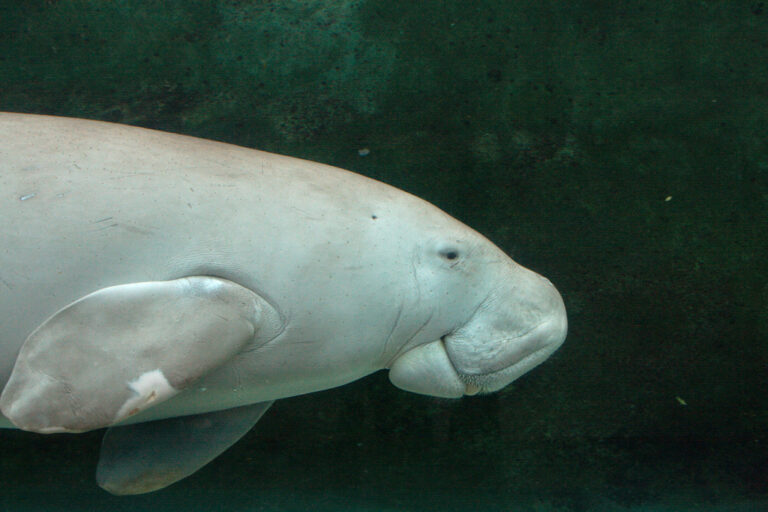
 Little is known about them in the west, but the world’s only vegetarian mammal in marine waters is under serious threat in the Middle East.




 In an interview with Green Prophet, Yael Mejia describes the benefits of buying fresh food locally.



 There will be no peace without water. Leaders need to address the Middle Eastern water scarcity with the same urgency as oil.