Somehow vegetables with short seasons excite the imagination and appetite more sharply than produce that’s available all year around. Good Middle Eastern cooks have many recipes for delicate fava beans, and this turmeric-fragrant soup is one.
Somehow vegetables with short seasons excite the imagination and appetite more sharply than produce that’s available all year around. Good Middle Eastern cooks have many recipes for delicate fava beans, and this turmeric-fragrant soup is one.
Somehow vegetables with short seasons excite the imagination and appetite more sharply than produce that’s available all year around. Good Middle Eastern cooks have many recipes for delicate fava beans, and this turmeric-fragrant soup is one.
Somehow vegetables with short seasons excite the imagination and appetite more sharply than produce that’s available all year around. Good Middle Eastern cooks have many recipes for delicate fava beans, and this turmeric-fragrant soup is one.
Somehow vegetables with short seasons excite the imagination and appetite more sharply than produce that’s available all year around. Good Middle Eastern cooks have many recipes for delicate fava beans, and this turmeric-fragrant soup is one.
Somehow vegetables with short seasons excite the imagination and appetite more sharply than produce that’s available all year around. Good Middle Eastern cooks have many recipes for delicate fava beans, and this turmeric-fragrant soup is one.
Somehow vegetables with short seasons excite the imagination and appetite more sharply than produce that’s available all year around. Good Middle Eastern cooks have many recipes for delicate fava beans, and this turmeric-fragrant soup is one.
Somehow vegetables with short seasons excite the imagination and appetite more sharply than produce that’s available all year around. Good Middle Eastern cooks have many recipes for delicate fava beans, and this turmeric-fragrant soup is one.
Even with the completion of the “Mekkah Metro” scenes like this are bound to continue during the Hajj for years to come.
As the 2010 Hajj pilgrimage begins this week, many wonder if this year’s journey of faith will be more environmentally friendly than in previous years. In previous Green Prophet articles, we have noted the logistical challenges of dealing with an influx of more than 3 million pilgrims into the Kingdom of Saudi Arabia, and onwards to the Holy Cities of Mecca and Medinah, which up to how has been done by thousands of buses and private cars.
Is King Herod’s “City by the Sea” doomed once again? Man-made developments have put Caesarea at risk.
The ancient sea port and other archeological sites in the Israel coastal community of Caesarea is being threatened by encroaching sea water due to a lack of natural sand, according to Zeev Margalit, Architect and Director of Conservation and Development for Israel’s Nature and Parks Authority. Margalit has been involved in restoring and preserving a number of archeological sites around Israel, including the well known excavations at Masada near the Dead Sea. In March, 2007 sent a warning that much of the excavations at this popular historic site were in danger of being destroyed as the result of an unusually heavy rainfall, unless repair work estimated at $18 million be spent to repair them. Another project Margalit has been involved in is the Old City of Acre (Akko) where its weakened sandstone walls are being threatened by the forces of the wind and sea.
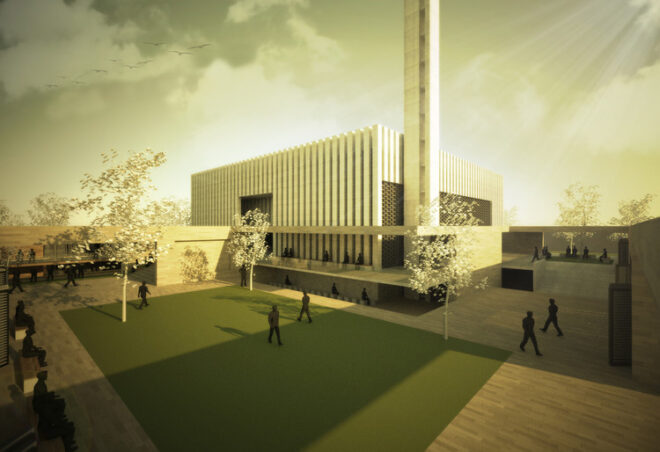
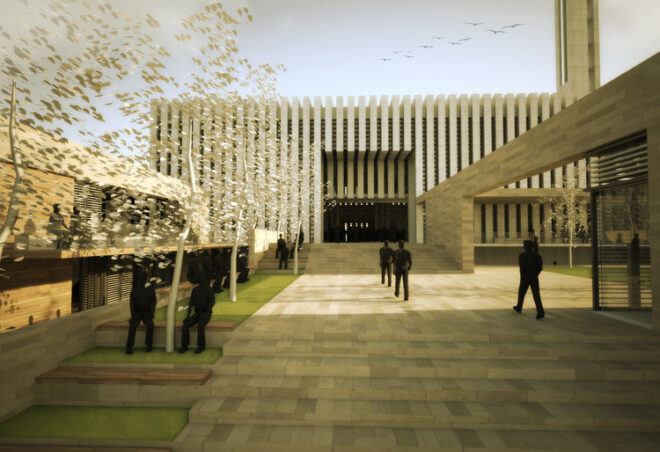
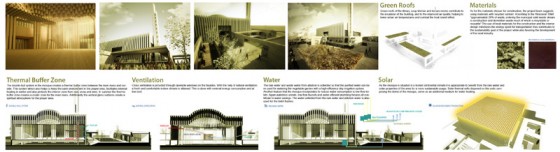
Winner of Chicago-based contest, could this be the world’s greenest mosque?
That nature and religion make good green fellows has recently been the source of much media emphasis. Since appealing to the public’s rational mind (the planet is burning up, shouldn’t we adjust our behavior accordingly?) has been wildly ineffective, then perhaps a more God-fearing approach is more appropriate (use less water because the Bible/Torah/Quran told you so).
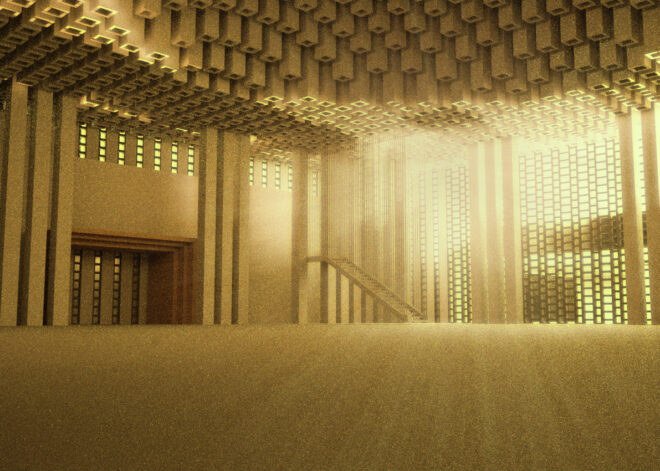
Such an emphasis has produced creative results, including the Green Mosque, which was awarded Best Freestanding Religious Structure in the Faith in Place competition. By combining passive design and sourcing local materials, while also prioritizing community-building, Onat Oktem, Ziya Imren, Zeynep Oktem, and Uri Tzarnotzky have designed a mosque so green, it must have been ordained from above.
Mimicking historical examples of mosques, the designers sought to create a space that transcended worship, that also nurtures a giving community spirit. As such, they incorporated a library, education center, lecture halls, and a soup kitchen. The traditional ablution space and and prayer area were set aside to ensure privacy.
Most of the materials used were sourced locally and/or contain recycled content. Care was also taken to use paints and adhesives that had a low chemical output, thereby reducing emissions. The dome is constructed with solar thermal panels that are used to heat water, and three roofs have been covered in a green blanket that provides insulation while also improving air quality in an urban environment.
Since mosques are among the most water-intensive structures, the Green Mosque will collect, purify, and recycle water used in ablution rituals. Most of this water will be used to irrigate (very efficiently, with drip irrigation) a vegetable garden that will produce food to serve in the soup-kitchen.
In a final stroke of eco-friendly genius, the group of designers have ensured even more water efficiency by designing low flow toilets, waterless urinals, and water collection facilities.
Panasonic’s “eco ideas” interactive show earlier in 2010 was part of the corporation’s grand plans to promote their three-branched eco solutions.
Green electronic products and sustainable business models are the latest trends in the information and communication technology sector. Most IT and electronics manufacturers are aggressively looking at greener companies. And Panasonic hopes to become one of them.< In October 2010 Panasonic Marketing Middle East FZE (PMM) announced the ‘Eco Ideas Declaration’ for the Middle East and Africa region at GITEX, the region’s premier IT exhibition.
“With this aim, we will be developing competitive solutions and systems with smart energy gateways,” said Moto Hide Masui, corporate environmental affairs division of Panasonic Japan.
By adopting the declaration, Panasonic aims to become the No. 1 Green Innovation Company in the Electronics Industry in Middle East as part of Panasonic’s group-wide global commitment to drive eco-innovation by 2018.
To achieve this goal, the company is pursuing its Eco Ideas for Lifestyles and Business by promoting sustainable and comfortable green lifestyles, alongside aims to reduce the environmental impact of its operations. Panasonic is currently combining these environmental efforts and business growth with a vast number of initiatives and projects.
Panasonic’s Eco goals for Middle East and Africa are as follows:
To educate 100,000 of its customers in the next three years by celebrating Green day on the first Friday of every month at 30 of its exclusive showrooms in the Middle East. In addition, 14 showrooms across the region will be kitted out with Eco Kiosks.
To double sales of Superior Green Products by March 2013. Superior Green Products are those that have achieved the top environmental performance in terms of energy saving and management of chemical substances.
Customers who enroll for Panasonic’s ‘Plus Card’ loyalty program and school children will be educated by the showroom staff and eco-booklets will also be made available. This program aims to to raise awareness on energy and water conservation.
A biodiversity project, titled the Lake Victoria Catchment Environmental Education Program is also being undertaken. The project is designed to empower catchment communities and schools with the knowledge, motivation and abilities for sustainable use of natural resources.
Scholarships for two students will be provided under the Environmental Science Bachelor Degree Program from UAE’s prestigious Abu Dhabi University. The scholarship program is aimed at encouraging local talent to take up environment studies and research in the region.
An ‘Eco Picture Diary Contest’ aimed at encouraging 6-12 year old children to learn more about protecting the environment has been launched by Panasonic Corporation globally and is being introduced in this region in UAE, KSA, Kuwait, Oman and Lebanon.
Panasonic, which will celebrate its 100th anniversary in 2018, is also gearing up to reduce its carbon footprint. “It is our duty to ensure a sustainable future. We pledge to reduce CO2 emissions by 15% from our facility,” said Seiji Koyanagi, Managing Director of Panasonic Marketing Middle East FZE.
By calling the Middle East water problem an apocalypse, AFED Secretary General attempts to draw attention to the real and immediate danger shortages represent.
While bureaucrats push paper in their plush offices, the citizens they represent face what one senior researcher calls a water apocalypse. Yemen’s aquifers could dry up as early as 2012, thereby exacerbating the security problems there, and the United Arab Emirates would already be a wasteland if it weren’t for the many desalination plants that keep it afloat.
And yet government allows for investors to pad their pockets with profligate building schemes that will usurp even more water resources, essentially robbing the poorer population of their share. At last week’s Arab Forum for Environment and Development (AFED) in Beirut, 500 delegates from 52 countries sounded a collective call to establish better regulation, better efficiency, and to embrace technology that can deliver more freshwater resources.
Saudi Arabia officials meet for nanotech desalination investment
The development of nanotech membranes for use in desalination is one of the new ideas Saudi Arabia’s King Abdullah is considering to modernize the Kingdsom’s 80-year-old oil-powered desalination technology.
Two things need to be accomplished. As peak oil continues to deplete oil production now used to generate the electricity for desalination, the nation, now entirely dependent on seawater, must transition to the use of concentrated solar power to replace oil-powered desalination, or risk real water deprivation.
Nanotech membranes are to provide the second big change from the oil-powered desalination of the 20th century to the renewably powered desalination in the 21st.
Men from the Middle East don’t have to look far for the best diet for erectile health, says health experts. Read more about preventing erectile dysfunction in part II of this series.
Last week, we looked at the impact of diet on men’s sexual function. Here we continue with fat-friendly information: “The focus of the Mediterranean diet isn’t on limiting total fat consumption, but rather to make wise choices about the types of fat you eat,” explains the experts in an article on the Mayo Clinic website. Information like this might make fat and carb phobic eaters squirm, but only until they learn about the benefits of such a lifestyle to a man’s sexual wellbeing and performance.
In part I of this series, we introduced the Med diet in conjunction with National Impotence Awareness Month in the US (home to a large segment of Greenprophet readers), and focused on one building block of foods that make a man more vigorous: Proteins. This is good news for Middle East eaters who already consume more fish and poultry in their diets, but it’s bad news for red meat lovers; turns out, some proteins are better than others to a man’s favorite muscle. In part II, we’ll take you further on the journey, and do our best to convince you that this diet is scientifically the best aphrodisiac on the planet.
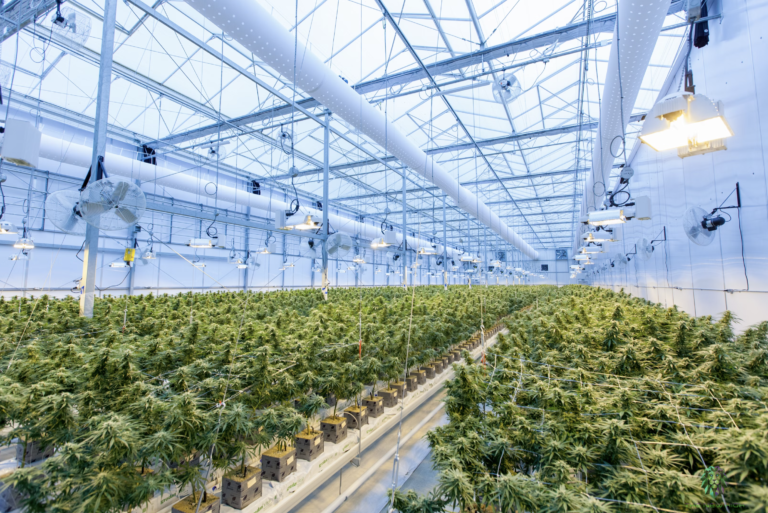
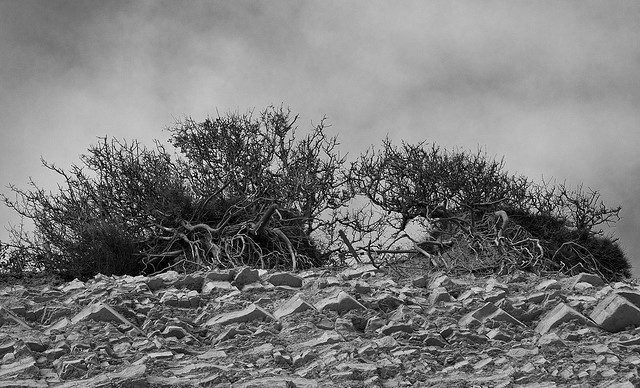
As the reality of its dire water straits settles in, Abu Dhabi must prioritize what is grown and where.
The planet is heating up, creating change. And with those changes we have new choices. Hard choices. In addition to numerous other functions, trees are necessary to absorb the deadly carbon emissions behind so many climatic upheavals. Without trees, the planet will heat up even faster and our air quality will worsen. Without water, on the other hand, life simply can’t exist; life grows where water flows.
So which is the lesser of two evils? Most people would agree that water must take precedence, particularly in the Middle East. Which is why, albeit admirable, an ongoing campaign to plant one million trees in Abu Dhabi seems like one more luxury the Emirate can scarcely afford. This is especially true in light of the rampant press coverage that Abu Dhabi has only days of backup water supply.
Sponsored by Masdar, Mr. Taleb defies limitations and inspires greener thinking on his 130km wheelchair journey.
Christopher Reeve – most famous for his role as Superman – fell off a horse and became a paraplegic. No longer the studly object of fan’s attention, he could easily have disappeared into obscurity, but instead demonstrated real superhuman powers by facing his limitations with extraordinary courage. He and his wife then created an organization that supports others bound to wheelchairs. Earlier this year, the Christopher and Dana Reeve Foundation set a record with 193 men and women rolling together in one long wheeled line.
But today, Mr. Haidar Taleb will set a new record by traveling 130 continuous kilometers – from Abu Dhabi to Sharjah in the United Arab Emirates – not in a solar-powered car, but in a wheelchair.
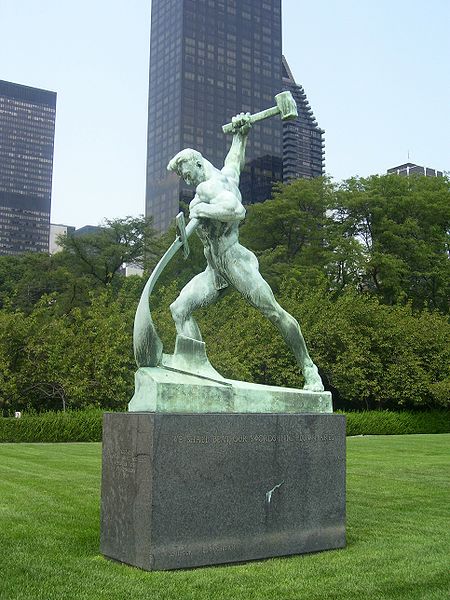
This statue by the United Nations HQ in New York City expresses the biblical vision of “beating swords into plowshares.” An Israeli industrial powerhouse is also seeking to transition from military to civilian applications.
Israel Aerospace Industries (IAI), Israel’s largest industrial exporter, whose current product mix is 70% military and 30% civilian, is seeking to enter the clean energy market, IAI’s chairman Yair Shamir told the Globes business newspaper.
In an interview published last week under a catchy title (“IAI wants to sell plowshares”) Shamir defended the company’s military sales to Turkey and Russia, but expressed hope that in these and other markets: “IAI will get into new civilian areas, and then the sky is the limit. Then there will be no more political restrictions.”
Qatar and Russian sign co-op deal on nuclear energy, but with a Qatari alliance with Iran, this could spell trouble for nuclear sanctions.
Nuclear energy is definitely not the cleanest alternative to fossil fuels; and it is certainly a lot more dangerous to deal with. But introducing more nuclear power plants into a Middle East lying under the threat of a nuclear armed Iran on the eastern side of Persian Gulf and just a short distance away, could herald the beginning of nuclear proliferation in this part of the world. And this is despite safeguards to prevent this from occurring; even for peaceful purposes like powering desalination plants.
A new agreement between Qatar and Russia, reported in the Russian news site, The Voice of Russia, will allow the two nations to interact in fundamental and applied research, R&D, the construction and operation of nuclear energy production and research reactors, radioisotope production and their use in industries, medicine and agriculture. This is not the first time that Russia has entered into cooperation agreements with Middle Eastern countries. Over a year ago, we wrote about Jordan’s plans to build a nuclear power plant, with Russia’s assistance. But with Qatar linked to Iran in nuclear, this new alliance could be dangerous.
Thinking heads from two countries are better than from one. French and Israeli scientists meet to discuss renewable energy.
A two-day Energies Renouvelables Colloque franco-israelien (or Israel-France Renewable Energy Conference) has been taking place this week in Tel Aviv, in order to bring scientists and developers from both nations together. Spread over November 10th and 11th, the participants at the conference have been discussing issues pertinent to the future of renewable energy, such as biofuels, photovoltaics, energy storage, and concentrated solar power.
The event was attended largely by academics, with nearly every educational institution in Israel represented. The various panels were chaired by professors from the Ben Gurion University of the Negev, the Institute of Technology in Haifa, Tel Aviv University, the Hebrew University of Jerusalem, Technion, and the Volcani Center.
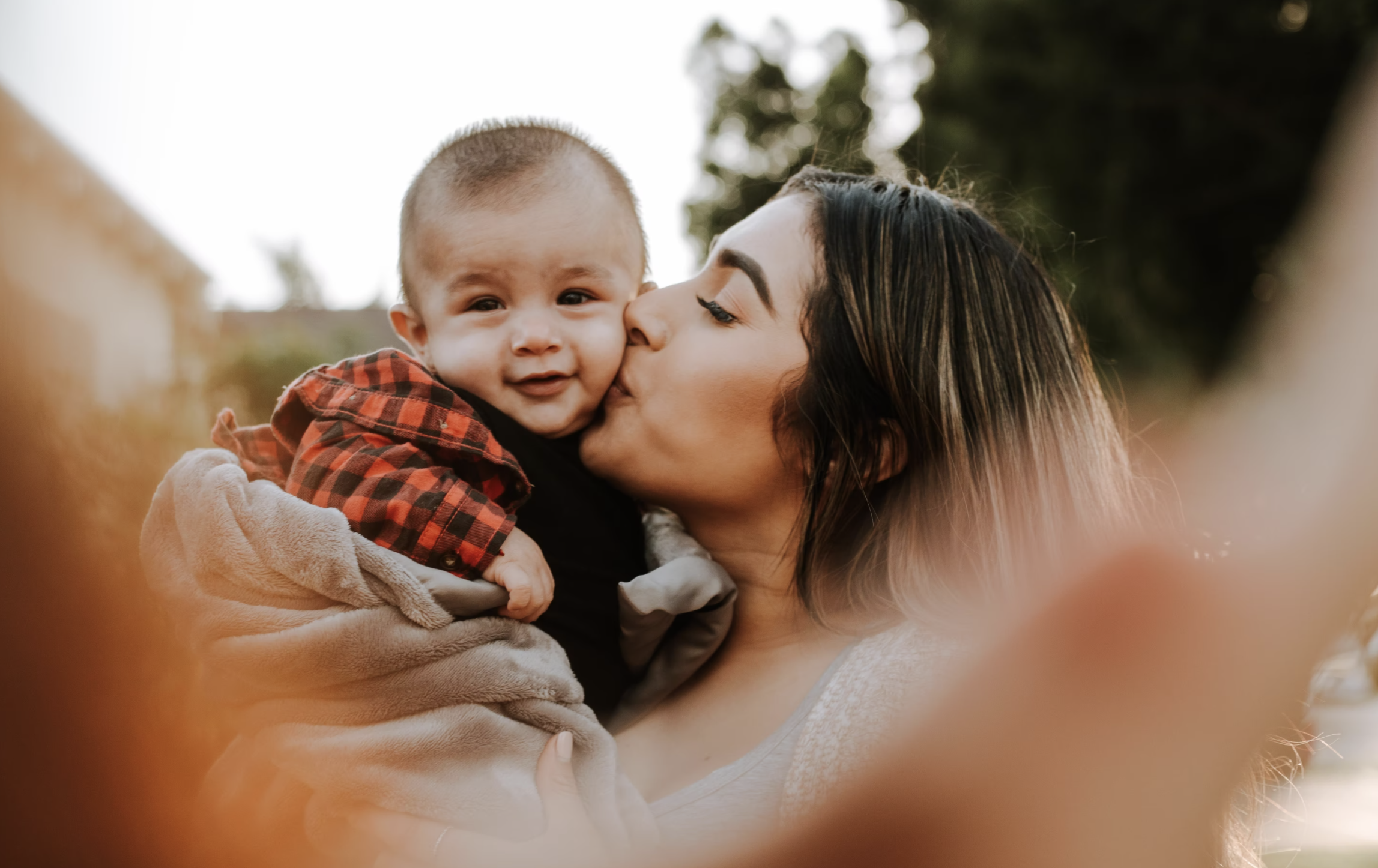
Muslims who breastfeed do good things for the planet
New parents and nursing Muslim women will be pleased to know the Islamic perspective on nursing is pro-breastfeeding. And it doesn’t cost the Earth.
At Islam’s core of a stable society is a functioning family where, interestingly, the mother has a higher status than the father. And for a family unit to be healthy, mothers are given the greatest responsibility for nurturing the next generation. Breastfeeding is a greener, more eco-friendly and wholesome feeding method for mother, baby and environment.
Islam encourages mothers to breastfeed their new babies as it develops a better maternal bond, so much so that prophetic teachings (hadith) state that each gulp of milk the baby takes counts as an act of charity and reward for nursing mothers.
It is difficult though, for newly mothers to leap into feeding with ease when Muslim cultural values or even the woman’s own self-evaluation, puts the whole process to question.
Muslim woman breastfeeding
Under the umbrella of Islamic parenting, a pregnant and breastfeeding woman is closer to God and she is exempt from fasting during Ramadhan – the month of fasting (Qur’an, 2:185).
The Islamic Shari’ah (rules and regulations) even states that a husband has the right to ask his wife to breastfeed their children because of the health benefits it nurtures. Breastfeeding prevents infections, allergies to foods, and some reports say it is connected to an increase in children’s IQ.
The breastfeeding period could be around two years therefore a light-hearted attitude is adopted by Muslim women who try nursing any longer than one; weaning babies onto the bottle too early affects their growth and well-being.
Basically, the longer a mother breastfeeds the better, especially in the first 6 months and mentioned in the Qur’an (46:15).
Do Muslims breastfeed in public? Yes, they do. For a majority of countries in the West, breastfeeding in public has become an uncomfortable topic. While Islamic etiquette stands by the Muslim covering of hijab, which is translated as a headscarf, a full burqah or jilbab (full length tunic) for women, there is no ruling against a mother feeding in public, so long as she is covered appropriately.
British Muslim women do nurse their infants at social gatherings and family events, behind a curtain or in another room, but both British character and the weather means they will not be breastfeeding on a park bench any time soon!
Myths of breastfeeding
“Baby formulas are almost the same as breast milk” – Such claims have been made by advertisers but formulas do not contain the enzymes and immune cells found in breast milk. Formulas actually contain too much protein and minerals needed for the baby.
“Many women cannot produce enough milk” – Most women do produce more than enough milk. If the baby has difficulty breastfeeding it may be poorly latched to the breast.
“Breast milk doesn’t contain enough iron and vitamins” – Not true! Breast milk contains all of the vitamins a baby needs, including vitamin D. There is also enough iron in breast milk to last for the first six moths after birth.
Breastfeed to save the environment Breastfeeding cuts out at least a whole year’s cost of mass manufactured teats, bottles and powdered formula. Think about it, you use less water in washing and sterilising your baby’s bottle, all those plastic teats and tinned formulas – which are not all bio-degradable – means less pollution and a greener living.
Immune cells are passed from the mother to the baby only through breast milk, giving stronger immune systems to children than formula milk. Breastfeeding decreases the risk of milk and food allergies, mothers usually lose weight faster than mothers who do not breastfeed. For this it is recommended to begin breastfeeding immediately.
Breastfeeding takes time to get into a rhythm but the intuition of both parent and child creates a signal so the mother knows when her baby is hungry. It is good for emotional and mental health, and it lowers the risk for postpartum depression and anxiety.
In the interest of self-preservation and the Earth, breastfeed your baby.
Adapted from Consumer Reports, this diagram shows the basic structure of the diet that is best for a man’s sexual prowess. (Image credit: Womensheart.org)
November is Impotence Education Month in the US, and with a large segment of readers at Greenprophet from the States, we thought we’d share some eco-sexy news with regards to genital health and a man’s diet.
“The link between the Mediterranean diet and improved sexual function has been scientifically established,’ said Irwin Goldstein, MD, director of sexual medicine at Alvarado Hospital in San Diego,” in a feature article on WebMD.com. In other words, fella’s who eat a Mediterranean diet are less likely than their burger-munching buddies to suffer from erectile dysfunction (ED).
For more on the specifics, we turned to the experts at the Mayo Clinic for this two-part segment on men, diet and impotence (read part II on diet and impotence here). In part I of this series, we cover the benefits of the med diet with regards to proteins. Part II will take us to the land of fats and carbs – foods some of you might shy away from – but not after you read about all the sex-bennies that come from this Eco-Sexy food affair.
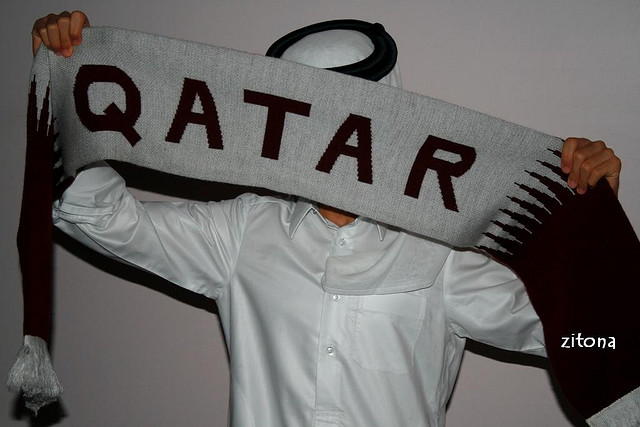
Submitted to the UN, Qatar’s carbon capture program protects the Emirates’ LNG exports.
Despite branding itself as an environmentally-friendly Emirate, the dubious World Cup bid demonstrates a tremor in Qatar’s overall eco-heartbeat. Qatar is also the world’s largest exporter of Liquefied Natural Gas (LNG), which emits almost half as much carbon dioxide into the atmosphere as coal, but still releases 117,000 pounds per billion btu of energy. Acknowledging that it contributes significantly to international carbon levels, Qatar submitted a carbon capture and storage plan to the United Nations.

 Even with the completion of the “Mekkah Metro” scenes like this are bound to continue during the Hajj for years to come.








 As the reality of its dire water straits settles in, Abu Dhabi must prioritize what is grown and where.

 This statue by the United Nations HQ in New York City expresses the biblical vision of “beating swords into plowshares.” An Israeli industrial powerhouse is also seeking to transition from military to civilian applications.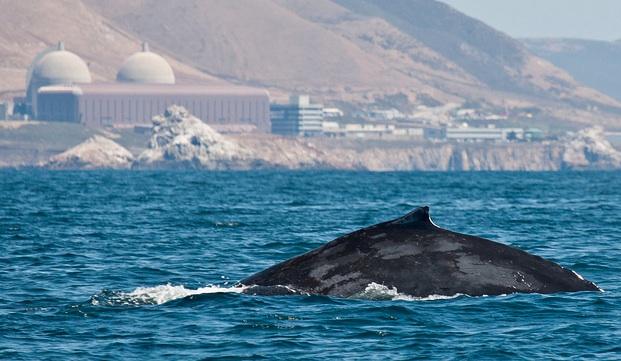
 Qatar and Russian sign co-op deal on nuclear energy, but with a Qatari alliance with Iran, this could spell trouble for nuclear sanctions.

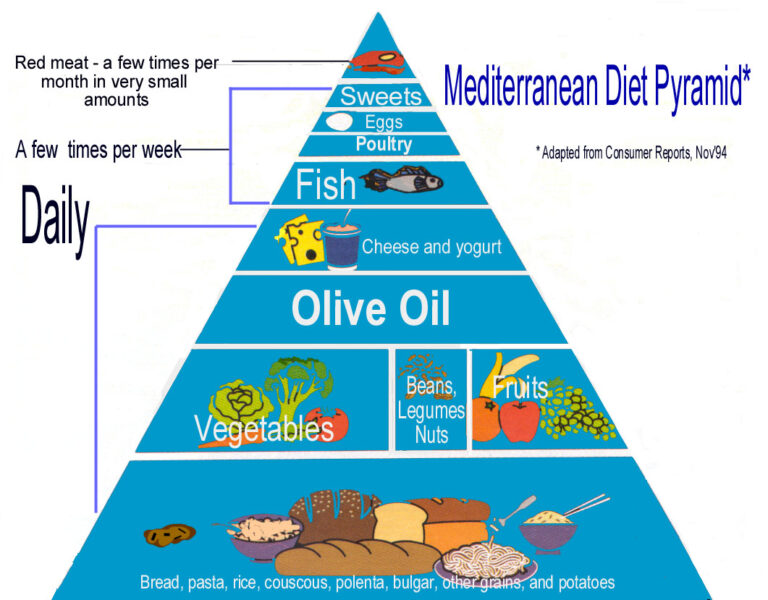
 Adapted from Consumer Reports, this diagram shows the basic structure of the diet that is best for a man’s sexual prowess. (Image credit: Womensheart.org)