For those unaware, SpaceX has already shifted focus to building a self-growing city on the Moon, as we can potentially achieve that in less than 10 years, whereas Mars would take 20+ years.
For those unaware, SpaceX has already shifted focus to building a self-growing city on the Moon, as we can potentially achieve that in less than 10 years, whereas Mars would take 20+ years.
For those unaware, SpaceX has already shifted focus to building a self-growing city on the Moon, as we can potentially achieve that in less than 10 years, whereas Mars would take 20+ years.
For those unaware, SpaceX has already shifted focus to building a self-growing city on the Moon, as we can potentially achieve that in less than 10 years, whereas Mars would take 20+ years.
For those unaware, SpaceX has already shifted focus to building a self-growing city on the Moon, as we can potentially achieve that in less than 10 years, whereas Mars would take 20+ years.
For those unaware, SpaceX has already shifted focus to building a self-growing city on the Moon, as we can potentially achieve that in less than 10 years, whereas Mars would take 20+ years.
For those unaware, SpaceX has already shifted focus to building a self-growing city on the Moon, as we can potentially achieve that in less than 10 years, whereas Mars would take 20+ years.
For those unaware, SpaceX has already shifted focus to building a self-growing city on the Moon, as we can potentially achieve that in less than 10 years, whereas Mars would take 20+ years.
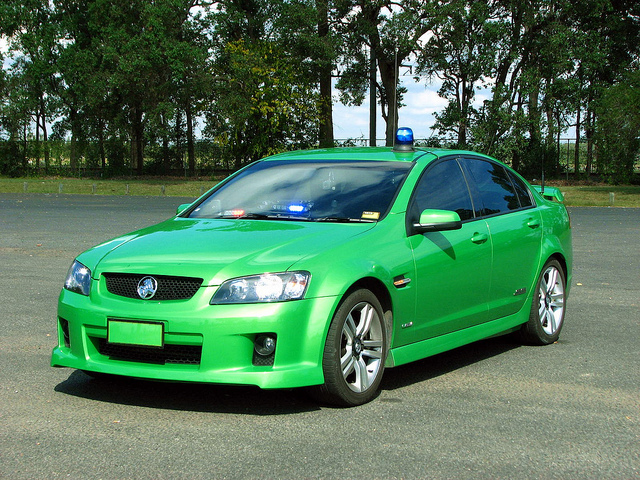
No more Mr. Nice Guy! Interpol intends to step up regulation of illegal wildlife trade and other environmental crimes.
What eventually became The International Criminal Police Organization (Interpol) began with fits and starts in the early 20th century. Then the Nazis and disturbing fellows like Reinhard Heydrick, Chief Executor of the “Final Solution to the Jewish Question” took control and diluted its vigor as a non-partisan organization devoted to rooting out international crime.
After 1945, Interpol rose up from the ashes and has since become the second largest intergovernmental organization after the United Nations. Such villainy as child pornography, drug and human trafficking, and genocide all fall under their purview. In a sign of just how serious they are, during the recent 79th General Assembly in Qatar, Interpol resolved to place a renewed emphasis on “green crimes.”
Is nothing holy anymore? The Iranian Government rubber stamps oil exploration in the country’s most important national park.
The Iranian government has decided to start an oil exploration project in a national park in Kavir National Park in the Semnan province, south east of Tehran.
The opponents of the project, from the Iranian Environmental Organization, which is a governmental institution, and also environmental activists, have had debates with the advocates, who are the governmental authorities like the Ministry of Oil heads.
These two pioneered how cycling thousands of miles to Mecca can be done.
Every year, millions of Muslims from all corners of the world board a flight heading to Saudi Arabia to fulfill their pilgrimage to Mecca. While there are no figures on the carbon footprint of these flights, they must make up a decent chunk of the overall carbon produced during hajj season and undermine the possibility of a truly ‘Green Hajj‘.
Two pilgrims from South Africa- Natheem Cairncross, 28 and Imtiyaz Haron, 25- however, decided to take a different route and embarked on an epic nine-month trip from Cape Town to Mecca by bike. Cycling almost 6,800 miles from South Africa to Mecca in Saudi Arabia, this slideshow follows them on their inspirational journey through Africa and the Middle East to their final destination.
What is Hajj?
Hajj is a once in a lifetime pilgrimage to Saudi Arabia. The Muslim pilgrimage to Mecca takes place in the last month of the Muslim year, and all Muslims are expected to make it to Mecca at least once during their lifetime. Hajj is a pilgrimage made to the Kaaba, the “House of God”, in the sacred city of Mecca in Saudi Arabia. Hajj is a pilgrimage made to the Kaaba, the “House of God”, in the sacred city of Mecca in Saudi Arabia.
Natheem and Imtiyaz in South Africa with supporters.
The pair started their journey back in February 2010 in Cape Town and went on to cycle through Botswana, Zimbabwe, Mozambique, Malawi, Tanzania, Kenya, Turkey, Syria and Jordan. Since their travels, hundreds maybe thousands have made the journey.
Although Natheem and Imtiyaz planned to cycle the entire journey, their plans were scuppered when they couldn’t get visas for Ethiopia and Sudan.
They were forced to change their route and decided to fly to Turkey and cycle the rest of the journey from there. In Kenya
“Cycling all the way from Cape Town to Mecca would to most people seem an impossible task,” they say.
“This thought did occur to us in the initial stages but after reading and meeting so many that have undertaken similar journeys, we grew confidant, positive and started to believe that we can achieve this goal.
After three years of contemplation we finally set off on this historic journey with open minds, bare necessities…”
Enjoying a moment’s rest in Tanzania.
The pair have spent months saving for their nine-month journey to Mecca by bike.
Natheem sold his car and they both also received a lot of help and support from their families and communities as well as the people they met on their journey.
In a Syrian market
The pair said that they were blown away by the generosity of the people they met along especially in Syria where where children ran up to their bicycles and invited them home to lunch.
They added that although they were on a tight budget, they always managed to find food and shelter- usually offered by people they met who were always eager to hear about their journey.
Natheem and Imtiyaz take a break from Jordan’s rocky terrain.
Neither Natheem or Imtiyaz are professional cyclists and had to undertake training for the long trek so that they could endure the rugged terrain and any problems thrown at them.
Despite several tire punctures, broken chains and cushion malfunctions they usually managed to cycle 80-100km per day.
Natheem and Imtiyaz at their final destination: Mecca!
The pilgrimage to Mecca is one of the five pillars of Islam and every able-bodied Muslim who can afford it must undertake the journey at least once in their lifetime.
If you’re green minded, and healthy, why not do it by bike!
It’s no secret that the Gulf states are heavily dependent on foreign farmlands for their food and no more so than the United Arab Emirates which imports 80% of its food products. Most foods you see stocked in the UAE’s supermarkets will have been brought in from elsewhere ready to sell directly to the consumer and only a tiny portion (around 20-25%) are from locally processed foods.
However, the oil-rich nation has realised the dangers of this crippling food dependency (particularly in an unstable economy) and launched plans to establish a government-owned trading house aimed at securing food supplies.
Greenpeace calls on ICCAT to close down the Mediterranean Bluefin Fishery at Paris conference.
The Japanese aren’t going to let the bluefish tuna resume its predatory ocean going unimpeded any time soon, since that country comprises 80% of its international market. Nor are Mediterranean countries (and their fishermen) – which in large measure supply that fleshy demand. Meanwhile, activists (Greenpeace in particular) and scientists are adamant that although Asian countries blocked efforts to list the Bluefish Tuna as endangered, that is what they are.
The European Union and United Nations are attempting to restore order where the International Commission for the Conservation of Atlantic Tuna (ICCAT) has failed, but all parties are gripped with a chronic political apathy that will end, it is feared, with no more Bluefin to catch.
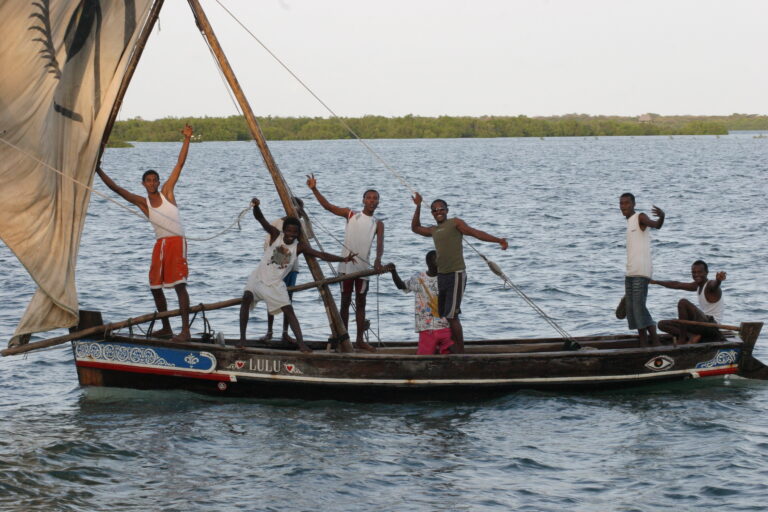
Young Swahili “beach boys” ride in a traditional dhow in Lamu, which is threatened by a multi-billion dollar port project.
Lamu’s enclave of UNESCO-protected Swahili culture – an enduring tradition born from a fusion of coastal Bantu and Arab traders that settled here centuries ago – is threatened by a multi-billion dollar port project. For seven hundred years the Swahili people have led a tranquil existence among the mangroves and coral reef that, respectively, provide construction material for their homes and boats and shelter for fish.
In time, thanks to a Shariff named Habib Swaleh, Lamu became one of the most respected centers for Islamic education in Africa, a role that still stands today. But the Swahili culture has gradually eroded with an influx of wealthy foreigners and members of other, non-Muslim tribes; now the town’s spiritual leader, Imam Idarus, worries that the incoming port project (slated for the mainland nearby) will draw even more people that will eventually overrun the cultural fabric that knits this community together.
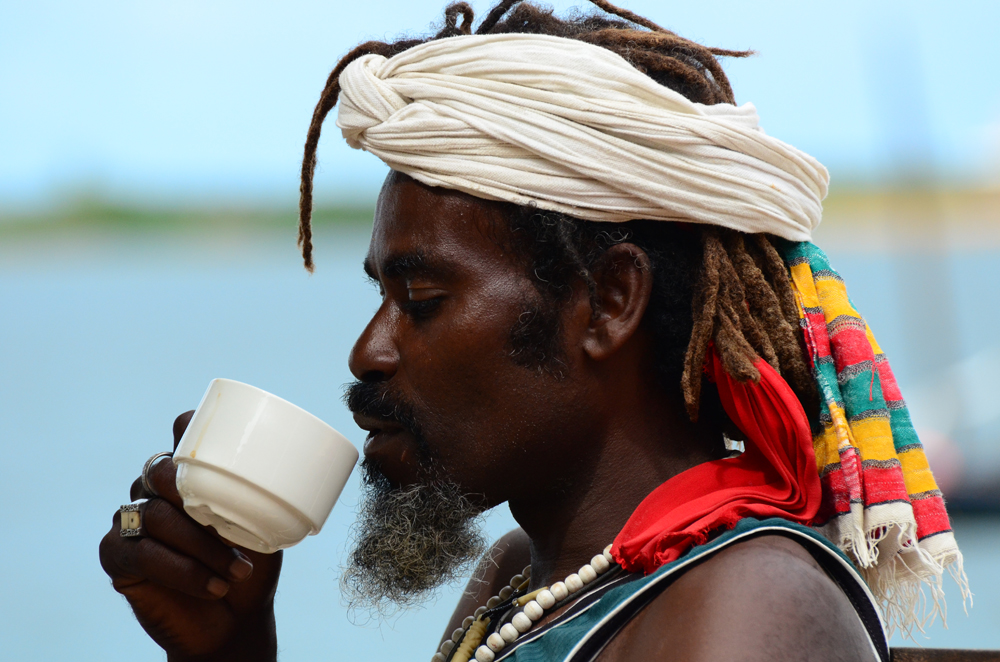
Omar is a Swahili man from Lamu. He was once married to a British woman, with whom he had two children, and lived in Bristol for a time. He is back on the island and on this occasion, someone had invited him for tea.
There are only a few cars on the island – the alleyways too narrow to support them – along with a small handful of motorbikes. Otherwise, everything – bread, sugar, charcoal, cigarettes – is transported from one section of the island to the other on the backs of sturdy donkeys.
The town’s electricity generators are powered by diesel stored in giant, rusted barrels brought in on a small power boat. Most of the local people earn a living either from tourism, by arranging trips to the coral reef and other excursions on traditional sailboats called dhows, or from fishing.
But as part of their Vision 2030 plan to become the foremost powerhouse in East Africa, the Government of Kenya is pushing a major port development plan that could threaten all of this.
Lamu-Southern Sudan Ethiopia Transport (LAPSSET) will include a six-lane shipping port, an oil refinery, three resort cities, three airports, an oil pipeline from Lamu to Southern Sudan, as well as a new railroad. And though the government claims that this development will bring additional jobs to Lamu, local officials note that only 5% of the population have sufficient skills to seek employment there.
Instead, the development will draw skilled foreigners, not to mention untold environmental destruction.
“Never mind the UNESCO heritage site,” Imam Idarus said via a translator, “this will swallow the Swahili population.”
“It will bring prostitution, robbery, kidnapping,” he added. “The people are not prepared.”
The Ministry of Transportation issued a tender in October for the first construction phase of three berths. Although the winner has not been announced, the Kenya Port Authority (KPA) circulated internal news in September that a state-owned Chinese company – China National Machinery Industry Corporation – expressed interest.
China is Sudan’s largest importer of oil, and therefore has a strong interest in seeing this project progress as it will ensure easier access.
Before leaving that (non-CFL) light on after you leave the room, you might want to take a look at the Story of Coal.
In the routine of our daily lives, it’s easy to forget about the ramifications of our actions. When stopping by the supermarket on your way home from work to pick up some items for dinner, it’s easy to go for processed, overly packaged, imported items and stick them in a non-biodegradable plastic bag. As you peruse the shelves of that trendy (but not such great quality) clothing store in search of some new t-shirts, it’s easy to forget about the story of stuff. And when sitting at home with all the (non-energy efficient) lights on, the TV blasting, and every single appliance plugged in (whether you’re using it or not), it’s easy to forget about the story of coal.
But the story of coal is very real, and it ain’t no bedtime story either.
Sperm Wars: What happens to sperm today has long term consequences for a male’s offsprings health and wellbeing, new research suggests, as a result of changes to the DNA.
A recent article on this site documented the increased levels of toxins in pregnant women in Jerusalem vs. their counterparts in the states. It was an eye-opener for those living in the Middle East who advocate for a greener way of life in this part of the globe, but it didn’t address the issue of potential fathers and their exposure to pollutants, a topic also close to the heart of eco-sexuality.
In this companion piece, we report on research that demonstrates that a male’s experiences and exposure to toxic compounds alters his sperm, so much so that the nasty effects are passed on in his DNA. Not only is this seen in animal studies, but human investigations are also showing comparable sperm wars.
Clean Tech Open IDEAS Competition winner Solaris Synergy’s ideain prototype
Solaris Synergy has won an award for a really brilliant idea: float concentrating solar panels on large bodies of water, such as reservoirs, to protect valuable land area for other needs. For now, the company is at the start-up stage, with a tiny (home-sized) 1 KW prototype installed on the company roof as proof of concept, but plans a 200KW system to be installed in a water reservoir in Israel later this year to test the concept.
Hydro-electric power, Better Place vehicles, endangered species and more headlines related to Israeli cleantech and the environment.
Solaris Synergy and Leviathan were named Israel’s leading early stage environmental technologies at this year’s Clean Tech Open IDEAS Competition. CNN aired a feature on wastewater reclamation in Israel and IT-water management company TaKaDu raised an undisclosed sum from Emerald Technology Ventures. For these stories and the rest of this week’s headlines, see below.
Two of the five winners of the $200 million GE Ecomagination Challenge for powering the grid are companies from the Middle East – GridON and WinFlex.
This summer GE turned to the internet global hive mind by issuing an open invitation to any and all to compete for the best ideas for greening the grid, in one of the largest projects ever launched to accelerate the development of the next generation of clean-technologies via open collaboration.
Selected out of more than 4,000 entries from around the globe, each winner receives $100,000 to develop their ideas. Two of the five winners for greening the grid are from Israel, and perhaps that is appropriate. The Middle East generally is most at risk from not solving climate change. One idea would help even out the grid as more renewable energy is added, the other makes wind power cheaper.
Scientists are coring into the Dead Sea floor to reveal more about regional climate change and earthquakes over time.
Five hundred thousand years of Earth’s history is expected to be bored out of the Dead Sea, reports UPI. A multi-national team of scientists have started drilling from a platform near the Dead Sea resort of Ein Boqeq in Israel. The researchers will take a thin slice of Earth’s history through a 3,937-foot-deep borehole and will examine the layers f sediment like rings on a tree, or core samples from icebergs in the North Pole.
Bahrain intends to save its portion of the Gulf before the ship sinks by staging and practicing its response to a major oil spill.
In an alarming testament to the bizarre times in which we live, Bahrain is planning a new kind of drill. As small children we listened eagerly for the sound of the siren that would give some reprieve from our soporific classes for even a few minutes; then we would huddle under our desks, giggling, completely ignoring our earnest teachers explain what to do should a fire come sweeping through school.
It’s unlikely anyone involved with the upcoming drill in Bahrain will be giggling as members from several important agencies gather for three days to stage a dreaded BP-esque oil spill disaster, because an oil spill in Bahrain has the unwelcome potential to shut down desalination plants and a vibrant fishing industry.
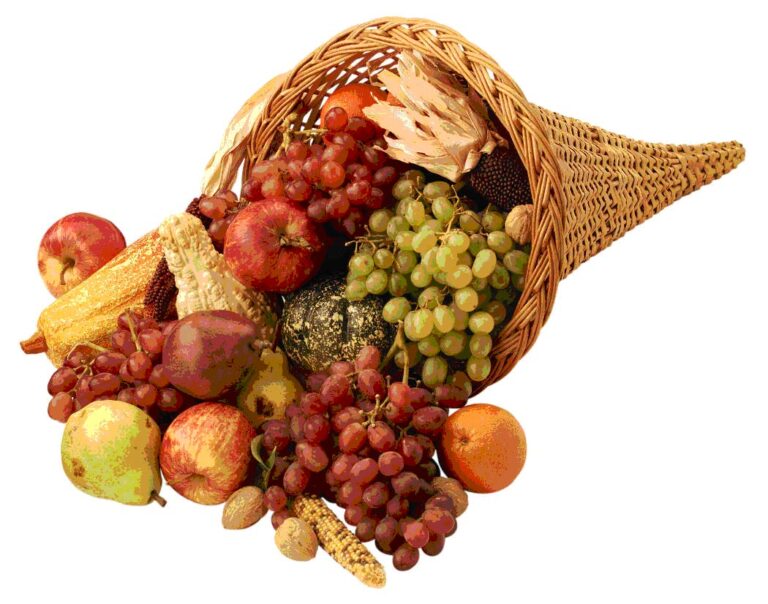
No turkey here; but plenty of other good things that can make holiday meals festive yet veggie.
Although I admit to sometimes being a meat eater, I do agree that eating meat can go overboard on national secular holidays like Thanksgiving in America, and especially when I look back on how it was celebrated back in the 1880’s. This can also apply to religious holidays like the Muslim Eid al Adha holiday that coincides with the annual Hajj pilgrimage currently in progress.
Vegetarians have a particularly difficult time during holiday food fests, and I recall going to a Thanksgiving dinner back in the “old country” where some of my relatives who were vegan vegetarians and even more strict than those who simply choose not to eat meat since vegans also shun foods containing animal products. Seeing them eat a plate of boiled veggies and a green salad, while the rest of us were woofing down turkey and all the trimmings, did not seem very appetizing to say the least.

 No more Mr. Nice Guy! Interpol intends to step up regulation of illegal wildlife trade and other environmental crimes.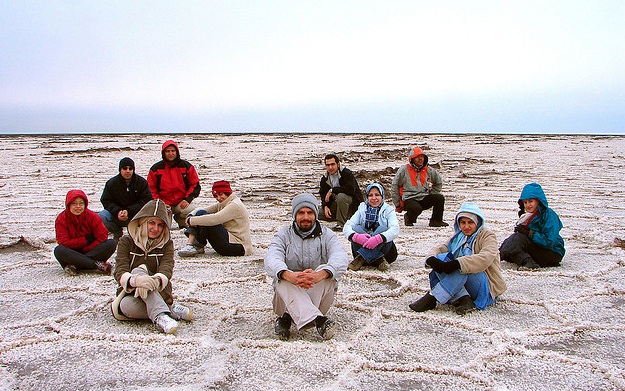
 Is nothing holy anymore? The Iranian Government rubber stamps oil exploration in the country’s most important national park.







 Scientists are coring into the Dead Sea floor to reveal more about regional climate change and earthquakes over time.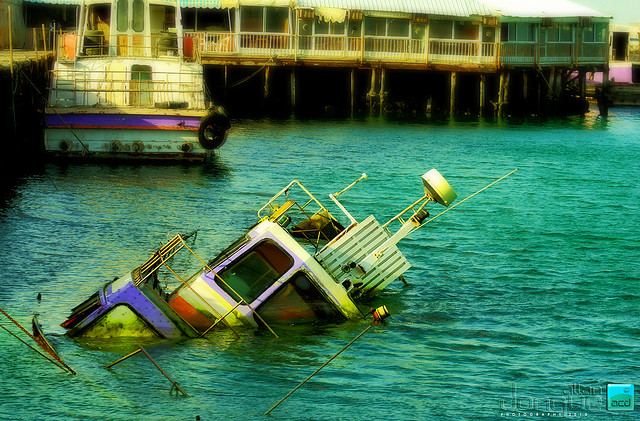

 No turkey here; but plenty of other good things that can make holiday meals festive yet veggie.