For those unaware, SpaceX has already shifted focus to building a self-growing city on the Moon, as we can potentially achieve that in less than 10 years, whereas Mars would take 20+ years.
For those unaware, SpaceX has already shifted focus to building a self-growing city on the Moon, as we can potentially achieve that in less than 10 years, whereas Mars would take 20+ years.
For those unaware, SpaceX has already shifted focus to building a self-growing city on the Moon, as we can potentially achieve that in less than 10 years, whereas Mars would take 20+ years.
For those unaware, SpaceX has already shifted focus to building a self-growing city on the Moon, as we can potentially achieve that in less than 10 years, whereas Mars would take 20+ years.
For those unaware, SpaceX has already shifted focus to building a self-growing city on the Moon, as we can potentially achieve that in less than 10 years, whereas Mars would take 20+ years.
For those unaware, SpaceX has already shifted focus to building a self-growing city on the Moon, as we can potentially achieve that in less than 10 years, whereas Mars would take 20+ years.
For those unaware, SpaceX has already shifted focus to building a self-growing city on the Moon, as we can potentially achieve that in less than 10 years, whereas Mars would take 20+ years.
For those unaware, SpaceX has already shifted focus to building a self-growing city on the Moon, as we can potentially achieve that in less than 10 years, whereas Mars would take 20+ years.
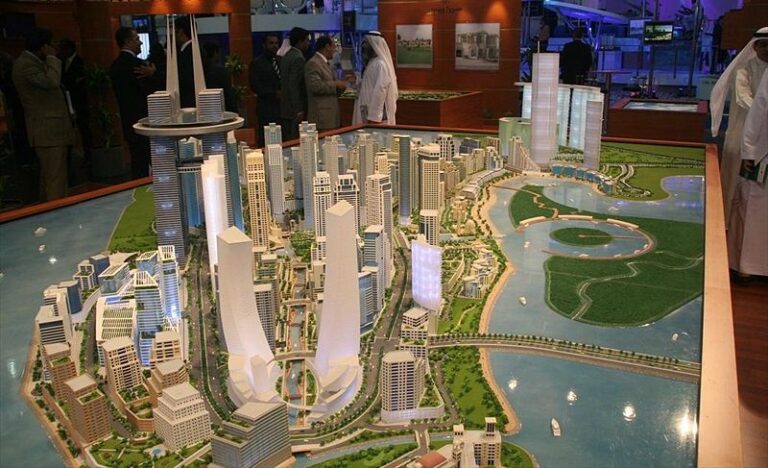
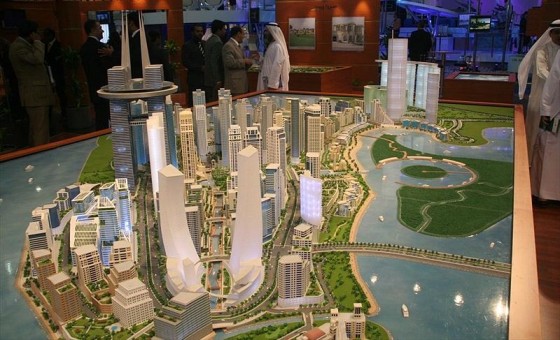
Beating out Marrakech, Doha and Amman, luxurious “rich man’s playgrounds” like Al Reem Island cast a shadow on Abu Dhabi’s Best City designation
Like its neighboring UAE city, Dubai, Abu Dhabi has recently been before the public eye as a place where a number of interesting and unique environmental projects have either been proposed or have actually taken place. As a result, the Emirate of Abu Dhabi has been voted as the Best City in the Middle East and North African Region (MENA) for the year 2010. The voting was part of a study conducted by the Middle East’s job site Bayt.com and research specialists YouGovSiraj, and reported on the regional news site sify.com.
Not many companies make a completely unique product, even in the world of green tech, which is all about innovation, but Israel’s Pythagoras Solar is one of them.
Here’s the idea. Imagine having a super energy-efficient skylight, that lets in all the sun that you need to fully daylight your store, warehouse or office space, so as to cut down on your electricity bill. Just the thermal efficiency alone would make it a good day-lighting option, blocking all direct solar radiation, to reduce building heating and cooling costs.
And now imagine that that seemingly clear and transparent skylight is actually a solar panel and it is also making your electricity, just like any other solar panel. That is the seemingly magic skylight by Pythagoras Solar.
The extension of Section 1603 cash grants for large-scale solar developments in the US – tucked into the tax bill – were dealt a blow on Saturday. This could affect R&D developments.
In a rare weekend session, US Senate Democrats tried to bring up for a vote whether to reduce Bush era tax cuts, due to expire in 2010. They failed, because Republicans prevented the bill from coming to the floor, using their now familiar procedural trick, the filibuster.
Republicans abuse Senate rules to prevent votes on progressive bills. The vote failed, getting only 53% of the Senate vote, which in most democracies would be a win. But a rule essentially allows a 40% minority to say they are never quite ready to take a vote on some bill they don’t like, which means that to bring anything to a vote takes 60% agreement. Republicans now have a 46% minority in the US Senate. Anything over 40% means they can hold the US hostage to their wishes to keep bills from being voted on up or down.
Republican Senators in the US, some of whom make as much as $19 million a year, openly refused to allow any bills to come up for a vote until the Bush tax cuts for millionaires and billionaires are extended.
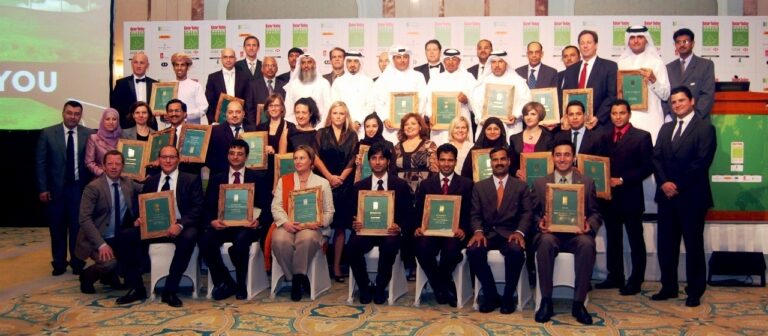
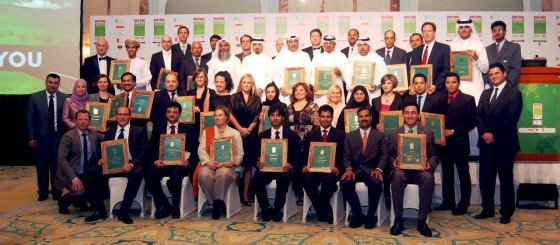
The third annual Green Awards were distributed last week at the Four Seasons hotel in Doha, Qatar.
Qatar Today and its partners handed out the 2010 Green Awards last week. Leaders from all sectors of society attended the event, which was held on November 27th at the Four Seasons Hotel in Doha, including high ranking officials, corporate leaders, and sustainability and environment executives.
The awards were distributed by Oryx Advertising Company’s Chairman, Mr. Yousuf Jassem Al Darwish, Dr. Saif Al Hairi, Vice Chairman of the Qatar Foundation, Eng. Issa Al Mohannadi, CEO of Dohaland, and Vice President of Qatar Today Magazine, Ravi Raman. This is the first and only such annual award program devoted to Qatar’s environment, but in its third year, according to Qatar Today, the number and quality of entries have improved drastically.
Two more streets in center of Tehran will be changed to pedestrian streets. These two are Bab-Homayoon and Naser-Khosro streets in highly busy center of Tehran. According to Zone 12 of the Municipality of Tehran, the project for changing the function of streets will be started soon.
Another part of the city that have both historical value and also a corrupted urban and social problems is Marvi Alley. There are some plans for this old alley too. As the managing director of the Beautification Organization of the Municipality of Tehran says, the regeneration plan of Marvi Alley is being considered. More projects like these could reduce smog holidays.
Frozen beef sold as fresh cut often looks like this when thawed
Readers who watch the Israeli Kolbotek consumer watchdog show on Channel 2, may have seen the recent show dealing with the unsavory way some of the country’s beef products are being “imported” into Israel; and how they are being sold to the general public. Examples of poor quality, and often tainted meat products being sold as quality and inspected ones, was featured last Tuesday on Kolbotek, and which also included eggs: both which often originate from the Palestinian Authority.
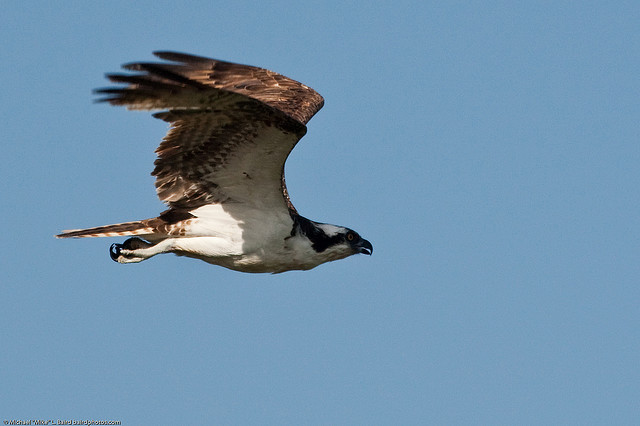
Raptors and deer were among species saved from the Carmel Forest Wildfire
50,000 dunams of the Carmel Forest, or nearly half, have been destroyed in the massive wildfire raging in northern Israel since Thursday. The fire is under control but officials said Saturday that it could take dozens of years to rehabilitate the area.
Authorities erroneously killed two sharks not responsible for the Red Sea attacks last week
Last week off the coast of Egypt’s tourist resort town Sharm al-Sheikh, three snorkellers were attacked by an Oceanic White Tip shark. Scientists claimed that such attacks are extremely rare for this species and sought to investigate the cause of its aberrant behavior.
Officials also promised that the shark would be captured and then released away from tourist areas in the Gulf of Suez. Instead, Egypt’s park authorities killed two sharks – one Mako and one Oceanic White Tip, neither of which is believed to be the shark responsible for the attacks.
It appears as though the Israel Carmel Fire sparked two cases of arson, stoking the flames even higher.
After the first fire broke out in the Mount Carmel region, two additional fires in separate locations started consuming acres of forest land in Israel, investigators are reporting at a press conference. While the first large fire was believed to be caused by negligence (2 teen boys), the fire brigade is not ruling out arson. Suspicious objects at one of the two other fire focal points include an abandoned bike and a wig.
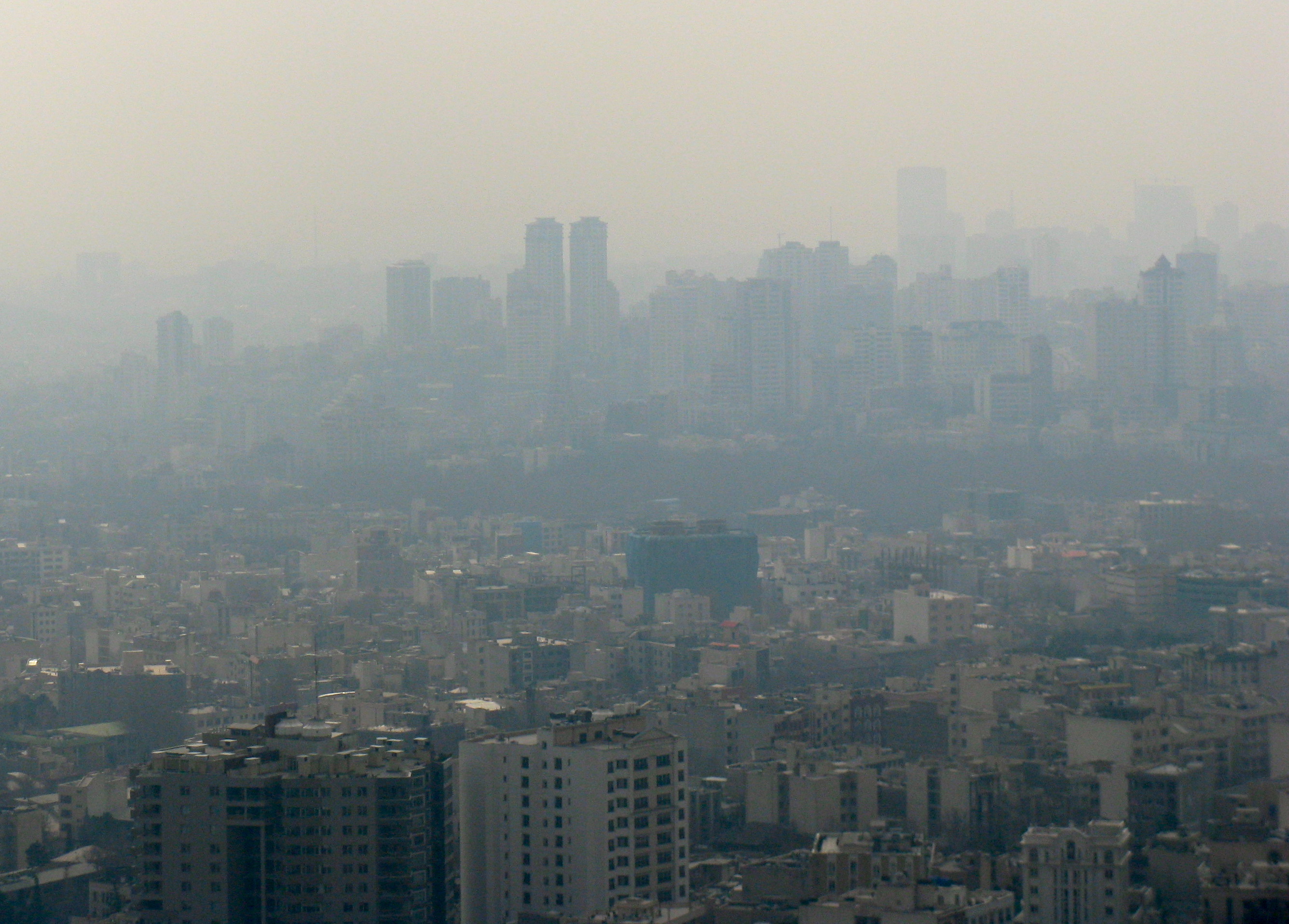
Millions are choking as Iran calls for Tehran’s third smog holiday day in 2 weeks. One “brilliant” solution is mass migration of the wealthy class to a new location.
Yay, I used to say as a kid when we’d get snowed in for school. A surprise overnight “dump” could paralyze our small town as they called in ploughs from less icy regions in our Canadian province to salt the roads.
But in Tehran, it’s an environmental problem keeping the kids from school, and their parents from work – a “smog holiday.”
Costing 130 million dollars a day, NPR reports, Tehran is experiencing, for the third workday in two weeks an unhealthy blanket of smog.
Tehran was effectively shut down Thursday because of “unhealthy” pollution levels. This meant Government offices, schools, banks, factories and many other sites were ordered closed to try keep the eye-stinging cloud from growing any worse. I’ve felt eye-stinging in the polluted streets of Amman, Jordan, and it’s really nothing new to the people of Tehran, home to more than 12 million people, round-the-clock traffic jams of more than 3 million cars and buses.
Mehrdad, Green Prophet’s Iranian reporter, says that 27 people a day die in Tehran from air pollution, and the smog is only getting worse.
A cartoon drawn by residents of Tehran to fight the air pollution
An urban landmark is the city’s giant air quality gauge. These days though, the smog is looking worse than ever.
There’s no shortage of pollution-busting plans, though. They run from the obvious — such as expanding public transportation and encouraging natural gas heating systems — to the much more exotic.
The head of Iran’s environmental protection agency said government researchers are studying ways to try to shake up the atmosphere to bring rain. Or perhaps create manmade wind corridors to blow away the smog.
But wait, Tehran has another decidedly brilliant idea: mass migration from Tehran to pollute another unspoiled tract of land. (Tehran was originally chosen by its early rules because of its healthy climate).
Wake up people: Clean your cities. Overhaul your public transportation system. Get old cars off the streets. Ride more bikes. Problem solved.
On the other side of the Middle East, Israeli university students are experiencing a “fire holiday” at the University of Haifa – another environmental catastrophe that has jarred people from their every day routine.
Ancient farmers used indigenous knowledge to sustain communities at Avdat in the central Negev as many as seven thousand years ago. That wisom may hold the key to the future according to specialists.
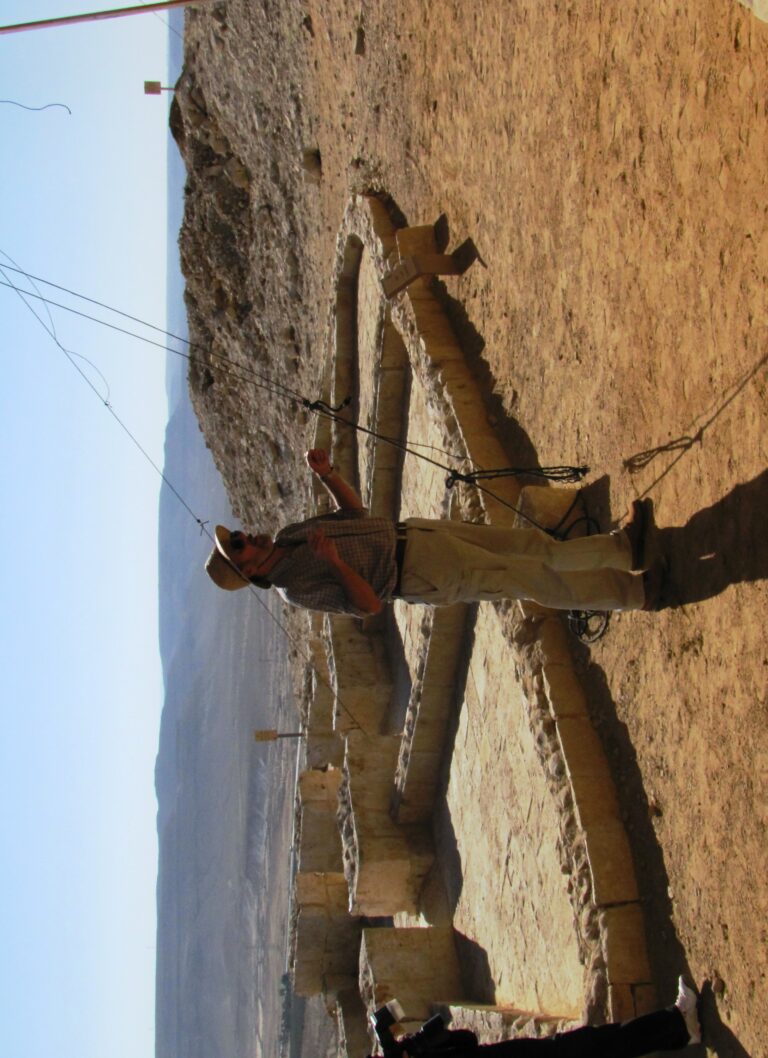
I visited Avdat this August on one of the hottest days of the year when temperatures soared well above 40 degrees. Then, atop the ruins of the ancient settlement astride the Spice Route in the Negev Highlands it was difficult to understand how a community – at its peak 12,000 people – could sustain itself on the desert mount.
Visiting the site again in early November as part of the recent Drylands, Deserts and Desertification conference sponsored by Ben-Gurion University’s Blaustein Institutes for Desert Research, the key to how Nabatean, Roman and Byzantine societies survived under the spartan conditions at this UNESCO World Heritage Site became apparent: the application of indigenous knowledge, ancient wisdom that, enabled settlers to cultivate crops and herd small flocks using ingenious technologies adapted to harsh conditions.
Middle East cities started “compact” and dense but now suffer from the same problems as the west.
Tehran’s recent Smog Holidays show’s us something is wrong in Middle East cities. “Is compact urban growth good for air quality?” The research conducted by Brian Stone, Adam C. Mednick, Tracey Holloway, and Scott N. Spak in 2007 is one of the researches that give a straight “yes” answer to the above question. Their paper, which was published in the journal of the American Planning Association, vol. 73, no. 4 showed that a 10% increase in population density can be associated with 3.5% reduction in household vehicle travel and emissions.
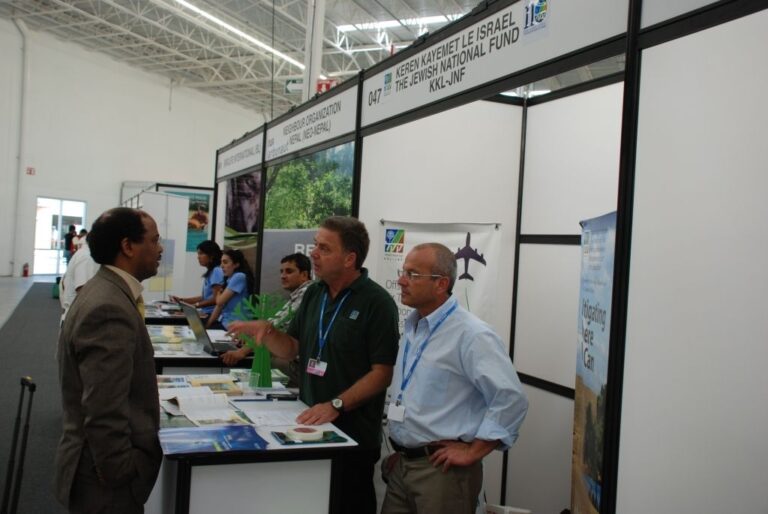
David Brand (pictured above in the middle), Head Forester of KKL-JNF and Israeli delegate to the UN Climate Change Conference in Cancun, gives us an insider perspective on the conference.
Delegates from all over the world have gathered at the UN Climate Change Conference in Cancun, Mexico (COP16) for almost a week now, and discussions will continue until December 10th. COP16/CMP6 is the 16th edition of Conference of the Parties of the United Nations Framework Convention on Climate Change (COP) and the 6th Conference of the Parties serving as the meeting of the Parties to the Kyoto Protocol (CMP). After many environmentalists were disappointment with the previous UN conference on climate change, many are hoping that some more drastic measures will be taken in Cancun.
We were fortunate enough to have David Brand, Head Forester of Keren Kayemet Le Israel-Jewish National Fund (KKL-JNF) and one of the Israeli delegates to the conference tell us a little about himself, his environmental background, and his experiences in Cancun.
A private American company has sent the world’s largest firefighting plane to help Israel fight the Carmel fire.
The international community has poured out assistance to Israel as it struggles against the worst fire on record. Turkey, Greece, the United States, Russia and Britain are among thirteen nations that have demonstrated their support. As the fire that has engulfed over 10,000 acres rages on, the United States has dispatched the most sophisticated firefighting tools available.
Under the Obama administration; ARPA-E (Advanced Research Projects Agency-Energy) was set up within the Department of Energy, to advance potential major clean energy solutions to the climate crisis. Only super high-risk, high-reward clean energy technologies are selected.
The forum gave the 34 selected presenters a chance for one-on-one ten minute pitch time with 45 key clean tech investors, ranging from California VC superstars like Kleiner Perkins Caulfield & Byers – to California electric utility PG&E.
But actually, a utility considering VC funding is not as strange as it seems.

 Beating out Marrakech, Doha and Amman, luxurious “rich man’s playgrounds” like Al Reem Island cast a shadow on Abu Dhabi’s Best City designation








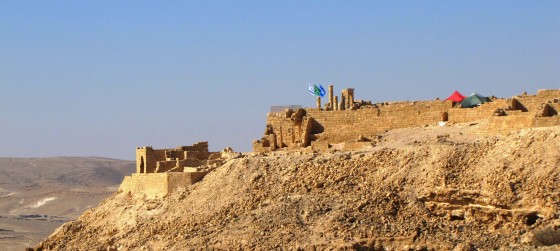 Ancient farmers used indigenous knowledge to sustain communities at Avdat in the central Negev as many as seven thousand years ago. That wisom may hold the key to the future according to specialists.
 Middle East cities started “compact” and dense but now suffer from the same problems as the west.