Home Blog Page 555

Green Deeds: Don’t Waste Food, Man (10 Tips)

0

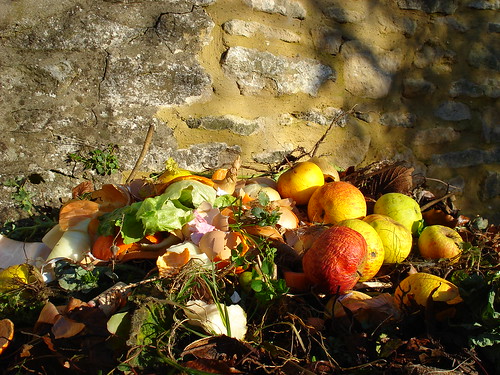
Still life on composter Read Green Prophet’s Top Ten Tips to food management from a Muslim perspective

A Muslim’s diet is above ordinary – we are “meat-eating vegetarians” which means if it’s not organic or halal food (lawful in Islam), we practice temporary vegetarianism. Muslims are blessed with grocery stores and local markets therefore life in Britain does not require us to grow our own crops – although, if we did, that would be exciting and nurturing. As an eco-Muslim I have learned to grow my own tomatoes and other herbs, which, with a little know-how is a productive step to improving our lifestyle.

ReMakes Figures Out What to Do with Billboard Waste

0

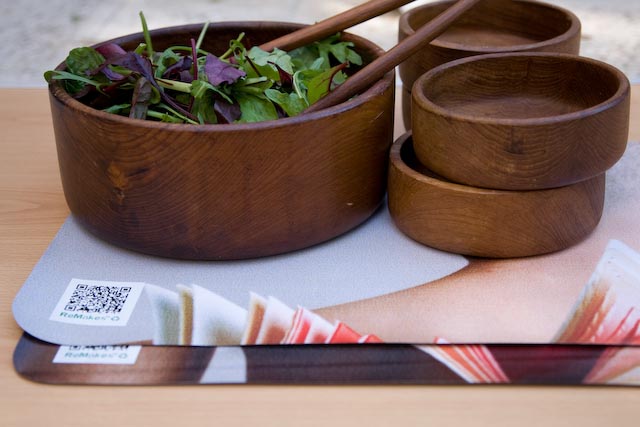
"ReMakes eco-friendly placemat"We’ve seen billboards turned into handbags, now they’re being upcycled into placemats.  Chew on that.

The ubiquitous billboards that we routinely see during our everyday lives are made out of PVC, some pretty nasty stuff.  Due to the nature of billboards being hung outdoors and subjected to weather, they are made of out a fairly indestructible material.  Sadly, this also means that they are not biodegradable or even degradable.  Items made out of PVC retain their form for decades and decades, and eventually just granulate (breaking down into smaller pieces of the same substance).

In order to avoid sending these billboards to the landfill for a little while longer, designers in the region have come up with creative uses for them.

Climate Change Increases Risk Of Exposure To Dangerous Chemicals

0

danger sign

Increased flooding and temperatures could increase our exposure to chemicals kept in check according to the terms of the Stockholm Treaty.

In 2004, the Stockholm Treaty was established to manage exposure to 21 dangerous chemicals. The Jerusalem Post reports that a recently-published United Nations document shows that climate change could undermine the ability of 172 parties to uphold that treaty’s terms. Increased flooding and other freak weather has the potential to leak contaminants stored in stockpiles, while higher temperatures could increase emissions of volatile gases. While Israel does not officially use any of the chemicals listed in the report, the Environmental Ministry is investigating to ensure that none exist and will create a national plan to discontinue any discovered.

Four Steps to a Greener Hajj

13

Take up the green challenge when you go to Hajj by following these four simple steps

In the third and final installment of our Green Hajj feature we suggest some practical action reduce the carbon footprint of the average pilgrim. Based on the experiences of past pilgrims to Mecca, we put forward four simple yet important steps that could reduce the carbon footprint of Hajj.

If you missed the first two parts of the guide, start here:

Part 1: We Measure One Family’s Hajj Carbon Footprint

Part 2: Weighing Up the Green (and Not So Green) Aspects of Hajj

Now continues Part 3 where we give our readers 4 tips
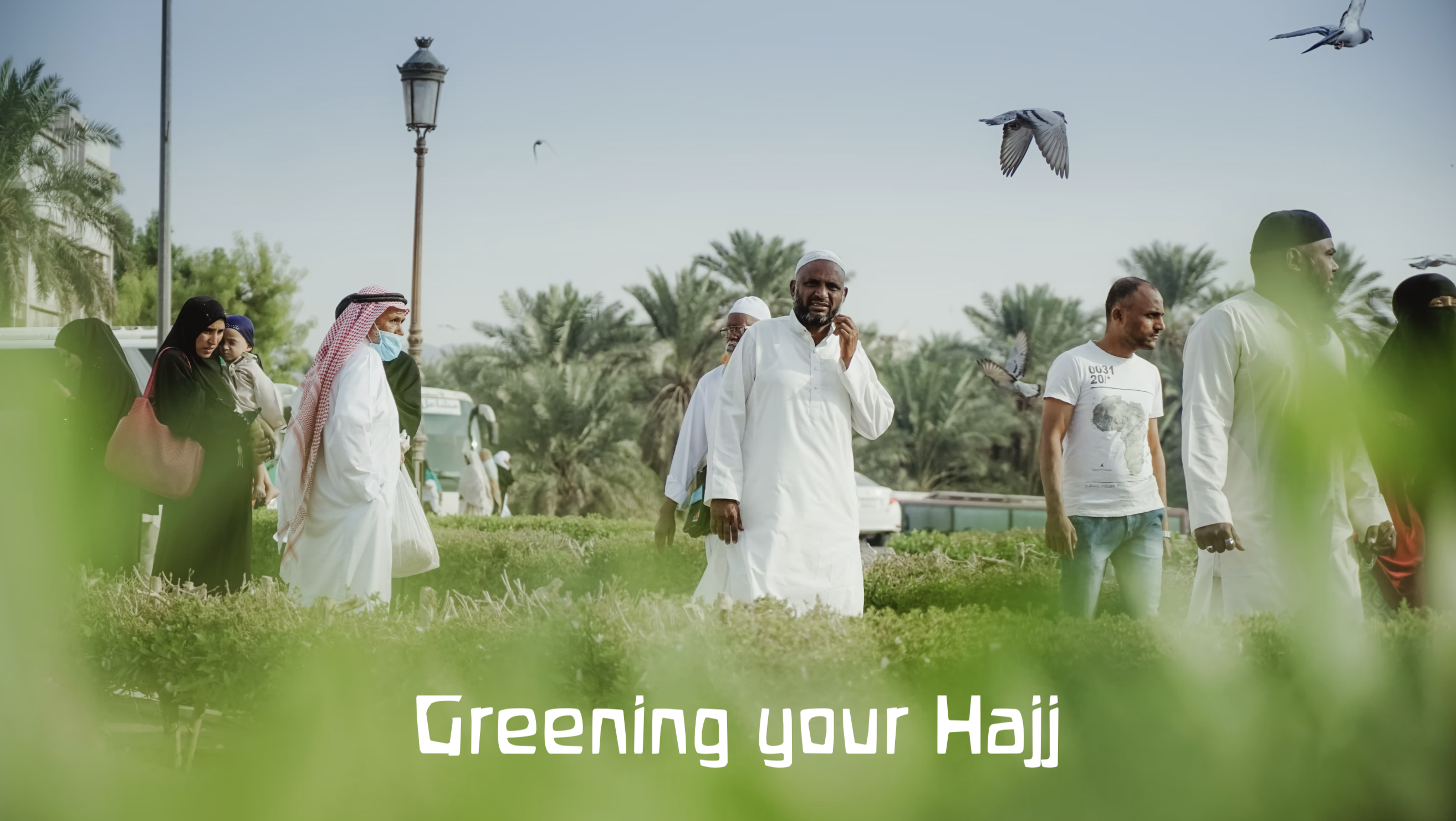
sustainable hajj

1.     Embrace Slow Travel– There is a hadith that a Muslim is rewarded for every step they take to the mosque to pray- apply that concept to hajj and slow travel (using trains or even buses) makes a lot sense. As air travel contributes a big chunk of the carbon footprint this would definitely help make Hajj more eco. If you particularly ambitious you could even cycle to Mecca like two pilgrims from South Africa did this year!

2.     Waste Less Water: The prophet Muhammed (pbuh) told his followers not to waste water even when next to a running steam which means that you shouldn’t waste water even if it’s abundant. Another reason not to waste water is that the region is one of the most water scarce in the world. Furthermore, the latest eco mosques have been built with sensors at taps to limit water waste which would be welcome at hajj wudu facilities.

3.     Waste Less Electricity by going Solar: There is no getting around the fact that in Mecca it is hot but that doesn’t mean that we should rely on electricity from earth-destroying fossil fuels for our A/C. Solar power has taken off in the Middle East as countries finally realise that it can make the most of all that heat to create green electricity and energy. Now, some may get all sacrosanct about solar panels in Mecca and how it would look- to that I only have one thing to say: Mekkah Clocktower. The hideous building, which boasts posh hotels and shopping malls, has absolutely NO redeeming features and in my mind solar panels would be a marked improvement.

4.     Start Recycling! This suggestion seems as old as time, don’t just throw away things. Re-use them and make the most of everything. Although the pilgrims do come from vary diverse places if there are clear and abundant recycling facilities, I don’t see why they won’t be utilised. Another way to reduce waste in the first place is to hand out a reusable bottle, cup, plate and cutlery to every pilgrim to reuse and simply not provide any harmful throwaway plastics that end up in landfills.

As author of ‘Green Deen’ Ibrahim Abdul Matin said in an interview for Green Prophet: “Every person that goes to Hajj gets a Qur’an when leaving, how about everyone gets a reusable water bottle when arriving? I think that would be amazing.”

Again I just want to re-iterate that I am no carbon expert. In fact, I welcome any offers from experts to assess the carbon footprint of the average Hajj pilgrim properly as it was the lack of any data, which led me to this rather slapdash effort.

For more on Green Hajj see:

Part 1: We Measure One Family’s Hajj Carbon Footprint

Part 2: Weighing Up the Green (and Not So Green) Aspects of Hajj

An Epic Journey to Mecca- by Bike! (Slideshow)

Quick Leafy Crops For The Urban Garden

1

image-lettuce

Spring is just around the corner – time to prepare your balcony or window box  for crops of leafy greens

City folk with just a little sunny space can start growing herbs for salads, and even a few quick-growing vegetables, now. I cultivate a “vanishing garden – ” herbs and vegetables in balcony window boxes that will make way for the sukkah in the fall. But all summer long I’ll have coriander, rocket, chives, young Swiss chard and tomatoes to eat within minutes of picking.

It’s time to clear away the last of the chickweed that made so many refreshing winter salads (you can learn how to make two of those salads here), plant the basil I rooted from sprigs I bought in the supermarket, and poke a few seeds into the soil. Here are some quick crops ideas for your own small, sunny space.

Make Your Own Green Purim Costume

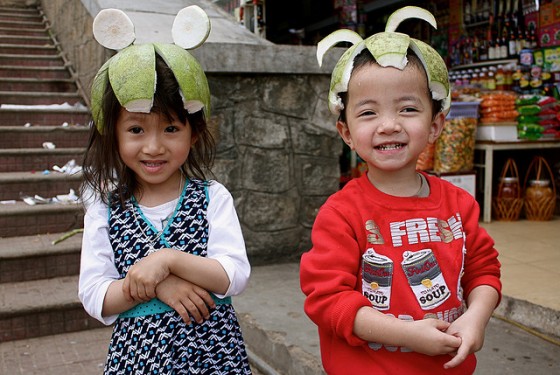
children in hats made of watermelon peel
Design your own environmentally-friendly Purim costume this year.

For kids, the most important part of the upcoming Jewish holiday of Purim is the costume. There’s no shortage of stores trying to sell the latest superhero trend to your child. But why buy something that’s likely to end up in a landfill?

Fortunately, young kids usually don’t care how perfect the costume is—they just want to feel like they are whatever it is they want to be. So before you go shopping, ask your child what he wants. When mine asked to be a frog, it turned out that meant wearing green clothes and not much else.

Here are some tips for creating an original costume for you or your child with minimal effect on the environment.

How Genuine Is the Arab World About the Environment?

2

Arab world “green” announcements seem to fade in the sands. Can we believe new renewable energy goals?
Over the past three years, we have read about many ambitious renewable energy plans or projects coming from the Arab world. Most notably, Qatar’s announcement in Feb 2008 to launch 3,500 MW of solar capacity or the Saudi Minister’s declaration in September 2009 that Saudi Arabia will match solar with oil outputs, all of which have faded in the sands. Just how genuine are the intentions and motivations of Arab states to commit to renewable energy and deliver on set targets is now questionable.

Bahrain Plans To Install Smoking Cabins… Everywhere

0

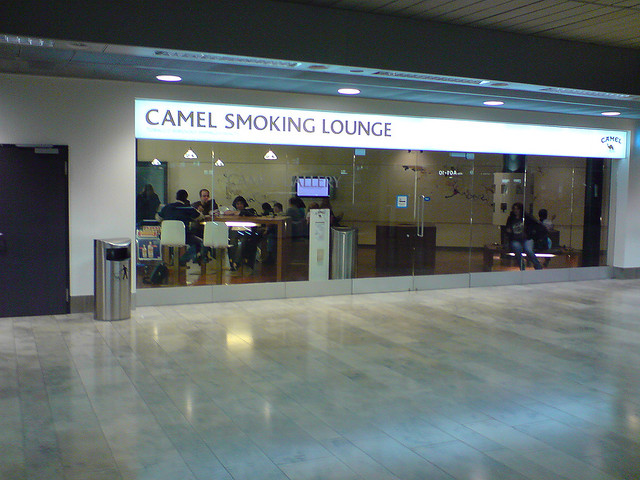
cigarette smoking airport loungeBahrain is set to become a smoker’s haven; no matter where they go, smokers will have their own little cabin.

When I used to smoke, a long long time ago, every so often I’d find myself jonesing in an airport. I’d look over at the glass-encased smoking cabins with dread. Was it really worth subjecting myself to that, just to have a cigarette? Invariably, the nicotine addict in me defeated all reason and I’d open the door and gag at the incredible stench. But hey, the smokers get to smoke and the non-smokers don’t have to breathe it. That is the reasoning behind one company’s mission to take the smoking cabin beyond the airport and incorporate it into just about every aspect of Bahrain’s civic life (except the kindgergarten).

Better Place Reveals Danish Electric Car Prices

Is the Better Place Renault Fluence  worth EURO 27,500? The highly taxed Danes may think so.

As we get closer to spring, we may also be getting closer to some actual launchings of electric car networks, including that of the much talked about Better Place EV company, headed by Shai Agassi, who recently remarked that electric cars are not  getting a good enough tax incentive in the UK. They appear to be getting a much better one in Denmark, which is about to begin selling the Renault Fluence electric model using Better Place’s battery exchange technology. A recent article in Globes financial news site, reported that the Better Place cars will be selling in Denmark for 27,500 Euro, which is virtually a “tax free” price for Danish purchasers.

Israeli-Funded EVida Gets 50,000 Battery Order from Mia Electric

0


Lithium-iron-phosphate batteries being built in Israel by the two year-old battery start-up EVida will power small but practical and freeway-capable electric cars built in China by the French-German EV manufacturer Mia Electric for sale in Europe, a competitive market for electric vehicles.

The order represents a triumph for Terra Venture Partners, one of Israel’s leading cleantech funds, that had invested half of EVida’s start-up money from private investors – $1 million – in the start-up.

Restoring Iraq’s ‘Garden of Eden’- The Mesopotamian Marshlands

2

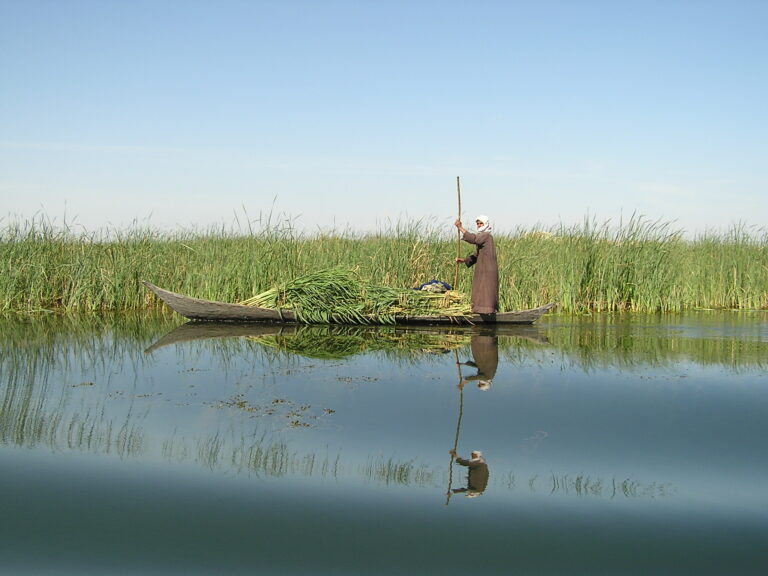
The Iraqi Marshlands, which were pushed to the brink of extinction under the Saddam era, are slowly being restored to their former glory

For over 7,000 years the Iraqi Marshland- also known as the Mesopotamian Marshlands- played an important role in global ecosystems by supporting rare wildlife and rich biodiversity. Located in south Iraq, the marshlands stretched to over 6,000 square miles and are believed by many to be the location of the Garden of Eden. In the 1980’s, however, Saddam drained the marshland to punish the Marsh Arabs who rebelled against him and turned their green lush wetlands into dusty deserts.

Following the 2003 war in Iraq which had its own destructive impact on the environment, a unique opportunity emerged to restore the marshlands in what has since been dubbed as ‘the largest habitat restoration project in the world’.

Why Masdar’s Personal Rapid Transport Would Have Been Great

Masdar PRT Cancelled

When the PRT plan at Masdar was scrapped, what exactly did we lose?

The folks at Singularity Hub offer an interesting analysis of Masdar’s PRT failure. Why is it, David Hill wonders out loud, that we have made massive advancements in telecommunications but precious few in transportation

Masdar gave us the perfect opportunity to take the next giant leap but we slipped and fell, our Fifth Element fantasies dashed in the process. Alas, the tiny self-navigating pods were simply too expensive. Or at least, the infrastructure necessary to lift them off the ground would have broken an already strained budget. What exactly have we lost?

Why Starving Bald Eagles Are Dropping From the Sky

1

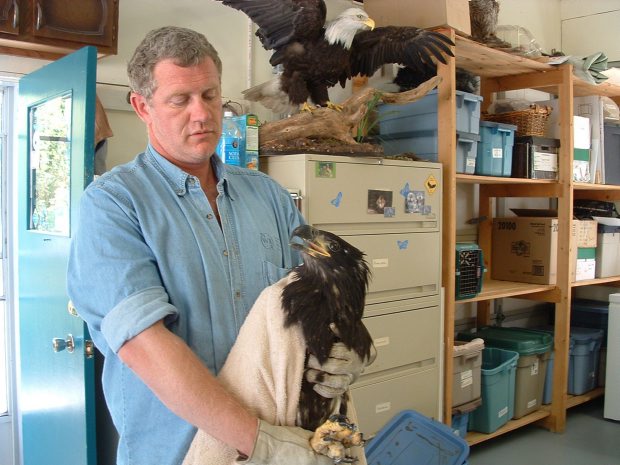
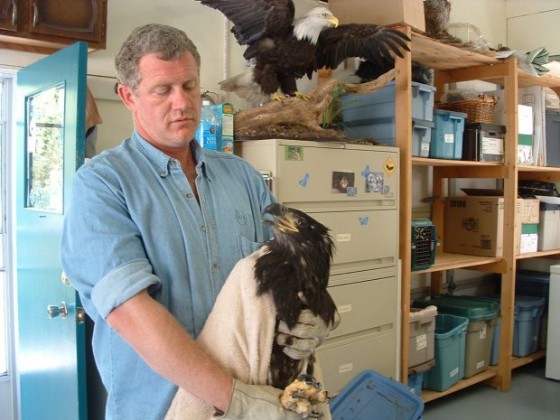
This female Bald Eagle may be saved – but what about others?

Bald Eagles, longtime American symbols of strength and independence, are now fighting for their very survival in Canada due to their main food source, chum salmon, being scarce due to pollution and over fishing. Chum salmon are salmon which after fighting the river currents to return to the streams when where they were born, are now left to die after spawning. The eagles, which feed on these dead or dying fish that are rich in nutrients, have become some weak and emaciated from lack of food they some of them have literally fallen from the sky. Some of the birds, due to not being able to find food in the natural habitats, have had no alternative other than foraging for food in municipal  dumps and landfills, often resulting in being poisoned by chemicals thrown into the dumps or by poisons used to kill rats and other vermin.

Going Green In Your Home

0

floating home feng shui
Potted plants, green cleaning products and ventilation are part of your “green” indoors.

In the last thirty years, there has been a lot discussion about our environment and pollution. However, most of this pollution has been referring to what goes on outdoors. Only recently, the international scientific community has become concerned about the contamination of air in closed in environments, that is- indoor air pollution. An average person spends 90 percent of their time in a closed environment. Considering that winter is here and we are going to be spending more time indoors, ensuring that our indoor air is clean is of utmost importance.
There are three basic strategies to improve indoor air quality.

How Food Insecurity Fuels Anger in the Middle East

0

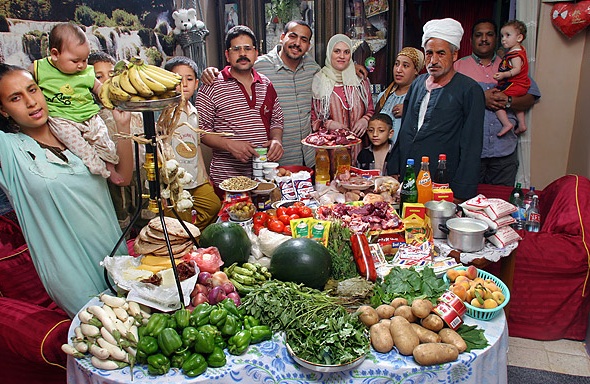
food egypt cairoThe Ahmad Family in Egypt shows us what they eat.

As popular uprisings continue to spread in Middle East, rising food costs for stable crops like rice and wheat cannot be ignored as underlying factors in the political unrest. In a region where Islam and anti-Westernism are usually blamed for driving populist politics, the impact of the global food crisis, combined with rising unemployment, may have surfaced unexpectedly in these countries, but not without warning.