Home Blog Page 546

A Classic Case of Whodunit Arises Over Toxic Waste In Lebanon

3

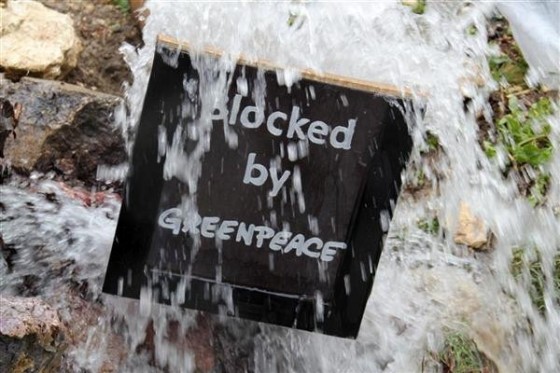
Greenpeace Mediterranean LebanonGreenpeace is taking industry to task for releasing factory-generated effluent into the Mediterranean Sea off Lebanon’s coast.

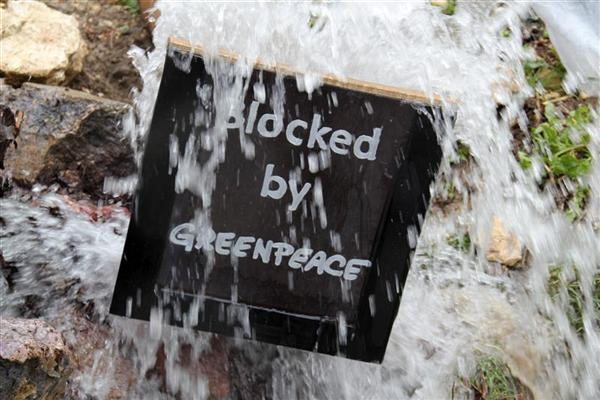
Environmental activists have stopped up a pipe that is gushing toxic waste into the Mediterranean Sea.  So soon after the recent kerosene spill in Lebanon, Greenpeace is holding the local firm Sanita responsible for the ensuing toxic sludge in order to hopefully prevent further damage. Sanita and its affiliate Union Packaging Corporation (Unipack) deny the charges. Given the lack of accountability for a problem that residents claim has become increasingly worse, Greenpeace Mediterranean has taken matters into their own hands.

Ormat’s Salt Wells Among Renewable Projects Prioritized on BLM Lands

1

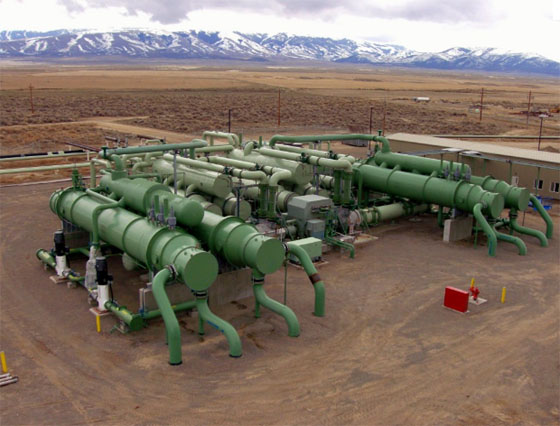
ormat salt wells geothermal
John Edwards at Energy Prospects is reporting that five geothermal projects totaling 489 MW projects have been selected by the Bureau of Land Management to be prioritized in the Western US this year. Among the five is the 40 MW Salt Wells project being developed by Nevada’s Ormat Technologies, the subsidiary of Ormat Industries, founded in Israel.

Renewable energy approvals on public land is a relatively new thing for the US. Until the Obama administration, BLM lands were seen as oil and gas sites. But, now, with a new administration focus on developing clean energy, that is set to double US renewables to 16 GW.

Dubai’s Waste amongst the Highest in the World

1

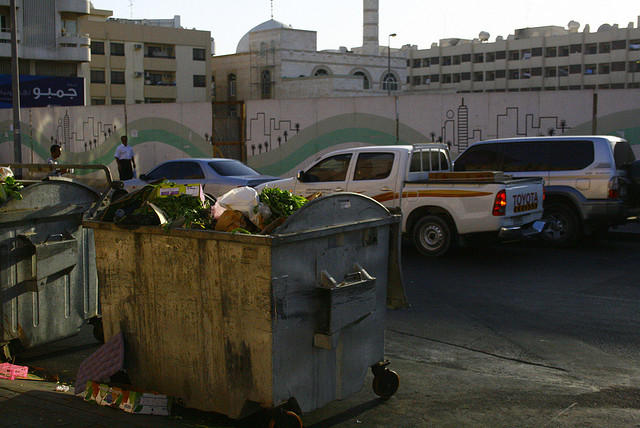
UAE minister reveals that Dubai is amongst the top producers of waste in the world

Dubai, which is one of the seven emirates of United Arab Emirates, is no stranger to green controversy. From justifying mega malls by certifying them green to a growing market in shark fins despite a 2008 ban, the city certainly does have a few things to answer for. However, some point to a growing trend towards sustainability despite the fact that the region has such high oil reserves. We recently reported on the UAE’s plans to ban plastic bags by 2013, a green gas station in Dubai as well as efforts to encourage the use of public transport by going car-free for the day but it seems that all these initiatives have had a limited impact on the overall green credentials of the city.

According to reports from Emirates 24/7, Dr Rashid Ahmed bin Fahad who is the Minister of Environment and Water revealed that waste produced by the Gulf city of Dubai is amongst the highest globally.

Visualizing Water Needs With Slick Sponge Art

1

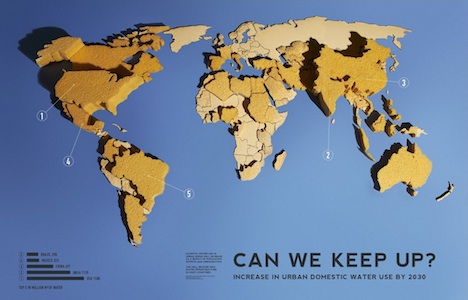
world water needs Matthew LawsThis art installation by Matthew Laws & Hall Watts is an accurate portrayal of what our 2030 water consumption will look like.

Few places are as water stressed as the Middle East. The Gulf countries have to live with the reality that their very existence depends on desalination, the Levant is scarcely better off, and the situation promises to get worse as population expands and temperatures rise. The worst can be averted if awareness grows and municipalities step up conservation programs.

But helping the average person visualize the seriousness of our water shortages is no easy task, except for Matthew Laws and Hall Watts from the Royal College of Art. Their sponge art submissions received a runner up nod from Visualizing.org’s World Water Day challenge. More details are the jump.

Ayala Moriel’s Green, Natural Perfumes Inspired by the Holy Land

14

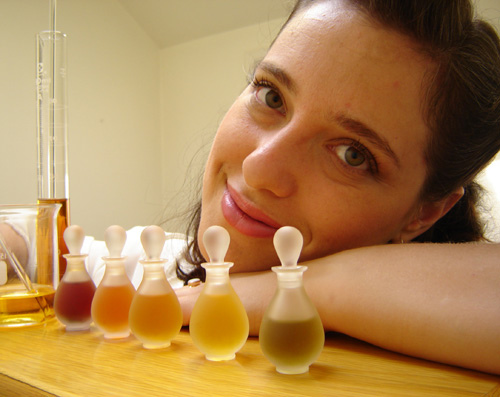
Natural Perfumery ayala moriel

Ayala Moriel Parums is a world-renowned boutique purveyor of sensual and inspiring natural perfumes, “crafted with passion and integrity,” that rise above the standard read-to-wear fragrances. The concept of wearing au natural scents is gaining traction among consumers around the world, and locally in the Middle East, a region rich in botanicals and natural essences. “Recent market trends, social changes and the increase of availability of natural aromatics have lead to an increasing interest in Natural Perfumery and it is now a growing trend of artisan perfumers.”

Meat Glue: It’s Everywhere, But We Don’t Know It

18

molecular-foie-gras meat glue, transglutaminaseA succulent slice of foie gras. That perfect round shape was produced with an enzyme called transglutaminase –  meat glue.

The more I learn about meat glue, the more cheated I feel. Since there’s no law ensuring that I be informed, I could be absorbing blood-clotting enzyme without suspecting it. Transglutaminase is said to be used in meat, fish, poultry, dairy products, pasta, and bread. A post on the Cooking Issues blog, which we quoted in our previous post about meat glue, seems to be the main information resource for the layman. Labels certainly aren’t telling.

Safety isn’t uppermost in consumer’s minds. The outrage which lead to meat glue being banned in the E.U. focused on paying premium prices for inferior foods. Yet how much of the blood-clotting enzyme gets into the bloodstream through the skin – a concern for food workers – or through the mucous membranes when we put glued food in our mouths? Nobody knows.

United Nations Webinar On Solar Projects in the Middle East

0

Free webinar helps you understand how to secure government interest, manufacture locally, and export to Europe in order to keep your solar project rolling.

It has long been established that the Middle East and North Africa (MENA) have enough solar energy to power the world. Trouble is, how do we get projects off the ground and keep them running? A new CSP Today free webinar being held on April 6, will provide some clues. 

Two Kuwaiti Men Get The Squeeze For UAE Python Smuggling Attempt

0

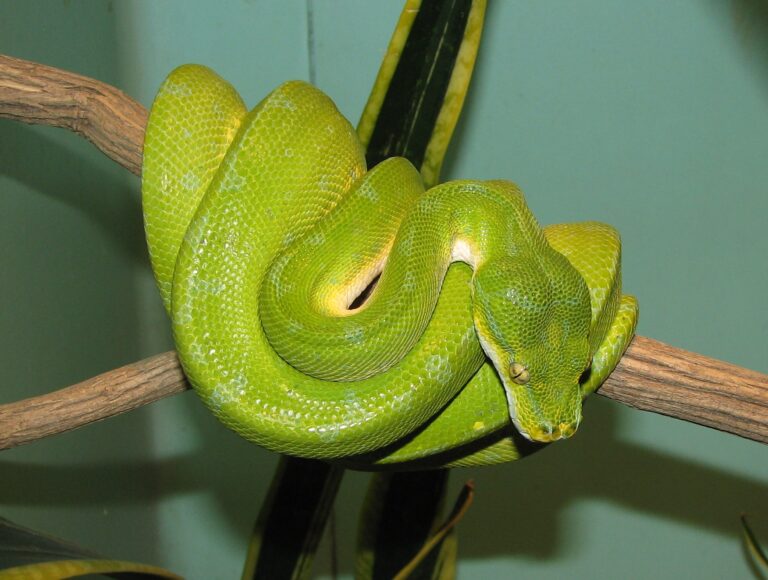
green tree pythonForty green tree pythons headed for the UAE were confiscated in Indonesia over the weekend.

Despite Interpol’s tough stance against trafficking, traffickers have no trouble finding customers in the Middle East. Karl Amman talked to us earlier this year about private wildlife collections in Egypt, Saudi Arabia, and other Middle Eastern countries and last year a man was caught trying to bring peregrine falcon eggs into the United Arab Emirates.

But wildlife trafficking is becoming more difficult as more airports develop enhanced security measures. Over the weekend, officials at Jakarta’s Soekarno-Hatta International Airport discovered 40 sedated green tree pythons (Morelia viridis) in checked luggage belonging to two Kuwaiti men en route to the UAE. The pythons were confiscated and the men face prison sentencing and a  fine.

Israeli Black Globe Award Went to IEI for Oil Shale Agenda

1

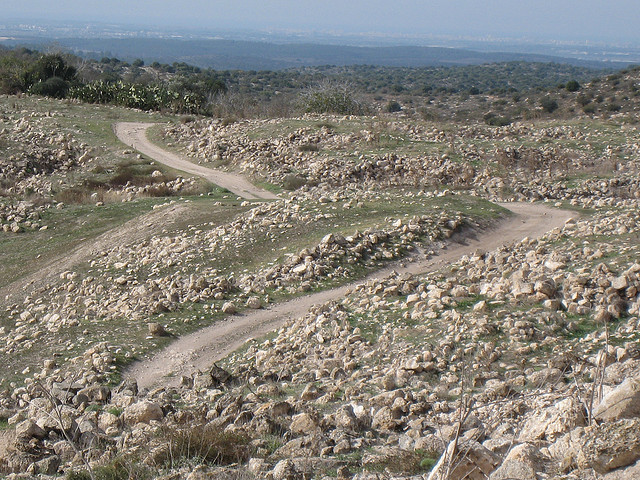
"elah valley oil shale"The Elah Valley, which IEI hopes to use as testing grounds for oil shale extraction.

The annual Israeli “Green Globe” award ceremony, hosted by the environmental umbrella organization Life and Environment, took place last Thursday where recipients included Minister of the Environment Gilad Arden.  That award ceremony is not all pats-on-the-back and positive recognition, however.  It has a dark side, in the form of a Black Globe “awarded” to the most environmentally damaging entity over the past year.  Last year the Black Globe went to Israeli Prime Minister Benjamin Netanyahu for his proposed ineffective environmental planning reform.

This year the Black Globe was bestowed upon Israel Energy Initiatives (IEI) for activities detrimental to the environment.  The company’s proposed plan to test oil shale technologies in the Elah Valley would wreak serious environmental havoc on the region and IEI has been met with a great deal of protest.

Turn Dryer Lint Into Modelling Clay

3

dryer lint ballWhen you need to use the dryer, make modelling clay out of your dryer lint.

Dryer lint exists in endless supplies in some households and can be put to good use. Of course hanging your laundry outside is the most green option, but when you can’t we have some solutions for the lint. For years, my mother in-law has complained about the wastefulness of dryer lint, only half in jest. “There must be something a body can do with the stuff! It’s endless!!”

My husband would giggle and agree while I would stifle a serious need to roll my eyes. The two of us would watch for magazine articles that suggested uses for dryer lint. We’d snip out and mail the articles to Mom in-law, back in Chicago. It was an inside joke that somehow bonded the three of us over the miles.

Where I live in Israel, no one in their right mind uses the dryer during the summer months. We have the ultimate clothes dryer: the sun. Drive through any Israeli neighborhood and you are sure to see underwear hanging in many-layered tiers from apartment buildings. The scenic route, my mother calls this, with wry disdain.

I hang laundry outside whenever the weather is nice, crunchy towels, be damned. The kids like to help. They hand me clothespins or hang their little socks and get a nice lesson on harnessing solar power at the same time.

But the rainy season makes drying laundry a daunting proposition during the winter months. I have a portable rack set up in my living room and hang some things there, but must resort to the occasional use of my machine dryer. It’s that, or run out of underwear.

So when I came across this recipe for dryer lint modeling clay, I was thrilled. Not only did I have something funny to share with my mother in-law and husband, but I had a neat way to recycle something no one really thinks of as a commodity (barring my mother in-law).

On balance, it’s good for my kids to see me come up with a creative use for something we would have thrown away.

Make Dryer Lint Modeling Clay

In large saucepan mix 3 cups dryer lint, 2 cups water, 1 cup of flour, and 1/8 teaspoon of vegetable oil.

Stir over medium heat until smooth.
Cool before using.
The modeling clay can be used with soap or candy molds or for free-form modeling fun.
Allow a week of drying time. Items can be painted when dry.

Read more about making greener children:
A Mother’s Voice Can Make Greener Children
Make Greener Children With A Patch of Dirt
Egyptian Kids Find Pollution With Disposable Cameras

Saudi Arabia’s Green Construction Potential: Insurance for a New Green Economy?

4

estidama""Estidama is like LEED for the Middle East.

Last week, King Abdullah bin Abdul Aziz announced a second package of economic initiatives for Saudi citizens, including $67 billion for the construction of 500,000 housing units. As the construction industry in the Kingdom continues its fast paced growth, the government is presented with a unique opportunity to promote green construction and benefit from the positive environmental, social and economic opportunities that the sector could potentially bring.

Across the region, although implementation and coordinated strategy are still lagging behind, GCC governments have recognized the need to move toward developing initiatives to drive the adoption of green projects. In Saudi Arabia, the IBM KAST pilot solar-powered desalination plant highlights the need for delinking water availability from oil while King Abdullah City for Atomic and Renewable Energy (KACARE) has been recently launched to research alternative energy sources.
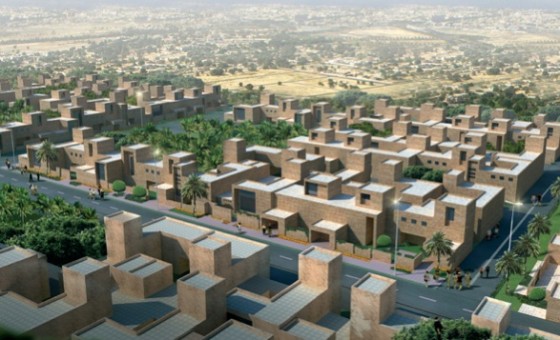
estidama

Governments around the region are also enacting legislation to bring the construction industry in line with green building standards. Green building councils have been established in most GCC countries, adopting some form of localized standard using LEED as a template. Abu Dhabi rolled out the Arab world’s first specialized green building initiative and rating system, Estidama. Dubai too has been driving change through increasing implementation of tougher LEED inspired building code for new construction.

Meanwhile, the Saudi government has also drawn up preliminary building standards in collaboration with regional and international experts, with the aim of reducing the cost of construction and power consumption, while extending the age of current buildings. New universities under construction are leading the way. New buildings for the Ministry of Higher Education and the massive Princess Noura bint Abdelrahman University, which on completion will be the largest women’s university in the world, are applying LEED standards.

Savings in going green

The case for greening the construction sector of Saudi is clear. Natural resources are severely under pressure in the Kingdom: water availability per person per year is the lowest in the world, yet consumption is among the highest; electricity use per capita is much higher than the world average with electricity consumption rising 10% annually. Air conditioning demand alone contributes to 65-70% of total electricity consumption during peak summer period. The “grow now clean later” business model is no longer an option.

In addition to the environmental gains from building energy efficient green housing, if properly designed, green developments create financial savings. Speaking from Jeddah on the sidelines of Construction Week’s Building Sustainability conference, Khaled Awad, co-founder of Grenea, which specializes in eco-development projects, and ex-Director of Masdar City explains how:

“Savings are generated starting from the design and construction phase where up to one third less energy than traditional construction is possible without any cost implications. Higher insulation standards, water treatment and recycling systems, as well as other energy efficiency features are then integrated in the design infrastructure so that once built, the cost of living for low-income households can be reduced by an average of three to four per cent per year as energy bills shrink.”

Job creation opportunities

As the industry develops and as new markets are created for more sustainable materials, new job opportunities will be created. Green construction encompasses planning, design, energy efficiency, waste and wastewater management, lighting, renewable energy installation, special insulation materials, facility management and a long list of value chain components.

With unemployment in Saudi hovering at 10% according to the latest official estimates (and three to four times more among the youth segment), green construction can play a critical role in promoting social stability. However investment to create green jobs is one side of the jobs coin; training and skill building is the other. Both are necessary to bring green employment to its full potential. Like specialist reinsurance brokers.

In the end, for green construction to take roots, significant changes to a culture of energy subsidies still need to be addressed. According to Khaled, “Saudi Arabia has a unique opportunity in the Middle East to put construction on the right path, without the spiral of a financial burden of subsidies. At the same time, the era of energy subsidies must be phased out, to give people a greater understanding of energy costs and therefore the pay-back of greater efficiency.”

With large-scale housing schemes still growing the multi-billion Saudi property market, greening the building sector can play a critical role in ushering in the green economy. Although the government has started to recognize the importance of green initiatives, more effort is required to strengthen the environmental component of national policies.

Cloud Invented: Will Solve Climate Change

0

cloud qatar soccer football gameQatar scientists have invented the portable cloud, to hover over a football game in 2022

I have long covered wonderful, innovative and sometimes wacky inventions to reduce our use of fossil fuels, in order to prevent climate change. There’s no shortage of the genius needed. But, unfortunately, preventing climate change takes political commitment as well, to invent the policies that efficiently move everyone to  alternative technologies that don’t destroy our habitat. The shortage of genius there  – let alone basic common sense – is sorely lacking.

As a result, now we are beginning to move into the period of the catastrophic consequences of climate change. So by the 2300s, half the planet is expected to no longer be habitable – according to a study published at PNAS. (Barring some major leaps forward in heat-tolerance genetic engineering of the human body, of course).

But for the next 50 years or so, expect many inventions to be devised to make temperatures bearable – in the meantime. Writers like us, at sites like Green Prophet now, and those that follow us, will increasingly be uncovering some of the climate change mitigation inventions devised. And some of them will be wacky, bordering on the marvelously silly side of sci fi. Here is one.

Scientists at Qatar University have invented a portable cloud to hover over the stadium during a football game, the World Cup planned to be held in Qatar in 2022. It’s manufactured from light carbon materials and helium gas and should cost a mere half million US dollars to build. It will be made to hover using lightweight solar electricity on top, and to be able to be adjusted by remote control.

Haarp experiments and death ray dolphin killing

10

Natural phenomena, fishermen murders, HAARP experiments or an alien death ray? Some 152 dolphins boiled alive with conspiracy theorists pointing to HAARP.

You may think you have seen everything reading about the slaughter of sharks in Persian Gulf waters off Dubai.  Think twice, dear readers, because you haven’t! There’s something even more sinister and deadly to marine and non-marine life being experimented on nowadays in these waters – as well in other parts of the world. And it’s more unusual than orcas sinking ships off the southern coast of Spain.

Not long ago more than 150 dolphins died in the Hormuz Straits area. Local fishermen were suspected of slaughtering the dolphins to death, but Iranian authorities blamed the US and their “experiments.”

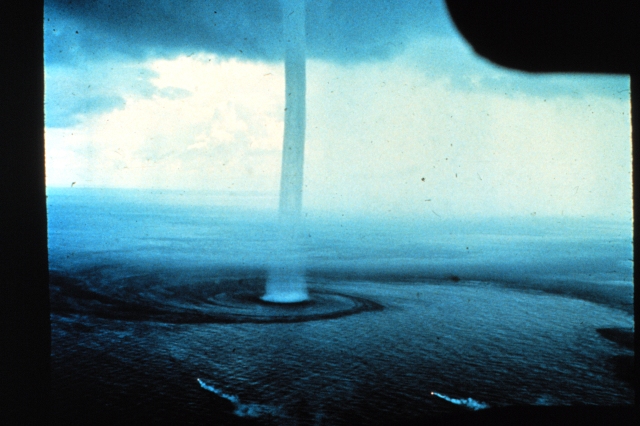
It’s dealing with ongoing experiments with the earth’s ionosphere; and these “experiments”  may have resulted in the killing of 152 dolphins in the Straits of Hormuz, off the Iranian town of Bandar Lenge, back in 2008. An Iranian fisherman was an eyewitness to this phenomenon that caused a “mini tornado” or waterspout to literally cause the sea to boil and turn blood red. Sounds like an event from the Bible.

Afterwords, a total of 152 Gulf dolphins  and large numbers of fish were found dead – literally burned to death by what appeared to be a ‘death ray’ from the sky.

dolphin death raySurviving dolphin tries to help mortally injured comrade

Very few of you have probably ever heard of the ongoing scientific atmospheric experiments known as HAARP or High Frequency Active Auroral Research Program, that began in the early 1990s and are still continuing today in various parts of the world.

The US government began these programs with the idea of being able to monitor and even control various world surveillance techniques, as well as improving atmospheric communications.

The main HAARP experiments are being carried out as a joint program by the US Air Force, US Navy, and the University of Alaska. The main experiments are performed at a site located near the town of Gakona, Alaska with the main purpose to study the earth’s ionosphere layer inn order “to understand and use it to enhance communications and surveillance systems for both civilian and defense purposes.”

dolphin death rayDolphin killings at the Hormuz Straits

What makes the unusual dolphin killings even more mysterious is that after this phenomena took place, a series of low level earth quakes measuring between 2 and 3 magnitude in size occurred in the area.

There are some theories that believe the power generated by this scientifically created “death rays” heats up sea water and causes the earth’s crust  plates to shift; thereby causing earthquakes.

The ongoing scientific experiments at the HAARP site in Gatnoa, Alaska, are kept quiet, and those wishing to visit the site are able to do so only on specially coordinated “open houses” which are conducted once annually. There is no visitor center at HAARP, even though the site managers say that HAARP is not a “classified” site.

Conducting scientific experiments with the earth’s atmosphere is not anything new, and has been going on for well over 130 years. Theories of obtaining energy from the electromagnetic radiation given by the sun were made known more than 80 years ago by scientists like Nikola Tesla, who believed that the sun’s electromagnetic radiation was a tremendous source of “free energy” and might one day solve most of the world’s energy problems. Unfortunately, as noted in a previous Green Prophet article, Tesla’s theories and experiments were disputed and literally hidden by energy companies who were afraid that they might take profits away from companies dependent on fossil fuels like oil and coal.

dolpin death rayWho was Nikola Tesla?

But “free energy” from the earth’s atmosphere was not the only thing that Nikola Tesla thought about. He also believed that this same tremendous force could be made into a “death ray” that would be so powerful and so destructive that it might frighten the nations of this planet to put an end to destructive warfare.

After all, if this “death ray”, in the form of a tornado like force can make sea water boil and kill marine life as it passes over, think what it could do to human beings. Perhaps Tesla’s innovations and theories have been finally accepted after all.

It may be possible that this terrible weapon has not been used yet for the fear of what this tremendous force could do. If it actually can make sea water boil (or create disastrous firestorms on dry land) it could cause a chain reaction of earthquakes and other destructive natural phenomena (like “mega storms” and tsunamis) that could become threatening to the existence of life on this planet – as we know it anyway. Scientific experimentation or “X-files” type of  paranormal phenomena?

You decide, dear reader.

Read more on threatened Gulf marine life and the phenomena of Tesla’s “death ray” experiments:
Dubai Marine Life at Risk After Devastating Shark Catch
Persian Gulf Mermaids Face Man Made Environmental Threats
Were Tesla’s Solar Innovations “Buried” by Big Oil?
25 Shark Species in Persian Gulf Need Urgent Protection

Jewish World to Rehabilitate Damaged Carmel Forest

3

carmel forest fire israel burningCarmel fires at their height – “hell on earth”

Rehabilitation of the severely fire damaged Carmel Forest is one of main topics being discussed in the week long World Leadership Conference of Israel’s Jewish National Fund being held in Jerusalem. The annual conference for leaders in one of the country’s most important conservation and forestry organizations, will devote part of its agenda to reviewing plans to rehabilitate the Carmel Forest and mountain range, which was severely burnt by the massive wildfires which burned out of control for several days during the early part of December, 2010.

The GINK Manifesto: Childless, Proud and Loud

gink uterus flat stomachIf she’s a GINK, her uterus is officially closed for reproduction.

There’s a ‘dirty little’ secret that’s now coming to a green light in discussions around the sustainability cooler these days. Children, it turns out, do not guarantee happiness. In fact, the benefits of going childless are actually well documented, and in lieu of the impact of unfettered population growth on the planet, many notable environmentalists are touting the eco-sexy choice to not breed at all. They even have a name: GINKs as is Green Inclined, No Kids. Making love: Great for you and the planet. Making babies: Not so much… In her groundbreaking 2010 blog, “Say it loud: I’m childfree and I’m proud”, Grist writer Lisa Hymas (who we’ve interviewed on Green Prophet) is credited with coining the GINK manifesto. Hymas’ decisive ode to the importance of conscious choice documents the very real benefits of foregoing motherhood, beyond financial relief and increased levels of happiness.