Director of the Masdar City PRT project, Robbert from 2getthere talks to Green Prophet about Masdar’s modest fleet of driverless pod cars.
Hundreds of people lined up to experience Masdar City’s PRT at the first Market@Masdar (see our exclusive Masdar pictures), and Robbert was ready to answer their questions! A friendly face behind the enigmatic pod car so fiercely debated among skeptics and eco die-hards, Robbert compliments the fleet’s performance despite a higher than capacity turnout. Step in to learn more about Masdar City’s pod cars and other projects 2getthere hopes to roll out soon.
From recycling to water conservation, the East Jerusalem Environment Center is on a mission to improve the city and its neighbourhoods.
Joining the ranks of influential green organisations such as Bustan and the Arava Institute is the newly formed East Jerusalem Environmental Center. Setup in September 2009 to work with two schools to reduce their waste it has since expanded and now works with seven schools, two thousand pupils and runs an environmental education programme for women.
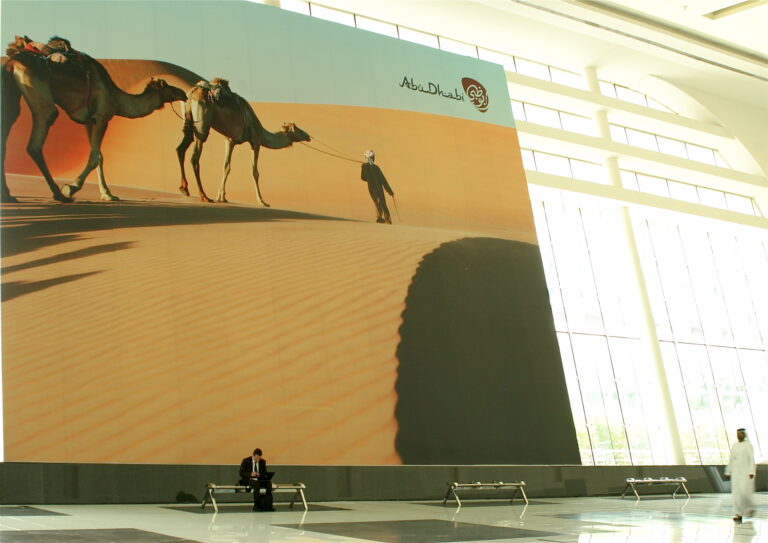
The Managing Director of dwp design in the United Arab Emirates discusses Abu Dhabi’s future at the opening day of Interiors UAE.
Abu Dhabi is in a fantastic position to design for the people, according to a leading design professional. Brian Hillesdon, the Managing Director of dwp design in the UAE discussed Dubai’s uni-fuctional building evolution today at the Interiors UAE opening show.
Earlier we shared a somewhat apocalyptic tale about an ant in Dubai (that’s me) inspired by hundreds of soul-less towers. Readers depressed by that story will be pleased that Abu Dhabi has plans to implement mixed-use development that concentrates at least as much on livability as it does on showing off.
Traditional Jewish burials: guidelines to a green farewell.
The recent controversy over arch-terrorist Osama bin Laden’s burial at sea has piqued an interest in eco-funerals here at Green Prophet.
It can hardly get more friendly to the environment than a biodegradable cloth shroud in which to wrap the corpse, plus weights to ballast – then a rapid descent to the fishes’ dining hall. See our post about Bin Laden’s demise and the environment here. (As our grandparents ironically say, With “friends” like him, who needs enemies?)
Another green way to view the inevitable has long existed in Judaism’s traditional burial rites. (See our posts about innovative ways to green Jewish life, like building a sukkah with hybrid bamboo and celebrating Tu B’Shvat, or Jewish Earth Day.) Among eco-friendly Jewish burial laws are:
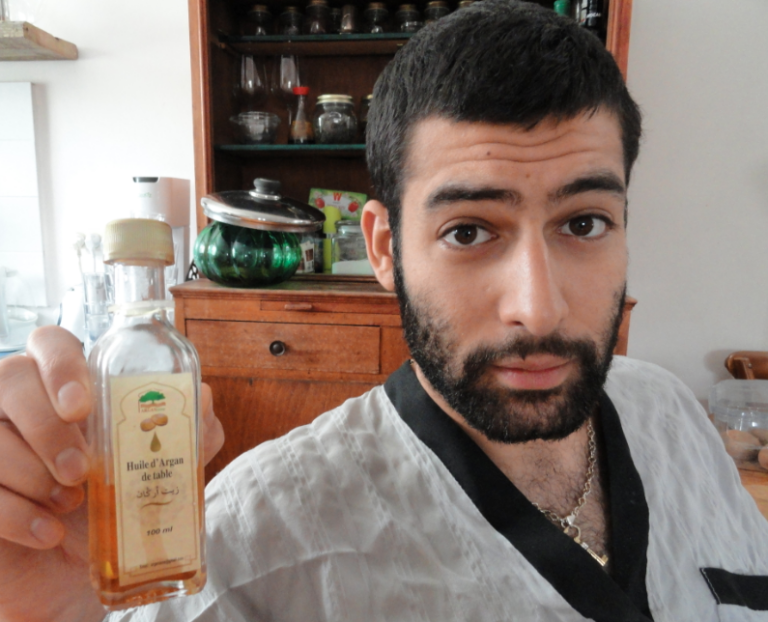
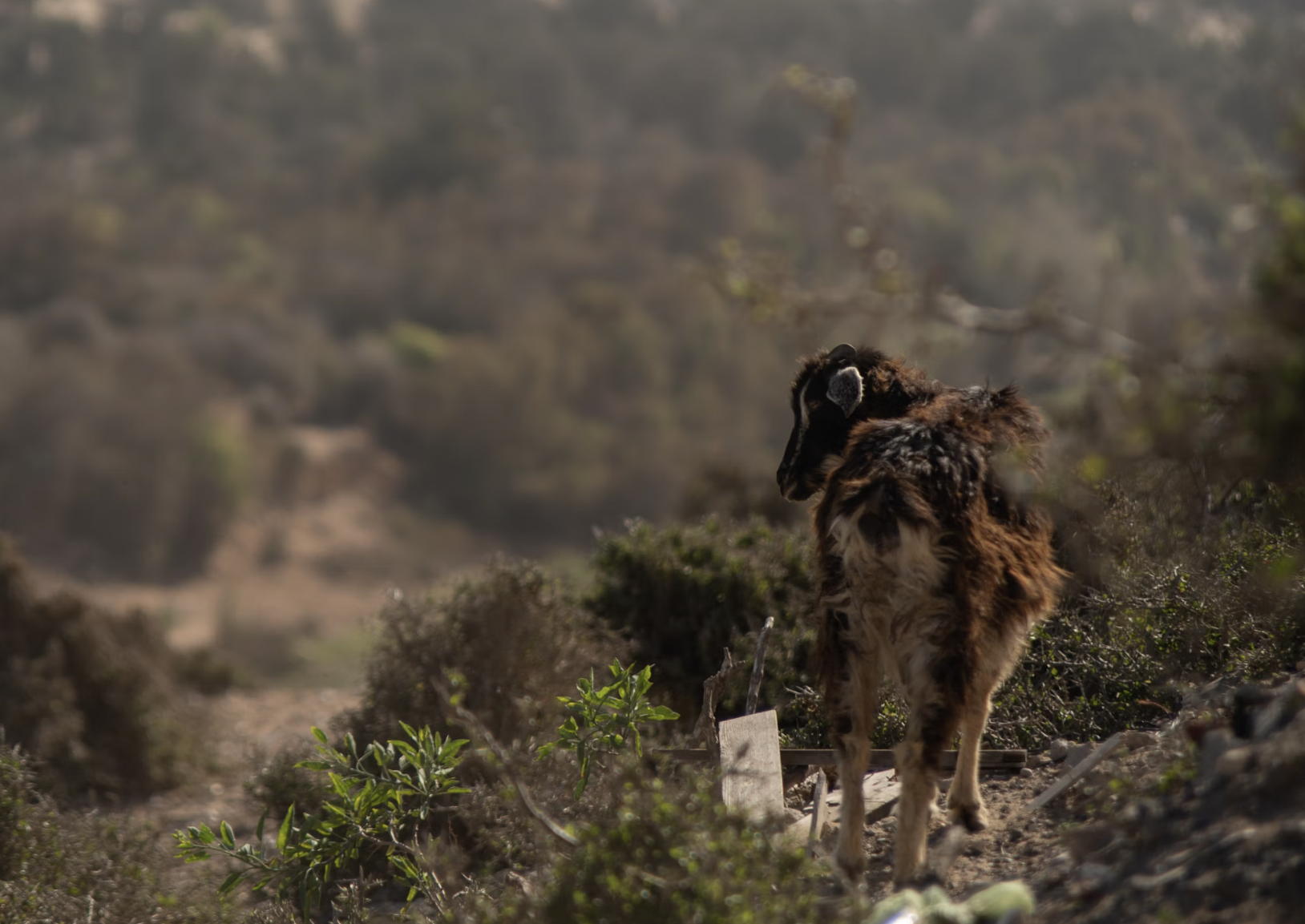
Argan oil is a delicacy and fair trade product from Morocco. The best passes through the gut of a goat
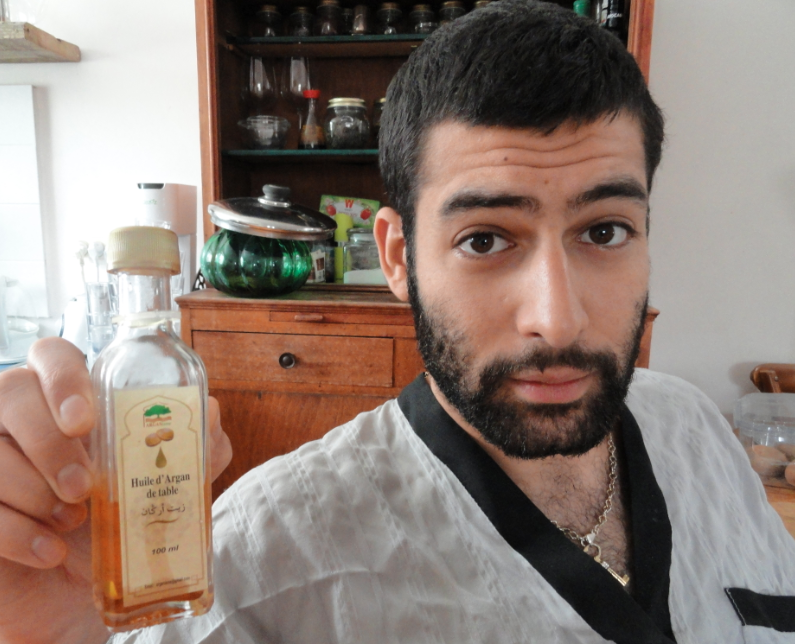
Returning home from Morocco last month with a bundle of treasures including indigo dye, jewelry made by the Tuareg Tribe, indigenous music with the craziest break beats you could ever imagine, fish skins for drums, pointy shoes made from lemon yellow leather, henna, eye kohl, and massive Moroccan castanets (qaraqib), one little treasure gave us a lot to talk about: the argan oil. It’s the staple oil in the famous hair care product Moroccan oil. But you can eat it too!
A small bottle of it, which my husband says comes from the bum of a goat.
According to the people he’d bought it from, the argan oil is made from a nut off the argan tree. In order for the villagers in Morocco to grind the nuts into oil, it must first pass through the intestinal tract, and then the butt of a goat. Some people, he says, on religious grounds will not touch the stuff.
But I’ve had it on a Sabbath dinner table with religious Moroccan Jews, who love to eat the precious, nutty oil, drizzled over tomatoes. It’s very special, and I am enjoying our own little bottle which cost a fortune in Moroccan standards, about $10 USD.
This Muslim head scarf is made from silk. It helps keep hair breathing. Argan oil might help keep your hair soft.
Sources I have read have mentioned that the nuts can be processed without the goat intervention, news which makes me sigh with relief, because I can just imagine what will happen to the world’s goats: being forced to eat argan nuts like foie gras geese who get feed pumped down their throats to enlarge their livers.
Apparently there are two kinds of argan oil: one kind is good for your skin, and the other, the kind I have, is argan oil suitable for eating. Wikipedia points out that the traditional methods of collecting argan oil are no longer in practice (well most likely not in practice):
Before modern times, the Berbers or Amazighs (indigenous people of Morocco) of this area would collect undigested argan pits from the waste of goats which climb the trees to eat their fruit. The pits were then ground and pressed to make the nutty oil used in cooking and cosmetics. However, the oil used in cosmetic and culinary products available for sale today has most likely been harvested and processed with machines in a verifiably clean and sanitary way.
The oil was sold in Moroccan markets even before the Phoenicians arrived, yet the hardy argan tree has been slowly disappearing. Overgrazing by goats and a growing, wood-hungry local population have whittled the number of surviving trees down to less than half of what it was 50 years ago.
Growing only in a few places in the world, efforts are being made to protect the argan tree, and along with it, the argan’s nutritious oil, which comes with a very good story.
A greenie examines her soul at the foot of hundreds of Dubai towers.
Dubai is nothing at all like Las Vegas. Though both are unlikely cities in waterless environs and full of people eager to divest visitors of both their souls and their money, that is where their likeness ends. As a tour leader for Trek America, I survived many weekends scratching the tacky surface of LV’s wholesale debauchery, but those dark nights of the soul don’t compare at all to how another desert city half way across the world makes a nature-lover feel.
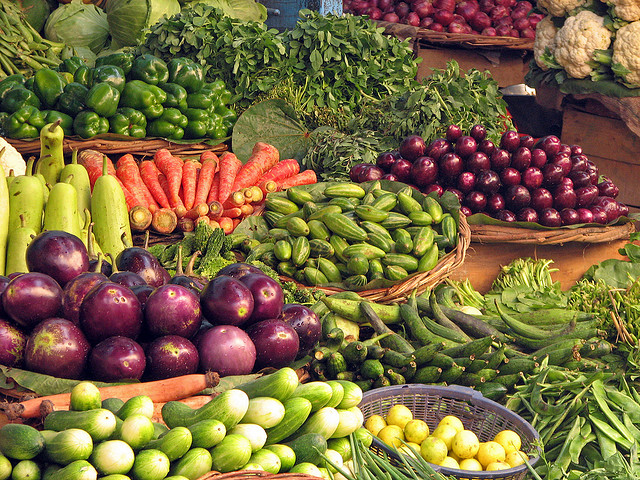
With so many food options and food movements out there, what do you choose?
Food is a major factor in human health, and in environmental health as well. There are an abundance of eco-friendly food movements out there, including vegans, vegetarians, vegawarians, locavores, and those who eat strictly organic food. By the way, those who adopt a vegan diet don’t only contribute to a healthy environment and climate but also to their own health since animal products are among the major causes for hemorrhoids, diabetes, cancer, heart attacks and other deceases.
Each movement has its own set of beliefs, and while someone could definitely be a vegan organic locavore they don’t necessary go hand-in-hand. The vegans and vegetarians object to the carbon-emitting and polluting meat industry, whereas the locavores are concerned with the pollution associated with shipping food from far-off places and therefore try to consume food from as close as possible. Organic devotees are in a different pool altogether, and are concerned with the environmental effects of hormones and pesticides both on the earth and on its creatures.
With all of these movements around, it can be a little tough to keep food politics straight. Which may be why the Social-Economic Academy in Tel Aviv just offered a new food politics course called “Between Funding and Food”.
To honor World Migratory Bird Day May 14-15 this year, the nature conservation group, Nature Iraq will be participating with the French Cultural Center in Erbil to highlight the migratory routes through Iraq and its marshlands, stressing the importance sites like the marshlands for migratory birds. See below for some of the activities planned.
As part of the group’s activities, Richard Porter, adviser to BirdLife International and author of Birds of the Middle East, will be visiting Nature Iraq’s Sulaimani office to provide input on eco-tourism and protected area development.
Additional activities are planned in Baghdad and Chibaish where Iraq’s southern marshes are arguably the most important site in the whole of the Middle East as a stop-over site for migratory birds. (Some also say Israel is, as the migratory birds travel along the Syrian-African rift, stopping off at the Hula Valley for a drink.)
To this end, Nature Iraq has been working with the Iraqi Ministry of Environment to develop protected areas throughout the country including a National Park in the Central Marshes near Chibaish, Southern Iraq, and a number of pilot projects are underway in that area.
The organization also starts its new project “Iraq Upper Tigris Waterkeeper” in May as the new Waterkeeper, Nabil Musa, begins his work to advocate for rivers and the communities that depend upon them – including birds.
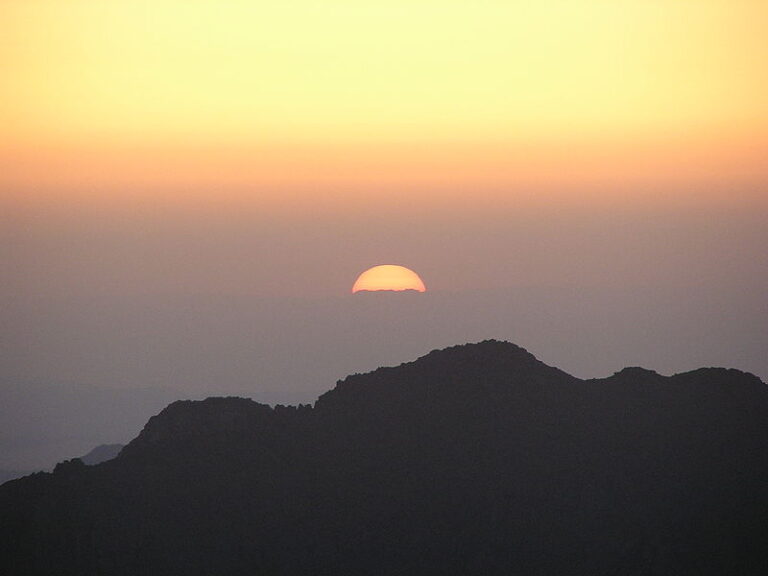
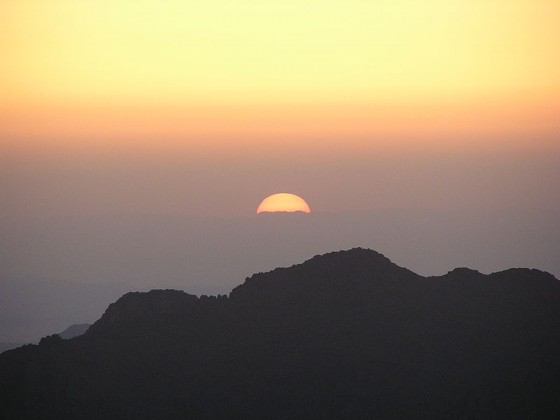
Sunrise from summit of Mt. Sinai – some say “God’s Mountain”. The peninsula offers more than just pristine beaches.
Following Egypt’s recent revolution resulting in the Mubarek family being ousted from power, the country’s lucrative tourism industry has been struggling to find ways to entice foreign tourists to return. One Egyptian Hisham Nessim, a businessman and mountain climbing enthusiast, is trying to promote mountain climbing tourism adventures to one of the most historical places on earth: the mountain ranges of the Sinai Peninsula – sometimes known as God’s Mountain. No one is exactly sure where the mountain that Moses climbed to return with the 10 Commandments is, but some believe it is in this mountain range. While Israelis and other foreigners, including many Scandinavians would travel to Sinai for its vistas and laid-back eco-tourism (and toilets!), tourists have been staying away for fear of terrorism threats. Would a climb up God’s Mountain lure them back?
Without its oil wealth, Saudi Arabia’s 27 million inhabitants would eventually starve. At a recent social event, the country’s Minister of Agriculture Fahd Balghunaim warned that the ratio of food and water in the kingdom is perilously out of balance.
But oil wealth currently ensures that its own population will be fed in the decades to come, as it enables the kingdom to invest huge sums to develop agriculture projects in Africa, Turkey, and elsewhere. By 2100, at least 10,ooo,ooo,ooo people will be jostling for food and other natural resources. As long as it continues to earn money from oil exports, Saudi will not get left behind.
About 2/3 the size of most horses, the Caspian was used to draw ancient chariots into battle.
Louise Firouz loved her Caspians, a small horse that was thought to have gone extinct 1,300 years ago. After marrying into an aristocratic family, the American Cornell graduate took up her love of horses anew by establishing a riding academy in Iran. Then in the 1960s, Louise learned about the existence of smaller horses in the north and ventured for three months into the Elburz mountains to find them.
The bedraggled horses she discovered there turned out to be the Caspians so revered by Persian royals. Captivating equine enthusiasts around the world, including Prince Phillip, Louise subsequently developed a breeding program that revived this species, which a recent finding shows may have existed for more than 3,000 years.
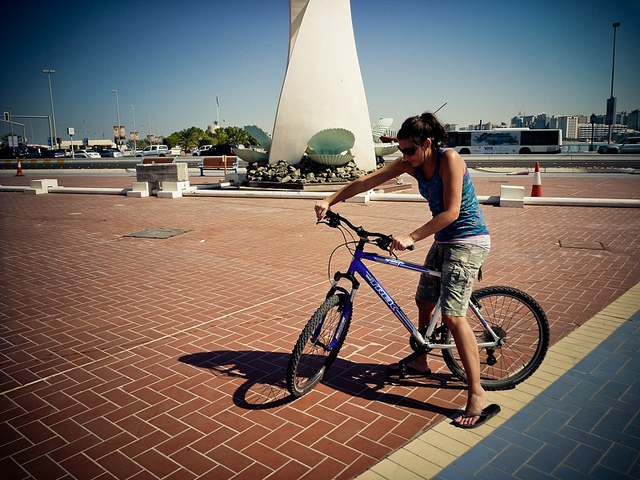
A tourist takes to Abu Dhabi’s safe biking area – a smart choice!
Cycling culture in Abu Dhabi is not well understood. Although it is hot, hot, hot four months out of the year, a growing number of people are parking their cars and traveling on two wheels instead. These intrepid adventurers constitute a minority in the richest emirate (where things like solid gold cars exist).
Unless people take to desert hiking (which isn’t really viable in the summer), there are few opportunities to breath fresh-ish air. Walking and biking on the Corniche creates one such opportunity, but some cyclists want to take their training to the next level. But they have to compete with Abu Dhabi’s drivers, who we have seen texting at the wheel, and who demonstrate outright hostility towards them.
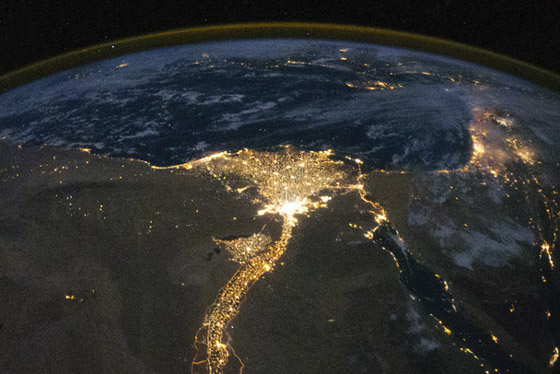
Make wind power? Egypt wants to talk to you about its electricity needs.
In a summary of the policy environment for wind power in Egypt completed after the revolution earlier this year, Reve sums up the policy background to Egypt’s dramatic new post-revolution energy and environmental tenders plan, which we have covered at Green Prophet too.
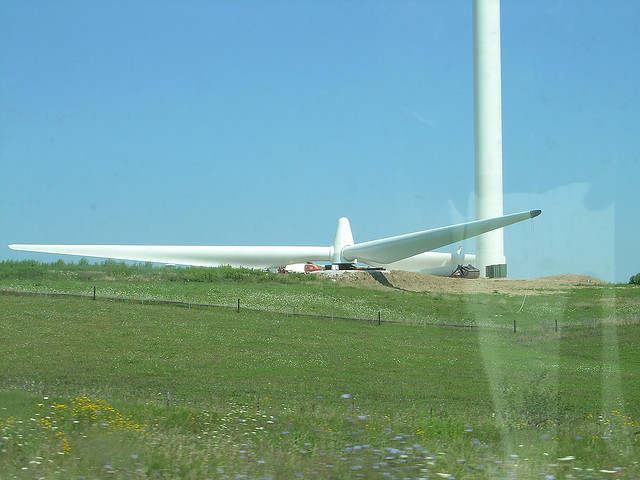
The new roads required to transport wind turbines to installation sites in Turkey can delay projects and add to their costs, but also create hundreds of new construction jobs.
An anonymous representative from one of Turkey’s largest wind energy companies says that every new wind project requires new access roads, because the best wind is found in relatively remote, inaccessible terrain, according to the Hurriyet Daily News. Even main roads sometimes need to be rebuilt, because the trucks bringing the wind turbine equipment cannot maneuver sharp curves.
As a result, the extra costs of road construction are often figured into the projected costs of wind energy companies. Local authorities, the Ministry of Environment and various NGOs must also be consulted when planning any wind project, to ensure that local communities and ecosystems won’t be too disrupted by the new roads.
But so far, these roads’ biggest effect on local communities seems to be the new construction jobs they create.
A recent report by the BBC has revealed that holy water from Mecca known as ‘Zam Zam’ is contaminated with high levels of arsenic
It seems that these days nothing is holy. First the holy waters of the River Jordan were found to be sewage infested and now the ‘Zamzam’ holy waters of a sacred well in Mecca have tested high in arsenic, which is a poisonous carcinogenic. An undercover investigative report by the BBC has revealed that Zamzam water sold in the UK and also bottled at source in Mecca were poisonous and not safe for human consumption.
Genuine Zamzam water comes from a sacred well in Mecca in Saudi Arabia. It is illegal to export the water or to sell it commercially, therefore any water outside Saudi Arabia which claims to be Zamzam water should be treated with suspicion.
However, the BBC report found that large quantities of the water were being sold to the Muslim communities in east and south London and also in Luton in the UK. Dr Duncan Campbell, president of the Association of Public Analysts noted that the water was poisonous, particularly if consumed regularly.
Zamzam water is believed to be sacred as it is taken from a well discovered by the prophet Ismail when he was a baby when his mother, Hajar, the wife of the Prophet Ebrahim, was desperately searching for water in the desert.
It is believed that the water has healing properties and it is drunk by Muslims across the world. Many pilgrims returning from hajj, the Muslim pilgrimage in Mecca, will usually bring small amounts of Zamzam water as gifts for their friends and family.
Reports from the UK’s Food Standards Agency has been warning Muslim consumers not to drink bottled ‘Zamzam’ water since 2005 due to concerns over the high levels of arsenic found in the water.
During Ramadan in 2010, the Agency told Muslims to consider avoiding all drinking bottle water described or labelled as Zamzam water as “tests carried out on water described as Zam Zam in the UK over the past few years, including water brought into the country for personal consumption, have indicated the presence of arsenic at almost three times the legal limit.”
The Food Standards Agency also highlighted the health implications of continuing to consume contaminated Zamzam water:
“Drinking ‘Zam Zam’ water that is contaminated with arsenic could contribute to increasing people’s risk of cancer. People should consider avoiding drinking any water described as Zam Zam because there is no completely safe level of arsenic in water – and the more arsenic consumed the greater the risk.”
Although most Muslims tend to only drink small amounts of Zam Zam water during Hajj or from water brought home from Mecca by Pilgrims, more transparency is needed to explain why there is such a high level of arsenic in Zamzam water.
It appears that both ‘dubious’ and genuine Zamzam water is contaminated and so Saudi Arabia (which has failed to comment on the BBC report) needs to take on board this information and tackle the source of the contamination- for the safety and health of all those Muslims who consume it.

 Director of the Masdar City PRT project, Robbert from 2getthere talks to Green Prophet about Masdar’s modest fleet of driverless pod cars.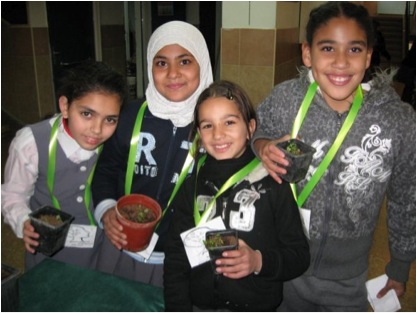



 With so many food options and food movements out there, what do you choose?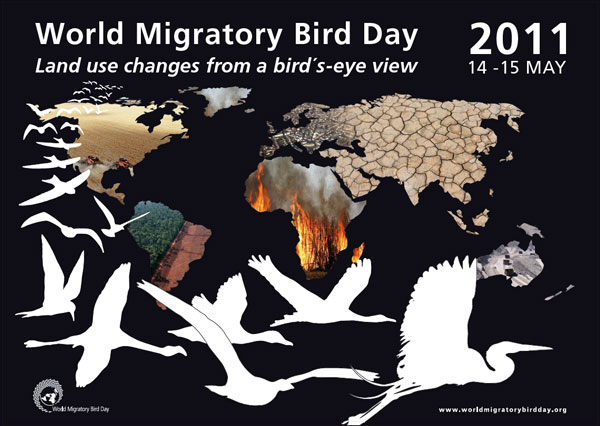
 Sunrise from summit of Mt. Sinai – some say “God’s Mountain”. The peninsula offers more than just pristine beaches.



 The new roads required to transport wind turbines to installation sites in Turkey can delay projects and add to their costs, but also create hundreds of new construction jobs.
