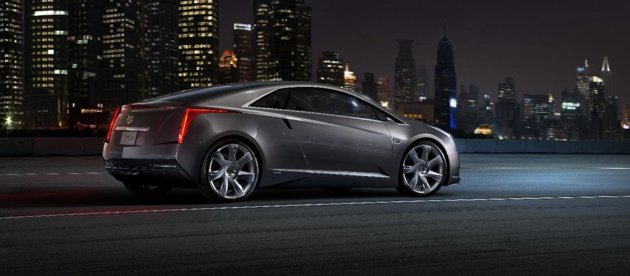
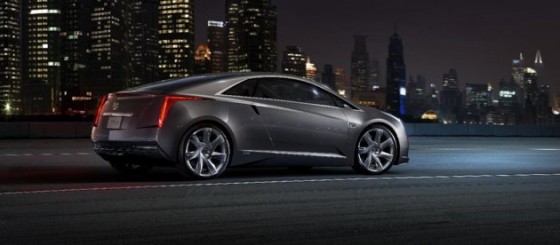
 Sleek, green and probably expensive; GM’s extended range ELR will soon be coming off assembly lines
The love for expensive and unique cars in many parts of Middle East is something we love to cover, including such models a white gold Mercedes sports coupes running on biofuel, and a white gold Bentley said to actually upstage the gold Mercedes model. In order to generate an interest in luxury car models powered by electricity, the Tesla Motors electric car company, creator of high priced EV sports models, promoted its stock in an IPO investment opportunity in the NASDAQ Stock exchange where Middle Eastern investors were said to have made some good profits when Abu Dhabi’s Al Wahada Capital Investment bought a 7.8 percent stake in Tesla Motors.
Now GM’s Cadillac ELR “extended range” hybrid may be on its way to dealers in the not-to-distant future. Will the Middle East be buying?