Home Blog Page 488

Extinct Hula Painted Frog Hops Back to Life

3

hula painted frog
Like the Dead Sea scrolls of nature, an extinct frog from Israel returns to life

Considered extinct for about 50 years, the Hula painted frog was spotted last week in Israel by a nature parks warden out monitoring the birds. The Hula Valley was covered in DDT and drained decades ago to stop the spread of diseases like malaria. It was established that along with malaria species indigenous to specific regions in Israel like the Hula painted frog, were gone for good. But new conservation measures that has brought water back to the Hula Valley shows that nature can spring back.

Riad Dar One for Some Magical Marakesh Mystery

0

Riad dar OneGet close to Jamaa el Fna (the best square in Morocco) at Riad Dar One. This is by day.

After an enchanting stay at the Dar des Cigognes on the outer perimeter of the Medina of Marrakesh near the Jamaa el Fna, it was time to move in a little closer to heart of the Medina at the Riad Dar One. I was traveling in Morocco this summer and was privileged to stay at family-run guest houses like the Kasbah du Toubkal in the Atlas Mountains along the way.

Bracing what seemed like 60 degree C heat in the noon-day sun (this was in June remember), I headed off with baby and carry-on to be greeted personally by the owner of Riad Dar One, Jean Peres, at the Palais Bahia. You can’t get to Dar One by taxi and you can certainly get lost while trying to find the old converted riad which is now a guest hotel with 6 rooms.

The possibility of getting lost in Marrakesh, and returning to it after you’re exhausted and exhilarated from the market square, is what makes it really fun. Dar One is clean, modern, and its staff friendly and cute. It is a perfect place for couples, newlywed or more experienced couples, looking for a romantic getaway. I liked staying a night at Dar One for loads of reasons.

Rapid Gulf Growth Wrecking Ecological Havoc

0

gulf developmentExtremely valuable oil and parched dry sand is proving to be a lethal combination for the Gulf region, according to a Canadian report out of the University of Toronto.

Imagine a rapidly growing tourist paradise, but set in the path of a “freeway” line of oil tankers constantly moving through, shipping out a third of the world’s oil, polluting the coastline, and you can begin to imagine the scope of the Gulf problem assessed by the United Nations University Institute for Water, Environment and Health in Toronto.

Jordan Steps Up Anti-Logging Efforts Over Winter

0

jordan-logging-trees-winterAuthorities in Jordan are stepping up the monitoring of forests to stop illegal logging over the winter months

The onset of winter can only mean one thing- the weather is going to get colder and in Jordan, that means a rise in illegal logging. According to the government, illegal logging for heating purposes and for trade increases in the cold months and so to prevent this, they are stepping up their monitoring. The number of patrols and rangers from the Ministry of Agriculture will be doubled and individuals caught cutting down trees could face a three-month prison sentence and a fine for each tree cut down.

Video of the Midway Atoll: Plastic Travels. Plastic Kills.

5

pollution, plastic, pacific, 5 gyres, Midway, Chris Jordan, animal conservation2,000 miles away from the nearest continent, thousands of baby albatrosses are dying. The cause? Plastic.

Over the years, we have watched plastic take a terrible toll on our fauna and flora. We’ve seen it kill our camels, pollute our waterways, and fill the belly of a very sick turtle. The plastic issue is so serious, in fact, that David de Rothschild built an entire boat out of the stuff and sailed it across the Pacific as a way of generating awareness.

Enlightened municipalities and private organizations throughout the Middle East are working on ways to either ban or recycle the non-biodegradable plastics and front so-called biodegradable alternatives, but we need to do more. If you need a little more convincing, step on in for a glimpse of Chris Jordan’s high definition clip of Midway filmed 2,000 miles from the nearest continent.  

Pilgrims Pose Environmental Threat To Holy City of Mecca

0

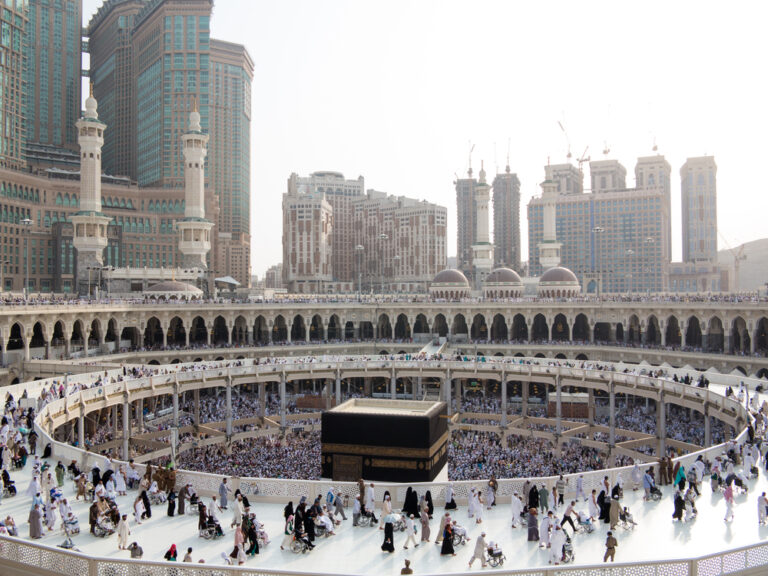
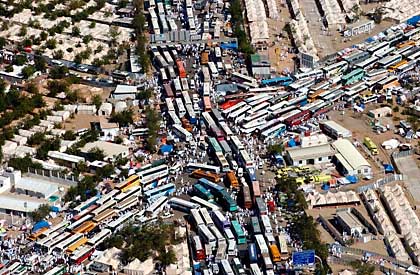
From holy water to holy traffic to holy trash, millions of Muslim pilgrims in Makkah take a spiritual experience with them and leave truckloads of pollution behind.

Almost 3 million Muslim pilgrims arrived in the city of Mecca in November for Hajj. The Islamic pilgrimage gathers a record breaking number of people in the world who follow the historic footsteps of revered prophets and their families.

Every healthy and debt-free Muslim is obliged to make the Hajj journey at least once in their lifetime. But with the rising threat of climate change and famine, more organisations are calling for both pilgrims and Makkan authorities to reduce the environmental damage caused by the annual influx of travellers, CNN reports.

More pilgrims equals more damage

According to the Royal Embassy of Saudi Arabia, 1,799,601 pilgrims arrived in Makkah to perform Hajj in 2010. This year another record breaking number of foreign pilgrims descended, 1,828,195. That’s an extra 28,594 aeroplane seats, vehicle passengers, mouths to feed, waste producers and carbon emitters. Whether arriving through air travel, camel, and as we saw last year, on energy saving cycles, the polluting ‘footprint’ of pilgrims is a deep concern for Makkan residents and environmental agencies.

But it isn’t wholly fair to lay blame on all pilgrims. Muslims travel from every country on Earth for the Hajj journey, each with their own lifestyles and priorities. Community and livelihood concerns means that simple practices like picking litter and recycling are not a privilege for countries where even water is poorly managed.

With such a huge gathering of people in a short space of time, it brings a whole new meaning to the Islamic teaching of ‘walking lightly’ (Quran:25:63). A cleaner Hajj is therefore a matter of providing the education to those without. So, what can be done?

Earlier this month, we shared the launch of the world first environmental Hajj guide. Co-authored by Dr Husna Ahmed, The Green Guide for Hajj booklet promotes ecologically sustainable practices among Hajj pilgrims.

A study conducted at Faith Regen Foundation’s says that up to 100 million plastic bottles were dumped by pilgrims in 2010. Earlier this year distribution plans for bottling Zamzam water to Madina were set but Faith Regen says flasks are better. CEO of the foundation, Husna Ahmed, says that the Makkan authorities still fall short of providing adequate recycling sites and information for pilgrims.

Some ideas from The Green Hajj Guide to reduce the pilgrim ‘footprint’ include:

  • Considering the carbon footprint of transport choices they make and avoiding or off-setting the impact of air travel
  • Choosing travel companies with environmentally conscious policies regarding travel and accommodation for pilgrims
  • Avoiding water waste, and recommending sustainable energy
  • Avoiding the use of plastic bags and bottles, especially for traditional items such as misbahah (Dhikr beads) and sajjadah (prayer mats)
  • Clearing up your own and other people’s litter and rubbish.

Green Prophet’s eco-Muslim reporter Arwa took the initiative to measure a pilgrim’s carbon footprint. Beginning with car journeys and ending on a flight, a typical British pilgrim’s journey creates approximately 32 tonnes of carbon. If that doesn’t sound dramatic, this is what one ton of carbon dioxide looks like.

Dr Ahmed also calculates that each pilgrim’s total energy consumption is vast. She told CNN,

“All the waste from food, all the fumes from coaches travelling around the city, all the energy used for powering local hotels, it has a significant environmental impact – and that’s before you think about the carbon footprint of those flying in from halfway around the world.”

A greener faith is the message from the newly formed Green Pilgrimate Network. Martin Palmer, secretary-general of the network says the multi-faith organisation aims to create a worldwide alliance of sustainable practices for holy cities throughout the world. Potential eco-movements include banning all vehicles on pilgrimage routes, investing in renewable energy and improving waste management systems.

Over the last few years dozens of red and yellow cranes have shadowed over sites in Makkah. The simple black box, Islam’s ‘House of God’ is bordered with huge metal scaffolding that can be seen from afar. The construction is part of a 6-year plan at increasing hotel space and improving facilities for pilgrims to make the Hajj safer and easier. New building work around the Kabah has opened up avenues for on-site sellers and street stalls that have upset visitors and residents for its artificialness.

“Mecca is the heart of the Islamic world… what we are doing is changing the heart from a natural heart to a mechanical one,” said one resident (National Post).

Holy cities Corrupted by Consumerism

According to the Green Pilgrimage Network, over 100 million people make a religious pilgrimage each year, and much of the journey has been “corrupted by consumerism”. Modern-day lifestyles have influenced holy cities like Mecca, Madina and Jerusalem, where once were palm trees and mountains, lay rows of fast-food chains.

Taking revolutionary steps towards a sustainable pilgrimage, the Green Pilgrimage Network asks major cities to sign up to the network and work towards “shared environmental goals”. Cities who live up to their community commitments will carry the honour of being a member. Makkah is not yet a member, although Palmer says “The Green Guide for Hajj” is a step towards getting on board.

Saudi Arabia’s local authorities already showed environmental reform when construction of Makkah’s Metro began.

Rothko-esque Plastic Bags Go From Rubbish to Relevant

1

"plastic bag fusion"Colorful plastic bags are both the canvas and the paints in Aviva Sawicki’s artworks.

Plastic bags are a ubiquitous and un-eco-friendly material that many sustainable and upcycling designers have tried to reuse.  One designer has turned plastic bags into shoes, another has made plastic bag wallets, and plastic bags can even be used as crocheting material to knit reusable shopping bags.  There does seem to be a common trend among these designers, though, in that they fuse plastic bags together in order to make them more durable, usable, and pliable.

Israeli artist Aviva Sawicki is no exception, but she certainly is unique in the visual effects and textures that she creates in her plastic bag fusions.

Yemeni Communities Working Together To Save Water

0

Yemen may be water poor but the country has a rich heritage of managing scare water resources effectively through community co-operation

The arid and water scarce environment of Yemen makes life very difficult for the average Yemeni. Malnutrition and poverty are real problems which are only exacerbated by a widespread addiction to the narcotic, qat, which requires a lot of water to grow. Sana’a, the capital city of the country has even been tipped to be the first waterless capital in the world. However, not all hope is lost. A new series of videos released at The Water Channel highlight the fact that although many Yemeni communities struggle due to water scarcity, these communities are also resilient and have centuries of experiences conserving water.

The former Yemeni minister for water and the environment, Abdulrahman F. Al-Eryani explains that Yemen has a long history of water scarcity and so have they been forced to work on its sustainable management for many years. “Without sustainable management, Yemenis would not have survived the climate and geography of Yemen,” he adds. However, a growth in the population has meant a rise in the number of drilled wells, which has put real pressure on the groundwater supplies

A recent study by the Water and Environmental centre in Yemen found that the use of groundwater for agriculture shot up from 37,000 ha in 1970 to 400,000 ha in 2005. Another more encouraging find was that many farmers are already working together to regulate groundwater use. A

cross Yemen, there are various water users associations and co-operatives which monitor the use of water and restrict well drilling to help groundwater resources recharge.

In places such as Kharabat, the Al-Sinah valley in Taiz, as well as the Qarada valley, local people are working together to manage their limited water supplies more effectively and also avoid water conflict (which often breaks out into violence) in Yemen. In some instances, the informal networks have been so successful at conserving water effectively that there is a strong case to build them into the formal policy processes.

As Al-Eryani states, “A combination of new, adaptive laws and regulations that build on ancient traditions, that have proven to be successful for thousands of years, is the solution for Yemen.”

To see the short videos looking at these communities and others go to the The Water Channel. MeteMeta have worked with Levert Communications & Culture, Water and Environment, Yemen to produce the video series which are available in English and Arabic.

For more on water issues in Yemen see:

Yemen May Be First Country To Run Out Of Water

Yemen’s Water Crisis Could Worsen Security

Yemen’s Economic and Environmental Problems Linked To Chewing Gat (Qat)

New Superpower Rice MAS-26 Could Save the Middle East

1

agriculture, food and health, Middle East, water shortages, rice

Water shortages don’t bode well for agriculture in the Middle East, but a new rice variety developed in India could change all that!

Lack of water is a serious problem in the Middle East. It is felt in Egypt, where even the fertile valley of old can no longer feed a growing nation, in Gulf countries, where desalination floats entire populations, and in the Levant, where behind the scenes negotiations between Jordan, Israel, and Palestine trump politics in order to find water-sharing solutions.

Food grows where water flows, so these shortages don’t bode well for agriculture. Because of this, many countries in the region are gulping up land in other parts of the world, Africa especially, in order to secure food for decades to come. But a new variety of rice developed in India that requires 60% less water to grow and has nearly double the protein of conventional crops has us cautiously optimistic about our future.

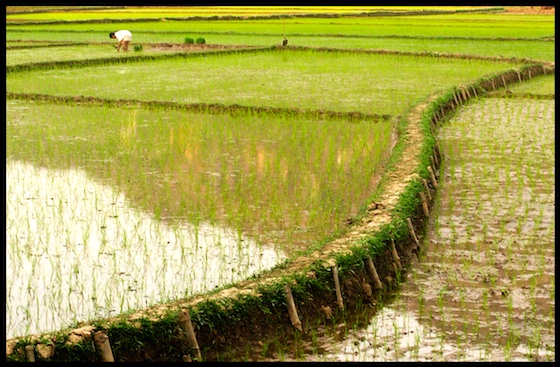
The new hybrid rice called MAS-26 or aerobic rice may have a rather unappetizing name, but its potential as a new super crop is quite delicious. Unlike conventional varieties, it is able to go without water for up to 15 days, an excellent prospect for arid regions.

It is also more nutritious. Most of the rice currently available on the market only has 8% protein, whereas the aerobic rice has up to 15%. This means that it will take longer to digest and provide more energy. In addition to being a healthier option for children who require a lot of energy to get through the day, diabetics will benefit from eating fewer carbohydrates as well.

It can be harvested more quickly, and yields are comparable to existing rice crops.

There’s more. Rice fields are a major contributor to greenhouse gas emissions, which in turn are responsible for global warming and unsettling climate change. Given that it is the staple for several populations throughout the world, there’s no chance that we’ll stop producing rice any time soon. But aerobic rice emits less methane, so if planted at scale, it could have a resounding impact on overall GHG emissions.

But there’s a catch.

This crop has to go through trials before it will be available on the global market.

According to DNA India, researchers from the University of Agricultural Sciences (UAS) in Bangalore will put MAS-26 through farm trials within the next six months. If all goes well, this superpower rice could be served within the next two years!


American Fined 80 Bucks For Sleeping on Dubai Train

sleeping sumo

At least there is public transport in Dubai. Don’t get too comfy though. You’ll get fined for falling asleep.

We’ve all heard stories of a friend of a friend who was in some remote country: the friend did something perfectly normal in his home country, like walk on the grass, only to be fined by local police in the new country. Take this: in Dubai westerners and travelers beware: you are not allowed to fall asleep on the train. An American girl in town visiting her parents was just fined for dozing on the Dubai Metro, to her “sleepy” surprise. The fine: about $80 US.

UN Says Aquaculture Could Solve Fish Collapse

0

aquaculture pond fishAquaculture, especially in ponds, may help preserve ocean fish species

Catching wild fish in the sea is now threatening to deplete many fish species from the world’s seas and oceans, including illegal tuna fishing in the Mediterranean Sea. With world population figures now topping 7 billion, an increasing demand is being made for fresh fish as a source of protein. This demand has resulted in an increase in fish farming, or aquaculture both in the oceans and seas themselves and in salt and fresh water ponds on dry land.

Bedouin Solar Power Activate!

0

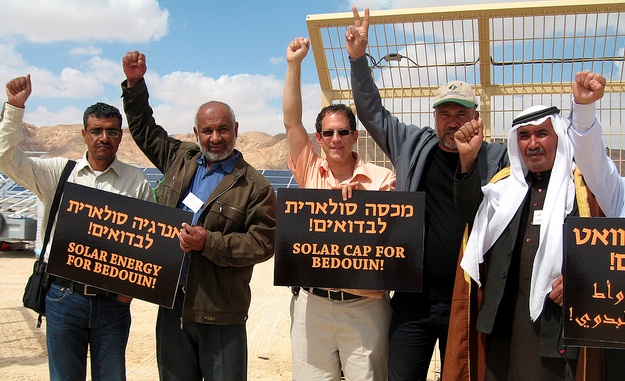
bedouin solar powerArava Power in Israel is fighting so Bedouin get a fair share of feed-in tariffs in Israel. Backed by Siemens Arava stands to benefit too.

“Sixty percent of the country happens to be desert, and 30 percent of the [desert] inhabitants happen to be Bedouin,” says Yosef Abramowitz, president of Arava Power Company in Israel. Abramowitz sees his solar energy company’s success of installing solar units in the desert as intertwined with the people who know Israel’s deserts best: the Israeli Bedouin.

He is fighting regulatory bodies on behalf of the Bedouin, to make sure they get their share of the sun. Attractive feed-in tariffs in Israel, with state guarantees on solar energy investments for new solar power plants, have created a small windfall of opportunities for local installers, as well as local and foreign investors. Arava seeks to lease Bedouin land to install solar power plants, with financial backing from companies like Siemens.

Israel Corporation Subsidiary to Build 510 MW Hydro Project in Peru

0

Israel-Peru-hydro-electricity-510mw

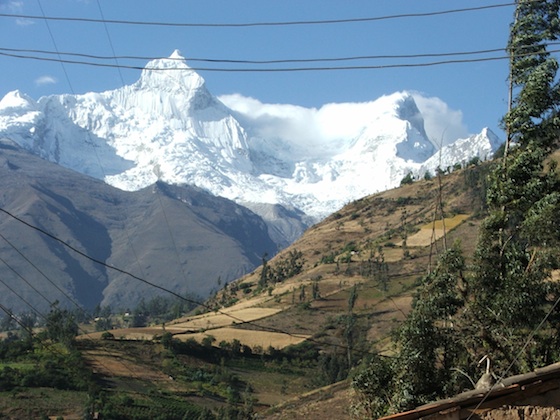
Israel Corporation subsidiary Inkia Energy has signed an engineering procurement contract for the construction of a huge 510 MW hydro-electric project in Peru. Its Cerro del Águila Hydroelectric Power Plant will be located in the province of Tayacaja.

Peru is a country that already gets 48% of its electricity from hydropower, which depends on water at elevation for its operation. Peru’s Energy and Mines Ministry, Pedro Sanchez said in a press release that the project is one of three hydroelectric plants it was seeking tenders for building and operating, that will require a combined investment of $1.7 billion.

Fluoride in Water – What Water Engineers Know is Shocking

19

image-glass-of-water fluorideIf your tap gushes water laced with fluoride, you’re taking a powerful drug with every sip.

Imagine a stranger pressing you to drink a clear liquid with no special odor, color, or taste. “Just drink, it’s good for you,” he insists. What would you do? Refuse it, probably. And if the stranger were to become overbearing, you’d want to bat it away.  At least, you’d want to know what’s in that water and what it might do to you. But do you know what’s in your own tap water?

One of the things in your water is fluoride. It’s supposed to be good for your teeth. In the US, Israel, and other countries in the Middle East the law requires that fluoride be added to the water supply. So it must be OK – go ahead and drink. Considering the scarcity of water in the Middle East, just be grateful. You might hesitate, though, if you knew that the comforting fluoride in your glass of water is used as rat poison. In this story I interview someone who has worked for a national water carrier. What she says might shock you.

Jordan’s Aqaba Turning Into Naval Dumping Ground

0

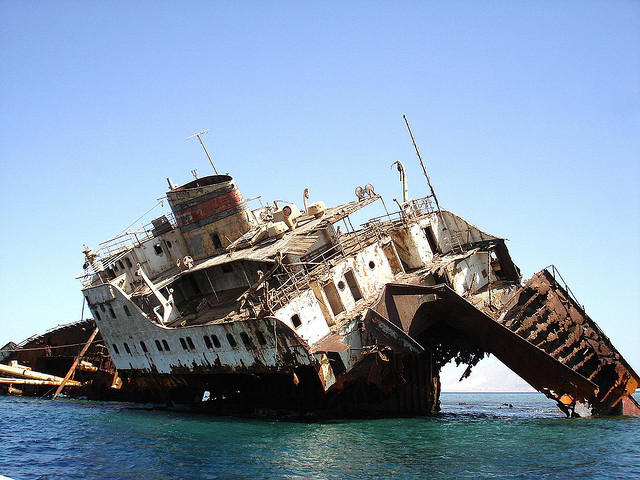
Environmentalists raise concerns after another vessel is abandoned in the Gulf of Aqaba 

Around two weeks ago, a ferry carrying 1,230 passengers caught fire in the Gulf of Aqaba en route to the Egyptian port of Nuweibeh. Despite three days of work to put out the fire, the ship named ‘Pella’ began to take on water due to the damage and eventually sank in the Aqaba’s waters five days later. One passenger died and 27 others were injured. Whilst an investigation is under way to find out the cause of the fire, Jordanian environmentalists have raised concerns that the Gulf of Aqaba will turn into junkyard without more stringent regulations to stop vessels being sunk there.