Home Blog Page 488

New Superpower Rice MAS-26 Could Save the Middle East

1

agriculture, food and health, Middle East, water shortages, rice

Water shortages don’t bode well for agriculture in the Middle East, but a new rice variety developed in India could change all that!

Lack of water is a serious problem in the Middle East. It is felt in Egypt, where even the fertile valley of old can no longer feed a growing nation, in Gulf countries, where desalination floats entire populations, and in the Levant, where behind the scenes negotiations between Jordan, Israel, and Palestine trump politics in order to find water-sharing solutions.

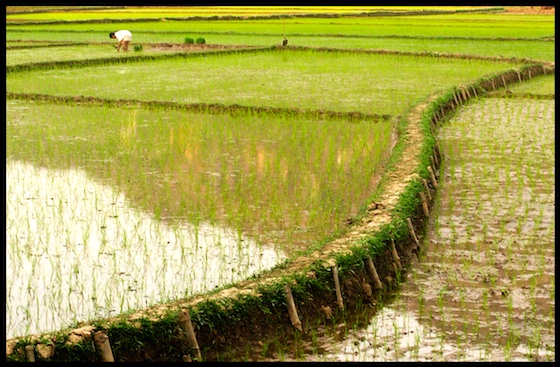
Food grows where water flows, so these shortages don’t bode well for agriculture. Because of this, many countries in the region are gulping up land in other parts of the world, Africa especially, in order to secure food for decades to come. But a new variety of rice developed in India that requires 60% less water to grow and has nearly double the protein of conventional crops has us cautiously optimistic about our future.

The new hybrid rice called MAS-26 or aerobic rice may have a rather unappetizing name, but its potential as a new super crop is quite delicious. Unlike conventional varieties, it is able to go without water for up to 15 days, an excellent prospect for arid regions.

It is also more nutritious. Most of the rice currently available on the market only has 8% protein, whereas the aerobic rice has up to 15%. This means that it will take longer to digest and provide more energy. In addition to being a healthier option for children who require a lot of energy to get through the day, diabetics will benefit from eating fewer carbohydrates as well.

It can be harvested more quickly, and yields are comparable to existing rice crops.

There’s more. Rice fields are a major contributor to greenhouse gas emissions, which in turn are responsible for global warming and unsettling climate change. Given that it is the staple for several populations throughout the world, there’s no chance that we’ll stop producing rice any time soon. But aerobic rice emits less methane, so if planted at scale, it could have a resounding impact on overall GHG emissions.

But there’s a catch.

This crop has to go through trials before it will be available on the global market.

According to DNA India, researchers from the University of Agricultural Sciences (UAS) in Bangalore will put MAS-26 through farm trials within the next six months. If all goes well, this superpower rice could be served within the next two years!


American Fined 80 Bucks For Sleeping on Dubai Train

sleeping sumo

At least there is public transport in Dubai. Don’t get too comfy though. You’ll get fined for falling asleep.

We’ve all heard stories of a friend of a friend who was in some remote country: the friend did something perfectly normal in his home country, like walk on the grass, only to be fined by local police in the new country. Take this: in Dubai westerners and travelers beware: you are not allowed to fall asleep on the train. An American girl in town visiting her parents was just fined for dozing on the Dubai Metro, to her “sleepy” surprise. The fine: about $80 US.

UN Says Aquaculture Could Solve Fish Collapse

0

aquaculture pond fishAquaculture, especially in ponds, may help preserve ocean fish species

Catching wild fish in the sea is now threatening to deplete many fish species from the world’s seas and oceans, including illegal tuna fishing in the Mediterranean Sea. With world population figures now topping 7 billion, an increasing demand is being made for fresh fish as a source of protein. This demand has resulted in an increase in fish farming, or aquaculture both in the oceans and seas themselves and in salt and fresh water ponds on dry land.

Bedouin Solar Power Activate!

0

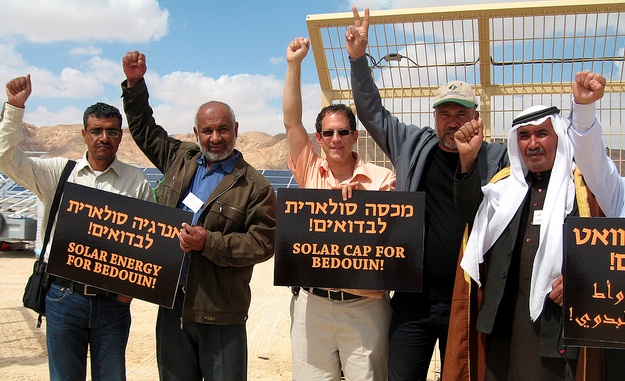
bedouin solar powerArava Power in Israel is fighting so Bedouin get a fair share of feed-in tariffs in Israel. Backed by Siemens Arava stands to benefit too.

“Sixty percent of the country happens to be desert, and 30 percent of the [desert] inhabitants happen to be Bedouin,” says Yosef Abramowitz, president of Arava Power Company in Israel. Abramowitz sees his solar energy company’s success of installing solar units in the desert as intertwined with the people who know Israel’s deserts best: the Israeli Bedouin.

He is fighting regulatory bodies on behalf of the Bedouin, to make sure they get their share of the sun. Attractive feed-in tariffs in Israel, with state guarantees on solar energy investments for new solar power plants, have created a small windfall of opportunities for local installers, as well as local and foreign investors. Arava seeks to lease Bedouin land to install solar power plants, with financial backing from companies like Siemens.

Israel Corporation Subsidiary to Build 510 MW Hydro Project in Peru

0

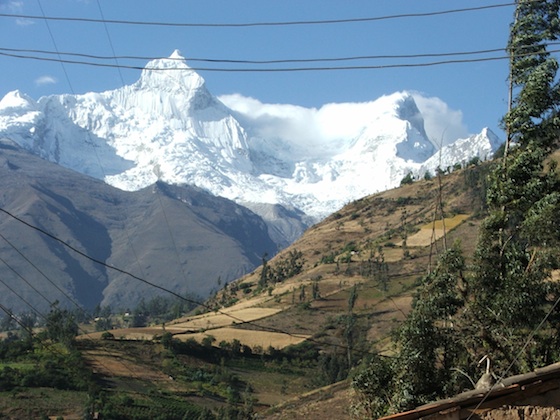
Israel-Peru-hydro-electricity-510mw

Israel Corporation subsidiary Inkia Energy has signed an engineering procurement contract for the construction of a huge 510 MW hydro-electric project in Peru. Its Cerro del Águila Hydroelectric Power Plant will be located in the province of Tayacaja.

Peru is a country that already gets 48% of its electricity from hydropower, which depends on water at elevation for its operation. Peru’s Energy and Mines Ministry, Pedro Sanchez said in a press release that the project is one of three hydroelectric plants it was seeking tenders for building and operating, that will require a combined investment of $1.7 billion.

Fluoride in Water – What Water Engineers Know is Shocking

19

image-glass-of-water fluorideIf your tap gushes water laced with fluoride, you’re taking a powerful drug with every sip.

Imagine a stranger pressing you to drink a clear liquid with no special odor, color, or taste. “Just drink, it’s good for you,” he insists. What would you do? Refuse it, probably. And if the stranger were to become overbearing, you’d want to bat it away.  At least, you’d want to know what’s in that water and what it might do to you. But do you know what’s in your own tap water?

One of the things in your water is fluoride. It’s supposed to be good for your teeth. In the US, Israel, and other countries in the Middle East the law requires that fluoride be added to the water supply. So it must be OK – go ahead and drink. Considering the scarcity of water in the Middle East, just be grateful. You might hesitate, though, if you knew that the comforting fluoride in your glass of water is used as rat poison. In this story I interview someone who has worked for a national water carrier. What she says might shock you.

Jordan’s Aqaba Turning Into Naval Dumping Ground

0

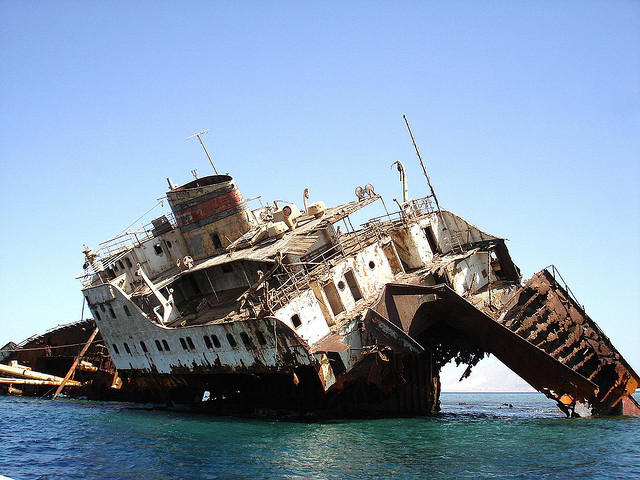
Environmentalists raise concerns after another vessel is abandoned in the Gulf of Aqaba 

Around two weeks ago, a ferry carrying 1,230 passengers caught fire in the Gulf of Aqaba en route to the Egyptian port of Nuweibeh. Despite three days of work to put out the fire, the ship named ‘Pella’ began to take on water due to the damage and eventually sank in the Aqaba’s waters five days later. One passenger died and 27 others were injured. Whilst an investigation is under way to find out the cause of the fire, Jordanian environmentalists have raised concerns that the Gulf of Aqaba will turn into junkyard without more stringent regulations to stop vessels being sunk there.

Locavore, Shmocavore – Just Call Me an Ecotarian

1

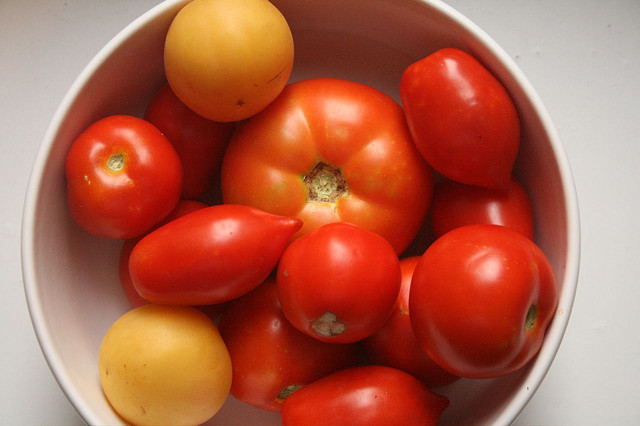
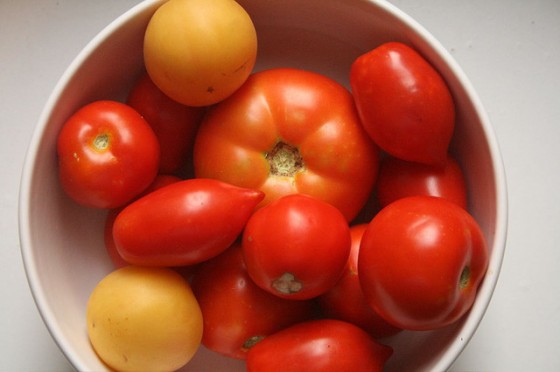
"fresh farm tomatoes"Is the eco-friendly food movement getting even more complicated, or are ecotarians simplifying matters?

The green movement is riddled with a lot of food ideologies.  When it comes to food, there are a lot of environmental issues to consider: locavores protest the pollution stemming from the transport of food from far away, vegetarians (and vegawarians) are against the high carbon footprint of the meat industry, and all-organic folks prefer their food and their soil to be pesticide, chemical and hormone free.  But just when you thought that you had all these food movements straight, another one emerges – this time, in the form of the ecotarian.

But what exactly is an ecotarian?  The name sounds simple enough – someone who eats based on ecologically sustainable principles.  Yet the definitions are fairly diverse.

The One-Eyed Salt-Carver from Siwa Who Still Loves His Craft

6

cottage industries, siwa oasis, travel, nature, eco-tourism, sustainable tourism

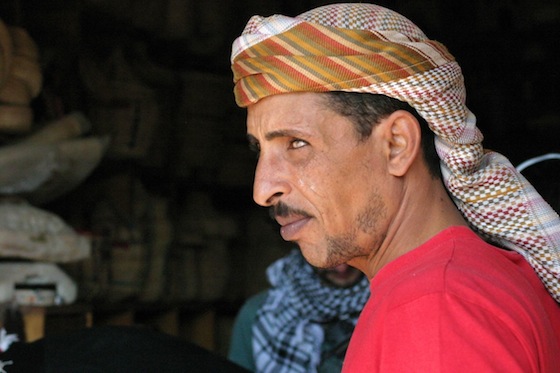
Nabil Hirbawy from Siwa, Egypt lost an eye to his craft, but that hasn’t dampened his passion for carving salt rock into beautiful works of art!

Nabil Hirbawy was polishing off a small salt sculpture when a small piece of it struck him in the eye, leaving him partially blind – not only physically, but also to the dangers of the craft that has left deep scars on his hands. “I love it,” he says of his work in the Siwa Oasis near Libya.

Salt creates all kinds of havoc in the oasis. Otherwise fresh water springs are destroyed when they run into lakes so thick with salt, a light brush with the water leaves behind crystals. Because of it, locals are restricted to growing dates and olives and other crops that can withstand the region’s saline soil. But in a classic case of turning lemons into lemonade, a small cottage industry has emerged from this would-be curse.

Op Ed: Don’t Let Money Rob Egypt’s Green Building Success!

1

green building, eco-architecture, hassan fathy, egypt, solar decathlon 2012, clean tech, passive design, american university of cairo

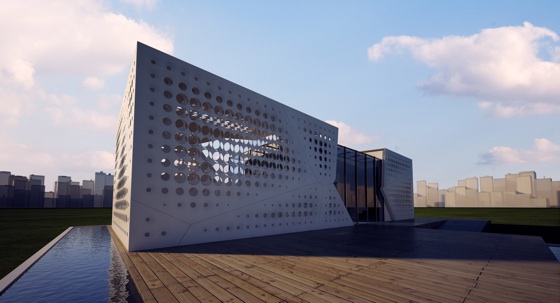
Students from the American University of Cairo designed SLIDES – a solar-powered modular home that is slated to compete in next years Solar Decathlon, but lack of financial support could keep this groundbreaking project from being realized.

When students from the American University of Cairo were accepted to compete in the 2012 Solar Decathlon design competition in Europe, they literally made history (we posted the details of their SLIDES project and how it can save Egypt from Climate Change earlier this year.)

Never before has a North African or Middle Eastern team won the opportunity to showcase the best in homegrown eco-architecture and clean tech – mostly because they have lacked the developmental tools to compete with more privileged European schools. And now that we do have a group of exceptional students with the requisite dedication and skills to see this project to the end, it is very possible that a lack of funding will prevent them from making it to Spain next year. Are we going to let that happen?

From Pickled Song Birds to Snakes at Risk

0

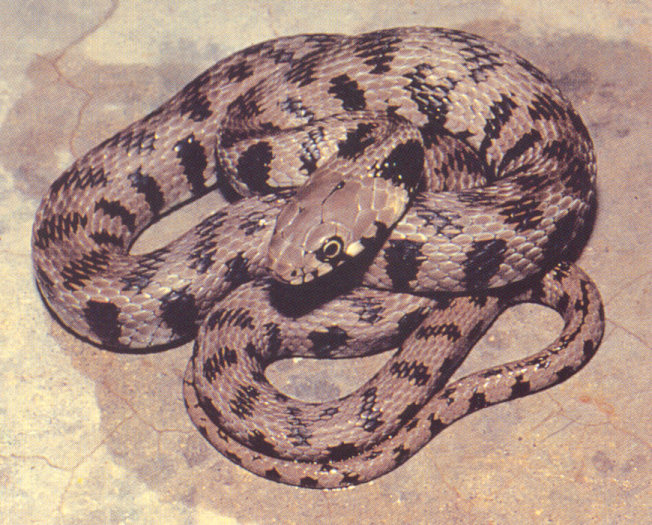
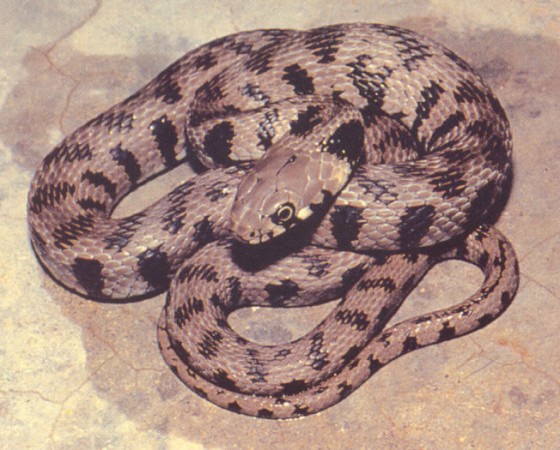
cyprus snakeThis Cyprus grass snake is now an endangered species

First a severe water crisis threatened to create a dire peril to both people and animals in Cyprus. Then we revealed a crisis gripping the island’s song bird population with over one million songbirds killed to make a popular pickled food dish. Now the common Cyprus grass snake, natrix natrix cypriaca in Latin, is on the verge of extinction due to a combination of the ongoing water crisis and the fact that government authorities simply do not seem to care. Cyprus News reveals that this snake species is endangered due to habitat loss near lakes like the Xyliatos reservoir and the Paralimni lake that is drying up, and loss of food sources such as toads and frogs that are disappearing along with the water.

Dutch Company Floats New Idea for Artificial “World” Island Investors

0

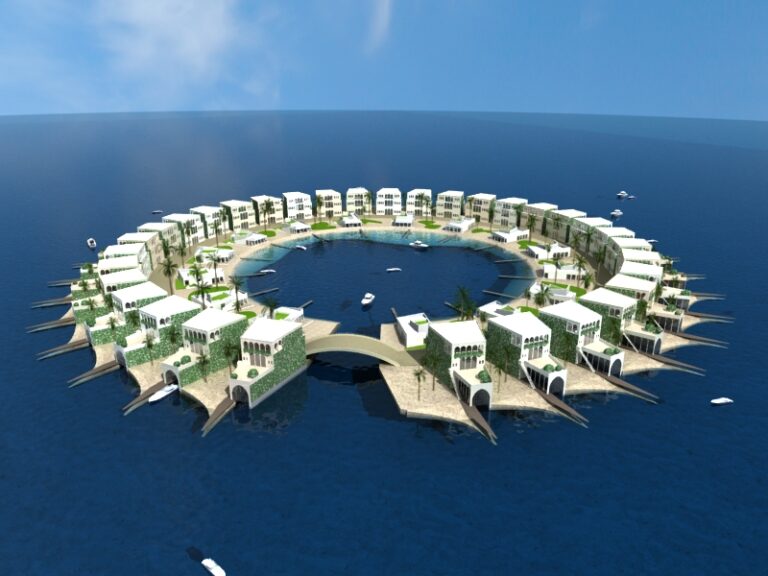
floating islands, artificial islands, dubai, the gulf, the world, climate change, sea levelsDutch Docklands proposes floating islands as an alternative to developing Dubai’s “The World” artificial islands

We can’t think of anything more unfortunate than getting stuck with an artificial island (like this one that Israel proposes to build off Gaza). But investors who bought one of 300 “countries” off the coast of Dubai will be happy to know that Dutch Docklands from the Netherlands is proposing to create floating islands as a more sustainable option to the “World’s” artificial islands.

Devastating to marine environments out of which they are scraped together, artificial islands are also costly to develop. But in an exclusive interview with Emirates 24/7, Dutch Dockland’s CEO Paul van de Camp reveals that investors who purchased water masses along with their landmass now have a building option that won’t require any additional infrastructure to build.

Mekkah Signals Move Away From Las Vegas-Style Architecture

3

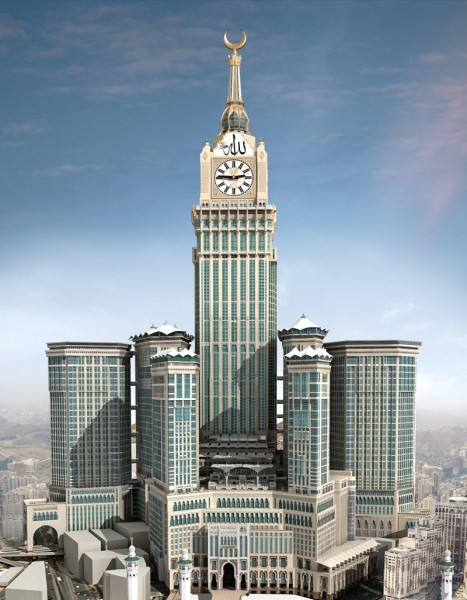
The hideous Mekkah Clocktower may have been the final straw – officials now state that any additions will be more in tune with traditional architecture

It seems that the powers that be in Mekkah (Mecca) are finally listening. After widespread complaints that Mekkah was beginning to resemble Las Vegas with its preference for gargantuan and gimmicky buildings, luxury hotels and tacky malls, it has announced that in the future any additions will be ‘of reasonable height’ and will be more in tune with the traditional architecture of the region. Hopefully that will rule out anything similar to the Mekkah Clocktower which is one of the tallest buildings in the world and stood out like a sore thumb with its decidedly European influences (London’s Big Ben?) in the middle of Saudi Arabian desert.

Lebanon Loses Out on 7 Natural Wonders

0

eco-tourism, natural wonders, middle east, nature, travelGuest writer and Oxford student Will Todman describes the mood in Lebanon following the announcement that Jeita Grotto failed to secure a spot as one of the new 7 Natural Wonders of the World.

Lebanon’s hopes of having its candidate, Jeita Grotto, declared one of the new 7 Natural Wonders of the World were crushed as the winning list was announced on Friday night. The Lebanese disappointment was echoed across the Middle East as the region’s other two finalists, the Dead Sea of Israel, Jordan and Palestine and the Bu Tinah Island in the United Arab Emirates, also failed to make the final cut.

The campaign ignited an interest in the natural phenomenon in Lebanon with millions of votes being recorded as the Lebanese cave was pitted against other finalists such as the Amazon rainforest and Australia’s Great Barrier Reef. The telephone company ‘Alfa’ alone reported that 3.7 million text message votes had been sent in support of the cave by its users.

Siwa Oasis and the Veiled Weavers Society

1

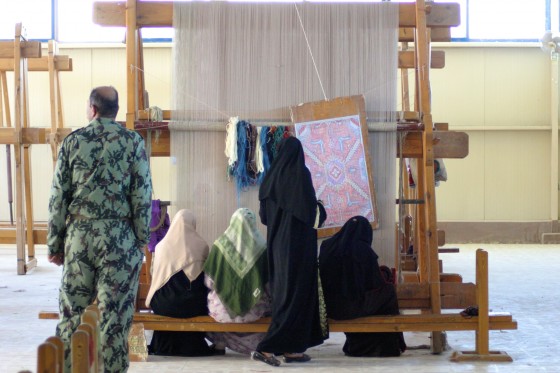
Siwa, Oasis, traditional crafts, cottage industries, sustainable development, travel, tourism, EgyptThese women in the Siwa oasis near Libya are trained in the traditional craft of weaving Kleem (rugs). Tafline takes a rare inside look at their work.

You might have already read about the first part of our journey where our bus kept breaking down on the road to Siwa. When our host Yehia secured permission from the Egyptian army manager for us to take photos at the carpet factory in Siwa, my traveling companions and I lost no time. Veiled women are usually exceptionally camera shy so this opportunity was at once unusual and exhilarating.

Of course, the women were less thrilled than we, so when they turned away from our peering lenses, I put my camera away.

But before that, I was able to capture a scene that will give our readers a unique glimpse into a world that few people get to see. “The Productive Unit for Environmental Industries” in the Siwa oasis near Libya is working to revive a dying heritage. (See our story on Bokja in Beirut to understand why traditions are important).

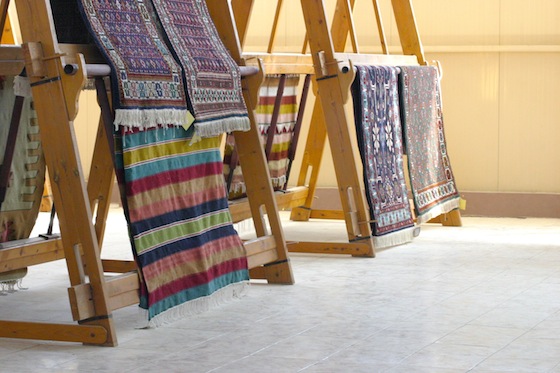
Here local Berber and Bedouin women are trained in the traditional craft of weaving Kleem (rugs). In return, they receive both a small salary and commission.

Siwa, Oasis, traditional crafts, cottage industries, sustainable development, travel, tourism, EgyptIt isn’t easy to communicate with the people at the carpet factory in Siwa. Had I known that behind this ambiguous sign – “The Productive Unit for Environmental Industries” – sat a group of women who earn an income for their families by weaving rugs in the traditional way, I would have visited with a translator. But I had no way of knowing that and our trip here was not planned.

sustainable development, desert, oasis, Siwa, Egypt, local crafts, weaving, cottage industriesEven so, I was able to extract a few crucial details, and pictures tell a compelling story too. Mr. Khaled Amam, the army manager who oversees the day to day running of the factory, shares an easy camaraderie with the weavers who were very curious about our clicking entourage. Many of the women stopped working, others carried on.

Kleem making has a long history in this region, and rugs developed here used to be shipped to different parts of the world, but globalization and capitalism has diminished the viability of this industry and the skills traditionally passed from women to women were at risk of extinction.

sustainable development, desert, oasis, Siwa, Egypt, local crafts, weaving, cottage industries

Dr. Eng. Shereif A. Temraz, Prof. Assistant, Faculty of Specific Education, Alexandria University-Egypt says that “The significance of the popular heritage (folklore) in studying of the design is…linked to our roots and ammunition against the cultural invasion aiming to deprive us from our Egyptian entity and the future of the traditional crafts.”

For the last 15 years, dozens of women have been trained to use longstanding symbols such as circles, representing the completion of life, and triangles that show the link between earth and sky, in unique designs woven with weft and warp technique.

sustainable development, desert, oasis, Siwa, Egypt, local crafts, weaving, cottage industries
Siwa carpets on display

Roughly 25 weavers and their families currently benefit from this cottage industry, though it is unclear who initiated it, who funded that initiation, and whether the project continues to receive outside help. What is clear is that these rugs, along with bags and other accessories, are sold in the factory, in downtown Siwa, and in Cairo, Alexandria, and other commercial centers scattered throughout the country. Mr. Aman said that the women receive a small stipend in addition to commissions on rugs sold, so it may be that the project is self-sustaining by now.

The Wikipedia definition of sustainable development is as follows: “a pattern of resource use that aims to meet human needs while preserving the environment so that these needs can be met not only in the present, but also for generations to come (sometimes taught as ELF-Environment, Local people, Future).”

While it won’t make them rich, this effort to empower the weavers of Siwa is an inspiring example of sustainable development. Last year we wrote about an Egyptian photographer’s efforts to draw attention to the way in which unsustainable development and tourism threatens the unique culture of this beautiful oasis town. Let this post be a testament to their resilience.

More on Sustainable Tourism in Egypt:

Romantic Desert Lodge in Egypt Offers Fresh Eggs and Sanity

Egypt’s Bahariya Oasis Trampled by Tourism

Bake Bread Like an Egyptian

The Famous Potters of Egypt Got Soul

Green Prophet’s Whirlwind Tour of the Siwa Oasis in Egypt