Home Blog Page 472

EU Emissions Tax Blows Change into Middle East Airways

etihad diamond class
Time to scale down on Diamond Class sleeping suits? Image via Etihad

United Arab Emirates-based airlines, Emirates and Etihad Airways warn of higher ticket prices as they seek to pass on costs of a European Union (EU) aviation carbon trading scheme to passengers. Dubai’s Emirates will spend almost $52 million US this year to purchase additional emission allowances, with Etihad facing a $394 million bill over the next nine years, according to the head of environment of that Abu Dhabi-based carrier.

Water Filter Uses Bacteria Beads to Eat Nitrates

4

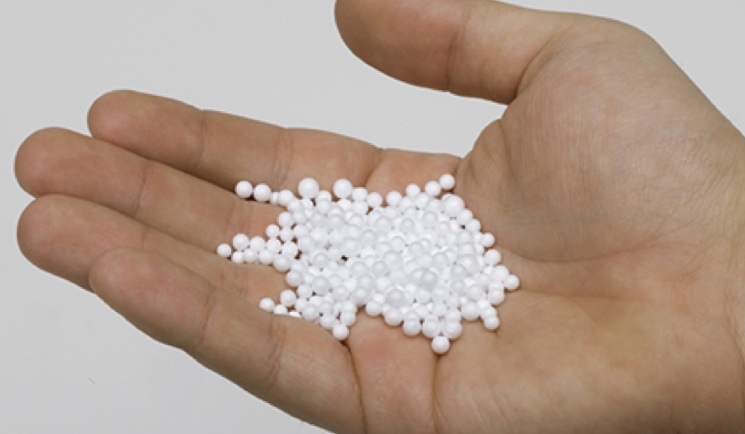
nitrate beads, new water filter, bacteria
Low tech water filters loaded with a nitrate-munching bacterium help clean up fertilizers and feces in water waste.

Rainstorms wash away what nature can’t clean up, but this often comes at a severe environmental price. Water runoff from agricultural fertilizers, animal waste and human sewage are poisoning wells and aquifers with nitrates. These compounds cause harmful algae blooms and pose health risks for pregnant women and formula-fed newborns.

Zabaleen Film Portrays Cairo’s Garbage City People

3

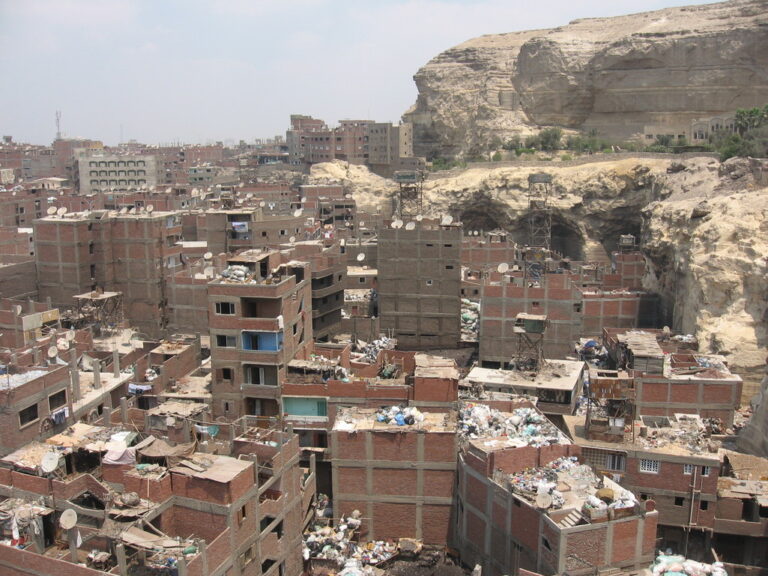
zabaleen, zabbaleen garbage city people cairo, christian copts, recycling A film depicting Cairo’s recyclers in garbage city is in the running to receive one of the film world’s most distinguished honors.

An independent documentary that depicts the harrowing and honorable life of a family of Coptic Christian trash workers living in Cairo’s garbage city was recently named “Project of the Week” by IndieWire – a respected source of independent art news.

This distinction puts the film called Zabaleen in the running for “Project of the Month.” And if it wins, the creative team behind this beautiful, moving account will win a free consultation from the internationally-renowned Sundance Film Institute – pretty much the biggest dream of any filmmaker.

Gaza’s Smuggling Tunnels Into an Underground Metro?

0

green design, green art, environmental art, Gaza, public transportation, green transportation, rail, underground, metroPalestinian artist Mohamed Abusal envisions converting Gaza’s smuggling tunnels into an underground metro system.

A small handful of Bedouin families living in the Gaza Strip ran thousands of smuggling tunnels beneath the Egypt-Gaza Strip separation barrier. In part to transport weapons between Rafah in Egypt and the Rafah Palestinian refugee camp and in part to import every day goods, some of the tunnels are well built and include decent infrastructure, while others are at risk of deadly sewage leaks. The inspired work of Palestinian artist Mohamed Abusal, a photo exhibit at the French Cultural Center depicts what Gaza City would look like if these subterranean spaces were converted into an underground metro facility .

Mass Weddings Are Going Green

4

mass weddings middle eastMost recently, it was 50 couples tying the knot is a mass wedding in Dubai; last year, 163 Israeli couples reportedly married in a ceremony held in Cyprus in an attempt to break the record for the most couples to say “I do.”

More than a media gimmick, mass weddings in the Middle East are going green, with the ceremony inaugurated by His Highness Shaikh Mohammad Bin Rashid Al Maktoum, Vice-President and Prime Minister of the United Arab Emirates and Ruler of Dubai, an example of the popularity.

Mass Weddings have a long and venerated history in the region. Historical references suggest that in 324 BC, Alexander the Great married Barsine. His bride was the daughter of Darius, the king of Persia. Centuries later, the tradition continues, even in the midst of turmoil. And the result is green.

Greenpeace Lebanon Rocks the Boat With Undercover Water Expose

going green lebanon, water pollution videos greenpeace
Want to see the garbage flowing from Lebanon’s waterways? Greenpeace Lebanon goes undercover to reveal shocking videos of 14 polluters (see them below).

They are young, passionate about the environment, and not afraid to engage with technology to get their voices heard. Greenpeace Lebanon continues to demonstrate the power of the “Net Generation” in raising awareness and introducing change to the environmental destruction of the country through a new social media campaign focusing on Lebanon’s fragile coastal waters.

According to Leen Hashem, Communications and New Media Officer, the new Secret Blue Shieid campaign is part of a marine reserves initiative launched last year. The objective of this latest drive is to raise awareness and mobilize people in order to face politically powerful polluters of Lebanon’s fragile coastal waters.  Greenpeace Lebanon was able to take samples of the water from twenty coastal points and send them to labs in London for further analysis. Results, expected in a few weeks, will help identify who is responsible for the pollution, a first step to stopping the daily contamination that is taking place across the coast.

First Solar-Powered Eco Pool in Morocco Uses Zero Chemicals

10

eco-pool, natural pool, ecological pool, chemicals, pollution, constructed wetlands, green design, sustainable design, eco design

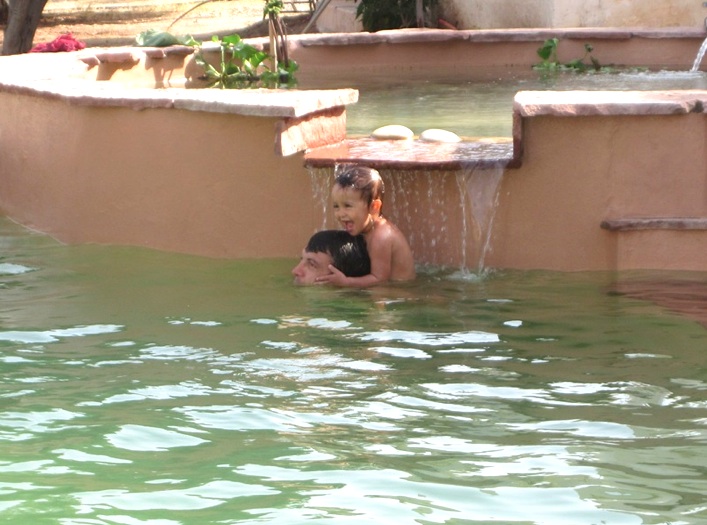
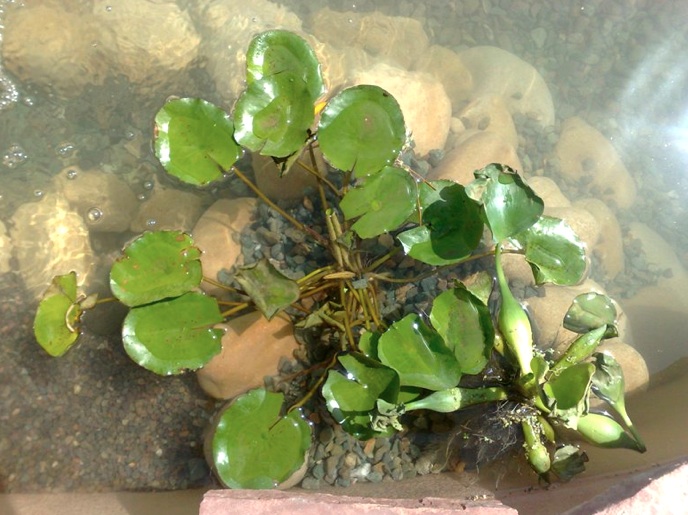
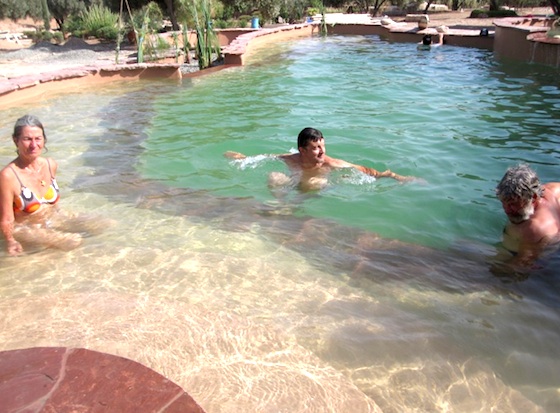
A family near Essaouira, Morocco happily splash around in a natural pool with zero chemicals.

A beautiful, luxurious swimming pool in Morocco that contains none of the nasty chemicals that irritate your eyes and cause respiratory problems has functioned perfectly well for over a year. A family living near Essaoiura on the country’s windy west coast (famous in parts for its murals) commissioned a natural, zero emissions eco-pool that blends in with the natural landscape. Despite critics who claim that it’s dangerous to have a swimming pool without chlorine, the “Schwimmteich” still looks great and allows the local fauna and flora to thrive as well.

eco-pool, natural pool, ecological pool, chemicals, pollution, constructed wetlands, green design, sustainable design, eco design

Nature’ kidneys

Babeth and Guy from Morocco have a whitewashed stone house typical of the area as well as a generous garden. Their pool was built around existing plants and olive trees to ensure that the ecosystem was not disturbed. The filtration system includes lagoons planted with certain wetland plants that filter out water, a sedimentation column that absorbs nutrients, as well as a waterfall and regeneration pool that oxygenates water before it is returned to the swimming area.

Scientists have known for the last few decades that bulrushes and other wetland plants are nature’s kidneys and often exceed the performance of harmful chemicals, but it has only been in the last few years that people have begun to trust constructed wetlands and natural pools.

eco-pool, natural pool, ecological pool, chemicals, pollution, constructed wetlands, green design, sustainable design, eco design

Eco-controversy

Ecological pools that rely on nature to stay clean are considered quite controversial since they lack fast-acting chemicals that kill bacteria. In Israel last year, a Kibbutznik who wanted to build a natural pool sued the country’s health ministry, which denied permits on the grounds that some kind of chlorine must be used to keep it clean.

But in Austria, Germany, and Switzerland, ecological pools are fairly common and have proven themselves to be perfectly healthy and safe.

DecRen Water Consult (DWC) from Germany lent their expertise to the Moroccan-based company ITRI Environment, who notes on their website that, “the principle of the natural pool is based on the balance of an ecosystem: the choice of plants is crucial.”

eco-pool, natural pool, ecological pool, chemicals, pollution, constructed wetlands, green design, sustainable design, eco design

A solar-powered 12 volt pump helps to keep the water circulated and oxygenated and ensures that this zero-emissions natural pool is the first of its kind in the country.

Although the Middle East has been slow to catch on to the benefits of plants such as bulrushes and papyrus that naturally filter contaminants, at a water-centered conference in Egypt last year, experts presented the idea that constructed wetlands can help to clean the polluted Nile River.

More on wetland plants and natural pool in the Middle East:

Kibbutznik Sues Israel’s Health Ministry For Right to Open Ecological Pool

Egypt to Re-Think Wastewater Treatment

Cocaine, Codeine, and Methadone Present in Cypriot Wastewater

Seed Banks Contain Memory, But Not Enough Against GMOs in Lebanon

8

plum seed bankLebanon goes green with seed bank, but can this memory keeper for nature fight GMOs?

Lebanon harbors over 2600 plant species of which 119 are counted to be endemic. The unique climatic and landscape diversity in Lebanon has shaped 22 bio-climatic zones which fosters one of the most precious ecological services:  genetic diversity. Unfortunately, the conservation of biodiversity in Lebanon is increasingly at risk due the largely uncontrolled and unidentified introduction of Genetically Modified Organisms (GMO) in the domestic market and the absence of national policies that specifically outline biosafety legislation.

Lebanon has only recently ratified the Cartagena Protocol on Biosafety (October 2008) a convention that provides guidance for the rational management of the risks associated with the use of biotechnologies. Nevertheless, there is no official policy for the detection and identification of produce that contains GMO. The lack of legislations that monitor biotechnologies are likely to have unidentified effects on the future of domestic biodiversity.

Israelis Are Drinking the Country’s Drugstores

chart water pollution drugs, animals, humans
Increased levels of male breast cancer and early onset puberty are consequence of water pollution in Israel.

The 52nd Conference of the Israel Geographical Association conducted the last week of December at Tel Aviv University dealt with developments affecting Israel, the Middle East and the planet as a whole. Geography, a discipline that is multi-varied in the subjects it addresses, is deeply relevant to the issues that environmentalists find most compelling.

A particularly interesting – and worrying –presentation was made by Dr. Dror Avisar, head of the Hydrochemistry Lab in the Department of Geography and Human Environment at Tel Aviv University. The lab focuses on micro-contaminants in groundwater. Avisar’s presentation at the geography conference dealt with the impact of medicines remaining from human and animal use on Israel’s water stocks. This contamination is much more widespread, enduring and harmful than I was aware of.

For example, an estimated ninety percent of antibiotics consumed to combat or prevent disease is excreted back into the water supply. Additionally, discarded antibiotics and other drugs are  dumped (from hospitals or manufacturing facilities)  and return to the hydrological system.  Even sophisticated water treatment systems have difficulty filtering out these contaminants, which also include considerable amounts of painkillers, psychotropic medications and hormones.

Water Pollution in Israel Threatens People, Animals, Plants

5

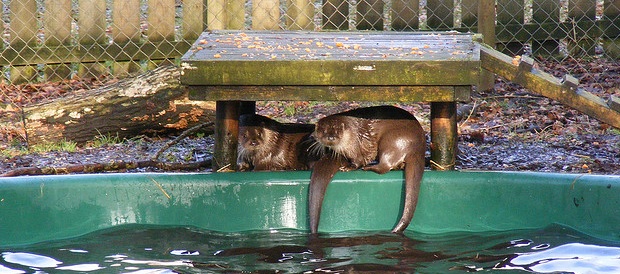
lutra otter water poolLead and other pollutants are seeping into Israeli drinking water at alarming levels. Lutra numbers decimated; human health at risk.

Water pollution in Israeli lakes, streams and groundwater aquifers is reaching alarming levels. Although the country has regulations in place to prevent discharges, including a comprehensive Water Law, contamination is commonplace. And now scientists are finding that water quality problems threaten both wildlife and human health.

Nanosolar’s Ultra Thin Solar Panels Could Go East

2

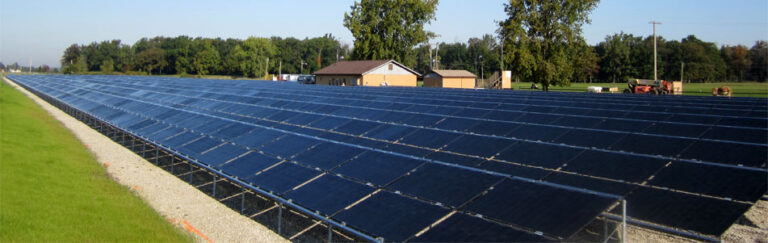
nanosolar thin solar panelBy being longer, Nanosolar’s solar panels are less costly to install
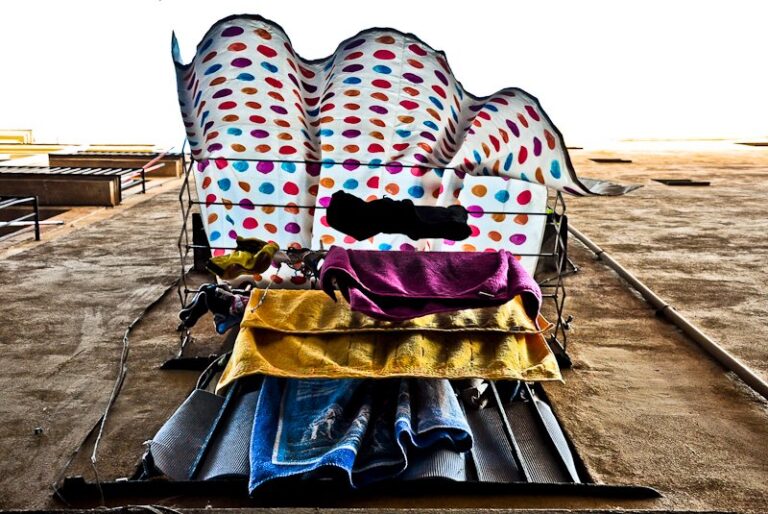
Advances in solar energy panel technology is reaching a stage where it is now possible to purchase DIY home kits to create solar powered electricity on the roofs of your home.  And solar array panels are even being installed on the roofs of chicken coups to provide electricity for agricultural use.  Solar energy cells are also becoming less expensive due to mass production in countries like China, and thanks to the materials in which the solar cells are being produced. Such is now the case of an American company, Nanosolar, which is producing solar energy cells using an ‘industrial’ printing process to coat CIGS (Copper, Indium, Gallium, Selenium) and nanoparticle inks on low-cost aluminum foil in order to enable the world’s thinnest solar cells and lowest-cost solar panels.

Plastic Eco-Brick Proposal Wins Dubai Resident a UN Citizen Ambassadorship

0

plastic, plastic waste, eco-bricks, eco-building, green building, dubai, hug it forward, green design, pollution Dubai-based Jonathan Eric Defante plastic “eco-brick” pitch won him a UN Citizen Ambassadorship. 

Jonathan Eric Defante submitted his “One Bottle, One Life” YouTube pitch to the United Nations as a potential solution for poor recycling performance around the world.

The Filipino man living in Dubai suggested that people can build their own homes made out of discarded plastic bottles or “eco bricks,” thus empowering themselves and keeping plastic waste out of landfills.

One of three new UN Citizen Ambassadors, Defante takes his ideas from the Hug It Forward campaign that has already built 14 schools out of plastic in low-income communities. Step in for a look at the “proudly Dubai” pitch and script that won the UN’s confidence.

Hanging Laundry Photographs Help You Toss Your Dryer

3

"drying laundry jaffa"Can Sivan Askayo’s photographs convince us hang dry our laundry?

What if art had the power to change our habits for the (environmentally) better?  Could a photograph change governmental policy, or at the very least, some of our daily behaviors?  Artistic photographers have tried, and acclaimed photographer Spencer Tunick’s naked Dead Sea shoot this year to raise awareness about its sinking water levels is one of the most famous examples.

Sometimes the beauty of a photograph (or other work of art) is what it takes to force us to make a change.  The stunning hanging laundry photograph series by Israeli photographer Sivan Askayo is no exception, and may cause many of us to regret that we ever used an electronic dryer.

Tel Aviv Lifeguard Shacks To Become Tiny Pixel Hotels

0

tiny pixel hotels tel aviv, Israel
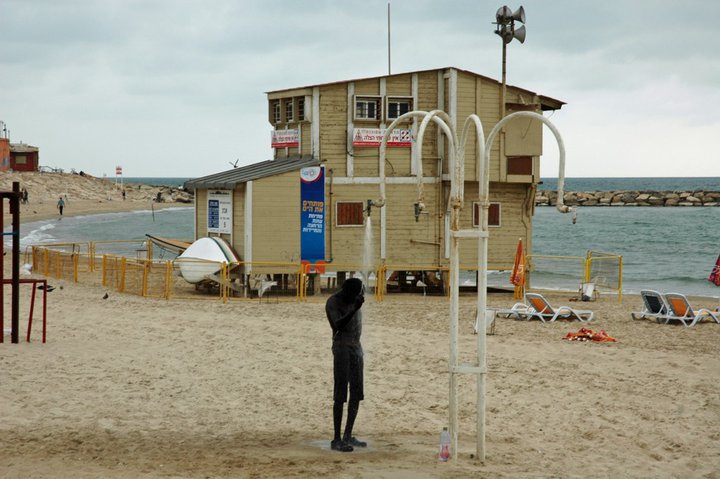
Lifeguard shack on drummer’s beach in Israel is soon to be upcycled into a unique new boutique “pixel” hotel.

We’ve heard of pixelated screens and buildings, but pixel hotels are a new phenomenon that started as an art project in Linz, Austria. Now these tiny hotels established in unusual, typically abandoned urban settings – whether in a garage or an art gallery – are coming to Israel.

pixel hotel tel aviv, boutique hotel tel aviv, best hotels in tel aviv, design hotel tel aviv, tel aviv beach hotel, tel aviv city center hotel, trendy hotel tel aviv, affordable hotel tel aviv, unique hotels tel aviv, israel boutique hotels, tel aviv hotel near beach, where to stay in tel aviv, luxury boutique hotel tel aviv, cool hotels tel aviv, pixel hotel israel
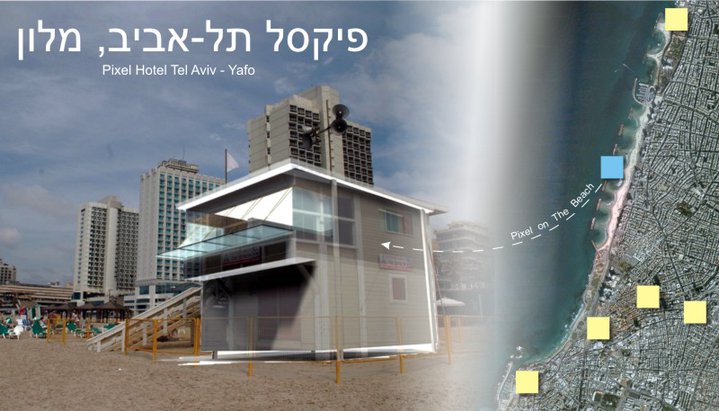
Proposed upgrade to the seedy beach shack

pixel hotel tel aviv, boutique hotel tel aviv, best hotels in tel aviv, design hotel tel aviv, tel aviv beach hotel, tel aviv city center hotel, trendy hotel tel aviv, affordable hotel tel aviv, unique hotels tel aviv, israel boutique hotels, tel aviv hotel near beach, where to stay in tel aviv, luxury boutique hotel tel aviv, cool hotels tel aviv, pixel hotel israel

pixel hotel tel aviv, boutique hotel tel aviv, best hotels in tel aviv, design hotel tel aviv, tel aviv beach hotel, tel aviv city center hotel, trendy hotel tel aviv, affordable hotel tel aviv, unique hotels tel aviv, israel boutique hotels, tel aviv hotel near beach, where to stay in tel aviv, luxury boutique hotel tel aviv, cool hotels tel aviv, pixel hotel israel


green design, sustainable design, upcycled, bograshov beach, tel aviv, boutique hotels, tourism

The Atlas hotel chain and Tel Aviv municipality recently unveiled plans to upcycle spacious lifeguard shacks on Bograshov Beach overlooking the Mediterranean Sea into unique boutique hotels that thrust visitors directly into the city action, rather than sheltering them in a large chain hotel setting.

Local designers Lilach Chitayat, Anat Safran, and Alan Chitayat have purchased the rights to initiate the Pixel Hotel project in Israel. In addition to the lifeguard shacks, this creative team hopes to establish similar projects in Jaffa Port, Neve Tzedek, and at water towers throughout the country. Tel Aviv already boasts a hot design scene, but this latest project is one of the revolutionary we’ve seen in a while.

:: Haaretz

More on Design and Tourism in Israel:
Ramot Polin: Crazy Israeli Architecture Gone Terribly Wrong
“Green It” Shop Brings Green Urban Living to Tel Aviv
Google Maps to Bring Virtual Eco-Tourists to Israel

Moroccan love potion Majoun, spiced with cannabis

7

morocco love potion recipe

Be lonely no more. Morocco’s “love potion”  candy hides a secret high note in its heart.

To Westerners, Alice B. Toklas’s “Haschish Fudge” was a culinary aberration, a bizarre recipe gleefully revived by the Flower Children of the 1960s. Tongue well in cheek, Ms. Toklas wrote, “…it might well prove an entertaining refreshment for a ladies’ bridge club… In Morocco, it is thought to be effective for warding off the common cold in damp winter weather, and is indeed, more effective when taken with large quantities of hot mint tea.”

More effective than what, I’d like to know. Yet marijuana candy has honorable, even ancient antecedents in the Middle East. Known as “Love Potion,” traditional majoun candy is made in some Moroccan households in a matter-of-fact way, or can be bought fresh from local farmers. The first ingredient is smen, clarified butter, and you can find the simple way to make it here.

Cookbook author Paula Wolfert includes a recipe for majoun in her brilliant and otherwise conventional Couscous and Other Good Foods of Morocco. Concocted into an exquisite candy, majoun certainly has more class than chewing on ghat all day and getting green teeth.

Majoun, Moroccan “Love Potion” Candy recipe

Ingredients

500 grams – 2 cups smen – get the recipe for making smen here

3 cups stalks, seeds, and leaves of marijuana (kif, chopped coarsely)

500 grams – 1 lb. chopped, pitted dates

500 grams – 1 lb. chopped, dried figs

250 grams – 1/2 lb. raisins

1 teaspoon ground ginger

1 teaspoon ground cinnamon

1 tablespoon anise seed

1/2 cup each ground almonds and walnuts

1/2 cup dark honey

For adding after the candy is cooked: orange flower or rose water to taste

Put the herb and smen in a medium pan with water to cover. Bring to a boil, cover, and allow it to simmer 2 hours.

Strain the buttery water out into a large, shallow pan like a roasting pan and discard the herb. Refrigerate the pan with herbal butter and water overnight. The cold butter will rise to the top.

Scoop the herbal butter out and place it in a large pan with the rest of the ingredients. Cook it till very thick and brown. Add orange flower or rose water to taste. Pack into clean, dry jars and refrigerate.

This is extremely potent. Do not consume more than 1 tablespoon at a time.

 More on drugs in the Middle East: