Home Blog Page 464

6 Hot Solar Projects from the Middle East and North Africa

solar energy, solar power, bedouin, arava power, desert, MENA, Desertec, renewable energy, clean energy, clean tech, photovoltaic, PV, solar

We have listed 6 big and small solar-powered projects in the MENA region that have inspired us in the hopes that it will do the same for you.

Big or small, solar-powered projects in the Middle East and North Africa are transforming our region. Not only do they hold promise of slowly improving air quality by reducing our dependence on fossil fuels, but they also send the people who live here both an overt and subliminal message: renewable energy is possible and it is cool. Here are 6 solar-powered projects in the Middle East and North Africa (MENA) that make us especially proud – from Desertec’s first 500 MW solar power plant in Morocco to a planned photovoltaic plant  in Israel’s sunny south that Arava Power is pushing on the Bedouins’ behalf. If you need hope for our future, this list could help.
Contribute! Call for Cycling Literature From The Arab World

0

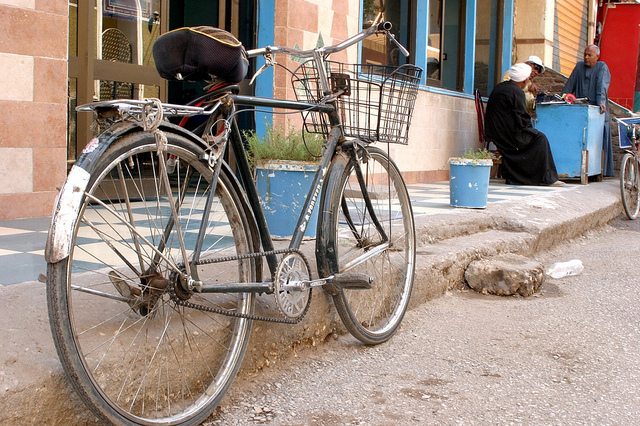
Are you lyrical about your two-wheeler? If so, contribute to a literature project on the humble bike

It seems that the majority of people serenading the magic and innocence of cycling are American and European males. In a bid to change this, professors Elamar Schenkel, Alon Raab and Jinhua Li are asking writers from the Arab world to contribute to a special section on cycling in World Literature Today. “Previous anthologies have devoted 90% of their pages to writings by American and European males,” they state. “We will include writings from lands rich in cycling traditions such as China, Turkey, India and Cameroon, by men and women. We are seeking additional poems, stories, sections from novels, essays as well as references to the bicycle in plays, music, and plays.”

Pixel Hotel Tel Aviv Is A Little Love Shack (Photos)

1

pixel hotel tel aviv, lifeguard shackFrom Linz to Tel Aviv: the lifeguard loveshack, a future Pixel Hotel in Tel Avi rendering.
Tafline reported last week on the unusual and super neat project of Pixel Hotels. The idea started in Linz, Austria where unconventional and unused urban properties like garages or spaces within galleries – like a trailer in a gallery – is converted into micro-hotel rooms for unconventional tourists. I stayed in a room in a castle in Syria, all alone with my travel mate Kara about ten years ago. And it was a true in your face cultural experience with Syrian ghosts and all, but this new Pixel Hotel concept is a gorgeous green way to change the face of bland and severely overpriced hotel rooms. Read on for pictures and more.

Ethiopia’s New Solar-Powered Cell Phone Charging & Water Service

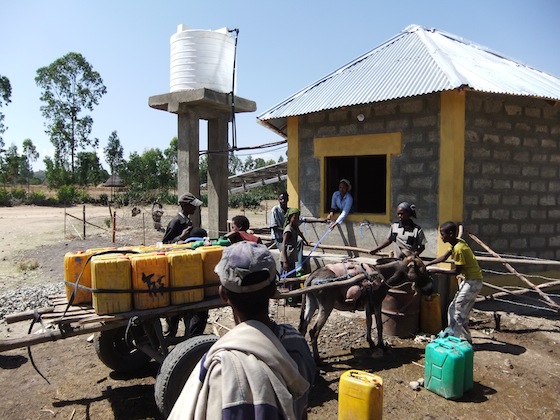
solar power, cell phone, water, water issues, ethiopia, desert, water pump, UV technology, clean tech, social designVillagers gather around a kiosk in Afto, Ethiopia to charge their cell phones using solar power and to fill up their jerry cans with UV clean water

Out in the middle of nowhere Ethiopia, fresh water and electricity are hard to come by. It is partly for this reason that the country’s Prime Minister Meles Zenawi has been pushing so hard to implement the controversial Grand Renaissance Dam that will re-write Egypt’s historical control of the Nile River. But DWC, the same people who designed Morocco’s first chemical-free eco pool, have completely transformed life for the villagers of Afto by installing a groundbreaking solar-powered cell-phone charging and water service.

US Leads World in Clean Energy Investment Under Obama

0

US-leads-world-under-Obama-solar

It is true that 2012 may be the last year for President Obama’s bold support for clean energy – because in the wake of the Citizens United decision by the bought-and-paid-for plutocratic new Supreme Court, it is the Koch brothers who get to decide  – but oh boy, did he ever get his licks in!

Last year, the US government gave out more loans for clean energy – than even China, which came second in the rankings.

US clean energy investment rose 33% last year to a staggering $55.9 billion – while in China it increased 1 percent to $47.4 billion, according to a study of the industry’s top 20 lenders by Bloomberg New Energy Finance.

Chamelic Invents Answer for Desert Solar & Dust!

0

dust-desert-solar-chamelic-solutionOne high-tech polymer start-up has developed a coating to solve the problem.

The huge and visionary Desertec Industrial Initiative (Dii) plan to ship vast amounts of solar to Europe has one glaring potential weakness. Dust. Deserts have all the sun that is needed to power vast cities, and recently, the 3rd Desertec deal was signed, but they also have dust. Lots of it. And little water to clean it.

Just one month’s dust accumulation in desert conditions can reduce a panels output by 35%, and some even warn that water-intensive CSP is impossible for desert solar.

So developing dust-resistant solar will be the next Big Thing.

Sinbad the Sailor’s Home Threatened by Rising Seas and Bad Development

3

sinbad the sailor, arabian nights oman
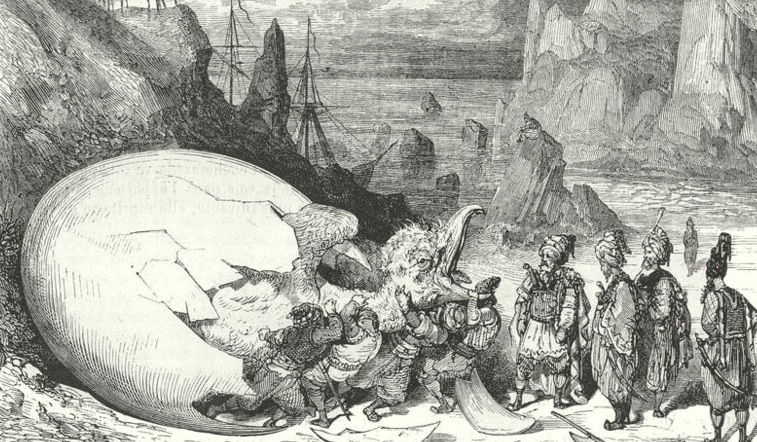
Ever since the classic The Book Of One Thousand and One Nights, which include tales on Aladdin and the Lamp, Sinbad the Sailor and Alai Babba and the Forty Thieves, the Arabian Peninsula, and seacoasts have never been the same. While the characters may be fictional (or maybe not?), the actual location of these magical tales have fascinated people of all ages for centuries. And these places exist. One of the tales, the actual hometown of Sinbad, may be lost from over-development and rising seas in Oman.

Go Green Ceramic Frying Pans and Pots Slashed to 50% Off

0

ceramic pots
An anonymous Green Prophet reader took this photo today at a shopping mall in Tel Aviv’s Dizengoff Center. Go Green ceramic frying pans and pots are slashed to 50 percent off. This follows the picture that Maurice took last week of the fire sale of ceramic cookware in another shopping market. Clearly Israeli shopping centers are trying to offload these products after suspicious reports of dangers in the cookware were asked by a local investigative TV show.

If the outer coatings are found to have dangerous levels of cadmium and lead, and if these could cause potential health effects, does this make a store liable? They are after all selling these products with full knowledge that the jury is still out on whether or not ceramic pots and pans in Israel are dangerous?

These pans have been marketed as environmentally sound and safe. It is not clear whether or not this brand Naaman was implicated in the testing, but it does appear that the supermarkets are looking to get rid of these items.

If readers have any details about this brand, please let us know.

AORA’s Solar Sun Tulip Says Ola Sol in Spain

aora sun energy, solar spain

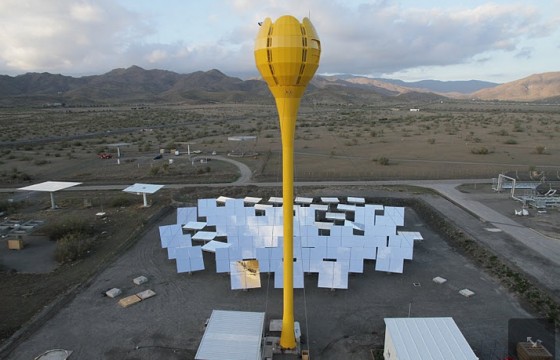
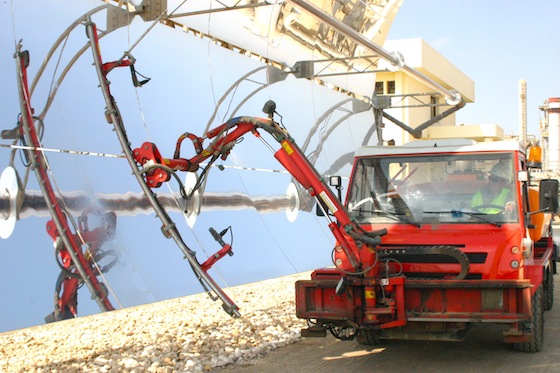
With a 35 meter high sun-ray collection tower and about 50 mirrors positioned to direct the sun, Israel’s AORA is about to flip the switch on its latest solar power plant in Spain. The company created a huge buzz in Israel in 2009 when it was the first solar energy company to connect to the national grid. Since, it has been under the radar, and has recently emerged at the prestigious Platforma Solar Almeria in Almeria, Spain.

The new ultra-high temperature concentrating solar power (CSP) technology it is showcasing there focuses heliostats, small mirrors, onto a sun collecting turbine built on top of the “tulip” pictured above.

Radioactive Material Was Stolen From an Egyptian Nuclear Power Plant

1

nuclear energy, egypt, protests, El Dabaa, nuclear power plant, radioactive materialA search is underway to find whoever stole a safe containing radioactive material from Egypt’s first nuclear power station. 

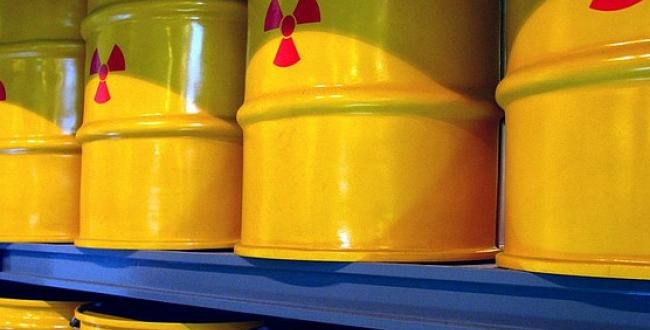
While hundreds of protestors surrounded the El Dabaa nuclear power plant in Egypt last week, someone managed to sneak in and steal some of its radioactive material. One safe containing radioactive material was seized while another was broken open and some of its contents removed, according to Khaleej Times.

Masdar and Siemens Team Up to Develop Sand-Resistant Solar Panels

solar energy, solar panels, photovoltaic panels, dust-resistant solar panels, Masdar Institute of Technology, Masdar, Kuraymat Solar Power Plant, SiemensSolar panels at the Kuraymat CSP planet in Egypt require precious water resources to stay clean but Masdar & Siemens aim to change that.

When coated with layers of dust, solar panels lose their energy-absorbing efficiency and require a regular cleaning schedule. But spending this precious natural resource on energy when many people in the Middle East don’t have enough water to grow food “is simply not possible,” according to Dr. Anthony Patt.

A researcher from the International Institute for Applied Systems Analysis, Dr. Patt explained at a Desertec conference in Cairo last year that CSP projects in North Africa using current technology could use up 20 percent of the total water supply. Instead of abandoning solar altogether as a result, Masdar’s Institute of Technology and Siemens AG have jointly committed to developing a new generation of sand-resistant solar panels better suited to our desert region.

China to Help Saudis With Novel Nuke Power

4

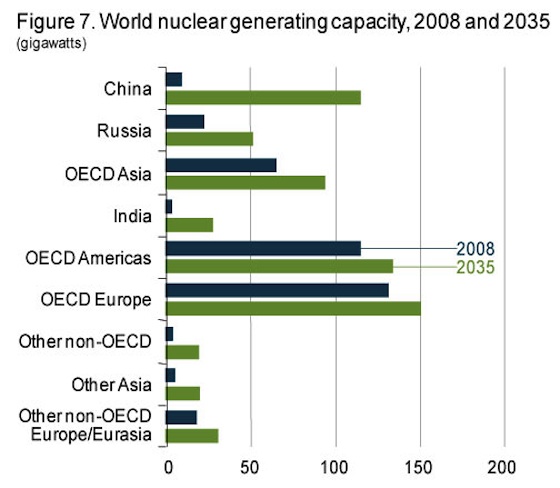
nuclear-china, world nuclear powers chartIn the wake of a 6-day trip by China’s Premier Win Jiabao to Saudi Arabia, China and Saudi Arabia have forged an alliance on developing nuclear power. Saudi Arabia has signed an agreement with China for assistance in the development of nuclear power, using the last of its oil wealth to invest in the most controversial form of a low carbon energy future for its energy hungry nation.

Cleaner Cookstoves for a Cooler Planet

9

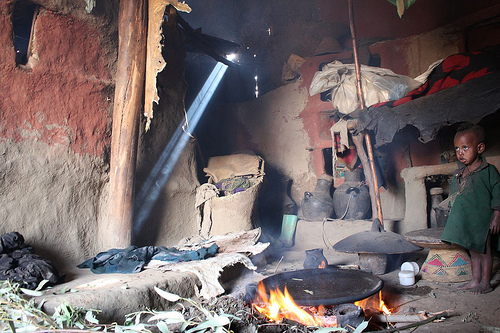
injera, ethiopia cooking soot in the kicthenNearly 3 billion people lack safe and efficient cooking gear. It’s time to make the problem in the kitchen sexier.

Half the world’s households prepare their meals over open fires or with jerry-rigged cookers fueled by scrap wood, coal, combustible waste and dung. Fatal burns are common and foraged fuel dangerously degrades indoor air quality. The World Health Organization reports that toxic smoke from inefficient stoves is the fifth biggest health risk in the developing world, killing 2 million people annually. This shocking statistic puts unsafe cooking nose to nose with HIV/AIDS on the global killing field, with women and children most vulnerable. Who knew?

For decades, aid advocates insisted that more efficient stoves using cleaner fuels could eradicate the problem in underdeveloped communities where electricity was unreliable and fuel supplies scarce.  Now safe-stove news is popping up relative to refugee camps and “Occupy Wall Street” outposts. In the ‘90s, American inventor Peter Scott helped design low-cost portable “rocket stoves” which run on electric, gas or solar power and include powerful filters to limit harmful smoke. The New Yorker christened Scott the movement’s Thomas Edison, adding, “The average cooking fire produces as much carbon dioxide as a car, and a great deal more soot. Cleaning up these emissions may be the fastest, cheapest way to cool the planet.” But why isn’t this idea selling?

Stroller Coaster is Thrills for the Self Propelled

0

stroller coaster, germany
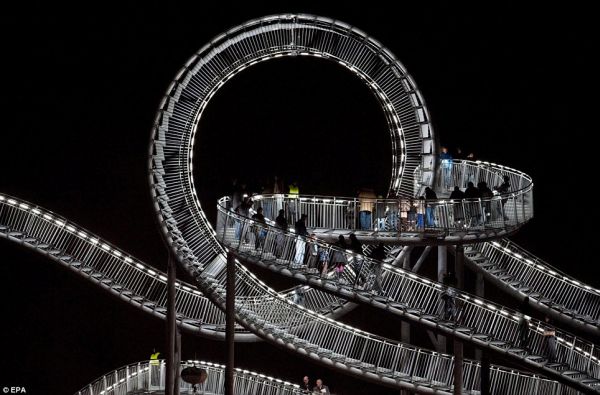
Rollercoaster speeds can turn you “green”, but the ‘coaster itself is hardly energy friendly. Time for a stroller coaster.

United Arab Emirates might hold the Guinness World Record for Holding the Most Guinness World Records, and one of those prizes goes to the world’s fastest ride: the Formula 1 Rollercoaster at Abu Dhabi’s Ferrari World (itself a record winner as the world’s largest indoor theme park).

Fasten your safety goggles to protect against Abu Dhabi dust and blast onto the track at a denture-rattling speed of 150 mph in under four seconds.  Enjoy an extreme gravity Botox-face as you shoot 52 meters into the sky. It’s rollercoaster as RACECAR <– spell that backwards or forwards, it still screams fast! But Global financial markets provide enough public titillation: perhaps it’s time to reinvent these thrilling rides? How about a human powered roller coaster for a change?

Martian Meteor Hits Morocco

2

mars rock tissintMars rock rarer than gold and called Tissint falls in Morocco.

This might explain mystical Moroccan men: maybe they really are from Mars? Or at least influenced by the Martian planet? Scientists have just confirmed that a meteor shower that brought a 15 pound rock hurtling into Morocco really did come from Mars. This is the fifth time that science has confirmed Martian rocks on earth, and the latest weren’t discovered until a month or so ago.

The rocks could reveal whether or not Mars could sustain life. These are among the only samples of the Red Planet we have on earth as no astronauts have ever made it to Mars.

Rarer than gold, the rocks are worth big bucks since there are only 240 pounds of them known to science. According to ABC News the last time a Martian rock fell and was found fresh on the Blue Planet was in 1962. But it is plausible that many more have fallen and we just don’t know about them. Since two thirds of the earth are water, most likely fell into the ocean.

Image via the Worcester Telegram and Gazette