
 On August 9th an electrical power outage hit people in parts of Cairo. This happened only ten days after India’s massive blackout grew to cover 22 northern states and impacted 600 million people. Both outages snarled traffic, stopped trains and turned off the lights for millions of people. But they also shared a common cause. When an event impacts 9 percent of the world’s population, it is reasonable to look for a root cause.
Egypt’s Electricity Suppliers Struggle to Meet Demand

Where do Cairo’s Zabaleen Garbage Sorters Stand Under President Morsi?

Local press and environmentalists in Egypt claim that the unofficial garbage workers of Cairo – the Zabaleen – are being sidestepped by President Mohamed Morsi’s Clean Homeland campaign, which resolves to solve the country’s overwhelming garbage issue within 100 days.
This was a dangerous promise to make given that so many of the systems required for effective waste management have long since eroded in the capital (if they ever existed.) Meanwhile, the Zabaleen have been keeping Cairo from being completely buried by waste – all of their own accord – by collecting, recycling and sorting what they can. But the importance of the service they provide has long been overlooked by government.
Tahini is also a Middle Eastern Pasta Sauce

 Try something a little different than plain-old tomato sauce on your pasta. Try tahini!
On my first night CouchSurfing in Haifa, Israel, in the cozy apartment of a young married couple, the three of us sat down, along with a local friend, at the table on the balcony to eat dinner – which, surprisingly, the men had prepared from start to finish, while the wife and I relaxed. There were more surprises to be had.
The meal was a nice pasta stir fry. I served myself a portion, and it was delicious, but little did I know that it would get better. The husband whipped out a bottle of organic roasted sesame tahini and started pouring some over his helping. Intrigued, although not expecting to fall in love with the combination, I tried some myself. I proved myself wrong; I fell head-over-heels in love. I love pasta, and I love tahini, so why did I think I wouldn’t love them together? Like strawberries and balsamic vinegar, or watermelon and feta, this unlikely food pairing turned out to be delectable.
Riviera Seaside Art Gallery Features a Sand Floor and Gritty Art in Israel
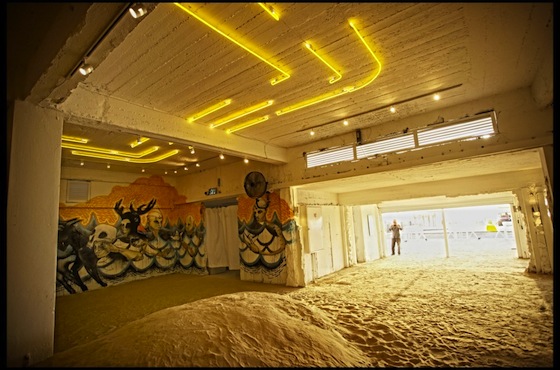
Israel’s Mediterranean city of Bat Yam is pulling itself out of obscurity with one of the most unusual art spaces we’ve seen. Located just south of Tel Aviv – the country’s most well-known seaside city, the Riviera used to be a thumping nightclub in the 1950s and 1960s. Now it’s a very yellow and open industrial-chic art colony and public gallery that features a sea sand floor and some seriously gritty street art.
4 Summer Rose Wines from the Middle East

 Rosé wine is gaining global popularity. Did you know that the Middle East with its long history of wine-making is producing some great rosés of its own?
The summer heat is upon us and if you’ve been smart you’re perfecting those non-cook recipes to beat the heat. If you like a glass of wine here and there, a good companion to a cold soup, salad, or Middle East mezze is a summer favorite – rose wine. If you’re a Muslim and don’t drink alcohol look for a non-alcoholic variety to suit your palette. Similarly our Jewish readers will find something to suit their taste in shops that cater to the kosher market. Today we’re going to look at 4 rosé wines made in the Middle East.
Honest By Clothing Reveals its 100% Transparent Fashion Line

 Honest By’s “transparent” green fashions leave nothing to hide
Going to the mall or outlet store to buy clothing is not the greenest thing one can do when the truth is known about what materials the clothing is made out of, as well as where and how it is made. Much of this clothing, even top line name brands, is often made in poorer locations such as rural China, Bangladesh, India, and other places where environmentally damaging dyes are used and clothing is sewn together by people working in sweat-shop and even slave labor conditions.
Finding companies that make environmentally friendly fashion products used to be difficult; but now more and more companies are producing such clothing that even is appeasing purchasers who are restricted by religious requirements of modesty and simplicity.
Ronen Tinman Turns Junkyard Automobile Parts Into Bespoke Furniture

It’s inevitable that even the best of automobiles will eventually find their way to the junkyard, but to Ronen Tinman, that needn’t be a death sentence. Determined to make use of “every ounce” of the materials that went into making BMWs, Citroens, Toyotas and Kawasakis, the Israeli designer relies on his mechanical engineering background to turn even the dinkiest of dented hoods, trunks, wheels, doors and disc brakes into bespoke lamps, chests, hall tables and cabinets.
10 Tips To Green Your School Year

 Summer’s in its last laps: a new school year’s looming. Green up the school day with 10 easy tips
Wherever you live around the world, it’s probably time to start the school year at the end of the summer. Here are some tips to pass on to parents with kids. They’re also good for high-school and college kids to follow.
1. Put the word out on Facebook or Craigslist or Freecycle that you’re in the market for staplers, rulers and scissors: bet you’ll be rained on with a “loaves and fishes” appearance of everyone’s extra office supplies. If you must buy, check out biodegradable pencils and vintage refillable fountain pens.
World’s First All-Women City Coming to Saudi Arabia
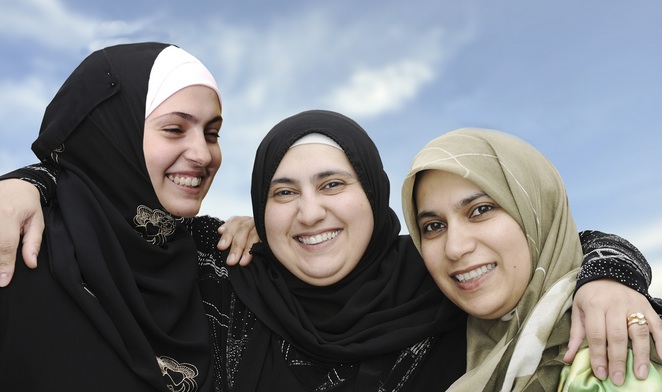
 The patriarchal kingdom of Saudi Arabia creates an all-female city where (the arguably better half) of humanity can work freely, within Islamic guidelines.
Saudi Arabia has an increasingly educated female population, but its ultraconservative interpretation of Wahabi sharia law and rigid tribal customs forbid women from interacting with men. The upshot is chronic female unemployment. An utterly Saudi solution is underway. Why shift cultural mores, when, instead, you can raise up a completely new, self-sustaining city that will be fully devoid of men? The pilot project will go live in 2012 in the Eastern Province city of Hofuf. Smaller “ladies-only” communities will then pop up in capital city Riyadh.
Saudi Arabia & Iran Are Overexploiting Their Groundwater Supplies

According to scientists from Canada and the Netherlands, the world is depleting underground water reserves faster than they can be replenished
In the Middle East, water shortages are a widely accepted reality which many countries are trying to fight head on. Worldwide, however, the issue is not so pressing with environmental issues such as energy and emissions taking centre stage. Despite this, new research from McGill University in Montreal and Utrecht University in the Netherlands indicates that the world is increasingly dependent on an unsustainable supply of groundwater. They estimate that the world’s ‘water footprint’, which is defined as the area above ground required to sustain groundwater use, is about 3.5 times the actual area of the available aquifers. And this has huge implications not only on water supplies but for food and political security too.
Tchensol’s LEGO and Pop Art Jewelry Shakes up Lebanese Fashionistas

Some of the most fashionable people on the planet, the Lebanese are also very concerned about what people think of them. But the lovely Yasmina Sawma of Tchensol is shaking things up a bit with an intriguing new line of re-purposed accessories. The trained interior architect converts LEGO pieces into chunky earrings and rings, strings stuffed grape leaves together into a bracelet and even chops off the tips of coloring pencils to make bright and cheerful rings.
Could Phones Revolutionize Palestinian Agriculture?


World food prices soared over 6 percent in July according to the United Nations’ Food and Agriculture Organization. Prices are continuing to rise, and food security is already a constant threat in the West Bank and Gaza.
The Applied Research Institute in Jerusalem estimates that over half the households in Gaza are food insecure, and almost 80 percent of households in Gaza are reliant on relief support. The institute estimates there are up to 550,176 food insecure persons in the West Bank, 22 percent of the population, and 829,954 in the Gaza Strip, around 52 percent. In the West Bank, those living along the border and separation barrier experience higher levels of food insecurity. These dire circumstances need innovative, domestic solutions.
Agriculture and Water Connect Israel to Africa
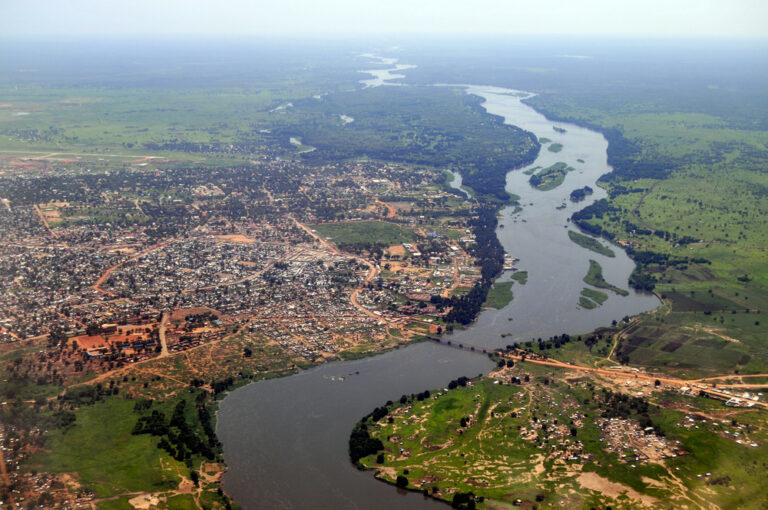
 Israel’s Deputy Foreign Minister, Danny Ayalon, landed on Monday in Addis Ababa, Ethiopia. He continued on to Uganda and Kenya, where he will inaugurate two Israeli-cooperation projects in agriculture and health. According to Gil Haskel, Israel’s ambassador to Uganda, the Jewish state is interested in strengthening agricultural cooperation and collaboration with Uganda.
Agriculture and water are becoming the foundation for a new era of Israeli relations with African states.
Iran’s Earth Buildings are the Leading Cause of Quake Casualties

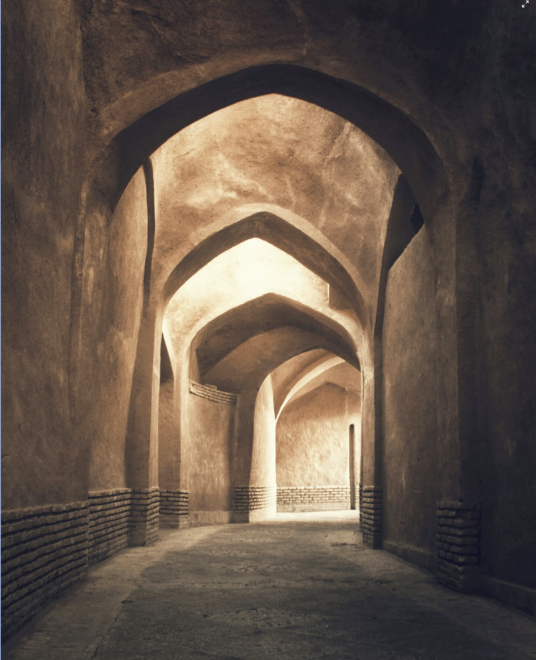
We’ve long extolled the virtues of earth building, but it turns out that Iran’s simple clay and mud brick buildings are a leading cause of casualties during strong earthquakes.
Over the weekend, two earthquakes measuring 6.3 and 6.4 on the richter scale hit the country’s east Azerbaijan province, killing at least 360 people and displacing and injuring thousands more.
Most of these casualties occurred because poorly-constructed buildings made with cheap materials collapsed, according to Kaveh Samiei, principal architect at AAG and a lecturer at Semnan University, crushing their inhabitants.
Leading causes of earthquake casualties
The Iranian authorities have been criticized for their emergency response to the earthquakes over the weekend after search and rescue efforts were called off within less than 24 hours.
But the Foundation of Housing, a branch of the Roads and Urbanism ministry should also be held to account as the development of rural areas falls under their jurisdiction.

The University of Tulane in the United States sites three main causes of high casualties in areas that are prone to earthquakes: a) population density, b) construction standards, and c) emergency preparedness.
Given that Iran is one of the most seismically-active areas in the world and that 126,000 people have been killed in earthquakes since 1900, the government should map fault lines and establish building codes accordingly.
“We can’t prevent earthquakes from happening,” Samiei told Green Prophet in an email interview, “but at least we can prevent the deaths of hundreds of people that are caused by collapsed buildings.”
Crushed by the earth in Bam, Iran
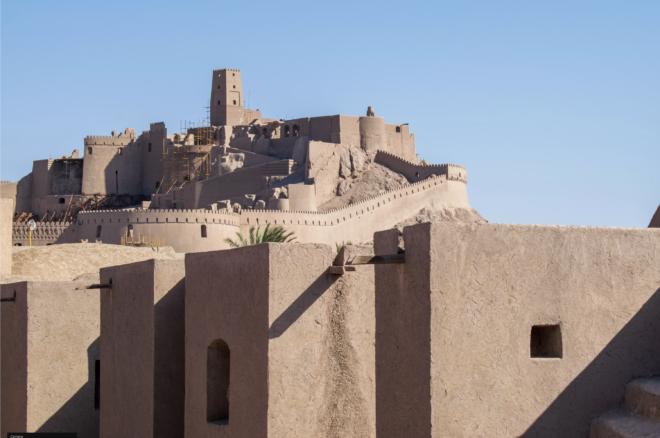
“If we can build safe and resistant structures, then we will decrease the rate of deaths and injuries,” he added.
Samiei explained that most rural Iranians live in buildings that have bulky walls and wooden ceilings that crush residents when large earthquakes strike.
“In the recent earthquake, almost all of the buildings that were damaged were constructed in this way. And exactly the same thing happened in Bam.”
Samiei is referring to the 2003 Bam earthquake in southeastern Iran that killed 150,000 people.
“The experience of some countries like Japan shows that it is possible to construct safer buildings,” the architect continued. He said that the use of “lightweight” construction materials in Japan is a strategic approach that could be implemented in Iran, though he emphasized that technology should be supplemented with appropriate safety education and disaster preparedness.
Earthquake preparedness in earth buildings
The worst earthquake in recorded human history killed 830,000 people in 1556, according to Tulane researchers. Most of the casualties were living in wind-deposited silt and clay caves in Shaaxi, China.
Earth construction may be great for staying cool in hot climates and reducing waste of natural resources, but this kind of construction must be coupled with sophisticated engineering to ensure safety – especially along fault lines.
“In some parts of Iran it will be necessary to deconstruct nearly 100% of the existing buildings and plan a new village,” Samiei warns.
“This will take a lot of time to complete.”
Lightbulb Flips On Over Emirati Planners
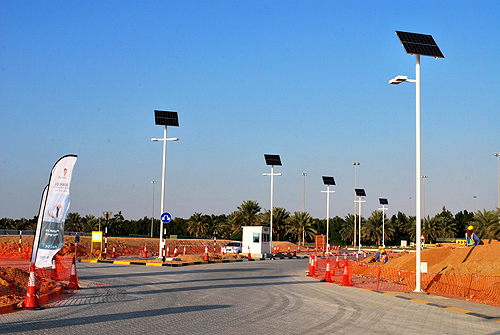
Sustainable public lighting is mandated in Abu Dhabi City.
Over 6,000 units of sustainable public lighting have been installed across Abu Dhabi’s capital, as part of three separate projects carried out over the past year, according to a statement released to Gulf News by the Municipality of Abu Dhabi City . The light fixtures conform to sustainability standards specified in Abu Dhabi emirate’s Sustainable Public Lighting Strategy. That program was decreed by the Department of Municipal Affairs, which oversees the municipality, along with Al Ain Municipality and the Western Region Municipality.