The New Zealand Merino Company, now rebranded as Zentera, has quietly removed the phrase “world’s leading ethical wool brand” from its website, a notable change that comes after a disturbing investigation by PETA Asia-Pacific into the company’s ZQ-certified wool supply chain, PETA reports to Green Prophet.
Somehow vegetables with short seasons excite the imagination and appetite more sharply than produce that’s available all year around. Good Middle Eastern cooks have many recipes for delicate fava beans, and this turmeric-fragrant soup is one.
The New Zealand Merino Company, now rebranded as Zentera, has quietly removed the phrase “world’s leading ethical wool brand” from its website, a notable change that comes after a disturbing investigation by PETA Asia-Pacific into the company’s ZQ-certified wool supply chain, PETA reports to Green Prophet.
Somehow vegetables with short seasons excite the imagination and appetite more sharply than produce that’s available all year around. Good Middle Eastern cooks have many recipes for delicate fava beans, and this turmeric-fragrant soup is one.
The New Zealand Merino Company, now rebranded as Zentera, has quietly removed the phrase “world’s leading ethical wool brand” from its website, a notable change that comes after a disturbing investigation by PETA Asia-Pacific into the company’s ZQ-certified wool supply chain, PETA reports to Green Prophet.
Somehow vegetables with short seasons excite the imagination and appetite more sharply than produce that’s available all year around. Good Middle Eastern cooks have many recipes for delicate fava beans, and this turmeric-fragrant soup is one.
The New Zealand Merino Company, now rebranded as Zentera, has quietly removed the phrase “world’s leading ethical wool brand” from its website, a notable change that comes after a disturbing investigation by PETA Asia-Pacific into the company’s ZQ-certified wool supply chain, PETA reports to Green Prophet.
Somehow vegetables with short seasons excite the imagination and appetite more sharply than produce that’s available all year around. Good Middle Eastern cooks have many recipes for delicate fava beans, and this turmeric-fragrant soup is one.
The New Zealand Merino Company, now rebranded as Zentera, has quietly removed the phrase “world’s leading ethical wool brand” from its website, a notable change that comes after a disturbing investigation by PETA Asia-Pacific into the company’s ZQ-certified wool supply chain, PETA reports to Green Prophet.
Somehow vegetables with short seasons excite the imagination and appetite more sharply than produce that’s available all year around. Good Middle Eastern cooks have many recipes for delicate fava beans, and this turmeric-fragrant soup is one.
The New Zealand Merino Company, now rebranded as Zentera, has quietly removed the phrase “world’s leading ethical wool brand” from its website, a notable change that comes after a disturbing investigation by PETA Asia-Pacific into the company’s ZQ-certified wool supply chain, PETA reports to Green Prophet.
Somehow vegetables with short seasons excite the imagination and appetite more sharply than produce that’s available all year around. Good Middle Eastern cooks have many recipes for delicate fava beans, and this turmeric-fragrant soup is one.
The New Zealand Merino Company, now rebranded as Zentera, has quietly removed the phrase “world’s leading ethical wool brand” from its website, a notable change that comes after a disturbing investigation by PETA Asia-Pacific into the company’s ZQ-certified wool supply chain, PETA reports to Green Prophet.
Somehow vegetables with short seasons excite the imagination and appetite more sharply than produce that’s available all year around. Good Middle Eastern cooks have many recipes for delicate fava beans, and this turmeric-fragrant soup is one.
The New Zealand Merino Company, now rebranded as Zentera, has quietly removed the phrase “world’s leading ethical wool brand” from its website, a notable change that comes after a disturbing investigation by PETA Asia-Pacific into the company’s ZQ-certified wool supply chain, PETA reports to Green Prophet.
Somehow vegetables with short seasons excite the imagination and appetite more sharply than produce that’s available all year around. Good Middle Eastern cooks have many recipes for delicate fava beans, and this turmeric-fragrant soup is one.
A potentially dangerous form of fungus forced a Gulf family from their home. Is your building sick too?
Sounds like a 1950’s horror flick, but it’s been no Hollywood experience for this family-of-five in the United Arab Emirates of Sharjah. They’ve been living in a hotel since September 4 when they returned from vacation to discover the havoc wreaked by mold in their Al Majaz apartment. Incidents like this are increasingly common in hot and humid Gulf states, causing stress, expense, disruption to homelife and litigation. But the real damage is to our health.
Water from natural springs burbles in the ancient Roman stone aqueduct as it carries water downward to this village’s ancient terraces. Palestinian families grow olives, cabbage and eggplant today the same way they did more than 2,000 years ago.
“Each family here gets water one day a week, but the week lasts eight days since there are eight families,” Kayan Manasra, the Palestinian Coordinator of Friends of the Earth Middle East (FOEME), a joint Israeli-Palestinian-Jordanian NGO, told The Media Line. “There are 13 springs and seven are still in use. We farm here the same way we are doing for thousands of years.”
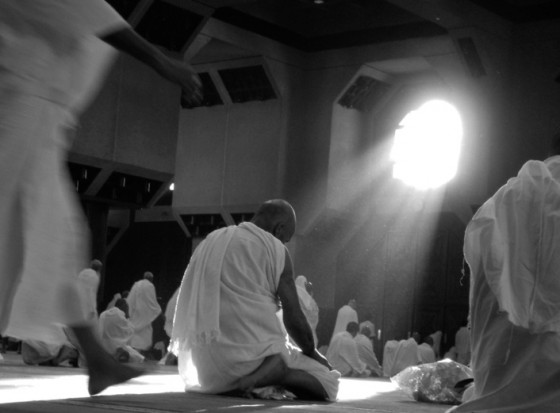
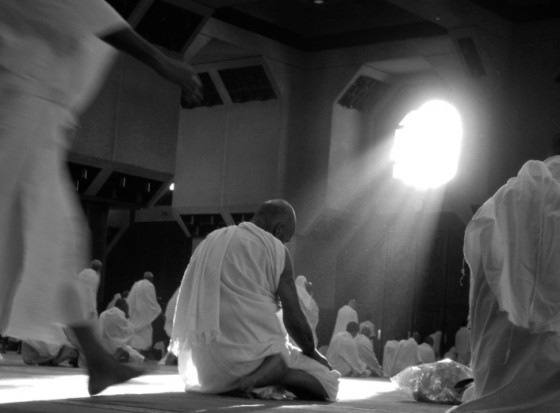
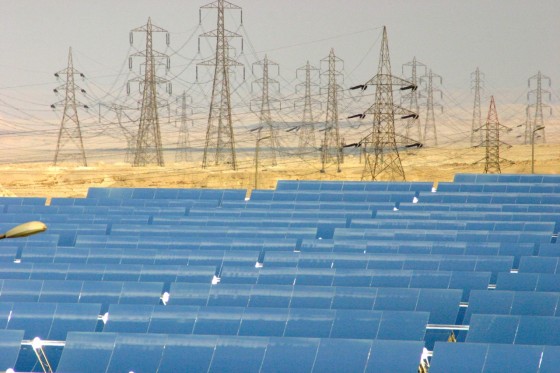
Saudi Arabia’s government has confirmed that it will develop and build a $640 million solar power plant in the holy city of Mecca. It continues the country’s recent talks of bolstering its clean energy sector and with the holy pilgrimage of Hajj beginning, the government believes this is the best time to announce the massive project.
More importantly, however, the announcement of the solar power plant, one of the largest in the Middle East North Africa region, comes as numerous reports, including one from Citibank, have said the country could become a net importer of oil by 2030, making it difficult to meet the energy needs of the population.
Instead of sitting on their hands and waiting, Riyadh is moving forward on clean energy, and the Mecca power plan will have a capacity of 100 megawatts, Saudi economy newspaper Eqtisadiah reported. The office of Mecca’s Mayor Osama bin Fadl al-Bar told Green Prophet that the solar station “will save the city at least $550 million off its electricity bill every year.
Mafroum potatoes melt in your mouth and fill your senses with truly Middle Eastern flavors.
A festive dish, mafroum is one of those foods that reminds me of Moroccan grandmothers who bustle into the kitchen, don an apron, and lovingly conjure delicious food out of vegetables and meat fresh from the shouk. And one of the good things about mafroum is that it satisfies 6 people with only 1 lb. of ground meat. (Tunisians and Libyans also make this dish).
Freshly ground meat, of course, which is how careful Middle Eastern cooks get their meat – ground under their eyes at the butcher’s or the supermarket.
It does take time and a little effort to make mafroum but once it’s done, you need only couscous and a leafy salad to make a complete meal. Note: I often substitute ground turkey for the beef. For a vegetarian version, substitute 1- 1/2 cups cooked quinoa or buckwheat groats.
Have ready 6 bowls or containers, medium sized.
Mafroum, Moroccan Stuffed Potatoes
serves 6
Potatoes:
6 medium potatoes of uniform size, peeled
salt and pepper
flour
2 beaten eggs
Oil for frying
Stuffing:
500 gr. – 1 lb. ground beef
1 cup chopped fresh parsley
1/2 tsp. salt and ground black pepper
* 2/3 tsp. Baharat spice
1/3 tsp. ground turmeric
1/2 Tblsp. sweet paprika
1/2 tsp. ground cinnamon
Chili pepper to taste
1/2 tsp. ground ginger
1 potato, grated coarsely, rinsed, and drained till dry
Sauce:
1 large, chopped onion
4 crushed cloves of garlic
4 stalks celery, coarsely chopped
3 Tblsp. tomato paste
1/2 cup chopped tomatoes
1 tsp. salt
One-quarter of a cabbage, cut into coarse chunks
Approx. 1 liter stock or water
3 Tblsp. each of fresh mint, parsley, and celery leaves, chopped
The method for making mafroum
Mix the meat and seasonings for stuffing.
Beat it well to mix thoroughly.
Cover the seasoned meat and refrigerate for half an hour.
In the meantime, get three bowls out. Chop the large onion. Put it in one bowl. In the second bowl put the chopped garlic and celery stalks. Dice the tomato and put it in the third bowl.
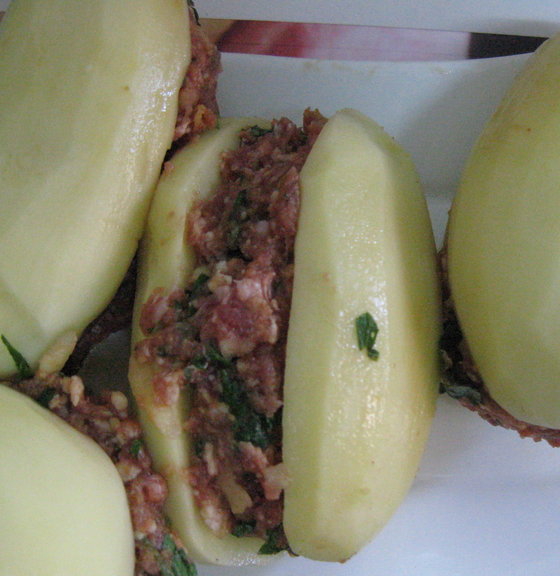
Slice each potato almost in half. Leave the bottom uncut so that the two halves stay connected. Stuff the potatoes with the seasoned meat. Pack it in. The open side will show a thicker layer of meat than the inside. With your finger, pat back any meat that spills out of the opening.
Meat wedged between two medium sized potato slices
In a wide pan, heat the oil for frying.
Beat the eggs. Put about 1 cup of flour in the fourth bowl and season it with salt and pepper.
Roll the potatoes in the seasoned flour, shaking them back and forth gently to cover them. Now roll them in the beaten egg.
Fry the potatoes until golden, turning once. Tongs work better than a spatula for this.
Remove from the frying pan and put on paper towels to drain.
Pour out most of the frying oil.
Saute the onion in the remaining oil, till golden. Add the garlic and celery stalks. Fry for 4 minutes.
Add the tomato paste and chopped tomato. Stir, cover, and cook for 10 minutes on low heat.
Season again, lightly. Add the cabbage and stock or water.
Put the potatoes into the sauce, in one layer. Add the chopped mint, parsley and celery leaves. Put the lid on the pan, tilted to cover it partially. Cook over low heat for 2 hours or until the potatoes are tender.
Serve the potatoes over rice or couscous, with the sauce passed around separately if you wish.
* If Baharat spice mix isn’t available, mix these powdered spices to make your own. Blend well and keep in a tightly-lidded jar.
A flailing Egypt still aims for 20 percent renewables by 2020.
Egypt’s Supreme Council of Energy last week pushed forward a new round of concessions aimed at boosting investment in renewable and clean energy in the country. According to the Council, it said it would exempt parts and components used in the production of electricity from customs and tax if they were to be implemented in either solar or wind power operations.
The move is a positive for Egypt’s renewable energy sector, which has largely been quiet since January 2011, when an uprising ousted the former regime from power. Since then, the economic woes in the country have seen numerous projects scrapped, but the Council believes that the new measures will entice investors to go green with their energy needs.
The Kuwait-based firm sought to satisfy three main requirements in this prototype for one of the Gulf’s largest developers, who aims to develop 1 million square meters of land in this pristine part of the country: economic viability, environmental sustainability and social upliftment. The developer agreed, so SSSH sought the green building expertise of the California Institute of Earth Art and Architecture (Cal-Earth) originally found by Nader Khalili.
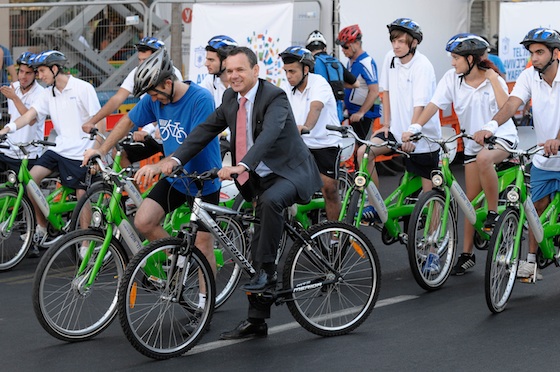
A swarm of cyclists descended upon Tel Aviv on October 5th to participate in the city’s third annual Sovev cycling race, and the Dutch Ambassador was there to give them a grand send off! Wearing a suit, Caspar Veldkamp congratulated Tel Aviv mayor Ron Huldai for joining over 60 cities in Europe who have signed the Brussels Treaty of the European Cycling Federation (ECF) as thousands of riders set off on three different routes early this morning.
Dubai puts itself on the ‘I’m-too-ridiculous-to-be-true’ map again. This time by planning to build a replica of the Taj Mahal and naming it ‘Taj Arabia’
I am not sure how may more of these posts on outlandish Dubai construction projects I can write. I mean I have my limits – although, quite clearly, Dubai doesn’t seem to. Following underwater hotels, artificial islands and the world’s tallest buildings, Dubai is now working on replicating some of the world’s most important cultural sites as part of a 3.8 million square meter ‘Falconcity of Wonders’ project. CEO of Falconcity, Salem al-Moosa told Al Arabiya that the project aims to “engrave Dubai’s place in the minds and hearts of world citizens”. I think that Dubai may be better able to do by not ripping off important heritage sites and placing them in an freakish amusement park of sorts.
Oh Joe. It’s hard to believe that after all these years I finally have to let you go. You have been the only constant in my life for well over a decade. You warmed my soul every morning, filled my various homes with your rich musky smell. And you carried me through those long and lonely university nights when I spent hour after hour pouring over every word of every essay.
On the road, you were always by my side. Together we traveled from New York to Los Angeles, from the Atlantic to the Pacific, and we braved mountain passes in the Rockies I never thought I could face. It was harder to find you in Africa and the Middle East. At times, I was too poor to afford your finer self and settled for the instant version of you instead. It always felt like cheating.
The political news from Egypt doesn’t look promising: Cairo and the Sinai Peninsula appear to be more unsettled than ever, with questions about how the military and police maintain the law of rule. That said, brave travellers are still heading to Sinai, the only place in the world where you can do nothing and feel like you are having the most spiritual experience on Planet Earth.
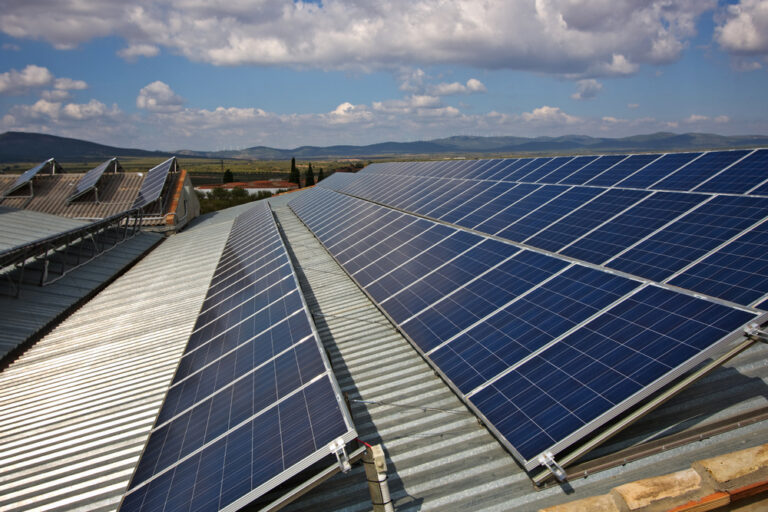
An urban kibbutz in sun-drenched southern Israel invested in a field of rooftop solar panels that are already pumping out more energy than the community needs. Three years ago members of the Migvan kibbutz in Sderot, which receives plenty of untapped year-round sun, made the collective decision to invest in renewable solar energy in order to save energy, make a small but meaningful contribution to a cleaner environment, and create a long-term savings account for the kibbutz, Ynet reports.
Perhaps floored that a subsidiary of the state-owned Abu Dhabi Media, Image Nation, could be behind such a high-quality production as Promised Land, a new anti-fracking film written by and starring Matt Damon and John Krasinski, western bloggers are drawing conspiratorial connections between the production company and the Abu Dhabi National Oil Company.
The theory goes that Abu Dhabi financed the film, which was also produced by Focus Features and Participant Media, because if the fracking industry fails, western states will be forced to continue purchasing oil from OPEC (as if there was ever any risk that a single drop would go to waste.)
More than 200 cyclists took over the streets of Beirut Sunday demanding a sustainable public transportation system for Lebanon.
Haunted by the pollution poisoning their city’s car-clogged roads, more than 200 cyclists took over Beirut last week Sunday in an effort to demand a revival of its once-decent public transportation system.
The seven kilometer (5 mile) activist ride from the new waterfront to Mar Makhael train station, which is littered with the bones of retired busses and trains, occurred exactly one year after 14 non-government organizations established the National Coalition for Sustainable Transportation, spelled out a dual message: public transportation is crucial to combat pollution and traffic, and biking is cool.
Reduce one food source and increase pressure on others.
We’re all going to die! Only a lot later and with healthier arteries according to political satirist Stephen Colbert’s side-splitting riff on recent reports that the global bacon supply is “cooked”.
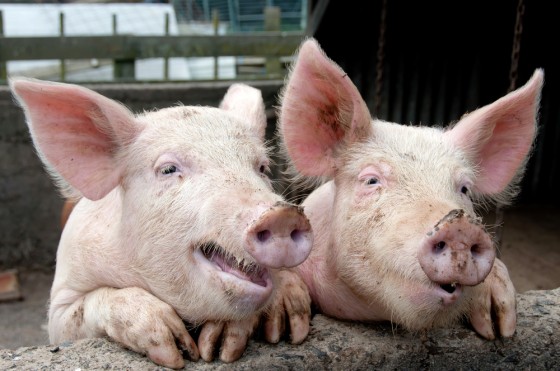
Britain’s National Pig Association released data recently showing that European pig herds are declining “at a significant rate” in a trend mirrored around the world. Nothing sinister at play here, it’s chalked up to conscious decision-making by individual farmers as they react to rising feed prices. Those price spikes, in turn, can be pinned on global warming and growing competition for corn and soybeans from processed foods and biofuels. Think this doesn’t matter to pork-eschewing folks in Israel, Jordan, Lebanon and Gulf states?
But now Israelis are looking at dead Chinese people stripped of most of their flesh and preserved in liquid silicon in the “Bodies” exhibition, now open in Tel Aviv.
Some consider it art. Some consider it educational. And indeed, the exhibit has been presented at major cities worldwide. But because there’s no proof that the people whose bodies are displayed knew or consented to it before death, some consider that the exhibit violates human rights According to Jewish thought, where human remains are treated with careful respect, it is a desecration.






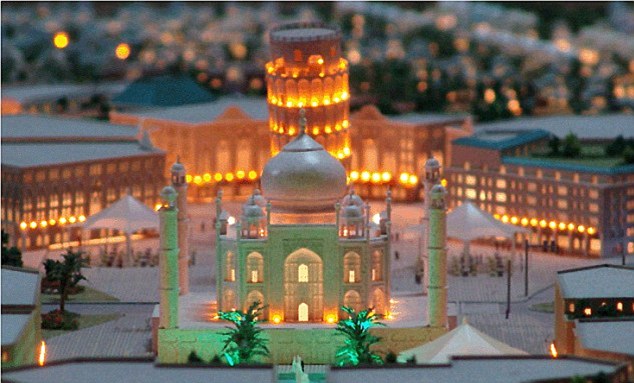
 Dubai puts itself on the ‘I’m-too-ridiculous-to-be-true’ map again. This time by planning to build a replica of the Taj Mahal and naming it ‘Taj Arabia’