Home Blog Page 374

Egypt and Morocco’s Equator Prize Winners Preserve Environment through Tradition

0

traditional biodiversity preservation, Equator Prize Winners, Medicinal Plants Association St Catherine, Amsing

The Medicinal Plants Association in Egypt helps preserve biodiversity and is one of the 25 winners of the Equator Prize 2012.

Policy making within the realm of “development” is often burdened by an excessively westernized design resulting in unintended consequences on the welfare of local populations. For example, a previous Green Prophet article “Morocco’s Berbers Had Water Management Sorted“, reveals how water management interventions led by the Word Bank replaced traditional water systems and eventually resulted in even poorer social and environmental outcomes.

Fortunately it is becoming increasingly popular for multilateral development initiatives to provide incentives for traditional practices in environmental preservation and economic development rather than replacing, renewing or reforming existing practices which have been built on years of knowledge and perfected after generations of creative design. The Equator Initiative: A partnership for Resilient Communities, is an example of this movement in the “development” world which honors practices that aim to create societies and socio-economic landscapes that are resilient to environmental destruction and cultural erosion.

Through the biannual Equator Prize, the Equator Initiative recognizes 25 outstanding local projectsthat work to advance sustainable development solutions for people, nature and resilient communities. To date 152 community organizations have been awarded the Equator Prize and in June 2012, representatives of winning communities participated in the UN Conference on Sustainable Development (Rio+20), which was held in Brazil. This year the Middle East North Africa region was well represented by two Equator prize winners: the Medicinal Plants Association St. Catherine from Egypt and Amsing Association from Morocco.

Gulf Greywater Recycling Could Cut Water Use by 30%

0

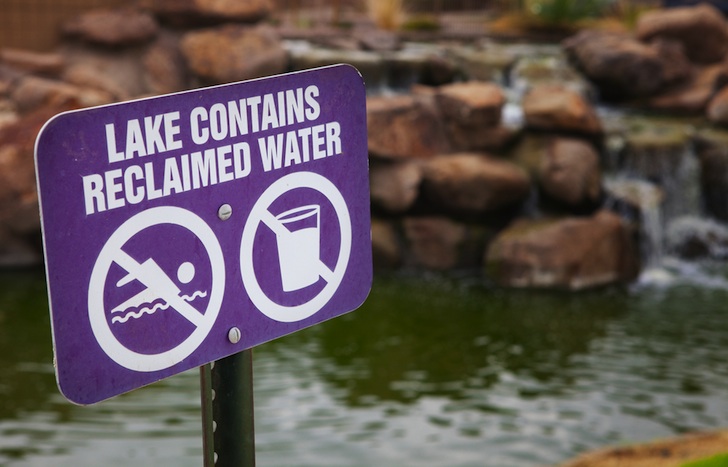
greywater recyling, reclaimed water, United Arab EmiratesThe United Arab Emirates could save approximately 30 per cent of its daily water use if multi-residential buildings implement greywater recycling programs, according to a recent report compiled by researchers from the University of Sharjah. Currently the average Emirati consumes roughly 550 liters of clean water every day, 30% of which is flushed down the toilet. Literally.

If groundwater supplies weren’t running dry and if water didn’t have to be treated in desalination plants, which requires a great deal of energy, this would be less of a travesty. But the Environment Agency Abu Dhabi estimates that the UAE could run out of groundwater within the next five decades if serious measures aren’t put in place to curtail consumption.

Moroccan Solar is Safe Despite Desertec Setbacks

0

Desertec, Dii, Spain, Morocco, Solar Energy, Ourzazate, Solar Power, Desert, Renewable Energy, Alternative EnergyWhen Spain failed to show up for a recent Desertec meeting that would have signaled government support for the 150 MW concentrated solar plant (CSP) in  Ourzazate, Morocco, energy bloggers rushed to dub the program designed to supply Europe with renewable energy produced in North African countries a failure.

Both Bosch and Siemens pulled out as well, further fanning skepticism. But All Africa reports that despite setbacks, solar energy is safe in Morocco, where the Moroccan Agency for Solar Energy (Masen) has secured $380 million for a 160MW CSP plant planned for the same region set aside for the Ourzazate plant.  

New Environmental Strategy On The Table In Israeli Elections

 policy, Israel, elections, environment, Green Movement, Tzipi Livni, energy, reform

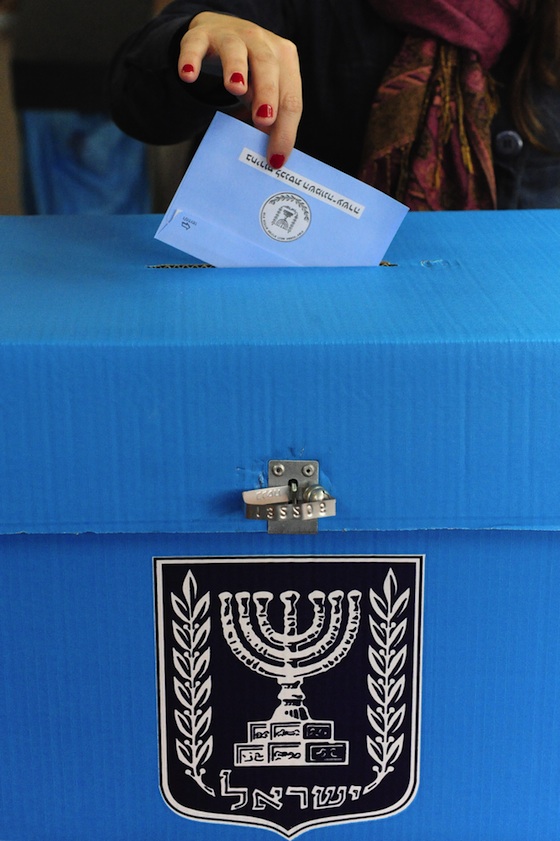
On Thursday, Dec. 20, Tzipi Livni’s new party, The Movement, stated that environmental reforms will be key components of their platform in the January 2013 Israeli elections. They propose passing a Basic Law for environmental protection, and a long-term blueprint for the Israeli energy market.

Livni presented The Movement’s environmental agenda together with Green Movement chairman Alon Tal.

Tal told the Jerusalem Post, “As a professor of environmental policy, I can honestly say this is the most detailed, comprehensive, creative and ambitious environmental platform ever introduced by a major political party in an Israeli election.”

5 Inspiring Green Prophet Stories and People Of 2012

1

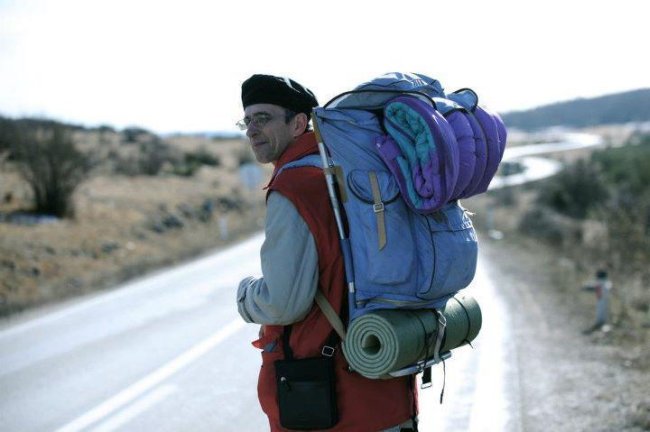
senad hadzic walks to meccaFor Green Prophet, I often write about (let’s face it) depressing issues such as climate refugees and environmental conflicts in which everyone pays the price but I do sometimes get to write about some fun stuff too. That’s basically what is going into my top 5 Green Prophet blog stories of the year. These are the odd and uplifting stories of 2012 and the inspiring people behind them. I hope you enjoy them as much as I did and all the best for the new year inshalla!

Moving Titanium Facade Dapples Sunlight at Luxury Saudi Spas

0

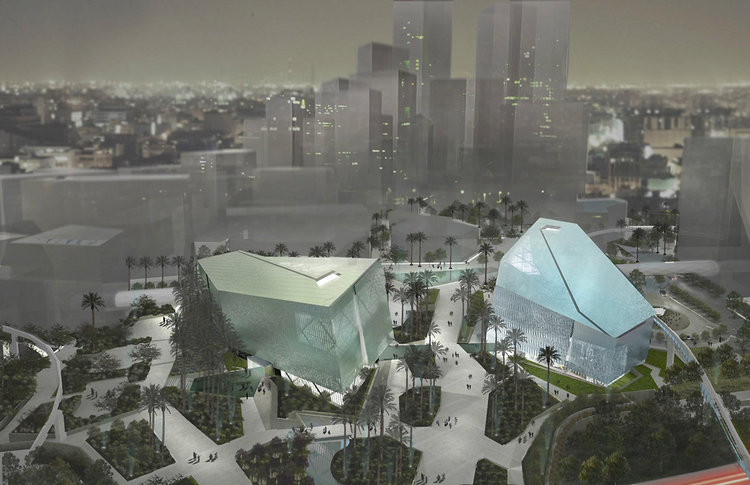
KAFD Portal Spas, Chuck Hoberman, WORKSBUREAU, King Abdullah Financial District, Riyadh, Saudi Arabia, moving mesh facade, kinetic facade, solar gainFamous for designing the Hoberman Sphere, Chuck Hoberman has since turned his talents to Saudi Arabia, where two luxury spas will feature his latest invention – a moving mesh facade that dapples harsh sunlight.

Like giant greenhouses, each three story polygonal spa boasts a vast atrium and all manner of plants. A custom perforated skin comprised of no fewer than four layers of titanium, two of which are kinetic, provides natural light and ventilation. 

Spiffy New Tramway Connects Casablanca’s Hot Spots

0

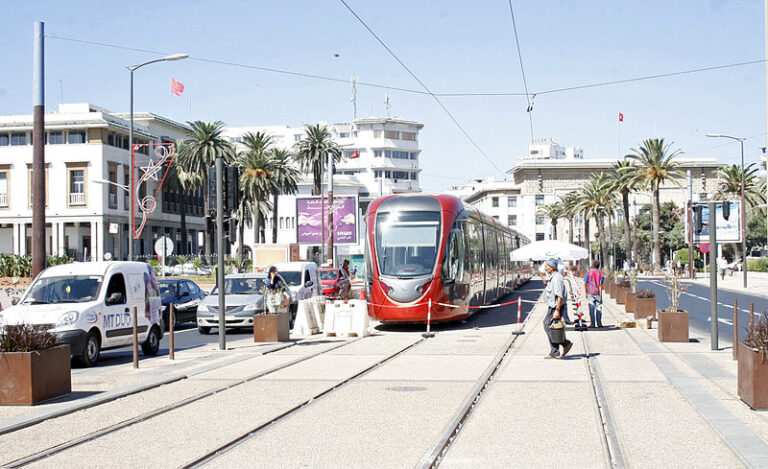
Casablanca, rapid transit tram, urban, public transportation, air pollution, MoroccoKing Mohammed VI rode with French Prime Minister Jean-Marc Ayrault and head of Moroccan government Abdelilah Benkirane on Casablanca’s spiffy new tramway during its debut run, which traversed the distance between United Nations Square and Mohammed Square on 12 December, 2012.

Designed to reduce air pollution, ease vehicular congestion and increase economic development in what is arguably Morocco’s busiest city, the 31km Y-shaped line connects all of the city’s hot spots, but not everybody has rolled out a red carpet for the new Rapid Transit Tram System. 

Chicken Kabsa Recipe

0

kabsa, saudi arabiam chicken dish, one pot meal

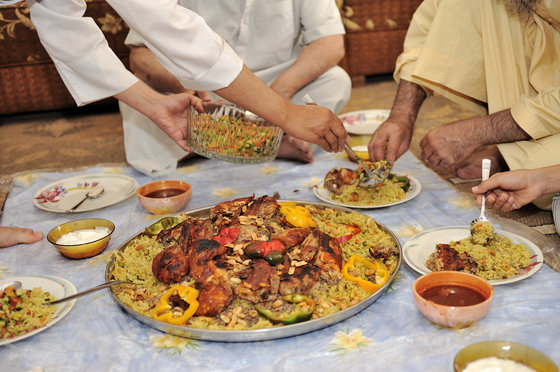
We focus on sustainable eating in the Middle-East/North Africa region. Try Kabsa, a one-pot dish from Saudi Arabia. It’s the Saudi Arabian national dish, served with fried almonds, pinenuts, and raisins, and parsley sprigs.

What does eating sustainably mean to you?

By definition, sustainable food is nutritionally healthy, supports local agriculture and guarantees a fair wage to workers. Sustainable agriculture maintains and enriches the natural resources that our food supply depends on.

On a personal level, eating sustainably entails more than picking up a kilo of organic apples at the supermarket. It’s reading about humane conditions on local farms and slaughter houses, finding out where your staple foods come from and making informed choices. It’s about choosing produce that’s in season, then taking it home and cooking it with the flavors of the place you live in.

It’s amazing how right food tastes when it’s appropriate to the locale.

How to Eat Like A Sustainable Saudi Arabian

As vegewarian as we may be – which means choosing less meat in our diet – it would be futile to deny that Saudi Arabians eat meat as often as they can.  Lamb and chicken are the main meats, most often grilled, fashioned into kebabs, combined with rice or packed into a revolving rotisserie spit as shwarma. Saudis eat an enormous amount of chicken. (But here’s a meatless Saudi vegewarian recipe.)

The Beduin drink sheep, goat, or camel milk. Labneh is a popular base for sauces. Ful beans, rice and wheat, and dates are important elements in the traditional Saudi menu too. And the traditional flatbread, khubs, is eaten at all meals, sometimes being used to scoop food out of one’s plate or mop up delicious traces of sauce.  Other breads are laffa, a large, flexible flatbread often used as a wrapping, and fatir, or barley bread.

Saudi Arabian cuisine features rich textures and big, spicy flavors. This chicken and rice recipe proves it.

How to make Kabsa, Saudi Arabian Chicken and Rice 

Yield: 4 Servings

Ingredients:

1 whole chicken, cut into 8 pieces
cup basmati rice, washed and rinsed
2 tablespoons oil
2 bay leaves
1 diced onion
2 diced garlic cloves
6 whole green cardamom pods
5 whole cloves
2 cinnamon sticks
2 dried limes (available in Middle Eastern shops) or juice of 1 lemon
1 teaspoon ground cumin
1 teaspoon ground coriander
1 teaspoon salt
1 teaspoon pepper
1 teaspoon ground ginger
1 teaspoon ground cardamom
1 (15 ounce) can tomato sauce
4 hard-boiled eggs
1/2 cup mixed pine nuts and raisins

Soak the rice in water to cover for 15 minutes.

Saute onions, in an 8-quart stockpot on medium-high heat, until golden. Add garlic and bay leaves, cardamom pods, cloves, cinnamon sticks, dried limes, cumin, coriander, salt, pepper, ginger and cardamom. Blend well and continue to fry for 30 seconds.

Add tomato sauce. Mix well until sauce thickens. Reduce heat to medium-low. Add chicken and sauté for a 1 minute.

Stir the chicken to absorb flavors on all sides.

Add water until chicken is completely covered. Bring to a full boil then reduce to low. Cook for 35 minutes covered.

Remove the chicken from the sauce to a broiling pan.

Measure 2 cups of sauce. In a separate saucepan, cook the rice in the measured sauce, bringing it to a boil then reducing heat to low. Cook 10 minutes.

Broil the chicken 5 minutes.

Spoon the rice over a platter and arrange the chicken on top. Garnish with hard-boiled eggs, pine nuts, and raisins.

Enjoy!

More on sustainable eating in the Middle East:
6 Slow Food Revolutionaries in Lebanon
7 Books On Sustainable Food
Israel’s Best-Loved Vegetables Carry Heavy Pesticide Load


HIMA – A Traditional Arabian Conservation Concept Modernised

0

hima sustainable development, woman gathering water in kisr unuThe traditional Middle Eastern concept of Hima, which means a protected area, has been explored and modernised as a type of sustainable development system under a new Hima Initiative.

“Compared to what you have experienced, the Hima concept we are promoting is different,” Walid Saleh who is part of the Hima Initiative told GreenProphet. And he is not kidding. Traditionally, Hima which has been practised for over 14,000 years in the Arabian Peninsula, is believed to be the most widespread system of traditional conservation in the Middle East. It helped protect pastures, trees, grazing lands and set aside natural resources for the public good. Today, it has been modernised by a group of thinkers to mean a Human Integrated Management Approach (or HIMA) which is “standalone Sustainable Development System based on Islamic Environmental Ethics, & Laws, and indeed the lessons learned from the Hima system.”

Better Place EV Company Betters its Business Model?

green prophet better place maurice test drives the electric car

Israel’s electric car concept company Better Place has assured media that the company is able to secure investment to continue its mission of pushing the electric car market forward in Israel and other countries such as Australia and Denmark. Two months after firing its iconic CEO Shai Agassi, the company’s new CEO announced that the company has a new business plan set in action which will put the company at the center of providing “services” to electric car owners. This is over developing and providing electric cars to consumers. But Evan Thornley the new Australian CEO was vague on how this business plan will roll out in real terms.

According to Thornley in the business newspaper the Marker, Better Place will operate battery-charging services for electric cars and in this capacity would operate much like a chain of gas stations for electric vehicles, whether they be the Better Place produced Renault-Nissan Fluence models or the EVs of other electric car companies (like the mini EVs that could be rented in Tel Aviv?). Thornley did not mention that the company will lower prices as he believes this is not the barrier to selling more Better Place EVs. Drivers, he said, must be willing to pay more for the electric car experience, for the status, just as they do to drive BMWs.

A couple of months ago Better Place had sold a little more than 500 of its electric cars and if I had bought one (the company had hoped to sell some 10,000 by around now) I’d probably have felt as though I’d bought a liability. What happens if the big vision flops? Will the battery swap stations become redundant? Will Better Place lift the tariff charge to use their controlled EV networks? Time will tell.

Above image of Green Prophet Maurice about to embark on a Better Place test run. 


Animal Abuse Horrific for Livestock Sent from West to Middle East Ports

0

gracia del mar egypt cattle seaLive export controversy hits Middle East with full force: Australia may be merciful when raising its cattle at home. That all changes once they head to the Middle East market. 

Animals and animal rights are not top on any agenda in the Middle East, but in 2012, a number of incidents brought the controversial live export trade to the forefront of environmental and animal treatment in the region. First with Egypt, then with Bahrain and as a result, Pakistan. The deaths of tens of thousands of cows being transported from both Brazil and Australia to the region have once again put the controversial live export industry in the spotlight. 2012 was not a good year for animals in the region. Read on.

Earlier this year, some 30,000 cows died on a ship destined for Egypt after the Egyptian government refused to allow the ship to dock at a Red Sea port. They were slaughtered as a “precaution,” the ministry said.

Animals Australia, the leading organization reporting on the controversial live export trade to the Middle East and Southeast Asia, said the incident was among the worst the industry had witnessed in years.

Animals Australia’s Campaign Director, Lyn White, said in a statement that the ship was anchored at sea after being refused port in a number of countries in the region, including Egypt, where the cattle were supposed to be offloaded.

It’s understood that ventilation problems on the converted livestock vessel, the MV Gracia Del Mar, had caused the deaths of more than half of the animals on board since the ship left South America for Egypt a few weeks ago.

The ship was anchored in the Red Sea for weeks and saw more animals perish as a result.

“This is nothing short of an animal welfare disaster. If remaining cattle are not offloaded more of these animals will suffer appalling deaths at sea. We are appealing to authorities in Egypt to offload the remaining cattle at al-Sohkna, as was originally intended.

“This disaster is just another example of the inherent risks of transporting animals by sea. It was only nine years ago that 5,000 Australian sheep perished on board the MV Cormo Express after country after country refused to allow it to berth.

“And this isn’t the first time that mechanical issues have caused mass deaths on live export ships. We only need to look to the breakdown of the Al Messilah in Adelaide last year. Had that vessel broken down on the open ocean it would have caused a similar welfare catastrophe — as thousands of animals would have died.

“Australia also exports cattle to Al Sohkna Livestock company in Egypt. Whilst we have an MoU with Egypt which should ensure the offloading of our animals, it has never been put to the test. The Egyptians thus far have flatly refused to allow the MV Gracia Del Mar to dock despite the mass suffering of the animals on board.

“If they continue to refuse to allow the surviving animals to be unloaded it would provide little confidence that the non-binding agreement with Australia would be honoured if a similar incident were to occur on an Australian livestock ship.

“It should not matter if these cattle aren’t Australian and if Brazil doesn’t have a similar piece of paper, they should not be abandoned to suffer and die at sea. We are appealing to Egyptian authorities to offload these cattle as a matter of urgency.”

Bahrain helped to bring another tragedy to the forefront of international animal-related media after they refused to allow a ship carrying some 20,000 sheep to dock on its shores, forcing the vessel to Pakistan. The sheep fared even worse upon arrival in Pakistan.

Pakistan tried to bury sheep alive

Four Corners revealed that the sheep had survived the Pakistani government’s attempts to bury the animals alive.

“His fleece matted with blood and dirt — a reminder of the brutal mass slaughter he had lived through the night before,” Animals Australia said in a press release on the horror.

Animal abuse as “entertainment” in Gaza:

<iframe src=”https://embed.theguardian.com/embed/video/world/video/2013/dec/12/cattle-abuse-gaza-video” width=”660″ height=”390″ frameborder=”0″ allowfullscreen=”allowfullscreen”></iframe>

“Perhaps more than any other live export disaster (and there have been many), the horrific sight of frightened animals being chased, beaten, stabbed, and then thrown mercilessly into trenches (many while still alive), shatters any belief that Australia can maintain control over the fate of live animals once exported from our shores,” added Animals Australia in a statement to its supporters.

The video expose is another shocking reminder of the horrific conditions animals are placed in as part of the live export industry, of which Australia is a leader.

But a positive for many animal rights activists is the decline in Australia’s live sheep exports over the past decade.

In 2010, three million sheep were exported compared with 6.3 million in 2001.

Australia’s government last year was to see a bill that would have banned live export to the world, but industry lobbyists fought back and forced the legislation off the table in a move that angered animal activists in the country and across the world, notably the Islamic world, which receives the lion’s share of live cattle and sheep from both Australia and Brazil.

READ related: animal abuse at meat slaughterhouse in Israel

Tiny Electric Vehicle Rental Program Could Reduce Tel Aviv Pollution

0

EV, car sharing program, Tel Aviv, Renault Twizy, Israel, electric vehicles, urban, eco-transportationThe Tel Aviv municipality is considering a plan to rent out small electric vehicles on a short term basis to cut down on air pollution, clear the roads and free up parking. Building on the success of its Tel-o-Fun bike sharing program and a similar launch in Paris, the city will send out an international tender for an operator some time during 2013. Director General of the municipality Menahem Leibe announced the plan at a recent budget meeting in the city.

West Elm’s Living Green Wall is a First in Kuwait

1

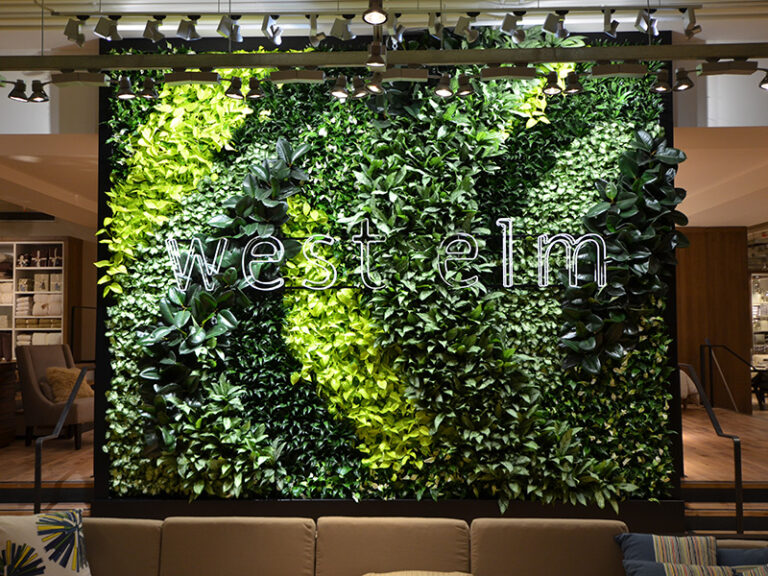
Green Wall, Living Wall, Vertical Garden, GSky, Kuwait, West Elm, Versa WallIt is almost certain that a new green wall installed in Kuwait is the emirate’s very first. The 175 square foot vertical garden was installed in The Avenue Mall’s West Elm store to mark the first time the American furnishings company has opened an international branch.

Featuring resilient plants as diverse as Dracaena, White Butterfly, and Ficus Elastica Robusta, the living wall livens up the space while also conveying to clientele the firm’s growing environmental commitment. 

Eco Arab Green Documentary from Beirut to Make Arab World Sustainable

0

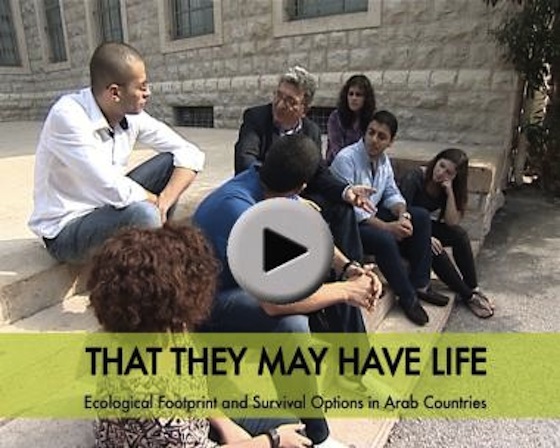
that they may have life afed aub green youths arab world documentary movieStudents from the American University of Beirut have worked with the Forum for Environment and Development to create a documentary on the environmental challenges facing the Arab world

The youth of the Arab world have had a particularly inspiring – if turbulent – last couple of years. Protests, revolutions and taste of real empowerment has made it into their lives and encouraged them to work to shape the future they want. As well as political corruption, one issue that is worrying young people is what the future holds if climate change isn’t dealt with. The formation of the Arab Youth Climate Movement ahead of COP18 has seen some of that concern realised into action. Now, students at the American University of Beirut (AUB) have worked with the Forum for Environment and Development (AFED) to create an informative and touching documentary on the environmental challenges facing the Arab world titled ‘That They May Have Life’.

Urban Graphic Design Exhibition Shakes Up Tehran

0

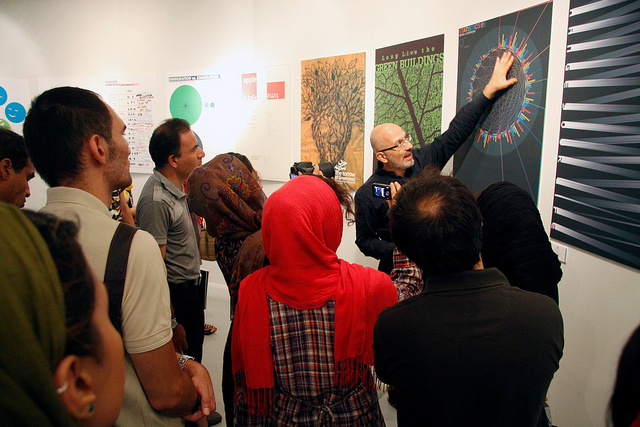
Exploring issues such as clean energy and air pollution, the FeliCity exhibition in Tehran focuses on the need for green solutions

The environmental state of Iran is far from rosy. Pollution is amongst the highest in the world, their groundwater supplies are being overexploited and lack of food security means Iranians are turning veggie (part-time, of course). There is hope however that all these problems could be resolved and the solution may even come in the shape of green graphic design. That’s what the secretary of an Italian design festival titled FeliCity which was hosted in Tehran recently insists. A firm believer in the “power and importance in graphics in ordinary life”, Stefano Meneghetti says that highlighting the problems experienced in urban life can help encourage innovators to explore solutions as well.