
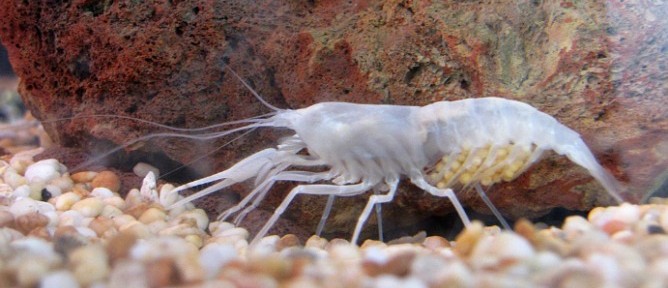
 When Noah was told by God to load two of all animals onto a special hand-built ark, there was no mention of the blind shrimp species found only in Israel. There probably was no need to protect the small crustacean living happily underwater – until now.
Blind Shrimp Spared from Extinction at Bible Zoo in Jerusalem
Flight Attendants as Maids? Airline Should Clean Up Its Act


A Chinese airline attracted a media mess after announcing plans to dress its cabin crew as maids and butlers. Low-cost carrier Spring Airlines unveiled the uniforms as part of a special promotion posted on its corporate Facebook page, according to Shanghai Daily. The airline posted, “We’re mixing up our flights with some fun on-board themes – like these maid and butler costumes.”
But the the Shanghai-based carrier’s plan to attract passengers with goofball “theme flights” backfired, instead attracting global criticism, particularly on social media. The sexy-baby maid theme is particularly inappropriate for the Middle Eastern market. Not only is the immodest attire offensive to Islamic sensibilities, the reality of Asian domestic workers in this region starkly contradicts the cutesy-costumed crew.
Renault Gives Up on Israel’s Swappable Electric Car Batteries
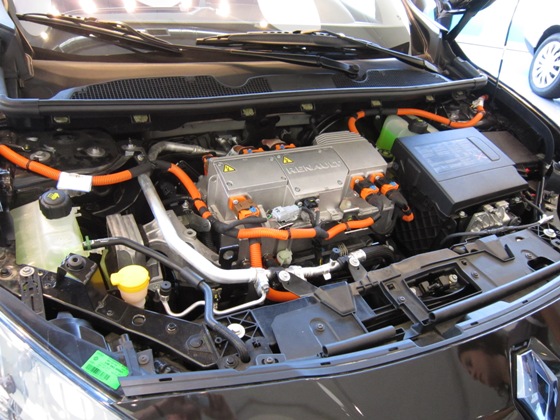

The Israeli EV company Better Place hasn’t been having an easy ride. Despite nearly a billion dollars in investment Better Place has failed to really convince the Israeli public that a swappable electric battery is the way to go.
Its partner car and battery builder Renault have also lost the faith in Better Place
Animal Welfare Disaster in Egypt Forces Australia to Suspend Live Exports
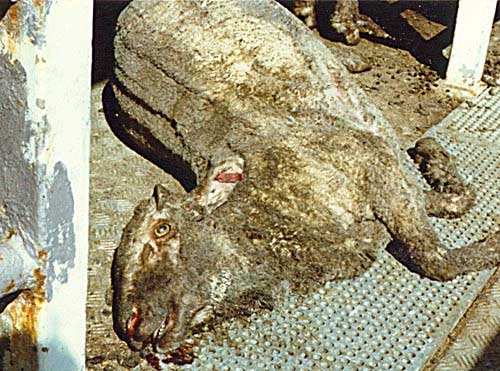
Live animal exports to Egypt from Australia have been suspended after Animals Australia – a leading animal rights organization who has exposed cruelty in the controversial export trade – revealed new evidence of widespread animal cruelty in the North African country.
10 Best Beach Holidays in the Middle East

You might not be able to strut around in a thong or sun tan topless in the Middle East (unless you are at the Naked Dead Sea), but there are many beautiful beaches in the region that just don’t get enough fanfare. That’s why we have rounded up ten of the most sublime sandy destinations.
Israel Arrests Ten 269life Animal Rights Activists, 300 Protest in Tel Aviv

 As part of their campaign to make “the walls of slaughter houses transparent,” a guerrila animal rights group in Israel recently scattered the heads of decapitated animals in public places throughout Tel Aviv and surrounding neighborhoods.
Last week police arrested ten 269life activists in connection with these rather visual public protests, which included dyeing the water of fountains red to resemble blood. Today 300 animal rights activists descended on Tel Aviv in a show of solidarity eclipsed only by the tent social protest movement.
Superpower “Laxative Nut” Jatropha Tree Could Solve Egypt’s Fuel Crisis
In Egypt, people often have to line up for hours to fill their cars and trucks with diesel fuel – particularly during summer months when it comes at a premium.
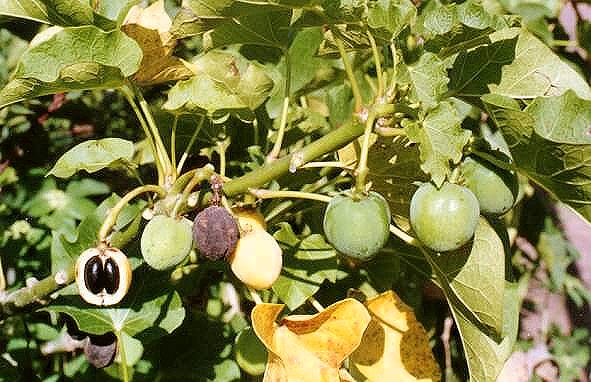
Concerned to ease these shortages, as well as pollution and climate change, Egyptian agricultural engineer Wadad Khaireddine is pushing to grow a desert full of “Laxative Nut” trees. More commonly known as the Jatropha, this wonder tree has multiple benefits: it fights desertification, requires very little water, and – most importantly – can be used to provide biofuel.
Iranian Recycled Stone Apartment #1 Among 2013 Aga Khan Architecture Award Nominees

 Every three years, the Aga Khan Architecture Award acknowledges projects relevant to Islam that are culturally, environmentally and socially superior. Accompanied by a generous $1 million prize, it is among the world’s most prestigious architecture awards.
Apartment #1 by Tehran’s Architecture by Collective Terrain is one of 20 projects nominated, and though it faces stiff competition from projects like the Thula Fort Preservation project in Yemen, the recycled stone complex is an excellent example of the work that the Aga Khan Development Network likes to support.
Thula Fort Restoration in Yemen Nominated for 2013 Aga Khan Architecture Award
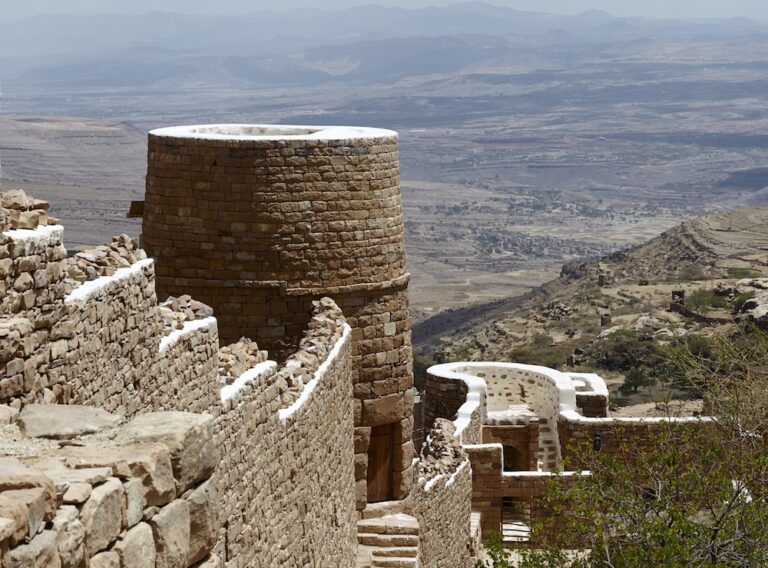
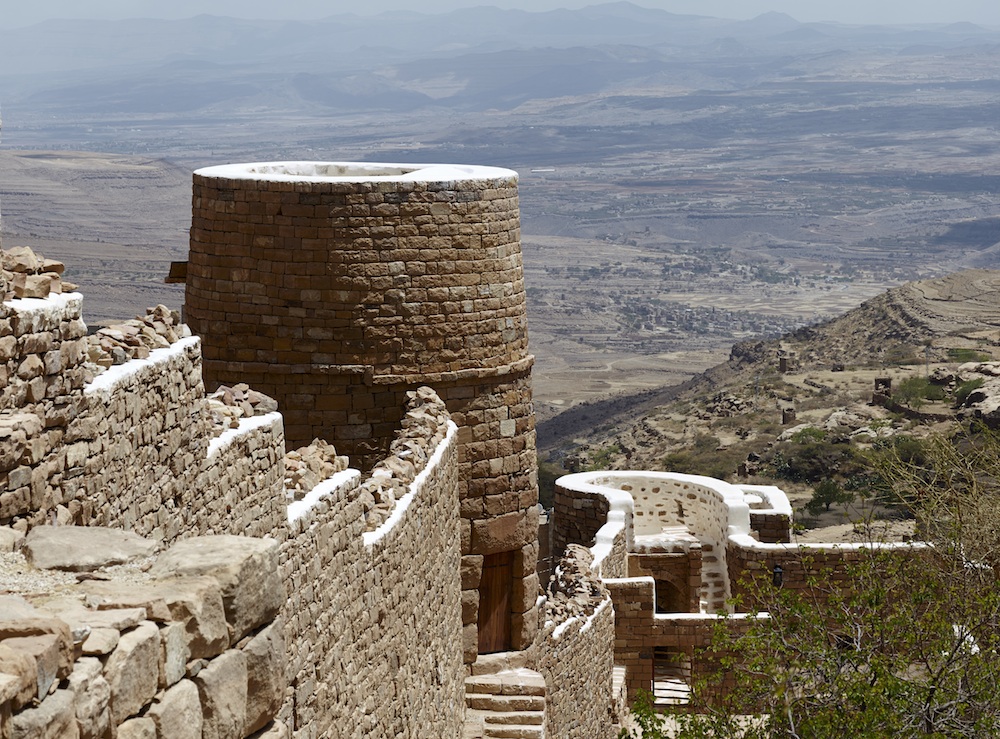 To the outside world, Yemen is an obscure distant land where Al Qaeda terrorists hang out and men sit around chewing khat, but to its own residents and others familiar with the Middle East, the land harbors a treasure trove of historic artefacts (and so much more).
Not only does Yemen have one of the largest collection of multi-storey clay towers, otherwise known as Manhattan of the desert, but it also boasts an impressive collection of stone buildings that date back to the 1st millennium BCE. This includes the Thula Fort in Sana’a, which is one of 20 nominees for the 2013 Aga Khan Award for Architecture.
Chickpea Farmers Wanted in America for Hummus Invasion: Move Over Tobacco!
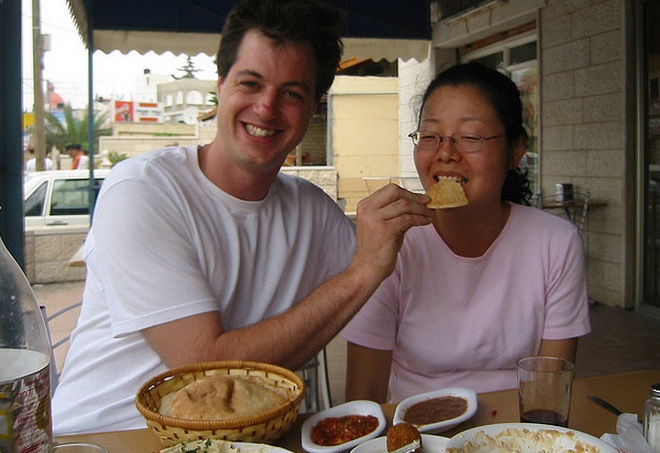
As hummus, a staple of Middle Eastern cuisine, gains popularity among Americans seeking healthful snacks, tobacco farmers open their fields to chick peas and Pepsico undertakes to develop new hummus food science with an Israeli company, Strauss. Both businesses see massive potential in developing American chick pea strains for a number of good reasons, some perhaps less good. Let’s start with the good: homemade hummus or that bought from a kiosk which makes it fresh, is high in protein, low in salt and fat, and can be free of artificial additives. Made with inexpensive chickpeas, it can easily be whipped up at home.
But in America, the Mecca of fast food, the quickest way to a consumer’s heart is through store-bought pre-made, conveniently packaged eating opportunities.
Market-research firm Information Resources Inc. says US food retailers rang up $530 million in sales of “refrigerated flavored spreads” (a food category dominated by hummus), a 25% jump over 2010.
That chickpea-jonesing trend (it’s also a crunchy snack!) has caught the attention of major food companies like Sabra Dipping Co. (a joint venture of PepsiCo, Inc. and Israel’s Strauss Group Ltd), and Kraft Foods Group, Inc., which owns Athenos, another big hummus brand.
Sabra hooks Americans on hummus through free sampling events staged in major cities, distributing over ten thousand 2-ounce tasting packages in a single day. The company kicked off its first national television ad campaign earlier this year.
Sabra 2012 sales reached an estimated $315 million.
Like quinoa shortages, tiny chickpeas have become a hot commodity and forward thinking manufacturers are preparing for a potential shortage.
To meet demand, Sabra’s manufacturing plant near Richmond, Virginia will undergo an $86 million expansion. And to reduce its dependence on the primary chickpea-growers in the Pacific Northwest, Sabra wants to cultivate a commercial crop in Virginia.
“We need to establish the supply chain to meet our growing demand,” says Sabra’s chief technology officer, Tulin Tuzel. “We want to reduce the risk of bad weather or concentration in one region. If possible, we also want to expand the growing seasons.”
Sabra also seeks to identify new chickpea varieties.
Sourcing chickpeas locally will lower shipping costs, and come with a healthy perk of reduced transportation emissions.
So Sabra is lobbying farmers in the heart of American tobacco country to grow chickpeas, an easy sell as declining cigarette sales has dramatically changed the economics of farming tobacco.
Compared with corn or wheat, chickpeas are a tiny crop, but lucrative.
Last year’s US harvest reached a record 332 million pounds, up 51% from 2011, with a record value of $115.5 million, according to the USDA.
In addition to heightened hummus production, chickpea demand from Spain, Turkey and Pakistan also has led farmers to increase plantings.
But it’s not a simple substitution of seeds: experts say the state’s high summer heat and humidity could prove a significant obstacle to chickpea viability. (Is this an invite for genetic modification?)
With Sabra financial support, Virginia State University is working on identifying a variety more suited to the climate. Agronomist Harbans Bhardwaj thinks Virginia farmers may be able to grow the crop on a commercial scale within three years. The university has recruited farmers to plant on-farm trials.
According to the Wall Street Journal, James Brown, a 72-year-old tobacco, corn and soybean farmer in Clover, Va., said he knew nothing about chickpeas when an agent from Virginia State called him several months ago and asked if he would plant the bean.
He said he jumped at the opportunity because he is looking for ways to make his roughly 300-acre farm more profitable.
Brown planted four acres with chickpeas in mid-April. That week, his wife served him the first chickpeas he’d ever eaten. “They tasted pretty good,” the farmer said.
Image via soggydan
Ask Geoff – How To Grow A Forest Garden & Free Permaculture Videos
Permaculture teacher Geoff Lawton who is currently based in the Middle East answers all your growing questions
Permaculture power couple Nadia and Geoff Lawton, currently based in Jordan, have released a series of great (and free!) Permaculture videos online. The videos are basically a how-to guide of applying Permaculture principles, things to consider before buying a property and how to grow on a budget. They are all well produced and are a great, practical guide to growing using Permaculture principles. All you have to do is sign up (and they promise never to sell, rent, give or divulge your email information to anyone) and then you’ll have access to the videos as well as pdf downloads.
Loggerhead Turtles: Omani Kids Hit Masirah Island to Protect World’s 2nd Largest Population
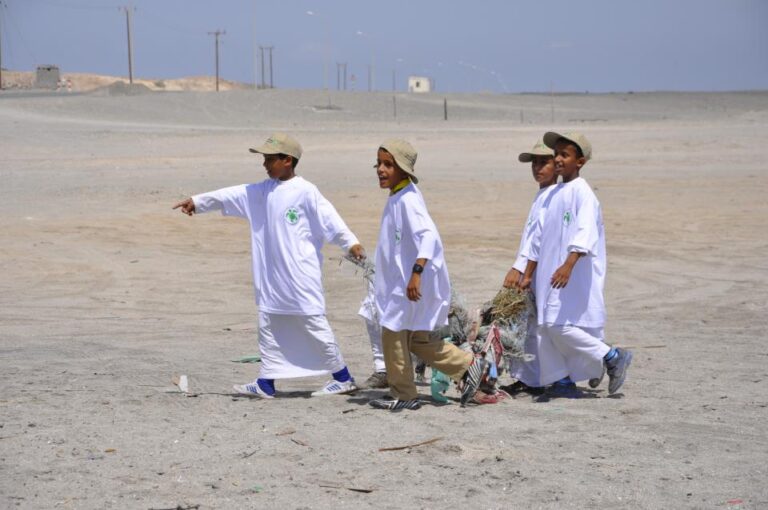
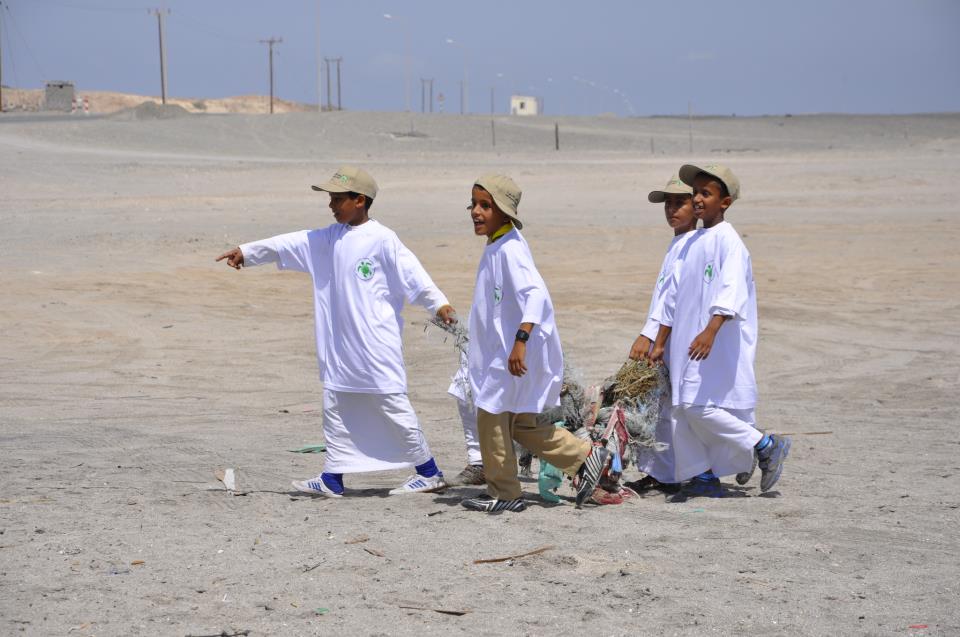 Oman is a small and increasingly popular country that borders Abu Dhabi, the home of Masdar City and the Shams 1 concentrated solar power plant, and it is hosts the world’s second largest population of Loggerhead Turtles.
Listed as vulnerable by the International Union of Conservation (IUCN), these marine turtles can weigh anywhere from 300 to 1,000 pounds, but their populations have steadily decreased as a result of development, pollution, and other habitat disruptions. Enter the Environment Society of Oman’s fourth annual Masirah festival.
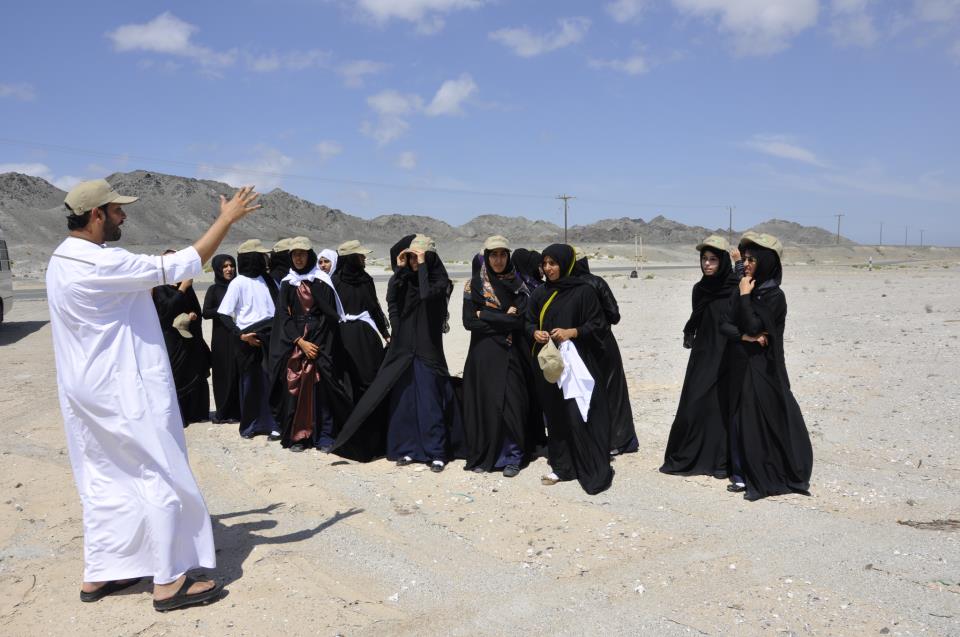 There are 15,000 Loggerhead turtle nests scattered around Oman, which lies on the Indian Ocean, but Masirah Island, a 649 square kilometer stretch of land located off the east coast of Oman, has one of the highest concentrations of turtles.
Albeit relatively sparsely populated with just 12,000 people living in roughly 12 villages, the turtles require protection to ensure their habitat stays clean and their nests remain undisturbed.
 Every year for the last four, ESO has held the Masirah Festival to make children in particular more aware of the endangered species’ plight and to get them excited about keeping their environment as unspoiled as possible.
And since Omanis love football as much as most in the Middle East, the festival includes a friendly series of football matches.
This year, the oil company BP is sponsoring the festival. A fixture in the Sultanate since 2007, the oil giant signed a contract with the leadership to liberate a particularly difficult to reach gas field with reserves located 4-5 kilometers below the ground.
“We are delighted to support ESO for this unique project to help preserve wildlife in Oman,” Daniel Blanchard, general manager, BP Oman told Muscat Daily.
“Being environmentally aware is important in our own operations and it is important for the community. We believe that efforts put into educating the community on environment will reflect two-fold in future generations.”
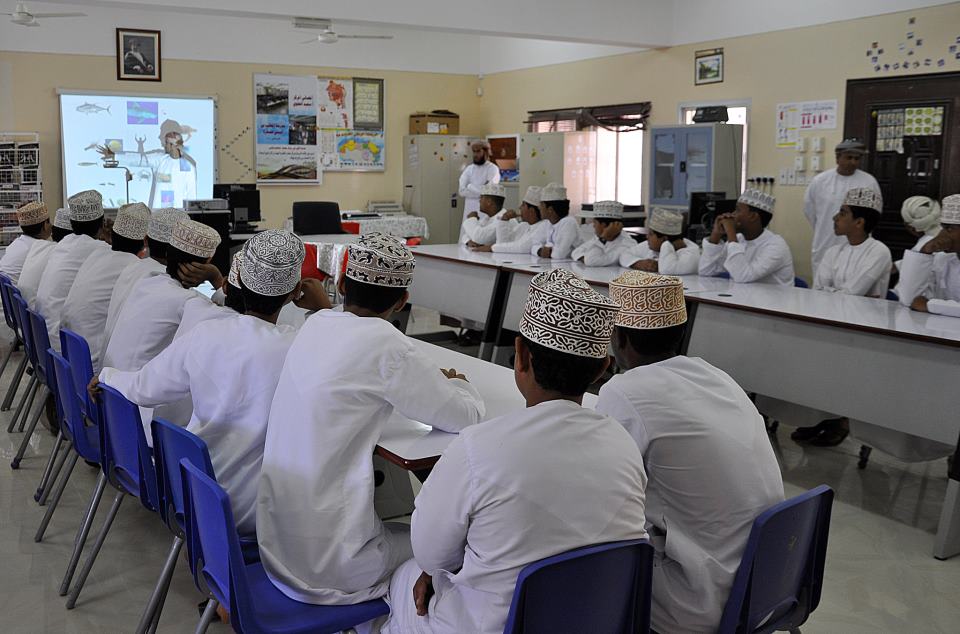 All scoffing aside (after all, this is the same company responsible for the Deepwater Horizon crises in the Gulf of Mexico), they are sponsoring a deeply valuable project that includes lectures for students and schools and a massive beach clean up campaign.
“We hope to instill environmental awareness and values in youths and members of the community to ensure that the Masirah Island nesting area is protected as one of the two largest nesting areas for Loggerhead turtles in the world,” ESO’s community outreach manager Omar al Riyami told the paper.
Meanwhile, the Omani boys and girls aren’t the only turtle heroes and heroines. Check out this wonderful video of an eco-crusader who frees a trapped turtle while kayaking in the remote area between Masirah and Shuwaymiah.
All images via Environment Society of Oman’s Facebook page
America’s First Hijab Design Competition Turns Tradition on its Head

It’s true that a preponderance of Muslim women are shrouded in unflattering chadors and hijabs that hardly permit a crack of light, but American women are turning to more fashionable (and environmentally friendly) ways to achieve the modesty called upon by their Islamic faith.
Founded in order to promote a culture of peace and tolerance in the United States by human rights attorney Shaz Kaiseruddin, the inaugural hijab design competition held in Chicago over the weekend was a huge hit. From elaborate coral arrangements to wraps piled high on models’ heads, the show turned out a surprising variety of 21st century hijabs that both honor and turn tradition on its head.

Sarah Musa, second from the left, won the grand design for the camel quilted ensemble worn by her sister standing right next to her.
Sold out to a diverse audience, the design competition had a star-studded panel of judges that included such luminaries as designer Nailah Lymus, who was dressed for the occasion in a wild, avant-garde outfit, Parsons Professor Shireen Soliman and Dr. Aminah McCloud, a Muslim American scholar.
“Derek Khan, America’s Next Top Model guest judge, was the biggest critic of the group-which was an essential role” said Shaz, whose dream it was to show that hijabs are as “American as blue jeans.”
“The event showed that the hijab does not have to be an after-thought, consisting of just a color matched scarf. It can be integrated into the attire, enhancing the overall look and elegance,” her father added.
The design competition was open to non-designers to present their American-styled hijab and styles and promotes an end to the violence, hatred and discrimination that Muslims often face in the United States.
“Seeing my dream become a reality made me want to help everyone experience the same and pray everyone has a team that will help push them past naysayers,” Shaz said in a recent press release.
She received particular support from her husband and father, Ahmed Minhaj and Mohammed Kaiseruddin.
The grand prize was awarded to New York’s Sarah Musa, whose design included an entire ensemble that makes the traditional Arab scarf look like a table cloth.
A quilted camel-colored shirtdress hangs over slim pants while the head covering consists of a turtleneck with a head cap – almost like a hoody but much more classy. The outfit modeled by Musa’s sister, who does not normally cover herself, is completed with a pair of boots.
Yasmeen Sabir won the style component for a tropical scarf coupled with a coral motorcycle jacket, boyfriend jeans, a yellow cardigan, and gravity-defying blue heels .
Clock Book – Recipes From a Modern Moroccan Kitchen, by Tara Stevens
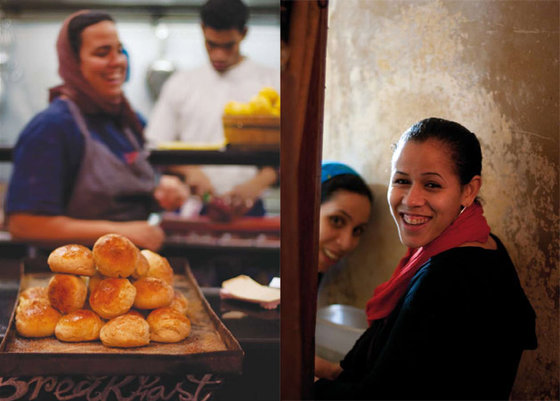
We’ve posted about the Cafe Clock blog here, including the recipe for its famous camel burger. In this delightful cookbook, Stevens includes recipes from the Cafe Clock as well as some traditional Moroccan dishes that she discovered herself. Her warm, frank tone and the stories that introduce many of the recipes almost bring the reader to the Café and the alleyways of the medina.
The Gulf Monarchies and Climate Change – A Book Review
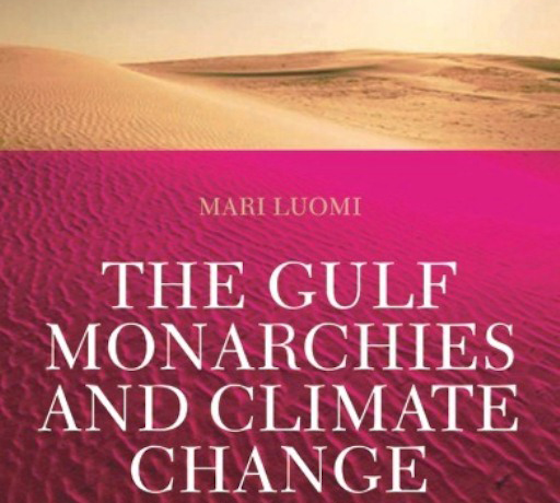
Working in Qatar has clearly given the academic Mari Luomi access to lots of information about the climate change rhetoric and reality of the Gulf. It also puts her in a rather awkward position in terms of being able to voice her criticism. After interviewing Luomi for Green Prophet around a year ago, however, I was really interested in reading her forthcoming book. And I wasn’t disappointed. It’s an honest portrayal of the region with a focus on Qatar and Abu Dhabi and the complex factors at play which mean the two countries have taken rather divergent paths to dealing with climate change.