
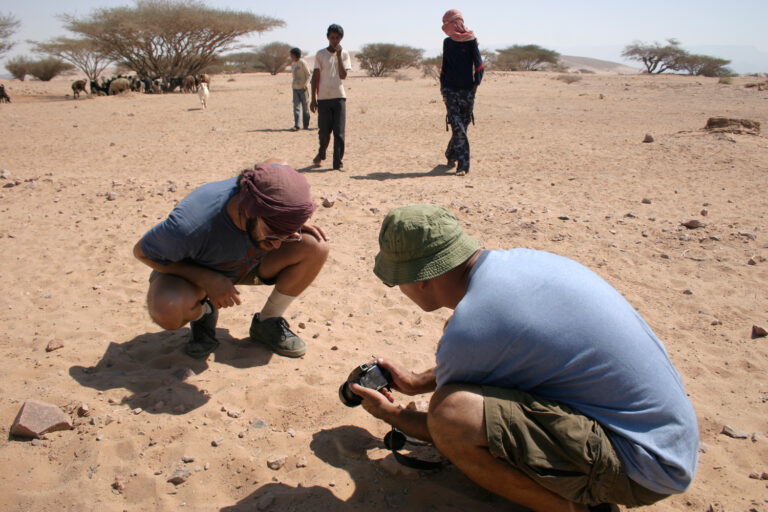
 The “Field Guide to Jordan” is a fantastically comprehensive book that uses beautiful photographs and concise descriptions to introduce locals and visitors to the kingdom’s natural wonders. The guide is the end-product of four years of dedicated research and photography by author Jarir Maani and his band of contributors (composed mainly of friends and family).
Jarir Maani’s Field Guide to Jordan is Essential Trekking Gear (Interview)
Summer Solstice Wattage Waste Watch


Here is a summer solstice challenge for northern hemisphere Green Prophet readers. How many outdoor electric lights are shining at the sunny sky during the longest days of your summer?
IKEA and UN Unveil Prefab Solar-Powered Refugee Shelters
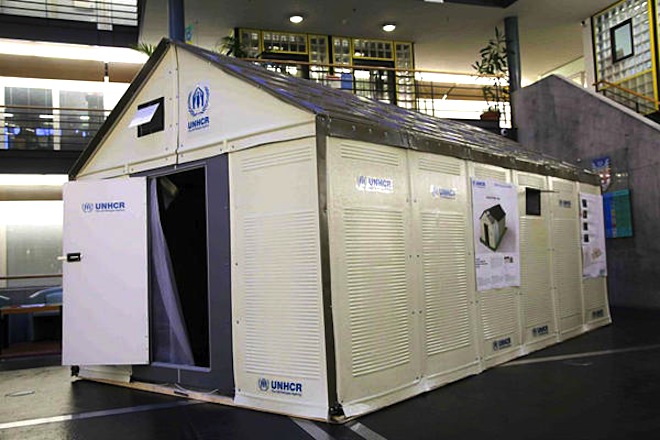
The ongoing Syrian conflict has put refugees at their highest number since 1994 – a terrible year for the people of Rwanda and Yugoslavia; this year – in time for World Refugee Day – IKEA and the UN refugee agency (UNHCR) have unveiled a solar-powered home.
Ron Arad Immortalizes Six Fiat 500s by Crushing Them for Israeli Art Exhibit

Israeli artist and designer Ron Arad has expressed his love of Fiat 500s in a curious way as part of an art exhibition at the Holon Design Museum near Tel Aviv: he crushed them, then he embalmed them, and now they are hanging on the wall of an art gallery in his birth country.
4 Ways to Green Your Gold


Middle Easterners blessed with oil wealth love to flaunt their gold. Don’t be surprised to find gold bars sold at dispensing machine in Dubai or driving around Abu Dhabi as white gold Mercedes. But there are ways to green your gold.
Gold is not just a stable element on the periodic table, it is also used as “savings” in times of financial instability. While financial markets around the world fluctuate, gold pretty much remains stable.
Gold is a thing of beauty that like other resources on this planet can be ecologically mined and recycled.
Historically there were ancient mines in the Middle East along the Mesopotamian river. In today’s times, there are few known sources of gold in the Middle East except for Iran and the new Alsukari mine Egypt on the Red Sea.
With gold mines operating throughout the world in developed and non-developed nations alike, there is hidden environmental damage that goes along with the gold mining industry. Industrial gold mining usually emits contaminants to rivers, lakes and seas. In order to maximize gold extraction, mercury and cyanide is often used to amalgamate with the metal. See this organization Earth Works to be more informed on what companies are polluting, and how bad the situation is for the planet.
Gold that is mined using unfair labor is also ungreen, because this kind of gold takes advantage of people, and doesn’t give back to the local community. People who don’t demand proper protection and work conditions are prone to die from faulty mine construction if the mines collapse.
Like Blood Diamonds, there can be dirty gold.
How to buy cleaner gold?
If you are in the market for gold and looking for gold for sale, whether for investment purposes or for small items like a wedding band, try and make your purchase a little greener.
1. Choose mines that use greener methods for gold extraction
A mining group in Colombia, for instance, are using natural plant-based materials from the leaves of balsa trees instead of mercury to separate their gold. It is being dubbed as “organic gold” and can fetch premium prices.
2. Buy gold where fair trade practices are being practised
The Fairtrade Foundation in the UK provides information on how to buy the most ethically produced gold. According to the organization, “buying Fairtrade gold makes a real difference to the lives of miners, their families and communities.
“Jewellery with the Fairtrade gold stamp is extra special. Buying it means you know the small-scale and artisanal miners were paid a fair price, giving them financial security. They also receive an extra amount of money to invest in building the future of their families and their communities, through education, medical care or environmental projects.”
3. Regift or recycle heirloom gold items
Ask your loved one or family members if there is any old gold in the family that could be used as an engagement ring or wedding band. (Or to pimp your ride). If you don’t like the style, ask a jeweller to update the fashion, or get your old gold remelted into something more your taste.
Some women in the Middle East still wear their gold instead of putting money in the bank. This can be a smart and sustainable way of saving. But when you are buying new gold, know: you can’t take it with you, but you can buy gold that leaves our planet a little greener, and better. If you have the money and resources to find it, then why not?
Strangely, Muslim men according to their practice level, may not be permitted to wear gold. This could explain the love of gold and gold leaf on objects of desire around the Middle East.
4. Buy gold from “awoke” companies committed to improving the planet
According to Catherine Raw, Chief Operating Officer, North America for Barrick Gold, it’s time for gold mining companies to wake up to the idea that investors are aware and want corporate social responsibility (CSR) or ESG (Environmental, Social and Governance) criteria to be met when they invest.
Environmental, Social, and Governance refers to the three central factors in measuring the sustainability and societal impact of an investment in a company or business.

ESG, a concept that is here to stay, says Raw to The Northern Mining news:
“ESG is not a new phrase, corporate governance, social responsibility, licence to operate, sustainability, these are all words that have been going on well at least since I came out of university,” she tells the mining magazine.
She elaborates: “I remember I did a course on how can mining be sustainable given it is exploiting finite resources. So this challenge is really only relevant today because the specialist investors that understood these risks and could deal with these risks are no longer the marginal buyer of mining stocks.
“The marginal buyer of mining stocks is now either the passive fund, that needs to justify its existence in the world, and so it claims it’s that oversight and corporate governance and ESG focus that it applies to all of its investments that is the way it adds value; or it’s the generalist investor, the institution, that is not used to taking the kind of risks that exist in our industry.
Raw cautions: “When you own a supermarket, or you own a retailer, or you own a tech company,” she added, “you don’t have the same kind of exposures. However, this can be a driver or has the potential to drive but noted that this is a driver or has the potential to drive M&A activity because investors are identifying management teams they trust, those management teams who are able to mitigate or manage the risks associated with ESG issues successfully and have a track record to do so. And those companies that slip up, are getting punished in a far greater way than they ever have done in previous cycles.”
Barrick Gold Corporation (NYSE: “GOLD”; TSX: “ABX”) is the second largest gold mining company in the world. Barrick has established joint ventures with a number of gold companies.
The nature of the gold mining business today is moving ahead with mergers and joint ventures, and this approach will obviously have a knock-on effect to smaller and younger companies, and the way they approach ESG and ecological and social issues while drilling and mining.
The DRC, as one of the most mineral rich countries in the world, could benefit from some sane environmental governance. A surprising story here about how a Jordan bank bought a forest in the DRC to support an Islamic charity. It also highlights some folly and what we can learn when we try to impose our value system on others.
The importance of ESG can be heard at a recent event in Capetown, covered by The Financial Times, where Barrick head Mark Bristow basically said that if you are not part of the ESG ecosystem you will be irrelevant.
He was quoted as saying: “Even late capitalism’s supposedly unvarnished practitioners have suddenly discovered the merits of a social conscience and are now saying they won’t invest in a business that doesn’t have a satisfactory ESG,” Mr Bristow told the Investing in African Mining Indaba in Cape Town.
“To those people I say . . . welcome to the club. I have been arguing for a long time that a good business also has to be a good citizen particularly in emerging countries,” said Mr Bristow.
ESG is proving to shore up investments in the long run
According to Forbes: “Firms that pursue better ESG practices have higher quality management and better stock performance.
“Modern portfolio theory says that if an investor limits the pool of possible securities to choose from, the probability of maximizing returns for a given level of risk is reduced. But limiting the pool of possible securities based on ESG criteria has the opposite effect. The reason is that ESG criteria are key indicators of management quality, which helps avoid stock specific risk in a market with imperfect and asymmetric information.”
Refutrees Scratches Eco and Social Itches with Refugee Projects
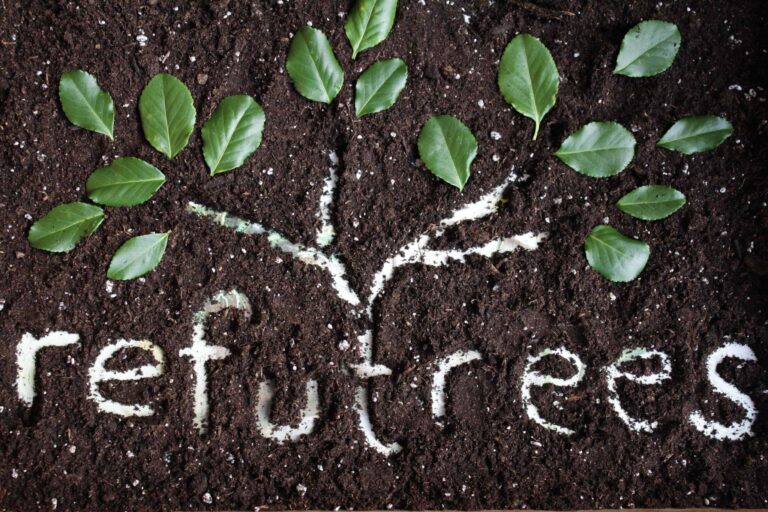
 Today is World Refugee Day. Some good news for a change: Refutrees is a new non-profit that’s turning the traditional aid-centric model of development on its head. These self-described “creativity agents” place particular focus on people displaced over the long-term. They’re currently working on projects for Palestinian refugee camps in the West Bank and Lebanon.
New Hairy Stocking Fashion Thwarts Mingling Between the Sexes
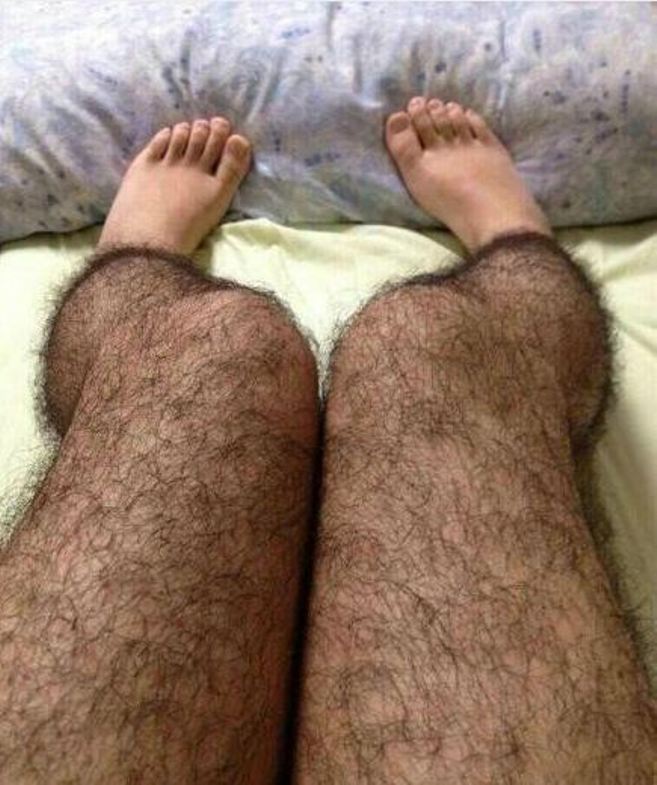
Women weary of ogling men can now deflect attention with a pair of hairy stockings. The fuzzy fashion accessory is a runaway hit after pictures were posted on Sina Weibo, the Twitter of the Orient.
Turkey: Whopping 9GW of Solar Projects Submitted in Five Days
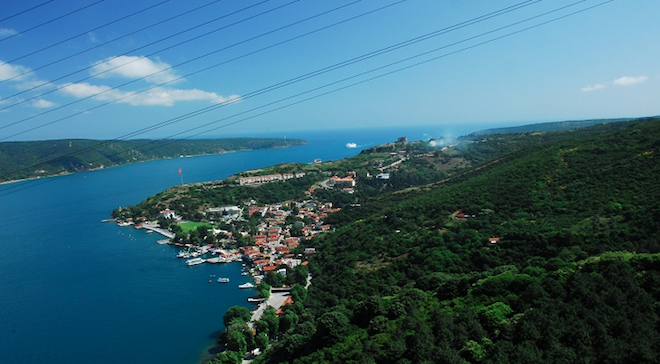
While political unrest continues to simmer in Turkey, elsewhere business continues apace. The country recently invited expressions of interest to participate in a Feed-in-Tariff (FIT) clean energy pricing scheme for solar energy generation projects larger than 1MW. Within a mere five days, 500 applications poured in.
Dubai Green Store Dubbed “World’s Most Sustainable Building”
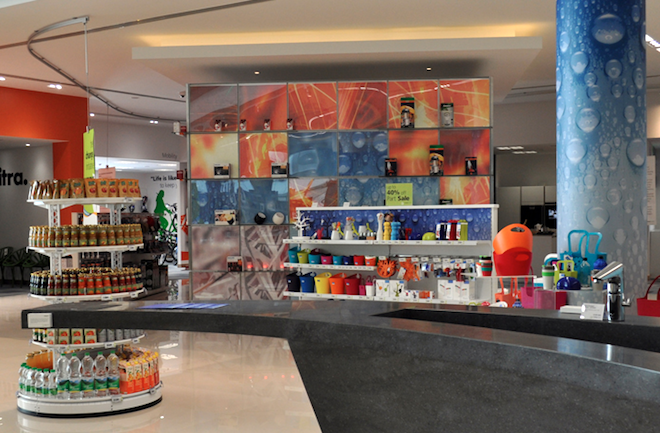
Gundeep Singh used to own a yacht and a porsche before he turned over a green leaf to open what is now known as the “world’s most sustainable building.” Located at Sheikh Zayed Road in Al Barsha, Dubai, The Change Initiative stocks an array of eco-lifestyle products and recently earned LEED Platinum from the USGBC.
Venomous Lionfish Set to Invade the Mediterranean – Are You Ready?


 A new “invasive species” of marine life may be on its way to the Mediterranean – one that is both attractive as well as unpleasant – and even poisonous. Known as the Lionfish or Pterois Miles, this colorful and exotic looking fish has already invaded both the Caribbean Sea and Atlantic Ocean.
THIS Miswak Toothbrush Founder to Launch Middle East AIGA Design Chapter at Beirut Design Week
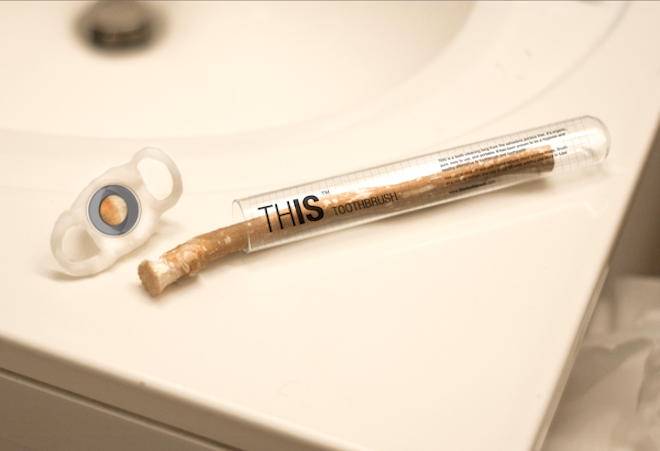
The founder of THIS – a small design company that is distributing a contemporary version of the Miswack, an organic, biodegradable, all-natural toothbrush that could potentially render both toothpaste and toothbrushes obsolete – is launching a Middle Eastern chapter of the AIGA design hub at the upcoming Beirut Design Week.
Israel Solar Setback as Siemens Fires 150 from Solel Plant
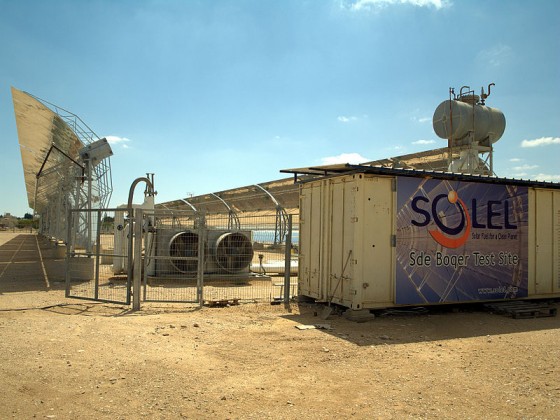
Siemens, Germany’s giant electronics firm, appears to be in final stages of pulling out from its investment in Israel’s Solel Solar initiative. The four-year project began in 2009, when Siemens entered into an agreement to buy the Israeli solar company. The beleaguered solar energy projects company received what seems to be a death knell.
Siemens recently announced the firing of 150 of its remaining 200 employees, leaving only a technical staff of 50 employees to deal with some solar energy projects in Spain.
News of this action appeared Sunday in Israel’s Globes financial newspaper, which reported that the action was due to Siemens not being able to find a buyer for the ailing thermal solar projects company.
Solel Solar became known as a global leader in building solar thermal fields, using parabolic mirrors that concentrate the solar energy onto solar thermal receivers containing a heat transfer fluid. The heat transfer fluid is circulated and heated through the receivers, and the heat is released to a series of heat exchangers to generate super-heated steam.
The steam powers a turbine/generator to produce electricity delivered to a utility’s electric grid. Although the company did supply solar thermal plants for some projects, including some in Spain, there has been controversy surrounding using large solar mirror projects which environmental experts fear may cause blindness to animals living in the areas when the solar mirrors are erected making them a “death Knell” for area wildlife.
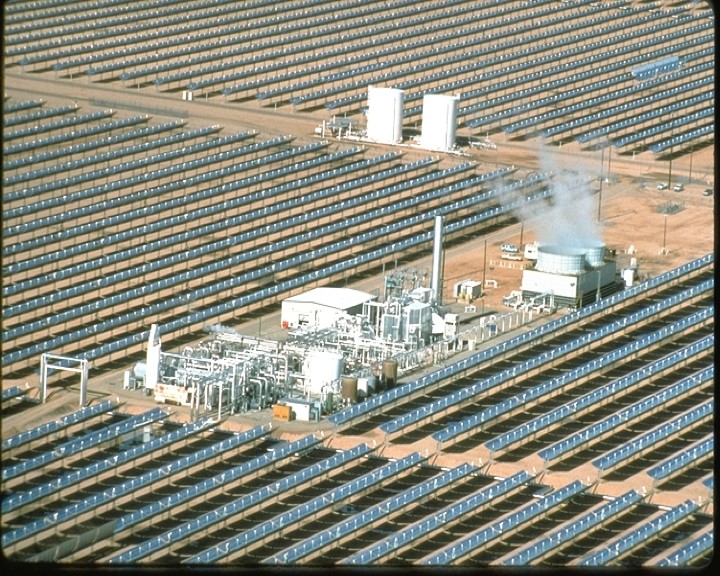
Siemens acquired Solel Solar in 2009 for $418 million USD and at its peak 400 employees worked there. Besides the environmental issues, the thermal solar technology used became too expensive to compete in a declining solar energy market where photovoltaic solar panels were also having market problems. Siemens made a decision in late 2012 to quit the solar energy business.
A Spanish company, Abengoa SA had made a previous offer to purchase Solel Solar from Siemens. It later withdrew the offer when it became apparent that the future of the solar energy market was uncertain. Siemens has lost “hundreds of millions of Euros” in the project.
Read more on Siemens and Solel Solar:
Siemens Exits Israel’s Solel Solar Initiative
German Giant is Selling off Solel and its Solar Assets
New Study Shows that Negev Solar Farm is a Death Knell for Wildlife.
Taksim Redux? Lebanese Protest Over Loss of Beirut’s Ancient Jesuit Garden Park
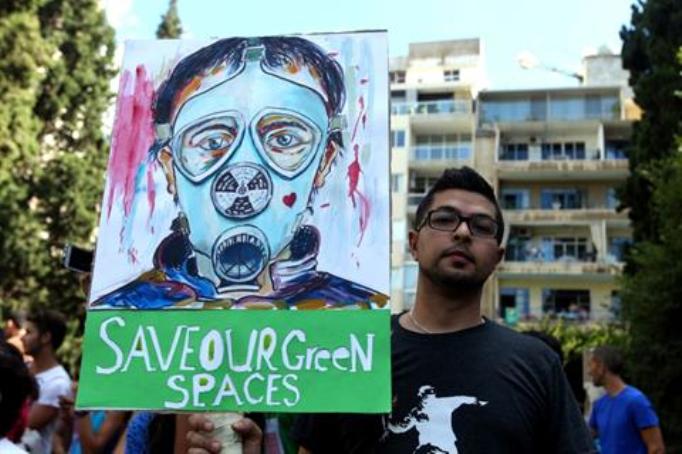
In a Middle Eastern city with paltry green space, residents gather to object to new development that will destroy one of their few public parks. Sound familiar? Spin the globe, but this time stop at Beirut in Lebanon.
Environmental Protests of the Middle East Show Eco Awareness in Arab World

During the last six years, the words energy security, water security, and food security could be found a lot in the Arab media. Since most of the Arab media is controlled by the Arab regimes, the appearance of these items shows that the environmental awareness of the Arab regimes has been on the rise.
Qatar’s Eco-Fashion Design Winners from World Environment Day

World Environment Day festivities came to a close on Friday, June 7 in Qatar as participants in the celebration’s green competitions were crowned winners. The message of the celebration is to save resources for future generations, an important message for the emirate hooked on natural gas and cheap non-renewable resources.
In Qatar, things are looking up: The celebration has grown more successful over the years in terms of participants from schools, colleges, and the larger community. This year, more than 5,000 families and 3,000 contestants participated the celebration’s festivities and competitions.
The celebration’s newest competition, the eco-fashion design competition, was successful for its first year. The competition saw close to 200 entries with more than 500 student participants. Young models showed off the designs that were made out of recyclable materials.
The top three winners of the competition were from AIS Designers, Eco-Friends, and PECians.
The winners were awarded with cash prizes, Apple iPads, Faber-Castell Premium Products, gift vouchers, certificates, trophies, and many more.
Katia Aboud Saba, who is head of PR for Oryx GTL, a sponsor for the event, said, “While the contestants and other activities associated with WED were about having fun, they aimed to convey a serious message. Through WED, we wanted to teach children about the importance of environmental care and conservation in fun and creative ways to drive this message back home.”
Aside from the eco-fashion design contests, winners for the painting competition were also announced. Along with the crowning of the winners, the closing ceremonies also featured musical and dance performances by students of International Academy for Intercultural Development.
Here’s hoping for another successful World Environment Day celebration next year!