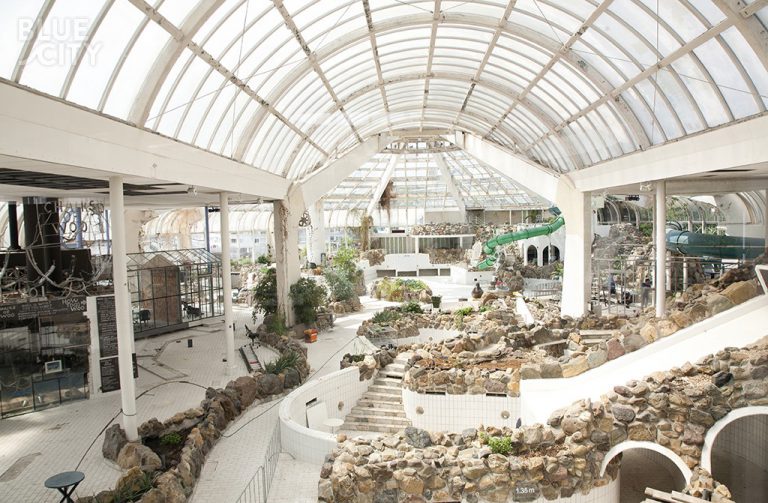
Blue City, smart city, renewable energy city: Rotterdam has it all
Back in the day when we started Green Prophet, “circular design” was a new buzzword and mostly just a slide in a PowerPoint deck—something sustainability consultants pitched people who knew nothing. In 2025, it’s different. Circular design isn’t just theory now—it’s practice. It’s policy in some of the boldest companies, cities, and thinkers who are reshaping the future.
The idea’s simple, at least on paper: instead of designing products that end up as waste, we design them to stay in circulation. You don’t throw it out—you fix it, rework it, compost it, or break it down for parts. But circularity today goes far beyond recycling. It’s about designing out waste from the very beginning—and building systems that restore, not just reduce.
Here’s what circular design actually looks like now—and where it’s heading.
We start with taking things apart: Literally. In a world full of glued-shut gadgets and planned obsolescence, modularity is the quiet revolution. Look at the Fairphone 5, made in the Netherlands. It’s not flashy. But if your camera breaks or your battery dies, you can swap them out with a screwdriver. That’s the whole point. No Genius Bar. No landfill. Dutch common sense. That’s my ancestry.
Fairphone
Designers in 2025 are choosing materials based not just on what they do now—but on what they’ll become next. Fashion is leading the charge. Stella McCartney’s working with Mylo, a mushroom-based leather you can compost. Pangaia’s printing T-shirts from seaweed and dyeing them with bacteria. It sounds like science fiction, but it’s already in stores.
Vegan mushroom leather, Mylo
Architecture might be the most exciting space for circular innovation. In Brussels, the government built the Circular Pavilion using 95% reclaimed materials. That’s right—steel beams from old train stations, floors from shuttered schools. In the UK, a startup called Biohm is creating wall panels and insulation out of mushrooms that clean your air and return to soil when you’re done with them.
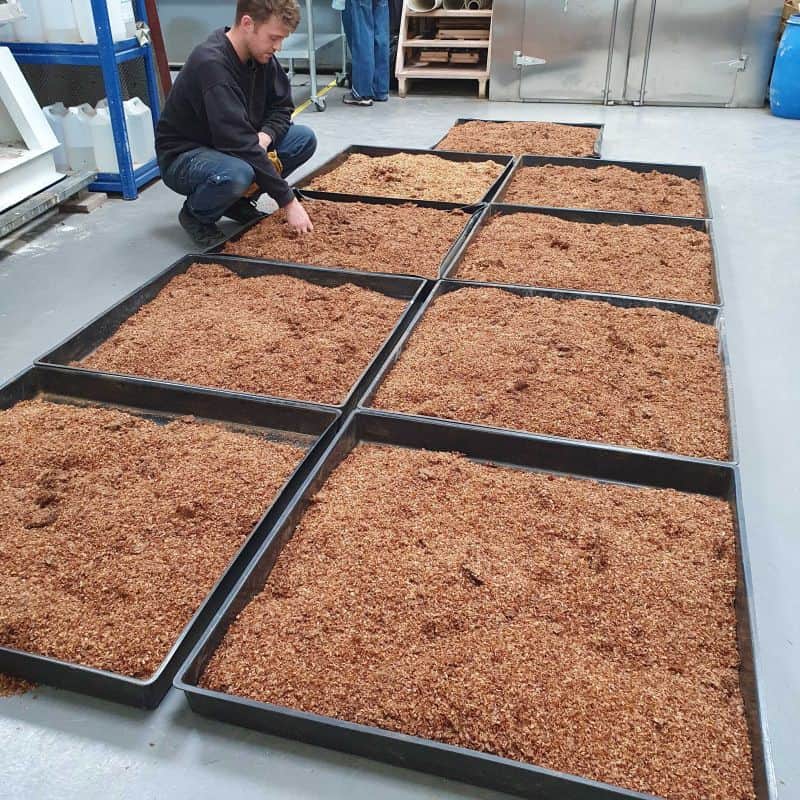
Ehad Syed creates Biohm for circular design products
Biohm is a biomanufacturing research and development company founded by Ehab Syed in 2016 to create regenerative construction materials and packaging by growing mycelium into food waste or processing difficult-to-reuse or recycled by-products.
Biohm uses orange peel, cocoa husks, and other food waste, to develop and design construction materials such as mycelium-based insulation panels, plant-based concrete alternatives, and sustainable replacers for wood-based construction sheets.
Space. Yes, even space: Circular design is going orbital. The European Space Agency is prepping a mission called ClearSpace-1 that will grab dead satellites and haul them back down to Earth. Meanwhile, modular satellite “swarms” are being tested—think space Legos that can swap parts and repair each other, reducing the need for constant rocket launches (and space junk). Read our latest on sustainable aviation fuel for space.
Milan is tackling food waste with logistics instead of guilt: it rescues over 130 tons of edible food every year and reroutes it to people who need it. Israel does this as well. Non-profits and volunteers collect tons of food after weddings and large catered events supplying it to those who are hungry.
Here’s the honest take: circular design is not a magic fix. It’s messy. It takes time. But it’s starting to change systems, not just products. When major cities, aerospace agencies, and fashion giants start asking: What happens to this at the end of its life?—that’s a shift. That’s design thinking that looks more like ecology than industry.
A sustainable aviation alternative that enables intrepid luxury travel, OceanSky Cruises’s airship is a 100-metre-long hybrid aircraft, combining buoyancy from helium with aerodynamic lift created by the shape of its hull. Driven forward by four propellors, the vehicle can fly continuously for days. Can it run on SAF?
In the skies above Britain and across the Asia-Pacific, a green revolution is accelerating—not in the fields, but in the jet streams. Two major international moves this month signal that Sustainable Aviation Fuel (SAF) is no longer a niche technology but a critical pillar of the future of flight. And as Earth-bound aircraft start to go green, a tantalizing question arises: can space travel do the same?
Industry players like BP and the International Air Transport Association (IATA) have applauded the move, highlighting that SAF produced under these standards meets rigorous global aviation fuel benchmarks such as ASTM D1655. This isn’t a backdoor greenwashing scheme. It’s vetted, safe, and compatible with existing jet engines.
The UK’s action sends a powerful signal to the global market: SAF isn’t tomorrow’s promise—it’s today’s policy.
GenZero
Meanwhile, Singapore’s GenZero, in partnership with the World Economic Forum, has launched the Green Fuel Forward Initiative, aiming to scale SAF across the Asia-Pacific region. This initiative unites airlines, aerospace manufacturers, and financiers to create a self-sustaining SAF market—one that can meet the demand of one of the world’s fastest-growing aviation hubs.
Where the UK is setting standards, GenZero is building ecosystems. Together, these initiatives create a transcontinental roadmap for clean flight.
Despite the momentum, experts caution against declaring SAF a silver bullet. While SAF can reduce lifecycle emissions by up to 80% compared to conventional jet fuel, this is contingent on the sustainability of feedstocks, regional production capabilities, and carbon accounting accuracy. Feedstock availability, economic viability, and infrastructure bottlenecks all remain significant hurdles.
In short: cleaner skies are coming—but we’re not off the hook yet.
Companies like Virgin Galactic, Blue Origin, and SpaceX are pushing commercial spaceflight into the mainstream. But their environmental footprint is enormous. One rocket launch can emit hundreds of tons of CO₂ and black carbon, which lingers in the stratosphere, disrupting climate systems more than emissions at lower altitudes.
Some progress is being made. Blue Origin uses liquid hydrogen and liquid oxygen—fuels that, when combusted, emit only water vapor. But hydrogen’s production is often energy-intensive, and other space companies still rely on kerosene-based propellants.
Startups and research labs are quietly experimenting with green rocket fuels made from bioethanol, renewable methane, or even algae-based feedstocks. But these remain in early stages, with limited commercial uptake.
Could SAF tech inspire the next leap? Perhaps. SAF producers like Gevo, Neste, and Velocys are already investing in Fischer-Tropsch and gasification technologies that could be adapted for high-energy rocket fuel equivalents.
For investors with one eye on Earth and the other on the stars, SAF is emerging as one of the most promising clean tech sectors. Here are a few companies at the forefront:
Neste (Finland): The world’s largest SAF producer, partnering with airports and airlines globally.
Gevo (NASDAQ: GEVO): A US-based innovator turning agricultural waste into renewable jet fuel.
Velocys (UK): Converts municipal and forest waste into aviation-grade hydrocarbons.
XCF Global (NASDAQ: XCF): Set to become the only pure-play SAF producer on the US public market after acquiring New Rise Renewables.
SkyNRG (Netherlands): A pioneer in SAF deployment, collaborating with airports and corporate clients.
Shell and World Energy: Though fossil giants, both are investing heavily in SAF R&D and infrastructure.
Flying sustainably is no longer science fiction. But guilt-free air travel—let alone guilt-free space tourism—isn’t as simple as swapping fuels. It requires layered transformation: regulatory reform, feedstock innovation, public-private collaboration, and bold investment.
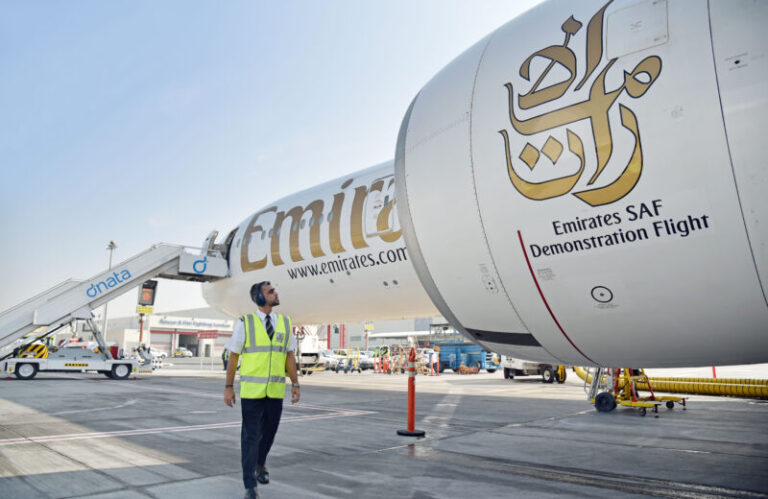
Neste’s SAF biofuel tested in Boeing Emirates flight in 2023
The United Kingdom has taken a significant step in advancing sustainable aviation by approving an increase in the co-processing blend limit for Sustainable Aviation Fuel (SAF) from 5% to 30%. This decision, endorsed by the UK Ministry of Defence and incorporated into Defence Standard 91-091, aims to accelerate the production and adoption of SAF within the aviation sector.
Safety is paramount in aviation fuel standards. The updated Defence Standard 91-091 ensures that SAF produced through co-processing meets stringent aviation fuel specifications. This standard aligns with global benchmarks, such as ASTM D1655, guaranteeing that the fuel is compatible with existing aircraft engines and infrastructure. Industry stakeholders, including BP and the International Air Transport Association (IATA), have collaborated to achieve this milestone, emphasizing the fuel’s safety and performance.
Britain’s Leadership in Sustainable Aviation
Virgin Galactic astronauts. Will space travel be sustainable? Sustainable Space Fuels?
It’s not just Virgin Atlantic or the hope for sustainable space travel: By increasing the co-processing blend limit, the UK positions itself as a leader in sustainable aviation. This move allows for the integration of renewable feedstocks, such as waste oils and fats, into existing refinery processes, facilitating a faster and more cost-effective path to SAF production. The approach reduces the need for constructing new facilities, thereby accelerating the availability of cleaner aviation fuels.
While the adoption of SAF represents a significant advancement in reducing aviation’s carbon footprint, it’s important to recognize that SAF is not a complete solution. The production and use of SAF can reduce greenhouse gas emissions by up to 80% compared to conventional jet fuel, depending on the feedstock and production methods.
However, challenges remain, including feedstock availability, production scalability, and economic factors. Therefore, while SAF contributes to more sustainable air travel, achieving guilt-free flying will require a combination of technological advancements, policy support, and broader systemic changes in the aviation industry.
Looking for a green and principled investments in SAF?
Several companies are actively involved in the research, development, and production of sustainable aviation fuels. Some prominent examples include:
Neste: A Finnish company known for its renewable diesel and sustainable aviation fuel production. Neste is one of the largest producers of SAF globally and has partnerships with various airlines and airports.
Gevo is a NASDAQ-traded US-based company that focuses on developing bio-based alternatives to petroleum-based products. They are actively working on producing SAF from renewable feedstocks such as corn, wood waste, and other sustainable sources.
Velocys is a British company specializing in sustainable aviation fuels and renewable diesel. They use gasification and Fischer-Tropsch technology to convert waste biomass into fuels suitable for aviation.
World Energy: This company, formerly known as AltAir Fuels, is based in the United States and produces renewable diesel and SAF from various feedstocks, including waste fats, oils, and greases.
Shell:While primarily known as an oil and gas company, Shell has been investing in renewable energy and alternative fuels, including sustainable aviation fuels. They are involved in various projects and partnerships aimed at developing SAF technologies.
SkyNRG: A Dutch company dedicated to developing and supplying sustainable aviation fuels. They collaborate with airlines, airports, and other stakeholders to promote the adoption of SAF in the aviation industry.
The NASDAQ-traded XCF. XCF Global aims to be a leading producer of SAFs with an initial annual production capacity of 38 million gallons following the acquisition of New Rise Renewables, which owns a flagship plant and adjacent site in Reno, Nevada.XCF will be the only pure-play public SAF producer in the US market, with competition mainly coming from legacy crude oil providers.
In an industry where temperature control is critical and energy consumption typically high, Cyprus-based pharmaceutical manufacturer Medochemie has achieved notable efficiency improvements through an innovative atmospheric air cooling system that reduces energy consumption by 15% while maintaining the exacting standards required for pharmaceutical production.
The system, developed by the company’s engineering team, has earned recognition with the Cyprus Innovation Award and represents an important advancement in sustainable manufacturing practices for the pharmaceutical sector.
Medochemie’s Energy Innovation Addresses Pharmaceutical Manufacturing Challenges
Pharmaceutical manufacturing presents unique energy challenges, with strict temperature and humidity requirements necessary to ensure product quality and stability. Cooling systems typically account for a significant portion of a pharmaceutical facility’s energy consumption, making them a prime target for efficiency improvements.
Medochemie’s solution addresses this challenge by cooling atmospheric air by 10°C before it enters the facility’s air-cooled chiller system. This pre-cooling significantly reduces the energy load on the chiller, resulting in a 15% reduction in electricity consumption while maintaining the precise environmental conditions required for pharmaceutical production.
Dr. Christakis Sergides, Director of Research, Development and Innovation at Medochemie, explains: “Temperature control is non-negotiable in pharmaceutical manufacturing. Our challenge was to reduce energy consumption without compromising the strict environmental parameters our products require. This innovative system achieves that balance, delivering significant energy savings while fully maintaining our quality standards.”
The technology has been implemented across Medochemie’s nine manufacturing facilities in Cyprus, with plans to extend it to the company’s international operations, including its facility in the Netherlands and five plants in Vietnam.
The atmospheric air cooling system represents just one component of Medochemie’s broader environmental strategy. Industry analysts note that pharmaceutical manufacturing has traditionally been energy-intensive, with temperature-controlled environments, specialized equipment, and strict cleanliness requirements all contributing to high energy consumption.
The company has implemented several additional energy-saving technologies across its facilities, including:
Variable-speed drives for motors across all factory operations, which maintain consistent motor voltage while optimizing the efficiency of cooling systems with lower energy consumption
Voltage stabilization systems that maintain steady voltage across all three phases, reducing thermal losses and achieving energy consumption reductions
LED low-energy lighting and motion-activated sensors throughout their facilities, reducing CO2 emissions from power generation
These initiatives are part of a comprehensive approach to environmental sustainability that extends to water conservation, waste reduction, and renewable energy generation.
Quantifiable Environmental Impact Across Operations
Environmental sustainability reporting from Medochemie reveals measurable benefits from their energy efficiency initiatives. The atmospheric air cooling system alone prevents approximately 120 tonnes of CO2 emissions annually across the company’s Cyprus facilities.
When combined with other energy initiatives, the company has achieved a total reduction of over 500 tonnes of CO2 emissions annually – equivalent to removing approximately 100 passenger vehicles from the road for a year.
The company’s 150KW Photovoltaic Park produces 1,650 kWh per KW annually, further reducing CO2 emissions by 201.5 tonnes each year. This solar installation supplies approximately 18% of the electricity requirements for Medochemie’s administrative buildings.
Water conservation measures have also yielded significant results. The company installed a system to collect water produced by air conditioning units during the cooling of atmospheric air. This captured water is then reused for irrigating plants on the company grounds, saving an estimated 250,000 liters of water annually.
Recognition and Industry Implications
Medochemie’s environmental initiatives have earned recognition beyond the Cyprus Innovation Award for their cooling system. For the fourth consecutive year, the company has received the “Gold Environmental Protector” award at the Cyprus Environmental Awards for Organizations and Businesses – the highest honor in this competition.
These achievements come as pharmaceutical manufacturers face increasing pressure to reduce their environmental impact. European regulatory trends indicate that environmental performance may become a more significant factor in pharmaceutical manufacturing compliance in coming years.
Dr. Andreas Pittas, founder and Executive Chairman of Medochemie, views these initiatives as integral to the company’s identity: “Since our founding in 1976, we have recognized that our responsibility extends beyond simply manufacturing medicines. Our motto of ‘Growth with a human face’ reflects our commitment to balancing business success with environmental stewardship.”
The company’s approach to environmental sustainability has potential implications for the wider pharmaceutical industry, particularly for generic medicine manufacturers who operate in highly competitive markets with tight margins. Medochemie demonstrates that environmental initiatives can deliver both ecological benefits and economic advantages through reduced operational costs.
Integration with LIFE PHARMA-DETOX Project
Medochemie’s energy efficiency innovations complement its leadership role in the LIFE PHARMA-DETOX project, an EU-funded initiative focused on developing methods to remove pharmaceutical compounds from wastewater. This four-year project aims to demonstrate an innovative method for detoxifying pharmaceutical wastewater directly from manufacturing facilities.
The project recently reached a significant milestone with the installation of a pilot system at Medochemie’s facilities. This system is designed to operate using 100% renewable energy sources, with excess hydrogen produced by the system used as an energy source during night hours. Demand Response also plays a role in the system’s design, shifting electricity usage away from peak hours.
Challenges and Future Directions
Despite these achievements, challenges remain in furthering energy efficiency in pharmaceutical manufacturing. Industry-specific requirements for cleanrooms, air exchange rates, and precise temperature controls limit how far energy reduction can go without compromising product quality and regulatory compliance.
Medochemie’s engineering team continues to explore new frontiers in sustainable manufacturing. Current research focuses on advanced energy storage solutions to maximize the utilization of renewable energy and artificial intelligence applications to optimize environmental control systems.
“The next frontier for us is the integration of AI into our environmental systems,” noted Dr. Sergides. “We’ve already begun implementing smart systems that can predict energy needs based on production schedules and optimize accordingly. Preliminary results indicate that we could achieve an additional 7-10% energy reduction through these advanced controls.”
The company is also investigating heat recovery systems that would capture and repurpose waste heat from production processes, potentially reducing energy consumption for water heating by up to 30%.
Industry-Wide Implications
For the broader pharmaceutical industry, Medochemie’s achievements demonstrate the potential for significant environmental improvements without compromising the stringent quality standards required for medicine production.
With a portfolio covering 10 therapeutic categories and distribution to 122 countries, Medochemie’s implementation of these technologies across diverse product lines shows their versatility and potential for wider adoption.
As health systems globally face budget constraints, pharmaceutical manufacturers must find ways to reduce costs while maintaining quality. Energy efficiency measures can help address this challenge by reducing operational expenses.
For a sector that has sometimes been viewed as reluctant to embrace environmental innovation due to regulatory constraints, Medochemie’s example suggests that significant progress is possible. The company’s holistic approach – encompassing energy efficiency, renewable generation, water conservation, and waste reduction – provides a potential roadmap for other manufacturers seeking to improve their environmental performance.
As the pharmaceutical industry continues to face scrutiny over its environmental impact, Medochemie’s cooling system innovation represents a tangible example of how technical ingenuity can deliver both ecological and economic benefits in this essential but energy-intensive sector.
Smart maintenance meets sustainability — a technician uses a cloud-based CMMS to help build and monitor green infrastructure, reducing downtime and environmental impact.
Implementing a Computerized Maintenance Management System (CMMS) can feel overwhelming. You’ve got legacy systems, skeptical team members, and limited time to get it right.
But don’t worry—this CMMS implementation guide will walk you through the entire process, one step at a time. Whether switching from paper logs or upgrading outdated software, this guide will help you move on confidently. Let’s break it down.
Step 1: Define Your Goals
Start with clarity. Why do you need a CMMS? What problems are you trying to solve?
Common goals include:
Reducing equipment downtime
Tracking maintenance costs
Automating preventive maintenance
Improving technician productivity
Write down your goals. Make productivity a priority. Make sure they’re measurable. That way, you’ll know if the implementation is working. Get input from your team. Your team’s insights will help you set realistic and relevant objectives.
Step 2: Build a Cross-Functional Team
Don’t do it alone.
Form a small team that includes:
Maintenance managers and technicians
IT support
Procurement or Finance
Operations staff
Each group brings a different perspective. Maintenance knows the workflows, IT understands the infrastructure, and finance cares about costs. Together, they make better decisions. Assign a project lead. This person keeps the team focused, tracks progress, and communicates with vendors.
Step 3: Choose the Right CMMS
There are many options out there. Don’t just go with the most popular or the cheapest.
Here’s what to consider:
Ease of use: Will your team use it?
Mobile access: Can technicians update tasks from the floor?
Customizability: Does it fit your workflows?
Support and training: Will the vendor help you succeed?
Request demos, ask questions, test the interface, and ensure it aligns with your goals and your team’s daily tasks.
Step 4: Clean and Prepare Your Data
A CMMS is only as good as the data you feed it.
Start by gathering:
Asset lists and specs
Maintenance schedules
Work order history
Spare parts inventory
Vendor and warranty details
Then, clean it up. Remove duplicates. Fill in the missing information. Standardize naming conventions. Yes, it’s tedious. But doing it now will save you headaches later.
A quick tip: If you’re moving from an outdated system, export the data early and give yourself time to review it.
Step 5: Configure the System
Now, it’s time to set up the system. This part is the crucial stage where everything comes together.
Tasks include:
Creating user roles and permissions
Setting up assets and locations
Importing preventive maintenance schedules
Organizing spare parts and inventory
Linking vendors and warranties
Work closely with the vendor or implementation specialist. Use this time to tailor the system to your specific needs. Avoid overcomplicating it. Start simple. You can always add more features later.
Step 6: Train Your Team
A powerful CMMS is useless if no one knows how to use it.
Plan training sessions for different user groups:
Technicians: How to open, complete, and close work orders
Managers: How to assign tasks and review reports
Admins: How to configure and manage settings
Make it hands-on. Let people practice actual tasks in the system. Encourage questions. Set up quick reference guides or cheat sheets. Training is not a one-time event. Offer refreshers and updates as needed.
Step 7: Go Live (and Start Small)
You’re prepared for launch but avoid activating everything at once.
Start with a pilot. Choose one site, one department, or a small group of assets.
Monitor how it goes:
Are work orders being completed in the system?
Are there any technical glitches?
Are users comfortable?
Collect feedback. Adjust as needed. Once things are running smoothly, expand the rollout. A phased approach reduces risk and builds confidence.
Step 8: Monitor, Measure, and Improve
Once your CMMS is live, the work isn’t over. It’s just beginning.
Use your original goals to track progress:
Is downtime going down?
Are PMs completed on time?
Is the team using the system daily?
Review reports regularly. Look for trends. Share successes with your team. Use the insights to tweak schedules, rebalance workloads, and optimize inventory. Keep evolving. A trustworthy CMMS will grow with your team and improve your maintenance program.
Final Thoughts
Implementing a CMMS is one of the best moves a maintenance manager can make. It boosts efficiency, cuts costs, and gives you better control over your assets.
However, success does not occur by chance. Follow this CMMS implementation guide step by step. Involve your team. Start small. Learn as you go.
And most importantly—stick with it.
A well-implemented CMMS can transform your maintenance operations from reactive to proactive. It’s not just a system; it’s a more innovative way of working.
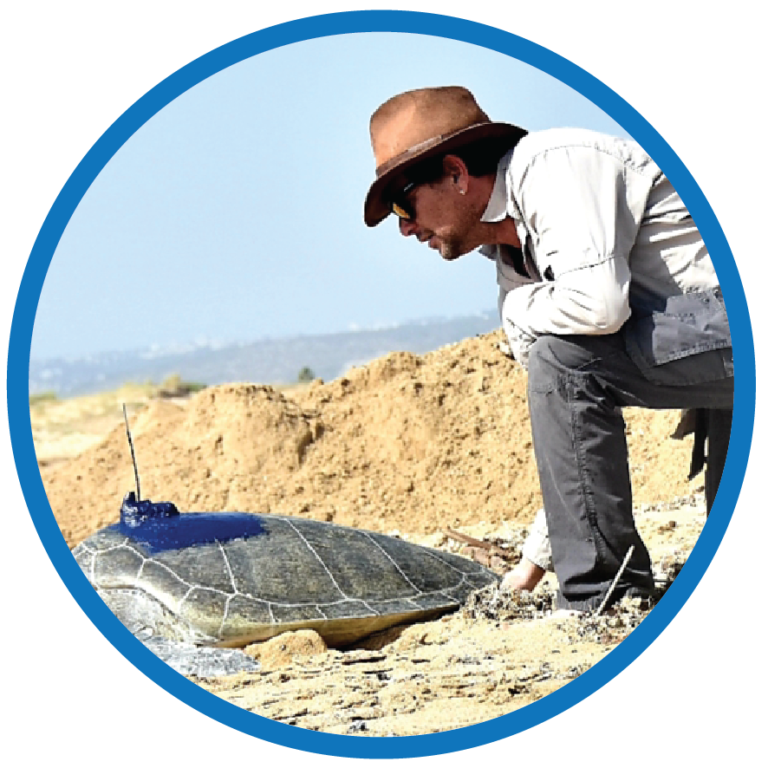
Yaniv Levy with a sea turtle tagged for release. Image via Oren Kabessa
A few weeks ago, I took my son Gabriel to the edge of the sand dunes in Michmoret, a peaceful pocket of the Israeli Mediterranean coast a half hour drive from Tel Aviv. We weren’t there to sunbathe or surf, but to meet a man who has dedicated his life to turtles—at first the ancient ones who still roam the Indian Ocean’s most sacred atoll and injured survivors stranded ashore in a Mediterranean Sea increasingly shaped by war, overfishing, plastics, and politics.
This is the story of Dr. Yaniv Levy, founder of Israel’s Sea Turtle Rescue Center—the world’s only government-supported turtle hospital and breeding center unlike any in the world. But to understand why his work matters, you have to go back nearly 30 years, to another coastline altogether: Aldabra Atoll, part of the Seychelles, one of the last untouched Edens left on Earth.
“My Heart Is Still There”
Photo of Yaniv Levy’s photo on Aldabra with a tortoise
Levy’s journey began in the mid-1990s. He was 26 and nursing invisible wounds and finding solace underwater—onboard a dive boat in the Red Sea and the Indian Ocean. For three years he lived and worked on the boat, as a deck-hand, first mate and a dive instructor and guide, spending many months navigating between remote islands of the Seychelles, mainly in Assomption Island and the Aldabra Atoll.
A photo from Aldabra Atoll taken by Yaniv Levy
Aldabra is no ordinary coral ring island. Home to giant tortoises, flightless rails, sacred ibis, and staggering numbers of green and hawksbill turtles, it is so pristine that boats are prohibited from entering its lagoon, and a 40 km radius around it. Access comes only through Assomption Island, a now-threatened outpost with a tiny airstrip, where wealthy tourists fly from Mahe before sailing two hours to what Levy calls “holy land.”
“I kissed the ground,” he recalls. “It is one of the most untouched places in the world… maybe one of the five last places of Eden.”
But Eden is under siege.
Yaniv Levi Sketches of Aldabra Atoll when he worked there for 2 years in the mid-90sRare birds Yaniv Levy photographed on Aldabra
“They will kill Aldabra. No questions asked,” says Levy. “It is one of the most preserved areas of the world.”
“You Are a Scientist”
While in the Seychelles, Levy met Roselle Chapman, a British biologist who would become both his mentor and his love. It was she—and her supervisor, the renowned Seychelles-based turtle researcher Dr. Jeanne Mortimer—who first taught him to track, study, and live among turtles.
“She looked at my maps, my drawings, my charts… and said, ‘You are a researcher.’ That changed my life.”
Levy would spend up to 10 days at a time on Aldabra, and over all every visit for two to three months. Sleeping on the boat or near nesting beaches, diving with manta rays and sharks. He remembers it as “the best diving I ever had.”
His dates with Chapman? “They were at turtle nesting sites.”
A map into the Aldabra Atoll. The turtle nesting sites are marked in a strip of black dots on the top-middle left
From Paradise Lost to Hospital Founder
The boat company in the Seychelles went bankrupt–– the original plan was sailing to Micronesia with a documentary crew with only a brief stopover for drydock and maintenance before heading to Micronesia. He found himself in Ashkelon, Israel and started his Marine Biology undergrad degree in Michmoret as Roselle predicted he should, and then, a turtle washed up.
“It was a loggerhead with a hook deep in its throat,” he recalls. A vet removed the necrotic tissue, and Levy—now reporting the case to the authorities as required by law—caught the attention of Ze’ev Kulur, Israel’s chief turtle biologist on behalf of the National Nature and Parks Authority at the time.
He saved the turtle.
After demonstrating his experience in Israel and on Aldabra, Levy was encouraged to launch a formal turtle rescue initiative. In 1999, he founded what would become the only government-supported turtle hospital in the world—a marine rehabilitation facility with research credentials, surgical suites, and even prosthetic limbs and buoyancy stabilizers designed in-house.
A sea turtle gets fitted with weights to help him with buoyancy troubles
“They are lifers,” Levy says of his breeding turtles, about 30 of them in a large pool swimming together. “They’ve only lived in captivity. I don’t believe they can adapt to live in the wild, but their being here in captivity is with a cause for their whole population, they will reproduce and their hatchlings will return to sea and revive the almost extinct population.”
A turtle missing a leg is in rehab
His 30 baby turtle “children”, now over 20 years old, are given names like Moana, Stitch, and Pocahontas. “I call my human kids my second batch,” he says.
Sea Turtles Have No Borders
Levy has treated over 2,000 sea turtles from Israel, Gaza, and beyond. He sees victims of boat strikes, plastic entanglement, and most disturbingly, war and fishing trauma.
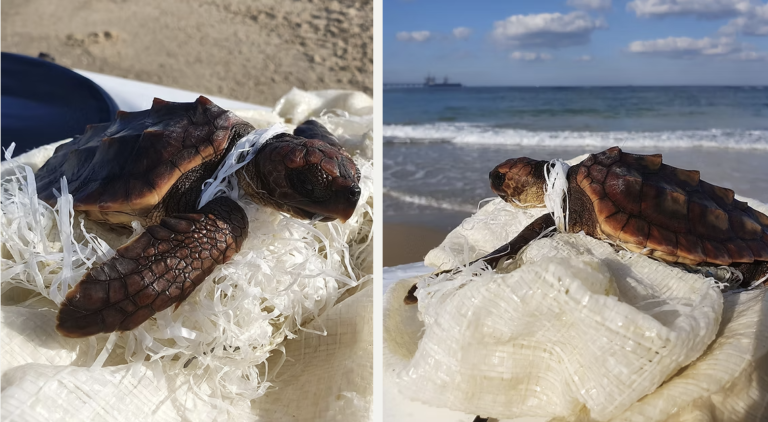
Plastic feed bags originating from Greece, Russia, Europe are tossed into the sea and become confusing “reeds” that turtles get tangled in. The feed bags are thrown overboard at sea when live animals are being shipped live for slaughter. The bags get shredded at sea and the sea turtles get caught in them thinking they are nesting sites.
“The booms and the bangs… the turtles suffer,” he says. Explosions in Egypt’s Bardawil Lake, where fishermen still use blast fishing, are particularly devastating. “Soft tissue trauma, inner ear injuries. Shockwave trauma.”
In countries nearby, suspicious people sometimes trap or catch birds, turtles and animals tagged by Israel, calling them spies of the Mossad. They are often, sadly, killed.
According to Levy, turtle injuries are not always visible. Some are so weak they can no longer float or dive. For these cases, Levy has invented floating slings that suspend turtles partially in water, allowing them to heal without exhausting themselves.
A sea turtle operating table.
Plastic straws, he says, are a red herring. “The real problem is the polypropylene feed sacks—20kg bags used in livestock farming. Turtles get caught in them and lose fins and many die. That straw video from Costa Rica? It’s not really true about the straws, and maybe he tried the best he could, but what’s killing turtles at sea is something else, Levy tells Green Prophet.
Levy’s work is both clinical and spiritual. A veterinarian scientist with a PhD, he’s published research on turtle rehabilitation and consults globally on marine conservation. But when asked about fear—of being alone on Aldabra, for instance—his answer is revealing:
“I’m more afraid of people than of animals.”
Yaniv Levi looks into his turtle rehab pools. Each one holds a turtle. Temperatures are kept constant and the pools monitored by the minute
Though his collaboration with Gaza has decreased—some residents now eat turtles out of protein desperation—he emphasizes empathy. “I don’t judge. I understand.”
He also stresses the regional unity among turtle workers. “Despite the conflict, we work with our Arab neighbors. People who work with turtles are… cool.”
A sculpture Levy made while living at Aldabra Atoll
The Israel Sea Turtle Rescue Center will open its breeding program to the public in September, offering hands-on education for children and adults. More than 600 volunteers already help guard nesting sites, relocate eggs to hatcheries, and release baby turtles back to sea.
“This is not just conservation,” Levy says. “It’s about showing that turtles have no borders.”
Assomption Island may seem far away—just a dot on a maritime chart near Mahe—but its fate is linked to our own. The ecological encroachment by luxury developers and the silent suffering of sea turtles in war zones should alarm anyone who cares about nature’s last strongholds.
Sign up for hatching tours and more at the Israel Sea Turtle Rescue Center.
In one of the driest places on Earth — Chile’s Atacama Desert — a team of scientists has successfully harvested clean drinking water using nothing but sunlight and a novel sponge-like material. The breakthrough could revolutionize water access for arid regions around the globe.
Pulling water from air
The device relies on a spongy hydrogel that acts like a water magnet. During the cool, humid nights, the gel absorbs moisture from the air. Then, as the desert sun rises, solar energy heats the gel, causing it to release the trapped moisture. The evaporated water condenses on a surface and can be collected — clean, drinkable, and entirely off-grid.
Even in the Atacama — where some regions see less than 1 mm of rain annually — the system was able to produce 0.6 liters of water per square meter per day. Over time, that could be enough to provide a meaningful supply of water for households or farms without requiring electricity or plumbing.
The prototype system is low-maintenance and scalable, with projected costs of around $150 per square meter of solar panel. And with an estimated lifespan of 20 years, the technology offers a potentially affordable solution for communities facing chronic water shortages.
While not yet ready for mass deployment, the project highlights how combining simple materials with renewable energy can unlock vital resources from the air itself — even in the harshest environments on Earth.
Young male capuchin monkeys (Cebus capucinus imitator) have been observed ‘kidnapping’ infant howler monkeys (Alouatta palliata coibensis) in Panama. Behavioral ecologist and co-author Zoë Goldsborough said it was “shocking” to discover scenes of capuchins carrying baby howlers in footage captured on camera traps.
On Jicarón Island, part of Panama’s Coiba National Park, white-faced capuchin monkeys are known for something remarkable: they use stone tools to crack nuts and shellfish—a rare behavior among wild primates. But in 2022, researchers monitoring the monkeys’ tool use discovered something even more unusual: capuchins carrying infant howler monkeys on their backs.
The discovery was made by Zoë Goldsborough, a doctoral researcher at the Max Planck Institute of Animal Behavior, while reviewing motion-triggered camera footage from the island. “It was so weird that I went straight to my advisor’s office,” she said. That advisor, Dr. Brendan Barrett, and his team began reconstructing the event using months of camera trap data.
Zoe Goldsborough
What they found was startling. Over a 15-month period, five subadult male capuchins were filmed carrying 11 different infant howler monkeys for days at a time. The footage shows the monkeys moving through the forest with howler babies clinging to their backs or bellies, even while using tools.
In a well-known case from 2006, a pair of capuchins adopted a baby marmoset and succeeded in raising it into adulthood. But there was a problem with this interpretation: animal adoption is almost always carried out by females, who presumably do it to practice “caring” for infants. “The fact that a male was the exclusive carrier of these babies was an important piece of the puzzle,” she said.
Most of the early cases involved a single male, dubbed “Joker,” who carried at least four different howler infants. While cross-species adoption has been documented before, it is typically done by females and often linked to maternal practice. Here, only young males carried the infants—an anomaly in the animal kingdom.
Initially considered a one-off, the behavior re-emerged months later and spread to other young males in the group. The researchers describe it as a socially transmitted tradition, comparable to other non-functional cultural behaviors observed in animals, like chimpanzees wearing grass in their ears or orcas balancing dead salmon on their heads as “salmon hats”.
But unlike playful gestures, this behavior comes at a cost—at least for the howlers. The infants, likely no older than four weeks, appear to have been forcibly taken from their mothers, who were recorded nearby calling out. Despite no observed violence, the capuchins couldn’t provide the milk necessary for the babies to survive. Four of the 11 are known to have died. None are believed to have survived.
“There was no clear benefit to the capuchins,” Goldsborough said. “They weren’t playing with them. They weren’t gaining attention from their peers. It might even have made tool use more cumbersome.”
So what drove it? According to Dr. Meg Crofoot, managing director of the institute, the behavior may stem from the capuchins’ unusually easy lifestyle. With no predators and few food competitors on the island, male capuchins may have ample time and cognitive space to invent—and share—novel behaviors. “This tradition shows us that necessity is not always the mother of invention,” she said. “Boredom might be enough.”
The study is the first documented case of a social tradition in which animals repeatedly abduct and carry infants of another species without any apparent gain. It challenges traditional assumptions about the evolution of culture in animals and raises difficult ethical questions.
If the behavior spreads beyond this group or begins to affect the local howler population—already endangered on Jicarón—it could pose a conservation risk. The camera trapping study ended in mid-2023, and data is still being analyzed to determine whether the behavior has persisted or spread.
“It left a profound impression on all of us,” said Crofoot. “It’s a sobering reminder that animal culture, like human culture, can evolve in ways that are unpredictable—and even destructive.”
In a dramatic reversal, President Donald Trump has lifted a federal stop-work order on the $5 billion Empire Wind project off the coast of New York, reigniting one of America’s most ambitious offshore wind energy developments. The move comes just weeks after the Department of the Interior froze the project, citing concerns about marine life from a National Oceanic and Atmospheric Administration (NOAA) report.
Equinor, the Norwegian energy firm behind Empire Wind, confirmed construction will now resume. With 30 percent of the offshore infrastructure already in place and weekly suspension costs exceeding $50 million, the restart comes as a lifeline—not just for the company, but for New York’s clean energy goals.
Governor Kathy Hochul praised the decision, noting it will immediately restore roughly 1,500 union jobs.
“I want to thank President Trump for his willingness to work with me to save the 1,500 good paying union jobs that were on the line and helping get this essential project back on track,” she said in a statement.
Equinor CEO Anders Opedal echoed the sentiment, calling the decision a victory for both workers and long-term U.S. energy investment.
“This solution saves thousands of American jobs and provides for continued investments in energy infrastructure in the U.S.,” said Opedal.
Offshore Wind at a Crossroads
The resurrection of Empire Wind is more than a political gesture—it’s a crucial inflection point for America’s renewable energy transition. The U.S. currently has four major offshore wind farms under construction: Empire Wind, Coastal Virginia Offshore Wind, Sunrise Wind, and Revolution Wind. Together, they represent the core of the Biden-era goal of reaching 30 gigawatts of offshore capacity by 2030.
But that vision has faltered. Soaring costs, regulatory whiplash, and supply chain constraints have slowed development. Many in the energy sector feared that the sudden halt of Empire Wind might signal the unraveling of confidence in offshore projects.
Now, the reboot signals that—at least for now—offshore wind remains a national priority, even under an administration often skeptical of renewables.
A Lesson from the Desert: What Happened to Ivanpah
The Empire Wind revival also reopens another conversation: what happens when green megaprojects collapse? For that, look to Ivanpah, the $2.2 billion solar thermal plant in California’s Mojave Desert that once symbolized the promise of utility-scale renewable power.
Ivanpah was propped up by government grants. Was there oversight?
Today, Ivanpah is effectively defunct—its towers still standing, but its output and relevance fading into obsolescence. Speaking to Green Prophet in 2024, Moshe Luz, one of Ivanpah’s former lead engineers, described how the project was doomed not by a lack of vision, but by poor policy support, unpredictable regulation, and a technology that was rapidly overtaken by more efficient solar PV systems.
“We built something beautiful and huge, but we didn’t build a future-proof system,” Luz told us. “When support dried up and expectations shifted, the project couldn’t adapt fast enough.”
That collapse serves as a cautionary tale. Empire Wind, and projects like it, depend not only on federal approval but on long-term political and public backing. The stakes aren’t just ecological—they’re economic, cultural, and structural.
What’s Next?
Equinor now faces a race to mitigate delays. The company said it will work closely with regulators and suppliers—including turbine-maker Vestas—to get the timeline back on track. The project, once operational, will generate up to 2 gigawatts of clean electricity—enough to power over a million homes in New York.
But the long-term success of offshore wind in the U.S. hinges on something more elusive than turbines or transmission lines: policy coherence. Inconsistency kills momentum. And unlike Ivanpah, the offshore wind industry still has a chance to deliver on its early promise—if political winds don’t shift again.
For deeper stories on the climate, technology, and energy transitions reshaping our world, follow Green Prophet.
A growing number of chronic pain patients are turning to medical cannabis—and finding relief without the mental fog that often comes with traditional painkillers, according to a new peer-reviewed study published in Cureus.
The research, conducted by the Rothman Institute Foundation for Opioid Research & Education, examined how people living with chronic musculoskeletal pain are using cannabis, what benefits they’re experiencing, and whether long-term use affects cognitive function.
“Over 80% of participants reported that medical cannabis helped manage their pain,” said Dr. Mohammad Khak, co-author of the study and researcher at the Rothman Institute. “Many also noted improvements in sleep and anxiety, indicating cannabis could provide broader symptom relief than typical pain medications.”
Importantly, 40% of those surveyed reduced their use of traditional analgesics after starting cannabis—some even scaled back their opioid use.
“This suggests cannabis might be a safer alternative or complement to conventional pain management, especially in light of the ongoing opioid epidemic,” said Dr. Ari Greis, senior author of the study and assistant professor at Drexel University College of Medicine.
Patients used cannabis in a variety of forms, including oils, vaporizers, and smoked flower. Most had tried conventional treatments without success, turning to cannabis as a last resort when pain became unmanageable. Still, only about 25% of users received a physician’s recommendation, pointing to ongoing challenges in medical cannabis access and acceptance.
“This study underscores barriers such as a lack of physician training, complex regulations, and persistent stigma,” added Dr. Khak.
The study also explored concerns over cognitive side effects. While some patients experienced mild symptoms like dry mouth or fatigue, most reported no serious cognitive impairment—suggesting that medical cannabis can often be used without affecting mental sharpness.
Researchers stressed that while patient-reported outcomes are promising, larger clinical trials are essential to confirm the long-term safety and effectiveness of medical cannabis for chronic musculoskeletal pain. They also called for improved education for healthcare providers and more streamlined regulations to help guide responsible cannabis use in pain treatment.
Sea turtle caught in a plastic feed sack, by Yaniv Levi
Commonly used for livestock feed—woven sacks act like floating death traps, snaring turtles by the neck or limbs
In a groundbreaking study published in Marine Science, researchers from Israel’s Sea Turtle Rescue Center (ISTRC), the University of Haifa, and Ruppin Academic Center present the first high-resolution monthly growth data for sea turtles in the eastern Mediterranean—and uncover a deadly new threat: entanglement in polypropylene (PP) sacks.
This study, authored by Shir Sassoon, Yair Suari, and Dr. Yaniv Levy, focuses on the “epipelagic phase”—the early life stage of sea turtles when hatchlings drift passively in open water. While most conservation efforts target nesting beaches, this study shifts attention offshore, where plastic pollution silently kills juvenile turtles long before they reach maturity.
Turtle ‘Lost Years’ Finally Found
Sea turtles spend up to a decade adrift in the open sea, a period known to scientists as the “lost years” due to limited data. Using over two decades of rescue records (1999–2020), the team compiled length data from 577 young turtles—both loggerhead (Caretta caretta) and green (Chelonia mydas)—to track monthly growth for the first time in this region.
Findings show that loggerhead turtles grow at an average of 0.76 cm per month during their first 19 months of life, while green turtles grow faster—0.92 cm per month over the first 11 months. These growth rates mirror those found in other parts of the Mediterranean but fill critical knowledge gaps, particularly for green turtles during this early life stage.
Seasonal fluctuations in growth were also observed, with reduced rates in winter months, highlighting the sensitivity of juvenile turtles to environmental conditions.
Polypropylene: A Lethal Trap
But the most shocking discovery wasn’t about how turtles grow—it was about how they’re dying.
Out of 324 injured epipelagic phase turtles treated at the ISTRC, nearly half (48%) were entangled in woven polypropylene sacks. These sacks—commonly used for livestock feed—act like floating death traps, snaring turtles by the neck or limbs. Many were so severely injured that they required amputations; 12% died from their injuries.
Loggerhead turtles were most affected, particularly during the summer months. Between 2008 and 2020, PP sack entanglements surged from just 20% to 75% of all epipelagic injury cases. The number of incidents jumped significantly after 2017, suggesting a new pattern in maritime waste disposal.
These sacks are strong, lightweight, and slow to degrade—perfect for transport, devastating for marine life. When researchers traced the logos on the sacks, they found origins from as far as Romania, Russia, and Greece, mostly linked to livestock shipping.
“The threads unravel and act like tourniquets,” says Dr. Yaniv Levy, director of ISTRC. “We see turtles arrive unable to swim, starved, and in pain. Many suffer limb loss or systemic infections.”
Floating sacks may mimic natural cover like Sargassum seaweed, attracting juvenile turtles who use them as shelter. Once entangled, turtles often cannot free themselves.
ISTRC is uniquely positioned to collect long-term health and injury data. Their clinical records have helped transform the hospital into a research center that informs both policy and turtle care. Turtles are triaged with CT scans, blood tests, and X-rays, and their rehabilitation includes custom slings, IVs, and even prosthetics.
Rehabilitated turtles are typically released after two months of care, but the team notes that many never reach land for rescue. The actual impact is likely far greater than reported.
Policy Implications
The study urges international regulation on maritime waste, especially from livestock carriers. The team tracked suspect ships using Automatic Identification Systems (AIS), identifying several that sail regularly through Israeli waters but do not dock—making legal accountability difficult. There is a natural current that causes plastic sacks tossed illegally off the ship into the sea, to end up on the Levantine shores where they entangle juvenile turtles. Some plastics are believed to be dumped close to show where they blow into the sea.
A proposed bill in the Israeli Knesset calls for an end to live animal shipments, which would reduce sack and marine waste dramatically. It would also reduce undue animal suffering while being shipped for slaughter while alive at sea. Meanwhile, the study suggests declaring protected marine zones and enhancing multinational enforcement to curb this specific pollutant.
The epipelagic phase is one of the most vulnerable life stages for sea turtles. And while global conservation has made strides in nesting beach protection, this study shows that the open sea remains a lawless frontier.
If you live near a marine environment and find a turtle entangled in plastics, it’s important not to remove it without a veterinarian, says Levy. The plastic can cause reduced blood flow and necrotic tissue and removing it puts poisoned blood into the turtle. The turtle above explains what a vet needs to do to treat the turtle. First a round of antibiotics.
The problem with turtles is feed sacks, not plastic straws, Levy emphasizes.
“Plastic pollution regulations must be extended to pelagic zones,” the authors write in the paper. “We need international collaboration and enforcement—not just for turtles, but for the oceans.”
As Dr. Levy notes, these early-stage turtles are not just victims—they’re indicators. “They’re telling us where our waste ends up, and how fast we need to act.”
If you think of the Middle East, sand, not soil comes to mind. But the complex ecosystem which includes Turkey, Lebanon, Israel, Iraq, Iran and the United Arab Emirates has a rich soil tradition, the Levant especially as it is once considered the bread basket of the planet, and it’s where emmer wheat was first cultivated.
Now the United Arab Emirates has declared they will build a soil museum of the Middle East. Like seed banks, dispersed in underground vaults and fridges throughout the world, a soil bank can help us know more about the complex and rich ecosystems of the east.
Soil in Uzbekistan
Designed to promote soil conservation and responsible resource management in arid environments, the guide will serve as a blueprint for institutions across the region. Backed by ADFD funding, the guide will be transformed into a practical training and capacity-building programme featuring technical workshops and scientific mentoring. ICBA will lead the technical delivery, drawing on its expertise in sustainable agriculture and its success in launching and operating the Emirates Soil Museum.
Soil in Lebanon
The Abu Dhabi Fund for Development (ADFD) and the International Center for Biosaline Agriculture (ICBA) will fund and develop the Middle East and North Africa’s first comprehensive guide for establishing and operating soil museums.
Mohamed Saif Al Suwaidi, Director General of ADFD, said: “This initiative reflects our unwavering commitment to environmental sustainability and knowledge partnerships. We believe science-backed solutions like this museum guide can shape regional resilience and inform effective policies for generations to come.”
Four years on, the Emirates Soil Museum has carved out a reputation for itself as a go-to place of learning about environmental protection and sustainable development in the UAE and beyond.
The agreement also outlines the organization of an international scientific symposium on 5 December 2025 to coincide with World Soil Day, with the participation of over 200 experts, researchers, and decision-makers from around the world to discuss soil, salinity, and climate change issues in arid regions.
Established in December 2016 with support from ADFD, Emirates Soil Museum is the first specialized soil museum in the region. Located at ICBA’s headquarters in Dubai, the museum aims to raise awareness about the role of soil in the environment, agriculture, and food security, while showcasing the diversity of soil types in the UAE.
Since its launch, the museum has welcomed more than 13,500 visitors from various sectors of society and has become a reference center for environmental awareness and non-traditional education. Time for a wider understanding of soil and how it sustains life.
If you are running an impact charity or a small impact solar energy business, you need to know all the ins and outs of government compliance when you get those grants
Managing the efficient use of resources is one of the major challenges public organizations face. Asset management is key to improving operational efficiency. Asset management enables public entities to employ the benefits from the effective use of their resources/assets to make better use of the resources/assets, lower costs, and improve service delivery. This post is about the role of asset management in the efficiency of the public sector.
What is Asset Management
In short, asset management is the systematic process of developing, operating, maintaining, and disposing of assets most cost-effectively, not the most expensive manner. This includes infrastructure, facilities, vehicles, and technology, among other public sector resources. With a structured process in place and asset management software for government, public organizations can guarantee that these resources are put to the best possible use.
Better Use of Resources
Ivanpah was propped up by government grants. Was there oversight?
Public entities facing the charge of meeting the needs of their communities need to be mindful of how they utilize resources. The process of asset management helps identify underutilized/surplus assets for reallocation/disposal. Not only does this provide free resources, but it also ensures that the free resources go where they are needed most. Example: facility utilization evaluation to repurpose or build a new facility
Reducing Operational Costs
Another advantage of proper asset management is cost reduction. Public organizations with properly maintained, long-term planned assets create less need for repairs and replacement activities. This can also be known as scheduled maintenance for the assets, as they will be functional and operational to function properly with maximum effect and avoid any sudden breakdown. This helps with budgeting and minimizes financial stress.
Improving Service Delivery
Public sector entities are established primarily for the efficient delivery of services to a community. The state of asset management is reflected in the quality and availability of these services. By managing your assets efficiently, you minimize the risk of service interruptions, which in turn leads to uninterrupted service delivery. A good example would be a fleet of vehicles that is routinely looked after and can reach and respond to the emergency services and public transportation sectors as soon as possible.
Supporting Strategic Planning
Asset management also provides information and data, which helps in strategic planning and decision-making. Using asset data, public organizations can predict future demand and plan their resources accordingly. This type of information helps with long-term planning so that infrastructure and resources adapt in line with community needs. Strategic asset management aligns resources with organizational goals, thereby boosting the overall efficiency of the resources.
Environmental Footprint and Sustainability
Public sector organizations are starting to focus on sustainability. This fosters environmental goals through effective asset management. Organizations that optimize resource use decrease waste and use less energy. Moreover, public entities invest in environmentally friendly technologies and infrastructure.
Technology and Innovation
Technology advancements in the public sector have significantly transformed asset management by streamlining operations, planning, and data handling. The integration of advanced tools has enhanced how assets are operated, managed, and improved. Modern software solutions now offer real-time data and insights, enabling more informed decision-making. Predictive maintenance, powered by these technologies, helps identify and address issues before they occur. Ultimately, innovation drives greater efficiency and effectiveness in public sector asset management.
Challenges and Considerations
Despite its many benefits, asset management faces its own problems. Public sector organizations are required to deal with financial constraints, expectations from stakeholders, and a lot of regulatory conditions. Creating a strategic asset management plan needs cross-departmental teamwork and good communication. It is equally important to train your staff and invest in technology to ensure that goals are met.
Conclusion
The primary role of asset management is to improve the efficiency level within the public sector, taking care of all the possible aspects. Public organizations that release resources, reduce expenditure, and increase service delivery can perform better for their locality. This is complemented by strategic planning, change management, and technology to help public sector organizations continue to operate as efficiently and effectively as possible. Adopting capital asset management is good for the organization and contributes to the well-being of the entire community.
The United Nations has 17 objectives that paint a more resource-conscious and fair world called the Sustainable Development Goals (SDGs). The sixth mission is to “ensure access to clean water and sanitation for all” by 2030. The turn of the decade will happen before too long, so assessing progress and moments for improvement at this stage is critical. How is SDG 6 going, and what can humanity do to achieve it?
The Wins and Conditions
Years of governmental and humanitarian work have achieved massive wins for the planet since the goal’s inception. Here is how each pillar of this goal has changed between 2015 and 2022.
More Widespread Sanitation and Hygiene Services
Many nations have water availability, but no way to clean it for drinking and basic hygiene needs. It is why enhancing access to already clean water and sanitation technologies must occur simultaneously. Sanitation services rose from 49% to 57%, and hygiene services rose from 67% to 75%.
The positive movement is necessary, but it also needs to happen faster. Current accomplishments have given millions of people better sanitation while informing them of the best steps forward. For example, rural areas saw enhancements while urban regions are unaltered or have reduced water quality.
Increased Access to Drinking Water
Water scarcity plagues the planet, as the climate crisis causes reserves to run dry and rains to be infrequent. It impacts 785 million people globally but is becoming less common every year.
Dependability is uncertain, so restoring access is essential for an equitable world. In these years, access to safe drinking water rose from 69% to 73%. The positive trend influences the goal because it shows the power of collaboration, but the future needs work to occur six times faster than this rate to meet the target.
Better Water Efficiency
Resource use efficiency is an aspect of this goal because it lowers global water stress levels. It dictates how much freshwater is available versus how many renewable resources can compensate for demand. The worldwide average was at a safe range in 2020 because of optimizations in agriculture and industry. Small adjustments like investing in low-flow fixtures and water recycling technologies make a monumental difference.
However, the progress also shows that the average hides regional differences, as countries in southern Asia and northern Africa see unprecedented levels of water stress.
The Setbacks and Improvement Areas
Algaeing makes a clean, natural dye that doesn’t pollute waterways
As valuable as the wins are for giving clean and plentiful water to nations, many are not on track to meet 2030 expectations. Several obstacles hinder progress, and knowing what they are and how they influence SDG 6’s trajectory is crucial for discovering solutions.
Robust advocacy networks to increase urgency for these issues are vital for getting as close as possible. These are the setbacks activists, governments and citizens can work on together.
Decline in Official Development Assistance
Investments are the lifeblood of most infrastructure development and water access expansion. Funding for these projects has slowed between 2015 and 2021, declining from $9.6 to $8.1 billion.
Private and public stakeholder interests have changed everywhere for many reasons, whether geopolitically or socioculturally influenced. Regardless, advocates and legislators must establish programs and convince investors to reach peak commitment.
Integrated Water Resources Management (IWRM) Is Rare
IWRM is a methodology that balances commercial and industrial water use with the needs of the citizens. It ensures there are enough resources to go around while paying attention to the impacts usage has on ecosystems and the future of sustainable development. Implementation rose to 57% in 2023, but the goal is 91% by 2030.
Companies using the most resources can catalyze change by budgeting for more holistic water management systems. Many could wait until it is mandatory through regulatory power, but organizations must act while they wait for more standardization.
Water Quality Is Declining
In the U.S., around 40% of its water does not meet the standards of the Clean Water Act, which is the primary framework for regulatory influence. Many of the world’s low-quality reserves demonstrate a greater need for monitoring technologies and even better sanitation density.
The reality should inspire collaborative efforts to share advanced technologies, like the Internet of Things, to let nations collect more data about what impacts their water. Increasing awareness of specific pollutants informs targeted treatment needs.
Adverse Actions Against Water Protections
Many private, public and governmental choices are hurting essential natural water features and resources. They need elevated protections to achieve SDG 6. For example, India has suspended the Indus Waters Treaty, which influences accessibility to people in Pakistan.
Global wetlands are also under threat in many nations, with many in desperate need of restoration and care. Mangroves, marshes and other ecosystems are critical for filtering water while serving as essential carbon sinks. These processes have a lasting impact on neighboring communities and habitats by boosting soil quality. This helps industries like agriculture conserve water, as the soil is better at absorbing it to achieve better growth cycles.
Activities like this must receive opposition from legislators and citizens alike. Otherwise, they will continue to happen. Neglecting water protection is one of the most widespread negative influences on SDG 6, as it culminates in many actions.
Ensuring Water and Sanitation for All
The progress and setbacks bring equal hope to this objective. Every win is a celebration, which sustains momentum until humanity hits its 2030 goal. Simultaneously, each shortcoming will inspire greater action and innovation. Current projections prove progress is slow in 2025, but accelerating efforts and boosting funding for related projects could get it there despite potential barriers.
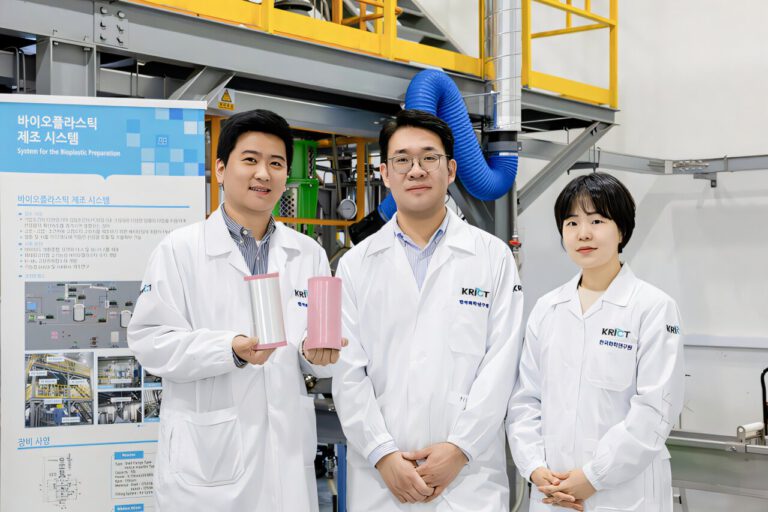
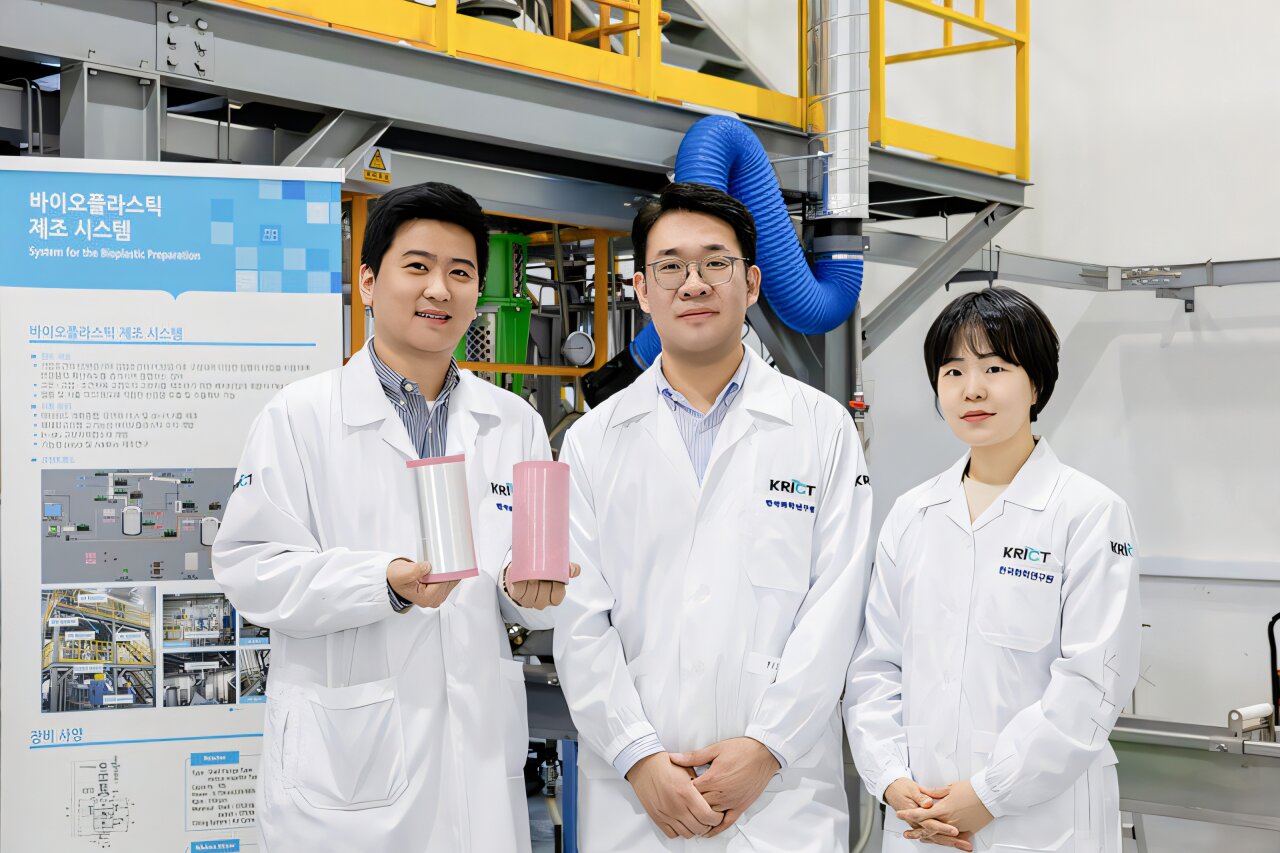
Nylon’s dirty little secret? It sticks around. From fishing nets to yoga pants, nylon takes decades to degrade—especially in oceans—choking marine life and clogging ecosystems. But a Korean research team has just pulled off a sustainability moonshot: a new polyester-amide (PEA) plastic that acts like nylon, but disappears like magic—breaking down 92% in real ocean water within a year.
Developed by a powerhouse team from KRICT, Inha University, and Sogang University, the new PEA is built for the real world: flexible, strong, heat-resistant, and ready for mass production. You can iron it at 150°C, use it to lift 10 kg, and make everything from fishing nets to food wrap—and then let it quietly decompose when it’s done.
What makes this different from the “biodegradable” hype you’ve heard before? Most so-called green plastics fall apart too soon or not at all. PLA, for example, barely degrades in marine water (0.1%). The new PEA? 92.1%. That’s not a typo.
And it’s not just smart science—it’s smart supply chain. The polymer is made using castor oil (a non-edible crop) and recycled nylon waste, slashing carbon emissions to about one-third that of virgin nylon 6. No toxic solvents required, and it can be cooked up in standard polyester factories with just minor tweaks.
The results were published in the March 2025 issue of Advanced Materials and are already turning heads. Expect industrial adoption within two years.
“This material does what no other biodegradable plastic could,” said Dr. Sungbae Park, co-lead on the project. “It’s tough, it’s scalable, and it knows when to vanish.”
Finally, a plastic that knows when to leave the party.