

 It began as a goofy Instagram project. Malaysian artist and architect Red Hong Yi went on a month-long mission, creating a piece of edible art every day. The result is an incredible visual feast.
Practical Solar Powered Innovations for Developing Countries

 Solar energy projects for developing countries in Africa and the Middle East MENA Region have often been put on the backburner due to financial considerations as well as lack of attention by local government bodies. Whether it has involved sophisticated solar “farms” or small solar devices for barefoot Bedouin women, more attention is being focused to bring solar energy to poor people to light up their world.
Baked Fish With Tahini Recipe

When I think of a meal based on a light protein – something quick to make and yet satisfying – I think of fish. Have you ever considered fish luxuriously drizzled with tahini?
Can there be more Masdar eco-cities in the Middle East?
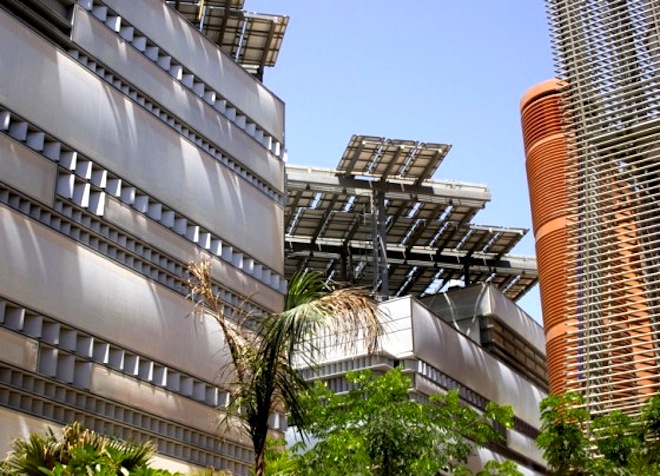
Can there be more Masdars? Can this experimental eco-city be replicated in other Middle Eastern or North African countries that don’t have Abu Dhabi’s immense oil wealth? Green Prophet put this question to Anthony Mallows, Director of Masdar City, and Chris Chi Lon Wan, City Design Manager, during a recent roundtable discussion.
Laundry soaps – is less more green? Jordanians Concentrate for the Environment
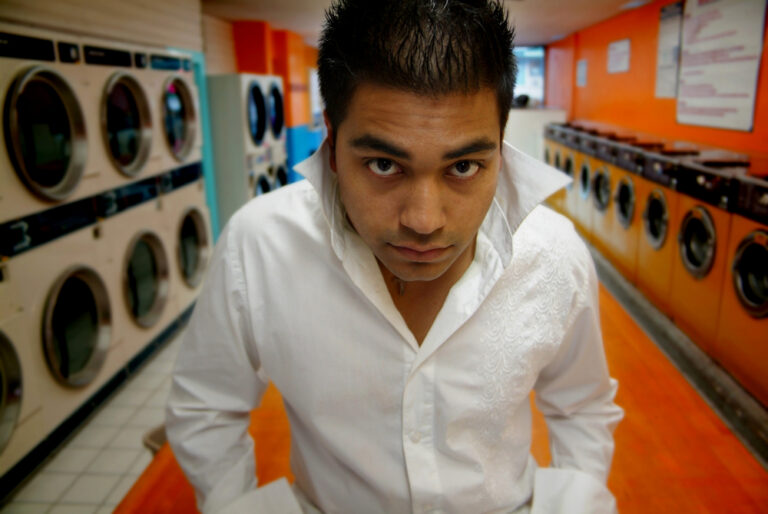
 Jordan is cleaning up its act, at least in terms of laundry detergent, with a project entitled Concentrate for the Environment. The voluntary, industry-led initiative aims to reduce the negative environmental impact of powdered laundry soap. Seems the soap industry excels at greenwashing; this looks like corporate cost-shaving spun into environmental (fool’s) gold.
Climate change and the sea

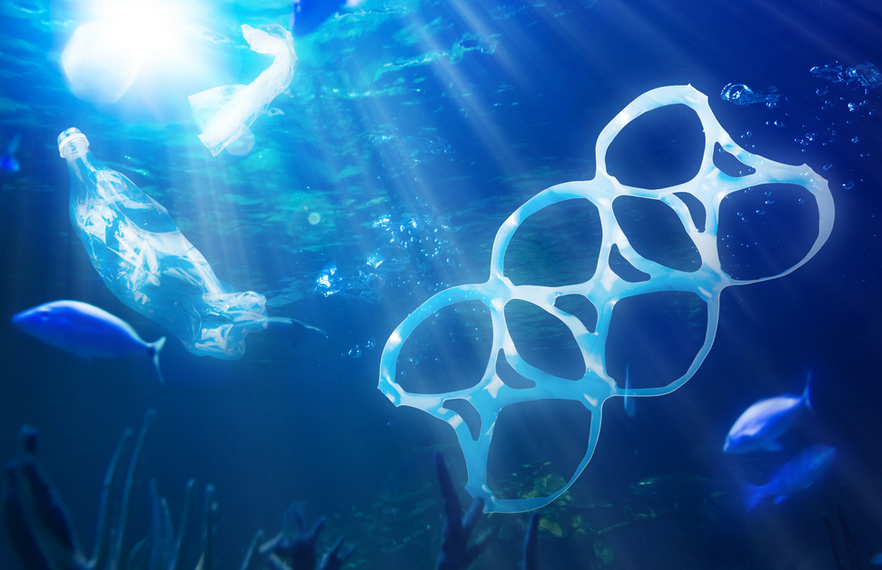
Major changes in how the planet’s marine resources are managed and used are needed to safeguard global food security and ensure the wellbeing of coastal and island countries, the United Nation’s FAO Director-General José Graziano da Silva told a group of high level policymakers meeting today in Abu Dhabi.
“We cannot keep using marine and aquatic resources as if they were endless. And we cannot keep using our oceans as a waste pool,” he said in remarks made at the Blue Economy Summit (19-20 January, Abu Dhabi), attended by heads of state, environment and fisheries ministers, and other key stakeholders.
Serious threats to ocean health such as pollution, overfishing, and altered weather and rising sea levels resulting from climate change must be tackled in earnest – starting now — argued FAO’s chief executive.
“The health of our planet itself, our health and food security, depends on how we treat the blue world,” he said.
Time to act
On average, nearly 17 percent of animal protein consumed worldwide comes from fisheries and aquaculture, and in many small island developing states the figure is much higher.
At the same time, the livelihoods 12 percent of the world’s population depend on fisheries and aquaculture, mainly in the developing world.
But 30 percent of world fish stocks are estimated to be overexploited, depleted or recovering from depletion, with economic losses in marine fisheries resulting from poor management, inefficiencies, and overfishing adding up to $50 billion per year, FAO studies show.
And now climate change is posing new challenges to populations who rely on the oceans, by modifying the distribution and productivity of marine and freshwater species, affecting biological processes, and altering food webs.
Weather changes due to climate change are also taking a toll on many ocean-reliant communities, while the threat of rising sea levels is poised to have major impacts, in particular for small island developing states (SIDS). (Learn more about the challenges facing small island developing states, and how they are organizing to meet them.)
The last thirty years have seen some 80 different commitments on dealing with various ocean threats promulgated at the global level, Graziano da Silva noted, adding: “We not only need to commit, we need to act.”
A blue economy
The concept of a “blue economy” that came out of the 2012 Rio+20 Conference will have an important role to play in achieving the post-2015 global sustainable development goals, Graziano da Silva said during his remarks.
The blue economy model emphasizes conservation and sustainable management, based on the premise that healthy ocean ecosystems are more productive and represent the only way to ensure sustainable ocean-based economies. It also aims to ensure that small island developing states and developing world coastal states equitably benefit from their marine resources.
To support a shift to this new approach, FAO is establishing a new Blue Growth Initiative, through which the Organization will assist countries in developing and implementing blue economy and growth agendas.
The initiative will aim to foster partnerships and act as a catalyst for policy development, investment and innovation in support of food security, poverty reduction, and the sustainable management of aquatic resources.
Cyprus gets new desalination plant with Mekorot Israel’s know-how
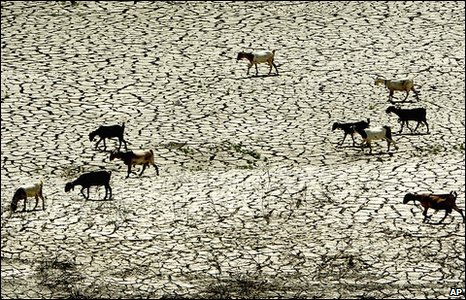
Fresh water shortage issues are virtually normal now in the Eastern Mediterranean, especially in Cyprus, which has worse water shortage problems than Israel, Syria and Lebanon. The water shortage situation in Cyprus has gotten so bad that lakes are going dry (see photo).
Sushi nukes? Watch what imported Japanese fish you eat
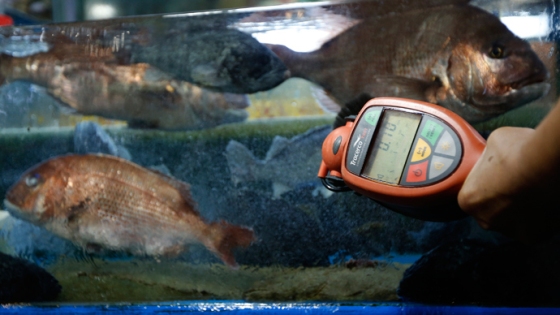
Do you like to eat imported sea fish, especially those like supposedly banned Bluefin tuna? Following the March 2011 Fukushima nuclear plant meltdown disaster, many fish caught in Pacific Ocean waters near Japan’s most well known nuclear power plant have been found to contain abnormally high amounts of radiation.
Ormat adds another geothermal power plant to America
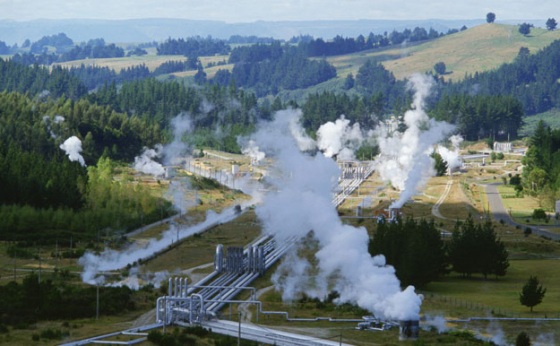
Ormat Technologies, one of the world’s leading geothermal green energy power plant companies, has already tapped the earth’s geothermal energy sources in Europe, the USA, Russia, Indonesia, Central and South America, and a 100 Megawatt plant in New Zealand.
Enlightened Kuwait boycots IRENA energy event over Israel
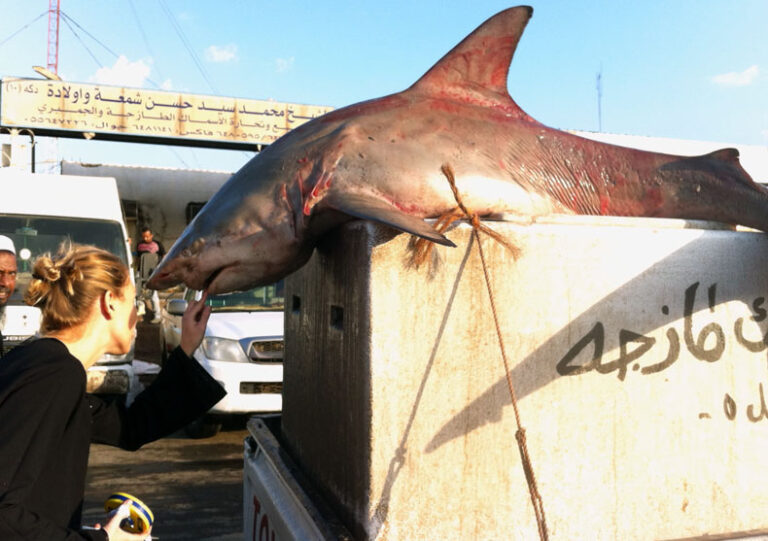
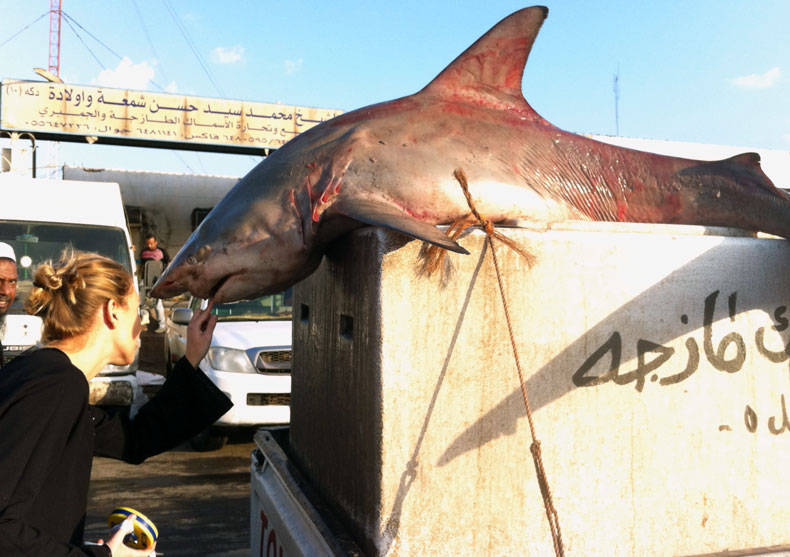
In another “interesting’ move for the planet, Kuwait decided to boycott an international energy event in Abu Dhabi because Israelis would be there. This news comes hot on the trails of a Kuwaiti official banning gays from entering his country, and its fish markets serving up “extinct” and illegally caught sharks.
Renault pulls the plug on Israeli electric cars

The idea was a show-stopper when it was announced: Israel will produce an electric car with a switchable battery. This would reduce range anxiety so more people can buy into buying electric cars. People would pay for the service like you buy minutes for your mobile phone. But the dream has ended as Renault shutters its Turkish factory.
Abu Dhabi gives 6 rural communities $41m for off grid power anywhere
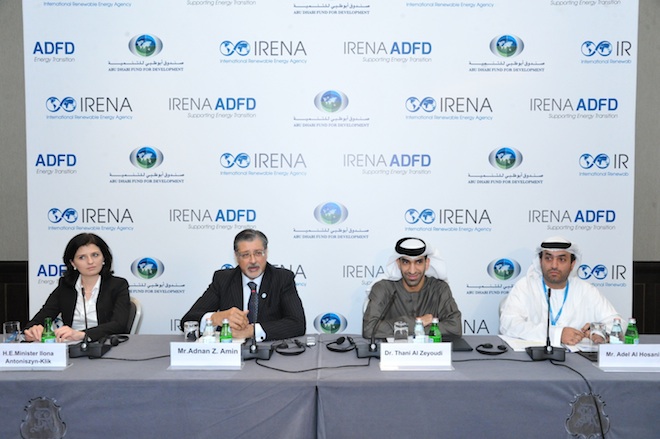
The international renewable energy group IRENA announced the first six recipients of concessional loans for off grid renewable energy projects that are “ready for the shovel,” as Director General Adnan Z. Amin put it in a press conference yesterday. They will receive a combined $41 million from the Abu Dhabi Fund for Development (ADFD).
Don’t get burned by smokeless cigarettes

 Where there’s smoke, there’s fire; but you can still get burned with smokeless, say critics of electronic cigarettes. They look just like a teensy personal sheesha pipe. You’d guess it’s safe, right? Think again.
Green Prophet hits IRENA and the World Future Energy Summit in Abu Dhabi
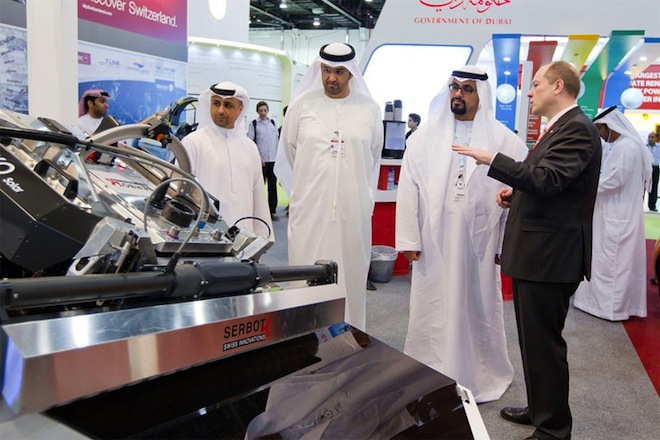
This is the second year that Masdar has hosted Green Prophet at the World Future Energy Summit (WFES). Last year we visited Shams I, the world’s largest CSP plant, more state-of-the art green buildings at Masdar City, and we saw an Estidama green villa prototype.
This wavy Expo pavilion will eat greenhouse gas in 2015
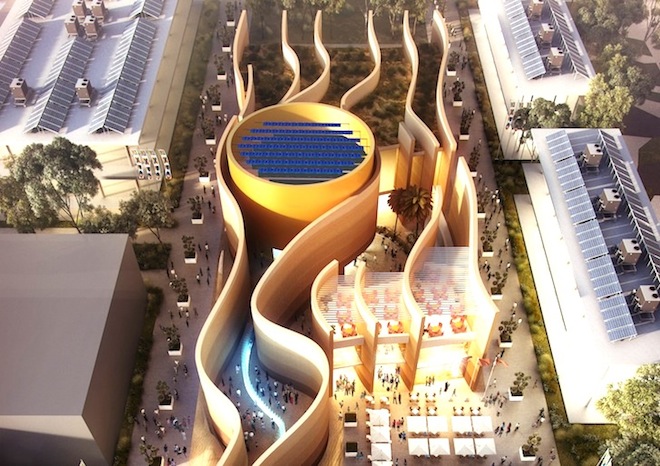
Remember how exciting it was when we first saw pictures of Masdar City in the United Arab Emirates. Masdar is the futuristic terra-cotta curvy buildings designed by Foster & Partners? Well, the same design team is behind the United Arab Emirate’s solar-powered 2015 Milan Expo Pavilion and it features a host of groundbreaking technology.