
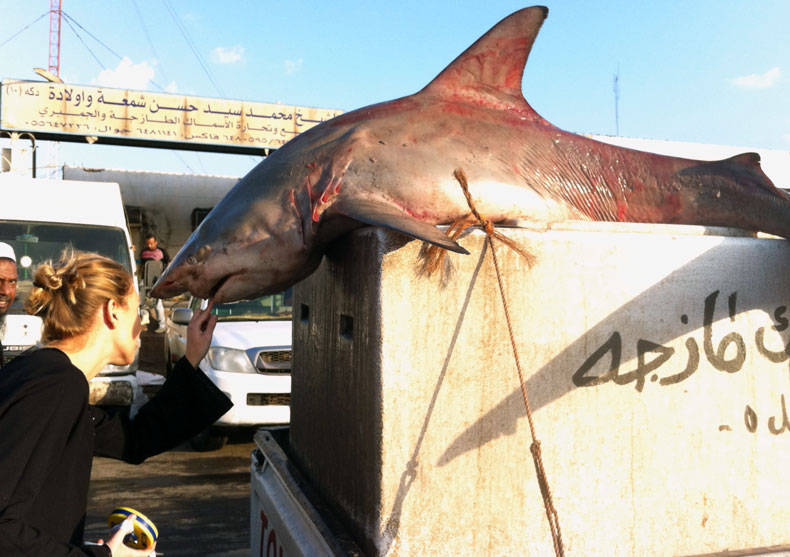
 A species of shark, a sand tiger shark, thought to be extinct for over a century has surfaced in a Kuwaiti fish market. Step aside, Team Zissou; looks like local fishmongers are joining the elite biological teams researching the world’s oceans.
Kuwait fish market serves “extinct” shark
Teaching Tu B’Shevat in classrooms without borders


For many years Hebrew schools in North America barely related to the Jewish holiday of Tu B’shevat, New Year for the Trees.
Happy New Year Trees, and spiritual reasons for Tu B’Shevat Customs
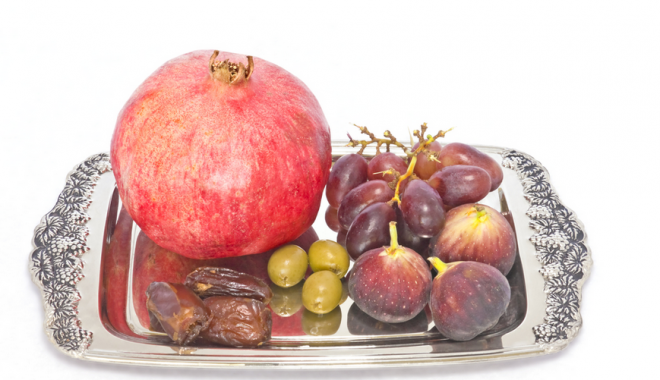
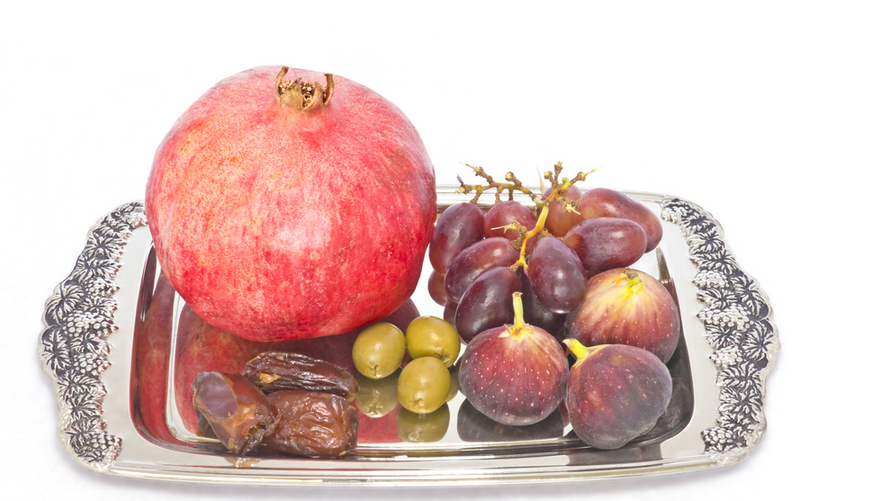
Tonight marks the end of the Jewish holiday Tu B’Shevat. The Jewish New Year of the trees. Here is an enlightening article on the spiritual customs surrounding this ecological, Jewish holiday.
The Shard is getting a neighbor and Qatar is footing the bill

There was great hullabaloo when The Shard was completed just one year ago. Not only was it financed by Qatar, but the 306 meter tower was said to have ruined the London neighborhood in which it was built. Now Renzo Piano has been commissioned to give the skyscraper a neighbor.
GE Opens Ecomagination Clean Tech Hub in Masdar City
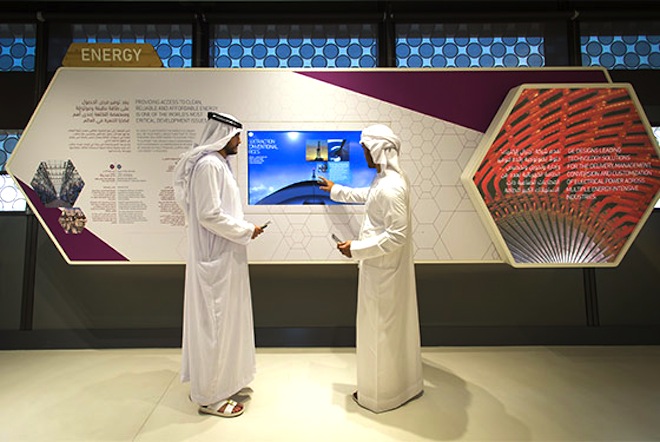
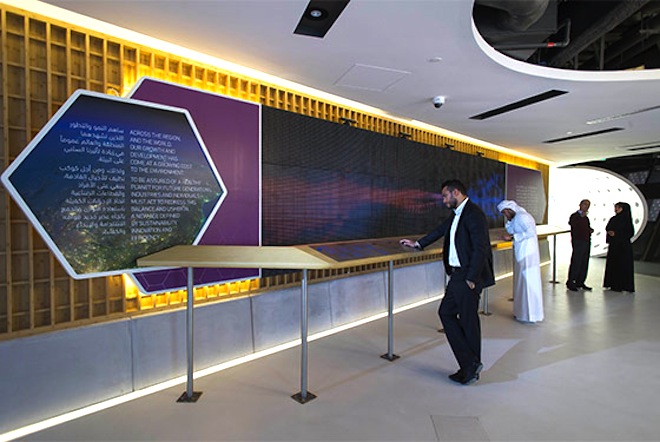
There’s something so satisfying about watching the seed of an idea turn into something real – like GE’s Ecomagination Center unveiled at Masdar City outside of Abu Dhabi today.
Google buys home sensor Nest for $3.2 billion


I own a Smart TV, but it doesn’t connect or operate through a very smart interface. I have heating for my home, but it isn’t connected to any system or way to make it more efficient or smarter. But if the latest Google shopping spree is any indication, our homes will be getting smarter – and greener.
First Saudi dinosaur bones discovered and they’re 72 million years old
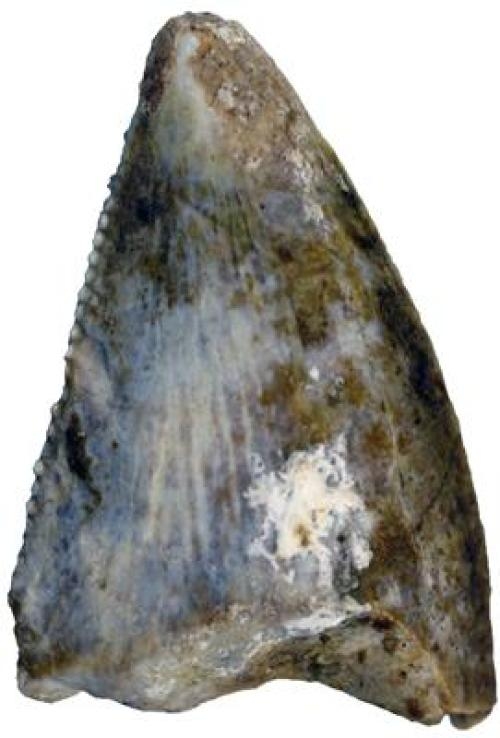
Scientists have discovered the first dinosaur bones in Saudi Arabia that are identifiable – a huge discovery that has proved very difficult until now. The bones are said to be roughly 72 million years old.
Offshore crescent-shaped moons and modular land buildings for futuristic metropolis in the UAE
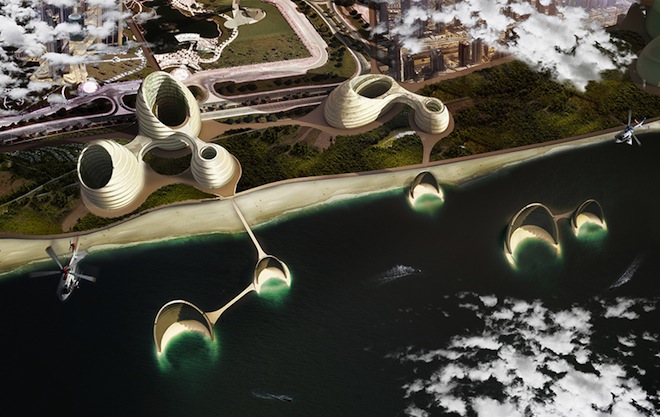
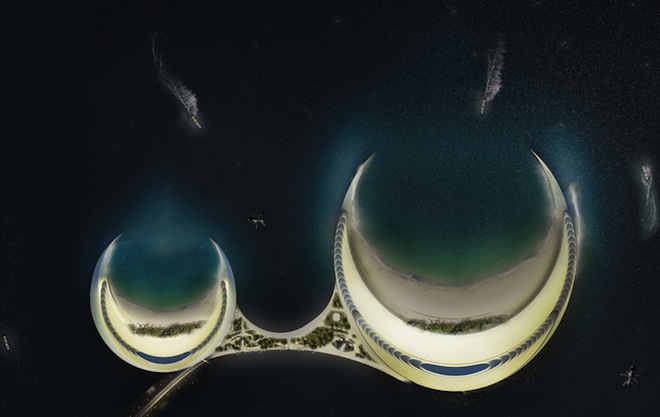 Luca Curci architects have designed a concept for a futuristic metropolis in the United Arab Emirates that is comprised of modular “organic” buildings on land and offshore crescent-shaped “moons.”
Juha’s Guesthouse in Jisr al-Zarka is looking for seaside guests

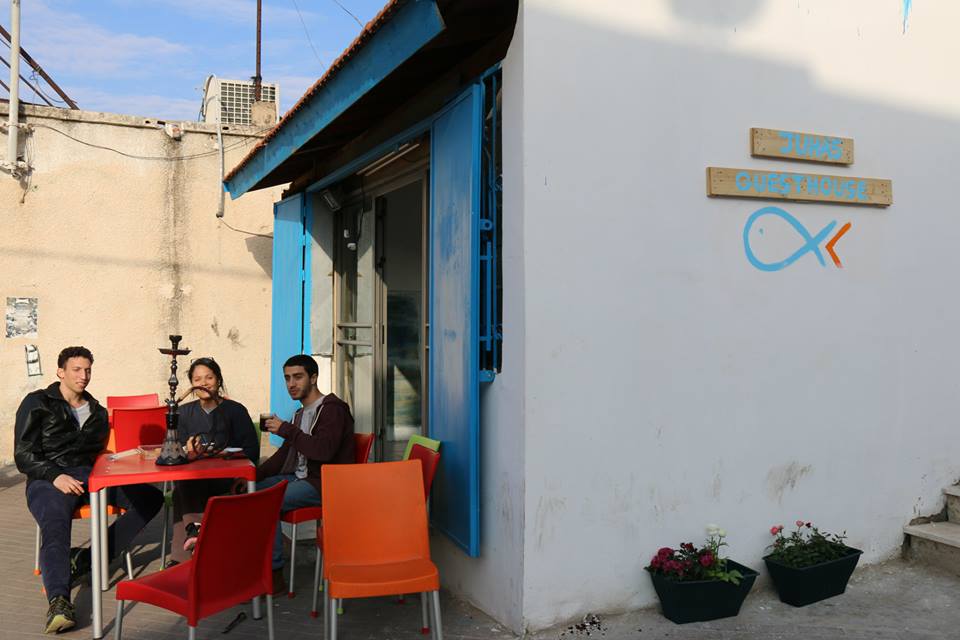
Jisr al-Zarka, Israel’s only remaining coastal Arab town and nearly forgotten by both local and foreign visitors has made a small beginning to promote tourism to the town with the completion of the first tourist guest house called Juha’s.
Israel’s first natural gas customers to be Palestinians

Israel’s Leviathan Partners natural gas production consortium has signed its first gas export agreement with a Palestinian power company.
Kosher single malt whiskey: Milk & Honey Distillery whisky

Although drinking alcohol is considered to be Haram or forbidden for Muslims, alcoholic beverages are becoming increasingly popular in Israel, and among Christians in the Middle East where growing vineyards and producing wine and vinegar has ancient historical roots.

Will the Polar Vortex “Dip” freeze the Middle East?
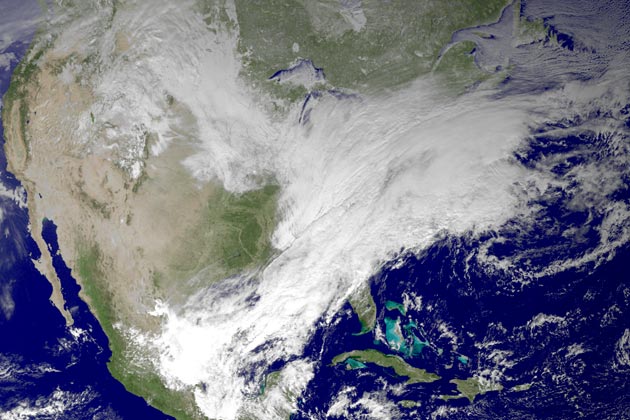
Extreme winter weather has been causing severe climate changes all over. The includes the Middle East, where a freak December winter storm paralyzed Jerusalem and Amman and brought snow to Cairo for the first time in 100 years. Will the Middle East experience a Polar Vortex?
Ancient Egypt spider art archaic writing?
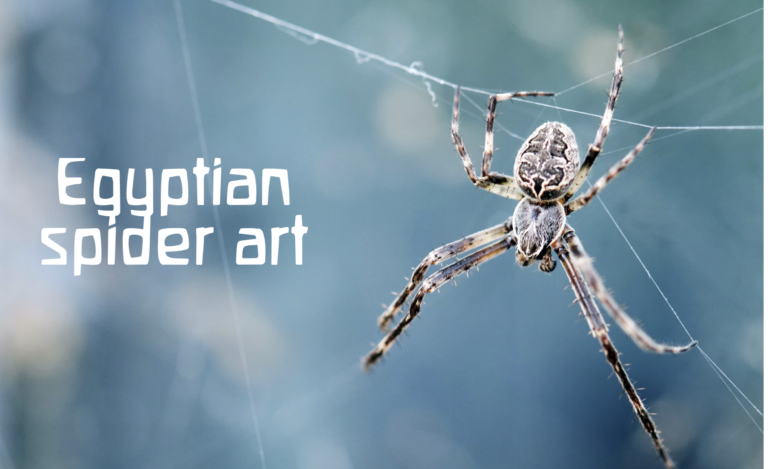
Egypt offers more to desert tourists than camels: In the ancient land of the Pharaohs, desert-dwelling invertebrates have often been part of Egyptian folklore, including scarab or dung beetles which are known to navigate by the stars. Now spiders join the story.
Desert spiders have not been a major part of Egyptian hieroglyphic art, but a one of a kind type of “spider art” has now been discovered carved on rocks in Egypt’s western desert. The spider art, said to be around 4,000 years old, was discovered carved into a wall and found in a sandstone wadi in the Kharga Oasis, located in Egypt’s western desert almost 100 miles west of Luxor.
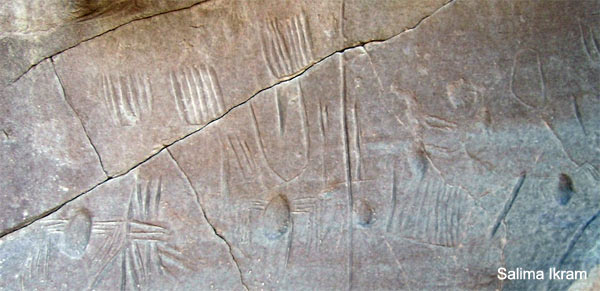
One researcher postulates that the spider art is a form of archaic writing:
However, Derek Cunningham, author of The Long Journey: 400,000 Years of Stone Age Science has his own interpretation.
Cunningham saw the panel as a chance to do an analysis on the art piece to see if the linear comb patterns matched his proposal that such patterns are in fact an archaic form of writing.
The most striking result of his analysis is that the rock panel matches exactly the proposed theory. The angular offset of the ‘spider body’ and the many lines drawn on the panel, align as predicted astronomical values considered central to the accurate prediction of lunar and solar eclipses.

For example, the body of the proposed spiders are rotated by 13.66 degrees from vertical, a calculation which corresponds to half a sidereal month. This appears to link to the observation that the panel faced eastwards, which is the direction astronomers face to observe lunar eclipses.
Spiders are quite numerous in Africa’s desert regions and because some of them having dangerous bites, they may have been incorporated into ancient religious beliefs.
 Worshiping spiders in ancient may also be connected to an Egyptian goddess named Nit or Neith who was said to have been the goddess of weaving, war and hunting. The weaving attribution is drawings and images of Neith often show her carrying a bow and arrows linking her to war and hunting.
The spider connection comes from Neith weaving or spinning a woven design, like a spider’s web as part of her role in Creation.
Other small invertebrate desert dwellers, particularly scorpions also have Egyptian religious connotation. Scorpions, which are related to spiders, also have eight legs as well as painful and often fatal stings.
Ancient Egyptian writings tell about an ancient Egyptian king possibly called Selk or Weha; and also known as King Scorpion. Selk was said to be the second of two kings or chieftains of that name during the pre-dynastic period of Upper Egypt, called the Protodynastic Period.
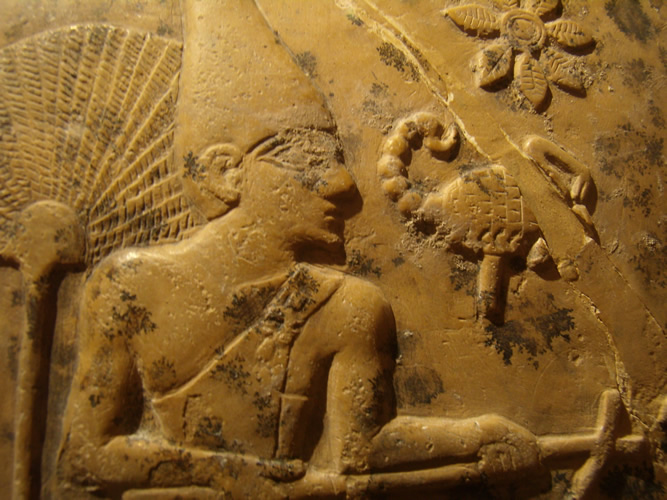
Egypt at that time was divided in two kingdoms; the Upper Kingdom with its capital at Thebes; and the lower kingdom, with its capital Memphis, now Cairo.
The lower kingdom included the entire Nile Delta region. The significance of the Scorpion King is that he helped to unite the two kingdoms into one major kingdom at the end of the Protodynistic Period. Ethiopia at odds with Egypt over the Nile could make use of a uniting king these days. Spider or otherwise.
As the spider art paintings are said to be very old, they represent a more ancient concept of Egyptian folklore, and may have been carved out of high respect for the desert spider species whose venomous bites were obviously feared and respected.
Michael Ledo, a Green Prophet reader says that the spider art may be an ancient Zodiac symbol: “Seems no scholar knows that the spider was a zodiac constellation and when it was the summer solstice which would relate to the myths. Also key to dating the cult.”
Read more about other desert invertebrates, including locusts and scorpions:
Scarab (Dung) Beetles Navigate by the Stars
Swarms! Algeria, Libya, Mauritania and Morocco on High Alert for Desert Locusts
What Camels and scorpions Teach “Dayma” Tourists in Egypt
Illustration of Egyptian goddess Neith
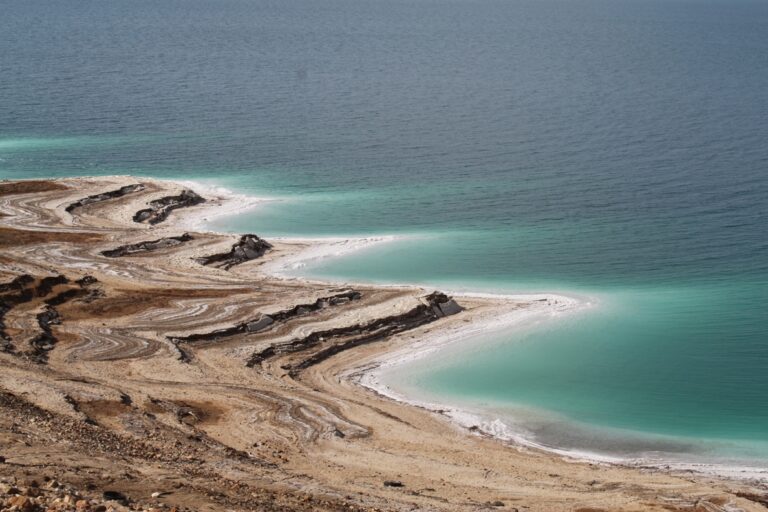
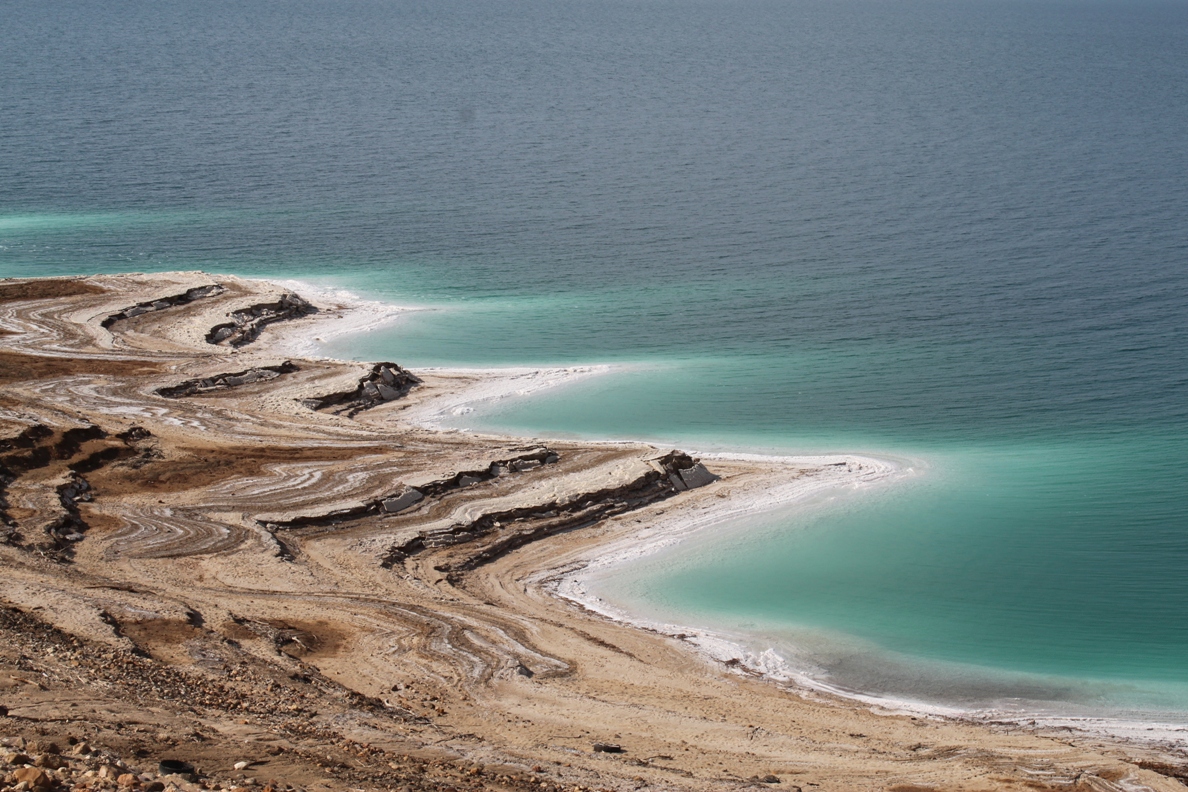
Mind-blowing Jordan trip on $20 a day (PHOTOS)
 Sunday was Mawlid an-nabī, the observance of the birth of the Islamic Prophet Mohammed, but unlike Eid al-Fitr (Little Eid) or Eid al-Adha (Big Eid), Mawlid is a low-key celebration marked by a quiet focus on the prophet’s life and an uptick in eating and charitable acts.
Sustainable, Online Green Courses for 2014


I introduced Green Prophet readers to environmental e-learning and Laurie updated us with details on Mitx, Coursera and Udacity environmentalism courses in Februrary 2013. A new term has just begun with a wide selection courses related to environmentalism. So this is a good time for a refresher on how Massive Open Online Courses (MOOC) work.