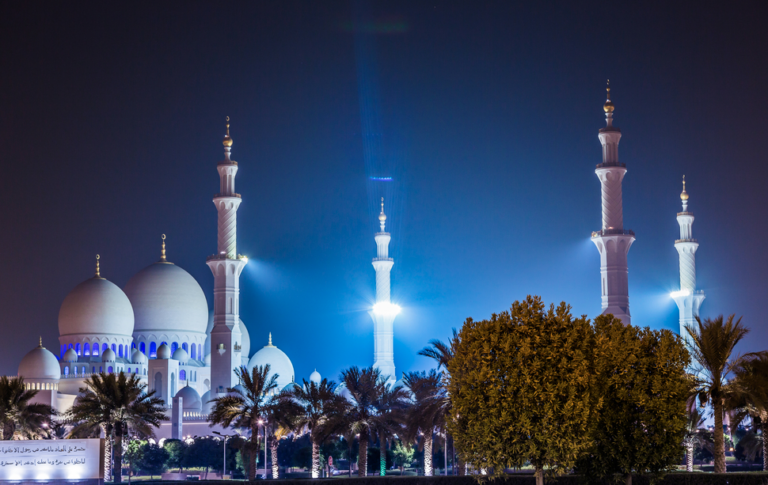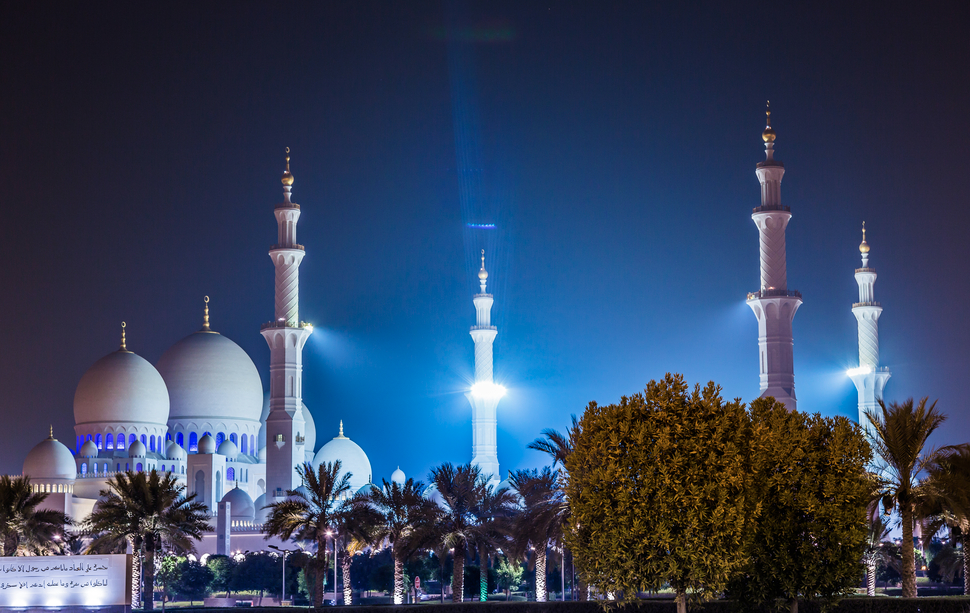
When westerners go on holiday they tend to think of Mexico, Costa Rica, or for more exotic locations maybe Thailand. But in some spots in the Middle East, the sun always shines, well mostly, and getting away can be a lot more interesting than sitting in a pool bar drinking Coronas all day.
Vitamix is the best blender for a family’s health

It happened. I am officially addicted to making ice-cream in my Vitamix machine. It arrived about six weeks ago by courier. At first I didn’t think that it would become such a staple in my life. It’s a high-powered blender, after all.
Black, with two mixing containers: a wet one and a dry. I’d heard my step-son and writing colleague praise the blender with fervour (read here on how to make a date shake).
Why are people so excited about a blender?
This machine is an earth-loving, green girl’s fantasy. It’s one of those machines that can replace every other machine on your counter. It gives you the option to make green shakes, juices (but can be messy), ice-cream (yes!), your own ground coffee, home-made and home-ground organic baby formula, vegan pate, fresh tehini, and a pot of soup right in the blender.
Apparently there are stages of addiction with the Vitamix and I am at the first stage: ice-cream. The addiction doesn’t go away, apparently, but it changes form.
Within 24 hours I’d made and eaten five kinds of ice-cream, all of them 100 percent vegan and 100% sugar-free. And boy was it delicious. You have to know that I am neither a vegan nor do I strive to be sugar free. These two benefits are byproducts of my addiction. This is coming from a girl who will eat nothing less than Baskin Robbins, and if given a choice will only eat Hagen Daaz.
I will supply a recipe that emerged from my addiction below. You can try it in a regular blender (the folks that don’t have a Vitamix), but it probably won’t work.
The truth is, my husband is watching his sugar intake and his health. And now we have two little kids that shouldn’t eat sugar.
Vitamix Anon?
And there are a few reasons why the Vitamix blender takes the cake. The size of the motor is apparently strong enough to crush stones, according to my step-son. At a workshop I was on at New Horizon in Israel (one of the only places where they are available in the Middle East), the machine can actually process dried chickpeas. Mixing hummus that’s cooked is a no brainer.
The fact that the blade is non-removable from the container means that it is a breeze to clean. This is a top point for someone as lazy as me. I love to cook but I hate to clean. A few cups of hot water, some drops of soap, a whirl around the engine and the Vitamix is clean.
The last blender I bought died when I was making a milkshake. The three-minute blend was too much for the machine and it died, puking out a terrible smoke. It almost caught fire when we found it smouldering later on. The Vitamix has a special switch that prevents it from heating up. If you are making too many almond butters or ice-cream (he, he), it will switch off before you can do any damage.
With a 10-year warrantee, I may be willing this machine to my kids. But there is loads of cooking to do before then. Over the next months I plan to take on some traditional Middle East cooking projects using my Vitamix. It can freshly grind flax seeds, for instance, but how will it handle hard hummus beans, making fresh tehini or my own secret falafel mix?
Until then, I am offering you my favorite ice-cream recipe, after five different tries.
Middle East fig ice-cream recipe
Ingredients
6 organic, dried figs
Handful of organic nuts, walnuts are good, cashews or Brazil nuts work too
Frozen organic banana
Tablespoon of dried date paste
Spoon of dried coconut
Dash of cinnamon
2 teaspoons of organic flax seeds (unground)
2 tablespoons of organic, sugar-free, fat-free chocolate
2 cups ice
Blend all the above together (leaving out the ice) on high speed, using the black rod that comes with the machine. I don’t know what it’s called, but it’s very essential to have this thick magic wand in action while the above ingredients are grinding. Push it into the sides as the machine runs on turbo.
After about 40 seconds grinding with some uniform consistency achieved, add in 2 cups of ice. Then get the black wand ready to start mixing. It takes a bit of effort, but it’s worth it. After about another 40 seconds round you’ll have the finest tasting gelato-like ice-cream you’ll ever find on this planet.
And the health benefits? Don’t get me started. For Jewish chefs the result is kosher, pareve. For Muslims, it’s halal. For vegans, it’s vegan. For raw food lovers, it’s raw. For sugar addicts, it’s a more natural way to get your sugar high. Top it off with some crunchy granola and you’ll find heaven on earth. Even if you replace any of the ingredients above with something else similar, you probably won’t go wrong. Don’t try onions, for instance. But if you don’t have bananas, try a frozen orange. If you don’t have coconut, try raisins… the list goes on.
My step-son tells me that after the ice-cream addiction stage, I will probably move on to green shakes. Honestly, I’m already jones’ing for one but we don’t have any apples left from all the stuff we’ve been making over the weekend.
::Vitamix

Desert plants fed with saltwater produce amazing new biofuel for Boeing and Etihad
In 2012, the world’s airlines transported three billion people, emitting 689 million tonnes of CO2 into the atmosphere. To mitigate the aviation industry’s future environmental impact, Boeing, Etihad Airways and the Masdar Institute of Technology are working on a groundbreaking new jet fuel made from desert plants fed with saltwater.
Breastfeeding by law, in Abu Dhabi
According to Islam, being breastfed is a right for all children. Now Abu Dhabi has passed a clause in their Child Rights law that requires all women to breastfeed their children – up to the age of two.
700 free e-books to up your Middle East IQ
Looking for some good reads about the environment and the Middle East? Then click yourself into the University of California Press (UCP) e-books collection (link here) offering free access to hundreds of books published by UCP and other academic presses.
Oldest Hebrew inscription from Jerusalem deciphered: “the wine was cheap”
Archeologists have deciphered what they believe to be the oldest Hebrew texts originating from the Holy City of Jerusalem: “the wine was cheap”, is the meaning of the basic inscription, illustrated above. It is also believed that the wine was made for the “riffraff”, the hard workers in the region, and for soldiers.
Pesticide poisoning kills two kids in Jerusalem
This is just one reason why I don’t allow pesticides to come near my home and children: two children have died, and two more are in critical condition after a Jerusalem exterminator applied the pesticide aluminum phosphide in a Jerusalem apartment.
Siemens opens Middle East’s greenest office building at Masdar City (PHOTOS)
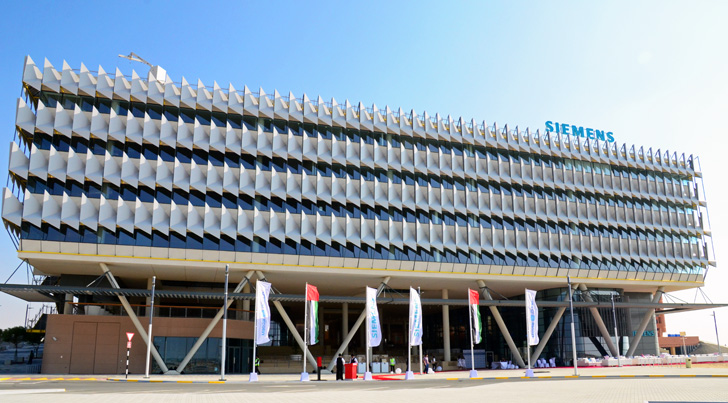
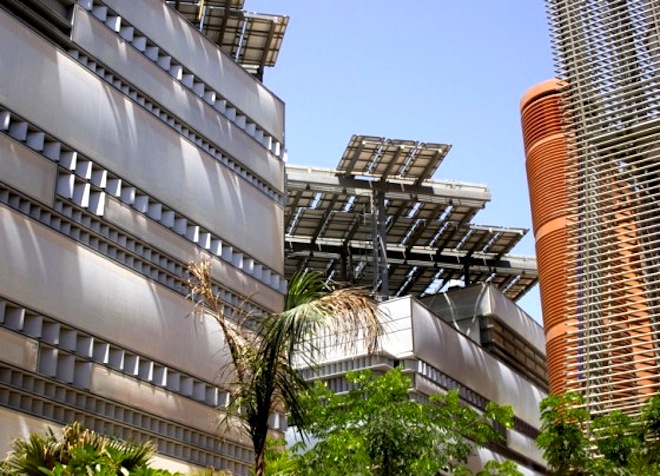
When the Middle East eco-city developers from Masdar approached David Ardill, Partner and Design Director at Sheppard Robson, to design Siemens’ new corporate headquarters at Masdar City, the architect said it was the most challenging brief he had ever encountered. Green Prophet visited the building this week for an exclusive tour.
Practical Solar Powered Innovations for Developing Countries
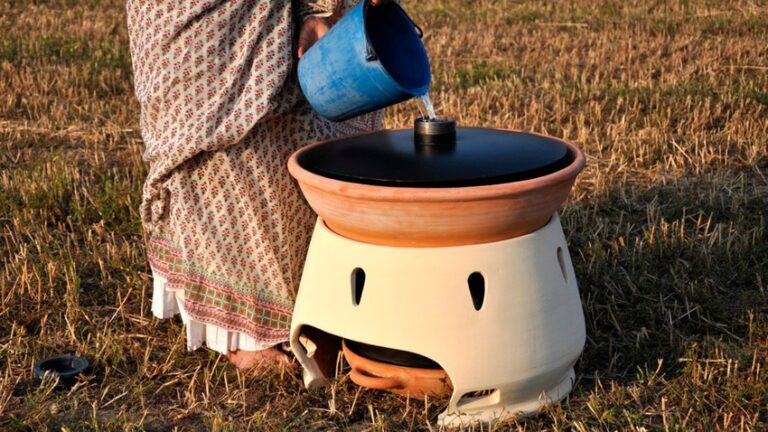
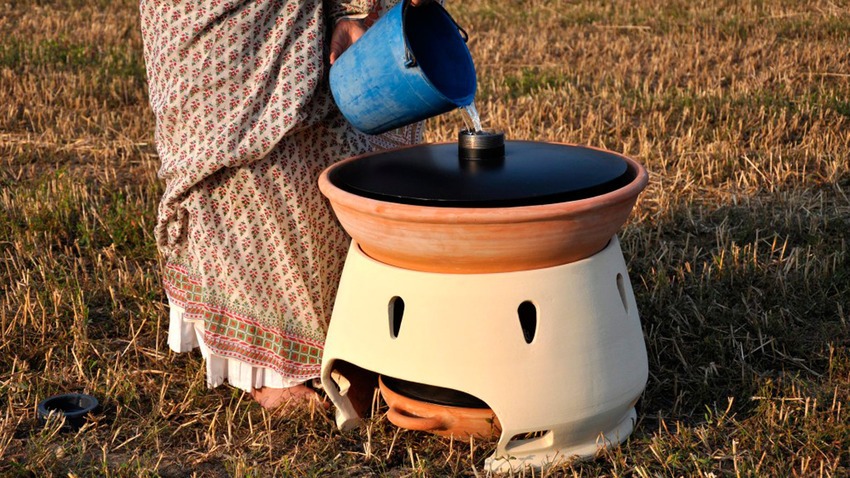
Solar energy projects for developing countries in Africa and the Middle East MENA Region have often been put on the backburner due to financial considerations as well as lack of attention by local government bodies. Whether it has involved sophisticated solar “farms” or small solar devices for barefoot Bedouin women, more attention is being focused to bring solar energy to poor people to light up their world.
Baked Fish With Tahini Recipe
Can there be more Masdar eco-cities in the Middle East?
Can there be more Masdars? Can this experimental eco-city be replicated in other Middle Eastern or North African countries that don’t have Abu Dhabi’s immense oil wealth? Green Prophet put this question to Anthony Mallows, Director of Masdar City, and Chris Chi Lon Wan, City Design Manager, during a recent roundtable discussion.
Laundry soaps – is less more green? Jordanians Concentrate for the Environment
Jordan is cleaning up its act, at least in terms of laundry detergent, with a project entitled Concentrate for the Environment. The voluntary, industry-led initiative aims to reduce the negative environmental impact of powdered laundry soap. Seems the soap industry excels at greenwashing; this looks like corporate cost-shaving spun into environmental (fool’s) gold.
Climate change and the sea

Major changes in how the planet’s marine resources are managed and used are needed to safeguard global food security and ensure the wellbeing of coastal and island countries, the United Nation’s FAO Director-General José Graziano da Silva told a group of high level policymakers meeting today in Abu Dhabi.
“We cannot keep using marine and aquatic resources as if they were endless. And we cannot keep using our oceans as a waste pool,” he said in remarks made at the Blue Economy Summit (19-20 January, Abu Dhabi), attended by heads of state, environment and fisheries ministers, and other key stakeholders.
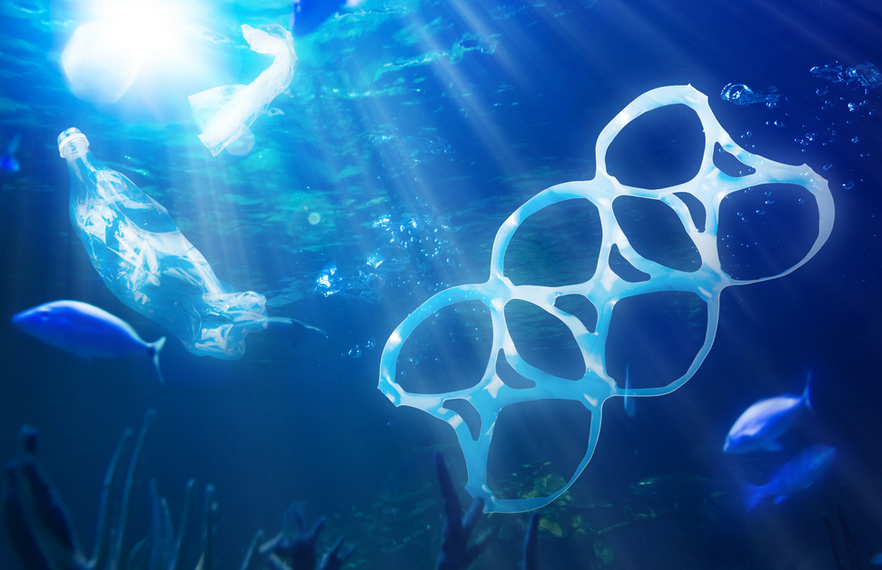
Serious threats to ocean health such as pollution, overfishing, and altered weather and rising sea levels resulting from climate change must be tackled in earnest – starting now — argued FAO’s chief executive.
“The health of our planet itself, our health and food security, depends on how we treat the blue world,” he said.
Time to act
On average, nearly 17 percent of animal protein consumed worldwide comes from fisheries and aquaculture, and in many small island developing states the figure is much higher.
At the same time, the livelihoods 12 percent of the world’s population depend on fisheries and aquaculture, mainly in the developing world.
But 30 percent of world fish stocks are estimated to be overexploited, depleted or recovering from depletion, with economic losses in marine fisheries resulting from poor management, inefficiencies, and overfishing adding up to $50 billion per year, FAO studies show.
And now climate change is posing new challenges to populations who rely on the oceans, by modifying the distribution and productivity of marine and freshwater species, affecting biological processes, and altering food webs.
Weather changes due to climate change are also taking a toll on many ocean-reliant communities, while the threat of rising sea levels is poised to have major impacts, in particular for small island developing states (SIDS). (Learn more about the challenges facing small island developing states, and how they are organizing to meet them.)
The last thirty years have seen some 80 different commitments on dealing with various ocean threats promulgated at the global level, Graziano da Silva noted, adding: “We not only need to commit, we need to act.”
A blue economy
The concept of a “blue economy” that came out of the 2012 Rio+20 Conference will have an important role to play in achieving the post-2015 global sustainable development goals, Graziano da Silva said during his remarks.
The blue economy model emphasizes conservation and sustainable management, based on the premise that healthy ocean ecosystems are more productive and represent the only way to ensure sustainable ocean-based economies. It also aims to ensure that small island developing states and developing world coastal states equitably benefit from their marine resources.
To support a shift to this new approach, FAO is establishing a new Blue Growth Initiative, through which the Organization will assist countries in developing and implementing blue economy and growth agendas.
The initiative will aim to foster partnerships and act as a catalyst for policy development, investment and innovation in support of food security, poverty reduction, and the sustainable management of aquatic resources.
Cyprus gets new desalination plant with Mekorot Israel’s know-how
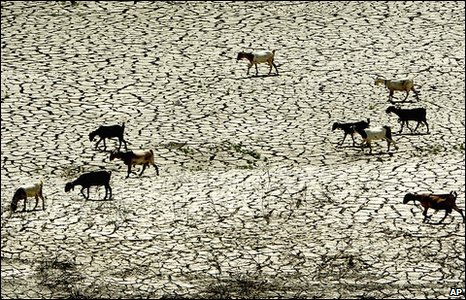
Fresh water shortage issues are virtually normal now in the Eastern Mediterranean, especially in Cyprus, which has worse water shortage problems than Israel, Syria and Lebanon. The water shortage situation in Cyprus has gotten so bad that lakes are going dry (see photo).