Home Blog Page 289

Safely swap your streetlight for a glowing tree?

2

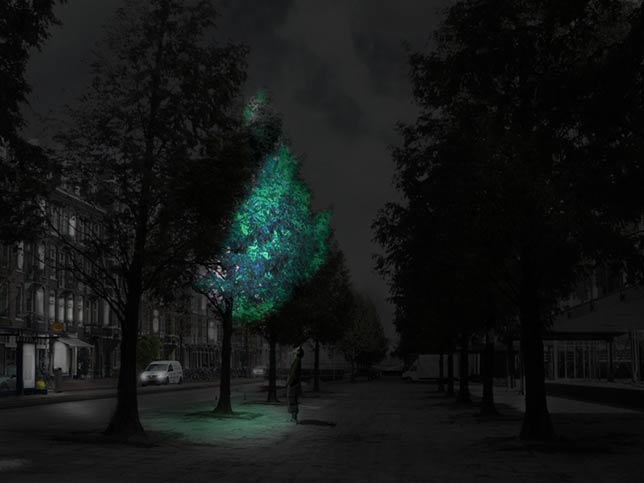
Glowing-Tree-Urban-setting-RoosegaardeCould the built environment take cues from Mother Nature? When Dutch designer Daan Roosegaarde puzzled this, a light popped on in his head, a light created by genetically modified plant life!  He imagined a self-illuminating streetscape (image above).

He told Dezeen, “I mean, come on, it will be incredibly fascinating to have these energy-neutral but at the same time incredibly poetic landscapes.”

“In the last year I really became fond of biomimicry,” he said. Biomimicry is the imitation of natural systems to solve complex design issues. Consider Velcro, which was inspired when an engineer was removing burrs from his dog’s fur; and Olympic swimsuits that replicate the water-slicing qualities of shark skin; and new adhesives patterned after the clinging ability of gecko feet.

Roosegaarde was specifically fascinated by how animals like fireflies and deep sea creatures generate light.
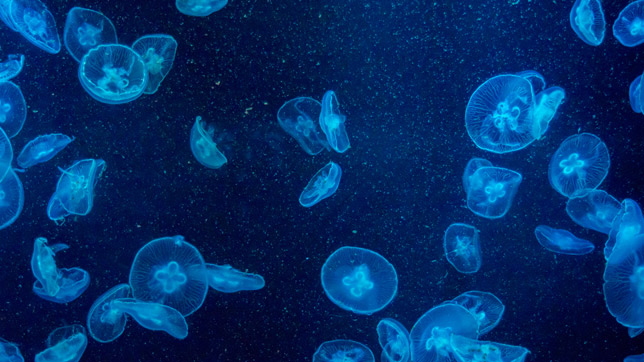
 luciferon-allows-jellyfish-to-emit-light“When a jellyfish is deep underwater it creates its own light,” he said, “It does not have a battery or a solar panel or an energy bill. It does it completely autonomously. What can we learn from that?” (Jellyfish use a biological compound called luciferin to emit light.)

His research led him to the State University of New York  and Alexander Krichevsky, whose technology firm Bioglow auctioned off genetically modified glow-in-the-dark plants earlier this year.

Bioglow splices DNA from luminescent marine bacteria to the chloroplast genome of a common houseplant, so the stem and leaves emit a faint light similar to that produced by jellyfish.

They’ve teamed up with a goal to create glow-in-the-dark trees. Actually more like twinkling topiary – the final product will be created from a collection of luminescent plants grouped into a tree-like shape.

Daan-RoosegaardeConceptually cool, but who’s looking at health and safety?

The European Union strictly regulates the use of genetically modified (GM) plants, and Roosegaarde is prohibited from using this material in his Netherlands studio; he had to travel to the US to receive his Bioglow plant.

American policy on GM substances are more lax, but building codes are not. Planning permission typically requires an environmental assessment for projects that have a public impact.  Shouldn’t the same be required when proposing to turn the trees into street lighting?

Roosegaarde is also working solo on another project called Glowing Nature which does not use GM material, but instead cultivates trees with light-emitting properties similar to those in bioluminescent mushrooms.

He proposes to apply a micro-thin coat of “biological paint” to allow trees to glow in the dark. The solar coating recharges during sunlight hours and can glow for up to eight hours at night. Material trials start later this year.

Sort of head-shaking, that one.

Phosphorescent paints have been around for ages, commercially available, and commonly used to mark emergency escape paths or paint constellations on your bedroom ceiling. They are so popular that WikiHow even offers a tutorial on how to make your own at home (link here).

So what’s Glowing Nature bringing to the table?

These flash-in-the-dark concepts need robust environmental vetting before they can be taken seriously.

Israel’s bird watching season

1

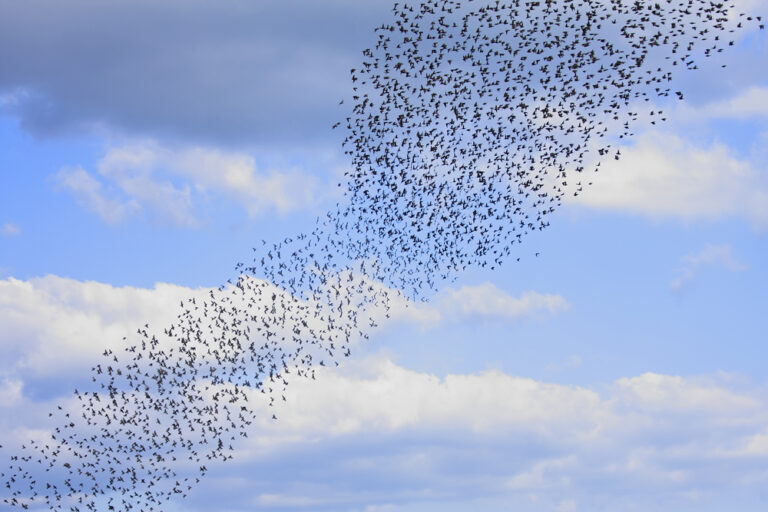
Israel Bird WatchingA new one-day contest has attracted birding experts from around the world to southern Israel where they compete to record the highest number of species migrating through the Great Rift Valley along the Africa Eurasia Flyway.

Called Champions of the Flyway, the competition also raised money to combat illegal hunting in countries along the migratory route, which kills millions of birds annually.

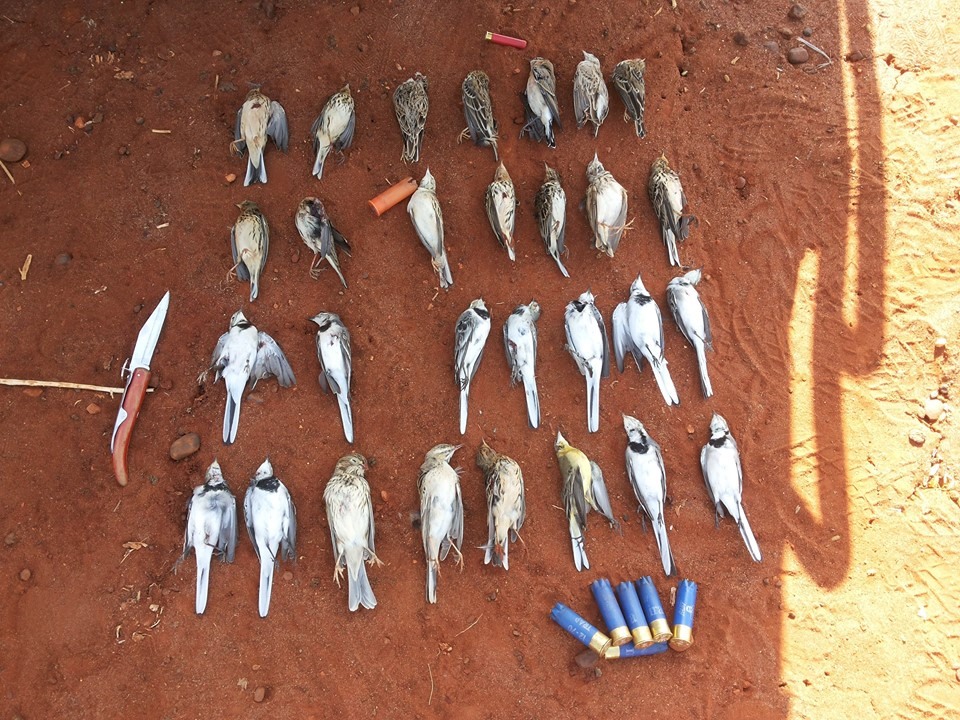
Millions of birds are hunted each year along the route. Countries like Egypt, Malta, Lebanon, Syria, Cyprus, and Georgia are shutting their eyes to unrestrained hunting of birds that arrive on migration,” Dan Alon, director of the Israel Ornithological Center said: “Hunters do not distinguish among birds and are catching everything in sight, from small songbirds to raptors, storks, pelicans, and everything else.”

hunted wild birds in Lebanon
Poached and hunted wild birds in Lebanon

Twenty-two teams participated in Tuesday’s competition, including 14 international groups from nine different countries – full teams from Israel, the United States, England, and Georgia, as well as mixed nationality teams and one Israeli- Palestinian group. The event was sponsored by the Society for the Protection of Nature in Israel (SPNI), BirdLife International, and the Israel Ornithological Center.

For 24 hours, the bird watching teams searched an area extending from Eilat in the south to Arava junction and Nitzana in the northeast and northwest, identifying and documenting all birds spotted.

Events like these are increasing in popularity. Best known is the World Series of Birding, which celebrated its 30th anniversary last May in America. SPNI birder Jonathan Meyrav, host of the Israeli contest, had led his team to place 14th of 52 groups in last year’s World Series of Birding.

Southern Israel is considered one of the world’s most spectacular paths of migration. Hundreds of millions of birds fly past, stopping in the area from a few days to weeks. But millions of birds also fall prey to hunting.

Birds as a fetish dish

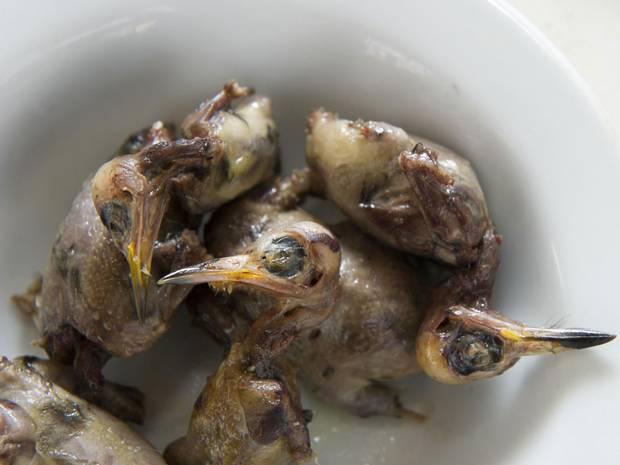
ambelopoulia songbirds cyprus
Once caught and killed, the birds are then sold to restaurants in the Republic of Cyprus, which serve ambelopoulia, a traditional Cypriot dish

It’s not easy being a bird.  If you manage to not be eaten as part of a fetish dish, you could be cooked by solar farms, shredded by wind turbines, or be hunted to improve an Egyptian’s libido. There’s also the risk smash-up against the world’s increasingly sky-scraping towers.

Race rules required teams to log species onto official race checklists; each species must be seen or heard by at least three team members. In addition, teams could add up to five “write-in” species not on the checklist if they provide photographic or video evidence of the sightings.

The winning team – which has yet to be announced as of this posting – will be awarded the title “Champions of the Flyway”.

The edible Ooho water bottle could save us from plastic

4

Lexus Design Award, disposable water bottle, edible water bottle, algae water bottle, Ooho, plastic waste, water scarcityPlastic. No word assaults our sensibilities more. Plastic in the bellies of baby birds; plastic strangling marine animals; plastic leaching chemicals into our water supply. Plastic everywhere. But with Ooho, an edible water ‘bottle’ that just about anyone can make, we could get a handle on the plastic mess – at least a little one.

Ecoppia cleans solar panels for more energy

2
world's first self-cleaning solar plant, ketura, ecoppia, robot PV cleaners, negev desert, israel, waterless solar cleaning, Siemens AG, Arava Power
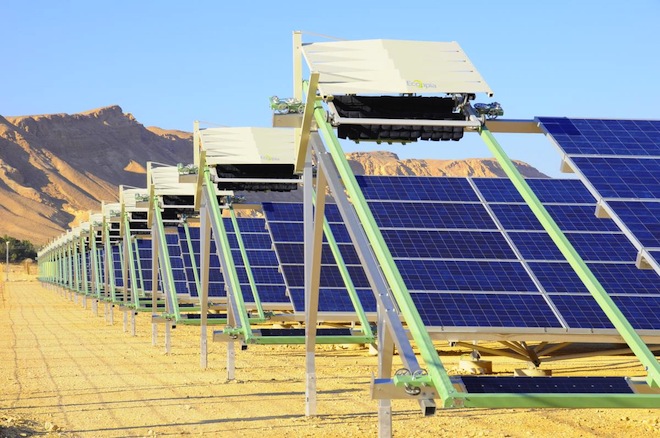
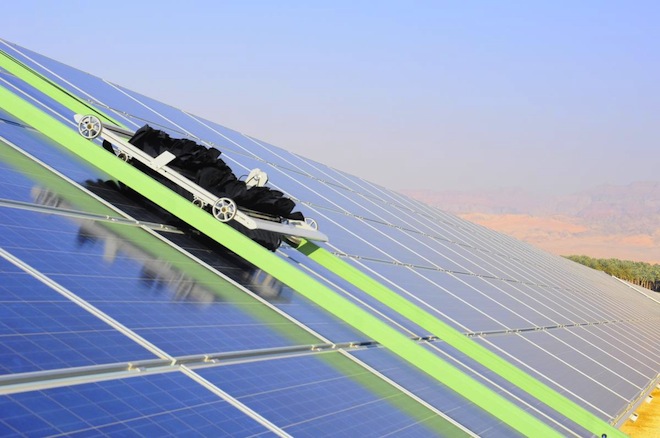
Ecoppia solar cleaner robots. Can we get a system for our home?

Solar parks in the desert face two major challenges: a lot of dust on the photovoltaic panels and not enough water to clean them. Dust can cause up to a 40% decrease in efficiency of the panels. So there is  huge interest to avert this problem. Normally teams of humans come in with squeegees to clean the panels by hand.

Located in Israel’s Negev desert, Ketura Sun solar park scoured the planet for a solution to their dust problem, which they found in an army of Ecoppia’s water-free robots. Ecoppia is an Israeli company that is competing in the market of automated solar panel cleaners for PV panels. 

Turns out solar panel cleaning robots are a big deal and they are part of a market on their own.

15 leading solar panel cleaning robots

Karcher

Ecoppia

Aegeus Technologies

Karlhans Lehmann

Bitimec Wash-Bots

Cleantecs GmbH

RST Cleantech Solutions

August Mink

Alion Energy

BladeRanger

Boson Robotics

Beijing Sifang Derui Technology

Innovpower

Shandong Haowo Electric

BP Metalmeccanica

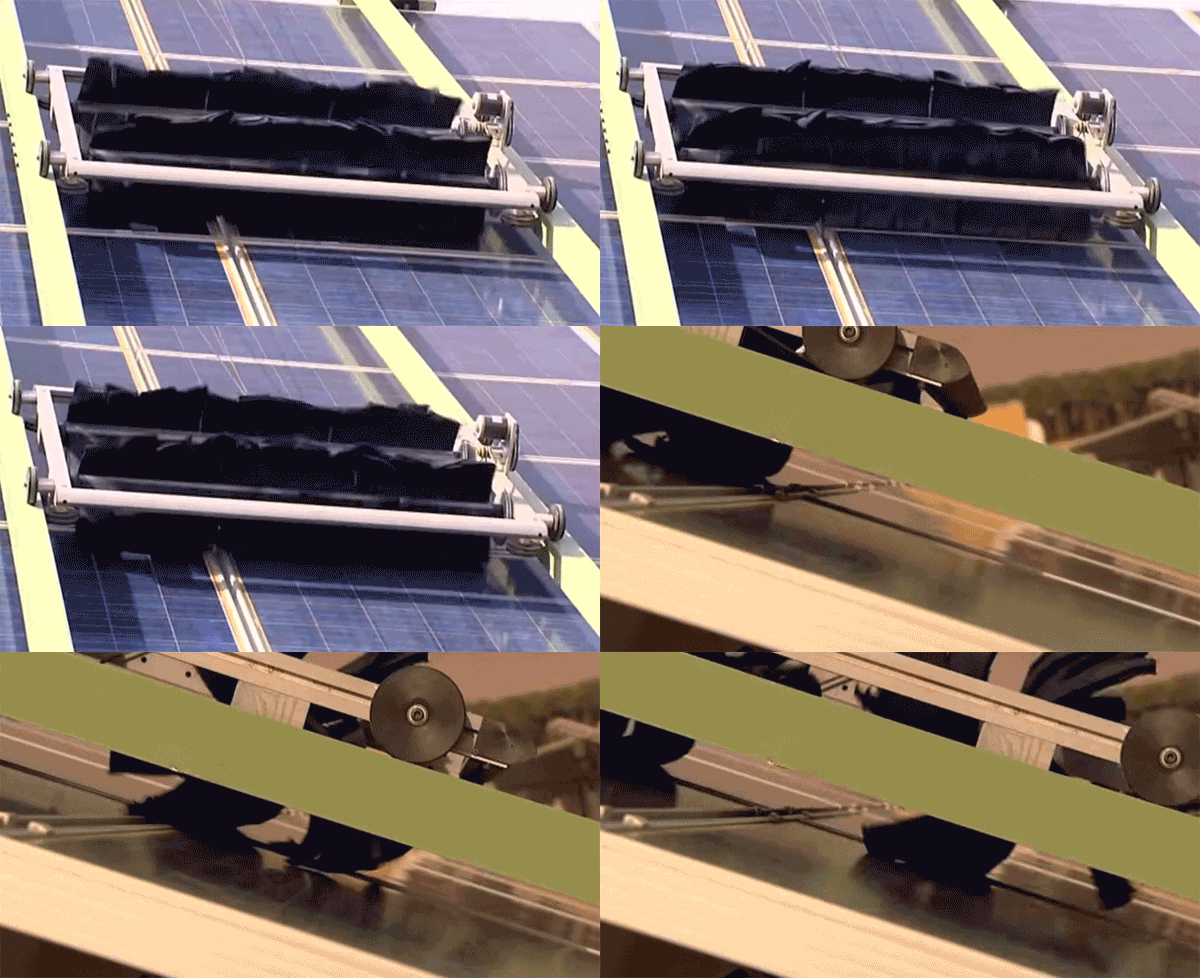
Ecoppia is a relatively new Israeli company that has hit the ground running in 2013 with their E4 Ecoppia cleaning robots that remove up to 99 percent of the dust on Ketura’s panels using soft microfiber elements and an airflow cleaning system. The robots work by night, are powered by solar energy, and can last three days of cloud coverage on a single charge.

ecoppia-solar-robot

Before they brought Ecoppia’s robots on board, the solar park, which is a joint Arava Power and Siemens AG venture that delivers 9 million kilowatt hours of renewable energy every year, would only clean their panels about nine times a year. And the process was arduous, costly, and potentially unsafe.

world's first self-cleaning solar plant, ketura, ecoppia, robot PV cleaners, negev desert, israel, waterless solar cleaning, Siemens AG, Arava Power

It would take up to five days to clean the panels manually and it was hard work that often put cleaners and panels at risk. But if they didn’t clean the panels, their ability to absorb the sun’s energy was reduced by about 35 percent. Over time, that amounts to a significant loss.

Completely self-sufficient, nearly one hundred E4 robots clean the plant’s panels every day after sunset. Using a sophisticated winch system, they clean 54 square feet in 30 seconds, and Ketura is thrilled with their performance to date.

“Ecoppia has changed the way we run the Ketura Sun field,” says Yanir Aloush, VP Operations at Arava Power.

“Less guesswork about when to clean, less downtime since there’s no need for on-site cleaning crews, less external personnel on the ground – we are very excited by the potential upgrade Ecoppia’s solution offers us.”

:: Ecoppia

Arab action on shark finning, and body parts trade is too little, too late

3

Dead sharks, Gulf Times

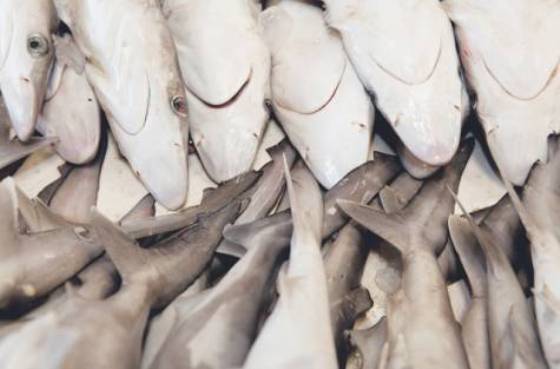
Shark finning, in which captured sharks have their fins and tails removed for use in sharks fin soup, has been a prominent issue in many parts of the world, including the Arab Gulf region.

Daylight saving time linked to heart attacks

2

heart attacks and daylight saving
Losing a single hour of sleep when we switching over to daylight saving time raises the risk of heart attack the following Monday by 25% compared to any other Monday during the year, according to a new US study released on Saturday.

Climate change “worst” is yet to come, UN report warns today

7

31climate-master675 melting Greenland ice

The United Nations has issued a five years in the making report on climate change, and our future. It does not look bright. Green Prophet obtained today’s Intergovernmental Panel on Climate Change report and the future looks bleak if we do not take action today.

Hit the switch and join millions for Earth Hour 2014

1

earth hour, WWF, energy conservation, lights out, 2014 earth hour, burj khalifa, middle east, north africa, Jordan, Egypt, Dubai, Abu Dhabi, Turkey, IranIt’s Earth Hour this weekend, which means you have the chance to join millions of people around the globe in a united effort to consume less energy.

Is this the world’s longest billboard?

Dubai, world's longest billboard, Richard Allenby-Pratt, Expo Hoarding, Jebel Ali, Dubai Expo, advertising,

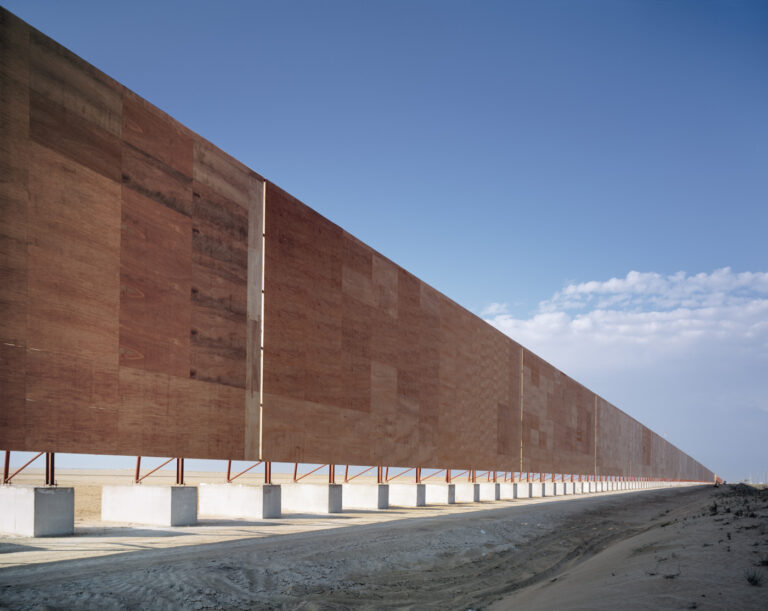
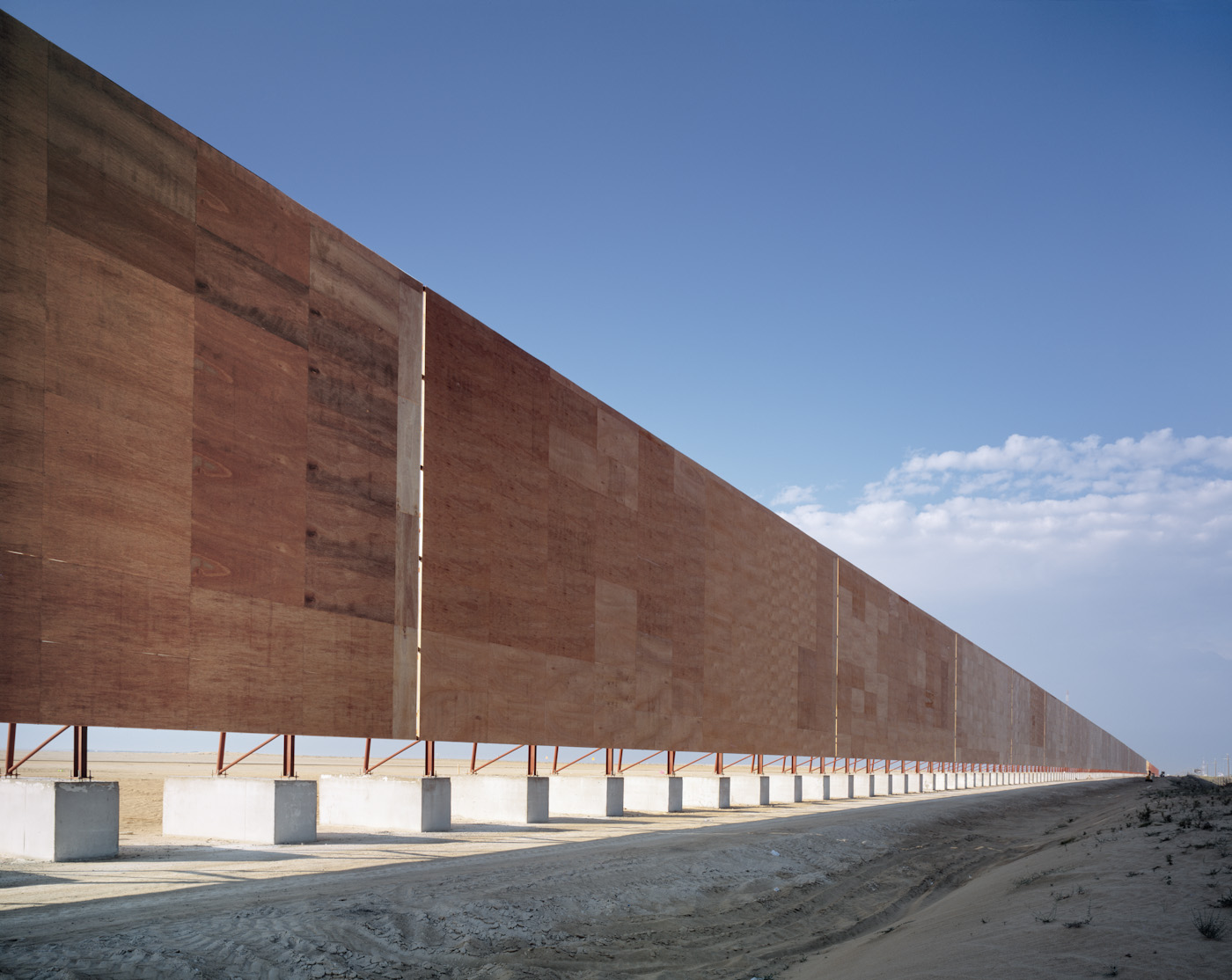
It looks like yet another world record may be broken soon with the world’s longest billboard along the side of the Sheikh Zayed Road, just after Jebel Ali Port in Dubai. My car’s odometer tells me it’s about 3 km long. 

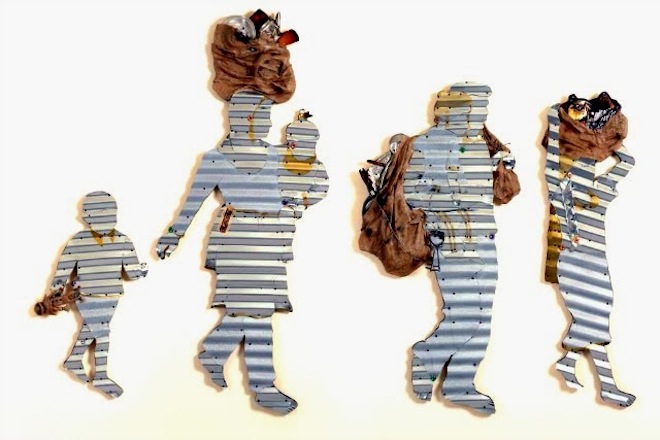
Powerful scrap sculptures depict life in Beirut’s Shatila refugee camp

0

Abdulrahman Katanani, Refugee Camp Lebanon, Scrap Sculptures, recycled materials, Palestinian refugees, junk art, metal art

The nearly 10,000 Palestinian refugees packed into southern Beirut’s Shatila camp live in makeshift homes of corrugated tin, and many long to return to their homeland. In order to depict life in the camp, artist Abdulrahman Katanani used the only materials he had available to him – scraps.

Foraged wild greens and fatayer turnovers recipe

1

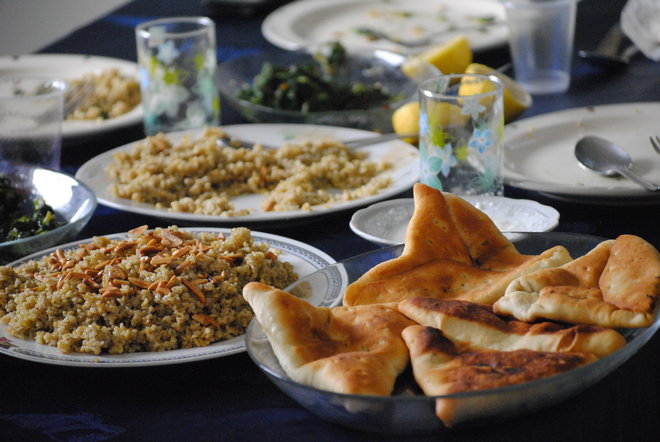
freeka and fatayirIn the Galilee’s Arab, Jewish, and Druze communities, life has a rural rhythm, slower than in big towns. You  can tell that people like to stop and sniff the roses, as each garden displays roses and other lovingly tended fragrant bushes. And the old foodways are still alive in the Galilee, preserved by middle-aged housewives.

Faithful to traditional tastes, these women leave their houses early in the morning and go out to nearby fields to dig out wild spinach, beet greens, endive, and mallows. Each plant must be handled its particular way. The knowledge has passed down from mother to daughter over generations of cooking together. Last week, I learned to cook Fatayer – turnovers stuffed with wild greens, like sambusak – in the Galilean village of Arrabeh.

Wild greens are staple foods in the kitchens of that town. That is, they used to be. More and more, the young folk are abandoning the foods their grandmothers cooked, in favor of more Western-style foods. But some people are interested in joining workshops in the old ways of cooking and eating.

The Galileat organization offers great culinary adventures with local hostesses expert in traditional cuisine.   Not to mention how delicious foods like Fatayer are.

In the Arrabeh dialect, the turnover is called F’tir. Our hostess, Mrs. Nazera Madi, used wild spinach that she picked the same morning in an olive grove where many wild edibles thrive at this time of year.

“My mother and grandmother used to pick many different kinds of greens, ” she explained. “But it’s a lot of work, cooking them. They need to be cleaned and pared down to their edible parts first.” Here she showed how to trim the thorny edges off a milk thistle leaf, turning her kitchen knife this way and that to avoid getting stuck with the needle-sharp points.

paring wild greens
foraging for wild greens in the Galilee for fatayer

“Then there’s the cooking. Some dishes can take two days to prepare. In the old days, women would take their pots to their sister’s or mother’s house, and they’d all cook together. Nowadays, especially since the kids don’t like these foods anymore, it’s hardly worth the trouble.”

f'tir fatayer
Making fatayer

Madi had a potful of freekeh ready – wheat harvested while still green and roasted in a bonfire. With the f’tir, some labneh  and a separate dish of cooked wild endive, an ample lunch was served.

You can make the deliciousor f’tir turnovers with fresh or frozen spinach, and they will be delicious. Here is the traditional recipe:

Fatayer (turnovers stuffed with greens) recipe

Recipe courtesy of Paul Nirens, Galileat

Ingredients for dough:

1 cup – 250 gr whole-wheat flour

1 cup – 250 gr white flour

I 1/2 teaspoon instant yeast

1 teaspoon salt

1 cup olive oil

1/2 cup water

Mix flours together and add yeast. Mix well.

Add salt

Add oil and mix well. Add as much water as needed to make a smooth dough.

Knead dough at least 15 minutes, until dough is smooth and soft.

Cover and allow to rise in a warm place. 15 minutes is enough.

Divide dough into balls a little smaller than fist size.

Filling for fatayer:

1 large onion, diced small

1 large bunch fresh wild spinach. If wild spinach is unavailable, use large leaf Turkish spinach (or frozen, thawed out).

1/4 cup olive oil.

1 teaspoon cumin

1 teaspoon baharat spice mix

1 teaspoon cinnamon

2 tablespoons canned harissa – more or less, depending on desired degree of spiciness.

I teaspoon salt

Chop spinach as small as possible.  Place chopped spinach is a large bowl and “knead”, in order to break down the cells and release all the liquid. After 5 minutes of kneading, rinse spinach in water and working in batches, squeeze out all the liquid. The spinach should be almost pulpy.  Add finely chopped onion and spices. Mix well and correct taste.

Preparation:

Roll out dough balls thinly into a circle. Add filling in center of circle and close over in a triangular formation – one edge over the other. It is important to close the ftir well so nothing will leak out. Puncture the ftir with a fork in order to allow air to escape during cooking.

Lay on a well-oiled oven tray and bake in a pre-heated 180 oven. It is preferable not to use the turbo function.

Do not allow uncooked f’tir to touch each other. They will stick to each other and the dough will rip. Separate with greaseproof paper.

More Mouthwatering Traditional Arab Recipes:

All photos by Miriam Kresh

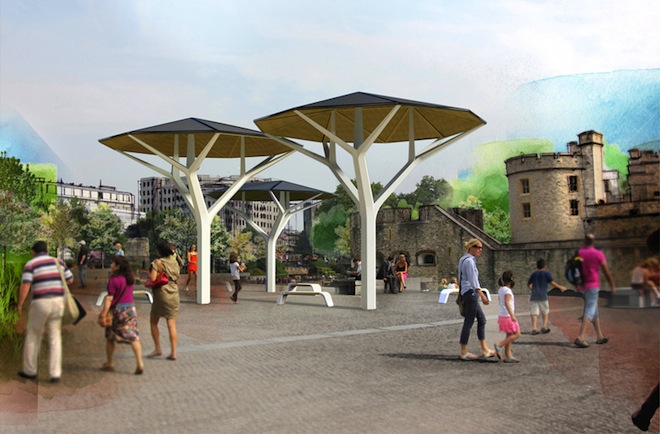
Nature solar shelters are hybrid acacia “trees” sprouting electricity and shade

0

Nature solar shelter, Samuel Wilkinson, clean tech, solar energy, green design, urban design, solar shelters, urban EV charge spot, Acacia tree

No African tree is more recognizable than the Acacia with its prickly canopy that provides shade for wild animals across the savannah. Samuel Wilkinson has borrowed from this arboreal genius to design Nature – an attractive shelter that produces clean energy and an inspired rendevous spot for urban dwellers.

Dubai’s Lamborghini police cars and bikes are ecological opposites


A year after unveiling new Lamborghini patrol vehicles for lucky members of the force, Dubai police are rolling out an eco-friendly electric motorcycle.  As far as we can tell – the 15,000-strong police force has purchased just one bike, which they tested at Jumeirah Beach Residence last week.

Colonel Abdul Qader Mohammed Al Banai, Director of Jebel Ali Police Station, conducted the trial and told Gulf Today that the motorbike would be used in patrolling narrow streets and congested districts.  The bike will also support security surveillance in traditional markets, shopping malls, historic sites and tourist attractions.

dubai-lamborghini-patrol

He added that Dubai police were working hard to create a safe, sustainable environment that meets the UAE’s “prominent international standing in regard to conservation of the environment.”  So how did their Lamborghini Aventadors factor into that equation?

Lamborghini Aventador in Dubai, police car, cop car

A staggering 15% of traffic fines issued in Dubai are for driving at speeds exceeding 130 mph, which was part of the logic in buying fancy Italian racecars for their troopers. Energy efficient motorcycles won’t stand a chance in catching speedsters, and they’ll be miserable to operate in scorching UAE summers – but they are the eco-opposite of the force’s last vehicle choice.

Adorable Vespa motorbikes get about 100 miles per gallon of fuel, while a Lamborghini Aventador averages about 13 mpg.  Vehicle emissions are comparably skewed. Assuming that more than one eco-bike will be on patrol, this is a tiny step in the right direction.

Radical extremes co-exist in the UAE with apparent success – but in the case of cop cars, perhaps a move to the middle was in order. How many compact electric cars or cheap hybrid cars can you buy for a mildly used Lamborghini?

The hazards of single serving coffee pods

4

coffee pod

Espresso machine single serving coffee pods – those fairly newfangled units of specialty grinds – let you be your own barrista.  Pop one in your countertop brewing unit and in seconds have a perfect cup of coffee.

Jewish artist’s “anti-Barbie” is a crowdfund-sation!

3

real size barbie dollWhat if fashion dolls were made using standard human body proportions?  It’s a question that occurred to artist Nickolay Lamm while looking at a Barbie doll and thinking “it looked a little weird.”