
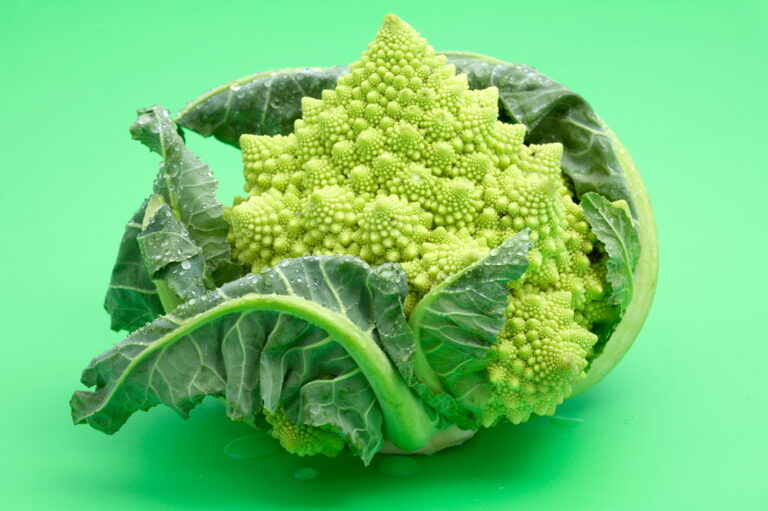
 It looks like aliens took over the broccoli patch, doesn’t it? Romanesco broccoli is a unique vegetable that looks like a cauliflower gone crazy but has an intense broccoli flavor. It was first grown in Italy and is now available in more European countries, the US, and in Israel.
Roasted Romanesco broccoli pasta – the ultimate Recipe
This “Green Machine” mobile city fertilizes the Sahara Desert as it moves
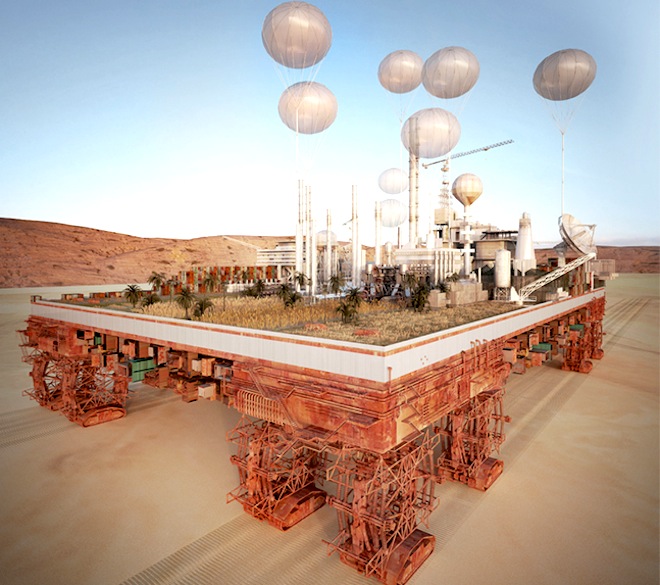
Posterity may end up migrating from place to place to find food like our nomadic ancestors did if we don’t get a hold of desertification and climate change. To make that easier for desert dwellers, Stephane Malka and Yachar Bouhaya propose the Green Machine – a massive city on tank treads that fertilizes the Sahara as it moves.
See world’s largest collection of Bauhaus architecture from your desk
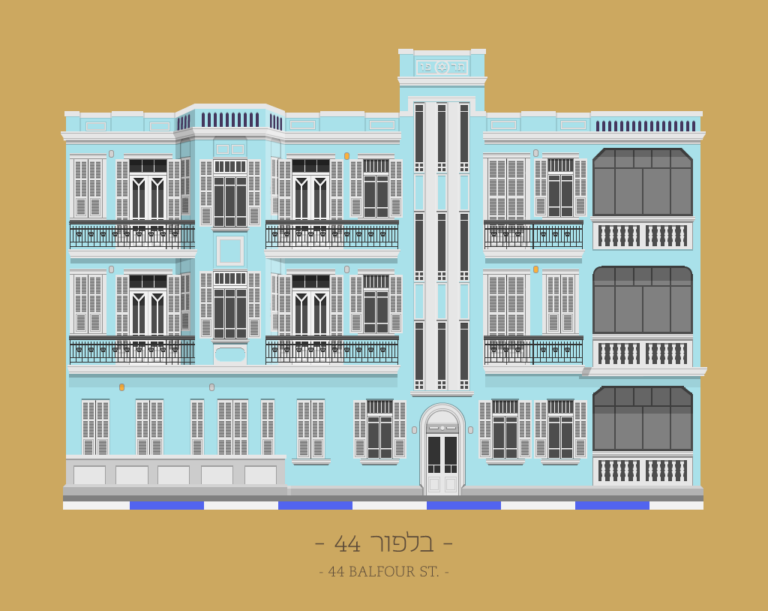
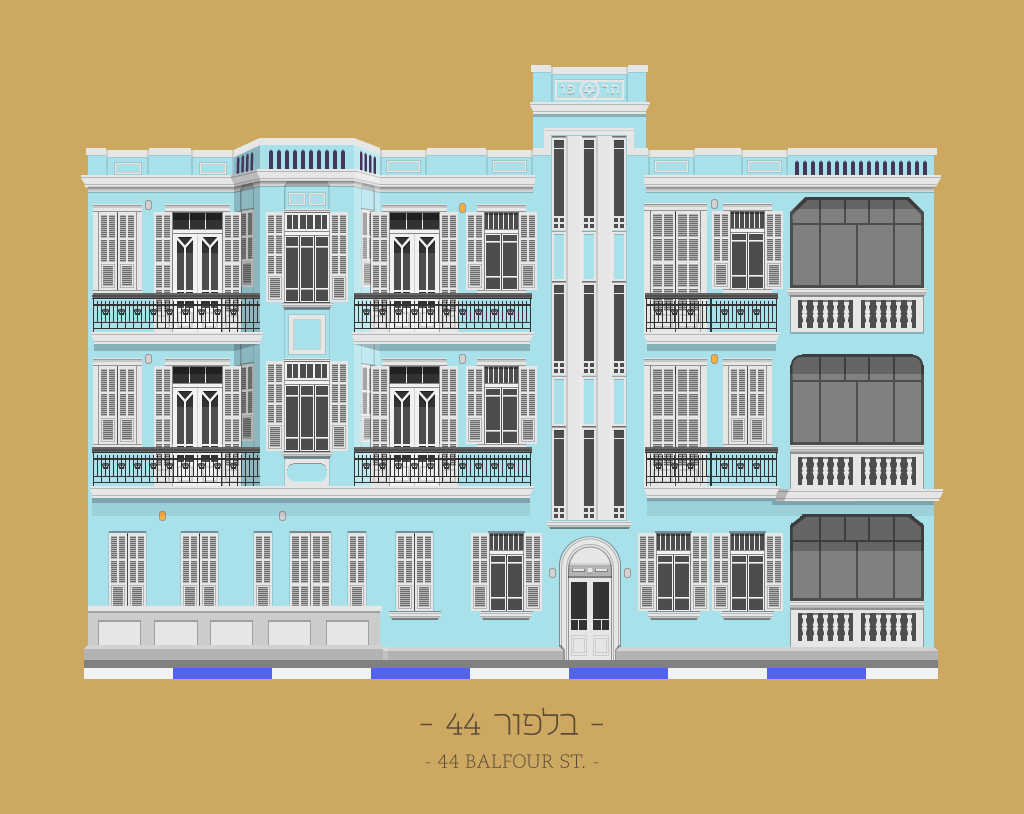
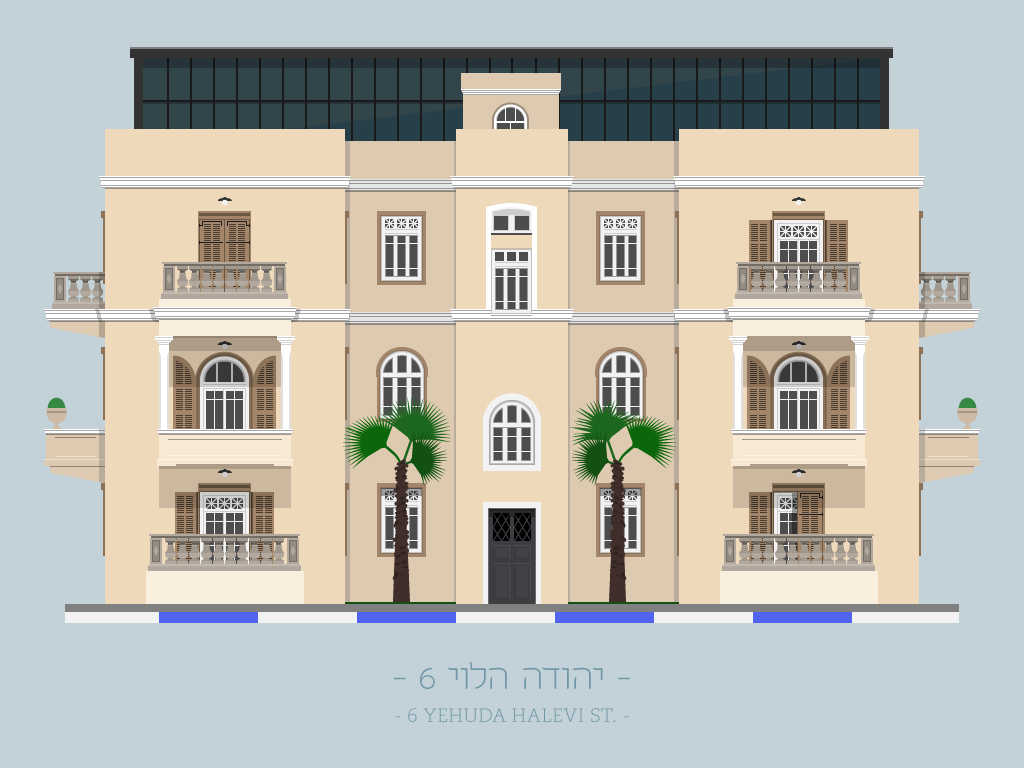
Tel Aviv has a lot to offer visitors, including the world’s largest collection of Bauhaus buildings. But for design lovers who are unable to travel to Israel, artist Avner Gicelter has just the thing – a wonderful series of colorful graphics that illustrate each historical gem.
Inspired by José Guízar and his website ‘Windows of New York’, Gicelter says on his website TLV Buildings “I want to share my love for Tel Aviv and its unique and stunning architectural styles.”
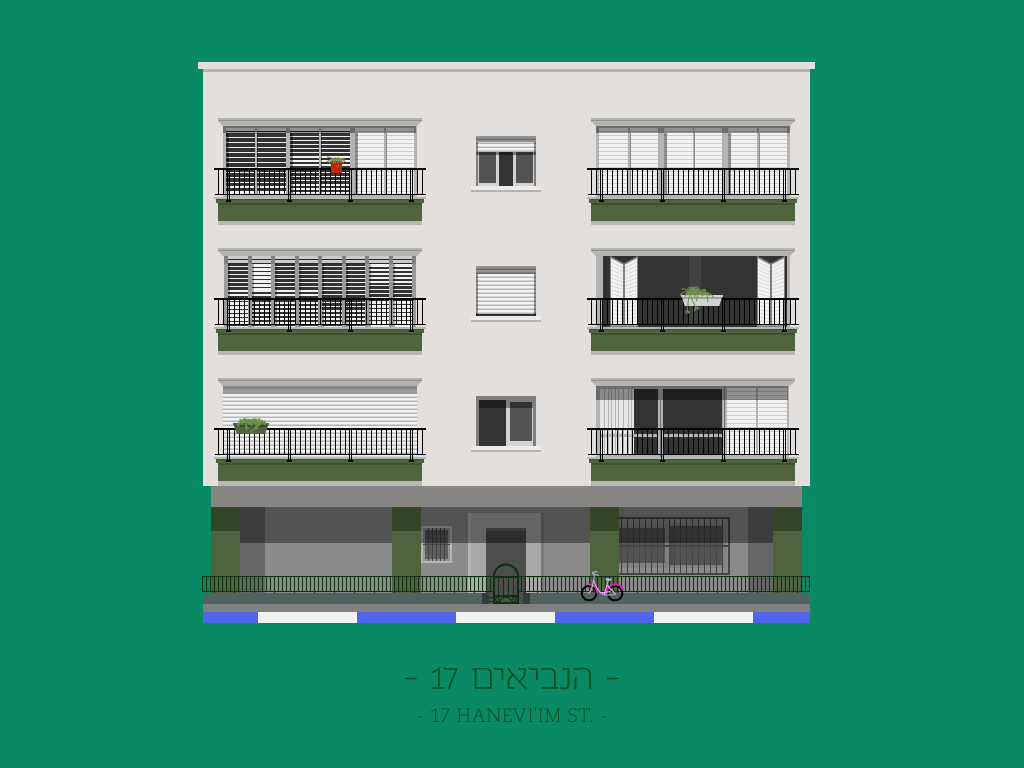
Every week the artist uploads a new, very detailed graphic modeled after a specific home or building, accompanied by an address in both English and Hebrew.
To date, the artist has illustrated 23 out of more than the 4,000 Bauhaus structures that give Tel Aviv its nickname the “White City.”
Related: Bauhaus design goes underground in Tel Aviv
They were constructed from the 1930s on by German Jewish architects who fled Germany after the Nazis took power. They have since been remarkably well preserved. So well that the entire city was named a UNESCO World Heritage Site in 2003.
In 2012, Conde Nast Traveler named Tel Aviv the “World’s Best Cities for Architecture Lovers” and the Bauhaus Center offers regular tours for those who do manage a visit. And it seems the Israeli Tourism Ministry is hoping the site will draw new visitors.
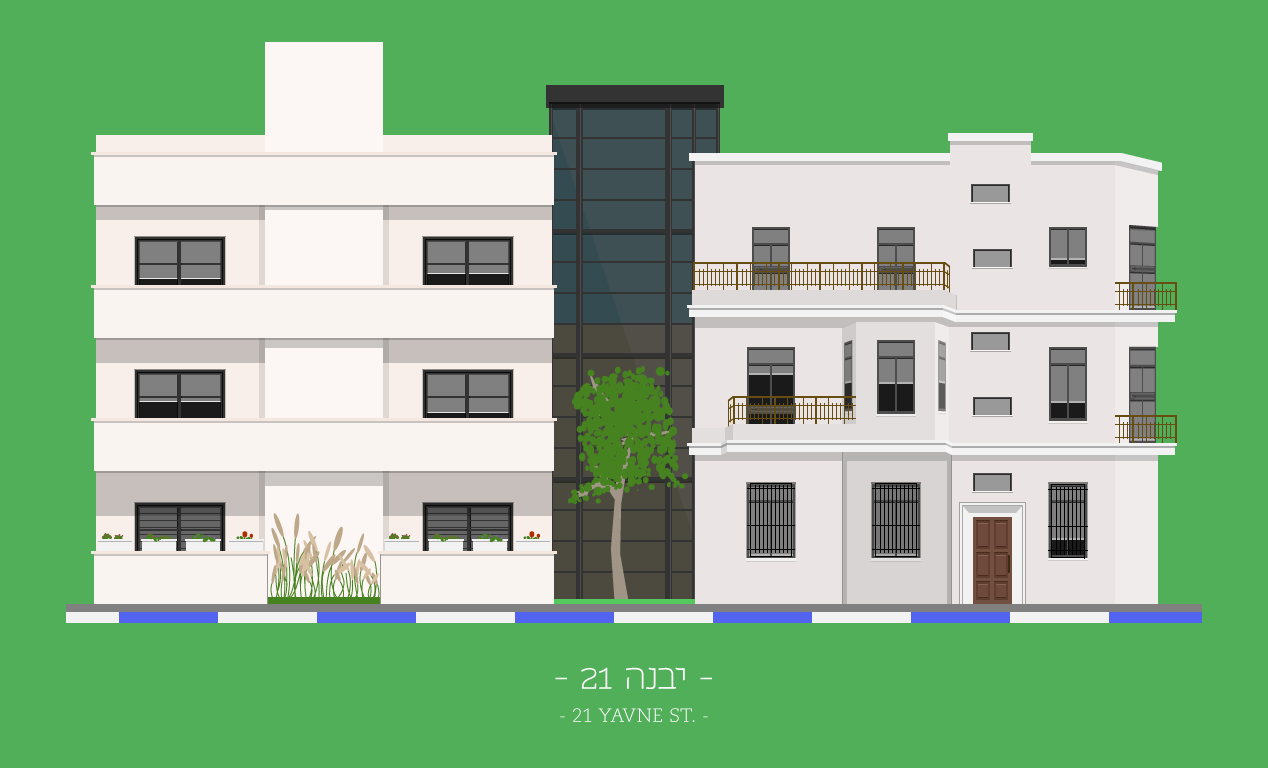
“The recent graphic illustrations provide a lively glimpse into Tel Aviv’s diverse collection of unique buildings,” said Haim Gutin, Israel Commissioner of Tourism, North and South America, “and we hope to welcome a new wave of design-focused travelers in Tel Aviv this year.”
Japanese artist Hikaru Cho shows mutant food formed by climate change
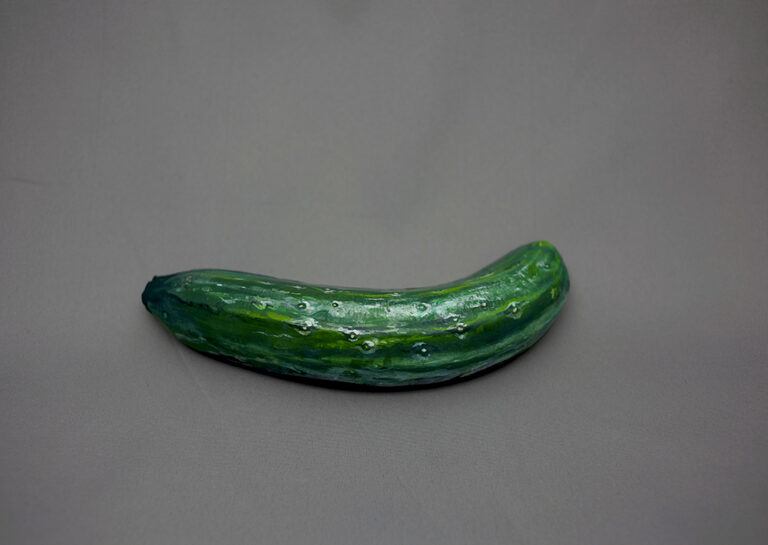
 Artist Hikaru Cho transforms ordinary foods into completely different foods, not by culinary skill, but with acrylic paint. She painstakingly camouflages veggies, fruits and even eggs into similarly-shaped but totally different foods. Viewers report they can experience the “surprise” in their mouths!
Sand Babel: a solar 3D-printed skyscraper made with desert twist

An invention that 3D prints buildings using sand as a raw material? We knew that someone would put Markus Keyser’s amazing solar sinter tool to good use! This conceptual tower featured above and conceived by a team of Chinese designers imagines a cluster of towers made of sand that are constructed with a solar-powered 3D-printer.
Dead Sea tourism more tolerable with fly-eating trashcans?
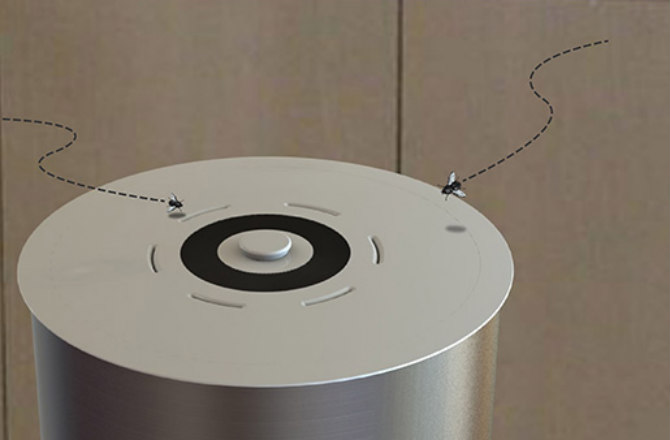
Two designers devised a lid design for trash cans that lures in fruit flies, trapping them in a tiny death chamber – gruesome but, hey, your kitchen will be insect-free. If this could expand to ensnare regular-issue flies, this duo stands to make a mint selling to Dead Sea resorts in Israel and Jordan.
New study confirms society is on the brink of total collapse

Environmental activists, scientists, and conscious citizens have long known that our current model of unchecked resource extraction, carbon emissions and population growth would end badly. But a recent study using tools developed by NASA’s Goddard Space Flight Center confirms that industrial society is on the brink of collapse.
Lady Gaga in a coffee filter dress

Lady Gaga – who refuses to be censored – was voluntarily “filtered” during her recent appearance on American TV talk show Jimmy Kimmel Live. Her gaganess showed up in a voluminous white dress, cape and matching hat that looked like bleached (and controversial!) karakul lambskin – but was actually sewn from coffee filters.
Gaga’s frothy white outfit is a creation from the Gareth Pugh Fall 2014 collection, a young Brit designer who often turns to unusual materials such as plastic construction sheeting and paper. When asked about her upcycled dress, Lady Gaga told Kimmel, “You can do anything with your crazy ideas if you just put your mind to it.”
Gaga has rocked feathers, shells, plastic bubbles and of course, meat. But her poker face makes it tough to tell if she knows that coffee filters may be carcinogenic.
Lead image from Style.com
Jordan moves ahead on its first solar PV project – worth 52MW
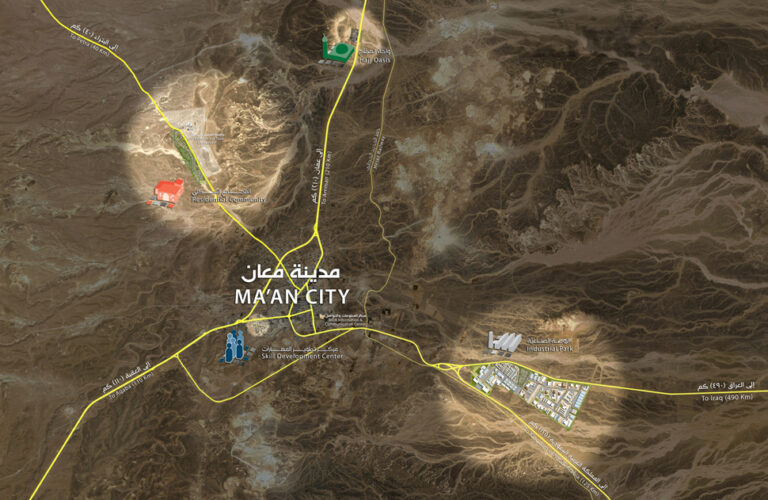
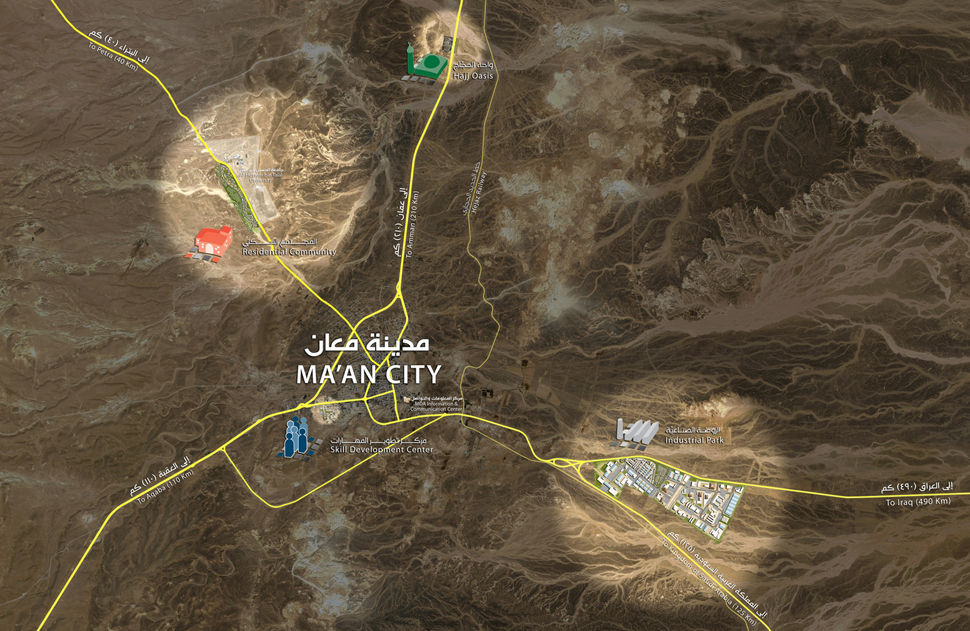 Jordan’s National Electric Power Company (NEPCO) has finally signed a 20-year power purchase agreement (PPA) with US-based First Solar Inc. and the Shams Ma’an Consortium for a 52.5 MW solar photovoltaic (PV) project – the first such project in the kingdom and one of the largest in the region.
A $9000 dome home for early retirement in Thailand
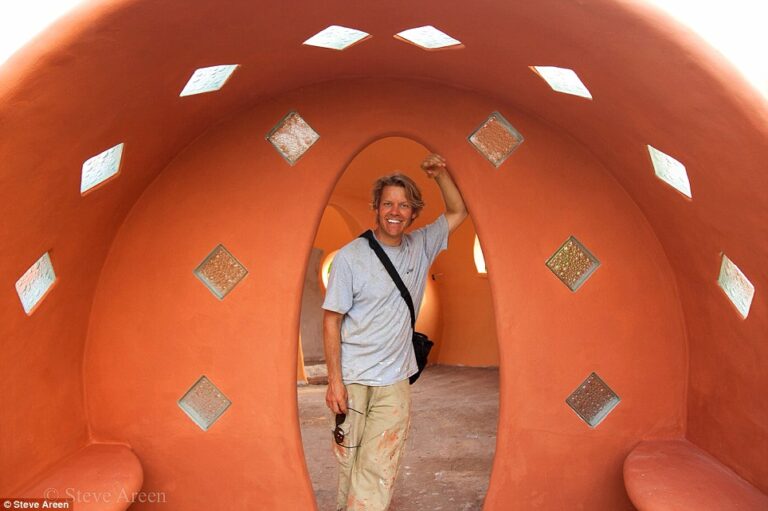
 A former flight attendant has grounded himself in Thailand in a masonry dome-home he built in just six weeks. The 500 square foot structure is simply constructed much like a tropical igloo, with cement blocks stepping in for ice bricks. The best part? It cost under $10,000!
Incredible video captures rare footage of Wadi Zin flash flood in Israel
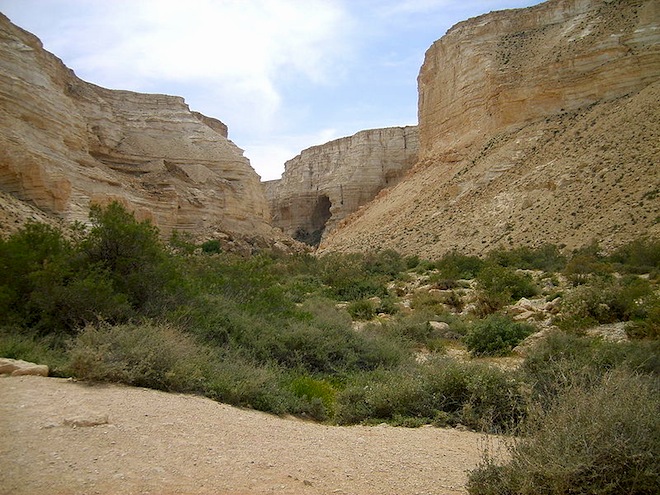
Flash floods are very dangerous; they come quickly, often catch people by surprise, and their force is formidable. This is especially true of Israel’s Wadi Zin, a deceptively dry riverbed most of the time. Visitors to the Dead Sea captured rare footage of a recent flash flood – a once-in-a-lifetime experience.
Learn from Morocco at sunny solar MENASOL conference in Dubai
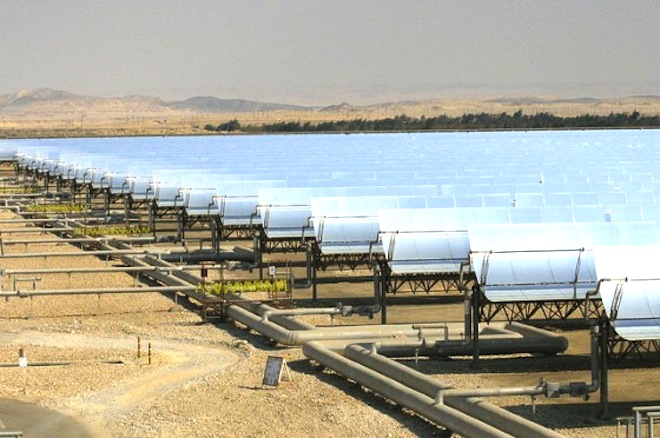
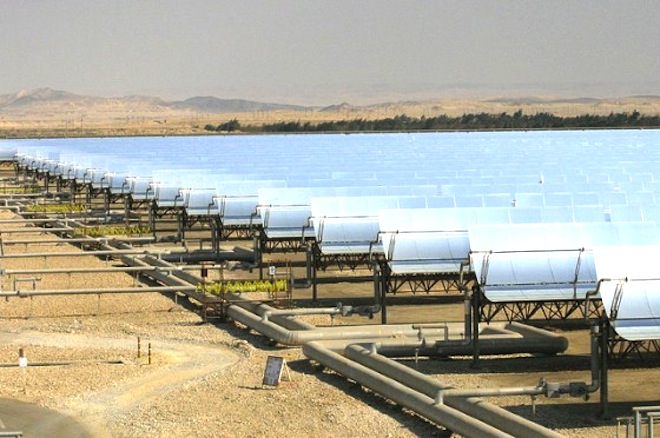
The companies Acciona and TSK will be meeting in Dubai to discuss the challenges and opportunities of constructing the Noor I CSP plant in Morocco. Meet the Acciona and TSK delegation as they attend the May 6 to 7 solar Menasol event in Dubai.
Travel on a day trip in Amman to beat the real rainy Arab Spring [Photos]
![Travel on a day trip in Amman to beat the real rainy Arab Spring [Photos]](https://www.greenprophet.com/wp-content/uploads/Arab-Hamam-768x583.jpg "Travel on a day trip in Amman to beat the real rainy Arab Spring [Photos]")
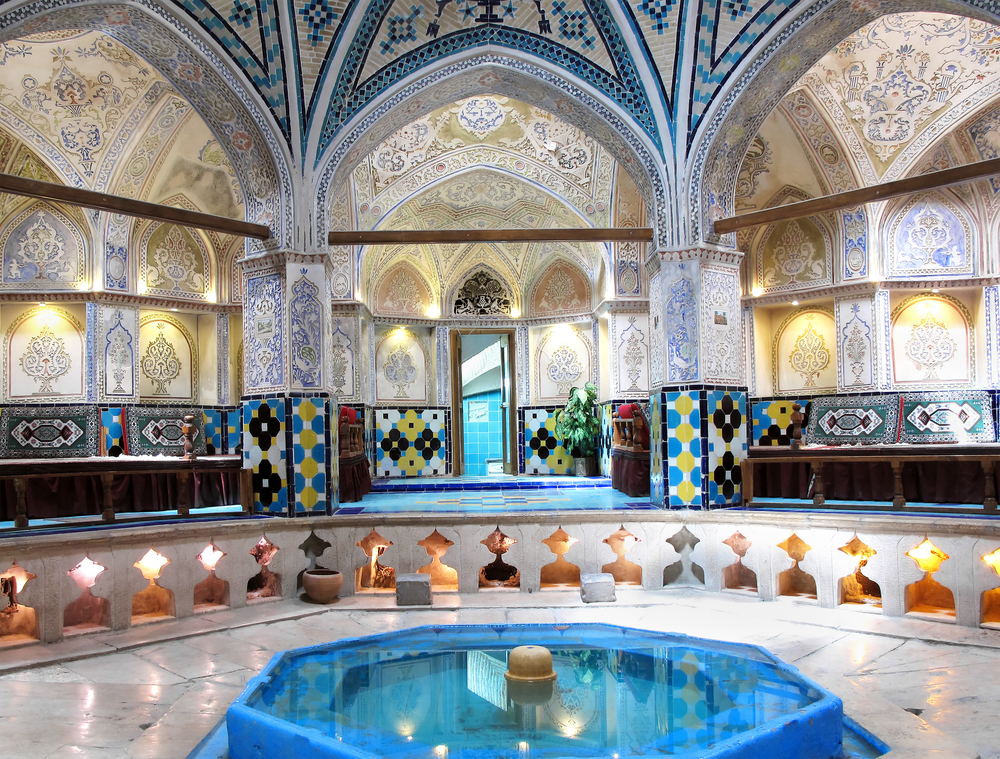 Springtime in Jordan means sandstorms, not downpours, but a solid week of rain just pummeled Amman – lashing, cold, complete with thunder! Here’s how we locals beat the doldrums caused by Jordan’s Arab Spring – on the cheap!
Making your own organic butter at home is ridiculously easy
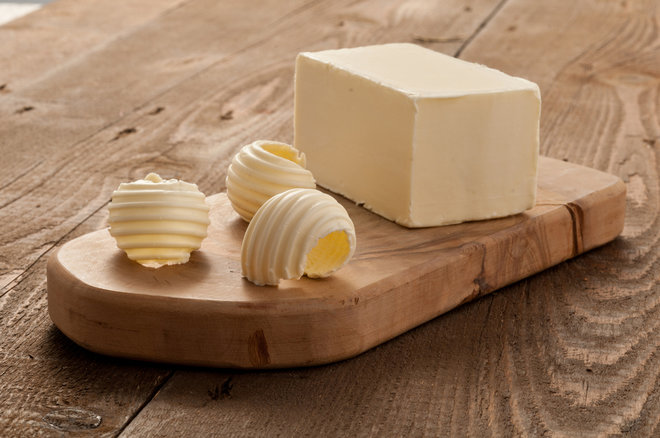

For Israelis, butter has mysteriously disappeared from being an open market product. We gather it’s a mix of climate change and the fact that a Chinese multinational bought out its national dairy. But leave it to use to keep the western east prosperous and happy. Hey, don’t mess with our butter.
But if you have no choice, it’s easy to make your own butter. All it takes is double cream and some salt. The most basic equipment will do: a mixer, a pair of sturdy wooden spoons, some cheesecloth or a sieve, and a couple of bowls.
If you’re a real western east food enthusiast, you can keep going and make some Moroccan smen (aged, spiced butter – recipe here.)
Did you ever make butter in school? I did, in fourth grade. The teacher filled a jam jar with double cream, tightened the lid, and we kids took turns shaking it as hard as we could.
All of a sudden, little white grains formed in the sloshing liquid. Encouraged, we redoubled our efforts, and in about 15 minutes, Teacher triumphantly fished out about two tablespoons of butter. It was white and flavorless, but we thought it was divine.
For basic, wholesome, freshly-made butter, follow the simple steps outlined below. We assume you don’t have access to the traditional “butter bats” – wooden paddles used to shape the formed butter into cubes, rectangles, or rounds.
Or you could use the wooden spatula used for ma’moul cookies, as an idea.
RECIPE for Ma’amoul Cookies, a Tender Arabian Pastry Delight
A pair of wooden spoons will do just as well.
Salted, home-made butter recipe:
Yield: about 1 kg. – 2.2. lb. butter, and 1 liter (1-3/4 pints) buttermilk
Ingredients:
2.4 liters (4 pints – 10 cups) organic double cream, room temperature
2 teaspoons fine salt
Equipment
2 large, sturdy wooden spoons
A bowl big enough to rest the spoons in, filled with ice water
A large square of cheese cloth, to contain the butter
Another bowl filled with ice water
Soak the spoons in ice water for half an hour. This is necessary in order to prevent the butter from sticking to them.
Pour the cream into a cold, very clean mixing bowl. Use medium speed to whip the cream until thick. If the speed is too low, it will take a long time; if too fast, it will create a big mess.
The cream will go through the softly whipped, then stiffly whipped stages. Keep whipping. It will separate into fatty grains. A white liquid will remain; that’s buttermilk. Keep the buttermilk for drinking cold, or for baking.
Drain the buttermilk from the butter. Gently plop the butter into the cheese cloth. Gather up the ends of the cloth and cover the butter. Twist the cloth to squeeze out as much buttermilk as possible from the butter. If using a sieve, drain the butter and run some cold water from the faucet over it, turning it over once or twice.
Place the butter in the second bowl (filled with cold water so the butter doesn’t melt). Knead the butter well; drain and do this again, always kneading the butter in cold water until the water is clear.
It’s necessary to remove all the buttermilk, or the butter will quickly go rancid.
Cut the butter, with a cold knife, into slabs of desired size. If you want salted butter – and salt will help preserve the butter for between two and three weeks – cut the butter into 4 pieces.
Pat each piece out in a thin layer with the cold spoons. Sprinkle 1/4 teaspoon salt over every piece. Work the salt in with the cold wooden spoons, then, still using the spoons, shape the butter as you like. Wrap the pieces in waxed paper and refrigerate. You may freeze some if you like.
You may also omit the salt, but then the butter must be eaten or used in cooking within two or three days.
If you want spreadable butter, simply take a piece out of the fridge 20 minutes ahead of time. An alternative is to add 1/2 tablespoon of olive oil to the butter before shaping it.
If you can get fresh cream of goat’s or sheep’s milk, you can make the most luxurious butter on the planet.
More delicious things to make and eat:
Amtrak is a dinosaur next to Kénitra’s high speed railway station in Morocco

The train system runs like clockwork in Morocco. It’s fast, easy and safe. So we’re excited to see a new project that makes them sped up to the 21st century in design: Silvio d’Ascia Architecture teamed up with Omar Kobité Architecture & Eric Giudice Architects to design a modern high speed railway station for Kénitra.