
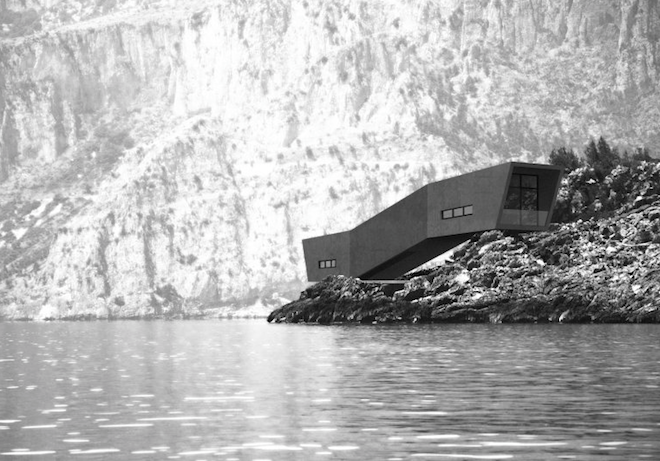
 There’s something so compelling about this minimalistic villa shanghaied on the edge of a rocky Mediterranean landscape. One of five small villas conceptualized for varying landscapes by Italian design studio LAD, Villa Minima #3 is a distorted parallelepiped structure envisioned for a private residence in Turkey.
Villa Minima #3 looks like a caterpillar on a rocky landscape in Turkey
Kingdom renewables so slow, Saudi oil empire to take over
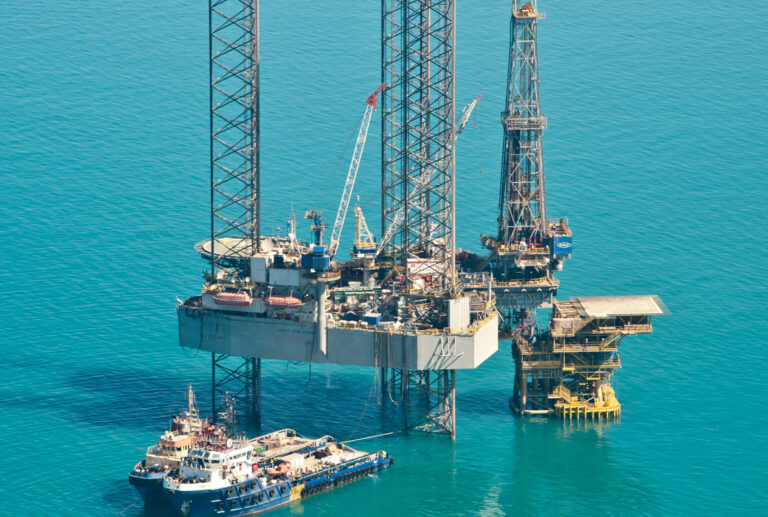
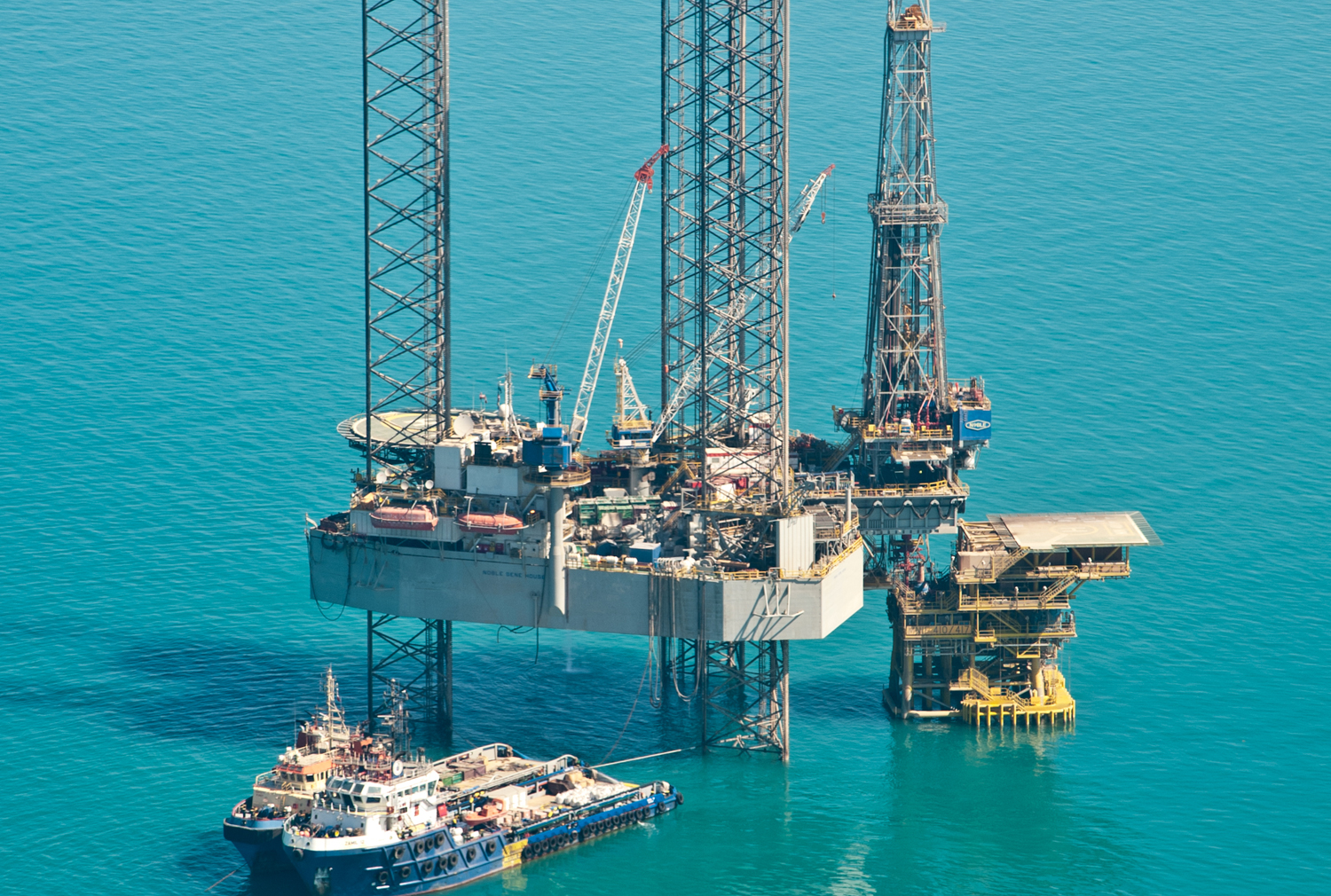 Saudi Aramco may be taking over the Kingdom’s renewable energy industry in order to hasten the uptake of solar, wind and other alternative sources of energy. The move comes after the government-backed group forecasted a significant slump in export revenue as local oil consumption soars.
The ‘original iPad’ – 1,200 years before Apple
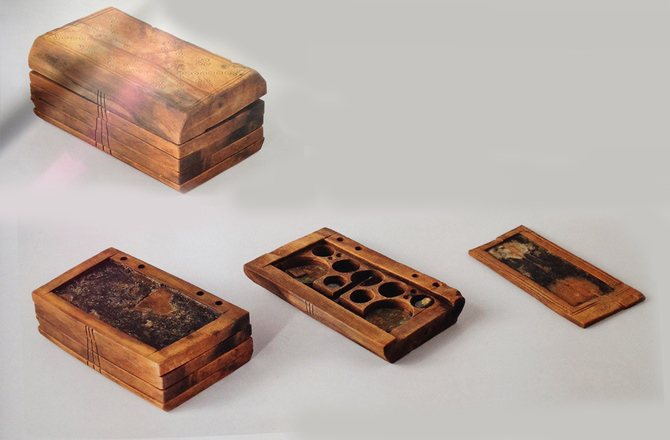
Turkish archaeologists have unearthed what Discovery News calls the ‘Byzantine iPad.” Dated to the 9th century A.D., the wooden tool was found among a shipyard of roughly 37 ancient ships in Istanbul.
The original ‘iPad’ measures roughly seven inches, except it’s thicker and made of wood, and comprises five overlaid carved rectangular panels coated with wax, Discovery reports.
“Yenikapı is a phenomenon with its 37 sunken ships and organic products,” Ufuk Kocabaş, director of Istanbul University’s department of marine archeology and the Yenikapi Shipwrecks Project, told Hurriyet Daily News. Scientists have been excavating the site for 10 years.
“I think these organic products are the most important feature of the excavations,” says Kocabaş.
Thought to have belonged to the ship’s captain for use as a tool, the wooden box has a sliding lid underneath that hides a carved plate.
“When you draw the sliding part, there are small weights used as an assay balance,” Kocabaş said.
Related: Turkey’s Yalın Mimarlık Wins Ancient Troy Archaeological Museum Design Competition
An assay balance is a super-sensitive tool used to assess gold, silver and other precious metals in order to determine their value. This is an important tool for a merchant ship.
The ‘tablet’ had other uses as well.
Greek writing found carved in the wax suggests that it was used to take notes, and leather straps that hold the layers together made the box relatively portable as well. Nothing compared to modern iPads of course, but portable for 9th century Turkey.
Discovery writes that a “research team from Istanbul University is now restoring the ship, 60 percent of which has survived in good condition, with the aim of having her set sail again by 2015.”
Only this time, it is likely to have more “advanced” tools on board.
Image: The Byzantine notebook. Credit: Ufuk Kocabaş
When in Rome… Keep the Middle East Beautiful
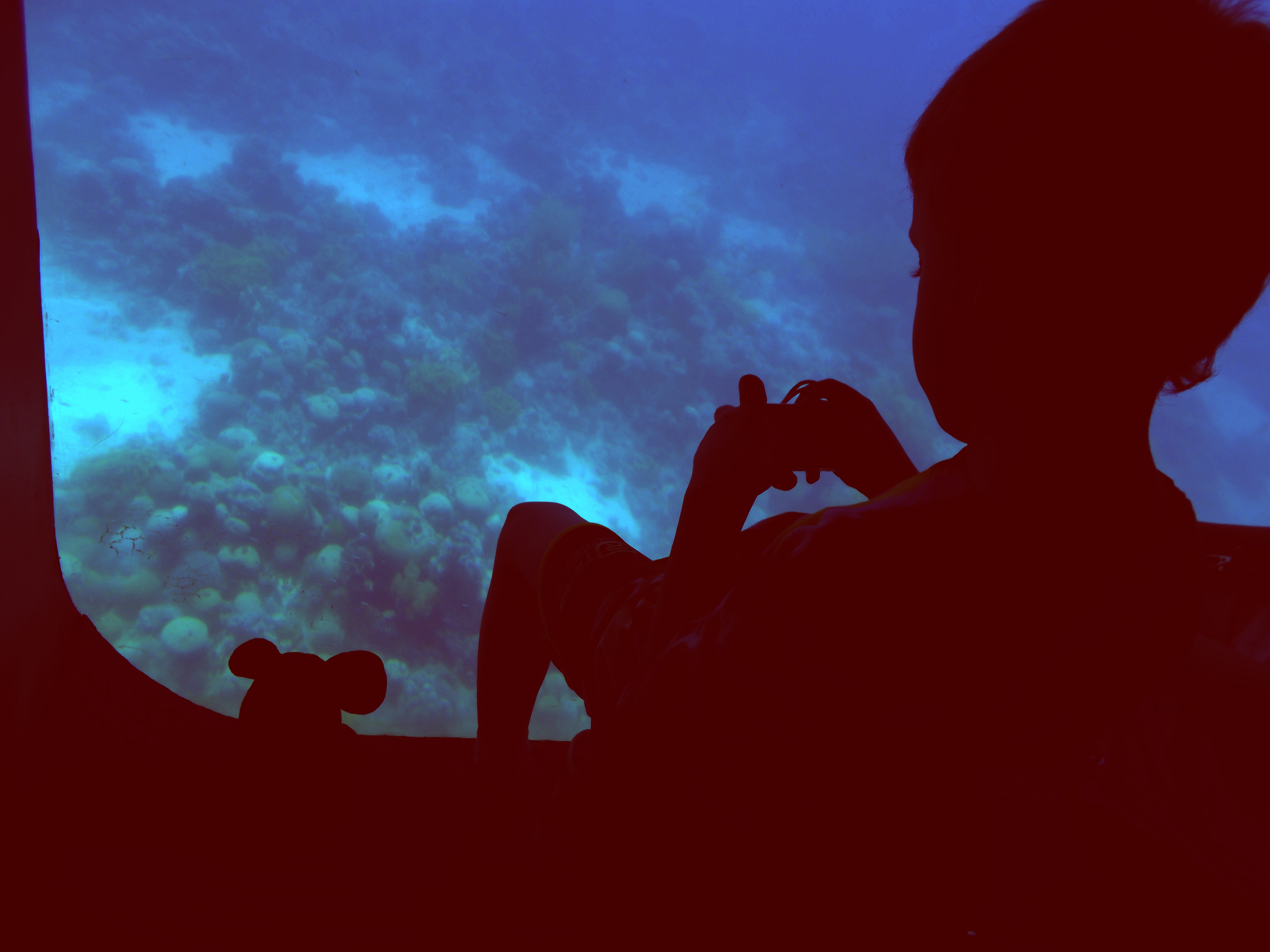
Green Prophet’s Brian travels to Jordan and finds way too much trash out at sea. He asks: What would Iron Eyes Cody do?
Greening your real estate purchase in the Middle East
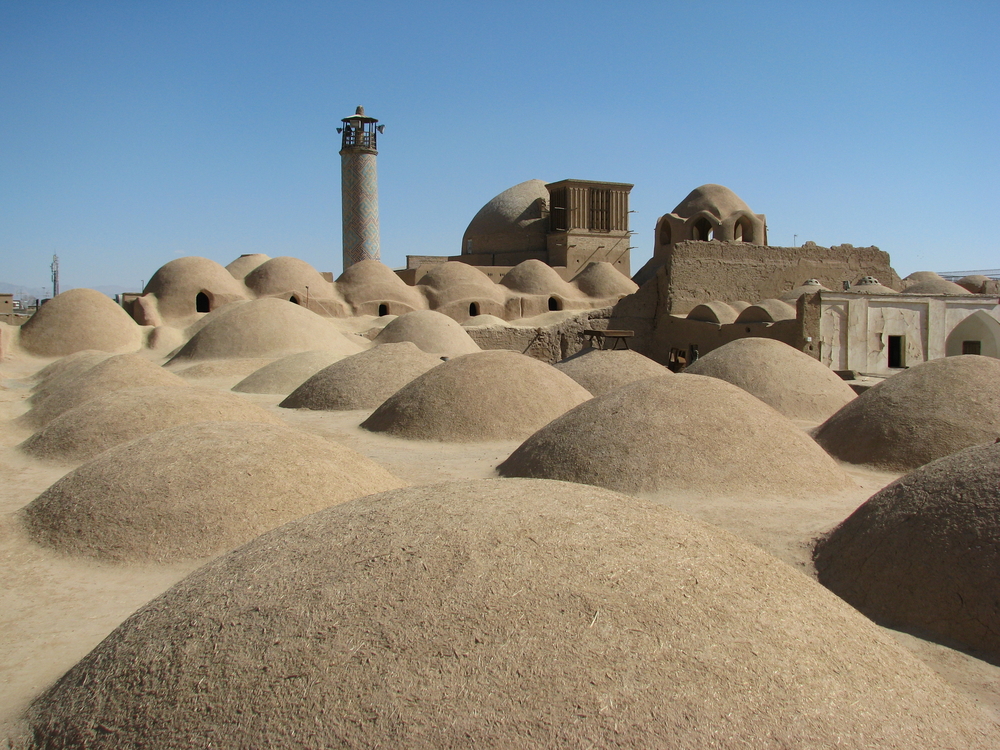
If you are shopping around for a home in Saudi Arabia or the Middle East there are conventional places to turn to like Craig’s List, Facebook, AirBNB to see what you like, local real estate agents to help you find properties of interest. But let’s say you are a foreigner or returning national looking to invest in something new in the Middle East.
How can you get the greenest home for your family?
Think small. Air conditioning use goes through the use in spring, summer and fall in the Middle East. The smaller the home the less air conditioning you’ll need to keep it cool. Consider installing an energy-efficient desert cooler or a water-based system to keep your air moist and cool without using too much conventional air con. Maybe not as small as this Etger Keret skinny house wedged between two buildings in Poland. It’s a tight squeeze.

Go traditional. Local Arab homes often incorporate features like inner courtyards which are shaded on all sides from the sun. There is also the issue of the mashrabiya. It’s the Arab version of a brise soleil and does a great job of keeping direct sunlight and heat out of your home.
Go central. The worst thing you can do is buy a property in a suburb in the middle of nowhere. Find something close to where you work and socialize so that driving doesn’t become a key element of your day. Choose a city you can walk in. Not Amman or any city that requires a car.
Go vertical. Find a space with access to a roof or balcony and join a movement of people who are growing food and spices at home. Need a sprig of fresh parsley for the salad? What’s fresh and handy from home is also the greenest. Try hydroponics or building a green roof.
Go social. The best thing you could do for your community is to create a shared garden. Or consider starting a greywater recycling system for your apartment building or neighborhood to share.
Now instead of finding house hunting a chore, make it a way that you can spread some green love into the Middle East. While the trend is for Middle Eastern home purchases to get bigger, start a new trend by making yours more ecological.
Water turned off in Abu Dhabi desert tree experiment (photo)
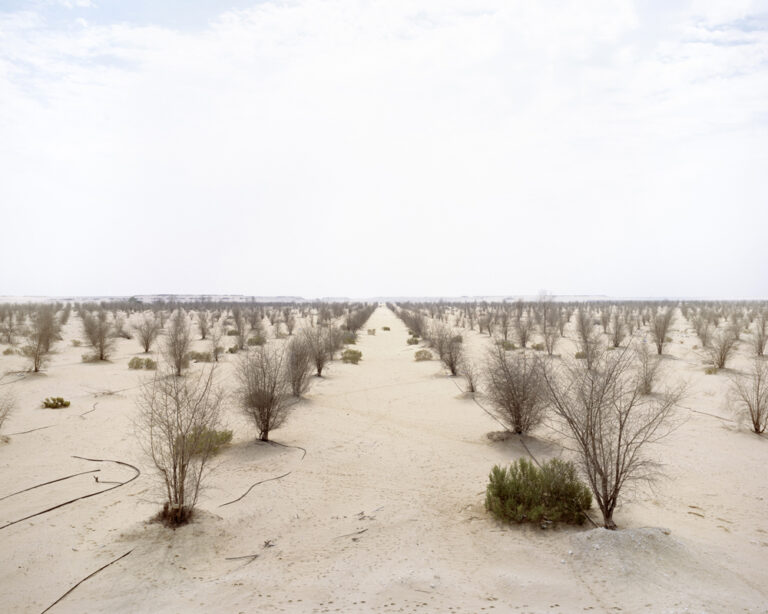
 Our local photographer takes a look at what happens when trees are cut off from their water source in a “desert experiment” in the United Arab Emirates.
I previously talked about the irrigated forestry projects in the deserts of the Western Region of the UAE. This picture shows what happens when someone turns the tap off. It seems unlikely that this was a deliberate decision, considering the thousands of square kilometres that continue to be irrigated.
I suspect it is more likely there was a problem with the water supply system for a short time, or possibly even the complete failure, or salinisation, of the ground water well after excessive extraction.
It’s interesting to see the indigenous Chenopod shrubs (which are halophytic – salt tolerant) beginning to repopulate the area, possibly even benefitting a little from the shade of the planted trees. It’s a stark reminder that some species of plant have evolved over millennia to succeed, without human intervention, in this challenging environment.
Related: Massive concrete amphitheater lies disused outside of Dubai
Why people favour ill-adapted species of plant over perfectly adapted ones for their landscaping is a mystery I will never decipher. Maybe the complete ‘mastery of nature’ is still an instinctive goal of our species? Hopefully it’s one we will evolve beyond soon, before we come too close to succeeding.
You can see some of the dead forests on Google Earth at the following co-ordinates 24° 2’23.68″N 53° 1’37.94″E
Cliche Arab references in Libyan bank design by Henning Larsen Architects
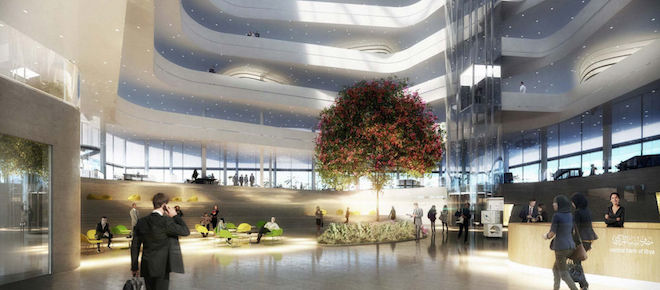
We don’t mean to pick on any one firm here, but a string of repetitive competition proposals has culminated most recently in the Central Bank of Libya design for Tripoli by Henning Larsen Architects. Although they and other foreign foreign firms are making an effort to be culturally relevant, how many desert-like “flowing facades” do we need?
Tips to curb the energy consumption of your aquariums
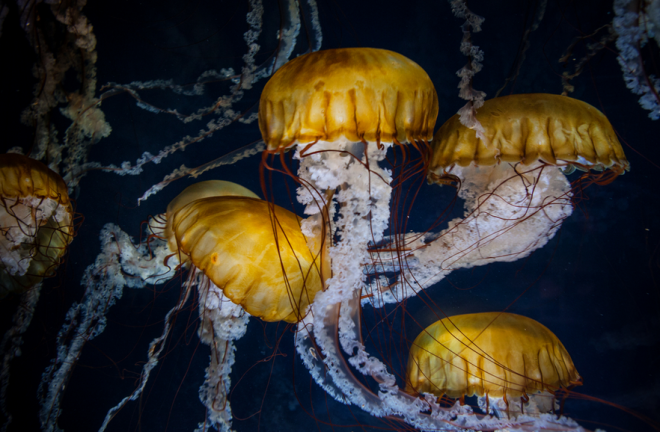
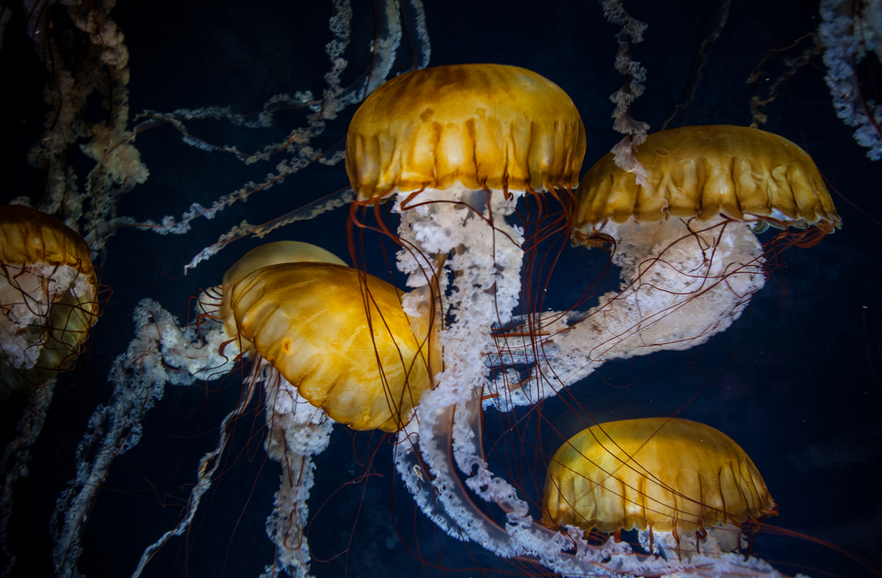
Like any other appliance, the various components of a home aquarium can consume not insignificant amounts of energy over the course of a year.
8 reasons to go meatless on Mondays – take our challenge!

 A new case of Mad Cow disease has been reported in Egypt. It may be the final push to make me pass on meat.
Saudi man’s charity fridge reduces food waste and helps the poor
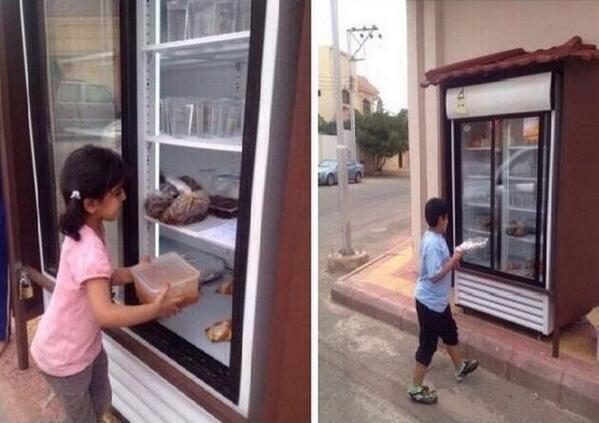
A charitable man who wishes to remain anonymous recently installed a refrigerator outside of his home in Hail, Saudi Arabia. His neighbors can leave their excess food inside the refrigerator where it is kept fresh and clean. Needy people can then anonymously use this excess food without the shame of begging.
Toilet of the future? Holy crap, it’s here!
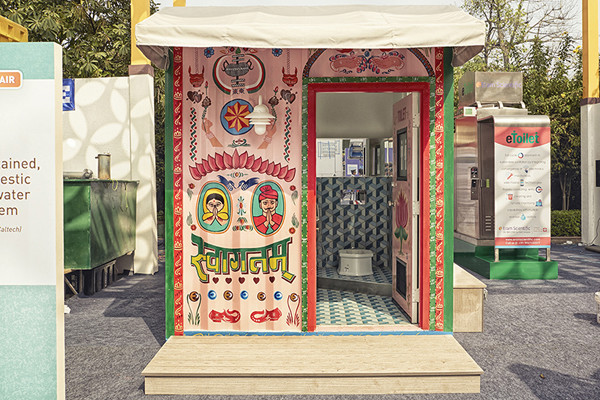
The 2012 winners of a competition with a cringe-inducing name teamed up with a powerhouse plumbing manufacturer to design a self-contained restroom that could be deployed anywhere – it doesn’t require plumbing infrastructure or connection to a power grid!
Tunisia’s eco-conscious start-up: Exploralis
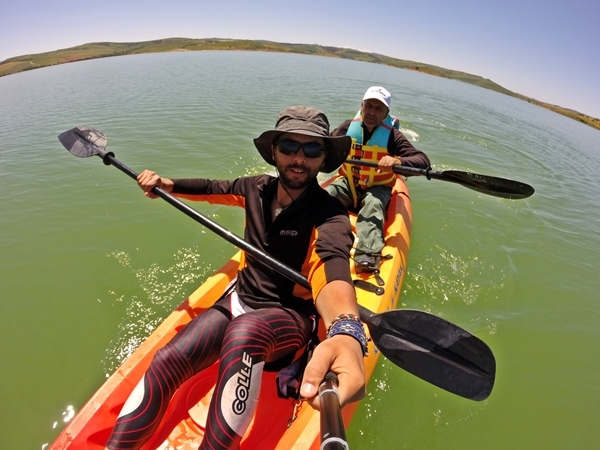
As I enter Arafet Ben Marzou’s new “office” at the top floor of an apartment building facing the lakes in Tunis, I am met with a very familiar feeling: that silicon valley, young brains, start-up feel. Only this time it is “ à la Tunisienne”, and I have to say, I prefer it.
Organic farming doesn’t pay off in Gaza
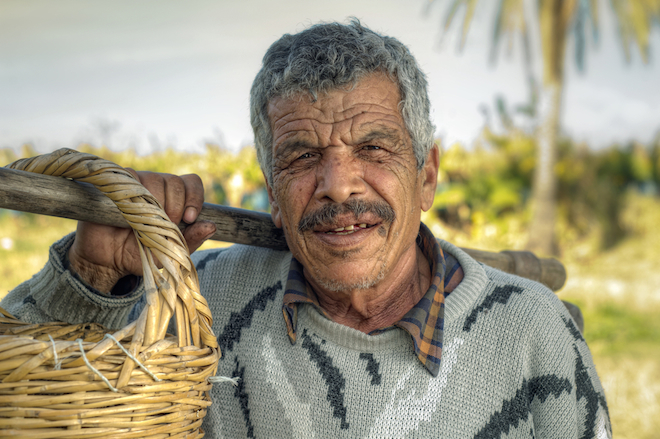
Organic farming is widely thought to be the healthy choice – not only nutritionally but because organic farmers are required (in general) to keep their crops chemical- and pesticide-free. But in poverty-stricken Gaza, people are more frequently buying conventionally-grown foods.
Tiny trash homes create humanity with salvaged waste
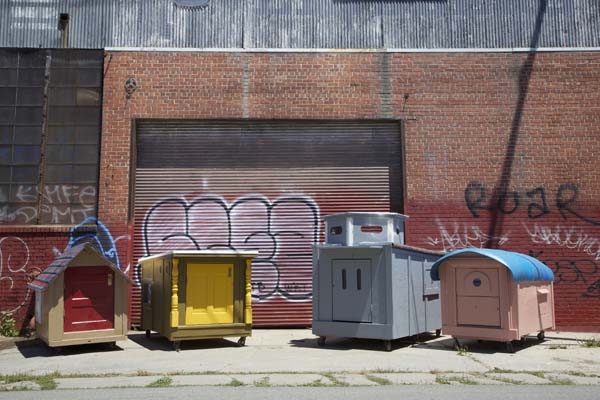
Artist Gregory Kloehn veered off course from a career creating large-scale sculptures, focusing his talents on making tiny buildings from garbage. He erects one-room houses to hotel the homeless, dumpster diving for raw materials which he reassembles into inventive (and minuscule) mobile homes.
Why the octopus does not get tied in knots
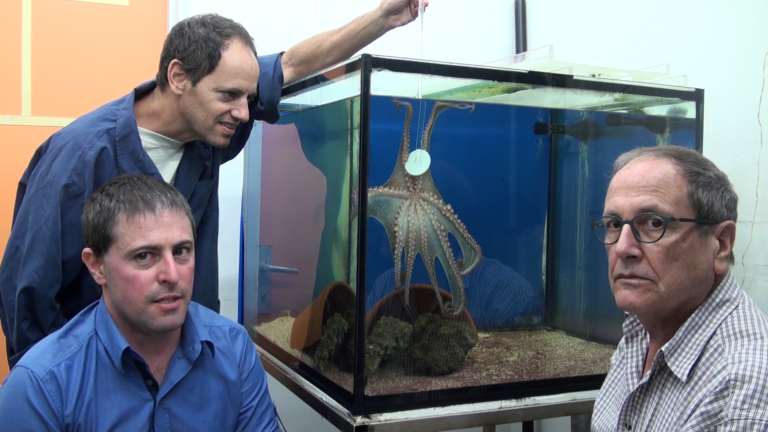
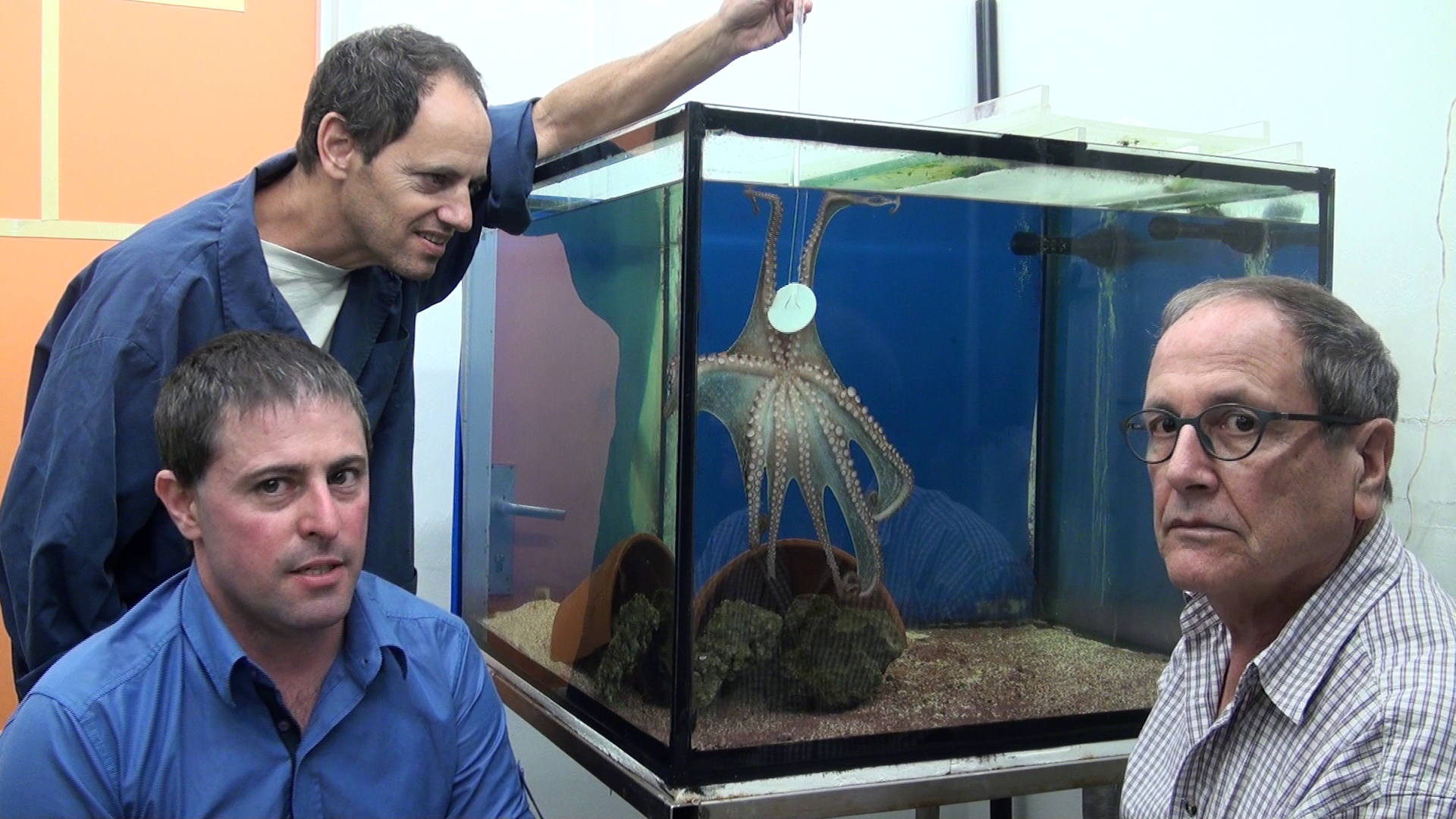
This is one for the kids to answer at dinnertime: An octopus’s arms are covered in hundreds of suckers that will stick to just about anything, with one important exception: those suckers generally won’t grab onto the octopus itself. If they did, the flexible animals would quickly find themselves all tangled up.