Home Blog Page 282

Solar Roadways: energy-generating roads that light up at night

0

Solar Roadways, roads that generate energy, LED lights, LED roads, energy-generating roads, power roads, alternative energy, clean tech, renewable energy, crowd funding solar roadways, green roads, global warming, carbon emissions

What if asphalt roads around the world were replaced with modular panels that generate energy during the day and light up at night? Our air would be cleaner and we would spend much less money on fossil fuels. Turns out, thanks in part to a compelling Indiegogo campaign, Solar Roadways may be coming to a highway near you.

Sensibo says it’s already cool. Now make your AC energy smart!

1

Sensibo CEOIsraeli start-up Sensibo is convinced it can uptick your air conditioner’s IQ.  They’ve created a mobile app (with associated hardware) that allows you to control your air conditioner (AC) from anywhere.

An au natural topless tour trend the Middle East’s resisting

1

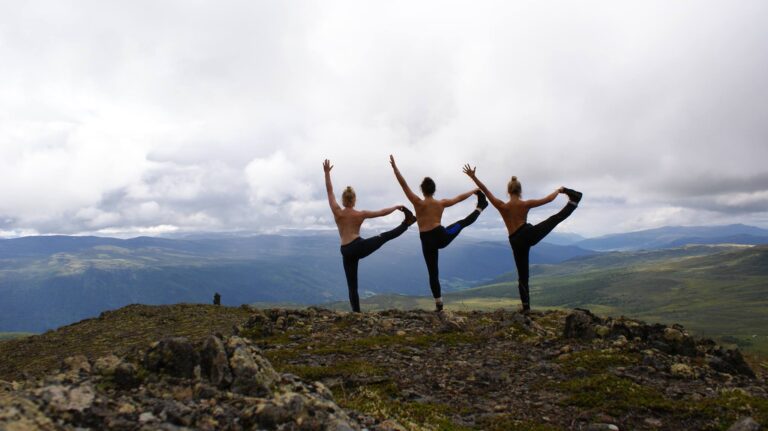
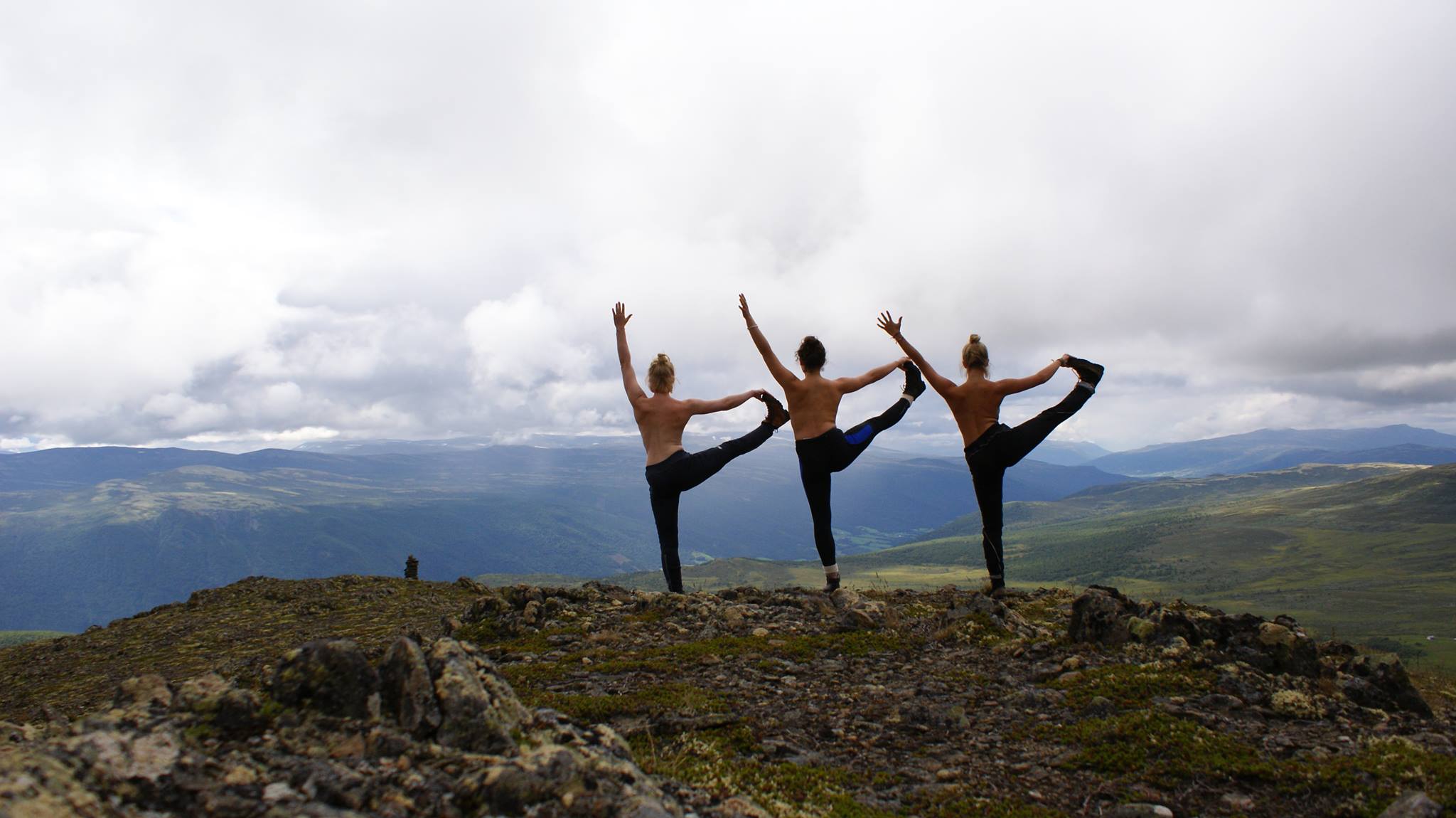
The Topless TourPlanking’s passé, horsemaning is history, and while selfies are thriving in Tunisia, a new photo trend has emerged with the winning combination of mashing the beauty of nature and people. “The Topless Tour” invites people everywhere to shed their shirts to “feel the freedom and share their beauty with the world”.

Studio Cheha’s awesome optical illusion makes flat LED lamps look 3D

2

Studio Cheha

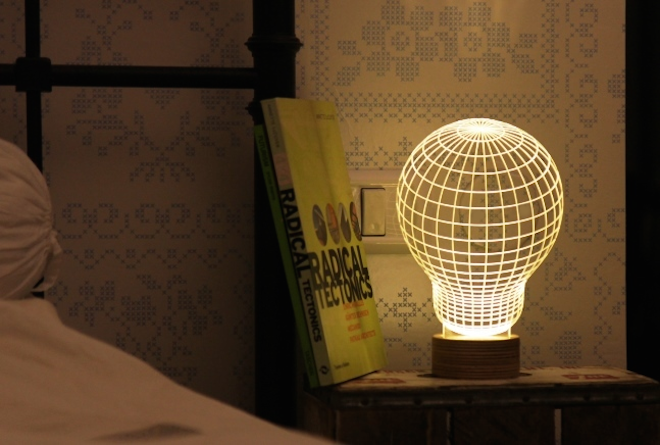
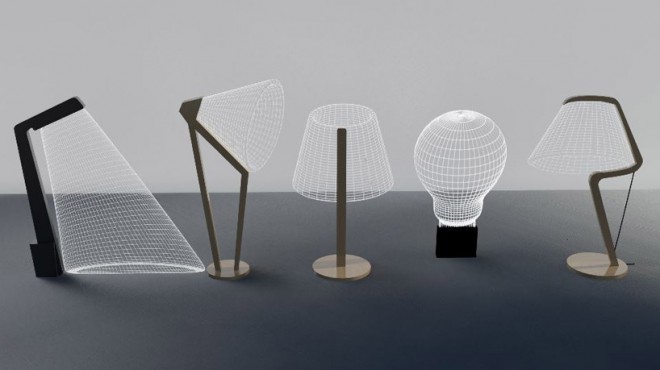
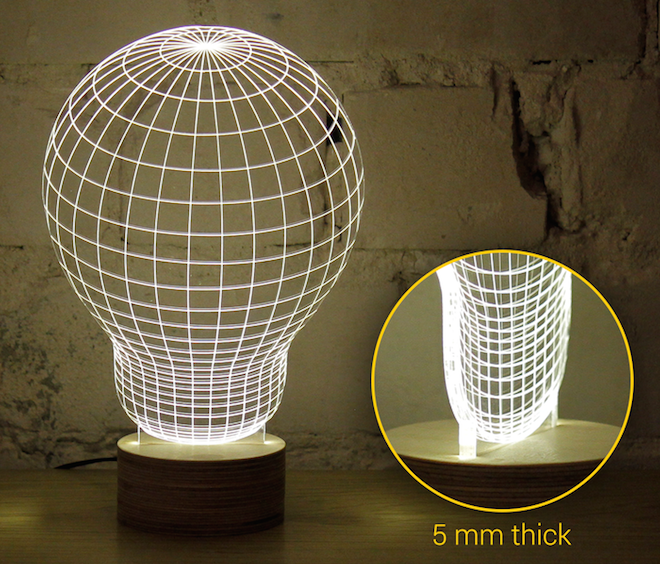
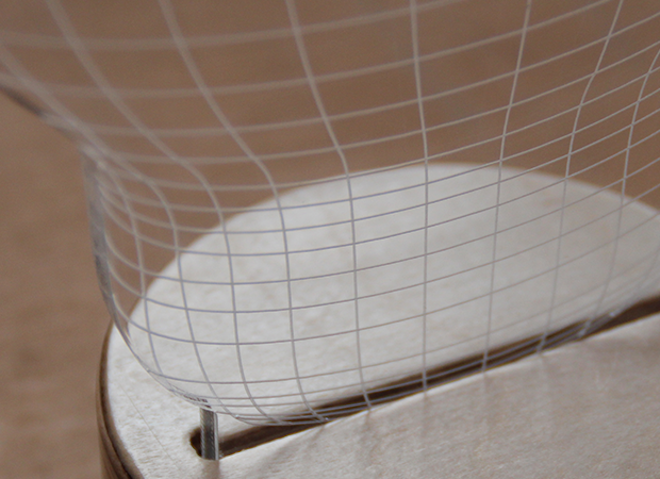
Studio Cheha’s Nir Chehanowski has designed an extraordinary flat LED lamp that looks three dimensional. Called Bulbing, the lamp is made of high quality materials and manufactured locally in Tel Aviv.

Studio Cheha 3D LED lights

It looks like a bulging three dimensional bulb, but actually it’s only 5mm thick and 100 percent flat.

Bulbing, Studio Cheha, LED lamp, green design, israeli design, clean tech, LED lamps, optical illusion lamp, Bulbing, sustainable design

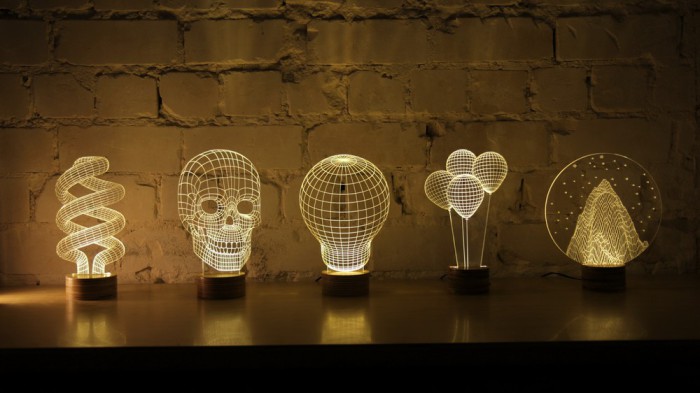
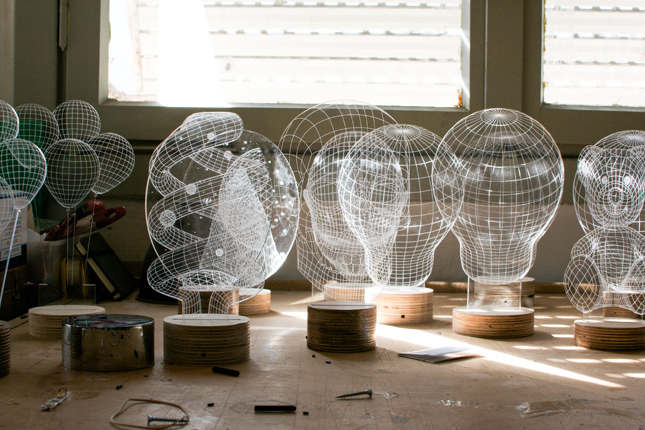
Studio Cheha uses a laser cutting process to cut out the acrylic glass, which is known for its superior light-transmitting  properties. Each lamp comes with five different designs that are easily lifted out of the base.

Bulbing, Studio Cheha, LED lamp, green design, israeli design, clean tech, LED lamps, optical illusion lamp, Bulbing, sustainable design

“Bulbing is a development of my earlier works,” writes Chehanowski, “using 3D wire-frame images and transferring them onto 2D materials, to create functional and delicate design pieces that trick the eye!”

Studio Cheha

In addition to having the surprise element that is certain to impress guests, the energy-efficient LED bulb produces an warm glow without overheating. And it will last up to 50,000 hours!

Bulbing, Studio Cheha, LED lamp, green design, israeli design, clean tech, LED lamps, optical illusion lamp, Bulbing, sustainable design

The base is CNC-cut from plywood birch and then handcrafted and sanded, ensuring the most dedicated attention to detail and resulting in a truly spectacular design that is bound to liven up any room.

Bulbing, Studio Cheha, LED lamp, green design, israeli design, clean tech, LED lamps, optical illusion lamp, Bulbing, sustainable design

All circuitry is wired, adhering to the highest electric standards,” Studio Cheha notes in their Kickstarter campaign

bulbing studio cheha“Upon placing the acrylic glass design in the lamp’s base (where the LED is positioned), the light breaks through the etched surface.”

Bulbing, Studio Cheha, LED lamp, green design, israeli design, clean tech, LED lamps, optical illusion lamp, Bulbing, sustainable design

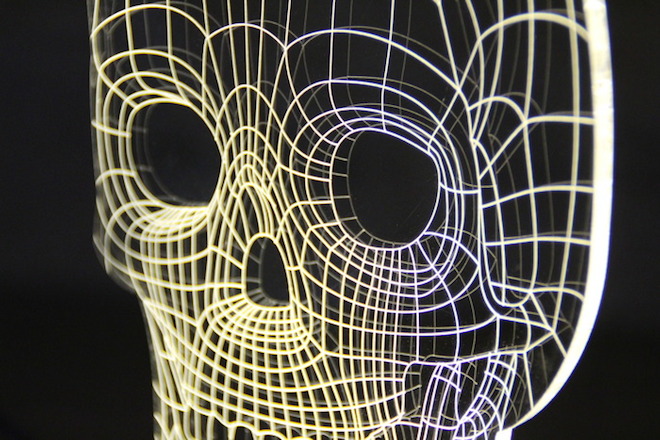
If you’d like to support the campaign, you can have your very own optical illusion at home. There are several designs to choose from, including a skull, teddy bear, galaxy or a starry night.

:: Studio Cheha

Israel’s green LEED Platinum building – Porter School of Environmental Studies

7

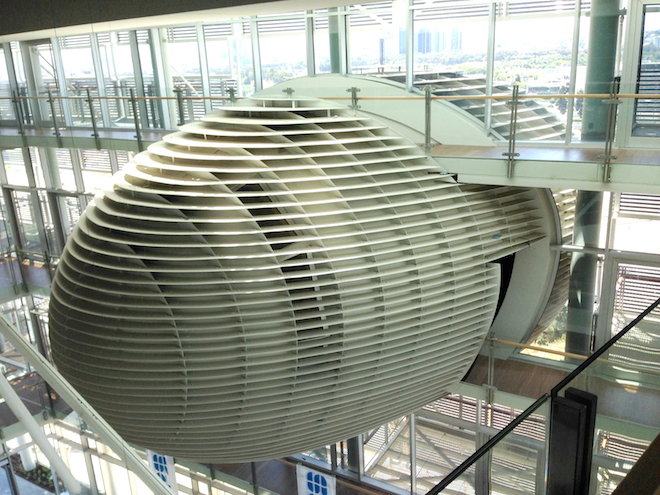
Porter School of Environmental Sciences, PSES, Tel Aviv University, Israel, Geotectura, LEED Platinum, Israel's Greenest Building, photos, renewable energy, alternative energyGeotectura sent us images of their recently completed Porter School of Environmental Studies. The buiding was underwrit through a generous donation by Dame Shirley Porter of the UK. Construction broke ground in December, 2011 on what is being called Israel’s greenest building, and now it’s complete.

Meditative LED bowl lamp recharges with circular motions

1

Kinetically rechargeable LED lamp, Shlomi Mir, tibetan singing bowls, meditation lamps, kinetically-charged lamps, LED lamps, Israeli designer, green design from Israel, renewable energy, alternative energy, clean tech

Shlomi Mir is one of Israel’s most visionary designers whose recent tumbleweed anti-desertification project earned him a Lexus Design Award alongside giants like Toyo Ito. But its his beautiful rechargeable LED bowl lamp that we are drooling over today – an elegant combination of art, design, tradition, technology and even spirituality.

Climate change is sucking nutrition from our crops

empty-plate-climate-change

Researchers now say in a revealing Nature paper that the most significant health threat from climate change has started to happen.

Lebanon’s water problems

0

water-lebanon-time-pine-cone
Lebanon is always bracing for severe summer droughts. As in nearby Jordan, longstanding water management problems are stressed to the breaking point following the driest year on record and a winter exacerbated by a massive influx of Syrian refugees.

Lebanon has a water problem. See the root causes of it in this 15 minute video we featured a while back.

Lebanon has received just 431 mm (17 inches) of rain since September tis year, less than half last year’s 905.8 mm and far below the yearly average of 812 mm.

Lebanon’s meteorological service says the country hasn’t seen such low levels since 1932, when just 335 mm was recorded, according to Hadi Jaafar, assistant professor of irrigation engineering and water management at the American University in Beirut.

In Ammiq, in the east of the country, the effects of the dry winter are already visible. Farmer Khaled al-Kaabi has begun watering his fields a month earlier than usual because the rains that ordinarily feed his lands never came.

“Usually we do this at the end of May, but this year the lack of rain has forced us to do it now,” he said as he irrigating rows of wheat for animal feed. But the increase in the country’s population since then makes this year’s drought far more serious, he said.

“This year, and although we received a little bit above 400 mm, it is far worse,” he said. “Back then, the population was less than half of today’s, and so were the agricultural areas,” he added.

“Relatively speaking, it is the driest year on record for the inhabitants in this country.”

Ordinarily, Lebanese farmers irrigate their fields by digging channels that divert water from local rivers or wells that fill with rainwater.

But the rain and snow that usually feed the rivers and wells never arrived.

“This year, we will have to pump up water from below ground, but if this drought continues next year, there’ll only be five percent of that groundwater left,” Kaabi said.

Syrian refugees compound crisis

Lebanon has the highest proportion of arable land to residents in the Arab world, but just 12 percent of the land is cultivated, and agriculture contributes only 11.7 percent to GDP, behind services and industry.

Still, farmers can ill-afford to leave their lands unwatered, despite warnings from Jaafar and others about tapping the country’s groundwater reserves.

“The water demand for Lebanon is projected at about 1.8 billion cubic meters per year,” he said.

“Most of this water needs to come from groundwater pumping this year… Renewable groundwater resources will all be depleted and we will be tapping from our strategic reserves.”

Lebanon’s parliamentary committee for public works and energy called in April for the creation of a crisis group to deal with the expected summer shortages.

Technologies to catch the rain

And to this date, this region is not the only one facing this phenomenon. In fact, Australia considers itself as the earth’s driest lived-in continent. It has the smallest region of steady wetland, compared to other continents. Solutions there have been invested to help the citizens cope, like rainwater harvesting where the government strongly imposes its use and provides education to implement the practice.

One company Supatank, a tank manufacturer based in Australia, helps as well and lessens the burden of installation by helping out households to carry out rainwater catchment. But such solutions aren’t yet in use in Jordan.

Over in Lebanon Fadi Comair, director general of hydraulic and electric resources at the energy ministry, described a “truly dramatic situation,” exacerbated by waste and an influx of Syrian refugees.

He said Lebanon could ordinarily expect to have water resources of around 2.7 billion cubic metres in a given year.

Those resources would be sufficient to meet projected annual needs at least until 2020.

“But the influx of Syrian refugees means this balance will tip into the negative by the end of this year,” he said.

The UN refugee agency UNHCR warned in February that the presence of more than a million Syrian refugees alongside four million Lebanese would seriously deplete the country’s renewable water resources.

Comair says that scenario was only made worse by a winter so dry and unseasonably warm that the country’s ski resorts were able to open for just two days.

Mismanagement of water resources

But even under the best of circumstances, Lebanon fails to manage the water resources it has, according to Comair.

The country has just two dams and some 70 percent of the water that flows through its 16 rivers ends up in the Mediterranean.

Comair says 48 percent of the water that is collected is then lost because of poor infrastructure and leakage.

Things are expected to get worse, but farmers are already complaining about crop losses, and in Beirut, residents with the means to do so have been forced to buy water from private suppliers to supplement the flow from the state.

The energy and water ministry has publicly called for citizens to reduce their usage, urging them to avoid washing cars and even to “minimise personal water usage, including showers.”

In March, a group of activists and businessmen launched Blue Gold, an initiative to limit water loss and better manage Lebanon’s resources.

Its proposals include better storage facilities and monitoring, wastewater treatment and more water efficient households and crops.

But corruption, bureaucracy and the country’s perennial political paralysis make the prospects for such changes uncertain.

Comair describes a plan from 2000 to build 27 dams and artificial lakes that has languished unimplemented.

“We haven’t been able to carry out more than one percent of those objectives because there is no political will,” he said.

Egypt’s environmental suicide by coal

0

solar panels

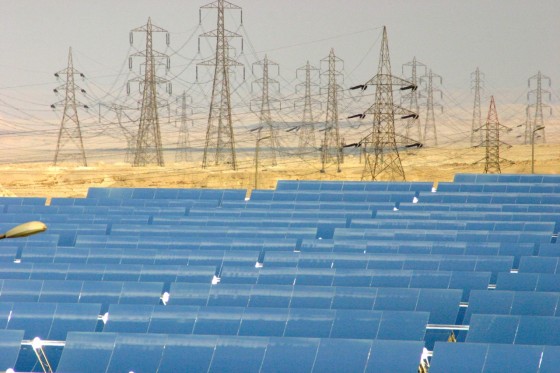
Egypt’s ongoing energy issues, compounded by its current political and economic problems, appear to be going from bad to worse. This is especially so since its natural gas revenues were dramatically curtailed following numerous sabotage attacks on its Sinai gas pipeline to Israel and Jordan.

Up your eco coolness and become a fan of fans

0

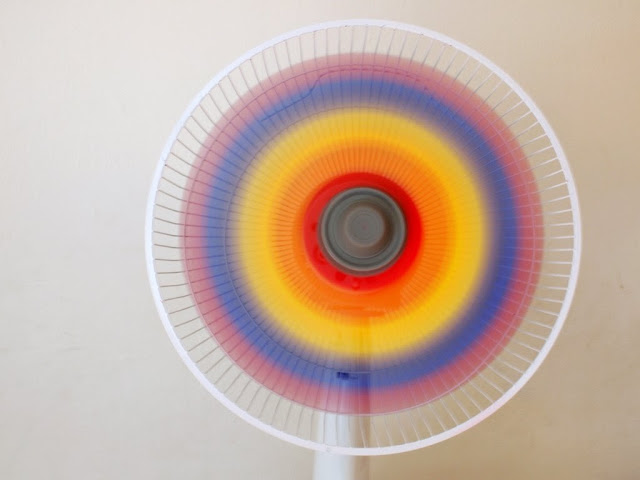
paint a rainbow fanSummer’s coming – watch as its warm weather seduces us into abandoning green principles – flipping on the air conditioner (AC) for a fast blast of freeze. Is there a greener way to beat the heat? You bet, and going retro is the smartest way to up your coolness! Look below for this DIY project for fans.

Bill Gates declares war on world’s (surprisingly) deadliest creature

4

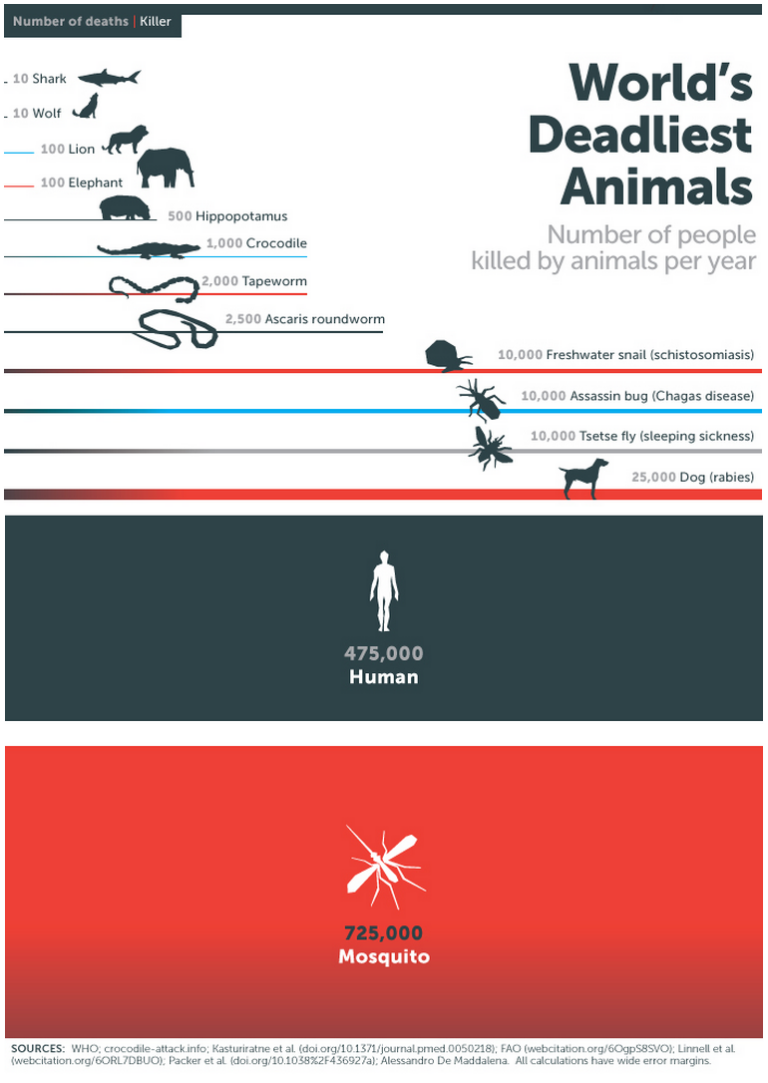
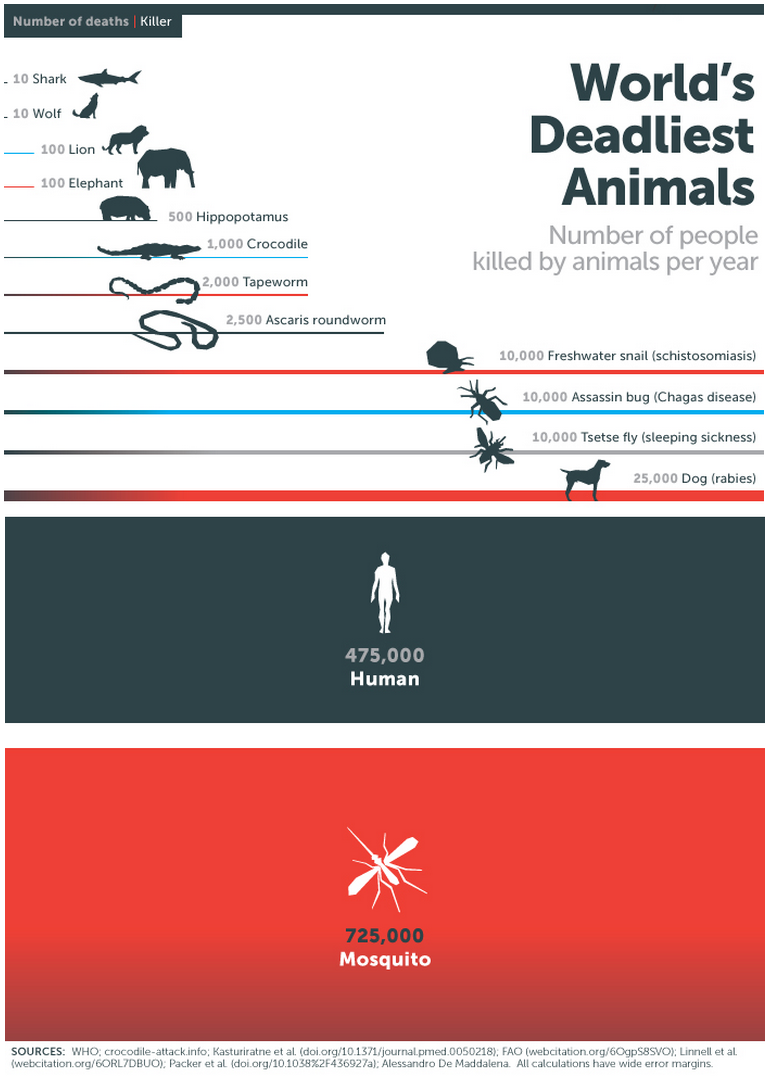
world's deadliest animalsSomething’s bugging Microsoft co-founder Bill Gates.  So obsessed is the billionaire philanthropist that he’s dedicated the first week of May to raising awareness to the world’s deadliest creature – the mosquito.

Trash selfies to shame Tunisia’s government

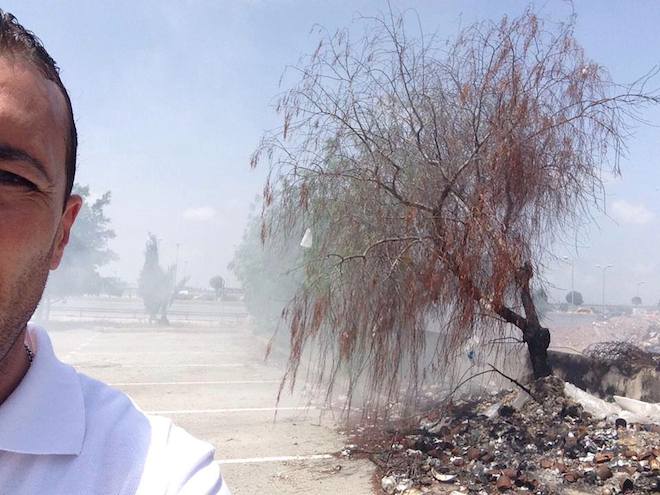
selfipoubella#LacSocial media has again proved to be a powerful tool in Tunisia, where a group of people started a Facebook page that turns the ubiquitous ‘selfie’ into an opportunity to express disgust with the country’s stinking trash problem.

The Big Bambu evolving bamboo sculpture that will hold you, in Jerusalem

big bambu climber jerusalem
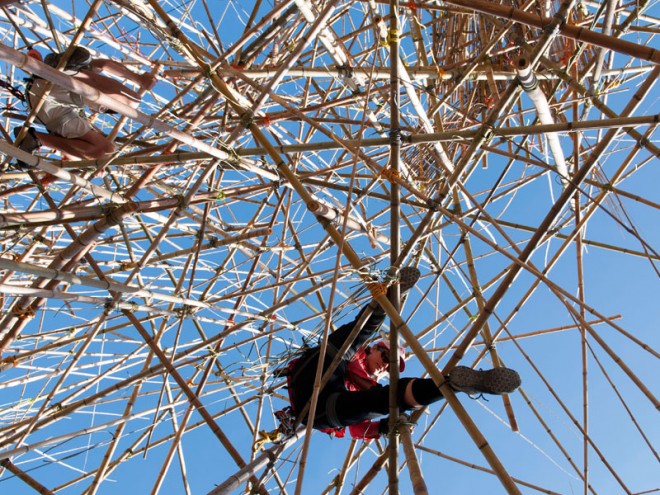
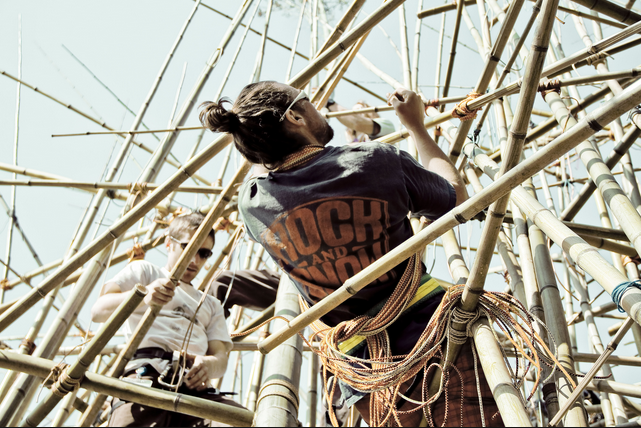
A travelling art exhibit made from thousands of bamboo poles has landed in Israel. Inviting the public to climb on it, and inside it, this is one rare art installation made from thousands of bamboo poles which encourages people to be part of it. 

SmartBrick lets you play with LEGO to build your home – for real

5

smartbrick-3d

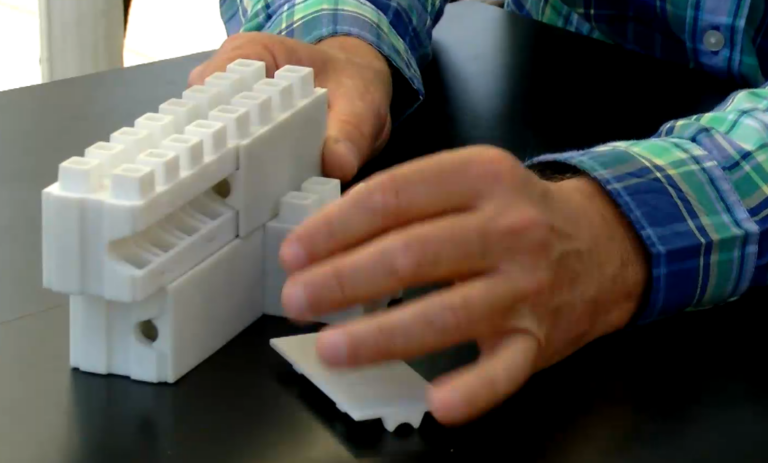
Following the news that 3D printed homes from China can be built in 24 hours, comes a new Israeli invention called SmartBrick.

Newly discovered Camelopardalis meteor shower

1

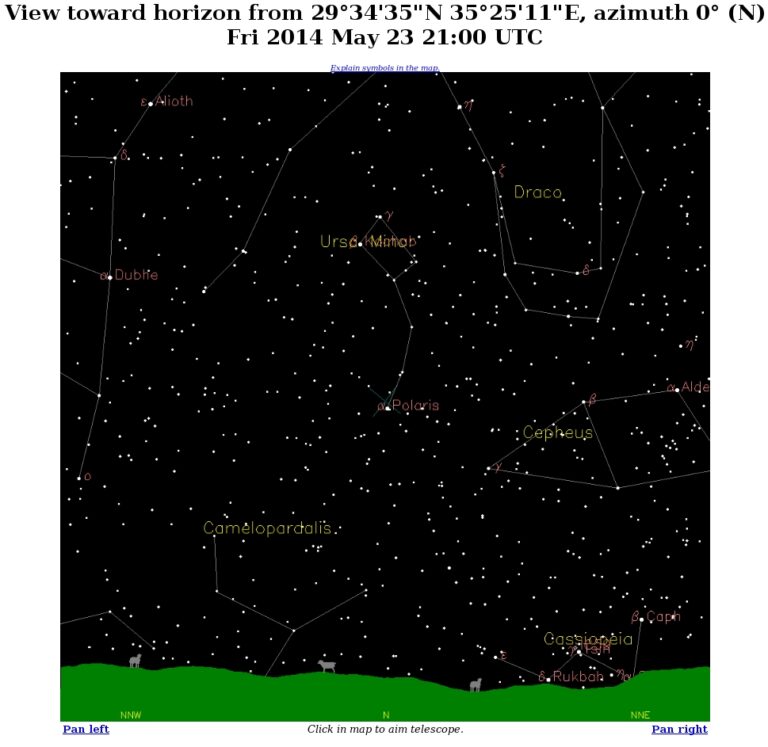
camelopardalis_meteors_from_wadi_rumMay Camelopardalis is the name given for a newly discovered meteor shower which may or may not dazzle viewers under clear-dark skies.