Home Blog Page 275

Cannabis made the effects of trauma reminders “disappear” – new Israeli research on PTSD

2

gavin-get-melted

My startup flux is developing a tool to help people grow plants better. One of the immediate applications could be for helping people cultivate higher quality medical cannabis.

When interviewing an advisor for my company, a cannabis master grower from the US, he told me how cannabis helps him with post-traumatic stress disorder (PTSD) – something he got from serving in the American army as a marine. He was also in Guantanamo Bay, he says, not long before lighting up and taking a big drag from a joint.

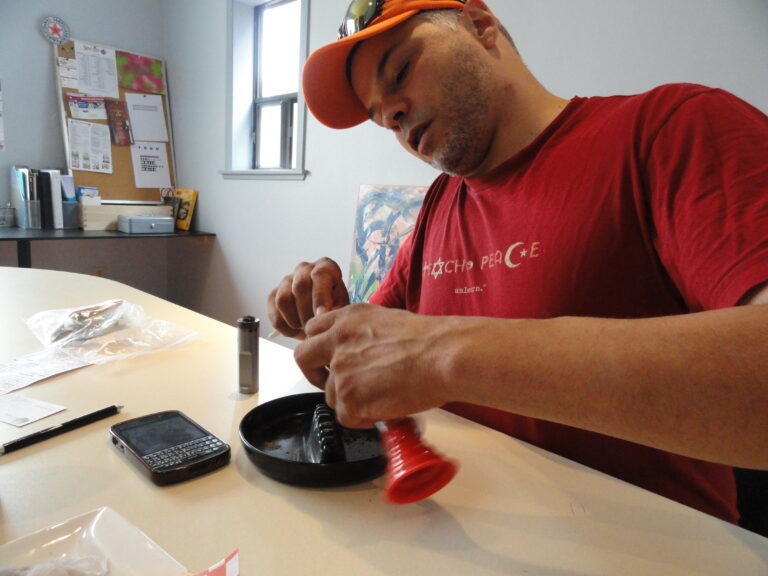
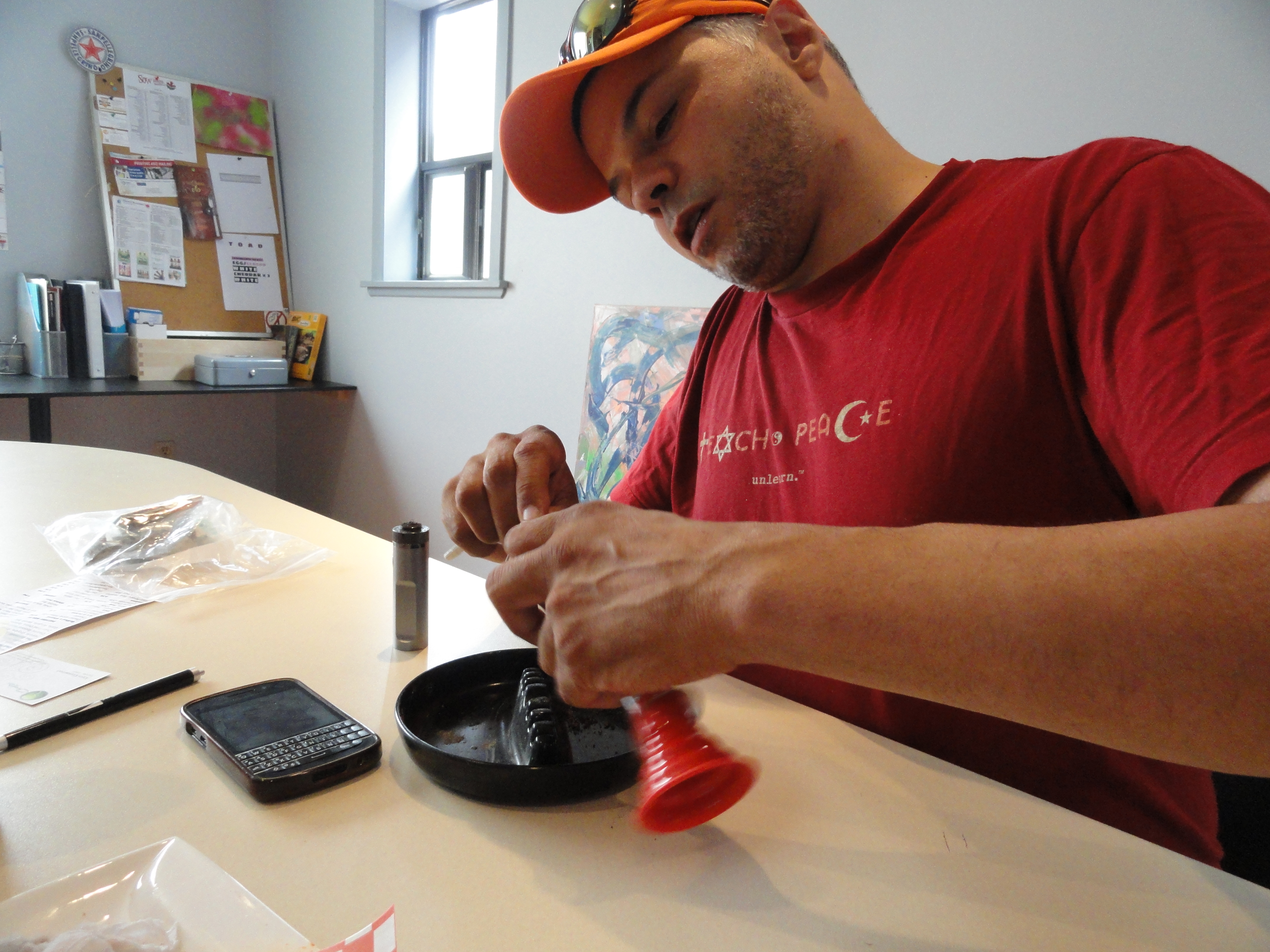
In Canada, where he is working, it is legal to use cannabis to self-medicate. In many US states too. Above is a picture of Gavin Bryan setting up his vaporizer at Get Melted, a grilled cheese sandwich/vapour lounge in Toronto. Bryan is self-medicating.

People like Bryan know that Israeli researchers have been researching cannabis since the mid-60s – when Prof. Raphael Mechoulam got hold of a bag of hash from the police and then went on to discover the molecule THC – that which gives us the high.

While researching marijuana is effectively banned in America, there are ten strong research teams in Israel conducting scientific research on the cannabis plant. And one team which has administered synthetic marijuana (or cannabinoids) soon after a traumatic event found it can prevent PTSD-like (post-traumatic stress disorder) from setting in.

The experiments were done on rats, a common animal model, before testing starts in humans. But this research paves the way for more clinically-organized studies on what people who smoke may already know.

RELATED: Israelis find cannabis can help muscular sclerosis

The new study published in the journal Neuropsychopharmacology was conducted by Nachshon Korem and Irit Akirav of the Department of Psychology at the University of Haifa.

“The findings of our study suggest that the connectivity within the brain’s fear circuit changes following trauma, and the administration of cannabinoids prevents this change from happening. This study can lead to future trials in humans regarding possible ways to prevent the development of PTSD and anxiety disorders in response to a traumatic event,” the researchers said.

“The importance of this study is that it contributes to the understanding of the brain basis of the positive effect cannabis has on PTSD and thus supports the necessity to perform human trials to examine potential ways to prevent the development of PTSD and anxiety disorders in response to a traumatic event,” they added.

Those at risk for PTSD are sometimes the least likely to self medicate – like people in the army or police force, professions where it is illegal to use the substance.

Yet, according to the Israel Medical Association approximately nine percent of the population suffers from post-traumatic stress disorder, whereas among at-risk populations such as combat soldiers, prisoners, victims of assault, citizens in lines of confrontation – the percentages are even higher.

PTSD from war 

A common phenomenon among those who suffer from trauma is that exposure to a “trauma reminder” — an event that is not traumatic in essence but that evokes the memory of the experience of the traumatic event — can further heighten the negative effects of the trauma.

For example, for a person who has developed post-traumatic syndromes as a result of “Color Red” sirens (air raid sirens), a trauma reminder can occur following a loud car alarm.

In previous studies performed by Akirav, she discovered that the use of cannabinoids within a specific time window after the traumatic event has occurred reduces PTSD symptoms in rats. In this current study, conducted by Akirav together with the doctoral student Korem, the researchers aimed to examine whether the use of cannabinoids may also moderate the effects of trauma in cases of exposure to trauma reminders.

The researchers chose rats because of their great physiological similarity to humans in the way they respond to stressful and traumatic events.

During the first half of the experiment, the rats underwent the traumatic event of receiving an electric shock and were exposed to trauma reminders on the third and fifth days of the trial. After the event, and within the time window found in earlier studies, some of the rats were injected with a cannabinoid substance.

The rats then went through extinction procedures for trauma (a conditional psychological procedure similar to exposure therapy in humans, the purpose of which is to cope with post-trauma symptoms).

From the findings it became clear that the rats that were injected with the cannabinoid substance showed no PTSD symptoms such as impaired extinction learning, increased startle response, changes in sensitivity to pain and impaired plasticity in the brain’s reward center (the nucleus accumbens), compared to those not injected with the drug.

The researchers added that the rats that were injected with the drug showed better results compared to rats who received sertraline (an antidepressant of the SSRI group) a substance that is used in the treatment of PTSD with limited success in reducing symptoms.

In fact, for some of the symptoms, the rats that were injected with the drug showed similar behavior to rats exposed to trauma but that were not exposed to trauma reminders.

In other words — cannabis made the effects of trauma reminders “disappear”.

How this can be applied to humans? Those who already self-medicate will do so, and this study might pave the way for more countries and states to consider legalizing cannabis, at least for medical reasons.

Read more on medical marijuana and its uses
Tikun Olam is Israel’s Hidden Pot Farm
Israel Relaxes Laws on Medical Marijuana
A Moroccan Love Potion Spiced With Pot

Railway use by people and freight up, but not in the Middle East

3

no-pants-toronto-subway
Travelling by rail is a great way to save gas and greenhouse gas emissions. But the Middle East is completely not mentioned in a new worldwide report on rail travel. No surprise given the ongoing conflicts and lack of future planning. We can learn from Japan and the US: Read on for the report.

Will Israeli cars roll on alternatives by 2025?

0

skyTran_Cityscape-003.jpg.824x0_q85_crop-scale

Despite Israel’s dead electric car company Better Place and its venture to create an electric alternative to fossil fuel driven cars,  the Israeli government is still interested in  weaning most of its cars and other vehicles away from oil by the year 2025. With hanging Skypod’s in the wing, here’s the plan.

Gulf cargo company makes shipping container cargotecture office

1

shipping-container-office

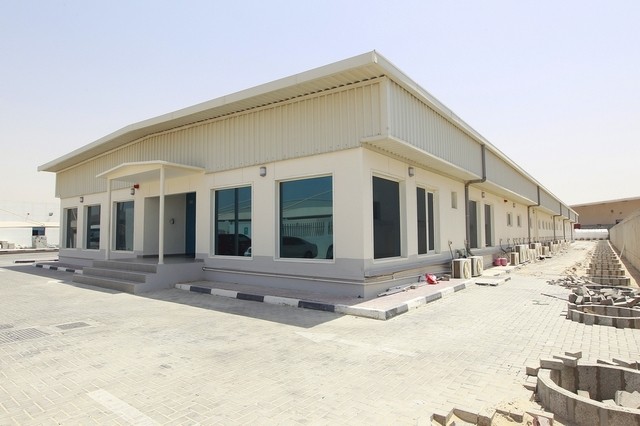
The United Arab Emirates is home to the world’s tallest building, Burj; it’s over-run by McMansions a la Arabia, and the Emirates don’t hesitate to create artificial islands out of extravagant shapes like planet earth. Now a humbler approach that mimics western trends: a cargo company in the UAE has put together 42 shipping containers for its office.

Earliest known sketch of Abu Dhabi uncovered in archives

0

abu-dhabi-sketch

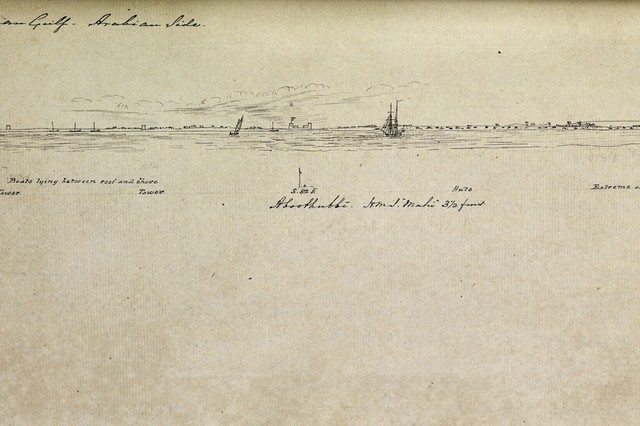
A new sketch of Abu Dhabi was just uncovered, showing a rare glimpse into the desert port before it became a super city. The sketch which reveals its most humble beginnings as a desert outpost, with tower to guard the island’s water resources is a sharp reminder of how quickly cities and empires can be built out of nothing. I see this sketch also as forewarning – a sign showing us that we need to think more in terms of lasting outcomes and sustainability before towering super cities take over our horizons.

The sketch was found last year when Liza Rogers working at the archives of the National Maritime Museum in London was looking around for documents relating to the history of Qatar. She opened the sketchbook of a leather-bound collection by R W Whish thinking she might see something there on Qatar.

To her surprise she found a faint, 155-year-old pencil sketch depicting a horizon, light cloud, a fort, some towers and the masts of several ships in the harbour. The sketch was sub-headed: “Aboothubbi, HMS Mahi, 3½ fms”.

While not considered a great work of art, it sheds light onto the early history of Abu Dhabi which has erected itself quite literally out of the sand in the last 100 years or so.

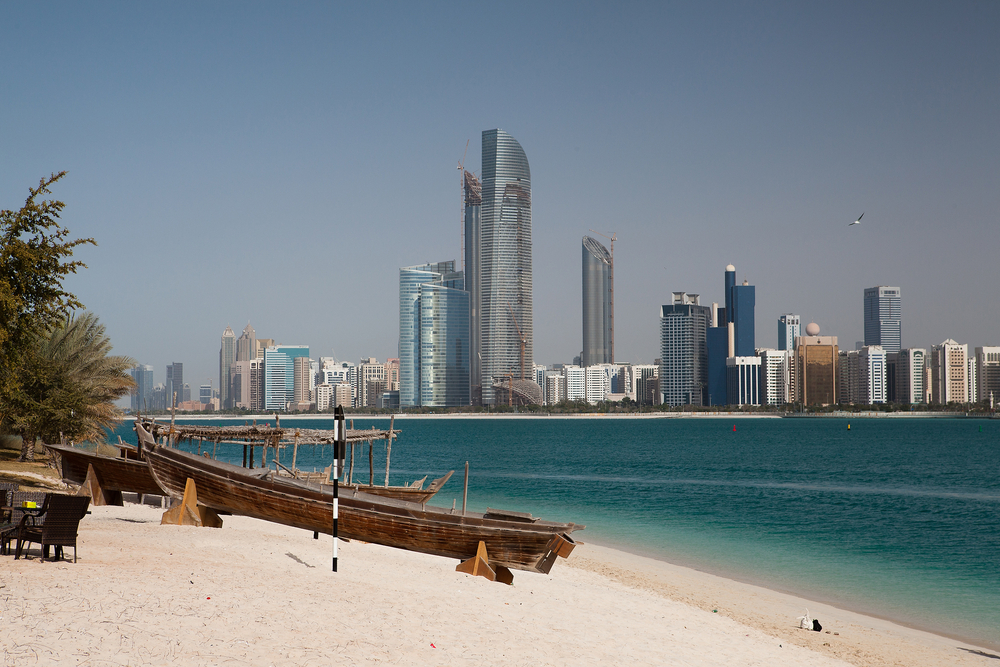
Abu Dhabi skyline today

abu-dhabi-skyline

There isn’t much historical documentation of Abu Dhabi, evaluators of the sketch say.

Iran dominates drug headlines in the Middle East

0

drug-trade-iran
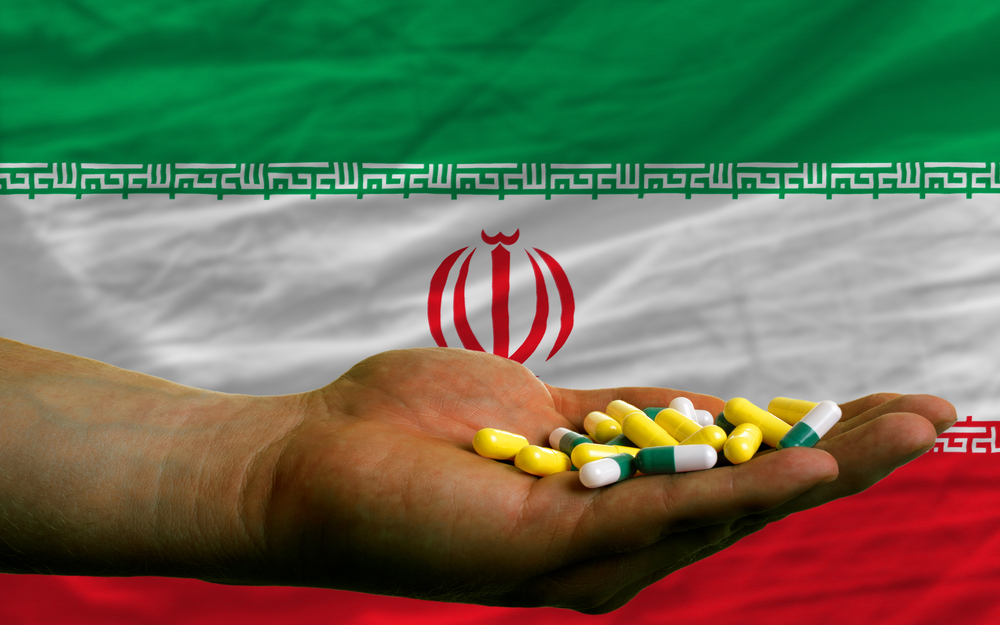
There is a growing concern that the free trade agreement between Iran and Turkey has encouraged an increase in the production and transit of drugs in the Middle East. Following the 2009 agreement to enhance co-operation efforts of land, air, and sea transportation, politicians and economic analysts have grown ever more concerned about the rising threat of drugs amid a free trade environment.

Iranians a Force in Turkish Drug Industry

Experts would appear to have every right to feel concerned, with statistics showing that heroin seizures increased from 2,025kg to 3,044kg between 2009 and 2010, which is just a year since the free trade agreement. Prior to the agreement, it had taken three years for a similar increase between 2005 and 2008. Those statistics represent the seizures of heroin, an opium-based drug, being transported to Turkey.

For the drug traffickers who are not caught during transit, close to one million Iranian nationals have chosen to continue living in Turkey instead of returning to their homeland. But rather than choosing to move for an improved quality of life, many of the illegal migrants are making the move for the purpose of becoming involved in the lifestyle offer by drug trafficking.

In fact, Turkey’s Department of Anti-Smuggling and Organised Crime (KOM) revealed in 2011 that 34% of all foreign nationals arrested in the country were Iranian. No other national demographic had a higher rate of drug-related arrests than Iranians, with these individuals dominating in the Turkish drug industry.

Hash Usage in Iran

Iran is not only making the headlines for drugs in the wider Middle East, but also within its own borders. Economic struggles within the country, combined with the readily available presence of cheap drugs, have driven many young Iranian nationals to consume drugs until the point of addiction is reached.

Prior to the development of serious addictions, Iranians are legally allowed to consume hashish, a product that is prepared from the readily available cannabis plants that are available throughout North Africa and the Middle East. Consumption of hash can act as a gateway drug for many young people, who turn to escapism to cope with the economic struggles of Iran. Wellness centres like FloridaBeachRehab.com have witnessed this problem on many occasions.

However, there is a considerable catch associated with the legal status of hash. While many hash users in the rest of the world will choose to smoke it through a variety of delivery methods, Iranian nationals can only legally consume hash by oral means. Effectively, this creates a situation where hash is easy to come by. Once in possession of the drug, it is then possible for the purchaser to smoke it in private.

Opiates Causing Damage

Iran has previously revealed to Economist.com that more than 2 million of 75 million people living in the country are addicted to damaging opiate-based drugs. Along with heroin, many of those 2 million addicts are using a cheaper derivate heroin, which is known as crack or shishe (this term is used to name cocaine in its freebase form). Users will gather in public places to smoke shishe and pose a threat to others.

The major problem with shishe is that it is not just poorer sections of Iranian society turning to the drug. Alarmingly, weight-conscious and beauty-obsessed women from the middle class are turning to shishe as a cure for weight loss. Courses are also said to be available for those who would like to manufacture shishe from the comfort of their own home.

To tackle the epidemic, Iran has attempted to implement a number of policies. Leading the charge are programmes formed to encourage safe disposal of needles, as well as methadone clinics to assist heroin addicts. With a 15% rate of HIV diagnosis among needle users in Iran, such initiatives are vital for responding to the troubling issue.

Iran is facing a battle on two fronts, with some of its citizens engaging in the trafficking of opiates to Turkey and then later settling there to join the local drug industry. Free trade is said to be the catalyst behind the first issue. Next, the dire economic conditions of Iran have driven many to consume cheap opium-based drugs. Iran has years of effort to combat the growing threat of drugs in the Middle East.

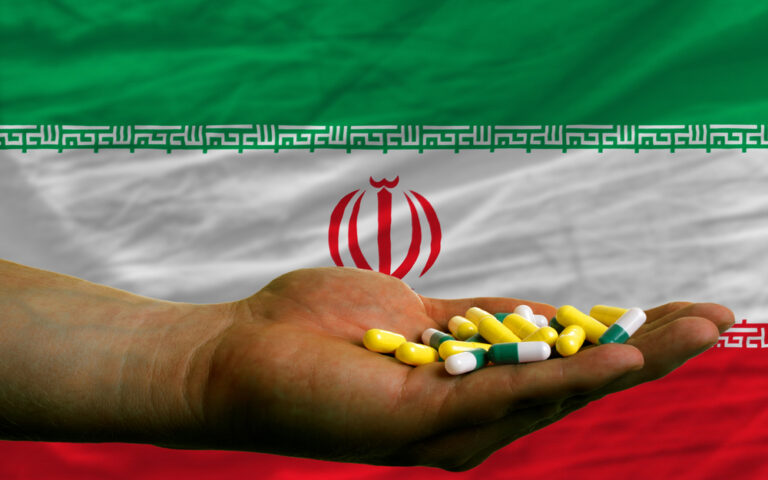
Image of drugs in Iran from Shutterstock

Peak passenger pigeon – looking at “Martha” after a century extinct

1

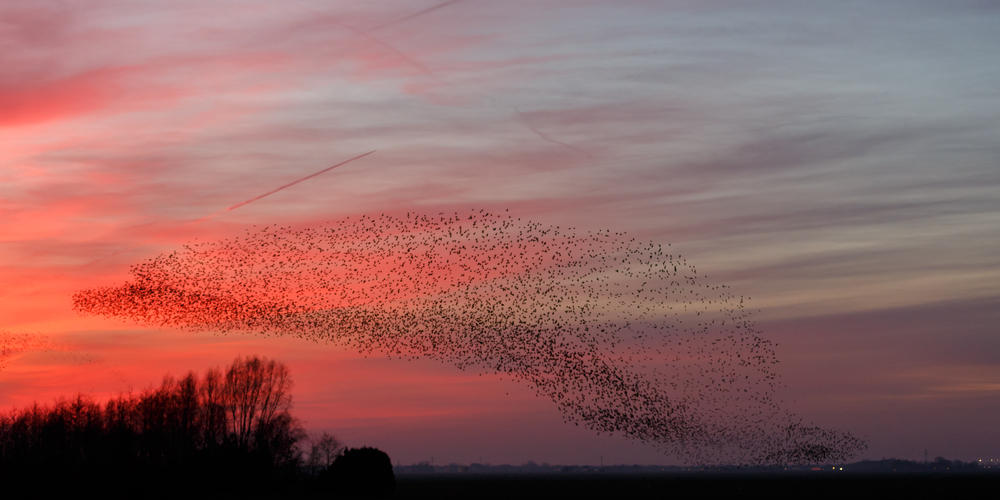
starling_murmeration_at_sunset_30000One hundred years ago on the first of September 1914, a bird named Martha died at the Cincinnati Zoo. She was the last of what had once been the most numerous bird in the world – the passenger pigeon. How did this happen? Read more as we attempt to solve this extinction mystery.

How ebola makes chocolate more expensive

0

cacao-bean-africa
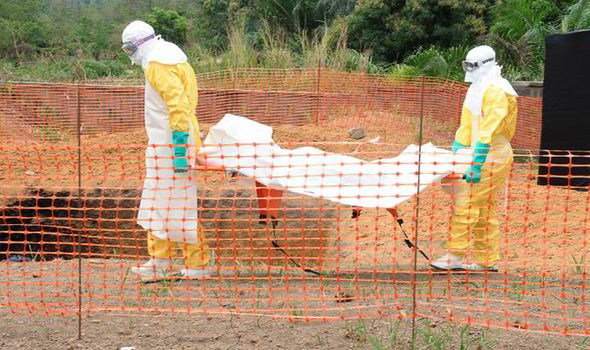
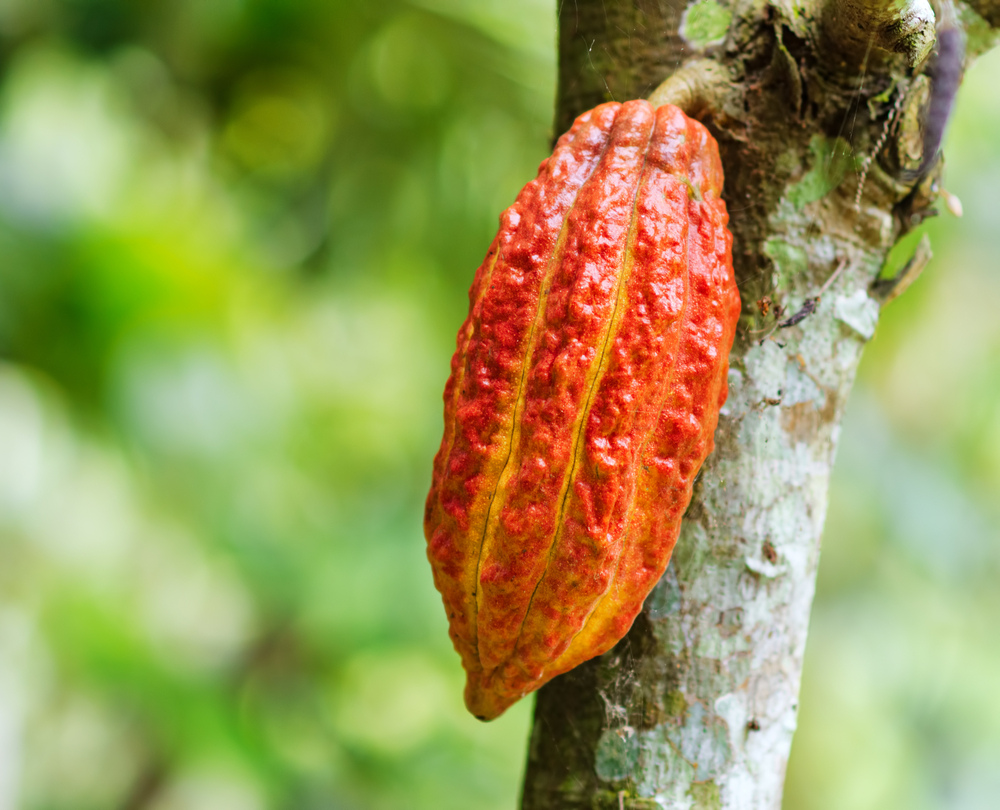
Disruptions in food trade and marketing in the three West African countries most affected by the Ebola virus out of control have made food increasingly expensive and hard to come by, while labor shortages are putting the upcoming harvest season at serious risk, the United Nations FAO warned today.

Feed-in tariffs – save, export, earn money

3

solar energy, camels
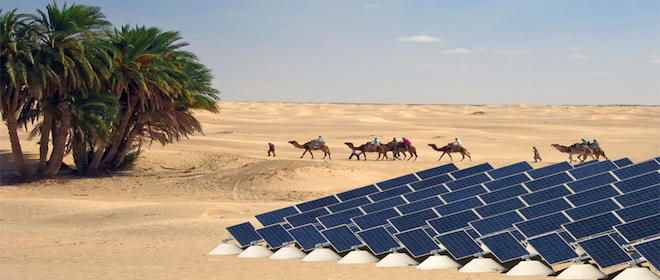
If you have been looking for ways to cut down on your energy spending while contributing to salvaging the environment, the government has offered you an opportunity with its Feed-In tariffs (FIT) scheme.

Istanbul police take selfie as man jumps to death

0

selfie-istanbul-bridge-police

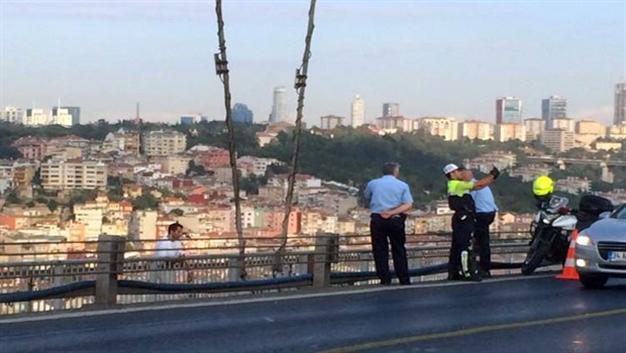
My experience with the Turkish police was problematic. As a tourist I was accosted by a man on moped, but because the perpetrator didn’t rape me or manage to steal my bag, the police weren’t interested in my complaint. New infuriation with the police stirs: Istanbul police officer takes selfie as a man a man commits suicide this morning.

“Real” meat photos will make you gag over meat

0

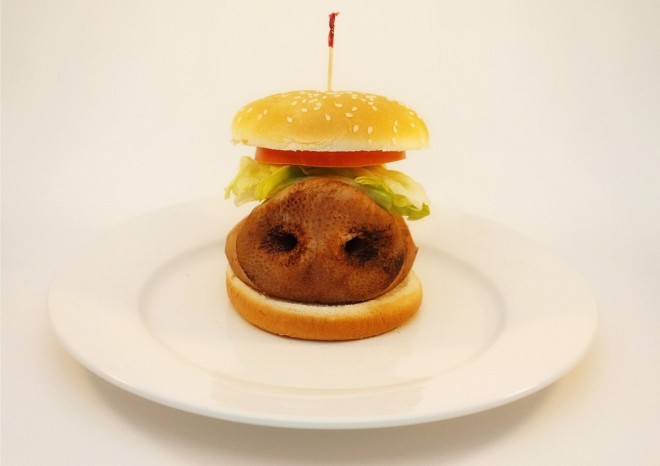
Peter Augustus 1American photographer Peter Augustus has created a series of images that may change how you look at processed food and help you resist the siren call of snacking. Important images for the Middle East, where fast-food is one of the leading commercial growth sectors with junk-food-mad consumers ballooning apace with corporate profits.

Grow natural salt crystals like the ones from the Dead Sea

0

salt-cube-dead-sea

The Dead Sea is an amazing place to float, meditate, and to heal your aching body. But some guys hanging out on its shores show it is an awesome place to discover natural phenomena. This artist grows the crystals, Dead Sea Diamonds and crafts them into jewels you can wear.

crystals-dead-sea


Check out the salt crystals that they collected at a recent trip to the Dead Sea in the video below.


If you are eager to “grow” your own salt crystals the video below shows how it’s done. Skip ahead to the second half of the video if you want to do it with ordinary table salt.

Isn’t nature mind blowing?


10-year-old Emirati wunderkid already has 7 patents to his name

1

10-year-old, wunderkind, emirati kid, adeeb al-blooshi, 10-year-old inventor, Dubai, crown prince of dubai, boy with seven patents, science, clean tech

There seems to be a tremendous struggle happening in the Middle East – a fight between the good guys, like this 10-year-old Emirati wunderkid, and psychotic fundamentalists (along with a host of other corrupt elements.) The good maybe overwhelmed by the very worst bad guys there could be. And then there is the boy who already has seven scientific patents to his name.

Jewelry that turns human veins into power source

0

naomi-kizhner-energy-addicts

Talk about being self-sufficient, but totally weird! Israeli student designer Naomi Kizhner has designed a collection of jewelry that harvests energy from veins in the human body. The project highlights in a beautiful and artful way how humanity is addicted to energy consumption.

kizhner-energy-source

It may be a thought experiment more than anything, but these jewels provoke a fascinating discussion about the ends to which humans will go in order to get the next hit of energy.

Dare to ride your bike in solidarity with Afghan women?

1

Afghan Cycles, Global Solidarity Ride, Shannon Galpin, afghan girls, cycling in the Middle East, Middle East bicycles, Mountain2Mountain, afghan national women's cycling team

Are you allowed to ride a bicycle? For Afghan girls and women, that’s a no. If they dare, people may throw rocks at them or call them unspeakable names. The Global Ride for Solidarity coming up this weekend is designed to catalyze a new cultural paradigm in the country, one that finds riding a bicycle in Afghanistan as normal as walking.