Home Blog Page 268

دم العنقاء اليمنية تقطر دما

0

socotra dragon tree

لو كنت مسؤولا عن دائرة ترويج السياحة اليمنية لاخترت شجرة التنين المحلية شعارا للدائرة

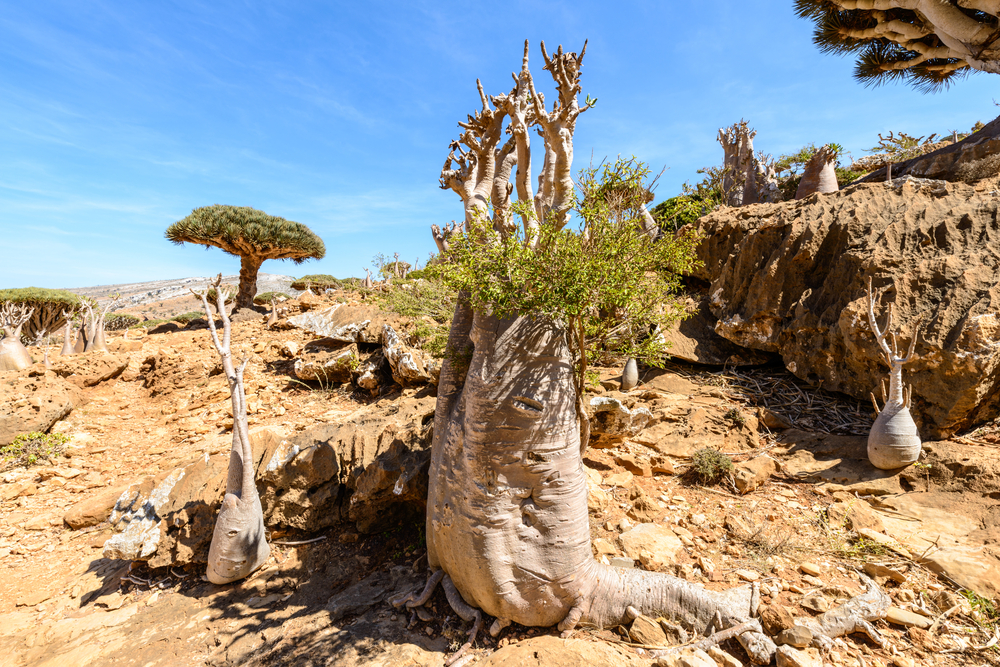
هذا الشجرة النادرة و غريبة الشكل، و التي تستوطن جزيرة سقطرى اليمنية، قد تطورت في بيئة معزولة عبر ملايين السنين

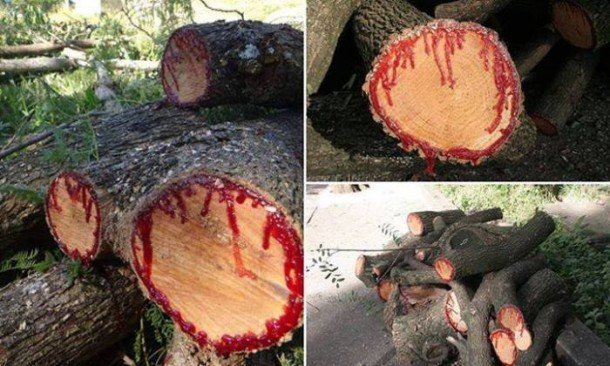
dragon tree yemenو تعرف الشجرة أيضا بإسم دم الأخوين، و قد أطلق عليها السقطريون اسم دم العنقاء نظرا لما يخرج منها من عصارة حمراء حينما تُحطب، يظن أن لها فوائد صحية

dragon-blood-tree-yemen

و تعد سقطرى أكبر جزر اليمن مساحة، و تشكل حوالي 95 بالمئة من مساحة أرخبيل سقطرى في المحيط الهندي

socotra-yemen-dragon-trees

و يعد ثلث الثروة النباتية في الجزيرة من النوع النادر الذي لا يتواجد في أي بيئة أخرى في العالم، و ذلك بسبب عزلة الجزيرة البيئية. و قد نعتها البعض بأكثر أماكن الأرض غرابة

amazing, arab, arabian, arabic, beautiful, beauty, canyon, climate, coastline, color, deep, environment, exterior, fauna, forest, green, heritage, horizon, horizontal, island, landscape, location, mountain, natural, nature, outdoor, panorama, panoramic, park, plant, rock, sand, scenic, sea, sky, socotra, soqotra, splendid, stone, summer, sun, sunlight, tourist, tranquil, travel, tree, view, water, yemen

هكذا تبدو شجرة التنين حين تجف تماما

socotra-tree-yemen-dragon

إذا شجرات التنين هذه لم تجعلك مهتما بحماية البيئة، لا أدري مالذي سيدفعك


How freak algae blooms can solve climate change

1

algae bloom
Weird, wonderful and sometimes toxic algae blooms at sea attract attention. But algal blooms, known as harmful algal blooms or HABS, can actually be a living carbon sink, a good thing for the sea and our climate, Israeli researchers have found.

When we talk about global carbon fixation in the context of climate change “pumping” carbon out of the atmosphere and fixing it into organic molecules by photosynthesis – proper measurement is key to understanding this process.

By some estimates, almost half of the world’s organic carbon is fixed by marine organisms called phytoplankton – single-celled photosynthetic organisms that account for less than one percent of the total photosynthetic biomass on Earth.

Algal blooms are good

Assaf Vardi, a marine microbiologist of the Weizmann Institute’s Plant Sciences Department, and Prof. Ilan Koren, a cloud physicist, and Yoav Lehahn, an oceanographer, both from the Earth and Planetary Sciences Department, realized that by combining their interests, they might be able to start uncovering the role that these minuscule organisms play in regulating the carbon content of the atmosphere.

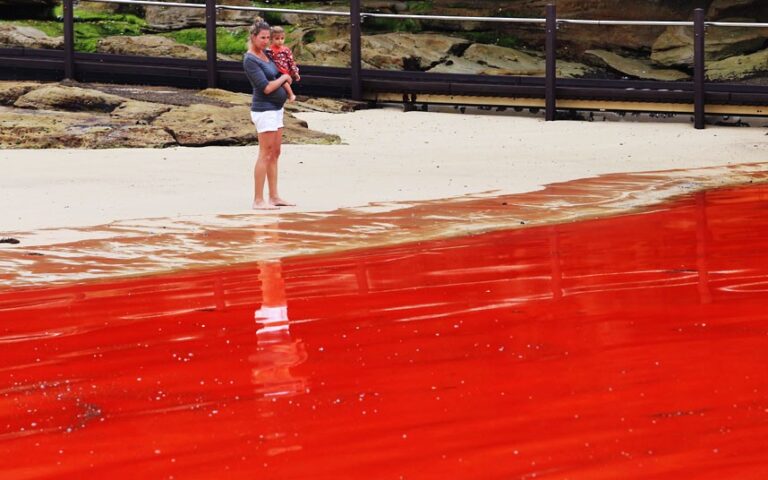
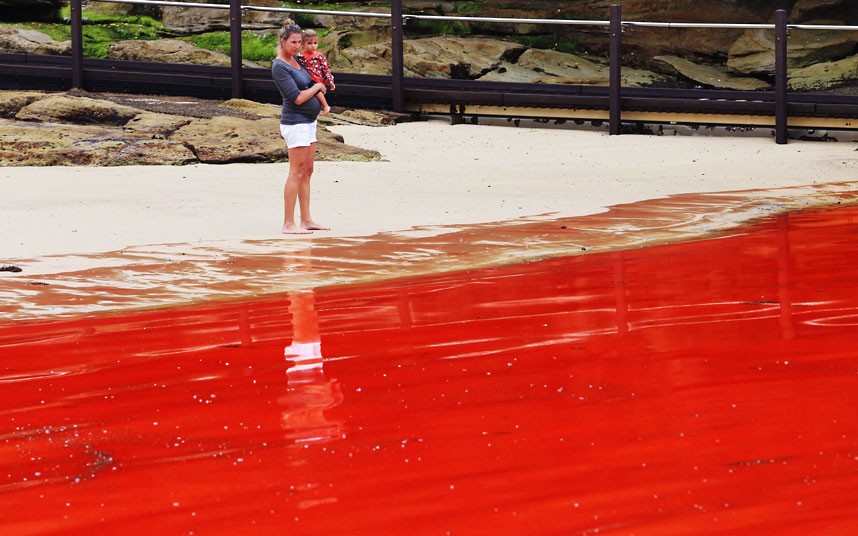
Green slime. Red tide. Brown scum: Tiny and “ugly” as they are, phytoplankton can be seen from space: They multiply in blooms that can reach thousands of kilometers in area, coloring patches of the ocean that can be tracked and measured by satellites.

algae-bloom-sea-philipines

These blooms have a tendency to grow quickly and disappear suddenly. How much carbon does such a bloom fix, and what happens to that carbon when the bloom dies out? That depends, in part on what kills the bloom.

If it is mostly eaten by other marine life, for example, its carbon will be passed up the food chain. If the phytoplankton are starved or infected with viruses, however, the process is more complicated. Dead organisms that sink may take their carbon to the ocean floor with them. But others may be scavenged by certain bacteria the surface waters; these remove the organic carbon and release it back into the atmosphere through their respiration.

Algal patches fix as much carbon as rainforests

The scientists estimated that an algal patch of around 1,000 sq km – which forms within a week or two – can fix around 24,000 tons of organic carbon – equivalent to a similar area of rain forest.

Since a viral infection can rapidly wipe out an entire bloom, the ability to observe and measure this process from space may greatly contribute to understanding and quantifying the turnover of carbon cycle and its sensitivity to environmental stress conditions, including marine viruses.

See related: Red Tide in Sinai Treats Blindness

Vardi, Koren and Lehahn asked whether one can use the satellite data to detect the signs of the demise of a bloom due to viral infection, an occurrence that Vardi has investigated in natural oceanic blooms and in the lab. During a recent research cruise near Iceland with colleagues from Rutgers University and Woods Hole Oceanographic Institute, the researchers were able to collect data on the algal-virus interactions and their effect on carbon cycles in the ocean.

Studying viruses and algal blooms

By combining satellite data with their field measurements, they were able, for the first time, to measure the effect of viruses on phytoplankton blooms on large, open ocean areas. To do this, the scientists first had to identify a special subset of ocean patches in which such physical processes as currents did not affect the blooms – so they could observe just the biological effects.

Then, following a bloom in one of these patches, they managed to trace its whole life cycle. This enabled them to quantify the role of viruses in the demise of this particular bloom. Their conclusions were verified in data collected in a North-Atlantic research expedition.

Abu Dhabi investors looking for water tech innovators!

0

arab-gulf-water-clouds
Want to make a splash with your water tech idea, vie for a chance to get funded and earn customers right away? In an X-factor style, water innovators are being called on to submit their company ideas for a competition being held at the International Water Summit (IWS) during the now famous Abu Dhabi Sustainability Week (ADSW) happening January, 2015.

For this competition tech innovation consultancy Isle will offer technologists from across the water industry anywhere in the world the chance to showcase their ideas to an expert panel of end users, technologists and investors in the Middle East and North Africa (MENA) region.

The new event called Innovate@IWS will launch at the IWS, hosted by Masdar.

The Abu Dhabi Sustainability Week 2015 is by far the region’s largest and most ambitious gathering on sustainability issues, products, services and technologies. Green Prophet has been part of the event for the last two years and we are looking forward to attending this year as well.

Organisers looking for water technologies have issued a call for submissions to the competition, which will test the merit of breakthrough water technologies in the MENA market, offering those responsible an opportunity to submit ideas and demonstrate their potential impact to global experts.

Participating technologists and entrepreneurs have until November 25, 2014 to submit entries to the selection committee via the IWS website here www.iwsabudhabi.com.

The competition categories include ‘Municipal Water’, ‘Industrial Water’, and ‘Water for Real Estate’.

Submissions, organizers point out, must demonstrate excellence in terms of their impact, innovation, leadership and long-term vision.

Yeah, that’s probably you.

Shortlisted submissions will be invited to present to a leading panel of experts, capital investors and potential end users from across the MENA region, live at IWS.

IWS offers a unique window to a rapidly growing clean technology market in the GCC, whose governments plan to allocate US$300 billion to water and desalination projects by 2022.

The third edition of IWS is hosted by Masdar, and takes place from January 19 to 22, in partnership with Abu Dhabi Water & Electricity Authority (ADWEA).

“Innovate@IWS presents technological innovators, large and small, with a tremendous opportunity to access the Middle East and North Africa market – a region facing significant water stress, with plans for large-scale capital investment into solutions,” said Stuart Moss, Acting Managing Director of Isle.

“The platform also allows regional municipalities and utilities to understand the impact and potential of technologies that may have been deployed in other arid parts of the world.

“Innovate@IWS is designed to close the gap between technology development and commercialization across the clean technology value chain,” he continued. “And, we are excited about this feature’s ability to accelerate that process and benefit both the industry and the region.”

The MENA region falls into the category of ‘physical water scarcity’ with water supplies depleting at one of the quickest rates in the world.

IWS offers a unique opportunity for policy makers, business leaders and technologists to tackle water sustainability for arid regions and drive the region’s market opportunities.

“This is an outstanding opportunity for the global clean technology industry,” said Naji El Haddad, Show Director of the International Water Summit. “The region has demonstrated its commitment to seeking, investing and deploying technology to address its water challenges, and Innovate@IWS platform extends that commitment.

“This is an X-factor style competition, offering the global water technology community a chance to compete for a share of the huge market opportunity in the MENA,” he continued. “I urge them to put their best foot forward to capitalise.”

IWS is held under the patronage of His Highness General Sheikh Mohammed bin Zayed Al Nahyan, Crown Prince of Abu Dhabi and Deputy Supreme Commander of the UAE Armed Forces.

The 2015 edition of the event is organised by Reed Exhibitions and endorsed by the UAE Ministry of Environment and Water, the Environment Agency of Abu Dhabi, the Regulation and Supervision Bureau and Abu Dhabi Sewerage Services Company.

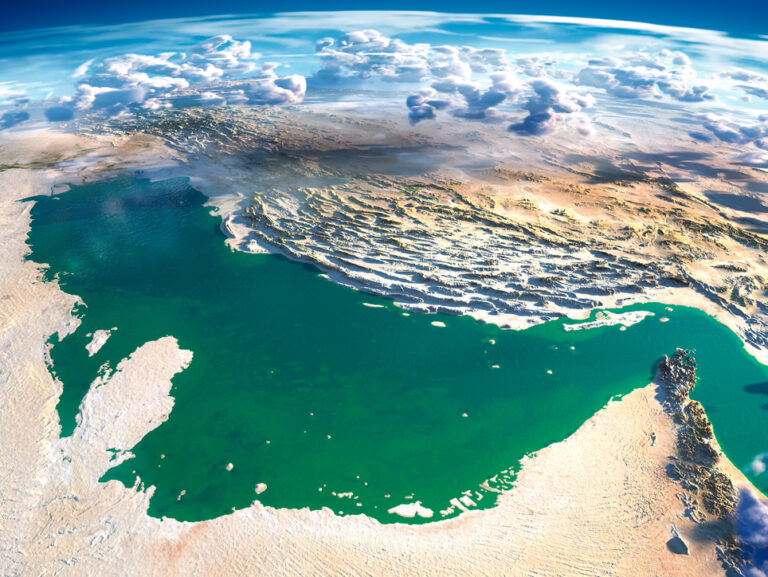
Image of Arabian Gulf water and clouds from Shutter

Vegan Israeli soldiers have a beef about army grub

1

IDF vegan soldiersA battalion of vegan soldiers dissatisfied with military menus have fired off a complaint to Israel Defense Force (IDF) ombudsman Brigadier General (res.) Yitzhak Brik. The soldiers claim that IDF policy doesn’t give special food for vegan troops yet prohibits them from bringing their own home-prepared food into military dining halls. They contend that an alternative solution – ordering specialty food deliveries –  is expensive and problematic for those residing on more remote army bases.

Stopping energy leaks in the Middle East

1

Apartments in Yemen, with curtains

Winter has rolled around again in the Middle East. The colder fronts have moved in, the winds are blowing, and the rains have started – again.

After 105 degree heat in summer, it’s hard for us to remember how cold it can really get. And after months of dry spells, that we can suddenly see floods.

It might be those old leaks in the roof which are nagging us again that winter is here and our houses are not properly protected and insulated.

Unlike North American homes which are built with modern standards to keep the cool inside during the summer, and the heat inside during the winter, Middle East homes are rarely built that way.

We just suck it up and pay extraordinary amounts of money every winter to keep ourselves cosy.

Many Middle East homes are old and have been modernized over the years with electricity and running water. But even in the most advanced countries like Turkey and Israel the homes are built with cinder blocks, with no insulation, and windows are barely one pane at all.

If you have decided for environmental reasons, or economic ones that it’s time to weatherproof your house and need to add a little more fuel to your decision, check out this infographic below.

While it’s designed for American standards where natural gas is available (consider that most of the heating in the Middle East is from electric heaters!), it does go to show how incredible the energy savings can be if you decide to insulate your home.

Just imagine that about 40% of all the energy you are spending to heat your home will just be leaking through air holes.

This infographic recommends foam, but there may be more passive design elements you can use to insulate your home from inclement weather. A mashrabiya is one way to protect your building from heat and wind, and which is an ancient Arabic building technique. There are newer methods of creating heat-generating compost at home. And of course, you can always throw on a sweater and just heat the space just around where you are, and not the entire house.

Via: SprayFoamKit.com

Top image of Middle East home from Shutterstock

Socotra Island dragon trees from Yemen bleed when cut

7
socotra dragon tree
The Dragon tree

If I were in charge of promoting tourism in Yemen, I’d be using the native dragon tree, or Socotra tree, as my mascot. Native to the Socotra Island these unusual trees have evolved in isolation over millions of years.

dragon tree yemen
Dragon trees in the background, Yemen

The Latin name of the endangered Socotra dragon tree or dragon blood tree is Dracaena cinnabari and it is native to the Socotra archipelago of islands in Yemen in the Indian Ocean. It is called a dragon tree due to the red sap that the trees produce.

“If you prick us, will we not bleed?”

dragon-blood-tree-yemen
Dragon trees bleeding

What is Dragon’s Blood Resin?

The sap is believed to have medicinal purposes: The Socotra tree, also called the Dragon’s Blood tree, holds significant medicinal value, and various parts of the tree have been used in traditional medicine for centuries.

One of the primary medicinal uses of the Socotra tree is from its resin, known as Dragon’s Blood. This resin has been prized for its therapeutic properties and is extracted by making incisions in the bark of the tree. Dragon’s Blood has been traditionally used as a healing agent for various skin conditions as it is believed to possess antiviral, antibacterial, and antifungal properties, making it effective in treating wounds, cuts, and skin infections.

The resin is often applied topically to promote wound healing, reduce inflammation, and prevent infection.

Dragon’s Blood from the Socotra tree has been employed for its anti-inflammatory properties to help alleviate joint pain and arthritis symptoms.

In addition to its external applications, the Socotra tree has been explored for its potential internal medicinal uses. Some studies suggest that compounds found in the tree may have antioxidant properties, offering protection against oxidative stress and contributing to overall health. Scientists say that more research is needed.

socotra-yemen-dragon-trees
Perfect, natural symmetry in the dragon tree

The largest island of Yemen is also called Socotra and it comprises about 95% of the landmass of the archipelago.

Due to its isolation one third of its plant life is found nowhere else in the world. It has been described as “the most alien-looking place on Earth”.

Travelling to Yemen is currently not advised due to the attacks by the houthis on American and allied forces. Do book it down for one of your future bucket list things to do. In good days it not easy getting to Socotra.

amazing, arab, arabian, arabic, beautiful, beauty, canyon, climate, coastline, color, deep, environment, exterior, fauna, forest, green, heritage, horizon, horizontal, island, landscape, location, mountain, natural, nature, outdoor, panorama, panoramic, park, plant, rock, sand, scenic, sea, sky, socotra, soqotra, splendid, stone, summer, sun, sunlight, tourist, tranquil, travel, tree, view, water, yemen

This is what the dragon tree looks like when it is completely dried out.

socotra-tree-yemen-dragon

If these dragon trees from Yemen don’t make you want to get out and do something to protect our earth, we don’t know what will.

Middle East plants won’t migrate during climate change

1

socotra dragon tree

Climate change predictions for the Middle East, like other arid regions of the world, are alarming. In an area known for its water scarcity, rainfall is expected to decrease even further in the near future, spelling disaster for the functioning of unique ecosystems — hotspots of biodiversity and rich genetic fodder for essential crops.

To test these dire predictions, Prof. Marcelo Sternberg of the Department of Molecular Biology and Ecology of Plants at Tel Aviv University’s Faculty of Life Sciences, together with ecologists from the University of Tübingen in Germany, subjected natural ecosystems to an experimental drought over the course of nine years, simulating predicted future climate scenarios.

In the course of their experiment, conducted in four different ecosystems ranging from desert (3.5 inches of annual rainfall) to moist Mediterranean woodland (30.7 inches of annual rainfall), the researchers found that, contrary to predictions, no measurable changes in annual vegetation could be seen.

Species richness does not change

None of the crucial vegetation characteristics — neither species richness and composition, nor density and biomass (particularly important for ecosystems traditionally used as rangelands) — had changed appreciably in the course of the rainfall manipulations.

“Based on our study, the going hypothesis that all semiarid regions will react strongly to climate change needs to be revised,” states Prof. Sternberg. The surprising results of the study were recently published in Nature Communications.

The affected ecosystems proved resilient, likely due to the highly variable amounts of annual rainfall for which the regions are known. The experimental climate changes, which simulated a decrease of about 30 percent of current rainfall, seem to fall within the natural “comfort zone” of wild plants.

Plants won’t migrate

In their experiment, the scientists were intent on testing one of the basic assumptions of climate change — that an affected plant species will migrate to more hospitable areas in order to survive. The researchers tested for two possible alternatives: first, a species dying off due to its inability to migrate to new and more suitable areas, and second, other varieties of the same species adapting to the new conditions created by the climate change.

“This second option has been overlooked by most researchers,” said Prof. Sternberg, who found local adaptation to be the primary course of action for the plant communities that were tested.

“Our experiment is likely the most extensive climate change study ever done, because of the number of sites involved, the long duration of experimental manipulations, and the immense species richness,” said Prof. Sternberg.

According to Prof. Sternberg, the Mediterranean and semi-arid annual plant communities would be little affected by climate change, at least in the short to medium term.

However, it cannot be ruled out that species composition could change after 20-30 years, because natural short-term climatic variations impose a different selection regime on organisms than a long-term trend of changing climate conditions.

Prof. Sternberg is currently searching for a new collaboration and funding to maintain the long-term experiment and expand its breadth and scope.

Dragon tree in Yemen from Shutterstock

Something fishy about new iridescent fashion?

0

Prada-fish-leather-fashionLeading fashion houses are turning to schools in search of new materials for high-end handbags, shoes, and accessories. We’re talking fish schools, as designers troll seafood industry waste streams looking for alternatives to increasingly banned exotic leathers. It’s not new, but it is trending. Is “leather” made from fish skin inventive recycling or another misstep for our master species?

مجازر الطيور في لبنان

0

hunted

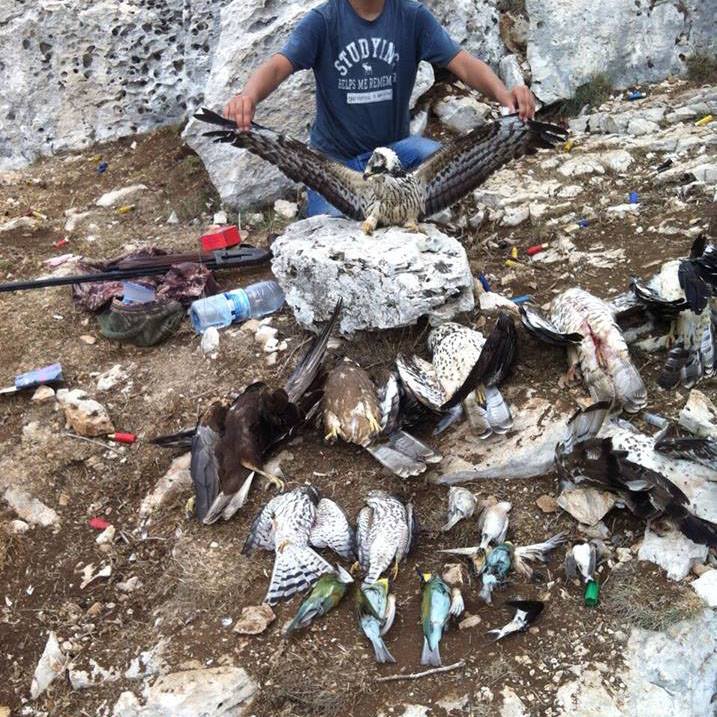
تخاطر الطيور المهاجرة بحياتها حين عبورها سماء لبنان في رحلاتها الموسمية بين أوروبا و افريقيا، إذ أن هنالك قوانين موضوعة تنظم الصيد فعلا، و لكن ليس هنالك من ينفذ أو يحاسب

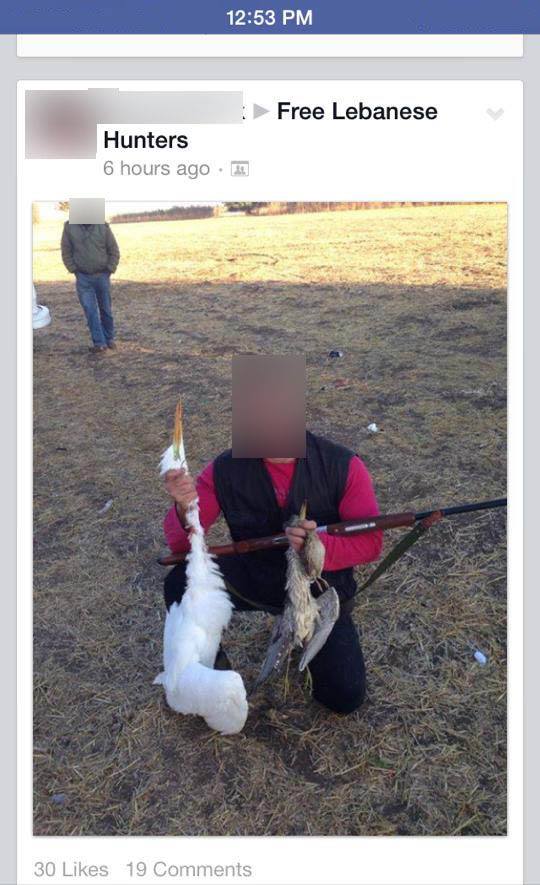
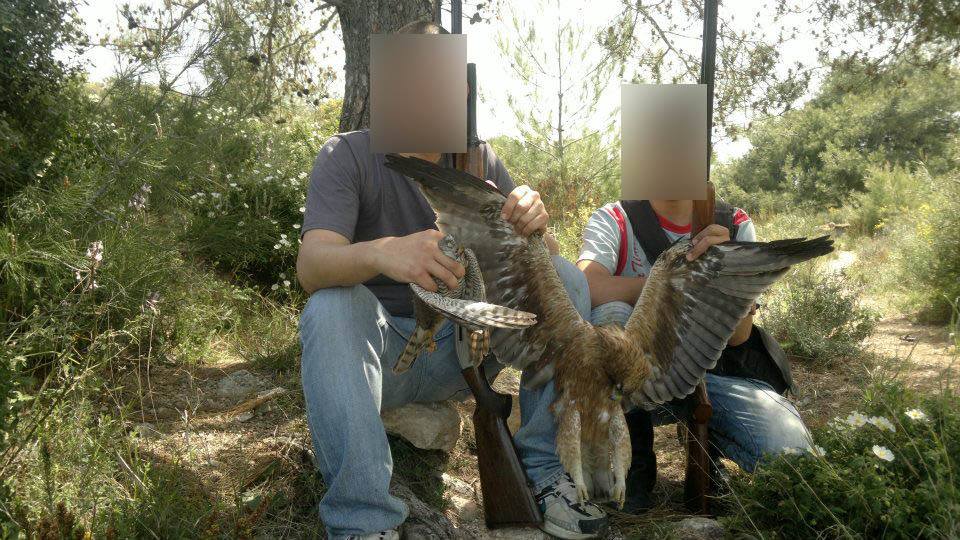
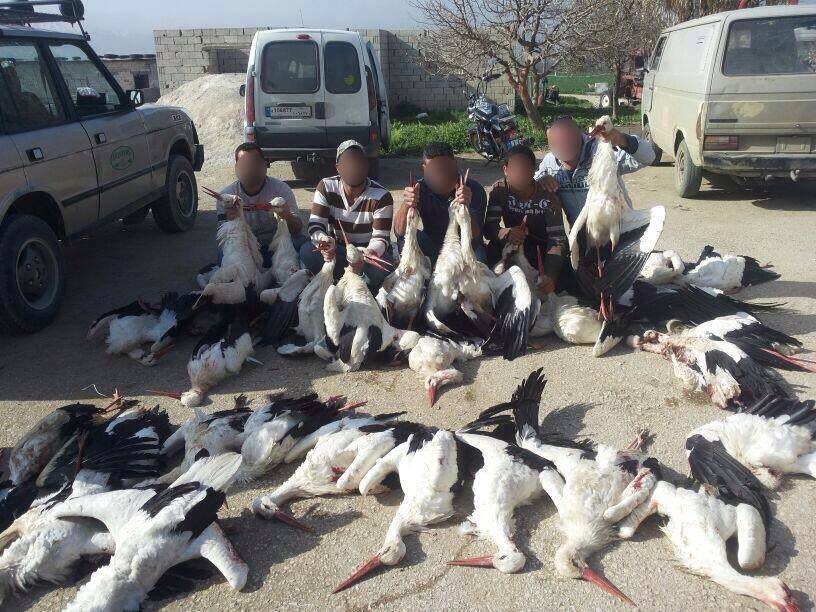
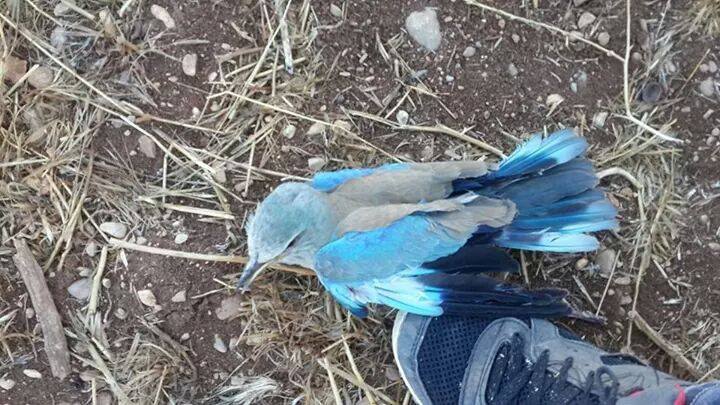
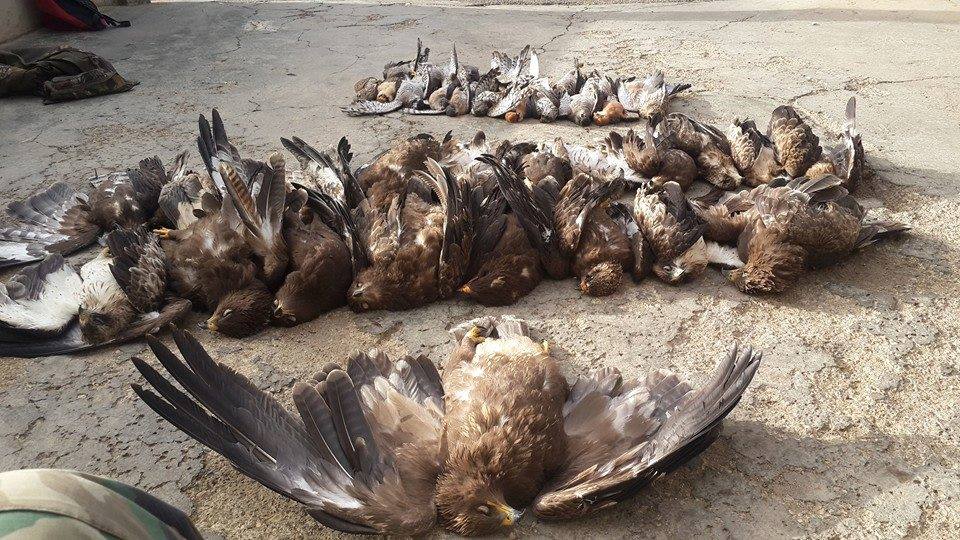
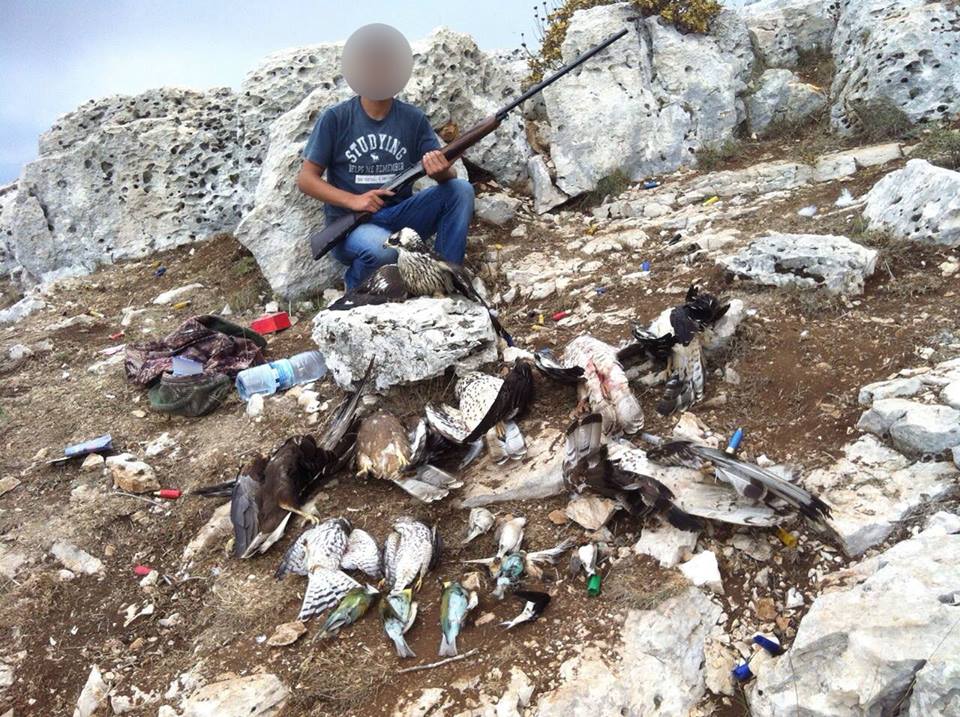
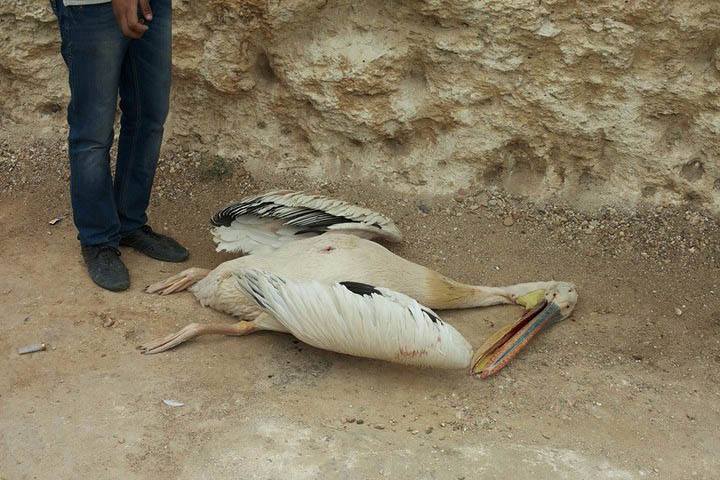
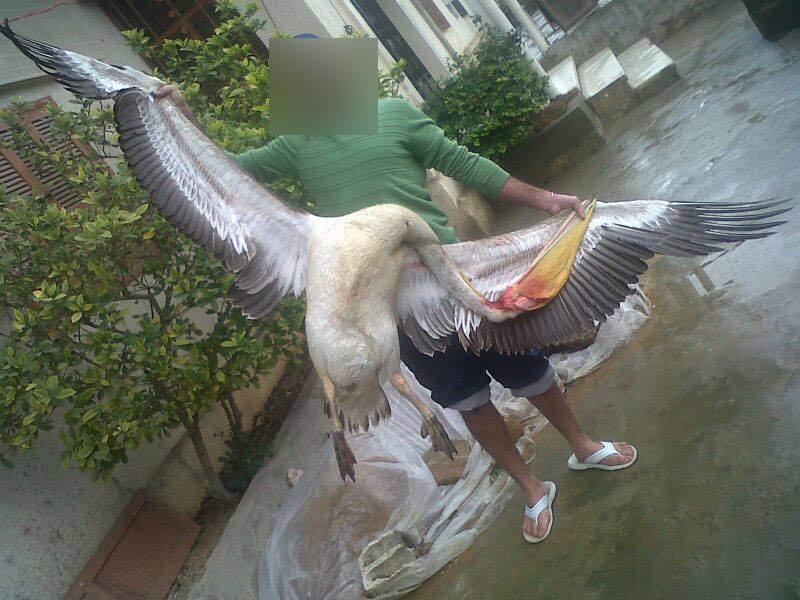
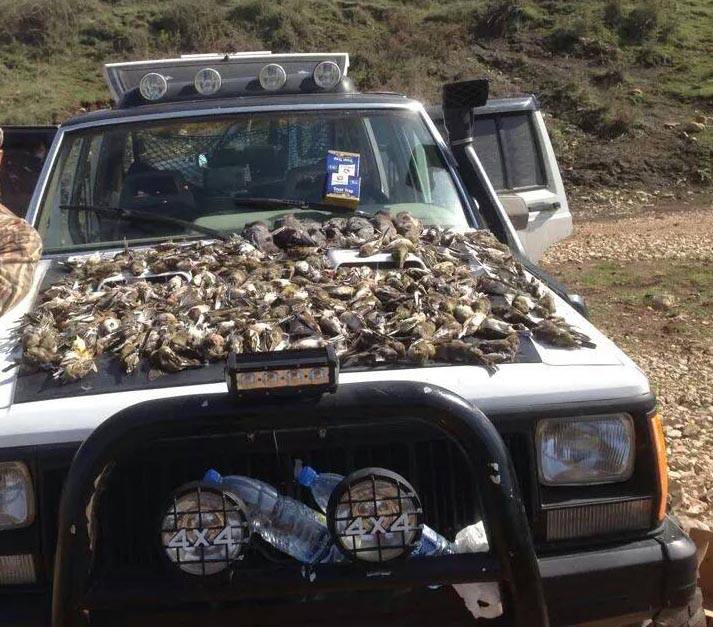
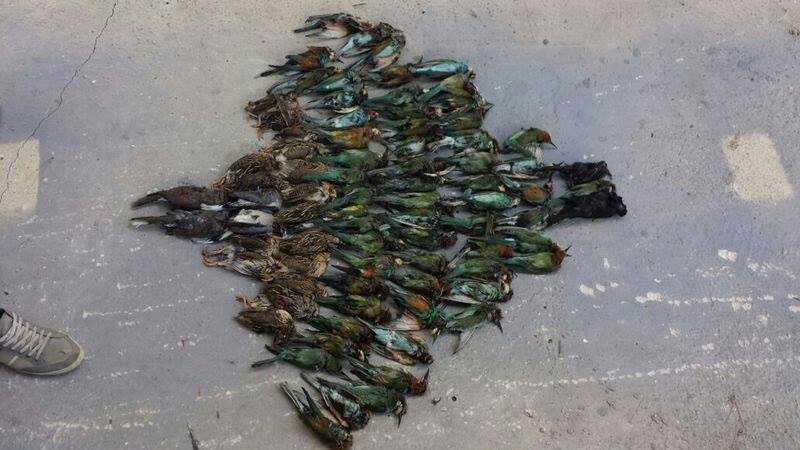
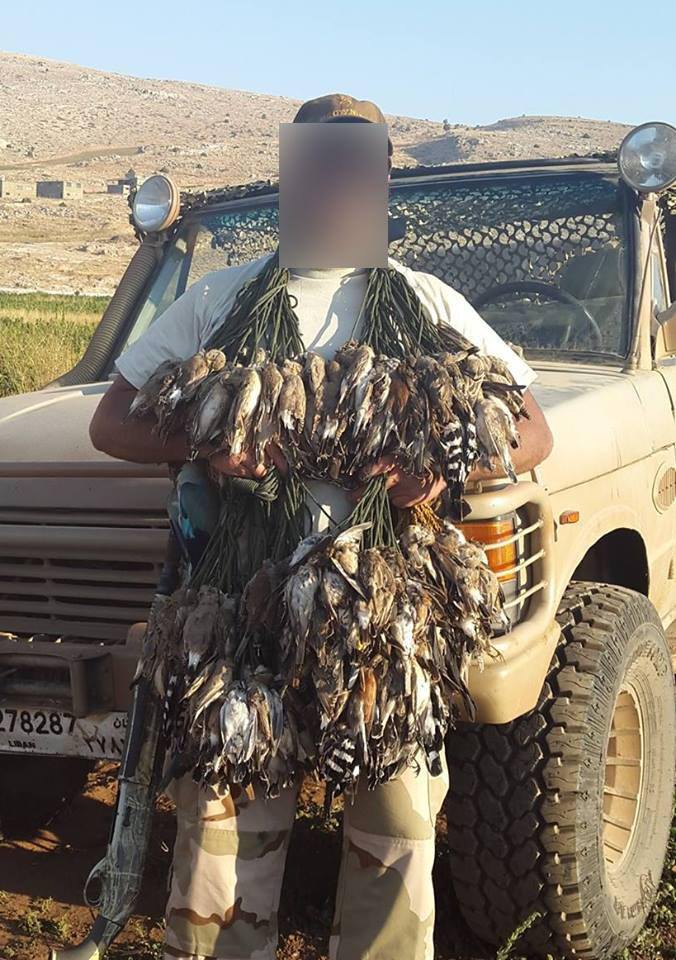
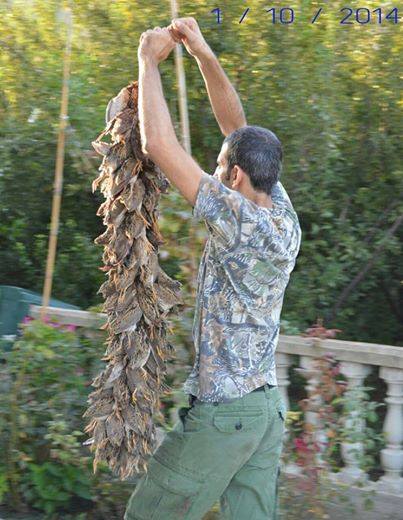
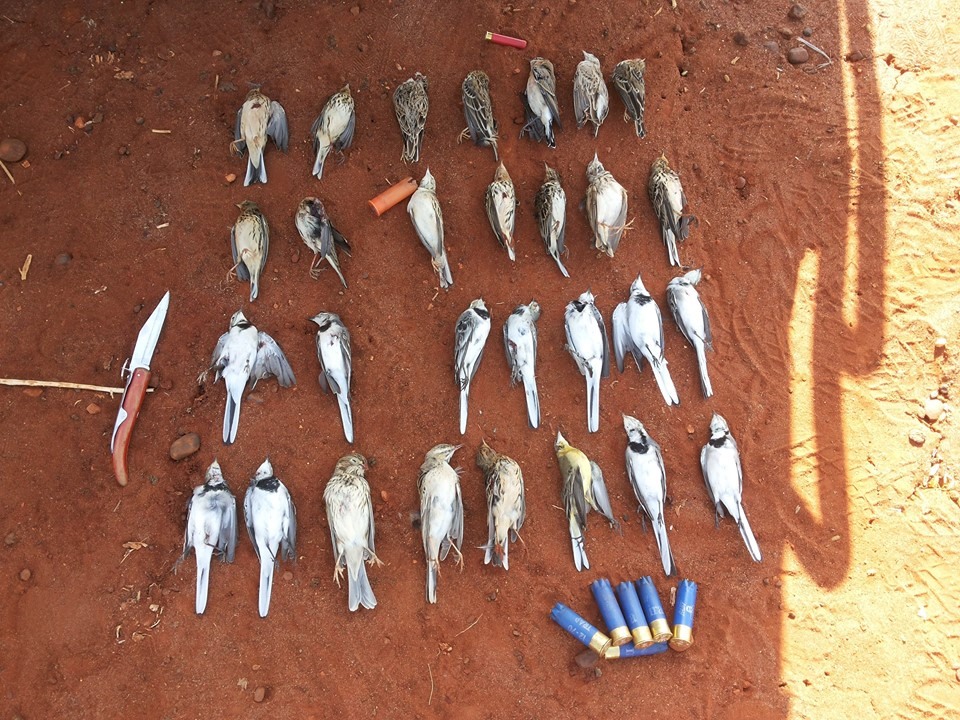
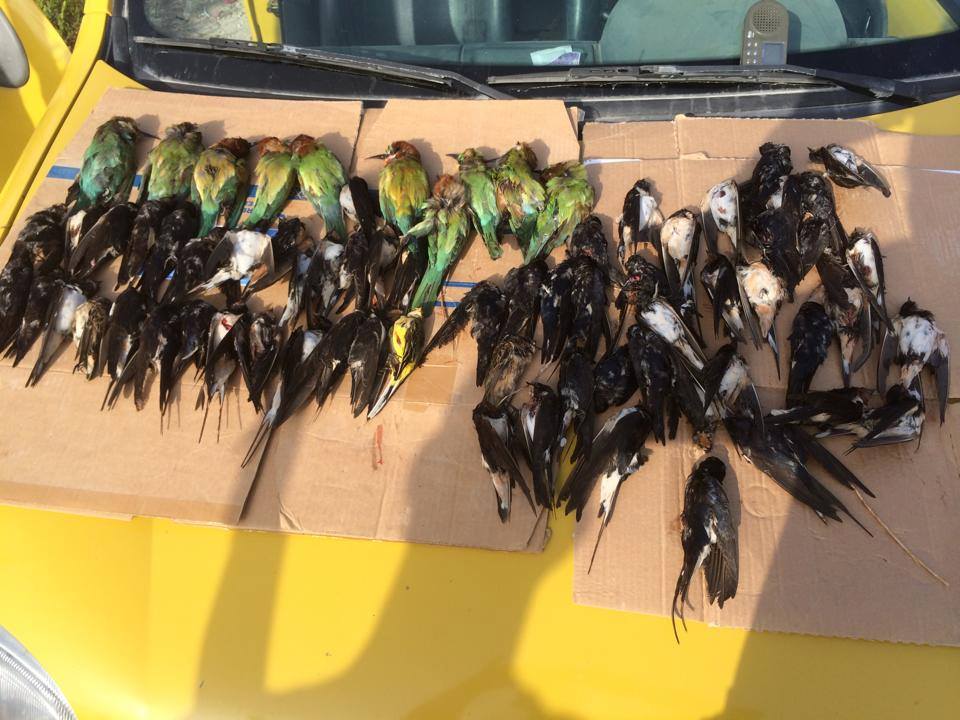
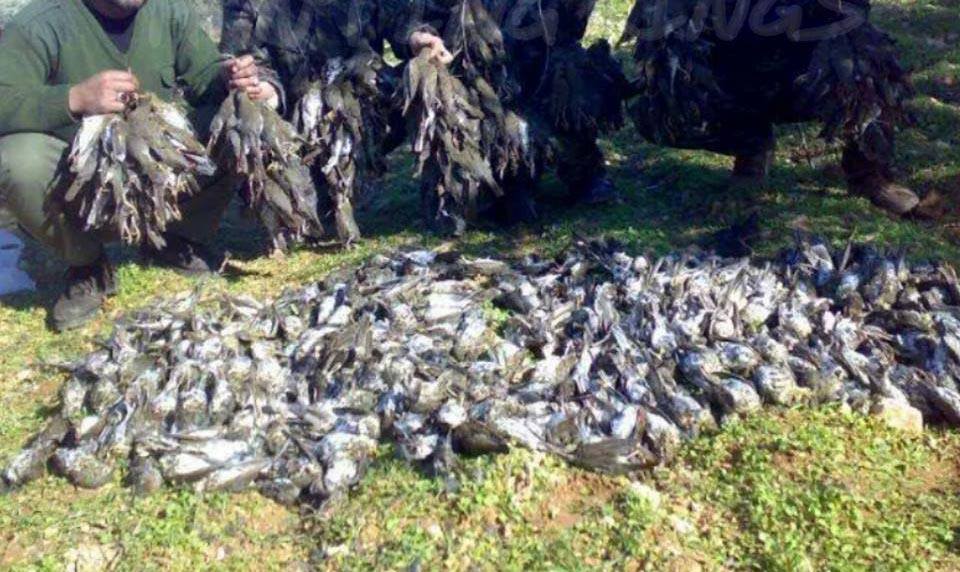
الصور المرفقة في الرابط هي من غنائم موسم الصيد في لبنان هذا الصيف: ضحايا من كافة أنواع الطيور البرية – لقالق، بجع، هداهد، نسور، طيور مغردة. و هذه الصور هي فقط للذين تفاخروا بجريمتهم عىلى مواقع التواصل الاجتماعي، و ما خفي أعظم

هذه الظاهرة ليست لبنانية بامتياز، ففي قبرص تصاد ملايين الطيور المغردة لتقدم كأطباق مخللات، و الصور الواردة من القاهرة لا تقل بشاعة

ترحل هذه الطيور عن أوروبا في الشتاء لتلجأ إلى أفريقيا عبر الشق السوري الأفريقي، لتعود إلى أوروبا حين يذوب الشتاء، هذا طبعا إن ما أفلحت بارودة صياد بإنهاء الرحلة مبكرا. هذا الجرائم بحق الحياة البرية التي هي شاهد على ابداع الخالق يجب أن توثق، و المطاعم أو المحلات التي تقدم أطباق أو بضائع من جراء هذا الإجرام يجب أن تقاطع و تهمش

10701974_341150952729090_4126522465200714289_n 10670143_344590132385172_986633204083186620_n 10675704_344590149051837_3237193589886765853_n illegal bird hunting lebanon 10501989_341151229395729_2240136476212825712_n 10435009_339904706187048_5270258416716875990_n 1902751_341150349395817_1039910814186573443_n 10345982_344590115718507_4789762248220014433_n 10660378_334739560036896_9173491296511077937_n hunted-pelican hunted hunted wild birds in Lebanon hunted wild birds in Lebanon hunted wild birds in Lebanon hunted wild birds in Lebanon hunted wild birds in Lebanon hunted wild birds in Lebanon hunted wild birds in Lebanon hunted wild birds in Lebanon hunted wild birds in Lebanon

Europeans try to save storks, then this happens over Lebanon (warning graphic images)

12

hunted

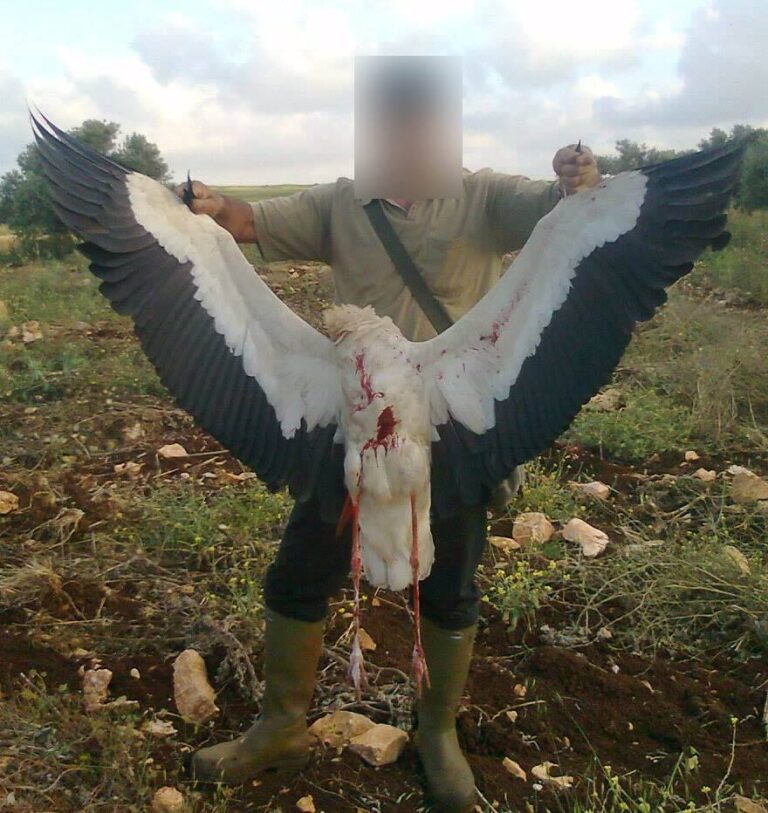
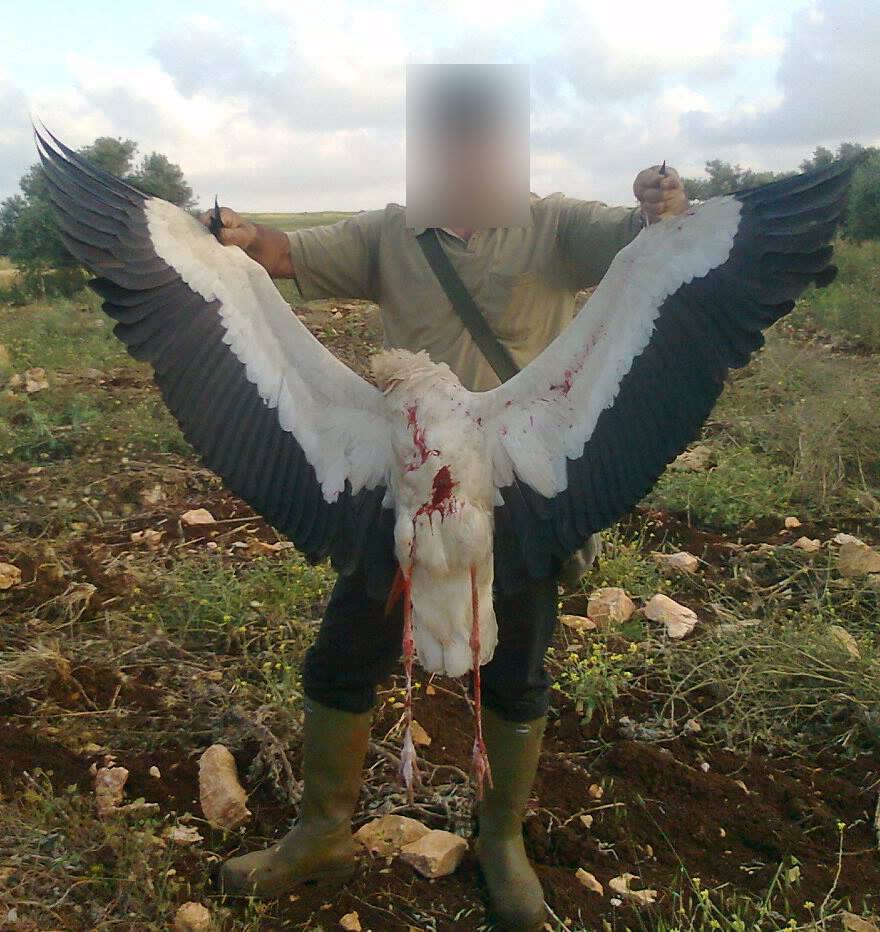
There is no fighting chance for migratory birds when they fly over Lebanon: Hunting laws may be in place in the Middle East, but who’s enforcing them?

From storks and pelicans to hoopoes to eagles to migratory songbirds… see the images of the bloodbath in Lebanon during this year’s hunting season. And these images are only from the jerks who posted their kill on social media networks.

If you think migratory birds are in trouble as they pass over just Lebanon, think again. In Cyprus song birds are hunted down by the millions every year for a pickled dish, and the images coming out of Cairo are just as gruesome.

RELATED: Pickled song birds for a song

Birds that over-winter in Africa fly to Europe every summer via the Syria-Africa Rift Valley, then back up to Europe when winter thaws. As if obtaining food isn’t hard enough, these birds are regularly trapped and shot down for sport and food.

Crimes against wildlife must be reported and markets and restaurants offering these kinds of “delicacies” on the menu must be shamed. It’s a shame that the hunter’s faces were blotted out.

10660378_334739560036896_9173491296511077937_n illegal bird hunting lebanon 10501989_341151229395729_2240136476212825712_n 10435009_339904706187048_5270258416716875990_n 1902751_341150349395817_1039910814186573443_n 10345982_344590115718507_4789762248220014433_n 10675704_344590149051837_3237193589886765853_n 10670143_344590132385172_986633204083186620_n 10701974_341150952729090_4126522465200714289_n hunted wild birds in Lebanon hunted wild birds in Lebanon hunted wild birds in Lebanon hunted wild birds in Lebanon hunted wild birds in Lebanon hunted wild birds in Lebanon hunted wild birds in Lebanon hunted wild birds in Lebanon hunted wild birds in Lebanon

Images collected by Stop Hunting Crimes in Lebanon

Making a little Disco Soup for brunch with leftover food in Lebanon!

1

disco-soup-shuk-Tel-Aviv
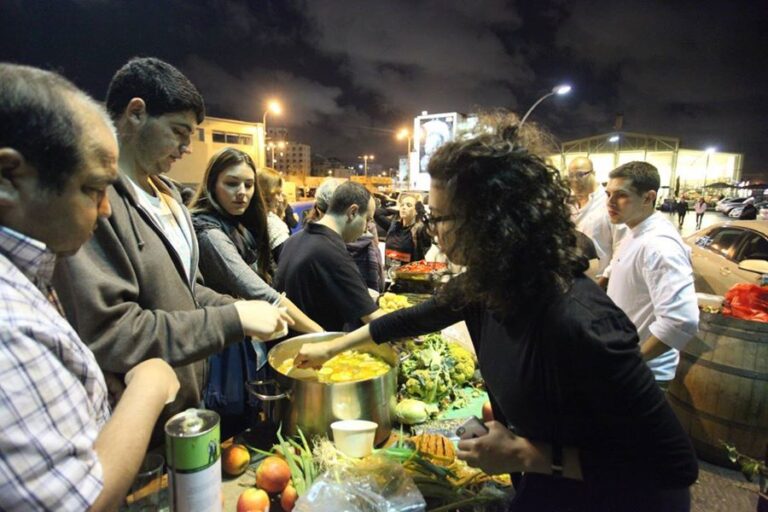
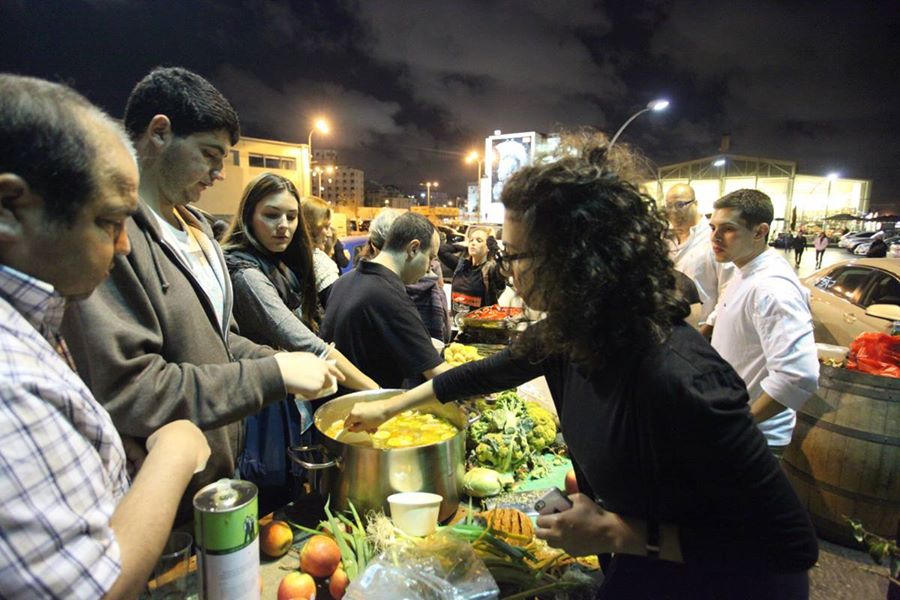
On the occasion of World Food Day, Beirut will play host to the funkiest food salvage event in history: Disco Soup! While it’s not the first Disco Soup to hit the Middle East (Tel Aviv had its version Disco Shuk last April where droves came out for free food), this event in Lebanon only goes to show how funk-a-licious Beirutis are when it comes to food and this important eco event.

The Beirut Food Disco brunch is happening tomorrow, October 19, and it’s being hosted by Food Blessed and Slow Food Beirut. Organizers say everyone is invited to a free party of peeling, preparing surplus food, while jamming to dance music. Bellbottoms are not required.

This is food people that otherwise would have gone to waste.

Fun may it be to eat free food and dance, the loftier goal (you know there always is one!) is to raise awareness to food waste globally.

Start chopping between 10am to 2 pm and the Sioufi Public Garden in Achrafiyeh.

About Disco Soup Global

Since the beginning of 2012, the Disco Soup anti-food waste phenomenon has spread to Holland, Belgium, Canada, Israel, Colombia and South Korea, serving thousands of meals to the sound of dance music, sparking creativity, boldness and solidarity amongst people of all origins, ages and social backgrounds.

Now it’s Lebanon’s turn to join the movement.

What’s more on the plate at Disco Food Beirut?

The menu calls for 300kgs of salvaged food, one celebrity chef, a handful of DJs, peelers (no, not strippers!) and knives.

Foodblessed is a community-driven, volunteer-based, local hunger relief initiative run by a group of volunteers with a passion and will to fight hunger in Lebanon. Their mission combines environmental and social responsibility.

Follow Disco Soup Lebanon’s people over on Foodblessed

Image above of Disco Shuk in Tel Aviv

Genetically engineered plants to replace airport security checkpoints?

0

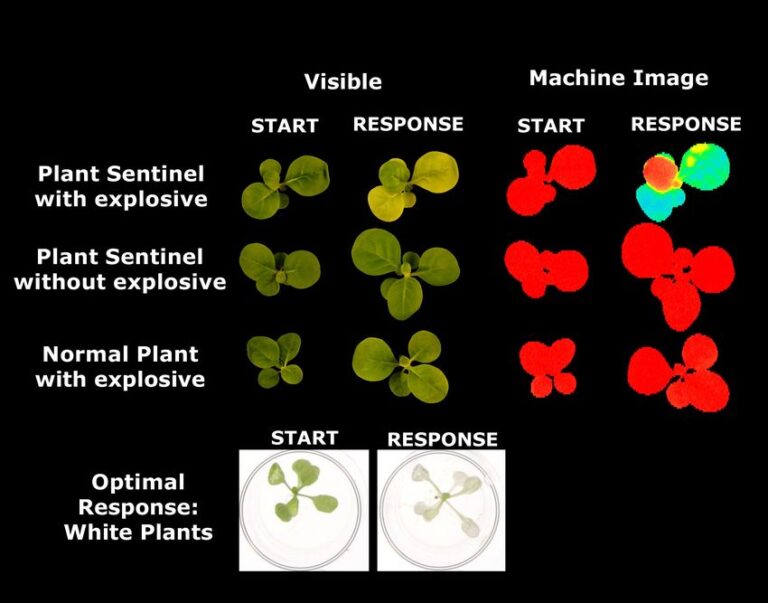
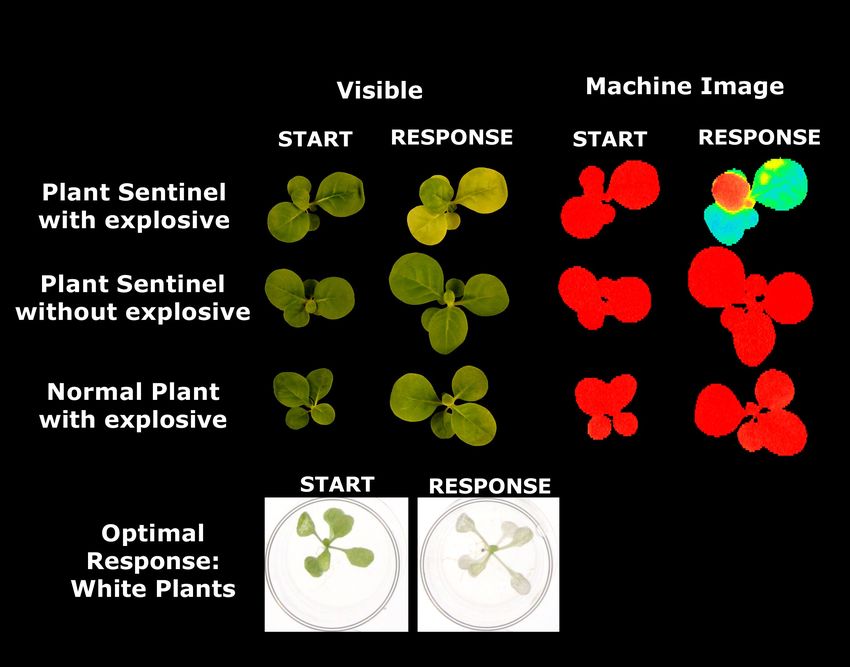
PhytodetectorsImagine if passing through airport security could be as pleasant as a stroll through a park. Scientist June Medford is working to harness the innate sensing abilities of plants, genetically engineering them into lean, green bomb-and-drug detecting machines. Medford is a “synthetic biologist” (not to imply she’s artificial, but to clarify that she dabbles in the re-design of existing, natural biological systems in attempt to find new useful purposes).

Walk like an Egyptian using Google Street View

2

ancient-egypt-pyramids-Giza-google street view.jpgIf you’re familiar with Google Street View, you might have used it to see the Burj Khalifa up close and personal or spanned the sweeping expanse of the Liwa desert (mapped by a camel!) from your home computer or smart device.

But have you seen the treasures of ancient Egypt through the eyes of one of Google’s Trekkers?

As of last month, the pyramids at Giza, the necropolis of Saqqara, the citadel of Qaitbay, the Saladin Citadel of Cairo, the Hanging Church, and the bygone city of Abu Mena are “Egypt highlights” that are part of Street View Special Collections, a newer feature of Google maps. The pyramids have also joined the ranks of the Street View Treks division.

The Street View technology is striving to capture the imagery of record-setting landmarks and other historically and culturally significant sites. It has traveled to places so remote you can call them “off the grid” – take Antarctica, for example – and even underwater.

Ancient Egypt – or what remains of it – most definitely deserved a place among the high-definition adventures. After all, the pyramids of Giza, dating back nearly 5,000 years, are the only wonder of the ancient world still standing today. Now, we can view 360° panoramas of one of the world’s most illustrious ancient civilizations, subject of intense study and curiosity for several centuries.

Although you won’t get a stamp on your passport by visiting Egypt this way, you can still feel like a globetrotter when you pan, zoom, and maneuver your way into Egypt’s goldmines (quite literally – see this article on King Tut’s bling). Maybe turn on some appropriate sound effects to get yourself desert-ready. Bon voyage!

[youtube]https://www.youtube.com/watch?v=Cd3E5dWunKo[/youtube]

Photo of the Great Sphinx and the pyramids of Menkaure and Khafre from Shutterstock.

Syqe marijuana inhaler syncs your medical cannabis dosage using 3D printed technology

0

syqe-inhaler-medical-cannabis-israel

Newspapers like Bloomberg are calling the newly “legalized” cannabis business in the United States the next gold rush. If legalized throughout the US, the cannabis business will eclipse wine. That’s something worth about $40 billion a year. So “prospectors”, inventors and investors there are laying down their stakes and claiming access to new territory.

syqe


But in Israel where cannabis has been researched freely since the 60s (I have had the pleasure of interviewing THC discoverer Raphael Mechoulam); and consumed legally with a license, there has been plenty of wiggle time and room for innovation. Syqe, a new medical inhaler printed with 3D technology is one of the latest companies to innovate specifically for the medical cannabis market.

One of the problems I’ve learned researching the efficacy of cannabis as a therapeutic agent is dosing. It’s very hard for patients who are not regular smokers to know how to dose and therefor right therapy.

syqe-inhaler-vaporizer-09-17-720x340

Syqe Medical, a new medical cannabis company from Israel, has developed an inhaler that lets people, we’ll call them “patients” but anyone can use the device, to supply metered doses of vapor made from cannabis granules.

The dosage can be programmed via your iPhone. See an image below of how the cartridges should look.

I spent my summer researching cannabis and medical marijuana in Canada, and spent time at the vapor lounge Get Melted in Toronto. I visited medical cannabis companies and people developing growing technologies. All agree that medical cannabis could be the next big thing. Many of the people I spoke to smoke recreationally, but not all of them. They do all see the market potential in this new frontier.

But bags of money aside, people who are turning to cannabis for medical relief are swearing that this age old natural remedy has the power to change lives, like that of a little American girl (about 5) called Charlotte who was convulsing herself to death with 200 epileptic seizures a day.After using cannabis which was bred to be low in THC (that which gets you “high”) and high in CBD (that which gives you therapy) Charlotte is now able to start living a normal life. She experiences about one epileptic seizure a week now and has a very popular medication named after her, Charlotte’s Web CBD Oil.

After using cannabis which was bred to be low in THC (that which gets you “high”) and high in CBD (that which gives you therapy) Charlotte is now able to start living a normal life. She experiences about one epileptic seizure a week now.

Now when it comes to inhaling vaporizing is a big deal among cannabis uses because vapor gives a clean and concentrated dose. Usually people buy the product and then vaporize it in their own devices. Syqe Medical (pronounced si-kee), backed by the Israeli government with about $1 million USD will provide metered doses to those who need it via pre-loaded cartridges.

The device itself can be printed on 3D printers anywhere.

As for the pot – well that depends on country and state legislation on how you will obtain those cartridges.

The Internet of Weed

The Syqe device can sit in your pocket like an asthma inhaler for convenience. They say it’s the world’s first medical device which delivers doses with pharmaceutical conditions,  based on clinical data the company is collecting.

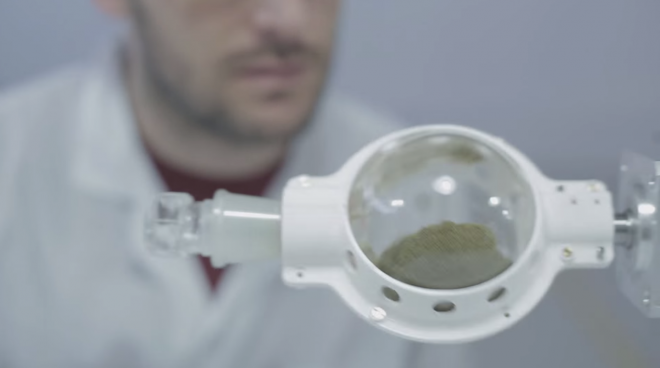
Testing the Syqe device in the lab:

syqe-medical-marijuana

Syqe claims to deliver high resolution of dosage – to get the precise balance between symptom relief and psychoactive effects – the balance between the TCH and the CBD.

An app connects to the data and user experience lets the doctor augment dosage if necessary remotely. Syqe it will also collect data on the strains and their medicinal effects. The device is supposed to be ready for sale by the end of this year.

Israel is a hotbed of technologies for cannabis. The latest great is a company called flux developing Eddy to personalize your medss. We will keep reporting on them as they unfold.

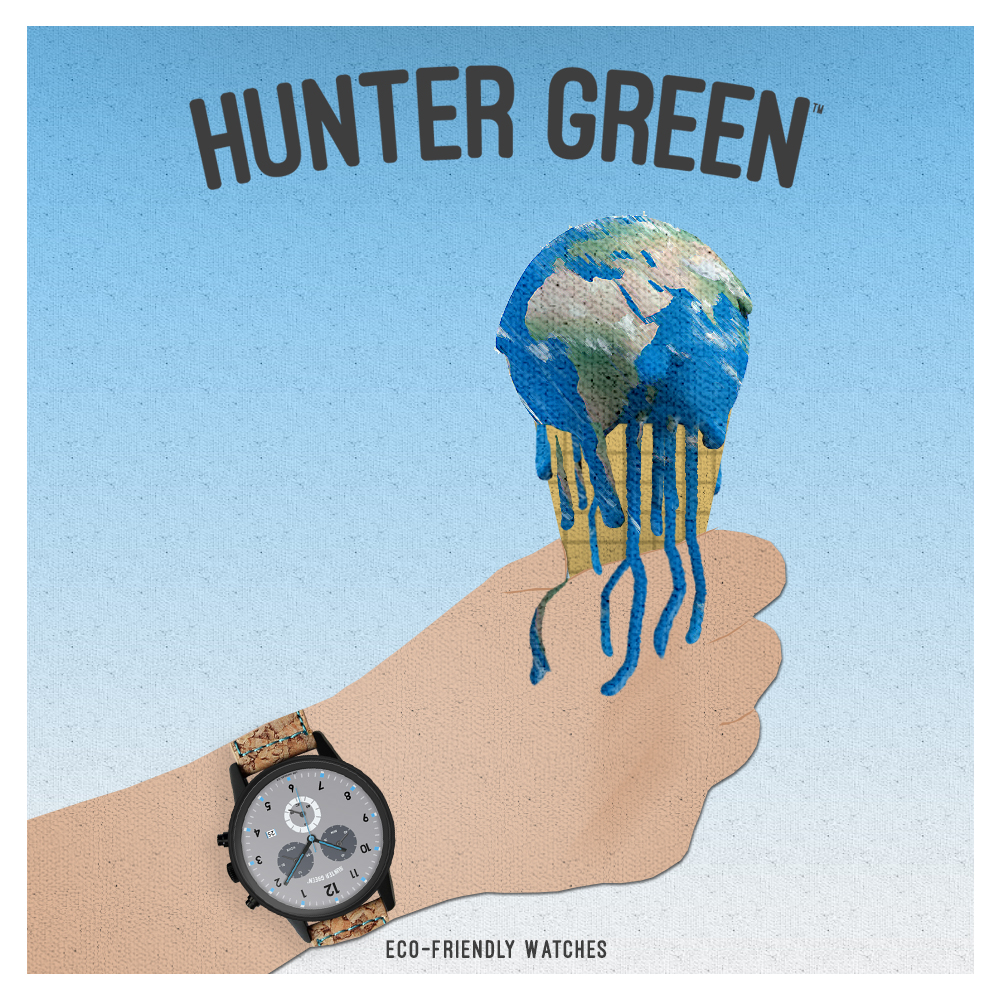
Hunter Green: a biodegradable watch for a planet living on borrowed time

4

hunter-green-watch-eco

You’ve got open eyes. You’ve read the reports, like this one from the WWF on how polluting we’ve become. Yet we can’t get enough of consuming stuff on planet earth. Pick up the New York Times and see an editorial running on watch ads. Fancy, crazy expensive watches for elite people, not this planet in peril.

hunter-green-wrist-watch-eco

Enter Hunter Green. This is a new watch line that’s made with practically everything that will make an eco-lover tick. The watches are biodegradable eventually, and are made to be lead free, and mercury free with zero toxins.

The watches have been made with biodegradable and organic corn resin so that modest earth lovers like you and me can express ourselves. Isn’t that what green fashion is all about?

See this eco-friendly watch come to life through Kickstarter

Into the Hunter Green watches you’ve also got an organic cotton and cork (a very sustainable renewable resource) strap.

hunter-green-watches-eco-enviro

Designer Hunter Mayers, now looking for a $30,000 launch fund on Kickstarter (and which is about 1/4 of the way there!) was inspired to start this new line of watches after meeting film director David Lynch.

He tells Green Prophet: “I have a background in the Film/TV industry as a Designer and Graphic Producer. I was at David Lynch’s house for a charity event, (sounds more glamorous than my real life actually is. ha!)…

But…

“His house is very modern, as was his outfit that day. Dark colors, nothing flashy. I noticed David was wearing a bright neon yellow, cheap plastic, wristwatch. He was expressing himself,” Mayers says. “After my visit I wanted to purchase a watch like his, to express myself. I found many watch designs I liked but none that were good for the environment. I was shocked to see the lack of eco-friendly choices.

“I have a design background, so I started designing… Hunter Green was born.”

Putting a watch to task

hunter-green-watch-green

Mayers grew up surfing in Maryland and put time into thinking about saving our planet from pollution after seeing so much trash out at sea. To raise awareness, he’ll be giving 5 percent of every sale of his watches to the Plastic Pollution Coalition (of which Green Prophet is a member). The watches which will be available to ship in about half a year and will cost about $125.

Getting to the point of a Kickstarter that could deliver on time wasn’t trivial, says Mayers: “I had many issues trying to locate a watch manufacture…as the materials I wanted to use weren’t widely used in the watch industry.

“This struggle, although frustrating, made me what to see this through even more. I felt like I was onto something special,” Mayers concludes.

Think so too? While it may seem trivial that a watch could actually save this planet, we love the project for the awareness it brings to the watch industry and the way timepieces are made. And it makes me think of my dad’s old collection of pocket watches from one hundred years ago. Watches that none of us will probably ever wear again, begging the question: Do watches in the 21st century really need to withstand the test of time? I’d rather mine melt into the earth when I am done with it.

Fund Hunter Green watches here on Kickstarter