Home Blog Page 269

Bahrain, Qatar, Kuwait and the UAE among world’s top 10 wasters

1

Garbage middle east pyramids

Bahrain, in the Middle East is one of the most wasteful nations on earth, according to the World Wildlife Fund’s (WWF) 2014 Living Planet Report (download the PDF here), published recently. Bahrain as the ninth worst offender in terms of the environmental impact it has on the planet, per head of population.

But Bahrain is not lonely among its neighbors: Kuwaitis, the report highlighted had biggest “ecological footprint”. They consume more resources per person than any other country in the world followed then by Qatar and the United Arab Emirates.

“We are on a totally unsustainable path … and are living beyond our boundaries,” says Marco Lambertini, general director for the WWF.

The rest of the top 10 offenders were Denmark, Belgium, Trinidad and Tobago, Singapore and the United States, with Bahrain and Sweden listed in ninth and tenth place, respectively. Funny, because Swedes consider themselves so eco-conscious. Maybe due to a bad conscience.

“The size and composition of a nation’s per capita ecological footprint reflects the goods and services used by an average person in that country, and the efficiency with which resources, including fossil fuels, are used in providing these goods and services,” the report summed up.

It continued: “If all people on the planet had the footprint of the average resident of Qatar, we would need 4.8 planets. If we lived the lifestyle of a typical resident of the US, we would need 3.9.”

Many of the poorer countries on the list, countries like India, Indonesia and the Democratic Republic of Congo had an ecological footprint that our world could sustain.

Resources monitored were based on trees being felled, groundwater pumped and CO2 being emitted faster than the earth can deal with it.

Ways Muslims can deal with excessive waste can include reusing water from prayer rituals by recycling it in gardens (for pious plants!), demanding more efficient modes of public transport and buying less packaged foods.


ChameleonsEye / Shutterstock.com

Ultimate organic coffee smoothie that will nourish your body and taste buds (recipe)

1

coffee-smoothie-healthy-recipe-for-blender.jpg

We loved the feedback from the latest gadget for coffee lovers: a hybrid alarm clock that tells you to rise and shine by brewing a fresh cup of joe on your bedside table.

I’d like to present you with a spin on that old cup of joe, in the form of a nutrient-rich, energy-boosting coffee smoothie.

It can’t realistically serve as a wake-up call, as the thunderous blending of the ingredients (especially if you have a Vitamix!) would make for a very rude awakening.

However, it’s well worth getting up for. No need to go to Starbucks, either.

Recipe for healthy coffee smoothie:

  • 8 to 10 Coffee ice cubes. You can brew coffee ahead of time and pour it into an ice cube tray to freeze. Here’s a tip: If ever you have leftovers from the morning’s brew, pour it into open slots in the tray!
  • 1 cup almond milk.
  • ¼ ripe avocado.
  • 2 tsp raw cacao nibs, sweetened or unsweetened
  • 1 tablespoon hemp protein powder
  • Pure maple syrup or maple cream as sweetener; amount based on preference! For the ratios provided, I like to use 1 tablespoon maple cream.

These ingredients are team players; they work together so well! Using the measurements above, you’ll get about a pint of smoothie.

Consider using certified organic and fair trade coffee, to encourage responsible small-scale farming and environmental sustainability.

As far as flavor variations or additions for this smoothie are concerned, go for it!

I took this recipe from the blog, Passport to a Healthy Me, but experimenting in the kitchen is always fun for me. For this coffee drink, I’m thinking to play around with vanilla or cardamom, next time I make it (tomorrow morning).

Image: from my own kitchen.

Could global warming trigger new ice age?

1

ice age in the city

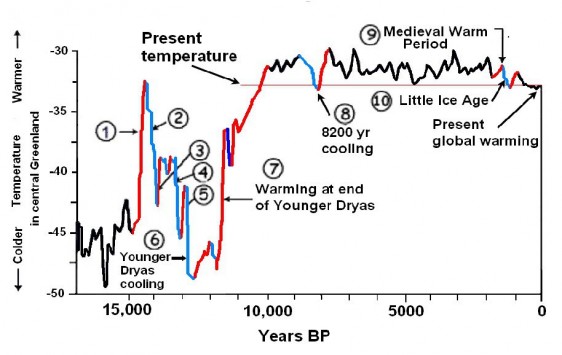
The Wrath of global in arid regions like the Middle East is a major issue affecting present day life on earth.

Global warming has also been attributed to unusual “polar vortex” cold spells which have occurred the past few winters in both North America and northern Europe; with unusual weather felt in the Middle East as well.

Scientists who study global climate patterns are now talking about the possibility of global cooling, and they have written about local cooling on Forbes. It’s a cooling change so pronounced that it could result in a “mini ice age” like the one that put much of Europe into the deep freeze from 1250 to 1850 CE.

This global cooling cycle created periods of unusually cool summers, causing a severe famine in 1315-1317.

It also resulted in the Norsemen abandoning their colonies in Greenland.

Contrary to theories that present day global warming trends have been greatly influenced by humans some climatists now believe that man-caused elevations of carbon dioxide emissions are not the main cause of our current climate change problems (human emissions of CO2 are only 4 to 5% of total global emissions).

Changing ocean current patterns  as well as “solar cycle” changes (particularly sunspots) are said to result in cyclable bouts of colder climate patterns.

These change patterns result in longer, more severe winters and shorter, much cooler summers; which have severe impacts on annual food production.

globalcool3

Our planet was a much warmer place in prehistoric times; which allowed such creatures as giant amphibians and reptiles to flourish.

Severe climatic changes such as dramatic ocean current shifts, as well as changes in CO2 concentrations may be what resulted in the demise of the dinosaurs; and not some cataclysmic event like the earth being struck by a giant asteroid.

An article originally published in 2008 by the Global Research Centre on Globalization states that increased amounts of carbon dioxide in the earth’s atmosphere could cause global warming of 1° F per decade and 5-6° C (10-11° F) by 2100.

However, the article continues that “historic records of past natural cycles suggest global cooling for the first several decades of the 21st century to about 2030.”

According to these findings, the earth has gone through alternate periods of global warming and global cooling; due to a number of factors. These include alternating changes in the Pacific Ocean’s Decadal Oscillation (PDO)  that shifts between warmer “positive” phases and cooler or “negative” phases.

This PDO oscillation alone resulted in several global periods of fluctuating temperature cycles in the 20th century.

Judging from how the Middle East has fared recently from the wrath of global warming, some cooler and wetter climate changes would be welcome over what this region has experienced the past two decades. As for other parts of the world, especially North America, cooler and wetter weather would be beneficial as well. Cooler, but not too cool.

Read about issues dealing with global warming and cooling:

Will the Polar Vortex “Dip” Freeze the Middle East?

 Oceans Siralling Downward; Threatening Life on Earth
The Wrath of Global Warming and the Middle East

Ice age in the city from Shutterstock

Lego ditches deal with Shell over Greenpeace oil spill video

2

Greenpeace LEGO ShellLego announced a break in its 50-year partnership with Royal Dutch Shell, a split sparked by an anti-Arctic drilling video produced by environmental activists Greenpeace. The clip – which capitalized on our love for Lego building block toys – went viral on YouTube with over 6 million hits.  It incited a million email complaints to the toy maker and pulled in the same number of signatures to the Greenpeace anti-drilling petition. So now it takes toys to turn our heads?

Google Street View uses camels to map UAE’s Liwa Desert

1

google-lima-camel-desert-maps


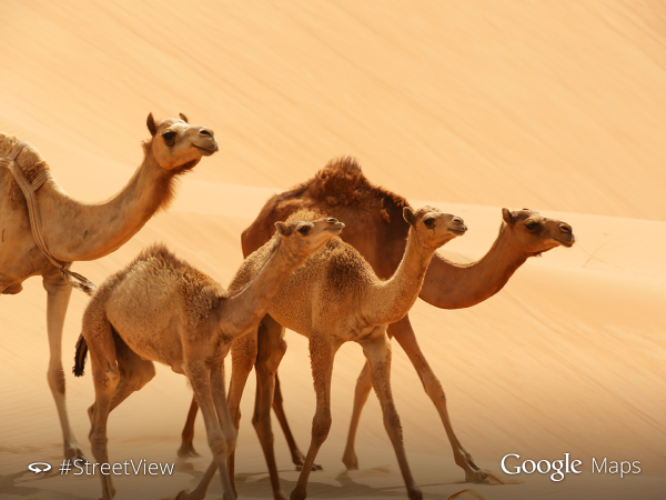
Google, bastion of cool-tech, has gone Throwback Thursday in a major way – resorting to camels to capture its latest addition to Google Maps. Thanks to their “camel-cam”, you can now explore Abu Dhabi’s Liwa Oasis exactly as the Bedouin have done for centuries, without leaving home.

Dishwashers: the greener solution for clean plates

1

dishwasher uses less water than hand washing dishesIs it better to plunk dirty dinner plates into the automatic washer, or go retro and wash them by hand? The spouse thinks it wiser (and greener) to clean messes as they occur.  I like how the dishwasher lets me defer.  He says his way saves water. I know mine saves time. We’ve argued this for years.

Solar Impulse 2 plane will circumnavigate Earth in 2015

Solar Impulse 2 will fly around the world in 2015Last year, Bertrand Piccard and André Borschberg became the first pilots to fly across America in a featherweight plane fueled only by the sun. The Swiss duo now plans to circumnavigate the world in a next-generation solar aircraft named the Solar Impulse 2. The March 2015 flight will start and finish in Abu Dhabi.

Jonah’s tomb blown up by the Islamic State

0

jonah tomb iraq ninevah blown up by isis
Every year Jewish people read the Book of Jonah from the Old Testament during the Yom Kippur holiday – that was this past Saturday, and Jonah came to my mind when I was writing about the holiest day of the year for the Jews.

Jonah is my favorite biblical story, I was saddened to learn that ISIS, a radical Sunni Islam group blew up Jonah’s tomb with complete disregard to human heritage.

Left, right and center the militant group is imposing Sharia law and with that blowing up whatever holy sites it can find. Jonah’s tomb was bombed this past July.

Jonah is considered a biblical prophet. He was challenged by God to go from the port of Jaffa, sail up the sea and then travel to the city of Nineveh (now in present day Iraq) to ask the people to repent for their sins. Jonah, for the most part didn’t really want the job, as it seems, and spent a part of his journey inside the mouth of a whale. Even surviving that ordeal he still wasn’t running to Nineveh.

Blowing up Jonah’s tomb is like blowing up our collective past and future.

According to reports militants from Islamic State (known formerly and now commonly as ISIS) destroyed the Shrine of Yunus (Tomb of Jonah) Mosque in Mosul, Iraq on July 24. They also blew up the Biblical town of Nineveh.

At first residents were told that they were barred to enter there to pray. The militants laid down explosives and detonated the tomb. Not only are the ISIS savages destroying good people, they are ripping human history to shreds.

Video shows the destruction of Jonah’s tomb:

The tomb is thought to be the burial place of the Old Testament prophet who survived in the belly of a whale. Officials in Mosul said militants with the Islamic State in Iraq and Syria (ISIS) planted explosives around the shrine and detonated them remotely, CNN reports.

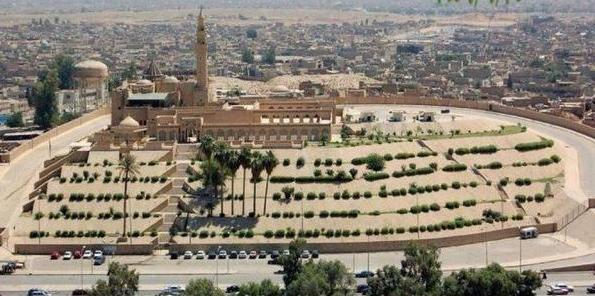
The mosque that housed Jonah’s tomb as seen before the blast:

jonah-tomb-before

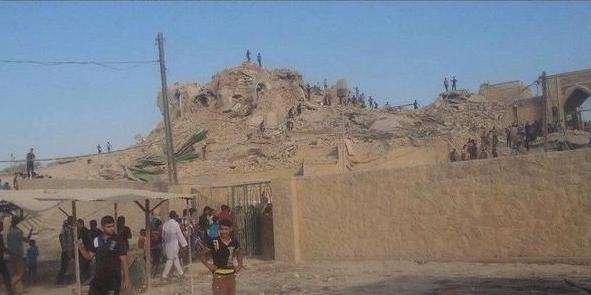
The mosque with Jonah’s tomb after it was destroyed:

jonah-tomb-isis-after

The tomb was part of a Sunni mosque

Had the mosque been in a site of Sunni worship it might have been spared.

Jonah is an important figure for Islam, Judaism, and Christianity, but the tomb was located inside a Shia Islam mosque, the Mosque of the Prophet Younis. ISIS likes to blow up Shia holy sites even if they are also fundamentally important to Islam.

UPDATE 2023

Driving Christians out of their territory and female genital manipulation are just another couple of past-times for ISIS when they are not beheading infidels – and it’s not limited to one terror group. Beheading people after the Palestinians associated with the Hamas attacked Israel. Two days before Palestinians beheaded a gay guy who was trying to immigrate to Canada. Who is going to stop this insanity?

Israeli senior leads hot swim team for cool project at sea and a Guinness World Record

israeli-swim-med-guiness

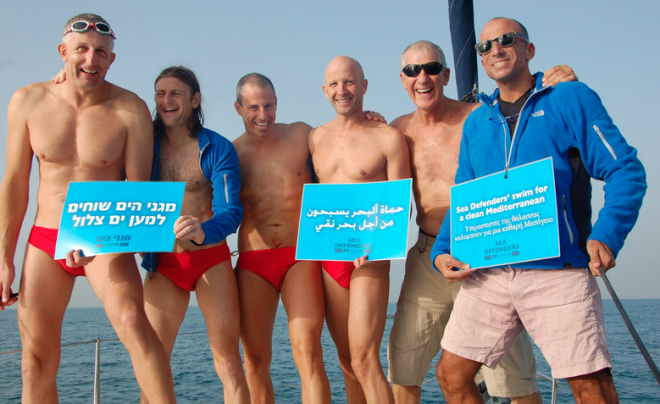
They tried last year and failed. Now a team of six men from Israel, led by a 66 year old team leader are going to swim the open seas from Cyprus to Israel in a bid to capture a world record. The Open Water Relay will be to win a Guinness Record and to promote awareness for cleaner seas. They will need to swim 400 kilometers or about 350 miles to break the current world record.

Looking at the pics these guys could certainly earn big bucks if they threw together a calendar wearing these swimsuits, even though their logo looks like fried eggs. (Just sayin’).

The team of men pictured above tried last year, but with insufficient preparation and a storm at sea – failed. This year they are better prepared, the guys tell local media and are hoping to accomplish the task in about 6 days.

The team is Udi Arel, Ori Sela, Doron Amosi, Ben Anosh, Luke Shetbon and Oded Rahav. Arel is the oldest at age 66 and Sela is the youngest at 41.

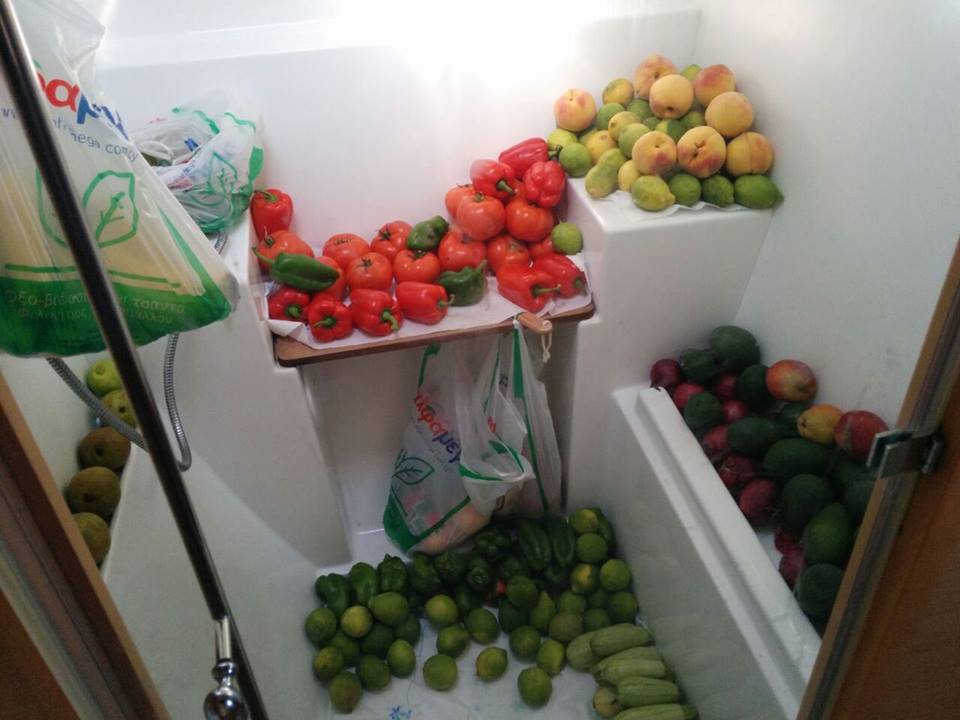
One of their secrets (they hope!) to success is swimming on a vegan diet. They have been preparing on a vegan diet as this kind of food is easier to digest when swimming in cold water. We told you Israel was the world capital of vegans!

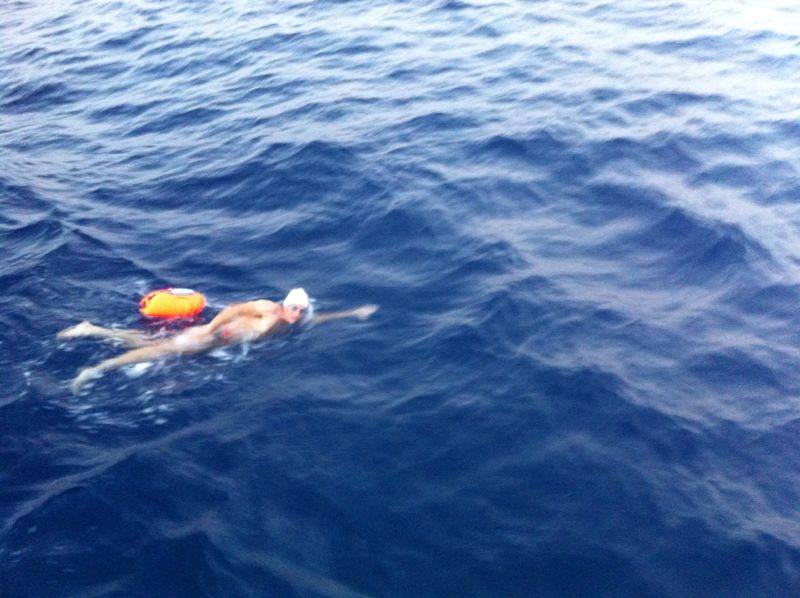
Having entered the water Sunday at 2:20 in the afternoon, with live Facebook updates they have already reported swimming in heavy currents and swimming with a school of dolphins!

See a picture of one of the team in the water yesterday (below):

israel-swim

Proceeds collected from their swim will be donated to the Israeli ecological group Zalul which means clear in English. Zalul is a water rights NGO that fights for public knowledge and participation in protecting all of Israel’s water – at sea, and what comes through your tap.

Vegan diet on board the ship!

vegan-diet-on-board

We like how the guys prepared their sign in Arabic, Hebrew and English adding a little fig leaf for peace. Yes, even if their assets are well covered with those slinky red bikini bottoms.

Israel-swim-med

See more about the guys on their website Cyprus Israel Open Water where you can learn more about the guys, where they came from and where they are going. At least one of them is a vegan; there are fellows born in the US, France and in Ethiopia on the team and they carry a wide range of interests among them.

You can also follow them on their Facebook page, live track them here, and donate to Zalul on their website. And what about that calendar?

Update Oct 12: They did it! The team reached Israel yesterday and completed their mission to win the Guinness World Record.

Images from Haaretz

Vegan doing jail time wins right to eat animal-free meals in Israeli prison

2


amos-dov-silver

Israel is showing more proof that it is the vegan capital of the world: an Israeli prisoner has just won the right to eat vegan meals in an Israeli jail, amid protests that he could not eat a regular vegetarian diet that contained animal protein like cheese and eggs.

The prisoner, Amos Dov Silver, 30, according to the local newspaper Haaretz, is doing jail time for selling cannabis. While it is legal to consume cannabis in Israel if you own a medical licence, recreationally it is illegal.

In prison, Silver complained that he wasn’t getting enough food. Now since Monday the Israel Prison Service have agreed to supply him vegetables, fruits and grains at every meal. 

Silver is a lobbyist for cannabis use in Israel told the judge why vegetarian diets alone don’t work for him: “I don’t eat eggs or milk because I don’t want to cause suffering to anyone,” Silver, pictured below with cannabis plants and a pet pooch, said. 

amos-dov-silver-greenprophet

Veganism is a growing trend in Israel, and in Tel Aviv in particular where restaurants and bakeries now boast symbols on their doors if they offer vegan options. The Neve Zedek landmark watering hole and bistro called Nanuchka has also gone from a meat heavy meaty Georgian menu to a strictly vegan one. It’s even possible to order a vegan Dominos pizza in Israel.

Some people are eating all vegan diets for the animal rights angle. Others for the benefits of an all vegetable diet.  Whatever the reason we know that veganism is tightly linked with environmental conservation. The less animals and their byproducts consumed by people means less methane gas and suffering for planet earth.

An estimated 2.5% of all Israelis have gone vegan in latest reports.

Now the Big Question: will going vegan get Mr. Silver out of jail early for good behavior? Silver: when you get out of jail give us a rung and let us know!

More on veganism in Israel:

Pictures of Amos Dov Silver from his Facebook page

Botobus: Istanbul public transit goes botanical and organic!

istanbul botobusHappen to be in Istanbul? Then hop aboard Botobus, a new eco-friendly public transport option that features an organic rooftop garden. Introduced last week by the Istanbul Transportation Authority (IETT), the “botanical bus” embarked on its first journey between Edirnekapi and Taksim. The project aims to draw attention to global warming and the environment.

Suez Canal and the military problem

4

suez-canal-dock

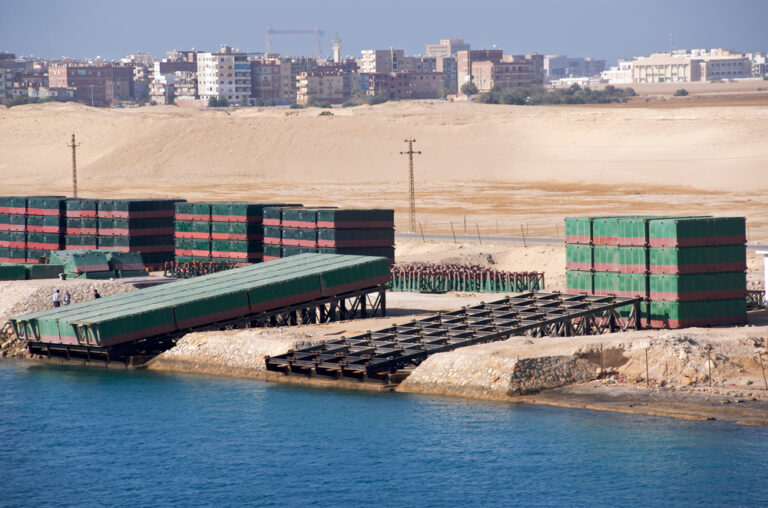
The creation of the man-made Suez Canal that links the Red Sea to the Mediterranean has made it easier to ship goods from Asia and Africa to Europe, but it has caused a number of environmental problems. One is invasive species like jellyfish multiplying with no end in sight in the Mediterranean Sea.

While one company Cine’al thinks it can cull all the over-jellied seas into a new kind of disposable diaper, fears are getting super serious now that Egypt is talking about expanding the Suez Canal once again in an $8 billion project.

Local newspapers in Israel are calling the expansion ominous as it will lead to more invasive species – land creatures and plants that live in the Indian Ocean swimming and moving to the Mediterranean and vice versa.

While it sounds like a peace plan for the seas, invasive species tend to lack natural predators and completely take over and sometimes destroy entire ecosystems – like purple loosestrife in America. Or rabbits in Australia.

According to Haaretz, 18 scientists from 12 countries have signed a report  “warning about the ecological consequences of the Egyptian government’s plan to expand the Suez Canal by building a new, larger and deeper waterway parallel to the present one.”

The problem will be more severe when the waters warm up as the species coming from the Indian Ocean will be better adapted to warmer waters giving them an advantage in taking over territory in the Mediterranean Sea, the scientists warn in the the journal Biological Invasions. One of the scientists was Prof. Bella S. Galil from the National Institute of Oceanography, Israel Oceanographic and Limnological Research in Haifa. 

The planned expansion, they say, “is sure to have a diverse range of effects, at local and regional scales, on both the biological diversity and the ecosystem goods and services of the Mediterranean Sea.”

Breast milk reveals how many banned pesticides plague Tunisians

0


Tunisia women breast milk

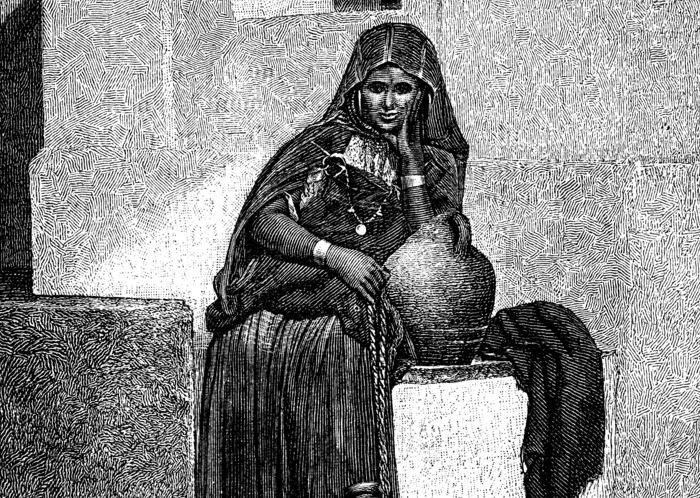
Rachel Carson would be shocked: A recent study has found that the concentrations of banned chemicals like PCBs, DDT and organochlorines found in human breast milk of women sampled throughout Tunisia  indicate widespread and elevated contamination particularly in older members of rural populations with high dairy and meat intake.

Although these concentration levels are relatively low for developing countries, Tunisia’s population is highly exposed since more than 1,200 tons of obsolete pesticide stocks still remain uncontained and continue to pollute surrounding areas and waterways.

The threat persistent organic pollutants (POP), such as polychlorinated biphenyls (PCB), organochlorine (OC) and dichlorodiphenytrichloroethane (DDT) pose to the environment and human health is well documented.

These compounds found in pesticides, industrial chemicals or unwanted industrial byproducts are characterized with a high resistance to degradation, long half-lives in humans, and have been confirmed to bioaccumulate in fatty tissues such as blood, breast milk, and adipose tissues through dietary intake.

POPs have been found to compromise the endocrine system, hormone production, metabolic processes, the reproductive system, causing genetic damage and cancer.

Organochlorines widely used as insecticides in Tunisia

In Tunisia OC chemicals were widely used from the end of 1940s to 1980s for insect control and agricultural pest control. Despite the use of these compounds has been prohibited in the late 1980s, OCs are still ubiquitous in Tunisia’s environment and biota.

Related: See how our phosphorus addiction is killing this mining town

In 2004, Tunisia ratified the Stockholm Convention on POP, which postulates the elimination of these pollutants by limiting its production, use and commercialization and the application of a national plan that identifies and manages obsolete stocks (primarily PCB). Today, Tunisia benefits from a 16,7 million USD donation from the Global Environment Facility with the intent of eliminating these stocks by 2017.

Tunisia Pesticide obsolete stocks

Although this is an essential project, Tunisia has important steps to make in the strict application of existing laws, resorting to independent environmental judicial systems that penalize polluters.

Today Tunisia, is dotted with unregulated industrial polluters that contaminate waterways (see how locals jump into this magical lake despite warnings!), and continue to pump POPs in the domestic food chains and the biota.

Before Tunisia can start talking about bio, it needs to talk about POP. And if you are breastfeeding or know someone pregnant, send them this article about stuff they don’t need:

10 breastfeeding products you do not need to buy

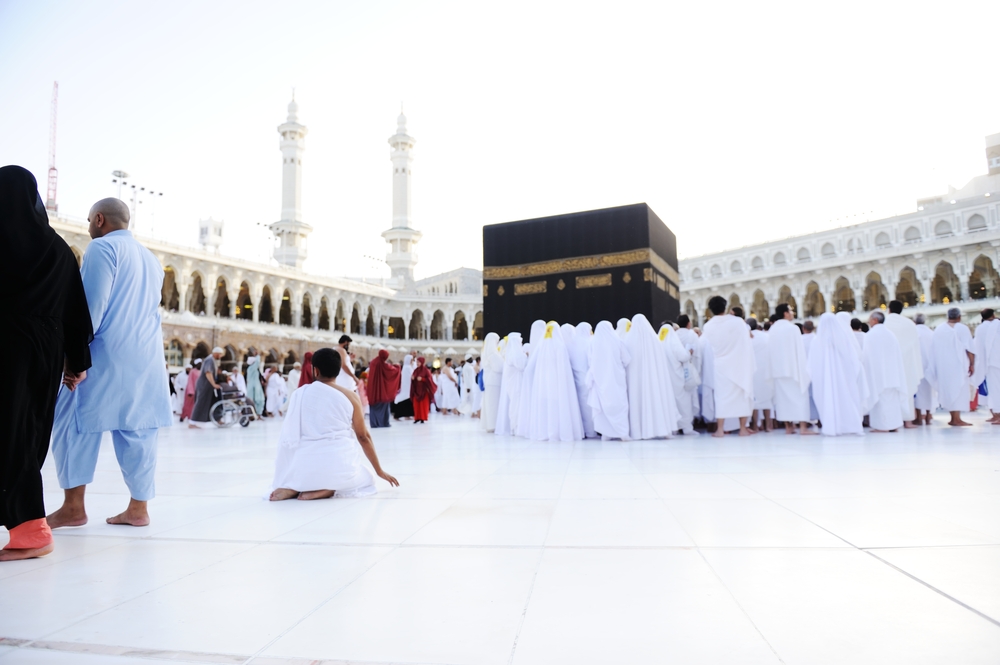
Ebola and The Hajj to Mecca?

Hajj Ebola virus out of control

The Ebola virus, already said to be virtually out of control in west Africa, may also be threatening Saudi Arabia and other parts of the Middle East.

The virus, which still has no known cure, has so far resulted in more than 3,300 confirmed deaths in the three West Africa countries of Guinea, Liberia and Sierra Leon.

RELATED: Hajj selfies are not holy

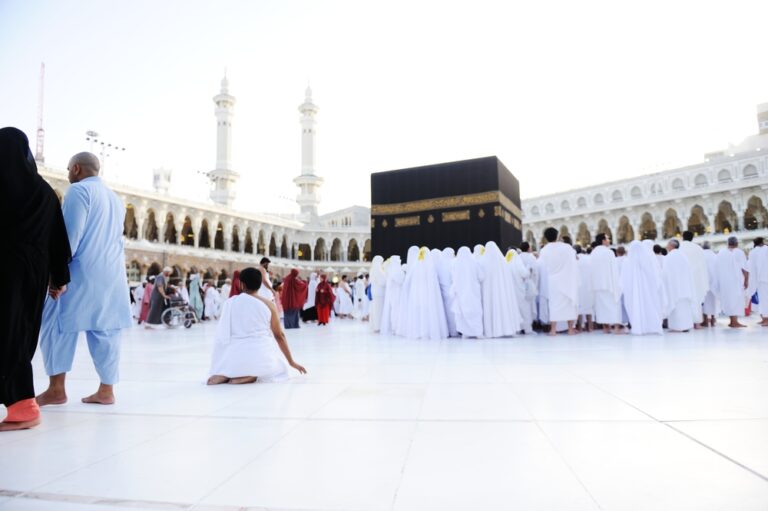
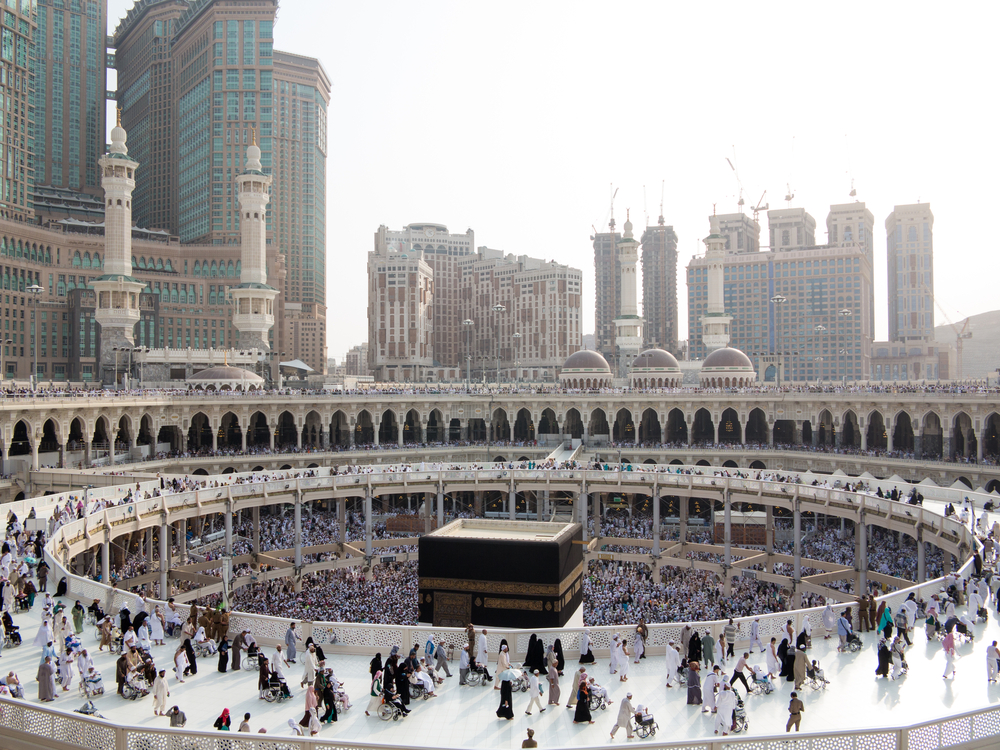
Saudi Health officials fear it could spread far and wide if infected Muslim pilgrims attend the 2014 Hajj pilgrimage that began last week on Wednesday, October 1 and is due to continue tomorrow, October 7.

Saudi health officials are doing their utmost to make sure that the deadly virus is not “imported” into Saudi Arabia either avertly or inadvertently.

Is Ebola keeping Hajj pilgrims home?

Hajj with Ebola fear

This years’ pilgrimage to Meccah expected around 2 million pilgrims; which is a lower amount from previous years.

This decrease is due to the military conflicts in Iraq and Syria bringing fears of terrorism; and of course, the Ebola virus outbreak.

Besides banning visas from the previously mentioned West African countries, Saudi government officials have upgraded health measures to protect pilgrims, including intense screening of arrivals.

Mobilization of 22,000 health workers and extra health care centers have been established in major cities like Riyadh and Jeddah; and in the locations of the Hajj itself.

Extra precautions are being taken in neighboring African countries to the primary “Ebola Zone” ones; particularly in Nigeria where a number of persons became ill when an infected Liberian citizen arrived in Lagos from Liberia and later died from the disease.

Nigerians in the Hajj mix

More than 66,000 pilgrims from Nigeria were expected to be attending this year’s Hajj.

Rana Sidani, a spokesperson for the World Health Organization (WHO), said in an interview with London based International Business Times that although there is some concern, the over all possibility of an Ebola outbreak occurring as a result of the Hajj is relatively low:

“As millions travel to join the Hajj, we are not discounting the possibility that Ebola can be introduced to the region through the pilgrimage,” she said. WHO is not taking any chances however. Its director Margaret Chan, stated  that the deadly virus is “beyond control” in West African countries like Liberia and Sierra Leon.

On top of all this, a Saudi businessman who had returned from West Africa in early September was hopitalized with symptoms similar to Ebola.

Previous Hajj pilgrimages have been overshadowed with fears other serious contagious diseases. These include H1N1 influenza or “swine flu” during the 2009 Hajj. A more recent disease called Middle East Respiratory Syndrome or MERS caused fears during the 2013 pilgrimage.

Specially equipped health care centers have been set up in the Kingdom to deal with any suspected illness that might be caused by the Ebola virus. Signs in numerous  languages are encouraging Hajj participants to report any suspected cases of Ebola-like symptoms immediately to health care authorities.

Hajj selfie fever rocks the Kaabah in Mecca – but is humble bragging holy?

1

hajj-selfie-fever

The annual Muslim pilgrimage to Mecca known as Hajj has officially begun.