
 Last week in Florida, a judge ruled on an ordinance banning front yard vegetable gardens. This allowed the upscale village of Miami Shores to take legal action against residents who to grow food in their yards on the grounds that vegetable patches are “ugly.” Seems, in at least one part of America, that growing your own food is now a crime.
Growing your own food in America is now a criminal act?
Build an ecological homestead for 1/10th the cost of a trad home!
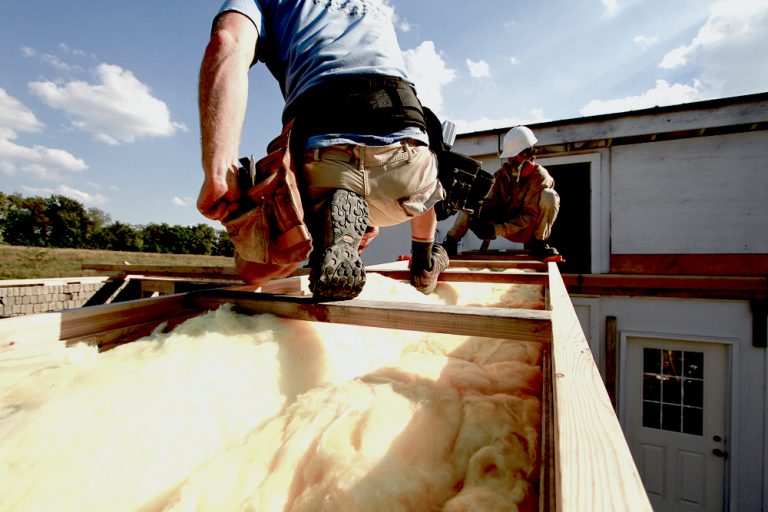
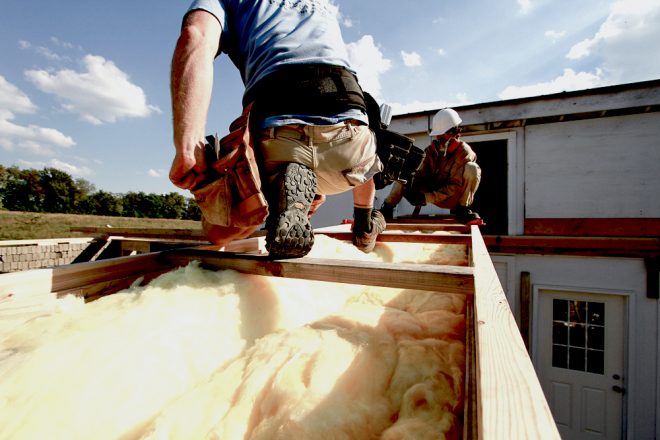 It’s coming up on two years since Cameron Sinclair announced the shutdown of Architecture for Humanity, probably the best thing to ever emerge from an architect’s imagination. That San Francisco-based nonprofit brought pro-bono architecture to the world’s neediest communities. Now a young husband/wife team have stepped into the void, launching a venture to make affordable, ecological housing accessible to everyone.
Israeli artist raises a ghostly bride from the Dead Sea

 Dip a dowdy dress into one of the world’s saltiest lakes and see what happens. Artist Sigalit Landau did, and ended up growing a crystalline gown straight out of Frozen. Take a look at these images. It’s unlikely you can “Let it go”.
Syrian dancer Ahmad Joudeh helps children through tears and rubble

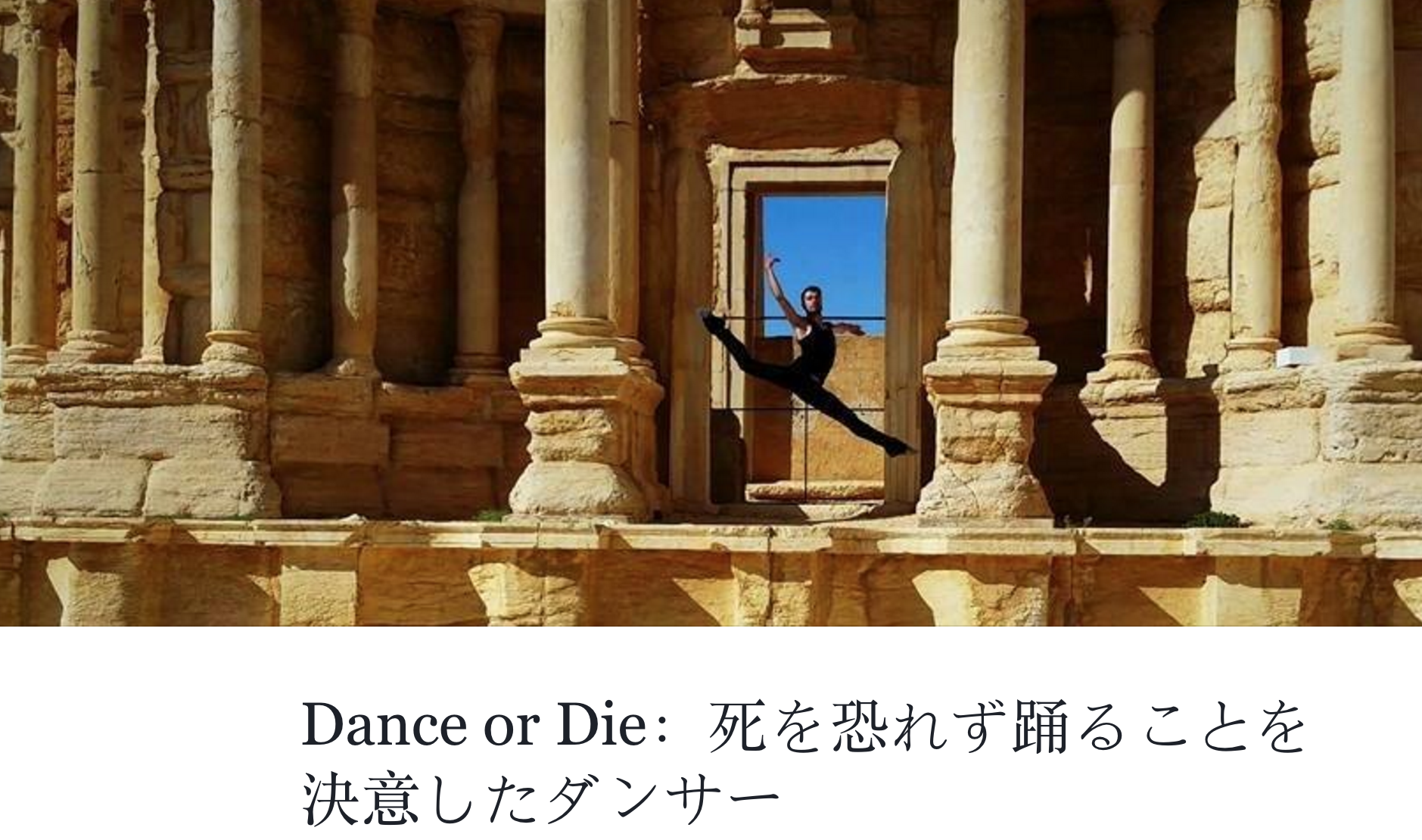
When there is nothing left to do, you might as well do something. In Syria, where the war is five years and counting, dancing might be the last thing on anyone’s mind. But for Ahmad Joudeh, it is a priority. Dance is his lifeblood, and he is fueling others with it, too.
Joudeh teaches dance classes to young people, including a large group of orphaned children. The studio must seem like an oasis in the middle of a desert of smashed concrete. While not necessarily a safe haven – really, nowhere in Syria is safe – it is a refuge for the soul.
As a dancer, I know that dance stimulates both the body and the mind. Joudeh teaches, among other styles, ballet – the most exacting genre of dance there exists. For the young students, working on a higher leg extension, to name an example, could be a metaphor for getting past the extreme hardship they face every day.
The inspiring teacher has had a great deal of success in his career as a professional dancer. Most notably, he was a top contestant on Yalla Nor’os, the Pan-Arab version of the show So You Think You Can Dance.
 These days, though, he can’t devote as much time to dance as he wants. Survival is not a guarantee, and so he has altered his lifestyle to help ensure it. As it shows him kneading dough in the video above, one of his main responsibilities is to quite literally put bread on the table.
And yet, and yet…he still makes time to teach dance classes. Not only is his teaching a special effort; it is also a huge risk. Joudeh has received several violent threats. One promised to shoot him in the leg, so as to handicap him, if he continued to dance and teach dance.
But with his strength of character, he refuses to be intimidated. “Dance or die” – that’s his motto, written in ink across the back of his neck. If we must fight for what we believe in, then he is a leader in the battle.

“You hear the guns?” He asked the cameraman . “They are shooting us. But they will never kill us.” He knows that he feels the most alive when he dances, and that dance itself can never die.
In the meantime, before something changes for the better or worse in his world, he dances for lost souls – on a rooftop in Damascus, in the streets at the place he once called home, in the rubble of Palmyra – sweeping up shards of glass and debris, and the occasional bullet, with his feet.
Art can come from any emotion, and it can create any emotion: grief, joy, anger, grace. It is clear that the young dancers under Joudeh’s instruction love the opportunity they have to learn something new and express themselves.
They are growing stronger, as dancers and as people, with each class. The electricity cut during filming for the video, right as the kids were talking about never giving up. In the darkness, you can hear their laughter and – unless I imagined it – a “Welcome to Syria!”
Update 2023: Joudeh made his way to safety in Amsterdam with the help of the Dutch National Ballet.
This fact about figs is sure to bug you!

 Flavorful figs are Middle East natives. Green Prophet Linda Pappagallo wrote about this in a swell story about the versatile little foodstuff. Did you know they come in more than 750 varieties? They also come with a little surprise tucked inside – a secret ingredient that will delight and disgust you in equal measure.
Who needs a maid? Houseplants are powerful cleaners.

 The brainiacs at NASA conducted a long-ago study on the impact of common house plants on indoor air pollution. Their findings are as relevant today as when first released in 1989: easily grown indoor gardens can work wonders in filtering airborne toxins. Green up your home and clean up your airways with some easily acquired, low-cost, and energy efficient house plants.
Tips for an eco-friendly summer holiday

Anyone who spends a good deal of time looking for eco-friendly solutions in everyday life probably also wants to do their part even when going on holiday. If you are among the growing number of people who are always seeking a way to accomplish what you want or need to do without further endangering the planet, why not also carry that through to your summer holiday travelling plans?
Did you ever stop to think that there are ways to travel that use fewer resources and places to go where you won’t be using electricity made by fossil fuels and where sustainability is a way of life? There are actually loads of things you can do on a summer holiday that can be considered environmentally friendly, so make your next summer holiday a green one.
Choosing the Best Mode of Travel
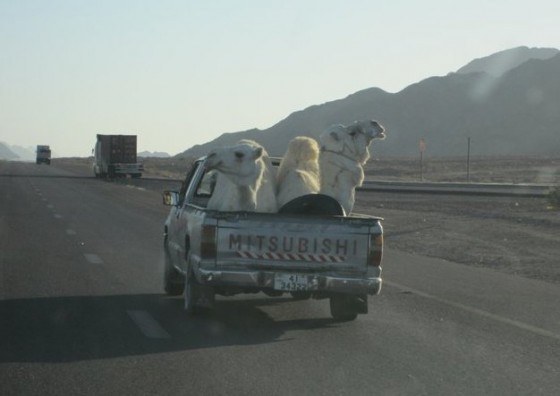
When travelling, unless you plan on bicycling across the country, you will be using fuel of some kind. In fact, if you take the time to plan your trip well, you can use half (or less!) the amount of fuel you did last year. One suggestion that comes from a global environmental group is to consider exactly how far you will be going.
Most people automatically believe that flying uses less fuel than going by car but what about the amount of carbon being released into the atmosphere? When travelling short distances, your ‘share’ of the fuel used might be better spent in a car than on a plane as they do take a huge amount of fuel to take off and also during flight. When you arrive at your destination, how far will you be from attractions you intend to visit? Walk whenever possible to conserve fuel.
Places to Go that Are Considered Sustainable

You can actually have a lot of fun planning trips to sustainable locations throughout Europe. In fact, there are even travel agencies that specialize in locations that pay special attention to the environment and make a concerted effort not to make a negative impact on it.
Some exotic locations even use revenue from tourists to pump back into the community towards sustainable projects and to support the locals. These are wonderful learning experiences for those of us travelling from developed nations and as interesting as the local sights and sounds may be, their emphasis on a green economy is simply amazing.
Choosing Environmentally Friendly Accommodations
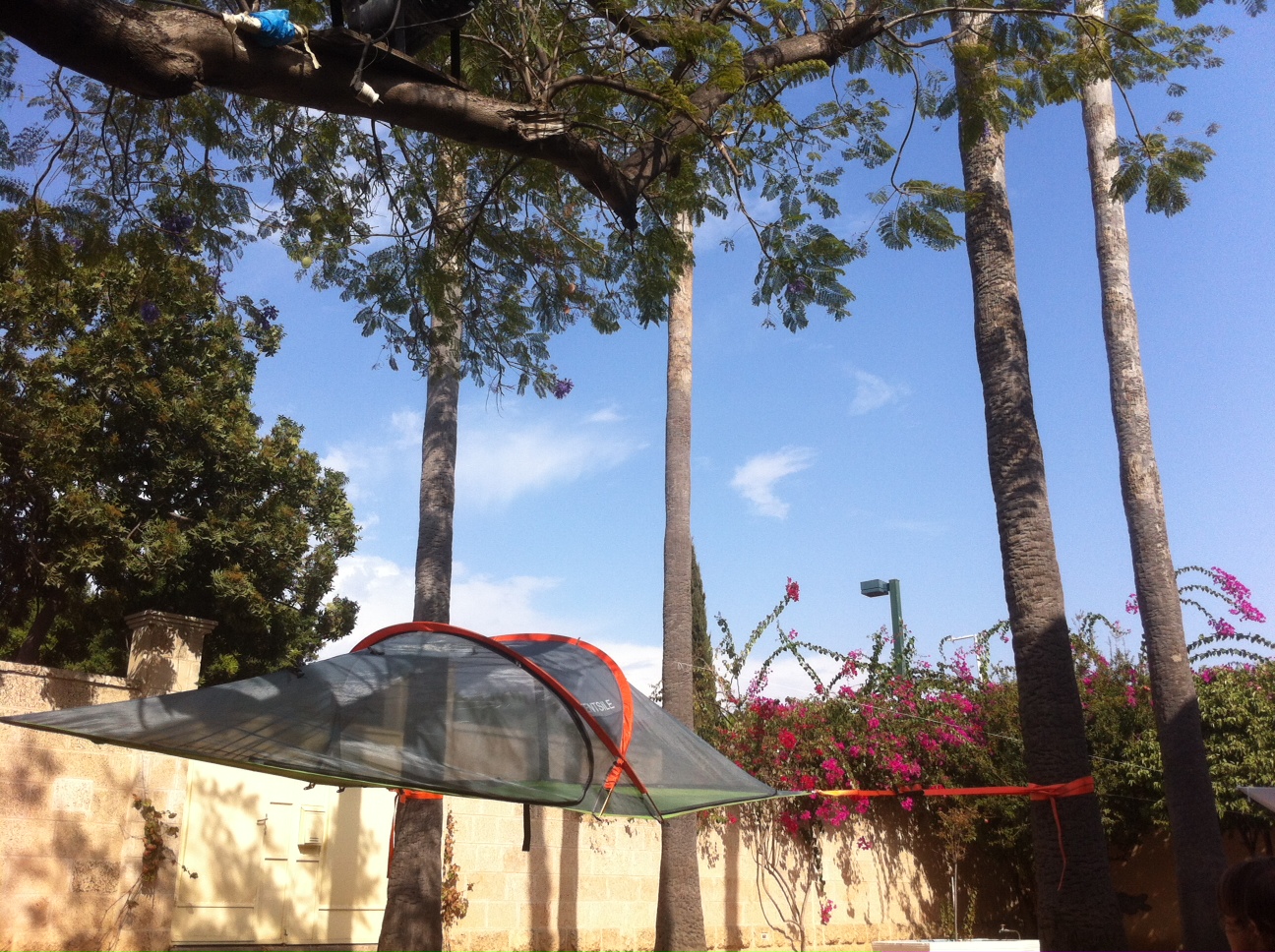
Of course you can always backpack it and camp in a primitive campground but when choosing a hotel or hostel, check out what they do about waste management and whether or not they derive some, or all, of their power from eco-friendly sources.
Most people who are really serious about conservation at home are also sincere in their efforts to choose eco-friendly lodging. If you put your mind to it and do a bit of searching online, you can find accommodations that use alternative power and operate in a green environment.
With so much emphasis on sustainable living, most countries around the globe have stepped up their efforts to do their parts in reducing their carbon footprint and working towards a greener tomorrow. Support those destinations that are making a real effort and travel there on your next holiday.
DuoSkin smart tattoos turn your skin into a touchpad

 Mash-ups of tech with temporary tattoos are not new. Versions are currently used to measure blood alcohol levels and detect exposure to ultraviolet rays. Designers from MIT Media Lab have teamed with Microsoft Research on a project to develop “smart tats” able to interface with remote technology. They can also report on their users health and environment, essentially turning human skin into a gadget.
Olympian David Kiribati dances against climate disaster

 A weightlifter from Kiribati is our favorite Olympian. After completing a move called the “clean and jerk lift”, he steps away from the barbell and transitions into jubilant dance. He wasn’t celebrating his sixth-place finish in the 105kg weightlifting competition; he’s not aiming for gold on social media. His message is serious, belying the grin on his face. David Katoatau is dancing to save his island nation from climate change.
Shiply innovates the moving of stuff, in the most efficient way possible
Stuff. We’ve all got it. Unless we’re from the Nomad class, we’ve got stuff to move and ship. Lighter stuff can be packed in a small envelope or box and sent in the mail. Just about everything else from printers to mattresses to books and clothes. We can’t send it over high speed Internet, yet. That stuff moves around our lives inefficiently. If you have the smarts and social network you can get your stuff moved around for free by asking your buddy a favor. But who has the time and friends for that?
My biggest problem when shipping stuff around is finding the company who can do it. I can spend hours trying to find a company that can handle what I want to ship. The price? Usually something completely outrageous that I don’t even bother. Should it be like that?
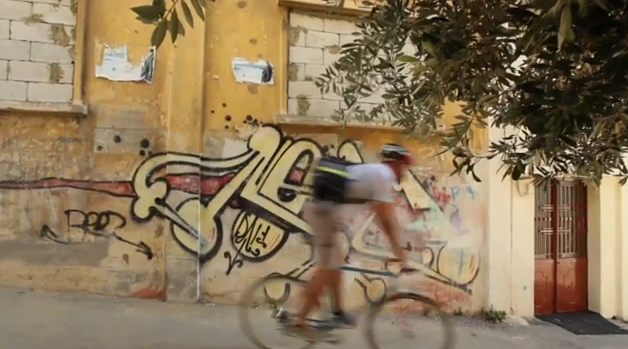
And remember the fad when cargo biking your stuff around cities, even for moving day, became all the rage? We love human-powered shipping, and Summer, one of our buddies in Tel Aviv runs a one-woman show move-anything company with her little van. But eco-friendly stuff-movers like Summer can’t scale. And cargo and courier biking, while romantic, cannot solve the problem of shipping between cities. Or loads of trucks and couriers going to one drop-off, returning empty handed.
The UK’s Shiply has the answer. The company has developed software that now links with massive companies like eBay to solve inefficiencies in the shipping industry. The vision is to be the most sustainable transport system in the world, using any system it takes, as long as it’s the most efficient one to get from point A to point B. It works like an auction.

Here’s how it works: Have something to move? Create an account and list what you want to transport, saying how much you can pay and when you need it delivered. The item goes into the auction. Expect to pay less for being flexible on the dates. Transport companies and people bid on deal. Transactions are then enabled by a fee paid for by the bid winner. Wait for your delivery!
Ways your stuff can be moved: by bicycle, by private car, by boat, by motorcycle, by furniture movers, by handle-with-care freight companies and many, many more.
The results for our planet we love:
- Stuff that we love can be loved longer by other people or by us again, but in new places
- Greenhouse gases for shipping can be cut at least in half if transport vehicles are in use in both directions
- New channels of operators such as biking couriers, van companies, Uber drivers, taxies, and small businesses can access the supply chain, previously limited to big shipping and courier companies
- Prices for shipping can be drastically lowered
- Shipping becomes democratized, and available for the masses which is good if you are starting a new business or sending stuff to your kid in college
The company was founded in 2008, and within 2 short years had 17,500 companies listed as transport services, clearly greasing the wheels of a very outdated and inefficient industry.
Go Shiply! We love you.
Solar powered plane completes round-the-world flight
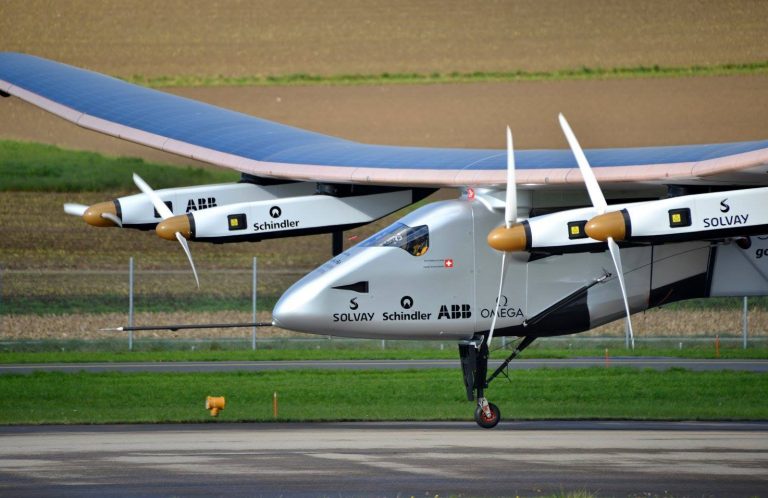

Solar Impulse, the world’s first intercontinental solar energy powered aircraft, finally touched down last month in Abu Dhabi after completing a round the world flight. The flight took more than a year to complete, after originally taking off from Abu Dhabi in March, 2015.
The 2.3 tonne aircraft was piloted by Swiss adventurer Bertrand Picard and his associate André Borschberg, another Swiss adventurer, businessman and pilot. They managed to spend 23 days of actual flight time in the air by alternating piloting the craft, which has a wingspan of 72 meters (236.22 ft). Powered by 72,000 solar cells, the flight was challenged by adverse weather conditions, over heating storage batteries, and extreme cases of fatigue due to having to fly in a cramped, single seat cabin. But it was a landmark moment for history.
Solar Impulse 2 is a similar version of the previous solar powered plane, Solar Impulse, that made history when it flew a non-stop flght from Madrid, Spain to Rabat, Morroco and back again in July, 2012. This flight, part of which occurred during the night, helped to show that solar powered flight is possible under the right conditions. The Solar Impulse 2 flight, which also included night flying, often flew at an altitude of up to 29,000 feet during the daytime and glided at a lower altitude of 5,000 feet during the night to save energy.
The last leg of the journey, from Cairo to Abu Dhabi, was especially difficult due to a large amount of air turbulence: “It was very inspiring though as I neared my final destination, knowing this had been accomplished without the use of conventional fuel” says Picard.
Before the Solar Impulse project began, Picard, together with another adventurer, Brian Jones, made history by being the first persons to fly around in earth in a high altitude balloon. This journey, in March, 1999, lasted 19 days, 21 hours and 55 minutes.
The Solar Impulse 2 journey was plagued with difficulties: financial ones as well as mechanical difficulties. These included having to be grounded in Hawaii during the winter of 2015 to 16 because of overheating batteries. Flying the plane was often extremely difficult due to the cramped flight cabin and not having heating or pressurization. The single pilot seat also had a built-in toilet.
Despite these difficulties the flight gave the men a great sense of achievement of flying around the earth, powered only by the sun: “Now I really want to leverage this demonstration and create a world council for clean technologies,” says Picard, who hopes this feat will help bring the contribution of alternative energy to help combat the ravages of climate change.
“This is a historic day for humanity,” said UN Secretary Ban K. Moon.
Indeed says Green Prophet!
More articles on solar powered flight:
Would You Fly by Sun and a Solar Impulse?
World’s First Solar-Powered Transcontinental Flight in Pictures
The internet of eco-powered smart home gadgets
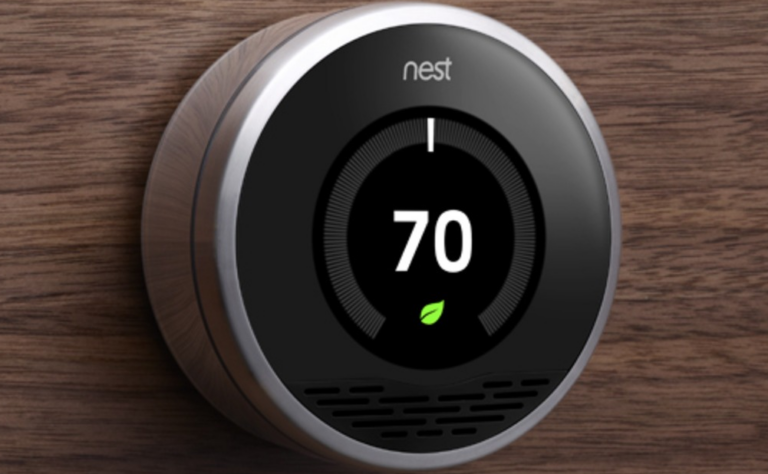

With the advent of low-cost sensors and wide-spread internet connectivity, more of us are buying smart home products that can conserve and even generate energy. Many of these products are getting smarter, with the integration of the real and virtual worlds with artificial intelligence.
We’re in love with Smart Home products like Nest which can help cut your energy bills by learning about your behavior inside and outside the home, security companies like Canary that can detect leaking gases and environmental pollution inside the home (as well as detect intruders!), and super-cool eco-products like Eddy (built by flux), that help anyone, even those with a black-thumb, grow their own organic food at home.

You are eco-minded, but you are also current. You want to tread gently on this planet, but you don’t want to return to a cave. If you aren’t following sites like Product Hunt on a day-to-day basis, how can you keep up with bleeding edge technology built with sustainability sensibilities? Powershop lists the latest in energy efficiency and energy-harvesting gadgets that every smart home, smart camper, and smart body would love to own. Be surprised by showerheads, trash cans and gadgets that harvest energy from your windows.
We’ve covered products like solar-powered backups that charge your phone (and Lumos is on that list), but sophisticated people, demand more sophisticated devices. We want to venture farther. What’s on your list of gadgets now and in the future?
Eco-friendly motivation: 8 compelling reasons to embrace a greener lifestyle

The thought of going more eco-friendly in your daily life may be something that has crossed your mind a few times. Some may be turned off the idea as it may seem initially daunting, and others may be convinced that they do not have the time or resources to live a more environmentally friendly life. While it does take some effort to be more conscious of how your actions and choices affect the environment, making the shift to an eco-friendly lifestyle can actually bring many great benefits to your daily life.
Have a look at our 8 compelling reasons to embrace a greener lifestyle – it just may convince you to hop on that eco-friendly bandwagon!
1. You Could Save A Fortune
Whilst you may not save an entire fortune overnight, making the shift by purchasing energy efficient heaters for example can cut your electricity bill by hundreds of dollars a year. Multiply that for the next ten years and you would have saved thousands of dollars that would have otherwise gone to waste on your utility bills. Purchasing hybrid cars can also save you fuel costs – something we could all benefit from with the increasing prices of fuel these days.
2. Your Body Will Thank You
Eco-friendly living in your personal life, such as the food choices you make can reap you a myriad of health benefits in the long run. If you make the shift to purchasing organic produce, this can boost both your physical and mental health and keep you healthy and happy for a long time to come. Your body is a temple, so you should only feed it with the best quality food possible, and organic is just the way to do that!
3. It Is A Great Way To Keep Active
Small changes such as opting to ride a bicycle to work instead of driving or taking a taxi not only reduces the amount of emissions and pollutants into the air, but are a great way to keep yourself healthy and active. Walking to work or to the supermarket instead of always opting to use a vehicle ensures you hit your daily activity requirements to lead a healthy and happy life.
4. Help Ensure There Is Enough Water On Our Planet For Everyone
Water is not a renewable resource – and clean water is our planet’s most precious resource. By being water conscious, you can help reduce the strain on municipal treatment systems, ensuring that there is enough to go around. A great way to begin is for us to shift away from purchasing bottled water. This act alone can reduce global greenhouse gas emissions from shipping, as well as the energy required to produce plastic bottles and in turn reduce the volume of waste dumped into our landfills.
5. Recycling Helps You Become More Creative
Not only does recycling save you money and resources, it can also be a great creative outlet for you and your family. Creating things out of recycled materials can be a great relaxing weekend activity for the entire family, ensuring everyone in the household feels involved.
6. Shield Your Body From Harmful Toxins
Purchasing green products such as cleaning liquids and skin products will eliminate all the harmful toxins and chemicals that you breath in and that touch your skin. This is a great way of protecting your children and family from exposure to harsh chemicals that can cause long term side effects in their health.
7. Green Homes Are Sturdier
Did you know that recycled products and furniture are known to last over 5 times longer than traditional materials? Having a green home ensures that your home is durable, and costs you less money on repairs and refurbishment in the future.
8.You Will Be Rewarded With A Clean And Green Environment
When you choose to be more eco friendly in your overall life, you are actively and effectively reducing your carbon footprint. By taking the steps to reduce the amount of pollution you contribute to, you are reducing the amount of energy used, thus creating a cleaner and greener environment!
We hope that these 8 compelling reasons to embrace a greener lifestyle help you in your decision to make a change in your lifestyle, for the health and wellness of your family and for our planet – we only have one, so we need to ensure its survival for our future generations!
The Greatest Show OFF Earth? Catch this week’s Perseid meteor shower!

 Our planet is passing through the path of Comet Swift-Tuttle, a once-in-133-years-or-so event happening this year from July 17 to Aug. 24. But this week we encounter the densest area of this celestial debris field when we’ll spot the most meteors in the shortest time period. So why are you reading this article? Grab a blanket, head outdoors, and look to the night sky!
Beirut art project pushes for preservation of public space

 Beirut art collective Dictaphone Group is combining activism with show-biz in a fight to preserve Lebanon’s public spaces. Their series of interactive performance pieces is inciting hipsters and historians to join up in protest of Beirut’s unbridled development plans.
Tension is never far below the surface of the capital’s staunchly secular social scene. Tagged as the “Los Angeles of the Middle East” for its entertainment culture, predilection for plastic surgery, and lax/luxe lifestyle, its people have been demonstrating for the better part of a year for basic services like reliable access to clean water and electricity, and a solution for long term waste collection woes. The nation has been without a president since 2007, but scanning the fashionable mobs in the discos and cafes, you wouldn’t guess this weighs heavy on the public mind.
 Enter Abir Saksouk-Sasso and Tania El Khoury, a pair of 30-something artists, who are devising creative ways to engage the public – for the public good. Meeting in London as students, they discovered their shared belief that art shouldn’t speak solely to an educated elite. To bring their ideas to life, they founded Dictaphone Group which aims to bring art fans together with political activists together to reclaim public space.
Modern Beirut is a landscape of ad hoc skyscrapers that block sunshine and sea views. Since the 1970s, new urban development has arisen absent a comprehensive master plan, in one instance destroying an ancient Phoenician port to build skyscrapers, with devastating impact to the natural environment. The State has usurped public spaces, many with historical significance, in the name of economic interests. There is little respite from the concrete jungle within the traffic-snarled city, and new construction is creeping up to its once spectacular coastline.
In 2013, over 300 people demonstrated against a planned parking garage in the Lebanese capital, in response to a Facebook invitation to peaceably “protest against the demolition of Jesuit Garden,” a popular public park. The tiny green space was established by Jesuits who came to Beirut in the 1600s to open schools.
Previously, activists – working with a local design agency – created the city’s first map of green spaces. Beirut Green Project and Wonder 8 launched the Beirut Green Guide at Tawlet in 2012, in attempt to spotlight the appalling absence of green space in Lebanon’s capital.
 Dictaphone Group choreographs site-specific, interactive performances, which they also document in audio and video and archive on their website for sharing and re-use by activists, artists, media and research groups.
El Khoury, a self-described ‘live artist’, and architect and urban planner Saksouk-Sasso, apply their creativity in mostly outdoor settings with pragmatic results. Staged on abandoned buses, old train tracks, and the performances act as a portal through time, using symbols of dysfunctional Lebanon to engage people in thinking about the space around them.
“I want a city that is not developing for the mere interest of a specific class,” Saksouk-Sasso told HuckMagazine. “I would like to pay less rent, not to have a street full of valet parking, not to have closed [off] streets, and I would like to be able to protest freely.”
One performance, entitled ‘The Sea Is Mine’, encouraged the public to reclaim its right to the Mediterranean coastline. Participants were invited aboard a fisherman’s boat off the shore of Ras Beirut, where they shared their stories from a time when they didn’t need to join a private beach club or trespass across newly-restricted pathways to take a dip in the sea. “Developing a deeper relationship with a limited audience is key,” says Saksouk-Sasso. “It enables a discussion between people who usually don’t interact.”
[youtube]https://youtu.be/6G6_CyTm_ao[/youtube]
The artists’ aim to build – and record, and share – the collective memory of small groups of different people, and by so doing, make clear that there is a better way to manage public space that serves everyone. Learn more at their website (link here).
Last September, nonpartisan youth-lead organization Nahnoo forced the reopening of Horsh Beirut – at 225,000 m2, the city’s largest green space – after decades of being closed to the public. A modest gain, as the park is only open two days a week. Previously, residents were granted park access only with permission, and then only if they were over age 35.
For Dictaphone Group, it is evidence that artful resistance is working. “When discussing public space in Beirut, the State talks in terms of an abstract citizen that fits a very specific idea of what an appropriate user should be – someone who looks and behaves as a ‘proper’ middle-upper class European citizen,” says Abir. “That’s not what the public really is.”
Images from Huck Magazine