Home Blog Page 247

منازل صديقة للبيئة .. أحدث تقنيات العقارات الجديدة للحفاظ على كوكبنا

0

أصبح سوق العقارات من أهم الأسواق التجارية في العالم في السنوات الأخيرة، حيث حقق الكثير من الإنجازات والنجاحات التي ساعدت في نهضة اقتصاد بعض الدول، لذا بدأت الحكومات العربية في الاهتمام بهذا السوق، وقامت بتوفير كافة الاحتياجات للمستثمرين، وشرعت قوانين جديدة حتى تُسهل عملية الاستثمار، وخصصت الكثير من الأراضي ووفرت مواد البناء بأسعار مناسبة، كل هذه العوامل ساعدت في انتشار سوق العقارات في منطقة الشرق الأوسط.

وفي الوقت الأخير، بدأ البعض يفكر في بناء عقارات “خضراء” أي منازل صديقة للبيئة لا ينتج عنها أي مخلفات أو أضرار للبيئة المحيطة بها، وذلك بعد أن بدأ العالم كله يعاني من مخاطر الانحباس الحراري وانبعاث غازات الدفيئة وهدر الموارد الطبيعية والطاقة غير المتجددة، أصبحنا بحاجة ضرورية للعقارات الصديقة للبيئة، وبالتالي أصبح هناك تحدي كبير يواجه شركات العقارات، التي صارت مسئولة عن تنفيذ عقارات غير ضارة وفي نفس الوقت ذو تصميم جيد وسعر مناسب ويوفر كافة الاحتياجات من كهرباء وماء وغاز طبيعي

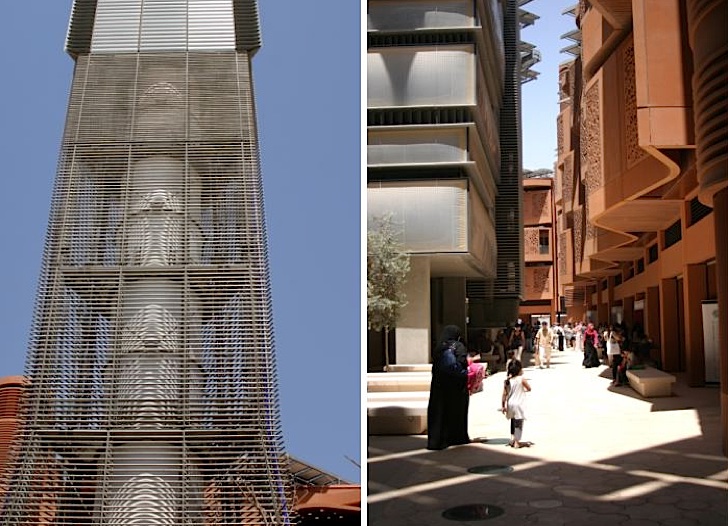
أصبحت العقارات الخضراء ظاهرة عالمية بدأت الكثير من الدول في تنفيذها، وانتقلت الفكرة إلى منطقة الشرق الأوسط التي بدأت هي الأخرى في تنفيذ منازل صديقة للبيئة، وتعتبر دولة الإمارات من أوائل الدول العربية التي بدأت في تنفيذ هذا النوع من العقارات، وقد أكدت الكثير من الأبحاث والدراسات البيئية أن هذه العقارات ستمنح الدول اقتصاد قوي على المدى الطويل، وذلك لأنها ستوفر الكثير من الأموال التي كانت تنفقها الدول من أجل الحد من مخاطر الاحتباس الحراري والغازات الدفيئة، وكذلك البحث عن بديل للموارد الطبيعية الغير متجددة.

منذ حوالي 8 سنوات، أقرت دبي نظاماً جديداً يلزم المطورين على إتباع سياسة المنازل الخضراء، حيث أصدر الشيخ محمد بن راشد ال مكتوم نائب رئيس الدولة ورئيس الوزراء حاكم دبي، قرارا يوصي بضرورة تطبيق مبادئ الأبنية الخضراء على كل المباني والمنشآت في إمارة دبي. وألزم القرار ملاك المباني السكنية والتجارية وكافة المنشآت أن يراعوا أفضل المعايير العالمية الصديقة للبيئة التي تتواءم مع الواقع المحلي لإمارة دبي، وذلك من أجل أن تصبح دبي مدينة صحية تتبع أعلى معايير التنمية، وذات بيئة نظيفة خالية من الملوثات.

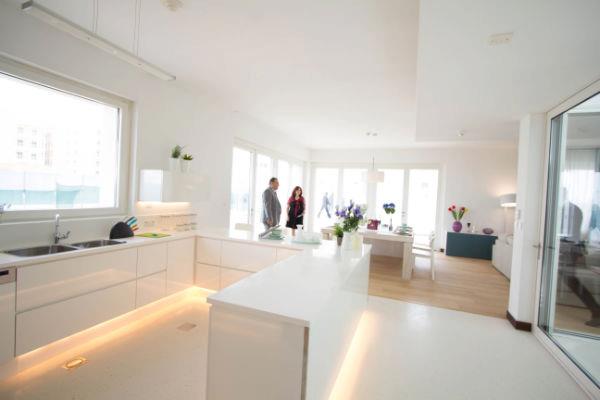
أصدرت إحدى الشركات العالمية تقرير يوضح مفهوم المباني الخضراء، والمعايير التي يجب الالتزام بها عند بناء هذه العقارات، حيث يشمل مفهوم المباني الخضراء المنازل التي تعتمد في تصميمها على استهلاك كميات أقل من الطاقة والمياه، وذلك من خلال استخدام المواد التي يتم إعادة تدويرها، وتعتمد بالأساس على الإضاءة الطبيعية من خلال أشعة الشمس والتهوية الجيدة، كما أن المباني الخضراء يجب أن تقلل من الدهانات و المواد اللاصقة السامة والتي تضر بصحة الإنسان وبالبيئة..

بدأ أصحاب شركات العقارات في استخدام أنظمة توفير استهلاك الطاقة والعمليات الصديقة للبيئة في أبنيتهم، بحيث يخففون من الأعباء الملقاة على البني الأساسية في المدن، وقد ثبت أن هذه الأنظمة توفير ما بين 40 إلى 50 % من تكاليف استهلاك الطاقة واستهلاك المياه، وكان السيد عزمي ميقاتي من أوائل رجال الأعمال العرب الذين بدئوا في تطبيق معايير المنازل الصديقة للبيئة.

تسعى كل الدول إلى تكوين اقتصاد قوي، ولن يتحقق ذلك إلا من خلال تطبيق المعايير العالمية، والتي أثبتت نجاحها في الكثير من دول الغرب، هذه المعايير ستحمينا من الكثير من الأضرار مثل الأمراض الناجمة عن التلوث البيئي، كما ستوفر لنا كميات كبيرة من الطاقة، وبالتالي سيصبح الاقتصاد قوي في فترة وجيزة.

The rise of telecom companies (and entrepreneurs) in the Middle East

0

shutterstock_128863255 cell phone userAnyone who has used their smartphone to make an online purchase or to make a video call knows that recent advances in telecommunications technology and the convenience that it brings is now one of the bedrocks of modern life. In addition, the truly amazing thing about the communications revolution is the way it has quickly developed into a global phenomenon. It first reached the developed nations but is now also becoming firmly established in emerging economies.

Telecoms in the Middle East

As one of the biggest wealth generating regions on the planet over recent decades, parts of the Middle East have benefited from major infrastructure investments; however, because the region is also vast, many areas have fallen behind when it comes to adapting to new technologies in comparison with some other parts of the world.

Recently a full-scale telecommunications overhaul has been taking place in the Middle East. With a group of six Gulf States (The Gulf Cooperation Council or GCC) changing the communications abilities of the region beyond recognition. The GCC members, Kuwait, Bahrain, Oman, Qatar, Yemen and Saudi Arabia, initiated the installation of an inter-regional fiber optic network called FARAJ, which is ensuring telecoms will be future-proofed for many years to come.

Global business

It is no exaggeration to say the globalization of the world of commerce has been built on the worldwide communications network, the Internet. The fact that even SMEs in emerging economies can compete on the world stage by going online has leveled the playing field in so many ways. The process is a two-way street though, as entrepreneurs and businessmen around the world have played a large part in making sure everyone can benefit from new opportunities.

Prime example

A prime example of this can be found in the person of Ehsanollah Bayat, the founder of the Afghan Wireless Communication Company. Not only has Bayat made a significant contribution to his home country by setting up a stable telecommunications infrastructure, he has also introduced new systems and technologies, such as prepaid calling cards, and helped strengthen local economies by giving access to the wider global market.

Bayat has been rightly recognized for the ways he has improved the living standards of millions of people across several countries, receiving honors that include the prestigious 2010 Mahatma Ghandi Humanitarian Award.

Global village

In many ways the world really is getting smaller as more people in every region begin to have access to the advantages of Internet access. As well as sharing knowledge and information, business communities can come together irrespective of distance, and help, support and trade with each other.

A study by Accenture Development Partnerships in association with NetHope found that consumers in emerging markets are increasing in importance for businesses operating across the spectrum. Increased levels of connectivity as provided by the latest GCC initiatives in the Middle East, and the work of individuals such as Bayat, is giving businesses of all sizes the chance to gain access to a truly global marketplace.

Long standing problems facing companies that wish to grow in difficult circumstances, such as limited investment funding, small budgets and poorly trained workforces are becoming less important. Even the application of new forms of trusted payment systems based online are having significant effects and making currency exchange less of a hurdle for both buyers and sellers.

The way that all of this is continuing to interlink economies, countries and cultures can only be a good thing for a world which is becoming ever more interconnected (and more sustainability inclined) with each passing day.

6 best Middle Eastern cities to visit for a staycation

0

3d-printed-solar-palm-dubai-6

In these days, when jet setting around the globe is becoming less popular due to environmental concerns, it’s worth remembering there are lots of fascinating destinations right here in the Middle East. Try a staycation!

Just a couple of hours on a plane can take you to cities full of breathtaking sights, fascinating historic buildings and museums full of treasures. These are some of the best. Most of these cities rely on tourism dollars. Supporting the local economy of these cities helps the locals build a more resilient and peaceful future for all.

Luxor

solar-energy-luxor-nile

Built on the site of ancient Thebes on the banks of the Nile, and incorporating the temples of Karnak, this magnificent city is a place where you come face-to-face with the ancient world. It’s just a stone’s throw from the West Bank Necropolis, which is home to the Valley of the Kings and the Valley of the Queens. As well as Ancient Egyptian ruins you can see relics of the Assyrians, Babylonians and Romans. The weather is dry and can get very hot, so the best time to visit is winter.

Dubai

3d-printed-solar-palm-dubai-5

A stunning modern city that has risen to become one of the world’s foremost business centers, Dubai is known for its amazing skyscrapers, including the sail-like Burj Khalifa. It may be expensive but if you appreciate luxury you’ll find it a fantastic place to shop. A city built on pearls and later on oil, it reflects its rich heritage not only in its modern architecture but also in its magnificent mosques. The climate is hot, humid and windy, so it’s best to visit in winter.

Riyadh

Ritz Carlton Riyadh Green Roof

The Saudi Arabian capital is a fascinating combination of ancient and modern. It developed as an oasis settlement and you can still visit the Masmak fort that dates back to that era. The gates at Thumaira, Al-suwailen, Dukhna, Al-Madhbah and Shumaisi are well worth seeing, as are the city’s historic palaces. Towering over these are some of the Middle East’s most striking modern buildings, including the Kingdom Tower and the Al Faisallyah Centre. Riyadh has a great selection of vacation apartments and is another winter destination that is extremely hot in summer.

Nazareth

fauzi-azar-inn-nazareth

The center of Arab life in Israel, Nazareth is a city steeped in Roman, Byzantine and early Christian history, and it’s an intriguing place to explore. It also has some beautiful mosques, including the Masjid al-Abiad, the Masjid al-Salam and the Makam al-Nabi Sain Mosque. You can walk the Jesus Trail between Christian religious sites or visit the Islamic shrines of al-Sheikh Amer, Shihab e-Din and Nabi Sa’in. The climate is warm but comfortable between November and March.

Petra

Visit Jordan

No longer occupied but well worth visiting, the Rose City is truly without equal and has been described as a wonder of the world. Its magnificent public buildings overlook its royal tombs and a natural amphitheater where there are statues of ancient gods. It’s also not far from the Dead Sea, renowned for its therapeutic properties and remarkable to swim in. You’ll find plenty of accommodation in the nearby town of Wadi Musa. Visit in the middle on winter if you want to explore in comfort.

Abu Dhabi

sheik zayed mosque

The other great city of the Emirates, Abu Dhabi has some truly spectacular modern architecture, a glittering royal palace and the sumptuous Sheikh Zayed Mosque, which is built of white marble and decorated with gold and precious stones. It has more moisture available than other nearby cities and as a result it’s able to maintain some beautiful public gardens; it also has wonderful beaches. It’s best to visit between November and February. Sometimes fog rolls in off the sea at this time of year and adds to the sense of being somewhere magical.

With cities like this so close at hand, there really is no need to leave the Middle East to experience an amazing break.

Israeli architects grow a “tree” to get us playing outdoors

0

IMJ-tree-house-by-Ifat-Finkelman-and-Deborah-Warschawski

An old pine tree in the courtyard at the Israel Museum in Jerusalem inspired architects Ifat Finkelman and Deborah Warschawski to design a modern treehouse. The slatted wood structure sits at the entrance of the museum’s Youth Wing for Art Education, and it’s attracting children and adults in equal numbers. Who would think a museum installation could incite aerobic activity?

“As a tribute to the childhood collective memory of a treehouse, we positioned a small roofed structure where children can hide and overlook at high up a tilted trunk raised above the meticulous surroundings of the museum,” the architects told Archiscene.

IMJ-tree-house-by-Ifat-Finkelman-and-Deborah-Warschawski

The structure arises from a ground level deck, an open walkway that proceeds to a series of ramps that lead to the actual treehouse. That walkway dies double duty as a seating area, a popular gathering point for museum visitors and watchful parents. Children can also access the interior via a metal pole with foot pegs.

An old pine tree anchors the design.  It pierces through the cantilevered tree house, accentuated by a corset of netting that protects the tree while encouraging kids to clamor and climb about its trunk. The tree house itself is supported by a steel frame, covered with a lattice of thin timber planks, making the structure appear delicate and airy, especially at night when it’s the only part of the playground to be illuminated.

IMJ-tree-house-by-Ifat-Finkelman-and-Deborah-Warschawski

The area beneath the building is covered with a soft EPDM (ethylene propylene diene monomer) matting, a synthetic rubber material that is frequently made from post-industrial recyclables. (Note: Green Prophet was unable to ascertain the specific properties of the material used in this project.)  The pliable rubber surface hides the underground infrastructure such as electrical conduit, drainage system, and the tree’s widespread root system.

IMJ-tree-house-by-Ifat-Finkelman-and-Deborah-Warschawski

The IMJ Tree House provides a new gathering point for visitors of all ages. As with the German designers who crafted the sculptural “stroller-coaster”, and the surreal submerged “bridge” that parts Dutch waters by Ro-Ad Architecten, we say kudos to these architects for designing another static structure that encourages human motion.

Images by Dezeen and Amit Geron

Meet up in Tel Aviv for riveting chat on revenue-stage FoodTech startups

Israeli food tech start-upsCould you be in Tel Aviv next week?  Can you follow a focused and fast-paced discussion delivered in Hebrew? Then hightail it to a special meet up to hear how an innovator took his initial food tech concept and nurtured it to fruition. Must-have intelligence for anyone toying with a start-up. But reserve your seat now, as space is limited.

Soup for Syria: feed your belly and your soul

1

soup for syria

Soup for Syria is a beautiful new cookbook of delicious and easy-to-make recipes guaranteed to fill your belly and feed your mind with heightened humanitarian awareness. But at its heart it is a cookbook, a perfect primer for any cook seeking healthy and flavorful food made with no-fuss ingredients (mostly vegetarian) found in supermarkets everywhere.

Free wonder drug available now. No prescription needed.

health benefits of natureDoes nature have a marketing problem?  Headlines about climate change, extreme weather, and their catastrophic impacts to the built environment are overwhelming. It’s easy to feel helpless and at a loss for meaningful action. So the folks at a Colorado-based grassroots environmental group decided to do a bit of alchemy, mixing beautiful images of the natural world with a dollop of comedy to deliver a serious message. Where were these guys during COP 21?

Syrian refugee women take to the stage

0

terrestrial journeys-dina mousawi-syrian refugee crisis-female empowerment-theatre

For Syrian refugees, seeing light at the end of the tunnel is a whole lot to ask. The Syrian civil war is reaching its five-year anniversary, and that’s not quite a call to celebration.

What can humans cling to in such desolation? The things that make us human. We have the ability to feel and express and create. We’ve all heard the expression, “Make Love, Not War.” Its sister quote: “Make Art, Not War.”

Myself an artist, I know how much better and healthier life is with the opportunity for art. Art is is a medium to express yourself, and it becomes an outlet through which to channel anxieties, fears and hatred when you need it to be. Art has been vitalizing Syrian refugee stories more and more. American filmmaker, Chris Milk, recently captured life at the Zaatari refugee camp through film. Refugees themselves have been making visual art, drawing sketches under the direction of Canadian artist, Jean Bradbury, to depict their struggles, also at the Zaatari camp.

And refugees again chose to create art in Lebanon – this time, performance art. Second only to Turkey, Lebanon has the largest number of Syrian refugees sheltered within its borders. Dina Mousawi, a British-Iraqi actress, spearheaded a six-week acting project with a little over a dozen refugee women at a modest studio-turned-theater in the Zuqaq el-Balat neighborhood of west Beirut. Their rehearsals culminated in a play, Terrestrial Journeys, that was performed December 3-4, 2015.

Mousawi emigrated out of Baghdad to the UK as a little girl, during the Iran-Iraq War, so she was not only an excellent stage director but also an empathetic friend to these women. Scene after scene unfolded in their show – a quilt of personal narratives and collective woes sewn together.

Arduous journeys over land and sea. Separation from family. Pent-up frustration over bleak living conditions in the camps. No formal education for the children. The impossible task of finding work. Fear of inquisition by the authorities for faulty paperwork. Fear of more violence. Dreaming of making it to Europe. Remembering home. Letting go of home.

[youtube]https://www.youtube.com/watch?v=ez1fXelw94E[/youtube]

There was no script at the onset of the project. Mousawi instead opted to create the show alongside the women, using their input as inspiration and ideas as material. It was an empowering improvisational process. During one rehearsal, she handed them wooden sticks without any instruction. Soon enough, the women had built a dinghy with them, were sitting inside it, and were rowing through uncharted waters to safety.

This imaginative approach is what ultimately made the show extraordinary. When I volunteered with orphans in Jordan, I liked to employ this method as a dance teacher. The kids’ show was called “Hayatuna” – “our lives” – and that was exactly what we wanted it to be for them: an expression and extension of themselves.

Finally, it was lights, camera, action time. In the final installment on her blog about Terrestrial Journeys, Mousawi reported, “I was most pleased to see that at least 50% of our audience [was] from the refugee camps, men, women and children mixing with Beirut’s middle class – it was exactly as I had wanted.”

These women were courageous not only to have fled Syria but also to have performed in Terrestrial Journeys. They left their hearts on the stage, and I wish I could have seen the show.

The project sought to be creative therapy for the performers and a way for the audience to be moved and made more aware of the refugee situation. It accomplished both – and also produced some bonus outcomes.

A bonding experience unlike any other, the women said there was as much laughter throughout the six weeks than there was crying, if not more. They were sad to see the time come to an end. But then again, maybe it’s not over, after all…in her blog, Mousawi mentioned the prospect of establishing a permanent company with these ladies someday. They certainly deserve it.

Image of the women performing from the Terrestrial Journeys blog.

Morf shirt transforms to 24 shirts in one!

3

morf-shirt

There’s a movie called 27 Dresses about a woman who finds love and finally gets to wear a wedding dress after serving as a bridesmaid, 27 times. You might think that “24 shirts” refers to a similar movie about a 24-time groomsman – but not so. It actually describes a recent fashion innovation by Israeli designer Tamara Salem: the “Morf Shirt,” a ladies’ shirt that can be worn 24 different ways!

you-can-wear-this-one-shirt-24-ways

I’ve seen shirts or dresses that can be worn a few different ways, but never have I seen the capacity breach double digits.

morf-transformer

“Morf” is the name of the fashion design company owned by Ms. Salem and business partner Barak Kirschner. The name itself implies that they are creative and open-minded.

Morf-creator-Tamara-Salem-right-with-model-Alexa-Doll-wearing-the-versatile-shirts.-Photo-via-morf-fashion.com_-e1451829445543

The Morf Shirt seems to include solid black, blue and grey options, and it throws black and white striped accents into the mix. There’s room to play with the color of the sleeves and the cut of the neckline. The trick is in the layering of the fabric. Amazingly, there are no buttons or zippers, velcro or other gadgets.

Green-MORF_2048-1

Even watching the video below, I can’t seem to wrap my head around how the shirt can be morphed so many times. How can something seemingly simple be so complex? Besides the fact that the Morf shirt is an extremely economic fashion choice, I say that it also makes its owner a magician.

https://www.youtube.com/watch?v=WCchVQOLXhQ

I’d like to see the manual that comes with the shirt. But even so, I don’t doubt its morf-ability. Israelis have a great track record of being resourceful, not only in the fashion industry but also in other arenas, such as visual art and technology.

Lightweight and durable, it’s no wonder that the Morf shirt has garnered the best feedback from backpacking travellers. But it’s truly for every woman. Wear it in blue with a pair of jeans and flats for a day look. Wear it in svelte black with heels and there’s your night look.

I’ve been meaning to donate clothes – maybe gaining the Morf shirt will mean finally getting rid of several different shirts I wear only every once in a while. The revolutionary fashion staple is available on Amazon or on the Morf website – where you can also check out the Morf shirt in green (with white as another solid-color option) and in red (with brown as another solid-color option), the Morf dress and the Morf shirt for men!

Consider joining the Morf movement. You’ll have a lighter laundry basket, or suitcase. Your wallet will thank you. So will the earth.

Did I mention that Morf also comes in a dress version? Oh, and a shirt for men?

The new Seabin will vacuum ocean pollution

1

seabin project-no more marine pollution-ocean cleanup

Sea garbage’s days may be numbered, thanks to a new invention by a pair of Australians, Andrew Turton and Pete Ceglinski. The Seabin Project is one being funded by Indiegogo and revolves around a floating trash receptacle. Able to suck everything floating in its vicinity into its natural fiber bag, from paper to plastic to fuel, the Seabin is an ocean vacuum that promises to clean up a lot of the mess we’ve made over the years. And this maritime maid won’t even ask for a break – she can work without pause.

The Seabin is connected by pipes to a shore-based water pump. The collected waste is filtered – that includes oil being separated out – and the newly clean water is pumped back into the ocean.

The most strategic place for a Seabin to work most effectively is at a marina or port, where heavy boat activity, as well as water currents, cause debris to accumulate near the docks.

The location at harbor also allows a person to change the Seabin’s bag when it starts to overflow with oversize trash. It was designed small and light so that this task would be one-man job.

“One of our goals is to make the Seabin from our own plastics to create another Seabin to capture more. It’s a domino effect,” say Turton and Ceglinski. “The second goal is to create a world where we don’t need the Seabins. Imagine that…”

This new technology can only be praised. The Seabin is a cheaper, lower maintenance answer to trash boats, also a 2015 innovation. It lends hope to the idea that we can have pristine waters again – as long as we do our part to not let history repeat itself by muddying them.

The eco-friendly Australians aim to start selling and shipping their Seabins internationally as early as mid-2016. The Middle East has seen its fair share of sea pollution – will it be a leader in addressing the problems of its past by supporting the Seabin Project?

Photo of the Seabin and its creators from gizmag.com

7 agricultural technologies that will save the Middle East

9

Jordan-hydroponics-eco-consult-a


From vertical farming to rooftop gardening, here are 7 of the best agricultural companies and projects put in practice in the Middle East.

There’s no getting around it: the world is becoming a much less secure place in which to live. Economies are tanking, geo-political systems are in turmoil, weather events such as wintertime drought are becoming more frequent and serious, and already dangerous planetary warming is being exacerbated by phenomenon such as giant plumes of gurgling methane discovered in the great white north.

All of these factors have an impact on the ability of ordinary people to find healthy food at decent prices.

So we have gathered a few big ideas that are being harnessed in the Middle East region to address these challenges and increase our resilience amidst one of the most uncertain times that humanity has faced.

Read on for the not-to-miss list.

1. Eddy 

flux-device-prototype

Eddy (see website here) is a low-cost device packed with powerful sensors that makes it easy for anyone, anywhere to access the benefits of hyper-local food. It is built with artificial intelligence to listen to plants and understand exactly what they need when they are growing in your spare bedroom or rooftop garden or farm. Pick up Eddy, add it to your garden, add seed types, nutrient types, connect with people nearby and Eddy will guide you through to perfection.

eddy-benefits

The company is in the hot area of urban agriculture and like Aerofarms (#2 on our list) Eddy can be used in any sized hydroponic garden or vertical farm. It sits in the water reservoir, and by connecting you to community and data, you are able to grow any kind of food in the world. Using hydroponics. The company is offering a 50% discount to the first 1000 people who sign up to order the product when it ships in the coming months. Sign up here to secure your product and discount. Hydroponics is great for the Middle East, as it’s up to 90% water efficient.

2. AeroFarms Vertical Farming

agriculture, middle east food shortages, groassis, aerofarms, liveinslums, water shortages, farming, soilless farming, vertical farmingGreen Prophet writer Susan Kraemer wrote that AeroFarms could herald one of the most important developments in food harvesting since humans switched from hunting and gathering to farming. Based in New Jersey, Aeroponics using a method of hydroponics to grow hyper-local food.

These clever stacked farms that can be used virtually anywhere – including inside buildings in the heart of any city – use aeroponic farming technology instead of soil and sunshine to grow food. Saudi Arabia has already embraced the technology that specifically addresses estimates that 80% of the world’s burgeoning population will be living in cities by 2050.

Since this company has come online, a hot new food tech startup flux, has taken hydroponics one step further, by adding a layer of artificial intelligence to understand the language of plants.

3. Yemenite Rainwater Harvesting

agriculture, middle east food shortages, groassis, aerofarms, liveinslums, water shortages, farming, soilless farming, vertical farmingIt’s not tech by today’s standards, but it’s traditional innovation. Food grows where water flows, so harvesting rainwater in nearly dry cities such as Sana’a in Yemen is absolutely pivotal to any kind of agricultural success.

Which is why Sabrina Faber’s award-winning rainwater capture system is so clever. Adding to its ingenuity is its sheer simplicity: the rainwater harvesting system will be incorporated into rooftops and is modelled after traditional capture designs Faber has seen out in Yemen’s countryside.

4. Gaza’s Green Roofs of Herbs and Vegetables

agriculture, middle east food shortages, groassis, aerofarms, liveinslums, water shortages, farming, soilless farming, vertical farming“They” say that necessity is the mother of invention, and this is turning out to be particularly true when it comes to food. Many residents in Gaza have experienced have embraced one of the largest growing urban agricultural solutions. They are building their own hydroponics solutions.

Having no land and stunted access to to food, many people in this politically-charged strip of land are growing cabbage, eggplants, and endochriyya [a plant used for making soup] in the winter, as well as chili, garlic, and onions in summer, and they are doing all of this on their flat rooftops that receive plenty of sunlight. Several rooftop farming initiatives have popped up in Cairo and Beirut as well.

5. Liveinslums Microgardens in Cairo

agriculture, middle east food shortages, groassis, aerofarms, liveinslums, water shortages, farming, soilless farming, vertical farmingA Non-Governmental Organization (NGO), Liveinslums has worked with local architects and designers to help residents in Cairo’s neglected City of the Dead grow microjardins – mini, soilless, and transportable subsistence gardens that also fertilize the sand.

In addition to being incredibly portable, the microjardins are easy to construct.

Liveinslums provide seeds, turf and perlite, which act as a substitute to soil, vitamin solutions that are added to water, and plastic, wood, and other recycled materials out of which these mini gardens are made. Initiatives like this demonstrate that with the right amount of tender loving care, food can be grown anywhere!

6. Feeding Abu Dhabi With Water From Air

agriculture, middle east food shortages, groassis, aerofarms, liveinslums, water shortages, farming, soilless farming, vertical farmingDespite having some of the world’s most largest and grandest desalination plants, the Gulf countries are quite possibly the most vulnerable when it comes to water, and they are rising to the challenge with some of the most sophisticated water capture innovations.

With an average humidity level of 61% , the Abu Dhabi Farmers’ Services Center (FSC) has spearheaded G-earth  – a technology that extracts condensation from the air to provide water for Abu Dhabi greenhouses.

7. SEKEM – Egyptian Organic Farm

agriculture, middle east food shortages, groassis, aerofarms, liveinslums, water shortages, farming, soilless farming, vertical farmingOrganic farming may not be new, but Egypt’s largest is so successful that we can’t ignore its potential to not only save people from food shortages, but also to restore the country’s soil to sustainable levels.

Established by Dr. Ibrahim Abouleish in 1977, SEKEM is an organic farming community that integrates social, economic and environmental development just outside Cairo. Run by Dr. Abouleish’s son Helmy, this incredible enterprise that champions the best in sustainable farming techniques has grown from 70 hectares to several thousand!

So what did COP21 in France conclude?

2

COP21 what came from itThe Paris Conference of Parties has officially ended with 195 nations signing up to a partially legally binding program of measures for curbing climate change.  Green Prophet’s read the 31-page agreement and we urge you to do the same.  Find the full report here, saving you an unnecessary online search (which Google estimates as producing 0.02 grams of CO2). What’s it boil down to?

1. It’s a global pact that for the first time asks all countries to limit their greenhouse gas emissions.

2. Between now and the year 2100 participating nations must commit to enacting changes that will keep average global temperatures from rising another 2 degrees Celsius (3.6 degrees Fahrenheit between now and the year 2100.

3. Wealthy developed nations will give financial support to developing countries involved in the pact, to the tune of $100 billion USD per year by 2020. According to the United Nations Framework Convention on Climate Change website, funding may come from bilateral or multilateral, public or private sources, including creative financing (such as the French contribution to the financial transaction tax). Public financing may take several forms: multilateral funds such as the Green Climate Fund; multilateral or regional institutions such as the World Bank; government contributions; and bilateral institutions such as the Agence Française de Développement. (This scheme stands apart from the Green Climate Fund: only part of this newly agreed sum will pass through the Fund.)

4. The treaty now heads to the national legislatures of the 195 involved countries. At least 55 countries representing 55% of the world’s emission must sign on before 2020.

The first UN Climate Change Conference was held in 1995 in Berlin, this international treaty to curb climate change has been twenty years in the making. But the heaviest lift remains as nations decide which parts of it will be legally required. Absent clear legal language to guarantee compliance, it’s too soon to tell if COP21 be any more effective than previous climate agreements which fell flat over performance monitoring and enforcement.

“A lot of that language is still in brackets,” Greenpeace representative Naomi Ages at told FRANCE 24 on Friday.

Watch this space.

Water, Wars and an Uncertain Future

0

sundeep waskelarAs the world awaits the release of the final draft agreement emerging from the COP21 climate talks – expected this morning –  longtime expert in water policy, Dr. Sundeep Waslekar explores one specific aspect of climate change in the following article, providing clear insight into the future of water, not only as a critical resource for all life, but as a tool in achieving Middle East Peace.

Paris climate talks extended another day

0

COP21Global climate talks expected to close today in Paris have extended into Saturday, according French Foreign Minister Laurent Fabius.  Appearing last night on French BFMTV he said that he would present a new compromise text for a deal to combat global warming on Saturday morning.  The extra day of negotiations aims to reach accord between the near-200 participating nations.

One hundred and ninety-five nations, each with a specific agenda. Scan ten facts brought to the table.  Can another day of discussion make headway into at least one theme?

  • 2015 was the hottest year ever recorded.
  • Earth will be 2.7 warmer by the end of the century if governments don’t cut CO2 emissions.
  • Since 1993, sea levels have risen 3.2 mm annually.
  • 2014 recorded 91 hurricanes, a new world record.
  • Insurance companies lose $50 billion annually due to natural disaster and climate change.
  • 3.3 million people die each year due to air pollution.
  • 8% of species are threatened with extinction if global temperatures rise by 3% by 2100.
  • The USA has used 250 billion gallons of water for fracking between 2005 through 2014.
  • One square kilometer of virgin forest is lost every second around the planet.
  • 10.1 million more people will be pushed below the poverty line.

“The atmosphere is good, things are positive, things are going in the right direction”, Fabius added. The betting window is open: let us hear which topics you think will be tackled, and what difference will another day make.

Arab civil society calls Arab nations to achieve 100% renewable energy

4

IndyACT

While UN climate-conference delegates seek ways to cut world reliance on high-carbon fuels like oil, OPEC (the Organization of the Petroleum Exporting Countries) confirmed that it would keep producing oil at current levels, estimated in excess of 31 million barrels a day, despite prices that continue to plummet. Arab activists are on the case.

Earlier this week activists gathered in front of the main plenary of the COP21 negotiations to express their frustration toward the current Saudi position and how the rest of Arab countries are following their lead at the climate talks underway in Paris.

“Right now, in the Arab Group, there is no peer pressure, there are no champions, so Saudi Arabia has been allowed to act as a blocker for much of the climate talks. Arab countries are standing silent and letting Saudi Arabia talk on their behalf. Morocco and Egypt have strong climate action plans and Jordan has the largest wind farm in the region, but due to their silence, their climate action and their reputations are being undermined. Will they keep hiding behind Saudi Arabia’s obstruction, or will they step out and represent the will for climate action in the region?”, said Safa’ al Jayoussi, head of climate campaign at IndyACT and CAN Arab World coordinator.

IndyACT and other youth activists staged a bit of performance art for international media, wherein negotiators tried to move towards an ambitious carbon-cutting agreement, but – tethered to the “oil industry”, they failed to make headway. “This reflects what is happening behind closed doors.  We are asking Arab countries who are leading in renewable energy to take the initiative in moving ahead with an ambitious agreement,” PanAfrican Climate Justice Alliance representative and CAN Arab World Coordinator Chakri Said said in a press release.

“The conference in Paris presents our leaders with the opportunity to take critical action, such as investing in clean energy and the removal of legal and structural obstacles by creating detailed national energy plans that facilitate a fast transition to a 100% renewable energy system. This is essential if we are to keep average temperature rises to no more than 1.5°C, ” said al Jayoussi.

IndyACT is the leading Arab non-governmental organization working on climate change policy.  Want to get involved on a local level?  Contact Ms. al Jayoussi (email link here).

Images from IndyAct