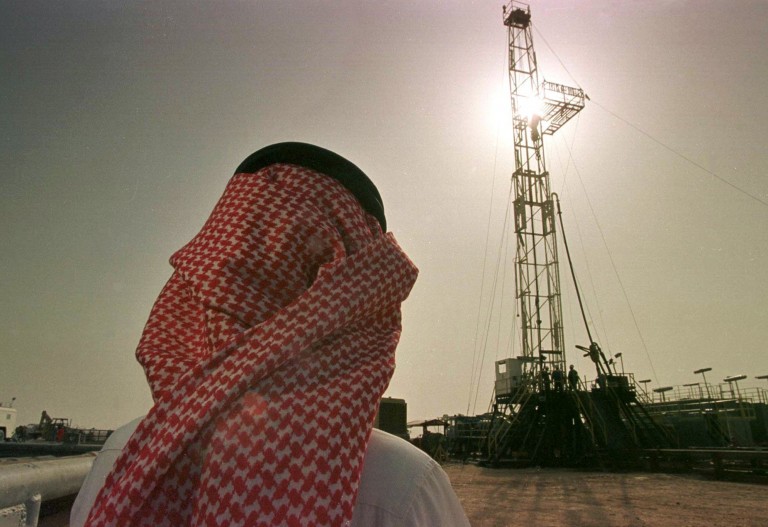

Despite the forecast of dire effects of global warming in the Middle East, oil producing countries like Saudi Arabia have continued to keep oil production at high levels. Located in one of hottest regions on earth, the Arabian Peninsula, Saudi Arabia has also expressed high interest in building nuclear power plants, despite being a country rich in solar energy potential.
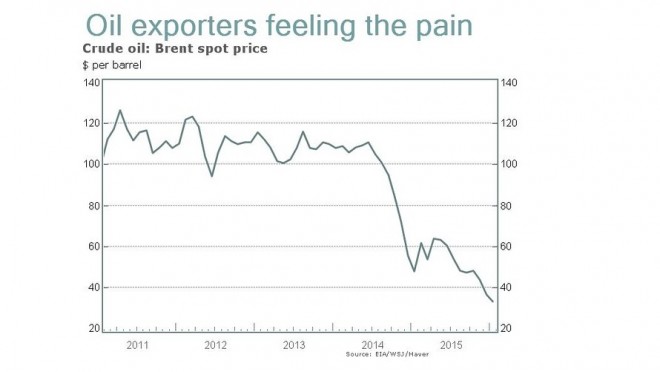
The present specter of falling oil prices is adding a new harsh reality to a country that depends on oil production for nearly its entire economy. Crashing oil prices are hurting this desert kingdom tremendously. The headlines in a February article in Britain’s Sunday Express newspaper appears to say it all: Welcome to AUSTERITY, Saudi Arabia: Crashing oil prices sends economy into meltdown.
On record for years as being the world’s largest oil producer, the Kingdom of Saudi Arabia is now rapidly using monetary reserves to finance the wasteful lifestyles of its extended royal family. With oil prices presenty hovering at around $34 a barrel (see chart), Saudi Arabia will soon be unable to finance the various subsidies given to its citizens for education, energy, health care, and water allocations. Subsidies included free or dirt cheap gas.
Water resorces, almost entirely coming from giant desalination plants, are not only very costly for the Kingdom, but evironmentally damaging as well. Low oil prices will make it more difficult for Saudi Arabia to embark on plans to have as much as a third of its own energy needs met in twenty years by using solar energy. The use of solar energy to create electric power has been planned for years in the Kingdom; with a $109 Billion solar energy plan announced in the Spring of 2012. What happened there?
Low oil prices will force the Kingdom introduce massive austerity programs. These include reduction or cancellation of previously mentioned subsidies, drastic scale-backs of construction and infrastructure programs; and certain, painful belt-tightening in the Saudi royal family itself.
Without sufficient oil revenues to keep its economy afloat, there simply are not other means to provide needed foreign currency to keep the country going. Even sand, once another income source for the Kingdom, due to its use in the construction industry, is less available now.
In adddtion to Saudi Arabia, other oil income-dependent countries, including Russia, Azerbaijan, Venezuela, and the United Arab Emirates are also suffering economically from low oil prices. The situation is not forcasted to improve in the near future. Masood Ahmed, head of the Middle East department for the Sunday Express, was quoted in regards to the Saudi economy: “This (oil price collapse) will have to be part of a multi-year adjustment process.”
We hope it doesn’t end in conflict, an all too common story here in the Middle East.
Read more on oil:
Saudi Arabia dumps oil in time for U.S. election season
Solar rich Saudis running after nukes
The wrath of global warming and the Middle East
Saudi Arabia’s Desalinaton Market a $50 Billion opportunity
Photo of Saudi Oil Well by Green Tech Media



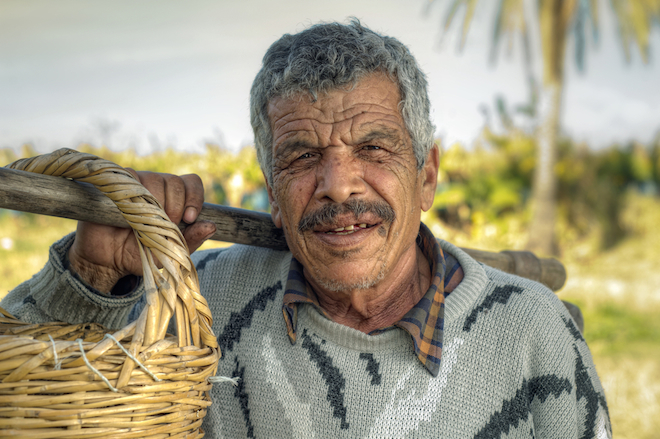

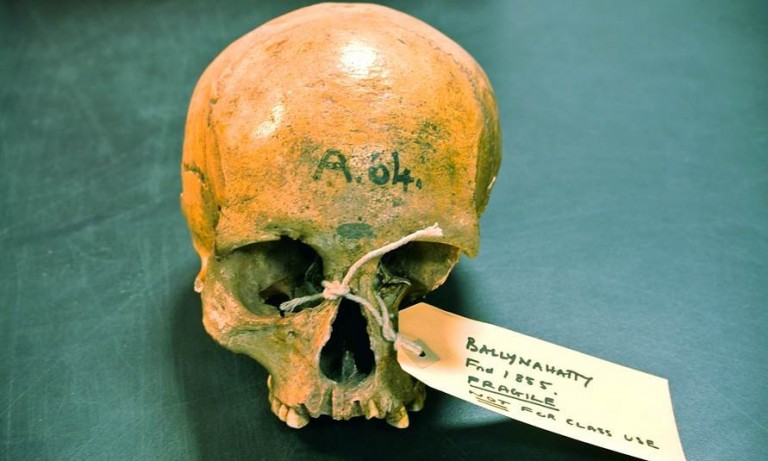
 Just in time for St. Paddy’s Day, scientists from Dublin and Belfast have evidence that stone age Irish settlers had genetic origins in the Middle East. Thank the Vikings for the DNA that gave rise to red hair and freckles, introduced when they invaded the island nation at the end of the eighth century. But dial back 6,000 years, and discover genes for dark eyes and raven tresses that trace to the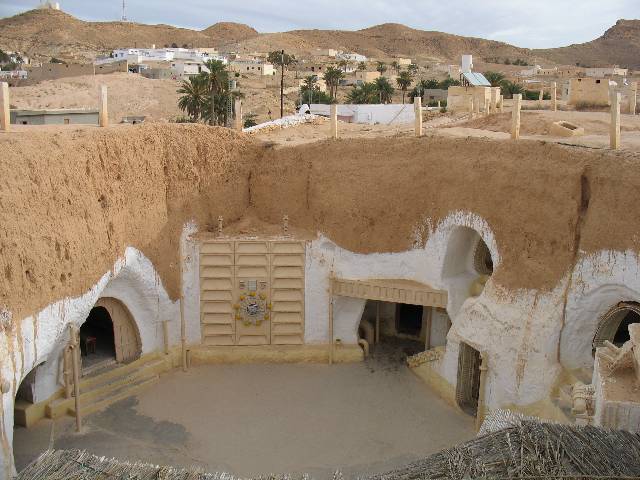


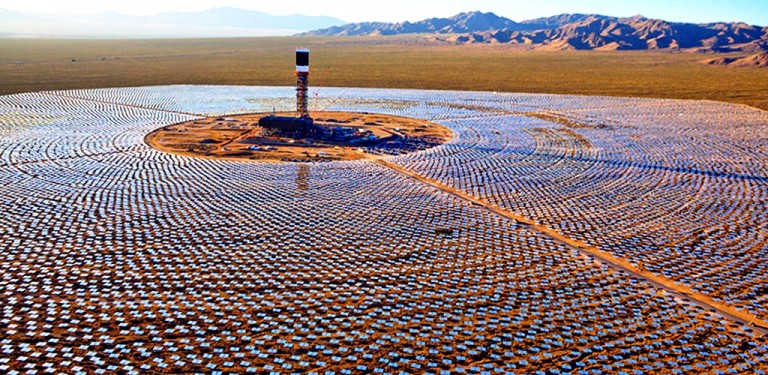
 Morocco has activated the Noor I concentrated solar power (CSP) plant, the first part of a three-phase
  The World Bank predicts that the plant will bring down the industry-wide CSP costs, but the future of the technology is uncertain given rapid price decline in solar photovoltaics (PV). The plant’s cost is around US$6 per watt, whereas utility-scale solar PV projects are coming in below US$2 per watt. The recent bankruptcy of the largest global CSP developer, Spain’s Abengoa, has further undermined interest in future CSP investments. That said, the technology is well-suited for harnessing the desert’s solar energy.
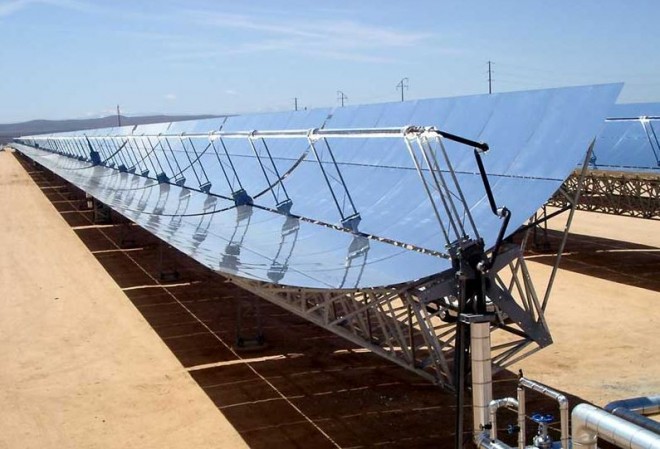 Unlike PV systems, CSP output doesn’t dip when skies are momentarily overcast, and they do not need battery back-up to store energy for nighttime use. The technology works like this: concentrated sunlight hits the mirrors, which heat fluids in a system-wide pipeline, which create steam that, in turn, drives turbines which produce electricity. The Ouarzazate system uses 39-foot-tall parabolic mirrors to focus energy on that pipeline causing fluids to reach temperatures of 739 degrees Fahrenheit. Surplus heat can be stored in a tank of molten salts for use during nighttime or on overcast days; Noor 1 is designed to keep three hours worth of such storage, which presently is a lower cost alternative to battery storage.
 Sit four people around the dinner table, and at see that least three are tethered to their