
Stuff. We’ve all got it. Unless we’re from the Nomad class, we’ve got stuff to move and ship. Lighter stuff can be packed in a small envelope or box and sent in the mail. Just about everything else from printers to mattresses to books and clothes. We can’t send it over high speed Internet, yet. That stuff moves around our lives inefficiently. If you have the smarts and social network you can get your stuff moved around for free by asking your buddy a favor. But who has the time and friends for that?
My biggest problem when shipping stuff around is finding the company who can do it. I can spend hours trying to find a company that can handle what I want to ship. The price? Usually something completely outrageous that I don’t even bother. Should it be like that?
And remember the fad when cargo biking your stuff around cities, even for moving day, became all the rage? We love human-powered shipping, and Summer, one of our buddies in Tel Aviv runs a one-woman show move-anything company with her little van. But eco-friendly stuff-movers like Summer can’t scale. And cargo and courier biking, while romantic, cannot solve the problem of shipping between cities. Or loads of trucks and couriers going to one drop-off, returning empty handed.
The UK’s Shiply has the answer. The company has developed software that now links with massive companies like eBay to solve inefficiencies in the shipping industry. The vision is to be the most sustainable transport system in the world, using any system it takes, as long as it’s the most efficient one to get from point A to point B. It works like an auction.

Here’s how it works: Have something to move? Create an account and list what you want to transport, saying how much you can pay and when you need it delivered. The item goes into the auction. Expect to pay less for being flexible on the dates. Transport companies and people bid on deal. Transactions are then enabled by a fee paid for by the bid winner. Wait for your delivery!
Ways your stuff can be moved: by bicycle, by private car, by boat, by motorcycle, by furniture movers, by handle-with-care freight companies and many, many more.
The results for our planet we love:
- Stuff that we love can be loved longer by other people or by us again, but in new places
- Greenhouse gases for shipping can be cut at least in half if transport vehicles are in use in both directions
- New channels of operators such as biking couriers, van companies, Uber drivers, taxies, and small businesses can access the supply chain, previously limited to big shipping and courier companies
- Prices for shipping can be drastically lowered
- Shipping becomes democratized, and available for the masses which is good if you are starting a new business or sending stuff to your kid in college
The company was founded in 2008, and within 2 short years had 17,500 companies listed as transport services, clearly greasing the wheels of a very outdated and inefficient industry.
Go Shiply! We love you.






 Our planet is passing through the path of Comet Swift-Tuttle, a once-in-133-years-or-so event happening this year from July 17 to Aug. 24. But this week we encounter the densest area of this celestial debris field when we’ll spot
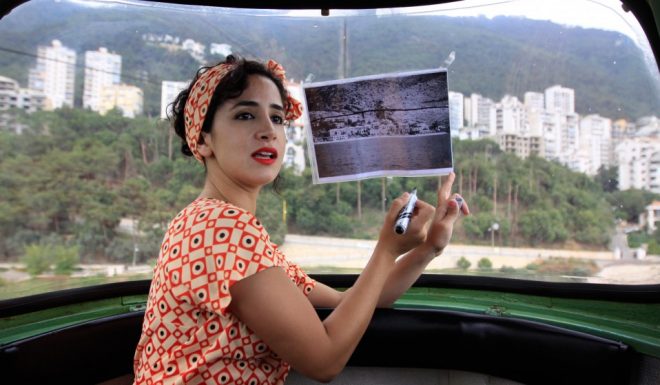 Beirut art collective Dictaphone Group is combining activism with show-biz in a fight to preserve Lebanon’s public spaces. Their series of interactive performance pieces is inciting hipsters and historians to join up in protest of Beirut’s unbridled development plans.
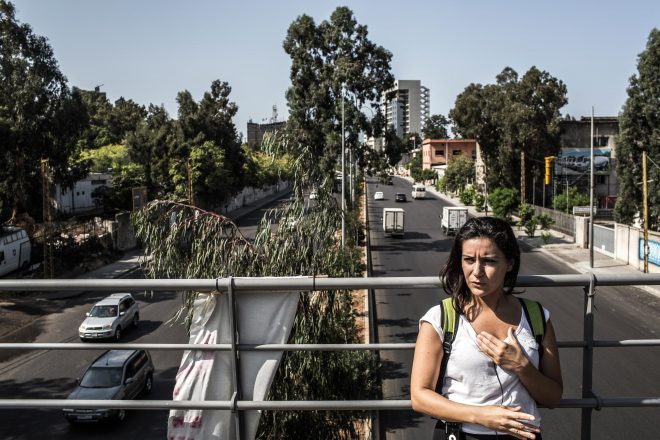 Enter Abir Saksouk-Sasso and Tania El Khoury, a pair of 30-something artists, who are devising creative ways to engage the public – for the public good. Meeting in London as students, they discovered their shared belief that art shouldn’t speak solely to an educated elite. To bring their ideas to life, they founded Dictaphone Group which aims to bring art fans together with political activists together to reclaim public space.
 Dictaphone Group choreographs site-specific, interactive performances, which they also document in audio and video and archive on their website for sharing and re-use by activists, artists, media and research groups.

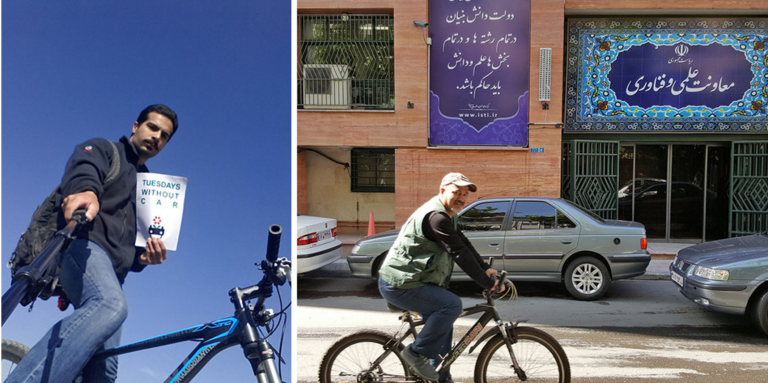





 People are often defensive when it comes to


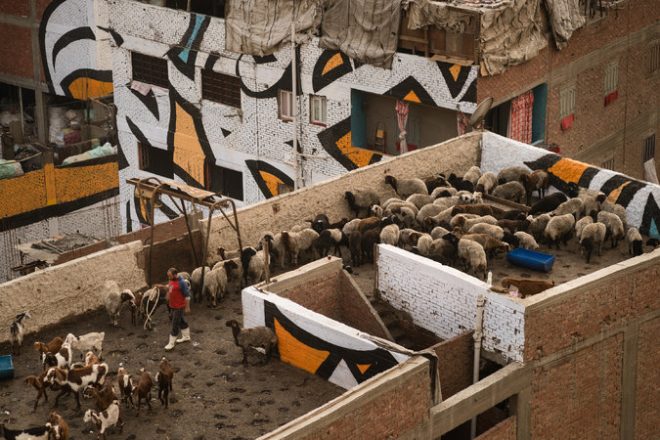 eL Seed says on his website that the community treated him and his team like family. “It was one of the most amazing human experiences I have ever had. They are generous, honest, and strong people.” He note that they do not refer to themselves as ‘garbage people’, instead, “They don’t live in the garbage but from the garbage; and not their garbage, but the garbage of the whole city. They are the ones who clean the city of Cairo.”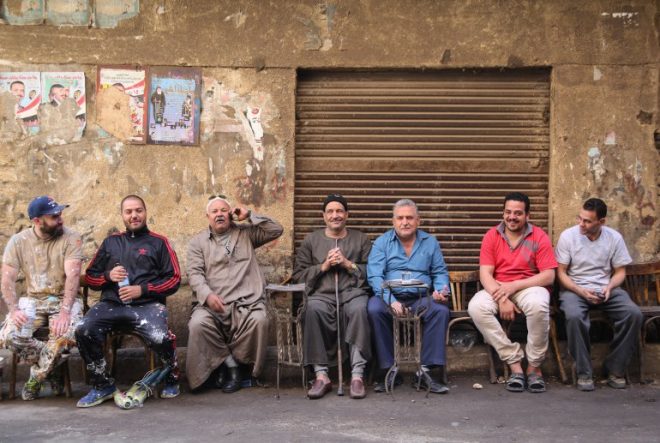




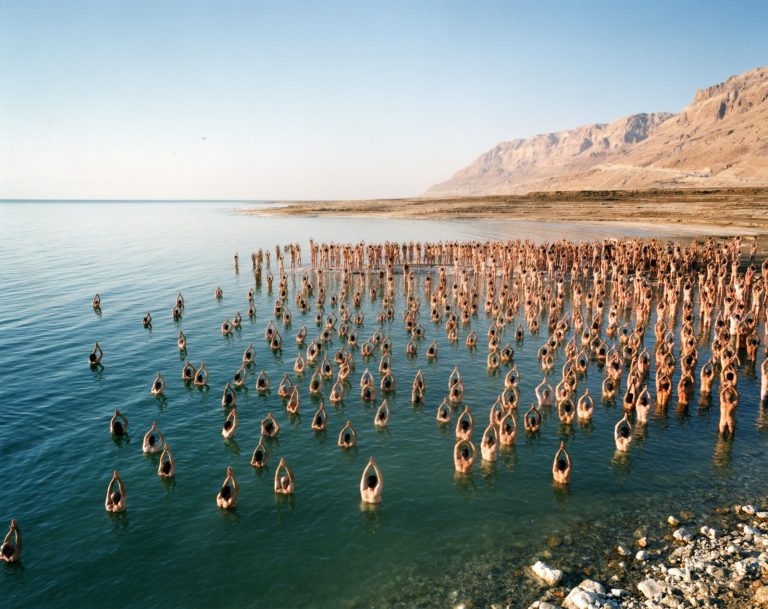
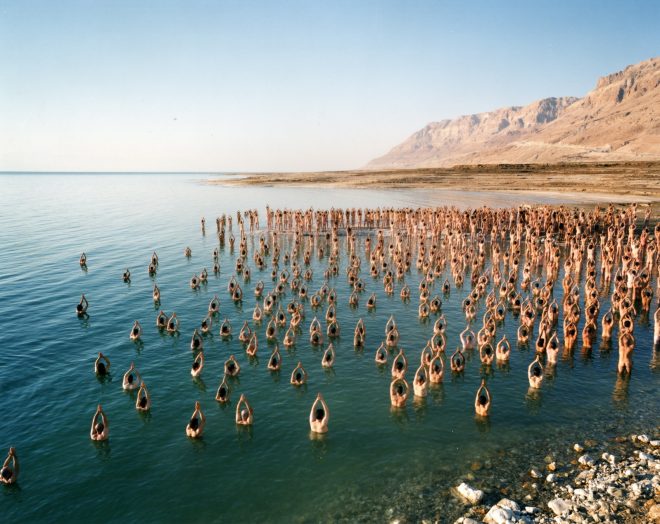 Spencer Tunick is
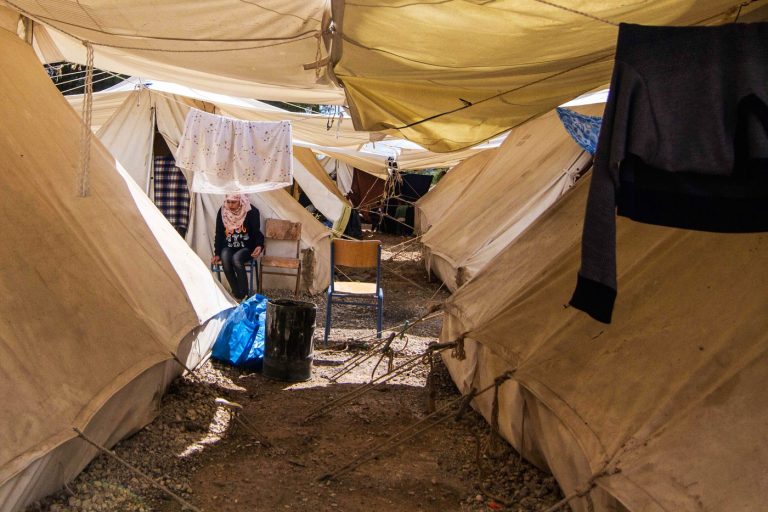
 Take empathy to a new level by living just like a displaced person. A group of Syrian refugees advertised their camp tent as a rentable destination on