Home Blog Page 211

Pearl Earrings: Wear Them Sustainably and Love Them

1

Looking for a pair of jewelry that won’t go out of style? Pieces that will make you stand out from the rest? Then quality pearl earrings might be just what you’re looking for. Although classic – they’ve been worn for hundreds of years, even by ancient civilizations – pearls are still  kicking and will continuously lead the jewelry market.

The Charm of Pearl Earrings

Maybe many of you have already seen a woman wearing a good pair of pearl earrings. Like your grandma. And, you’ll surely agree with me when I say that woman exudes sophistication and class. Well, any woman will effortlessly feel confident wearing pearl earrings because she knows she really looks good – thanks to the stone’s timeless beauty.

A wonderful gift for your mother, wife, or girlfriend!

Women love accessories, and giving her a set of pearl earrings she could wear in any event is a good plus point for you. Aside from their beauty, pearls are mostly preferred because of their downy shine and serene with an elegant look that is always liked by many ladies out there, either for the office or formal events.

Here’s another good news: pearl earrings come in various styles. Know them below!

Drop earrings

These are bigger gemstones with geometric charm or shape that hangs from the base of earrings usually facing forward. Some of the drop earrings today blend a gemstone (specifically pearls) and charisma.

Chandelier earrings

Here, the earrings feature multi branches that hang from the base of the earrings. You’ll find a few pearls at the end of the branch, mostly are a drop or tear-shaped.

Pearl stud earrings

Probably one of the most classical and popular pearl earrings out there that won’t break the bank. The pearl floats on the earring while the screw back to safely hold the earring properly. Freshwater pearl and Akoya are the affordable pearl stud earrings you can find, while the south sea pearl and Tahitian pearl stud earrings are pricey.

Screw on pearl earrings

The most exceptional feature of the screw on pearl earrings is that they can be worn by non-pierced individuals. Although, these are now becoming rare because of the inability to wear them for longer periods of time mainly caused by discomfort.

Threaded pearl earrings

If you want a fashionable and pretty jewelry piece for your collection, threaded pearl earrings will knock you off! The length is fully adjustable to in order to suit any needs. You don’t need to worry about the chain because it is thin and is able to hold the bead confidently. Typically, the chains are designed in solid silver, 14k gold, or 18k gold.

Buying Quality Pearl Earrings

Now that you’ve familiarized yourself with the different styles of pearl earrings, the next step is knowing the various ways of purchasing a set of earrings.

Material or the type of gem jewelry is the first thing to be taken into account. Freshwater pearls are known to be more valuable than handmade pearls. If, in any case, you buy a gem jewelry piece that includes freshwater pearls, make sure it comes with their own certificate of authenticity. Moreover, know whether the material is yellow gold, white gold, platinum, or sterling silver.

The gemstone’s finish is also important. For instance, black drop pearls are usually finished with white gold. To make sure, ask your potential jeweler regarding the type of finish used on the pearl. Of course, don’t forget the features. Getting the right color for your preferred pearl is essential when buying gemstone earrings. Pearl earrings are available in white, black, pink, and other colors.

Considerable lengths make earrings neat and clean, so think about the lengths as well when buying a pair of pearl earrings. If you have babies or children, choose a length that will avoid them to accidentally tear the earring off from your ears. The style is another factor, too. Choose one that could best make you stand out…hoop, hook, stud, threaded – the choices are extensive!

The pearl earrings’ size can also disturb your purchasing decision. 6mm pearls are small and exquisite, but if you want a stud earring, a 12mm pearl-sized is enough. Cost is probably the biggest factor when it comes to purchasing, and pearl earrings are no exception especially if you’re looking for a high-quality pair. A flawless and bigger pearl generally commands a superior price range. The pearl’s size, color, texture, splendor, and form are indicators of its weakness or strength.

Numerous types of pearl earrings are available, including freshwater, Akoya, south sea, and Tahitian. When buying the unique and excellent present for your loved one, you will definitely not go wrong by making a choice of a pair of pearl earrings.

Get yours now and let them stunned!

 

What You Need To Know About Solar Power In Canada

0

Whether you are an energy conscious homeowner or you are just looking to lower your carbon footprint there is a good chance that you have recently heard about solar power. In fact, did you know that a solar power system is installed every 1.6 minutes in the United States? Well, the trend in even picking up in Canada as well. The great thing about solar power is that it is not only sustainable energy, but it is renewable, which means that it is never going to run out. Scientists have discovered that just one hour of harnessed sun contains the abilities to power a global population for an entire year. So, what do Canadians really need to know about solar power and why should they take advantage of it?

How Does Solar Power Work In Canada?                                                                              

The concept of solar power in Canada is similar to that in the United States and it is extremely easy. First, you have solar panels that are installed on your roof. Next, you have an inverter installed in the home that connects into your meter and main electrical box. Basically, the panels on the roof harness the sunlight and send it to the invertor. The sunlight is stored as a DC voltage, but since the home utilizes AC voltage it must be converted and this is where the inverter comes in handy. After the voltage is transferred into AC voltage it can then be distributed throughout the home to feed appliances and lights.

Anyone Can Benefit From Solar Power

Whether you are visiting Canada or living in the country you truly can benefit from this sustainable power. Just remember that if you are visiting Canada you are going to need to apply for an electronic visa before you are legally allowed to enter the country. Anyone can quickly and easily apply online at eta-canada.com. This electronic visa work almost like a regular visa, as it will allow you six months of legal clearance in the country for a period of up to five years. If you do stay longer in the country before that five years is up, you can apply for an extension, which may or may not be denied.

Get Credits For You Excess Power

The great thing about solar power is that it not only cuts down your carbon footprint, but it could actually save you a bundle of money in the future. You already know that it cuts down on your electrical consumption because you are now using the sunlight to harness power. However, what you might not know is that there are months when you are going to produce excess power as well. During extremely sunny months it is possible that you are going to harness more energy than you are going to use. Well, this is a good thing because that excess power can be sent back to the power plant where it will be traded for credits.

The power company will not only pay you for these credits, but they will take that excess energy and utilize it to power nearby homes. So, you are actually helping others reduce their carbon footprint as well.

Low impact travel activities for tourists to Tel Aviv, Israel

1

urban planning, bicycle design, going dutch, tel aviv, israeli design, bicycles, free wheel, holon design museum, bicycle conference in Israel, history of bicycles, historic bicycles, Prime Minister Rutte

You will always have a good time in the biggest, boldest cities of the world be it New York, Berlin, London, Tel Aviv. There will always be an attraction like a museum or park open to the public. But when I travel, I like to think like a local. Do the things that locals might do because they are no longer going to the museums or the obvious choices.

The next few months in Tel Aviv are full of new activities for the leisure-minded, impact-oriented traveller. You want to think like a local, and do things that can connect you to the local mindset and culture. Consider these activities suggested by America Israel Tours if you are on a trip to Israel this fall, the perfect time to travel to Israel (the weather is milder and the Jewish holidays make everyone more spirited!).

This weekend enjoy the Kelaviv Dog Festival. There is one dog for every 17 people in Tel Aviv. Pooches and their humans will be able to experience the first ever Urban Dogs Olympic Games, a dog beauty queen competition, massages for dogs, dog bakeries, counseling and training services, and plenty of pet friendly stalls. In addition, this year we will also have a live music stage. Friday August 24, Noon to 7Pm in Haharkon Park. But there are lots of parks to walk a dog in Tel Aviv.

Also starting this Friday is Molet, Designer’s Fair. Want to connect with the local Israeli designers who put their spirit in their art and design? Find upcycled furniture and eco-minded gifts you can give for the holidays. August 24, 10AM to 5PM.

"israel local design furniture"

The DLD Tel Aviv Innovation Festival is the height of Israel’s high-tech madness. Events take place all over the city and you don’t need to be invited to show up. Join Thousands of hi-tech professionals, entrepreneurs, and investors from Israel and abroad for the prestigious international DLD festival and conference dealing with innovation, digital media, science and culture. All over the city. September 3 to 6. Meet companies in cutting edge technologies from agriculture, AI and blockchain.

Tel Aviv Cities Summit. Care about cities and how they work for you? The Cities Summit, to be held at the New Wing of the Tel Aviv Museum of Art, will bring together leaders in urban innovation. Together they will explore the most inspiring and innovative ideas, platforms and developments to address crucial challenges facing cities around the world. The program will include discussions in the following issues: Smart Tourism, Creative Cities, resilient coastal cities, smart cities, complimentary economy, food policies and more. Tuesday September 4 from 9AM to 5PM.

Open House Tel Aviv, the urban festival of architecture, will be held for the 12th consecutive year on Sept 20-22, showcasing Tel Aviv’s diverse architectural styles and inviting the public to tour the places they have always wanted to see, up close and personally. Open House Tel Aviv is part of the Open House World Wide Organization, which invites residents to get to know the most interesting houses and buildings that form the landscapes of their cities. September 20 to 22. Below is the ethnic music venue, the East West House in Jaffa.

Sovev Tel Aviv is the biggest cycling event in Israel, expecting over 25,000 cyclists including plenty of international cyclist delegations. Sovev Tel Aviv invites participants in a festival, which displays active lifestyle products, bicycles and cycling equipment, and culminates in the bike race on Sept 28.
Sail Tel Aviv. Celebrate the sea in all its glory…on the shore! Attend art workshops with Illustrator and Caricature Artist Hanoch Piven made with trash found on the beaches as well as guided bicycle rides along the coastline. September 20-22, Tel Aviv Port.

Want to know more about getting around to the best of the best travel sites in Israel? See Israel Tours.


How Light Therapy Works?

0

Red Light Therapy helps to relieve several health issues. This technology doesn’t use harmful UV rays which damages skin and promote cells to mutate. Instead, light therapy uses electromagnetic spectrum and (sometimes) infrared light.

Our skin and body easily absorb light. This helps you reap the benefits of both these light rays. Following, we are going to explain how light therapy works including its benefits and side effects:

How Does it Work?

Light is important for our bodies, especially sunlight. It’s a great source of Vitamin D. Without light, our bodies will suffer terrible damage, and we will be left emotionally scarred.

The Sunlight is a unique combination of the visible light spectrum (400-700nm) with ultraviolet (300-400nm) and infrared (700-1000nm). The UV rays are not healthy for our bodies. Our body has a specific response to every light. Our body can react positively to light if the light nourishes us. The 600-900nm wavelength range is known as the healthiest light range and is called “Therapeutic Window.”

How it Affects Our Body?

This light easily passes through our tissue. According to studies, light in mid 600nm and mid 800mn stimulates a healthy biological response. The body absorbs this light, and it stimulates ATP (Adenosine Triphosphate).

This mode of chemical energy transportation at cellular level rejuvenates our body and boosts anti-aging properties. This light improves our bodies ability to perform its natural functions. Following, we are going to name the benefits of Light Therapy:

  • Improves Skin and Complexion
  • Stimulates the Production of Elastin and Collagen
  • Boosts Body Recovery and Athletic Performance
  • Fights of Joint Pain, and Inflammation
  • Improves Blood Circulation
  • Helps Heal Wounds and Injuries

Light therapy is safe and uses non-invasive chemicals. It has no severe side effects. It only uses natural healing and rejuvenating benefits of light without any harmful UV Rays.

The professionals working at https://mitoredlight.com/ suggest using red light therapy to enhance skin health, promote tissue repair, and relieve pain. They recommend incorporating it into your wellness routine for optimal results, as it encourages cellular regeneration and supports overall vitality.

How Long Should I Use Red Light Therapy to Reap Benefits?

It depends on the intensity of light and your symptoms. For example, pain and inflammation need only one session whereas fine lines and wrinkles can take somewhere between 8-12 sessions.

Does it Work?

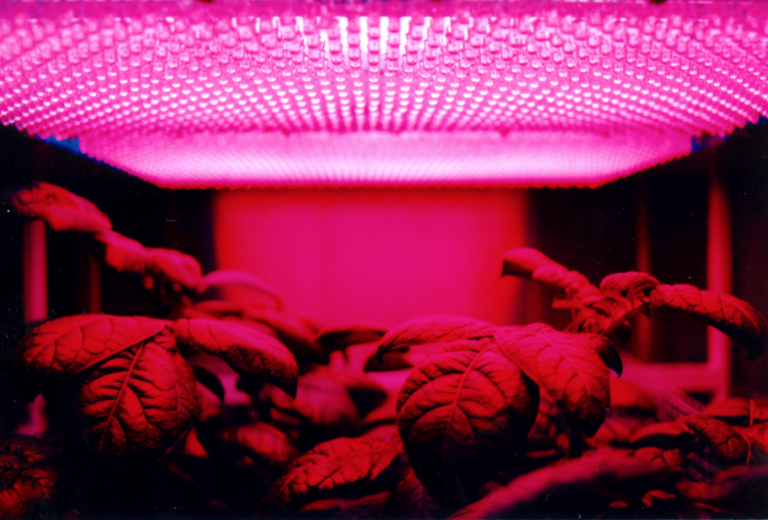
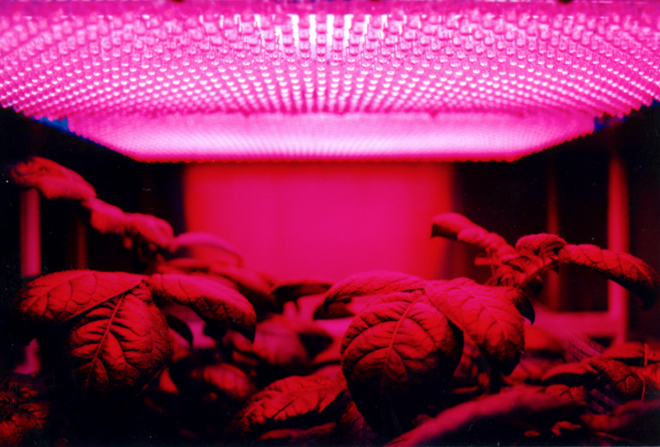
An excellent question! It was raised decades before. The use of light for biological purposes was questioned in 1993. NASA commissioned a company named QDI to research light therapy. After the company proved light could help plant growth in space, NASA awarded contracts to investigate the medical applications of light-emitting diodes (LED) and focused on how to transfer LED energy to human cells.

The research showed health benefits of a specific wavelength of red light: 660nm (nanometers). It helped to limit bone and muscle loss in astronauts. A few years later, the FDA approved Red Light Therapy for treating arthritis and joint pain. Today, it is used to treat other severe medical conditions as well.

Today, light therapy is used to get rid of eczema, stretch marks, and other health issues. It is used to help our muscles recover after a stressful workout. Honestly, there are many health benefits of Red Light.

Do LEDs make a Difference?

Yes, it eventually comes down to the energy that different light sources emit, and how they do it. The light bulb (made famous by Thomas Anderson) in the late 19th century was remarkable at that time. However, if compared to today’s standards, it’s obsolete because these bulbs only use 5% of the energy to light up. The other 95% goes to waste as heat.

Bulb Output

The output of a traditional bulb is 10 lumens per watt (1000 lumens per 100w). The output of fluorescent bulb is 65 lumens per watt. Their 360-degree distribution of light makes it look more vibrant. However, the net output is only 20-30 lumens per watt. Moreover, these bulbs contain mercury, and it is a safety hazard.

LED Output

LED lights deliver 100 lumens per wall. These lights don’t have UV rays or mercury. Moreover, these bulbs are tough and the lifetime of these bulbs is 25 times more of an incandescent bulb, and 2.5 time a fluorescent bulb.

LEDs do a better job at delivering specific wavelength and intensity of light. It helps to achieve a better cellular response.

Any Side Effects

Red Light Therapy is effective. It helps against many health issues. This therapy has created a rift among the internet community. However, only a few people talk about the potential side effects of this light therapy. It’s possible the therapy has some side effects, but none reported so far.

However, it will be better if you perform a skin sensitivity test before undergoing any light therapy device. Yes, it’s important because you don’t know how your body will react to this therapy. Most patients don’t have any reaction.

But you may develop irritation or redness. If you experience irritation or itchiness in the affected area, then you need to stop using light therapy for a while.

Treatment

Wait for the redness to disappear in a few days. Consult with your doctor If it doesn’t go away to keep it from getting worse. In case you are under medication, you better consult with your doctor before undergoing this therapy. Antibiotics and medicine can make you sensitive to red light. Therefore, seek professional advice.

Who Should Avoid It?

In case you have photosensitivity reactions, or are under any medication, or even expecting, you should avoid this therapy. Asks for your doctor’s approval if you get any bright ideas.

How Do These Side Effects Develop?

These side effects are a result of overheating of the muscles. Inappropriate use of infrared light can cause some of these effects. LED releases little heat where infrared produces high levels of thermal energy, some tissues are sensitive to an instant rise in temperature, and it puts you at risk of developing cataracts. Read more: are LED lights a health hazard?

Overheating the skin cells disrupts their ability to repair DNA. This may lead to mutations. So, take care and make sure you don’t burn your skin. Stick with what your doctor said.

Last Word

Red Therapy is useful; it helps you against several health issues. But, speak to your doctor before undergoing any therapy. It may have short-long term side effects depending on your skin and health.

Oman gives wild leg Arabian Tahr a new leg

0

arabian tahr, stuffed in a museum, via wikipedia

The first prosthetic leg replacement procedure for an Arabian Tahr has been carried out in Oman by an Omani veterinary team, the first such surgery successfully performed in the Arab World. The procedure is rarely attempted, particularly on a wild animal. 

arabian tar, leg replacement, oman

According to a statement released by the Oman News Agency, the veterinary team of the General Directorate of Veterinary Services at the Royal Court Affairs carried out the procedure on a wounded Tahr after its hind leg was severely fractured, causing irreparable damage to its tissue and blood supply.

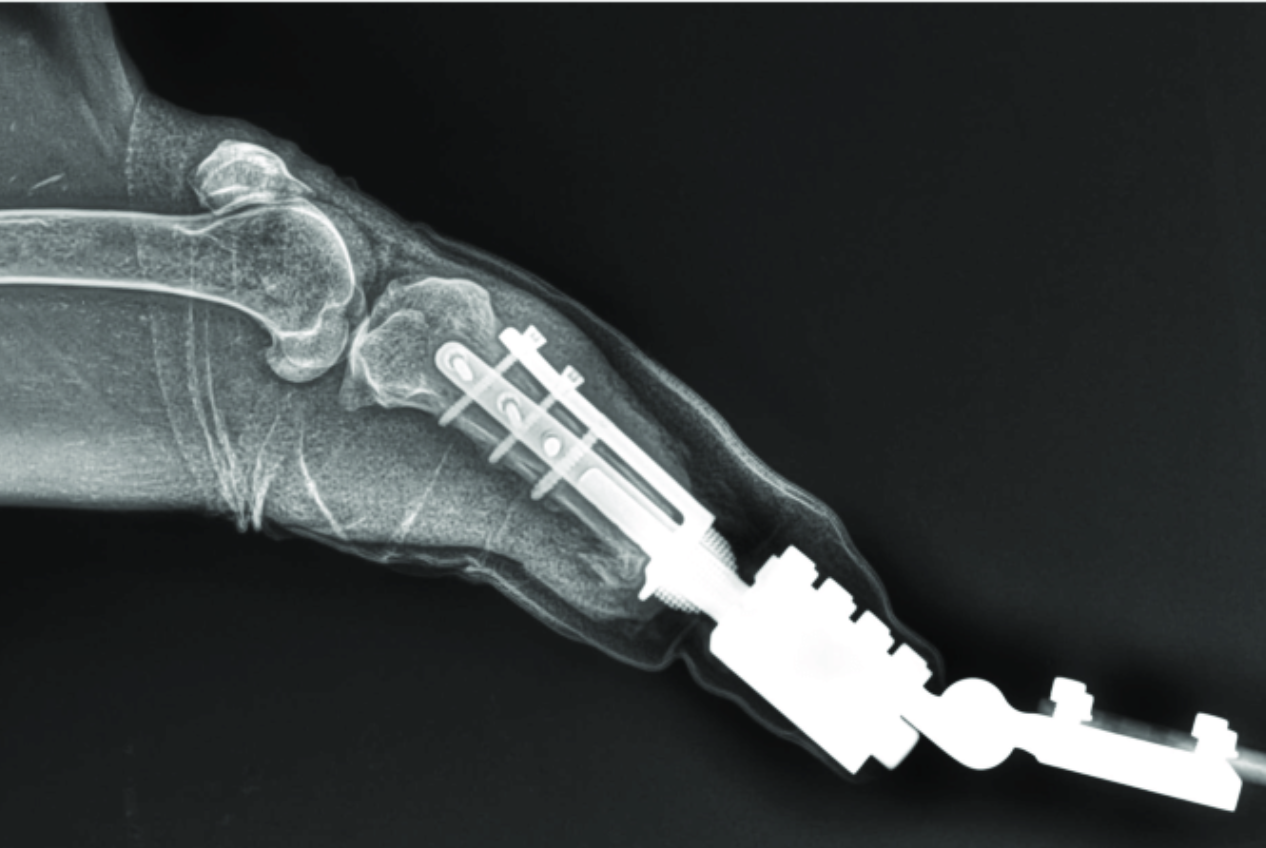
Following partial amputation, the animal was fitted with an artificial limb designed to be directly stabilised by remaining leg bone, which allowed for more efficient functionality over time, in the wild. 

Gentle herbivores, Tahrs live in small family groups of two or three animals. The species is diurnal, grazing in the early morning and late afternoon. Although it can survive long periods without drinking if good vegetation is available, in summer it will come down to drink every two or three days.

The Arabian Tahr is classified by the International Union for Conservation of Nature (IUCN) among its list of endangered animals. The entire world population of Arabian tahr – estimated at fewer than 5,000 animals – live in the mountains of northern Oman and the United Arab Emirates. While some populations may have increased through protection from hunting and poaching, overall it is likely that the species continues to decline.

Kudos to the dedicated doctors who have put their imprint on the survival of this species.

arabian tahr
How the prosthesis looks on the inside

If you are a wild animal veterinarian you might like to know how the procedure was done. Frontiers in Veterinary Science, released a report on how it was done.

Register for IRENA Innovation Week 2018!

0

IRENA Innovation Week is a three-day event that unites leading thinkers and policy makers to explore disruptive innovation aimed specifically at accelerating a transition to renewable energy. All members of the media – print, and digital – are invited to register to attend (and report on!) IRENA Innovation Week happening in Bonn, Germany from September 5 to 7.

The keto shaksuka recipe

1

Keto Chorizo ShakshukaI was introduced to shakshuka on my first trip to Jerusalem, when a young woman slapped a flyer in my hand promising the Best Traditional Israeli Breakfast for fewer shekels than I’d been dropping on coffee drinks. Shakshuka, a traditional dish claimed by Israel and North Africa (particularly Tunisia), features eggs poached in a flavorful sauce of tomatoes, chili peppers, and onions, commonly spiced with cumin, paprika and cayenne pepper. It was love at first bite.

It’s a one pan family-style dish that is easy to prepare using ingredients common to most kitchens, typically vegetarian, but often heavy on beans or potatoes. Those carb-laden veggies are hard to swallow if you’re following a fat-centric Keto Diet.

Enter Ruled Me, a website run by the self-published, researcher and author Craig Clarke, that is both an online community for people pursuing a Keto-based diet – and – a treasure trove of tips and recipes that help readers take control of their health and weight for managing on the keto diet.

Ruled Me offers a Keto version of Chorizo Shakshuka that puts a twist on the traditional by adding new Mexican flavors. It’s made with spicy chorizo sausage and tomatoes, simmered with chili powder and cumin, and topped with queso fresco and cilantro.

This dish makes a great addition to a brunch table but is also wonderful for lunch or dinner. Skip the typical sides of pita bread or toast,  and instead serve it with sliced avocado instead for a healthy filling meal full of protein, fat and flavor.

Ruled Me recipe follows:

Yields 6 servings of Chorizo Shakshuka

PREPARATION

  • 1 tablespoon coconut oil
  • 1 pound chorizo, ground
  • ½ cup onion, diced
  • 1 large red bell pepper, diced
  • 1 tablespoon garlic, minced
  • ½ tablespoon chili powder
  • ½ tablespoon ground cumin
  • ½ teaspoon black pepper
  • ¼ teaspoon salt*
  • 1 (28-ounce) can diced tomatoes, with juice
  • 6 large eggs
  • 2 ounces queso fresco, crumbled
  • ¼ cup cilantro, roughly chopped

*The saltiness of chorizo can vary. Start with ¼ teaspoon of salt and add additional to taste, if needed, after all the sauce ingredients are mixed.

EXECUTION

1. Melt coconut oil in a large cast iron skillet over medium heat. Add the chorizo and cook until crumbled, cooked through and browned, about 8 minutes. Remove the chorizo from the pan and set aside.

2. Add the diced onion and bell pepper to the hot pan and sauté until the onions are translucent and starting to soften, about 5 minutes. Add the minced garlic and spices and cook for an additional 1 to 2 minutes, stirring to combine.

3. Add back the cooked chorizo and diced tomatoes, with the juice. Bring the meat mixture to a simmer and let cook for 15 minutes or until the mixture is thick and the liquid is almost completely reduced.

4. Make 6 wells in the pan with the back of spoon (5 around the edges and one in the middle).

5. Crack one egg into each well.

Keto Chorizo Shakshuka

6. Cover and continue cooking until the egg whites are set and the yolks are cooked to the desired consistency. This should take about 6 minutes for a soft yolk and up to 10 minutes for a fully cooked yolk.

7. Remove the lid and sprinkle with crumbled queso fresco and chopped cilantro. Serve.

This makes a total of 6 servings of Chorizo Shakshuka. Each serving comes out to be 504.17 Calories, 38.86g Fats, 6.98g Net Carbs, and 29.19g Protein.

Uri Geller predicted it: An ancient, kosher natural soap factory found in Jaffa

Mentalist Uri Geller is building a museum in the world’s most ancient port city, Jaffa. When they start digging, an ancient olive soap factory is unearthed. The impressive masbena – or soap-manufacturing factory – dates back to the nineteenth century was discovered along with several large underground chambers.



“Our work on the museum required, among other things, that we rewire the electricity in the ancient building,” Uri Geller recounts. “When the Electricity Company began working on the structure, in tandem with inspectors from the Israel Antiquities Authority, we were amazed to uncover a large chamber with moulded recesses. As the work proceeded, I noticed a pile of refuse on one side. I intuited that there was something hidden there. To the surprise of the Israel Antiquities Authority inspectors, an Exceptional find was revealed: a factory for making soap (masbaneh in Arabic, Masbena in Hebrew).”

The site was well preserved and included troughs for mixing raw materials for the soap, a large cauldron, a hearth, water cisterns and underground vaults that were used for storage.

The production of soap from olive oil in the Land of Israel is an industry that was recorded as far back as the tenth century. Soap became an important and lucrative product in Israel, starting out in the Middle Ages and continued as recently as the beginning of the last century. Some of the soap was sold locally, while a large share was destined for export to regions within the Ottoman Empire – mainly for the Egyptian market. Read more about the importance of olives here.

The production center was in Nablus, a town with abundant olive groves and where two traditional soap factories operate to this day. Soap was also manufactured on an industrial scale in Jaffa, Jerusalem, Gaza and Lod. In addition to this find, there is one other soap factory known of in Jaffa: the Damiani Family Masbena, which operated in a large vault beneath the Jaffa Museum. That factory, which was active until 1948, is closed to visitors today, but can be glimpsed from a vantage point on Mifratz Shlomo Street. It is interesting to note that both Jaffa soap factories have nearly identical equipment.

Look out for fake organic olive oil from Israel in this article here.

See soapmaking in Nablus today:

One of the explanations for the commercial success of the Land of Israel soap, compared to its European competitors, is in the raw material. European soap was made, inter alia, with pig fat – a substance shunned by Muslims and Jews – while in the Land of Israel other materials were used: The soap’s core ingredient was “kosher” olive fat, and to this was added soda ash derived from potash-rich saltwort plants, water and lime.

Artisans would oversee the apportioning, preparation and mixing of the ingredients, all of which culminated in them being cooked in large vats or cauldrons for seven to 10 days. Next, the liquid soap would be poured onto special, lime-covered surfaces, where it would cool down and solidify for another 10 days until it could be cut into bars onto which the factory seal would be embossed. These would be stacked up and left to dry out for another two months. Only then could the soap be wrapped in paper for sale.

The soap factory utensils will be put on display at the Uri Geller Museum when it opens at 7 Mazal Arieh Street.

The Process of Swapping to Natural Deodorant

0

If you’ve ever switched from one personal care product brand to another, you know just how differently your body can react to a new product. From body lotions to makeup, sometimes making a product swap can be a big deal.

One of the products that you probably swap often is deodorant. With all of the new scents and added benefits, such as 24-hour protection hitting the store shelves, you’ve probably tried a wide range of deodorants to stay smelling good throughout the day.

But have you ever thought of switching from store bought deodorant brands to a natural deodorant? While switching between store brands is usually no big deal, making the switch to natural deodorant is a process. Read more here on sage advice about natural deodorants on Green Prophet.

Here’s what you need to know about transitioning from store bought to natural deodorant.

Reasons to Switch

For many people, if a product they use is working, there’s no need to swap it for something else. However, what most people don’t realize about deodorant is that most store bought brands are made with harmful ingredients. Some issues are relatively mild; such as irritated skin and redness, while other ingredients can cause serious health issues like an increased risk of cancer, hormonal disruption, and even Alzheimer’s disease.

After learning about the health risks that your deodorant may be causing, it only makes sense to switch to a healthier and safer alternative. But swapping out store brand deodorant with natural deodorant isn’t as simple as it may seem.

What to Expect

There’s truly a process behind switching to natural deodorant. There are some things you’ll want to know so that you aren’t freaking out and going back to a store brand deodorant before the new natural product starts to really work.

You Will Sweat

Despite what most deodorant brands advertise, sweating is not the enemy. In fact, your body sweats to remove toxins and other harmful chemicals in the body. While store bought deodorant uses ingredients to block the pores to prevent sweating, natural deodorant doesn’t.

Instead, natural deodorant allows your pores to open themselves, letting your body breathe and resume its natural process of removing toxic buildup that’s been kept in for years.

Once you make the switch, you will sweat. In fact, you may sweat even more as your body starts to get rid of the toxins and chemicals that have been building up over time. Typically in a few weeks, your body will normalize and you’ll find that you will sweat less.

This means you’ll need to be patient and stick with it, even if your pits are sweatier than ever before. If sweat becomes an issue, simply apply more deodorant. You can also try switching to an all-natural antiperspirant that uses natural ingredients to keep sweat at bay.

You Will Stink

The whole point of deodorant is to keep you from stinking, right? Just as you will sweat more after making the switch, you’ll also likely smell more than usual. Again, this is because your body is detoxing and getting rid of all of the harmful chemicals in your body. Be sure to steer away from deodorants that use chemically smelling scents like flowers, as you’ll just end up smelling like a stinky flower.

Instead, look for a natural deodorant that uses safe and effective odor-masking ingredients such as essential oils, baking soda, and coconut oil. These ingredients not only prevent odor but they keep bacteria at bay.

Give the natural deodorant a week or two to really start working. This gives your body enough time to finish detoxing and to get back to a normal healthy balance.

Skin Sensitivity

Depending on the ingredients used in the natural deodorant that you choose, you may find that your armpits are red and inflamed. Certain ingredients can also cause rashes and other skin irritation. Baking soda is typically the culprit behind these skin issues as many natural brands use it to keep pit odor at bay.

To reduce skin sensitivity, switch to a natural deodorant that uses less baking soda, or find one that doesn’t use the ingredient at all. This way you can avoid having irritated skin while also keeping armpit stink away.

When applying natural deodorant, try dabbing it on versus rubbing it. The motion of rubbing the deodorant against your skin can cause even more irritation. It’s also important to avoid putting on too much at once.

Conclusion

Switching to natural deodorant may take a few weeks, but at the end of the process, it will be well worth it. There’s no better feeling than knowing you aren’t applying harmful ingredients to your skin on a daily basis.

Was this article helpful and informative? Leave us a comment with your thoughts in the section below.

Monsanto to pay $289 MIL in damages to cancer victim

0

The first trial on whether the world’s most widely used herbicide causes cancer ended this past week with a California jury’s award of USD$289 million in damages to a former school groundskeeper diagnosed with a lethal cancer linked to a Monsanto-produced weed-killer.

Egypt to begin building nuclear reactor in 2020

0

Construction of Egypt’s first nuclear power plant will begin in the next two to two-and-a-half years. A statement released by a spokesman for the Energy and Electricity Ministry declared that the 4,800 megawatt (MW) capacity plant – to built by Russia – aims to be operational by 2026.

Dress made from a refugee tent steals London fashion show

0

dress from refugee tentBritish designer and humanitarian Helen Storey believes that fashion is an excellent vehicle to connect people to ­difficult subject matters. Last week, she sent a dress crafted from a former refugee tent down the runway at the Jumeirah Carlton Tower hotel in Knightsbridge. It captured everyone’s attention, and put a spotlight on climate change and its human impact.

Champagne Production Threatened In Climate Change

0

The world has been feeling the effects of global warming on food crops for a couple of decades already. Wheat and corn harvests are diminishing all over the planet, due to extreme weather changes and pests that thrive in heat. Laurie Balbo showed us some grim predictions about the future of our daily drug of choice: coffee. But how about…champagne?

Elin McCoy reports from France to Bloomberg that winemakers in France’s Champagne country are worried about damage that longer, warmer days and nights are inflicting on their grapes. Vines are budding early, which makes the buds vulnerable to destructive spring frosts and hail. New insect and fungal infestations threaten the health of the vines. Equally worrisome, the fruit matures early, with loss of the precious acidity that creates the characteristic crisp, fresh taste of champagne.

How are the Champagne winemakers coping?

Some are working with the wines themselves, storing new vintages in magnum bottles (which hold 1.5 liters, as opposed to the standard .75 ml. bottle) to conserve fresh flavor. Or not allowing the wine to undergo a second fermentation in the barrel, which some winemakers allow, but which “softens” the appreciated fresh flavor edge.

And some are working in the vineyards with biodynamic methods such as mulching the soil with straw to encourage native micro-organisms. These  microbial flora living on the vines influence many of the grapes’ characteristics, including size, color, and flavor. Some Champagne farmers are pruning the vines less drastically, to create a leafier, more favorable micro-climate for the grapes. Those using the biodynamic farming methods of Rudolph Steiner are seeing improved pest, weed, and disease control, as well as greater resistance to heat.

The French National Institute for Agricultural Research, with the Comité Interprofessionnel du vin de Champagne (the government organisation controlling champagne production and trade) are growing experimental hybrid grapes with stronger heat resistance and the sought-after acidity. It’s not yet known how well wines from the new grapes will age. As champagne, according to regulations, must age between 1.5 -3 years in the bottle, it may take a considerable length of time to find out.

With France’s efforts, there’s hope that legitimate Champagne wines will still be around in coming years. But if you’re counting on popping corks of the real thing later on, it’s well to stock up, now.

: Bloomberg


Exploring Prague and Berlin by Train

0

Are you planning on traveling to Europe but you are not sure of the places to visit? Also, do you wish to explore different places within one trip but have no idea how to move from one to the next? Worry not. Traveling from Prague to Berlin is the best way to make good use of your travel time and money. You can be assured that you will have the best time and experience. These two capital cities are known for being the most appealing tourist attraction destinations in Europe.

Prague is the home to magical places such as Vltava River, Charles Bridge, Prague castle, the old town square and Prague National theater just to mention a few. Berlin, on the other hand, is filled with adventurous activities, foods and drinks, amazing nightlife, walk and bike tours, cruises tours and theme parks among others.

While there are many ways to move from one of the state to the next, taking a train is the most recommendable and convenient means. The trains are loved for being luxurious and comfortable. The journey between Prague and Berlin takes approximately 4 hours and 40 minutes by train. Fortunately, there is a direct connection between the two places. Every day, there are six train departures from the central station in Prague. The fastest train takes 4 hours 29 minutes but it is advisable for you to check the schedule before booking your ticket. The ticket prices are best if you book your ticket in advance and it is best when done online. The tickets are very affordable too.

Prague to Berlin

The fast train from Prague to Berlin departs from Wilsonova 8 station, located in Prague, Czechia and arrives at Hauptbahnhof, Europaplatz 1 located in Berlin, Germany. The best way to travel from Prague to Berlin is by high-speed Railjet trains. The journey takes 4 and a half hours. The cheapest ticket goes for $61. The earliest train departure is at 7.28 while the latest is at 17.28. It is advisable for you to check the Prague to Berlin train schedule and price before booking to ensure that you book the one that suits your travel schedule and budget.

Berlin to Prague Train

The Berlin to Prague train departs from Hauptbahnhof station in Berlin, Germany and arrives at Wilsonova 8, 110 00, Prague, Czechia. You will get an opportunity to explore the two republics by choosing the direct high-speed trains operated by Railjet. The journey takes about 4 to 5 hours. There are about 6 train departures depending on the day of the week. It is, therefore, best if you check in to see the Berlin to Prague train timetable before booking. The cheapest ticket goes for $62. The earliest train departs at 08:16 while the latest departs at 18:16. The fastest train takes 4 hours 19 minutes while the longest journey takes the same time.

It is time to explore Europe. Forget work and other overwhelming stress that the world has to offer. Plan for a weekend or holiday getaway in Germany and Czech Republic today and enjoy all the goodness of these capital cities.

Oldest Known Bread Discovered In Jordan

1

Fancy some fresh bread, right out of the fire pit? It was fresh…14,400 years ago.


Until recently, it was thought that the earliest bread, discovered in the 9,500-year-old settlement of Çatalhöyük, Turkey, was the product of Neolithic grain farming. But charred crumbs discovered in northeast Jordan reveal that Paleolithic hunter-gatherers in this region ate bread about 5,000 years before the Çatalhöyük bread was baked.

A team of archaeologists led by Dr. Amaia Arranz-Otaegu from the University of Copenhagen uncovered two fire pits in  Shubayqa 1, a Natufian site located in northeastern Jordan. The Natufians were Paleolithic communities who settled around the eastern Mediterranean. They are considered the ancestors of the first Neolithic farmer-settlers. Sickles found in Natufian sites prove that although they didn’t grow grains, they harvested the local wild cereals, probably wheat, barley, oats and rye.

The basalt-stone Shubayqa 1 fire pits yielded crumbs of bread left just as they they fell from flatbreads baked before the community abandoned the site. Radiocarbon analysis dates the charred crumbs to about 14,400 years ago, five millennia before people thought of clearing land to raise crops.

Results from the study of the findings were published in Proceedings of the National Academy of Sciences of the United States of America.

Dr. Arranz-Otaegu states in the study, “Our results suggest the use of the wild ancestors of domesticated cereals (e.g. wild einkorn) and club-rush tubers to produce flat bread-like products. Cereal-based meals such as bread probably become staples when Neolithic farmers started to rely on the cultivation of domesticated cereal species for their subsistence.”

Tobias Richter, an associate professor at the University of Copenhagen and a co-author of the study, said in an interview with Gizmodo that the findings yielded some surprises.

“First, that bread predates the advent of agriculture and farming—it was always thought that it was the other way round. Second, that the bread was of high quality, since it was made using quite fine flour. We didn’t expect to find such high-quality flour this early on in human history. Third, the hunter-gatherer bread we have does not only contain flour from wild barley, wheat and oats, but also from tubers, namely tubers from water plants (sedges). The bread was therefore more of a multi-grain-tuber bread, rather than a white loaf.”

The tubers that Richter refers to had to be hauled out of the sea or a tidal river, peeled, dried in the sun, then pounded to a powder. The tuber flour was then mixed with cereal flours to make a nutritious, high-calorie bread. Arranz-Otaegu and a colleague replicated the process with a grinding stone.

You can see that a flatbread loaf represented a lot of Natufian elbow grease.

The electron microscope images that Arranz-Otaegu obtained from the bread show a light, airy crumb riddled with tiny holes – just the kind of crumb artisan bakers strive to achieve today.

Was Natufian bread yeasted? No one is venturing to say. Arranz-Otaegu says that it probably resembled a tortilla, or maybe matzah. This writer would like to think that if the Natufians were clever enough to produce bread, they were clever enough to know the action of wild yeasts on dough and, who knows? maybe baked sourdough pitas.

Oldest known bread

:: Gizmodo

Photo credits: Alexis Pantos.

Scanning electron microscope images of bread-like remains from Shubayqa 1: Amaia Arranz-Otaegui et al.