Home Blog Page 200

4 Ways to Pay for a Vacation Home

0

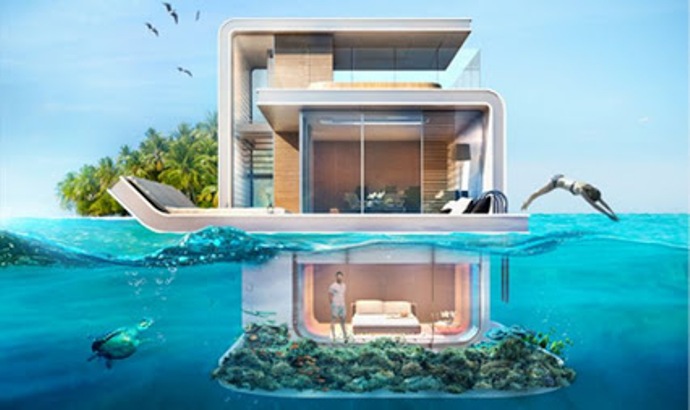
floating seashorse villa

Many people feel that owning a vacation home is out of their reach. That a vacation home is just a luxury reserved for the super wealthy or as part of an inheritance. But the fact is, there are many ways to pay for a vacation home you may not have thought of. In fact, there has been a huge increase in the number of people buying second homes in the last few years. This is probably because of the low interest rates and strong housing market available today. In fact, there has never been a better time to invest. So, If owning your own vacation home is something you’ve ever wanted, check out some of these ways you can easily make it a reality.

Mortgage your home

Instead of trying to qualify for a second home loan, a mortgage on your primary residence may be a better option. The reason for this is that taking out a loan on a vacation home usually requires a larger down payment. It also sometimes comes with higher interest rates. But you might get a better deal using a second mortgage, cash-out refinance, or home equity loan.

Another good option is a reverse mortgage. If you are over the age of 62 and have a lot of equity in your primary residence, you may be eligible for reverse mortgage. This is a way to get the bank to pay you monthly installments for your home as long as you live there. It is basically taking out a loan on your home that is paid monthly instead of in one lump sum. And it often saves you thousands in interest. Your lender will help you calculate your reverse mortgage benefits to see if this is the best choice for you.

Team up with friends

If you’d rather pay a small sum upfront for a vacation home, why not team up with other couples who have the same dream? You can set it up on a calendar like a timeshare so that you each have your time set aside there. Or you can simply agree to check in with one another when you think you’d like to go. This can be a very amicable agreement as long as everyone does their part.

Rent it out

The new trend for vacationing is finding properties on sites like Airbnb and VRBO. These sites allow you to list a home or a spare room for rent for amounts and dates you specify. Depending on how much you’re able to charge, you could even end up profiting from the venture. One example of someone likely making a profit is a loft apartment in Soho that rents for $1,450 a night. But even if you own a lake cabin you can rent for $200 a night while you’re not using it, chances are you can at least pay the mortgage on it.

Another way to rent your property out to pay for it is by simply renting it out as a residence. This may seem like it defeats the purpose. But consider renting it out for a few years when you first purchase it to pay the mortgage. Or if you want to enjoy it sooner, just lease it out for a year to help cover a portion of what you paid. Just be careful who you allow to live in your home by finding a good tenant screening service ahead of time.  

Workamping

Workamping is a relatively new term that typically applies to RVers who pick up work on the road, but that doesn’t mean you can’t do some form of it while on vacation. There are many sites that list temporary jobs in remote areas that pay decent wages. Some pay by offering room and board. You can keep your eye out for the ones that offer a paycheck. Some examples might be maintenance at a nearby campground, or you might find a job cooking for a church camp for a few weeks. You might even be able to ask around for mowing jobs in the vicinity of your vacation home while you’re there. The possibilities are endless!

Vacation homes are not exclusive to the super wealthy. Keep these tips in mind and you’ll be able to enjoy your very own vacation home in the spot of your choosing.


Top 5 Luxury Hotels in Riyadh

0

Riyadh is the capital of Saudi Arabia. It is one of the most modern and contemporary cities in the Kingdom. The city has a high volume of travellers passing through it, both for business and leisure. Being the torchbearer of contemporary luxury in the Kingdom of Saudi Arabia, the hospitality of the hotels in the city must be up to par. Here are the top 5 luxury hotels in Riyadh which are living up to the standards of luxury Arabian hospitality:

  1. Shaza Riyadh:

Shaza Riyadh is an oasis of luxury in the middle of the Saudi Arabian capital. Located on the crossroads of modernity and tradition, Shaza Riyadh stays true to its spirit and redefines luxury in the city. Shaza hotels are a testament to the possibility of reawakening the glorious past, heritage and traditions and fusing them successfully with the modern times of today. Shaza’s vision remains rooted in the ancient times of the Silk trade route and the caravans that travelled along it, in search of an oasis of comfort for some rest before they continued their journey. True to that spirit, Shaza Riyadh provides guests with the epitome of luxury in a contemporary experience which is not to be forgotten soon.

Striking in its use of open sunlit spaces, sophisticated patterns and rich designs, the hotel is opulent from the very first sight. The staff is friendly and indulging to the guests’ every whim. The all-day-dining restaurant MeNa offers guests the decadent experience of North African and Middle Eastern cuisines, and the Bistro offers ready-to-go locally sourced and prepared food for guests on the move. Shaza Riyadh exudes luxury through its living quarters. The living quarters are elegantly furnished using muted hues and furnishings which are pleasing to the mind and comfortable for the body. The hotel offers deluxe rooms and one- to three-bedroom suites with all-inclusive amenities such as flat-screen TVs, free Wi-Fi, kitchenettes, toiletries and vanity gadgets.

The Afiya Wellness Centre takes care of the day’s ills and troubles with their therapeutic spa services, while the kids enjoy themselves at the on-site Kids’ Club nearby. There is also a fully equipped gym and heated indoor pool for fitness enthusiasts. The business centre and meeting rooms ensure guests can conduct their business in comfort. Shaza Riyadh takes care of every aspect of its guests’ needs and leaves them delighted and wanting to come back for more.

  1. Ritz-Carlton, Riyadh:

Surrounded by ancient olive trees, beautiful gardens and palm trees that speak of the hospitable Arabian heritage, the Ritz-Carlton Riyadh is a majestic place. Entering the lobby, one is overtaken by the regal décor and spacious surroundings. With 492 rooms and suites fit to house a king, the Ritz-Carlton Riyadh offers luxurious living fit for a five-star hotel. The rooms are elegantly decorated with plush furnishings and indulgent amenities. The hotel also offers incomparable accommodation by way of the Royal Suite, which houses two bedrooms, a dining table with a capacity of 14 guests and a personal office to take care of business. Talk about luxury!

The dining options on offer are a mix of Italian, Chinese and Middle Eastern cuisines. The restaurants on-site include all-day dining, international and local cuisine, a cigar lounge, a bowling alley and mouth-watering Arabian desserts. The hotel also offers unique chef-led dining experiences and private dining. The spa is a sprawling luxurious facility which offers relaxing treatments to tired muscles after a long day of work or leisure. However, it only caters to males. There are separate fitness centres for males and females and each is fully equipped with state-of-the-art machinery and tools for the fitness enthusiasts. With 52 acres of lavish gardens and 62,000 sq. ft. of event space, the Ritz-Carlton lives up to its stellar reputation as a five-star luxury hotel in the middle of the Saudi Arabian capital.

  1. Four Seasons, Riyadh:

Located at Kingdom Centre, the Four Seasons Riyadh is a haven for business travellers and fans of city life. While other hotels may be situated a bit far from the city, the Four Seasons is strategically placed right in the middle of all the happenings around the vibrant city of Riyadh. The deluxe, premium and superior rooms offer unparalleled views of the city along with muted hues and calming décor. The five different categories of suites offer every luxurious comfort available to ensure guests have a memorable stay at the hotel. The indulgent 2-floor suite is also available to pamper guests to the fullest. Spread out over 22 floors, the living quarters are spacious, comfortable and luxurious. The Four Seasons also offers a unique luxury for the ladies: the Pearl Floor, which is dedicated entirely to women and offers exclusive amenities.

By way of dining, the three restaurants offer mouth-watering cuisine with their own twists. The Grill is a traditional Majlis-style setting which offers local cuisine, Elements is home to international cuisine prepared from the finest ingredients, and the Lobby Lounge is a place to relax and unwind with friends over snacks and beverages. The hotel also houses a spa which offers indulgent Royal Moroccan Hamam and hot stone massage treatments for the guests. Other amenities enjoyed by guests at the Four Seasons include an outdoor pool, outdoor sports courts, health club with steam room and sauna, business centre, kids’ activities and a number of spacious ballrooms for events and meetings.

  1. Al Mashreq Boutique Hotel, Riyadh:

A part of the Small Luxury Hotels of the World, the Al Mashreq Boutique hotel stands proudly near the Kingdom Centre in the middle of the city. The hotel, as the name suggests, is small but indulgent luxury is one of their main offerings. The living quarters offer views of the city or the lush interior gardens and are decorated in rich Arabian themes. Some rooms offer balconies as well. The furnishings are lavish and comfortable for the guests to enjoy a restful stay. Amenities include coffee stations, minibars, flat screen TVs, Wi-Fi and vanity kits.

The two restaurants, Ewaan and Al Mashrabiya, offer authentic Arabic cuisines with distinct flavours. Ewaan’s speciality is Moroccan food, while Al Mashrabiya offers Lebanese cuisine for the guests’ palates. The Tea Lounge is a great place to unwind with some sandwiches and light beverages. The spa indulges guests in traditional experiences such as the Moroccan Hamam to rejuvenate their spirits. There are also massage treatments for the guests. The gym has top-notch facilities including a trainer, sauna, steam room, jacuzzi and indoor pool. The business centre, meeting rooms and ballroom offer plenty of space to conduct business and host events.

Al Mashreq Boutique Hotel is the first of its kind in Saudi Arabia, providing personalized service and exuding charm and luxury in everything they do.

  1. Hyatt Regency Riyadh Olaya:

A combined business and leisure retreat, the Hyatt Regency Riyadh Olaya offers modern architecture with a mix of traditional hospitality to make the retreat worthwhile. Spread over 28 floors, the living quarters offer beautiful views of the vibrant city of Riyadh. Offering a wide variety of rooms and suites with varying views and amenities, each of the accommodations ensures a comfortable stay for the guests. The in-room amenities include flat-screen TVs, media hubs with phone docking stations, vanity gadgets, tea/coffee stations and touch panel controls for temperature and lighting.

The on-site restaurants offer two distinctly unique flavours from around the world. Guests can visit The Azure for Agean luxury dining or the 56th Avenue Diner for enjoying popular dished from around the USA in a more relaxed setting. With over 1000 metres of meeting spaces, events are popular at Hyatt Regency Riyadh Olaya. There are many natural attractions nearby, such as the National Museum of Saudi Arabia, Masmak Fort, and the Riyadh Zoo. Located in prime proximity to all kinds of entertainment for all ages, Hyatt Regency is a great choice for experiencing Arabian luxury both inside the hotel and out.

Have you ever experienced the indulgence at one of these hotels? Let us know!

5 Impactful Strategies for Communicating Sustainability Online

0

laptop sitting on a stump, conserve energy, use less, enjoy forest, nature bathing

People are searching for information about global warming online. Don’t believe me? Take a look at the “Global Warming” Google Trends page based on searches performed around the globe on the world’s most popular search engine.

It’s our responsibility to get better at communicating the things that matter most to building a sustainable future for our planet. In this article I’ll highlight a few ways I’ve improved my digital pitch to those looking to become informed and take action.

1.   Start with a content calendar.

This might seem basic, but you’d be surprised at how many content producers fail to organize their thoughts. A content calendar helps you zero in on the things that you’d like to communicate. And it helps your audience absorb what you’re sharing with them.

Get focused around making an impact with your message. A content calendar is a great first step.

2.   Treat every digital channel like an individual.

Too many people try to copy and paste their message across social media platforms. This is lazy and ineffective. If I see the same content on Facebook that I’m seeing on Twitter, why am I going to follow you on both?

girl_elearning_with_laptop

And don’t be afraid to respond QUICKLY to direct messages. 83% of Twitter users reported feeling better about a brand / individual after sending them a message and receiving a quick response.

If we want to get the message out, we need to put a tad more effort into unique content distribution.

3.   Use impressive stats to hammer your points home.

Data is impactful. It’s the digital equivalent of: “Actions speak louder than words.” We’re on a mission to communicate the importance of sustainable living. But getting people excited is only half the battle. Stats lead to action in the reader. Bite-sized stats can even arm the reader to become an evangelist about your message – leading to a ripple of good.

4.   Demonstrate with killer explainer videos.

The written-word is powerful, but video is becoming the preferred method for engaging people online. If you’re nervous about stepping out from behind your content, record your screen instead. An explainer video allows you to show content in a narrated short that communicates important information.

Depending on the content, I like to embed explainer videos that accompany key points in the content – this really helps me land important messages.

5.   We can raise awareness without judging.

This last point is perhaps the most important. When I started creating content, I was in the habit of calling out organizations that were harming the environment. This proved to be less effective than I thought it would be. Instead, I’ve focused on providing green tools and insights to people that want to become a force for good.

When you align your content with the goodwill of others, instead of casting blame on bad actors, you’ll achieve a more desired impact on delivering a sustainable future. We need to be mindful of how we get the message out.

I hope my insights have helped you!

Can Robots and Artificial Intelligence Save the Planet?

0

forest bathing, woman hipster contemplating nature in dark green forest

Artificial Intelligence (AI) and robots are no longer vague terms used to describe futuristic technology. It is no news how AI has benefited various industries, such as finance, healthcare and especially manufacturing, but in recent years, it has done much more than assisting humans at their everyday job. AI and robotics can play a major role in environmental projects, such as preserving wildlife and fighting climate change, developing a better life for humans altogether. Environmental projects are not taking the spotlight from other popular fields, such as financial technology, where new artificial intelligence-based projects are developing at a rapid pace, but they are starting to benefit more and more from the existence of such technology.

For many years now, human employees have felt threatened by AI and robots coming to replace them, although a 2018 study of 1,500 companies proved that humans and machines working together has led to significant performance improvements in said enterprises. But how is the new era of technology really helping the world we live in and, moreover, how much of a role can it play in restoring the planet’s health?

The Positive Impact of AI on Land

Whit the help of artificial intelligence, farming processes can be optimized and transformed to become safer for both Earth and human life. Machine learning and robotics can be used to interact directly with crops, analyzing their state and using the information to determine the best time to plant, water, spray and harvest them, reducing fertilizers and pesticides usage. This will increase efficiency and lead to more eco-friendly crops. These processes can be extended to more than farming and can help monitor and protect all sorts of ecosystems and habitats around the globe. By using AI-empowered drones, environmental researchers can monitor endangered areas, identify species and track animal migration.

While they can not be prevented, natural disasters can also be better understood and contained with the help of AI. For example, massive amount of data regarding hurricanes has, for a long time, been collected and stocked, but without suitable technology, it could not be processed to reveal valuable information regarding climate modeling.

In recent years, the use of machines has evolved past the robot assembly lines. Various projects have surfaced in recent years, utilizing robots to repopulate forests that have been affected by human hand or natural disasters. Robots can plant trees ten times faster than a human hand, helping forests recover from damage and making cities a much greener and healthier environment.

Fighting Air Pollution

Monitoring air pollution has been a challenge that environmental researchers have faced throughout the years. Environmental organizations and governments can use technology to identify air pollution sources and implement precaution measures. By using smart sensors that are equipped with machine learning techniques, they can detect gas breaches and other air polluting sources.

Besides analyzing and monitoring air pollution, AI can help reduce it altogether. Take for example transportation, where studies have shown that autonomous cars can reduce oil consumption by 4% over the next 10 years. This increases the possibility of autonomous public transportation, with dynamic bus routing, leading to fewer vehicles on the road. Smart traffic lights can also improve traffic flow, thus reducing driving time and carbon print.

In order to reduce pollution, society’s dependency on fossil fuels has to decrease. AI can help make sustainable energy technology, such as solar panels and wind turbines, more efficient. Smart meters can be used to give energy providers a better understanding of the usage of energy and help them make adjustments for better efficiency.

Using AI to Make Waters Healthier

If one were to use the Earth’s water as an indicator of the planet’s health, the results would turn out to be quite alarming. According to recent studies, one truck of garbage is dumped into the ocean every minute and it has to stop. Fortunately, AI has already come to the rescue, helping with the deconstruction of the Great Pacific Garbage Patch. The Ocean Cleanup Project is an autonomous “garbage truck” powered by artificial intelligence that collects garbage faster and more cost effective than conventional methods can. Machine learning is also making it possible to monitor marine life and understand and prevent the endangering impact of human actions, such as industrial activity and illegal fishing.

In 2013, reports showed that only 15% of the ocean floor has been mapped. With the need to discover more about what lies underneath Earth’s blue blanket, the development of diving bots comes as no surprise. Computer scientists developed a humanoid diving robot able to travel to areas that are too deep and dangerous for humans to collect samples that are vital for a better understanding of marine life.

But collecting data and doing research is not the only way robots are helping the oceans. A tuna-shaped robot that blends in with the marine life and acts as a real fish was developed to keep an eye on vessels, piers and harbors. The robot is used to detect illegal goods that are often stored in the body of ships and can otherwise pass by undetected.

Taming the Urban Jungle

Saving the planet doesn’t only mean rebuilding the flora and fauna. It also means developing new ways to help humans consume fewer resources and reduce their impact on the environment. More and more people have developed a habit in recycling and the benefits are abounding. Recycling robots use AI to identify and sort items into designated bins, to make recycling more efficient. Humans don’t have to wonder if a certain item belongs to a blue or yellow bin. This also helps reducing human exposure to a toxic environment such as garbage dumps and sewers. Another robot, operated by a simple smartphone app is now used to study bacteria, viruses and chemicals found in manholes. Why do we need it? Well, in a scenario involving a flu virus outbreak, the sewers are the first to know. There is no need to expose the risk a human would be exposed to, when collecting and transporting recipients filled with sewage water.

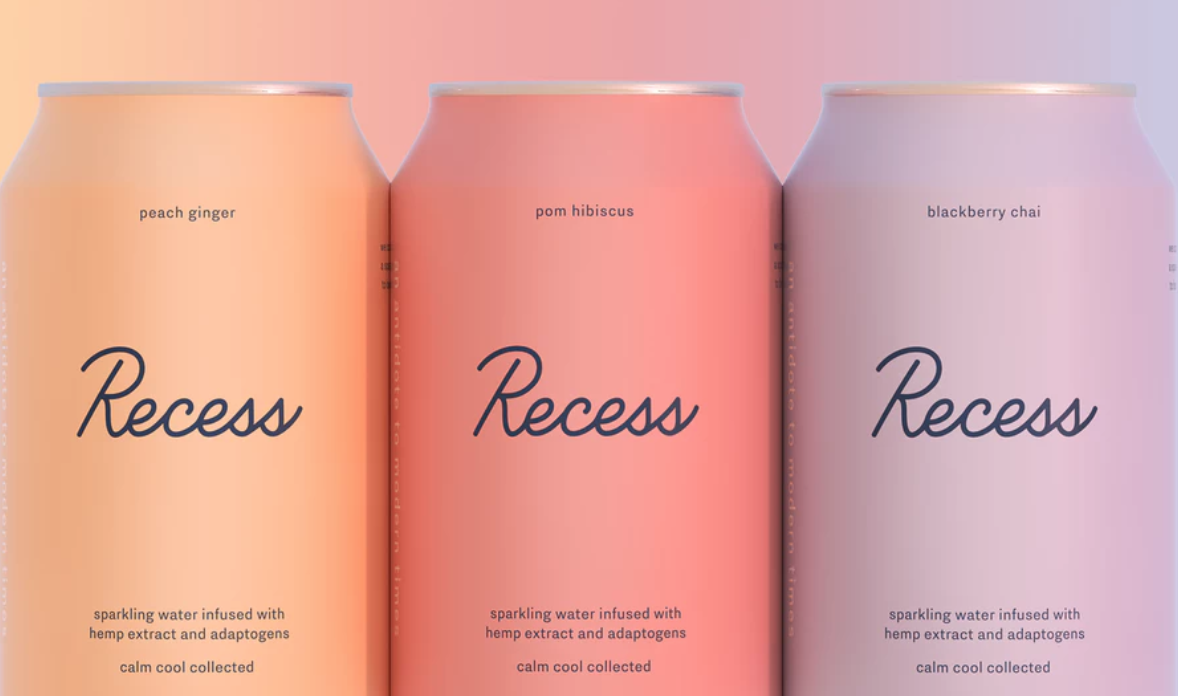
Want some CBD oil in your seltzer?

CBD oil

Energy drinks. You need to be under 30 or insane to drink soda like Red Bull. The truth is though that even with superfoods among us and wheatgrass juice and the outliers you can drink for your health, nothing, including spirulina has come anywhere close to mainstream. But a new trend that is starting to pick up interest may become the next caffeine.

There is a rumor circulating on the Internet that the last CEO of SodaStream Daniel Birnbaum that sold the company to Pepsi for a cool $3.2 billion is looking into cannabis-based extracts for soda. Those extracts might very well come through a company called Cannabit, based in Israel.

If you look online cannabis lifestyle products abound. They are obviously more common in the US states like California where cannabis is legal but consider Canada, where nationwide anyone can use cannabis for medicinal or recreational use above legal age.

CBD, the therapeutic and calming, but non-high inducing element of the cannabis plant might be the next “caffeine” we are all waiting for.

CBD may help reduce symptoms related to cancer and side effects related to cancer treatment, like nausea, vomiting, and pain.

But it can help maintain a healthy body too: It is possible to add CBD oil to food, and an increasing amount of new evidence finds that it may improve mental health, particularly anxiety. Health conscious people no longer want real caffeine as part of their diet but look to invigorating elixirs and health supplements that can lead to a healthier, fuller life.

Soda sales are falling so innovative companies and iconic brands like Coca Cola are looking for novel products that can intensify consumer interest. CBD the short work for cannabidiol, one of 80 or so molecules found in the cannabis plant, may the next big thing.

While you can smoke, vape, or take CBD oil under your tongue, some people enjoy it inside a candy, food or beverage. CBD is vastly different than THC, or tetrahydrocannabinol, the molecule in cannabis that appears to have great therapeutic results for some but for others creates psychotropic effects that are too extreme to manage and which might exacerbate some conditions such as anxiety or paranoia.

Experts we have spoken too like Dr. Alan Shackelford suggests that some combination of THC and CBD and others in the raw cannabis plant may play an important relationship together in healing us, but until more research is in, we say cheers to new soda drinks, and look forward to a new at homebrew, with a twist of CBD.


Fracking – Oil’s downside: Should governments invest in it?

0

fracking oil saudi arabia

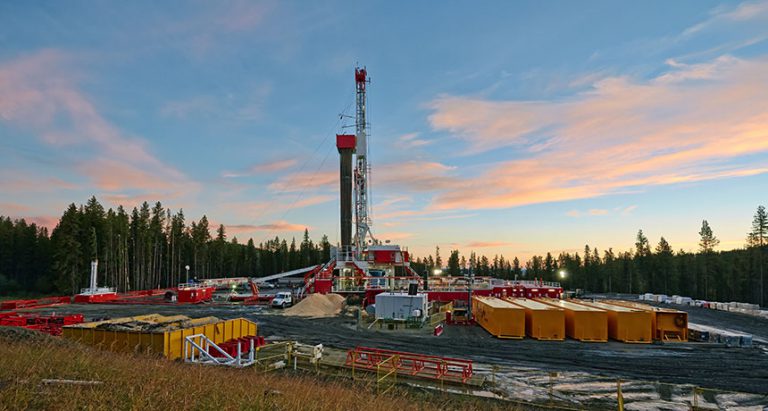
Oil and natural gas, as investment opportunities, have certainly had their share of publicity; both good and bad. This includes market analysis data to entice potential investors to consider investing or speculating in either oil and gas futures or in stocks and investment funds that include energy companies specializing in the exploration and production of oil and natural

Notwithstanding the environmental issues such as global warming and climate change being tied to the production and use of fossil fuels, gigantic oil spills such as the Exxon Valdez spill and Deepwater Horizon well blowout in the Gulf of Mexico have opened a “Pandora’s Box in regards to the downside of oil and natural gas. This is only part of the entire problem, however.

In many countries, particularly the USA, a controversial technique known as fracking is now being used extensively to bring oil and gas deposits out of shale and other underground geological formations. Fracking involves the use of inserting a high pressure mixture of water and chemicals into underground formations to free trapped oil and natural gas to the surface.

While more certain than “hit or miss” drilling into geological formations, fracking is much more environmentally damaging to underground, as it involves the use of large amounts of water that contributes to drought in the areas where the fracking is being done. The tremendous amount of pressure used as well as a continuous pounding force also results in disturbance of the subterranean formations,causing numerous “mini earthquakes”, as well as noise pollution above the surface. Fracking is also a costly production method involving the use of very specialized drilling rigs and equipment; and as a result is very much affected by the local and international market price of crude oil and natural gas.

Despite the costs and environmental concerns, fracking appears to be one of the most successful ways to bring up oil and natural gas deposits. Even oil producing countries in the Middle East have now begun to use this method  including Saudi Arabia, Bahrain and the UAE. The UAE is becoming so interested in using fracking that Abu Dhabi’s national oil company ADNOC has taken the lead by embarking on a big fracking project to extract natural gas its subterranean shale deposits.

Fracking in previous oil rich Mid East countries may be an indicator that their oil reserves available to be extracted by simply drilling into the earth may be now at a much lower level. With underground water reserves being a record lows, the large amount of water required for fracking will most likely have to come from desalination plants; resulting in even more expense as well as environmental damage.

With use of fossil fuels already top issues by environmentalists as being a prime cause of climate change and global warming, the added issues of fracking only confirms that investing in oil and even natural gas is not good for those really concerned with the future environment of planet earth.

More on oil and gas:

Should you consider investing in oil in 2019?

Golan Heights Slated for Oil and Gas Drilling…and Environmental Damage?

Gulf of Mexico Oil Spill Opens Pandora’s Box at Alberta Tar Sands

Sodastream chairman Birnbaum joins cannabis with Seedo

Daniel Birnbaum, invests in Seedo, Cannbit, was former CEO of Sodastream
Can Sodastream’s former CEO take cannabis to a billion dollar business? From a fizz to a buzz? Sodastream’s last CEO Daniel Birnbaum, the one who managed to seal a deal with PepsiCo and sell the Israeli business for $3.2 billion is now going into the cannabis growing business. Using the same “cartridge” or consumables approach where you pop in boxes of nutrients to grow plants (instead of sweet stuff to make soda), Birnbaum will now lead the grow box company Seedo into a mega-business in the US and beyond. That’s the hope.

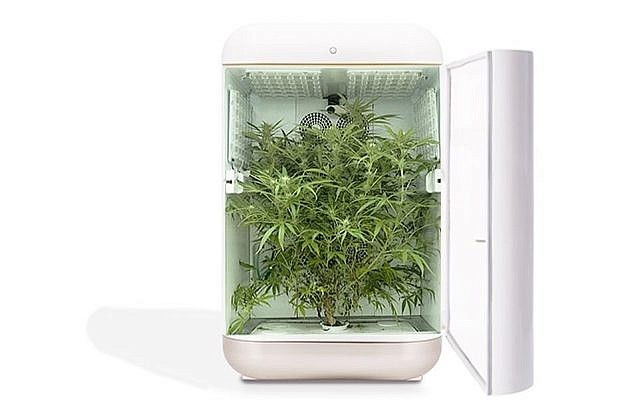
Seedo, listed in the US (OTC: SEDO), was founded in Haifa in 2013 under the name Enroll Grow Tech. It is one of the many companies from Israel, including flux, working to automate cannabis growing. Seedo has built an appliance that helps people with no experience growing anything, grow cannabis for their own personal supply.

seedo appliance, cannabis growing invested in by Daniel Birnbaum

Sodastream’s product is a home appliance that makes it easy for consumers to produce their own soda and carbonated beverages at home. Seedo aims to be the same kind of product that helps people effortlessly grow their own cannabis in places where it is legal.

There is a very interesting constellation of stars now forming around Birnbaum. Two weeks ago he also invested in the Israeli company Cannabit (TASE:CANNBIT-M), poised to export medicinal and recreational cannabis it will grow in Israel. The company listed on the Tel Aviv Stock Market, the TASE, has doubled in share price since Birnbaum’s investment was announced. The world-leading researcher in cannabis, Prof. Raphael Mechoulam’s joining the board as chairman may also have something to do with the sudden interest in the stock.

Birnbaum co-invested about $6.6 million in Cannabit along with Barak Rosen, the controlling shareholder of Israel Canada – according to Globes, a local Israeli business newspaper. This gives them a controlling share. One of the many rumors suggest that Birnbaum will apply his knowledge in the beverage market to create CBD (cannabis without the high) drinks using raw materials that Cannabit will supply.

Birnbaum not only joins as the chairman of Seedo, he also invested about $550,000 in the company. Seedo is a grow box technology that can help people and businesses automate cannabis growing. There are dozens if not hundreds of grow boxes now on the market. There is Grobo, Leaf, and in bigger sizes pod companies like Freight Farms and hundreds of companies that produce tents, lighting, controlling systems (Smartbee) and quite literally so many configurations of equipment that it is too early to say who will come out as the next Netflix or Amazon of growing technology.

Once when someone wanted to grow their own cannabis for smoking the THC Tetrahydrocannabinol or CBD Cannabidiol (there are an estimated 80+ molecules in the marijuana plant) people would build their own stealth-like growing chambers in closets where they could control lighting, humidity and well, steer clear of the authorities. This started as a means to grow cannabis illegal but growers soon realized that controlling multiple parameters such as lighting, nutrients and humidity could grow a superior product out of it.

In countries like Canada where hydroponics was pioneered, cannabis is now fully legal, recreationally and medicinally and in about half of all the States in the US, cannabis is legal in some format. In some states like California and Colorado it is fully legal, and in the remainder, cannabis is accessible if you have a permit from a doctor, which is usually easy to obtain.

Israel, many feel, is going towards full legalization.

The news that Birnbaum is moving into cannabis and medical marijuana only goes to show how the perception of cannabis use and growing is changing in the west. From soda to a business, which is still mired in some ways by seedy smoke lounges and head shops.

Medical marijuana now has chops in the medical world: Research in all manners of diseases and ailments is being performed in reputable labs (thanks to early pioneers like Israel’s Raphael Mechoulam who just joined the board of Cannabit) and new research papers are being published in journals around the world.

7 Researched-backed benefits of CBD oil

0

CBD cannabis oil for health, legal

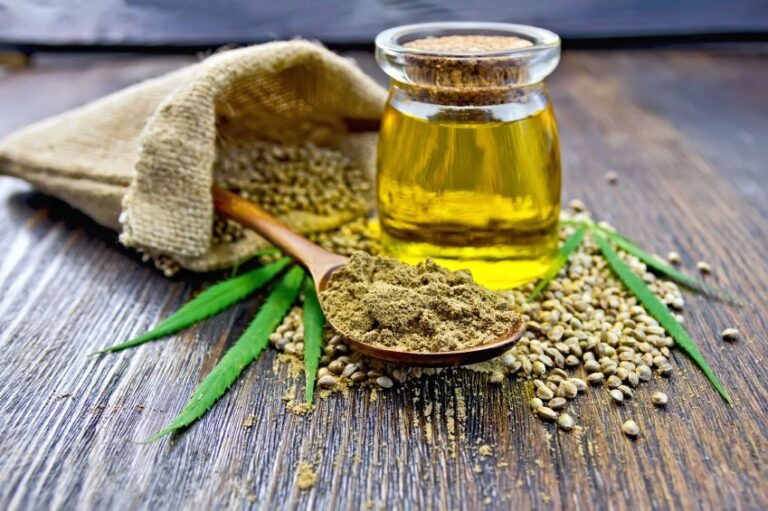
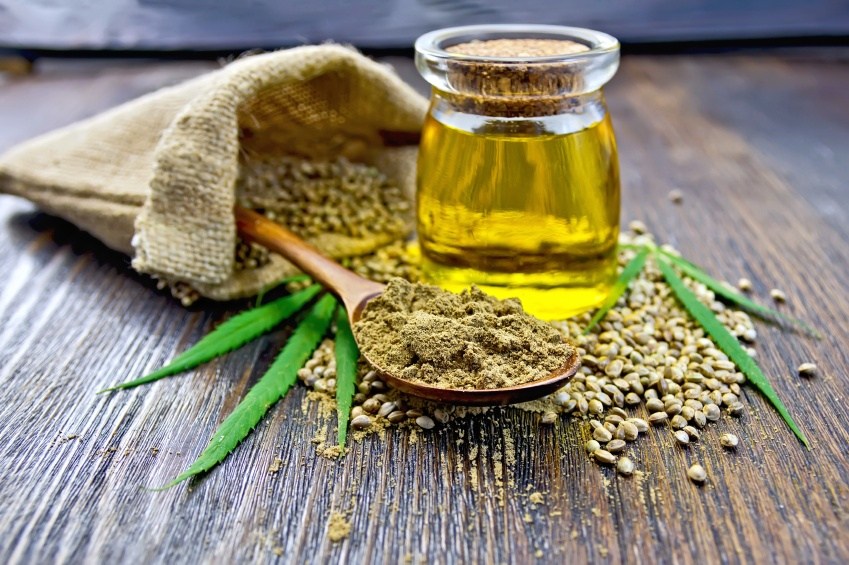
CBD oil is an organic product of the cannabis sativa or indica plant also known as medical marijuana. It is extracted from the hemp part of the plant and contains high concentrates of cannabinoids. The marijuana plant has two forms of chemical compounds; THC and CBD. But about 80 or so other molecules. CBD latter has been researched on and found to have numerous health benefits as compared to THC.

Marijuana users might feel addicted to THC because of the effects of the THC compound that causes one to have a “high” that alters the proper functioning of the mind. Research has shown that the cannabinoid compound in cannabis interacts with the CB1 (located in the brain) and CB2 (found in the immune system), receptors in the human body to increase their functioning.

Unlike THC use which may be addictive and illegal in most countries, cannabinoid products are natural and legal in most parts of the world.

Medical Benefits Of CBD Oils

While there are a few cases of side effects of people who have used cannabinoid oil, such as acute anxiety, loss of appetite and diarrhea, there are several medically proven advantages of using these products, the website CBDTrust mentions

  1. Treatment Of Epilepsy In Children

The FDA approved the use of CBD in the treatment of epileptic seizures in kids. The interaction of the compound with CB1 receptors in the human brain, which control body movement and pain, makes this treatment possible.

Most parents say that it works well on their children and heals.

  1. Cancer Treatment

Growth and spread of cancer cells have been proved to be suppressed by this oil due to its pain relieving nature and ability to enhance the functions of the CB2 receptors in the body’s immune system. It is also known to combat any tumors growing in the body cells returning them to their usual nature.

  1. Reducing Anxiety

Neuroscientists discovered that the cannabinoid compound in this oil reacts on the CB1 brain cells to deal with matters that involve thinking, emotions, moods, and memory. Persons with post-traumatic stress disorder, obsession or any other form of anxiety causing conditions can be effectively treated using these products. There isn’t a whole lot of science out there yet on dosing to treat anxiety so reach out to a 420 Expert Advisor.

  1. Type 1 Diabetes

The inflammation of the pancreas as a result of diabetes condition can be treated successfully using this CBD based medicines. Research shows that these products help lower blood sugars and, therefore, a patient uses less insulin.

  1. Helps To Stop Substance Use

For people seeking to quit the bad habit of cigarette smoking or the use of other drugs and alcohol addiction, it has been made easier by the availability of these cannabinoid- based products. They assist in reducing the craving of nicotine and the relapse of addiction characteristics.

  1. Treatment Of Skin Conditions

Certain beauty products contain this compound, and their research shows that they lower the production of sebum, heal wounds, treats eczema, itching, and acne. The anti-oxidant properties in the compound also help to reduce wrinkles and facial marks.

  1. Control Of Alzheimer’s

If diagnosed with the early stages of this condition, cannabinoid oil-based products have been proven to be of great help. They control its progression or any other behavioral signs of dementia by improving on the brains memory capacity.

Smoking of Marijuana is known to pose adverse health effects on the user, such as the risk of getting a stroke or heart attack, than the use of these THC free products. When looking for this natural oil, ensure that you get genuine products free from THC.

You have to figure out the products that are free from THC, GMO and carbon-dioxide and can be found online offering 100% organic oils, capsules, drops, and gels.

Final Line

Case studies on medical marijuana show that CBD lacks the euphoric content that causes people to have a high when they smoke the herb. Instead, it positively enhances biological processes in the body systems. For ages cannabis sativa has been used in the manufacture of medicines however, their use has been highly restricted for medicinal purposes only.

The discovery of the therapeutic value in the CBD compound is a significant milestone in the medical field with the great potential to offer breakthroughs in the treatment of acute diseases whose control has been stubborn for decades.

15 year study: Coal power plants create extreme rainfall

0

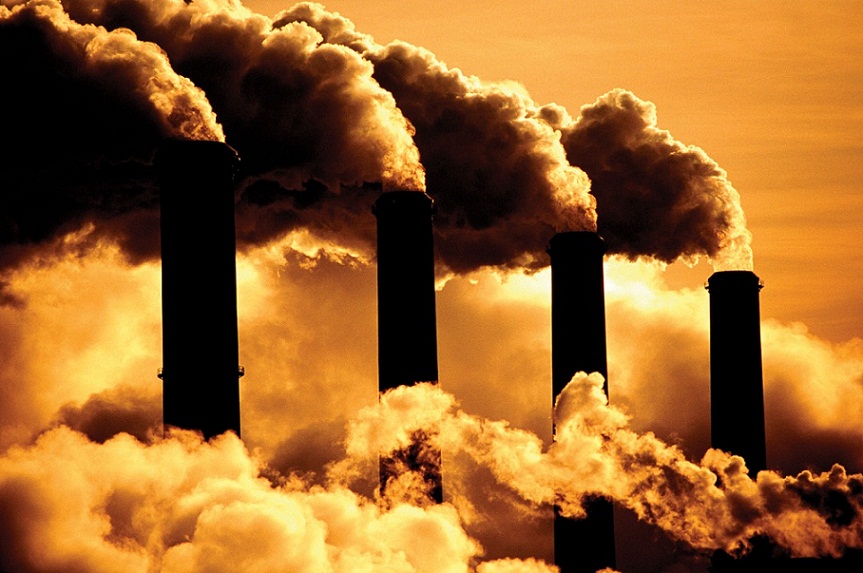
A 15-year study by researchers in South Australia and Germany mapped the source, journey and effect of ultrafine particles in the lower troposphere. It found that filtration systems on modern coal-fired power stations are the biggest individual source of ultrafine particles (UFPs) ahead of urban road traffic.

Results were gathered using ultralight research trikes and other small aircraft around the world, including Mongolia, Germany, Mexico, China and Australia. The flying laboratories are equipped with highly sensitive instruments and sensors measuring dust particles, trace gases, temperature, humidity, wind and energy balances.

The research aircraft followed the ultrafine particles for more than 1000km and could still identify from which power plant they originated.

The paper, published in the Bulletin of the American Meteorological Society, identifies ultrafine particles as particles smaller than 100 nanometres.

Although the pollution isn’t visible to the naked eye, and they don’t generate haze and are difficult to detect with optical equipment – these particles have been previously linked to respiratory issues.

The new research also links the ultrafine particles to weather disruptions such as a lack of rainfall near the power stations and increased rain intensity in pockets further away.

The study was led by Professor Jorg Hacker from the Adelaide-based Airborne Research Australia, which is affiliated with Flinders University in South Australia, and Professor Wolfgang Junkermann from the Karlsruhe Institute of Technology (KIT) in Germany.

Professor Hacker said when emitted, the miniscule particles could travel hundreds of kilometres and grow by coagulation and chemical processes. He said the ultrafine particles grew to sizes of about 40 nanometers after two to three hours of travel and became additional cloud condensation nuclei, which then leads to a much larger number of small cloud droplets to form than from natural processes.

“These cloud droplets are too small to fall out of the cloud immediately, whereas further away you can get very intense rainfalls,” he said.

“If you change the rainfall distribution, that is a dramatic effect. It changes the hydrology of the land.

“The effect is that you do not get less rain but the distribution is different. That means that there can be less rain close to the power station and more intense rain further away.”

Coal-fired power plants generate UFPs through a filtration system developed to combat sulphuric acid, also known as acid rain.

South Australia leads the nation in the uptake of wind energy and roof-top solar with renewable sources accounting for more than 50 per cent of the electricity generated in the state.

This followed the closure of two coal-fired power stations in recent years, which has forced up electricity prices and increased South Australia’s reliance on energy supplies from the eastern Australian states, particularly in times of peak demand.

The researchers tracked UFPs emitted from the Port Augusta coal-fired station in South Australia before it closed in 2016. They found ultrafine particles at elevated levels at Chinchilla in Queensland, which they were able to trace back to Port Augusta more than 1400km southwest.

“Although the Port Augusta particles had decreased to relatively low concentrations by then they were still clearly identifiable,” Professor Hacker said.

“When we then investigated the particle plume from the Kogan Creek powerplant about 20km upwind from Chinchilla, we looked at the instrument readout and said ‘well, we should really wear masks here’ because the particle concentration had shot up to 70, 80, 90 thousand particles per cubic centimetre.”

Specifically, in regions with conspicuous precipitation trends such as inland southwestern Australia and Queensland, the researchers found that UFP concentrations have increased constantly and could be linked to emissions made by coal-fired power stations and refineries.

Many parts of Australia are experiencing severe drought conditions at the moment while other areas, particularly along the east coast are being hit by heavy rainstorms.

Professor Hacker said coal-fired power stations should be modified to collect ultrafine particles but conceded that it would be very expensive to do so.

He said meteorologists should also take these emissions into account when predicting rain patterns.

“We are not saying all droughts are caused by ultrafine particles – that’s unrealistic,” Professor Hacker said.

“But there definitely is an influence, and there is a statistical increase of intense high rainfall along the Queensland coast.

“There must be some connection between them – the physics are clear.”

Can anti-freeze materials found in nature make stronger ice?

0

New research shows that some antifreeze proteins can do both

Antifreeze is life’s means of surviving in cold winters: Natural antifreeze proteins help fish, insects, plants and even bacteria live through low temperatures that should turn their liquid parts to deadly shards of ice. Strangely enough, in very cold conditions, the same proteins can also promote the growth of ice crystals.

This was the finding of experiments carried out in Israel and Germany using proteins taken from fish and beetles. The results of this study, recently published in The Journal of Physical Chemistry Letters, could have implications for understanding the basic processes of ice formation.

mating bugs beetles

Antifreeze proteins do not prevent ice from forming in the first place. They wrap themselves around tiny ice crystals – the nuclei that provide the “template” for growing larger ice crystals – and stop them from growing. Flour beetle larvae, for example, have such proteins on their outer shells, to keep away ice that could break their fragile skin.

The scientists wanted to compare the antifreeze proteins to natural proteins that can promote the growth of ice crystals. Some bacteria, for example, are known to grow sharp ice crystals that then split the skins of ripe tomatoes. Although it was believed that these two kinds of protein were very different, previous scientific studies suggested that they were more similar than thought.

The basic premise was based on the idea that antifreeze proteins have an active site that can bind to ice; and an ice binding site can support the formation of an initial ice nucleus that has the potential to grow into an ice crystal.  The problem was that, until now, there had been little way to truly isolate the actions of these biological molecules.

The present study was led by Prof. Thomas Koop of Bielefeld University in Germany, and, in collaboration with the group of Prof. Ido Braslavsky of the Hebrew University of Jerusalem and Prof. Yinon Rudich of the Weizmann Institute of Science. It was made possible by a device developed in the group of Prof. Yinon Rudich, which they dubbed WISDOM (Weizmann Supercooled Droplets Observation on a Microarray).

This microfluidic device has micron-sized channels and droplet traps that enabled the researchers to capture microdroplets of ultra-pure water on each chip. They then added carefully measured amounts of antifreeze proteins purified from flour beetle larvae or from a fish that lives in the arctic year-round.

Once the antifreeze proteins were added to the droplets, they were cooled to chilling temperatures. The water was still liquid, even though it had already been cooled to well below its normal freezing point (thus, supercooled), in part because it was lacking the impurities that normally make our water turn into ice cubes at 0 degrees. Ice thus formed in the samples only as the water temperature dropped below minus 30. This setup enabled the group to be sure that any ice-forming or -preventing activity was solely due to the actions of the proteins.

While in pure water microdroplets with nothing added, ice would begin to form at around 38.5 degrees below zero, in around half of the samples with antifreeze proteins, ice crystals began forming at a higher temperature – close to minus 34. In other words, at certain temperatures, which are extreme but not unknown on the planet, the antifreeze actually becomes pro-freeze, initiating the growth of ice crystals.

The group compared these findings to what is known about the natural proteins that promote the growth of ice crystals (ice-nucleating proteins, or INPs). INPs can efficiently form ice at higher temperatures than those in which the antifreeze proteins switched to ice production. The scientists posit that the main difference is in the size of the proteins – INPs are substantially larger. Thus this finding adds to our understanding of both ice formation and prevention. For Prof. Rudich, whose work focuses on atmosphere and climate, it may help shed light on the physical processes that affect cloud formation, in which proteins and other complex molecules have an impact on the development of ice crystals in clouds.

Prada-fish-leather-fashion

Antifreeze proteins like those in the fish are used today, among other things, to keep ice cream smooth and to keep outside surfaces frost-free. This study suggests that these proteins may have limitations, and could actually promote ice buildup when exposed to extremely cold temperatures such as those that hit the North American continent this year. INPs have their uses as well, for examples in ski resorts that want to extend their seasons, so this study on antifreeze proteins could even point to ways of creating better ice-forming ones.

Ancient wine exporting city “Elusa” unearthed in Israel

0

wine city elusa israel

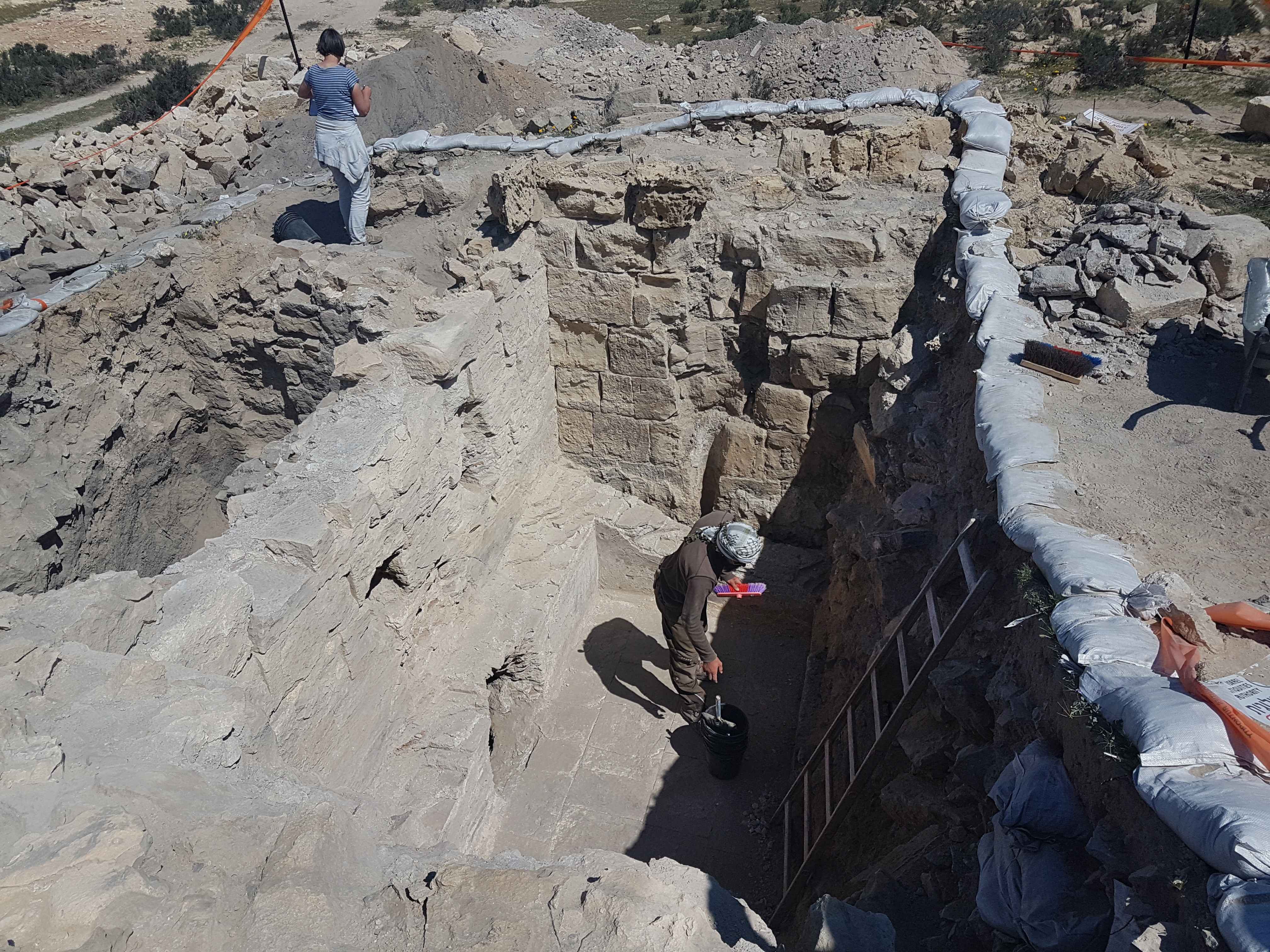
The discovery of the name of an ancient city in archaeological investigations is a relatively rare occurrence. The name of the wine-exporting city of Elusa is well-known from historical sources, however this is the first archaeological evidence of the name from the site itself.

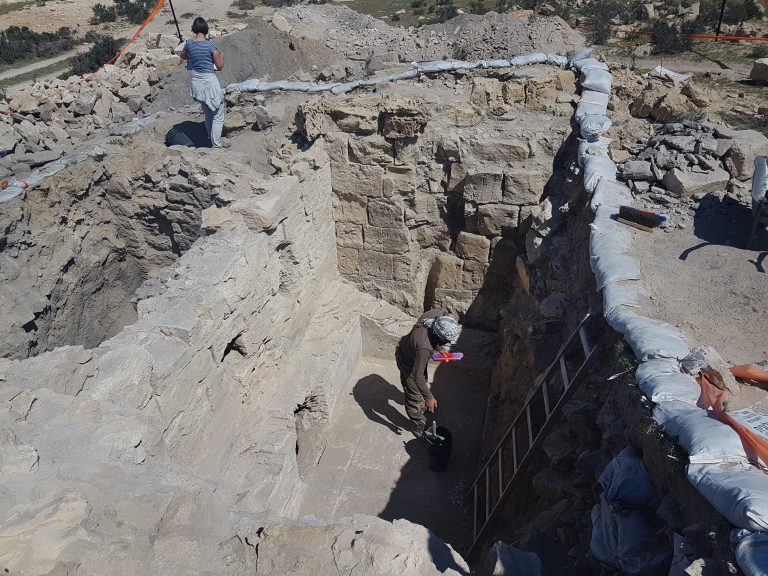
A 1700-year old stone bearing a Greek inscription referring to the name of the city of Elusa (Hebrew: Halutza) has been discovered in archaeological excavations in Halutza National Park in the Negev.

The excavations in the ancient city of Elusa are part of a project directed by Prof. Michael Heinzelmann on behalf of the University of Cologne in cooperation with Dr. Tali Erickson-Gini on behalf of the Israel Antiquities Authority. Students from the University of Cologne and the University of Bonn participated in three years of excavations, which are underwritten by the German-Israeli Foundation for Scientific Research and Development.

wine city elusa israel

The inscription is being studied by Prof. Leah Di Segni from the Hebrew University of Jerusalem. The discovery of an inscription with the name of the ancient city in the site itself is a rare occurrence.

The name of the city of Elusa appears in a number of historical documents and contexts, including the Madaba mosaic map, the Nessana papyri and other historical references. However, this is the first time that the name of the city has been discovered in the site itself. The inscription mentions several Caesars of the tetrarchy which allow to date it around 300 CE.

wine city elusa israel

In addition, in the recent excavation season, a bathhouse and Byzantine church were uncovered. The 40 m long three-aisled church contained an eastward apse, whose vault was originally decorated with a glass mosaic. Its nave was decorated with marble.

The bathhouse is a large, urban complex of which were revealed part of the furnace and caldarium (hotroom). The well-preserved hypocaust underlying the caldarium heated the floor and walls by way of brick-built channels and ceramic pipes. Its originates in the Middle Roman period but was in use until the 6 th c. CE.

Elusa was founded towards the end of the 4 th century BCE as an important station along the Incense Road, the ancient road between Petra and Gaza. The city continued to develop, reaching its peak in the Byzantine period in the fourth to mid-sixth centuries CE. In that period, it was inhabited by tens of thousands of inhabitants and was the only city in the Negev.

wine city elusa israel

The three-year project, underwritten by the Germany-Israeli Foundation for Scientific Research and Development, included a combination of pedestrian surveys and technological methods such as geophysical surveys and remote imaging in order to map the ancient city and its surroundings.

During the project, researchers succeeded in reconstructing the plan of the city and identifying its streets which often were accompanied by porticoes and blocks of buildings, all of which display elements of both western and eastern planning and construction. The surveys have also revealed the presence of nine churches, a huge peristyle building, maybe a market building, and the existence of at least three pottery workshops.

The city covered in its heyday a surface of about 100 acres reaching a population of about 8000 inhabitants.

In the wake of the wide-ranging surveys carried out by the German expedition, excavations were carried out at key points in the site to reveal the development of the city. According to Dr. Tali Erickson-Gini, a project member on behalf of the Israel Antiquities Authority: “The export of high-quality wine from the Negev Highlands in the Byzantine period was responsible for economic prosperity that affected the entire region.

Elusa was also an important station on the route used by Christian pilgrims on their way to and from Santa Katarina in southern Sinai and as such was visited by many foreign travelers.

Archeologists unearth ancient winery in Israel

The site appears to have gone out of existence by the end of the seventh century CE, but its name was preserved locally in the Arabic name of its ruins: ‘el-Khalassa’. The site was used as a source of building stone for Ottoman Gaza and Beersheva until the British Mandate period and as a result few building remains can be seen on the surface today and much of the site is hidden
under the sand.”

The UN’s latest reports and numbers for World Water Day

0

world water day 2018

Access to water and sanitation is internationally recognized human right. Yet more than two billion people lack even the most basic of services. The latest United Nations World Water Development Report, Leaving No One Behind, explores the symptoms of exclusion and investigates ways to overcome inequalities. The report will be launched in Geneva, Switzerland, on 19 March during the 40th Session of the Human Rights Council, ahead of World Water Day (22 March).

In 2010, the United Nations General Assembly adopted a resolution recognizing “the right to safe and clean drinking water and sanitation as a human right” and in 2015 the human right to sanitation was explicitly recognized as a distinct right. These rights oblige States to work towards achieving universal access to water and sanitation for all, without discrimination, while prioritizing those most in need. Five years later, Sustainable Development Goal 6 of the 2030 Agenda for Sustainable Development aims to guarantee sustainable management of, and access to, water and sanitation for all by 2030.

Yet, despite significant progress over the past 15 years, this goal is unreachable for much of the world’s population. In 2015, three in ten people (2.1 billion) did not have access to safe drinking water and 4.5 billion people, or six in ten, had no safely managed sanitation facilities. The world is still off track in achieving this important goal.

“Access to water is a vital right for the dignity of every human being,” declared UNESCO Director-General Audrey Azoulay. “Yet, billions of people are still deprived of this right. The new edition of the UN World Water Development Report shows that collective determination to move forward and efforts to include those who have been left behind in the decision making process could make this right a reality.”

“The numbers speak for themselves. As the Report shows, if the degradation of the natural environment and the unsustainable pressure on global water resources continue at current rates, 45% of global Gross Domestic Product and 40% of global grain production will be at risk by 2050. Poor and marginalized populations will be disproportionately affected, further exacerbating already rising inequalities […] The 2019 Report provides evidence of the need to adapt approaches, in both policy and practice, to address the causes of exclusion and inequality,” said Gilbert F. Houngbo, Chair of UN-Water and President of the International Fund for Agricultural Development.

Wide disparities between the rich and the poor

These figures hide significant disparities. On a global scale, half of the people who drink water from unsafe sources live in Africa. In Sub-Saharan Africa, only 24% of the population have access to safe drinking water, and 28% have basic sanitation facilities that are not shared with other households.

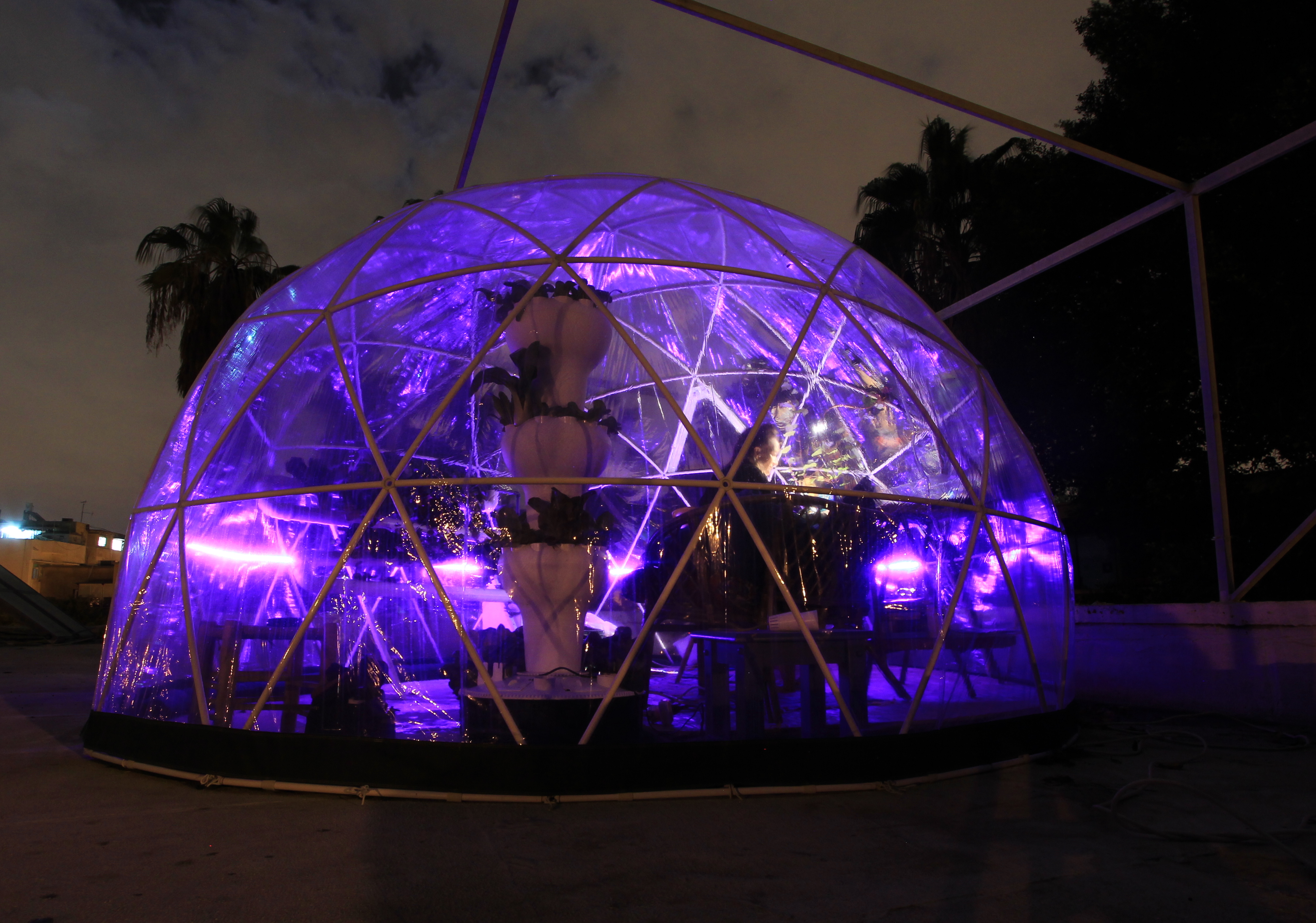
Israeli entrepreneurs build AI-based greenhouse tech flux to save water, and make water more available to everyone.

Significant discrepancies in access exist even within countries, notably between the rich and the poor. In urban areas, the disadvantaged housed in makeshift accommodations without running water often pay 10 to 20 times more than their neighbours in wealthier neighbourhoods for water of similar or lesser quality purchased from water vendors or tanker trucks.

The right to water, the report’s authors explain, cannot be separated from other human rights. In fact, those who are marginalized or discriminated against because of their gender, age, socio-economic status, or because of their ethnic, religious or linguistic identity, are also more likely to have limited access to proper water and sanitation.

Almost half of people drinking water from unprotected sources live in Sub- Saharan Africa, where the burden of collecting water lies mainly on women and girls, many of whom spend more than 30 minutes on each journey to fetch water. Without safe, accessible water and sanitation, these people are likely to face multiple challenges, including poor health and living conditions, malnutrition, and lack of opportunities for education and employment.


Refugees particularly vulnerable

Refugees and internally displaced people are often face severe barriers to the access of water supply and sanitation services and their numbers are higher than ever before. In 2017, conflicts and persecution forced 68.5 million people to flee their homes. Moreover, an annual average of 25.3 million people are forced to migrate because of natural disasters, twice as many as in the early 1970s – a number expected to raise further due to climate change.

Inclusive policies are needed to achieve Sustainable Development Goal 6. They are also needed to defuse conflicts between different water users. In a context of increasing demand (1% yearly increase since the 1980s), the Report observes a significant rise in water-related conflicts: 94 from 2000 to 2009, 263 from 2010 to 2018.

The Report demonstrates that investing in water supply and sanitation makes good economic sense. The return on investment is high in general and for the vulnerable and disadvantaged in particular, especially when broader benefits such as health and productivity are taken into account. The multiplier for the return on investment has been globally estimated at two for drinking water and 5.5 for sanitation.

Coordinated and published by UNESCO’s World Water Assessment Programme, the United Nations World Water Development Report is the result of a collaboration between the 32 United Nations entities and the 41 international partners who make up UN-Water. It is published every year on World Water Day.

Students around the globe will walk out of school Friday to protest for the planet

0

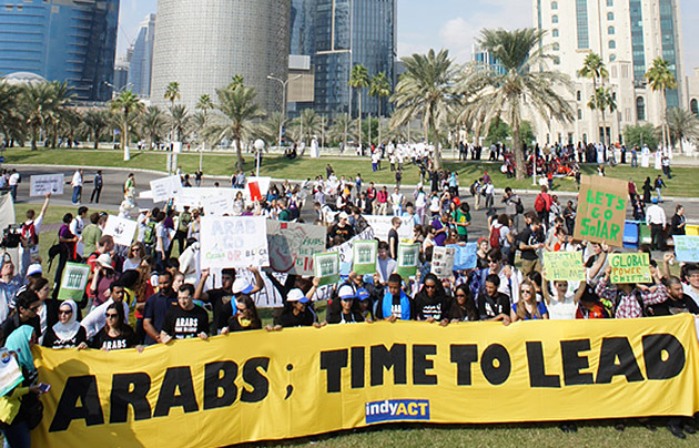
Arab role in climate change

Tomorrow, March 15, youth across the globe will leave their schools to strike to draw attention to climate change. The roots of these strikes trace back to Greta Thunberg, a 16-year-old from Sweden who sat outside the Swedish parliament almost every Friday since last August in the hope politicians would enact laws and policies to bring her country into line with the Paris climate agreement.  Concern over climate change is urgent and admirable, but question remains if it is possible to adopt habits and policies that also provide for sustained growth and prosperity while healing our planet?

greta thunberg global walkout protest

According to Mike Berners-Lee (the younger brother of Tim, founder of the www), “The challenges humanity faces today are inescapably global and linked together. It no longer works to look at environmental issues one at a time or to keep  science, economics, sociology, politics and psychology separate from one another.

“Indeed, to be sustainable and successful we must address issues relating to energy, global population and food supply, biodiversity, our use of plastics, recycling, antibiotics and their ubiquity in our food supply, in addition to climate change, global trade and economies.”

Berners-Lee offers ideas and strategies for address these issue in a new book, THERE IS NO PLANET B:  A Handbook for the Make or Break Years.  To speak with Berners-Lee and explore strategies for saving this planet without breaking global economies and sustaining growth, contact me at the info that follows.

“What is amazing and unique about this wonderful book is that it simultaneously addresses the practical every day questions troubling so many of us in these turbulent times while also clearing away the fog obscuring our paths into the future. And it does so in beautifully clear language. This truly is ‘The Handbook’ we all need to flourish on our small planet.”

Tel Aviv City promotes phone zombies with LED catastrophe

0

Hey fantastic idea: instead of creating a city environment that is more welcoming and friendly for people to actually talk to each other, the City of Tel Aviv has decided to pilot phone “zombie” LED lights, those glaring headache-inducing, pineal gland disrupting lights that make you crave you were in a forest somewhere. Smart phone addiction has even convinced the administrators that better to be safe than sorry.

Earlier this week, the Tel Aviv-Yafo Municipality installed the country’s first LED light strips at a pedestrian crossing in central Tel Aviv. Strips of LEDs connected to existing traffic lights have been installed at the pavement edge and change color at the same time as their eye-level counterparts. The floor lighting is designed to warn texting pedestrians, who walk without paying attention to their surroundings, because they are too focused on their smartphones, that they are about to cross the road.

The distracted Smartphone Zombies or “Smombies” are a worldwide phenomenon and similar devices and warning signs have been installed in Europe, Singapore and Australia over the past few years, according to a release sent out by the city.

The LED lights located on either side of the intersection of Ibn Gabirol and David Bloch Street, opposite the Tel Aviv-Yafo Municipality, are currently part of a trial and will be expanded throughout the city if deemed a success.

zombie lights tel aviv jaffa

We vote nay. We need more greenery, less commercialism, safer sidewalks from electric bikes. Less light pollution. A friend of mine said he lost his intuition last time he was in Tokyo. With the massive amount of LED lights there, I am not surprised. Take back our night and get rid of this hazard. Read here about how LED lights disrupt our melatonin.


Mummy limbs smugglers hide “loot” in speakers, foiled in Egypt

0

mummy foiling team smuggling egypt cairo in speaker

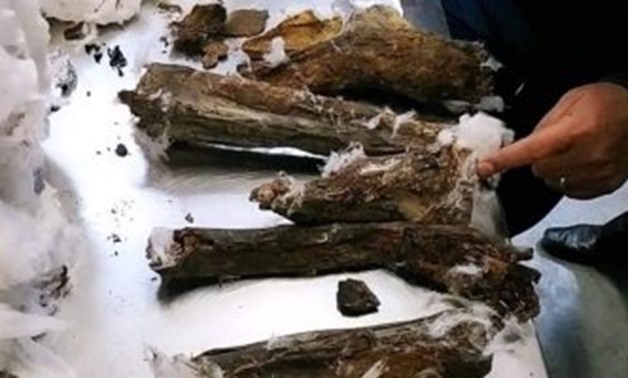
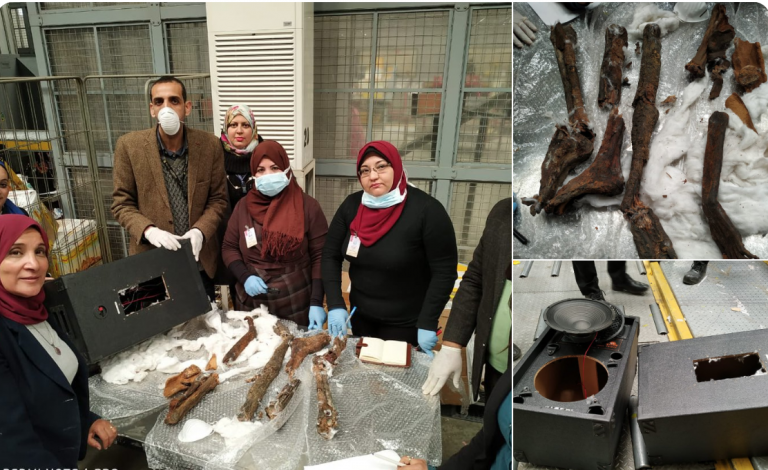
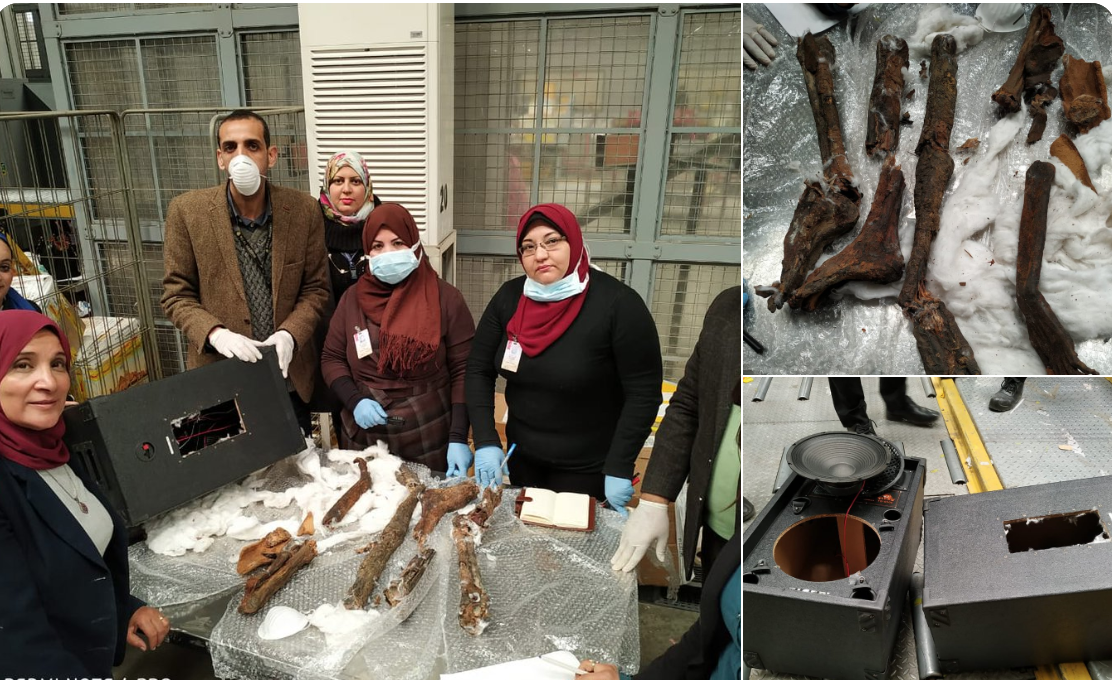
What would Tutankhamun say? Remember when mummies starting floating up in sewage? This story is even better. Security officials at the Cairo International Airport foiled a plot to smuggle ancient mummified limbs out of the country in a couple of loudspeakers. On a plane to Belgium, the X-ray technicians noticed something fishy and looked deep inside the speakers. Instead of wires and a woofer, they found body parts.

According to the country’s security officials the smugglers were attempting to smuggle out antiquities belonging to two different mummies: in total two sets of feet and lower legs; two sets of hands, two sets of forearms, an upper arm and an upper torso. The smuggler in the heist was not identified.

mummy foiling team smuggling egypt cairo in speaker mummy foiling team smuggling egypt cairo in speaker

The ancient mummified remains will be brought to the Egyptian Museum in Cairo where they will be inspected and preserved by a team of archaeologists. Grave robbing and archeology looting has only intensified since the 2011 revolution. When I travelled to Syria 20 years ago I was offered a number of archeological artifacts by a young man wanting to be my friend.

ISIS has systematically destroyed an unspeakable number of archeology and historical sites in the Middle East. Read our archeology news here.

Egypt alone has lost what it estimates to be $3 billion worth of illegal artifacts since the revolution time in 2011. Looting and stealing artifacts damages the local culture today and possibly irrevocably. Knowing our planet’s peoples’ history, helps us persevere in our future.