Home Blog Page 154

Smart Cities: Examples, Pros & Cons, and More

0
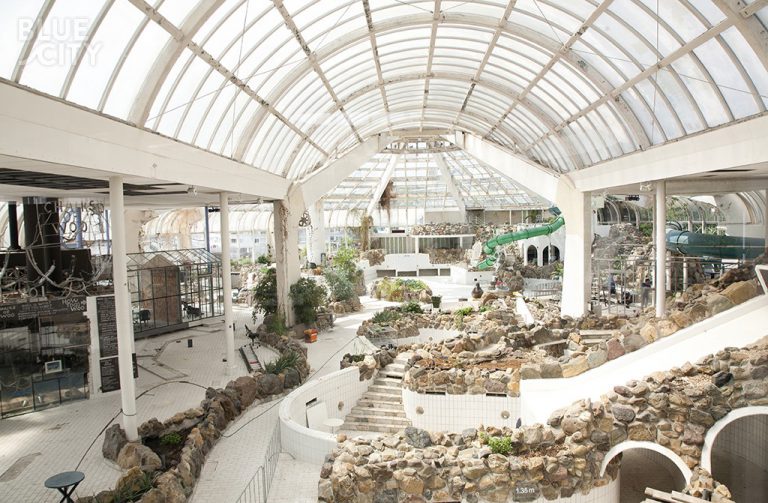
Blue City Rotterdam
Blue City, smart city, Rotterdam

Our world is evolving at a rapid pace, and innovation seems to be happening daily. We are used to seeing a lot of modern cities while traveling. With the rise of the internet and smart technology, the applications for it increase as well. These days you can find just about everyone connected with a smart device, and even whole homes are designed around it. Just like out of an old science fiction story, the impossible is happening.

Now we are looking at entire cities that are connected via smart technology. Even just 20 years ago, this was something the average person wouldn’t have thought was just around the corner. Smart technology has changed the game, but is that always going to be a good thing?

Smart Cities on the Rise

There are more smart cities around the globe than the average person may think, and they are doing things that you wouldn’t even be aware of. Some of the most advanced smart cities in the world are as follows.

New York City, USA

New York is one of the world’s largest cities, boasting a population just shy of 9 million people. They have been ahead of the curve when talking about implementing smart technology for many years now and have major plans. One of the most interesting uses they have deployed is on the water system.

A city this size goes through a fantastic amount of water every year, and reading all of the meters was a huge undertaking. With smart technology, they have automated the meter reading process and allowed the average citizen to be more hands-on and focused on their water consumption.

Tokyo, Japan

The Asian-Pacific region has a love for technology and adapting it in new and innovative ways. Tokyo has had its fair share of technological booms, and they were one of the first to start implementing smart technology throughout the city. The entire city has always had a feeling like it was ahead of its time with the atmosphere alone.

Some of the more interesting uses they have for a smart connected city have been put in place due to the upcoming Olympic Games. Security around the city is backed by biometric authentication, like facial recognition. They are also deploying an entire fleet of driverless taxis connected directly to the traffic system.

The Sky’s the Limit

It is amazing how far some of these smart cities have come in such a short time, and there is no limit to what can be implemented. Traffic has been affected by this innovation, with cities worldwide using it to make their traffic lights as efficient as possible. The tech will adapt when there are variables thrown in, such as an accident, and keep traffic flowing.

The eventual goal is to have everybody in self-driving smart cars on smart roads and highways that take out the human factor. Smart technology can take human-made errors out of the driving equation, making roads much safer for everyone. Minimizing traffic accidents is one small part of what a capable smart city could do.

The United Kingdom has been installing CCTV systems throughout cities for many years now, and smart technology is making it much more effective. They can deploy to emergencies at a much more effective rate thanks to their CCTV paired with smart technology.

What About Your Privacy?

Is all of this convenience and efficiency worth it for the average citizen or tourist? With privacy concerns being at the forefront of technology talk these days, you may be concerned with security. There is always someone or something looking to collect some type of information from you, and smart technology is not going to decrease this.

There are ways to help alleviate concern when looking at privacy and security in our modern age. For example, to protect your connections at a smart home, you can always set up a VPN on your router, as this is going to be an extra layer of protection for everything on your network. A VPN free trial can be very useful if you want to improve your online safety.

This type of service will encrypt all of your data through their network and hide your location from snoopers. But it doesn’t help when you are watched by devices you have no control of.

Stay Safe While Traveling

While this may seem like a wild theory, there is evidence that criminals can hack these smart systems. The thought of having an entire city shut down due to hackers is scary, and the cities need to focus more on security technology before advancing.

The Future is Smart

The internet and smart technology are here to stay. There are major benefits for having all of this connectedness, and with the right people designing things, they certainly outweigh any pitfalls. If cities take their time and keep security at the forefront, smart cities will completely change the way we live and travel.

How to Build a Successful Transport And Logistics Business

0
urban beehive young couple city roof new york
Maybe you have invented a new eco product. How can you build and ship internationally while doing less harm to the planet? It’s all about logistics.

You can earn a lot of profit from the transport and logistics business, given the fact that you start the right way as it is also highly competitive. An entire process must be followed, including a BOC3 filing, applying for FMCSA certification, etc.

Many eco entrepreneurs try to get into the transport and logistics business, but they end up failing due to a lack of knowledge and abilities. That said, building a successful transport and logistics business requires more than just choosing faster delivery routes.

Read on to learn more about some essential tips to implement your business strategy to boost your transport and logistics business. It’s big business

Use a Suitable Shipping Method

As an owner of a transport and logistics business, you should be familiar with two basic shipping methods: LTL (less than truckload) and FTL (full truckload). If you have recently started your business, selecting the right shipping method can be a bit tricky. You will need to know the essential difference between the two shipping methods.

What is LTL (Less Than Truckload)?

The LTL shipping method incorporates different shipments from different clients. Typically, the clients only pay for the shipment based on the weight or storage space. If the goods only take up 1/3rd of the storage, the clients will only pay for 1/3rd of the truck.

If you have loads of clients and operating on a small scale, you should go for LTL as you will be shipping goods only in small quantities. You might have to undergo frequent stops and hence reach your destinations by taking a bit more time.

The LTL shipping method runs the risk of fulfillment errors due to receiving loads of goods from different shippers. That said, make sure that your courier is extremely careful with managing all shipments with the LTL shipping method.

What is FTL (Full Truckload Shipping)?

The FTL shipping method incorporates ground freight transportation. This method allows a company to ship their items using the entire space irrespective of the number of goods loaded in the truck. Hence, while incorporating the FTL shipping method, the company is required to pay for the entire truck.

Based on the weight and amount of the cargo, most transport and logistics businesses have trucks of different types and sizes to fit according to the companies’ needs. If your transport and logistics business is associating with bigger companies that ship in larger quantities, you should go for the FTL shipping method. Among the basic advantages of this shipping method are faster delivery times and a greater level of security. However, the shipping costs with FTL are prone to be higher than that of LTL.

Which Shipping Method Should You Choose?

After getting familiar with FTL and LTL, we are left with the pending question about which shipping method is best for you. To determine this, you will need to assess your potential clients and what type of items you would normally be shipping. Also, you will be assessing your fleet, i.e., how many transports you have.

If your clientele includes various company sizes, you have the option of combining both methods (FTL and LTL). However, you must ensure that your fleet of transportation comprises different types of trucks to fulfill your different clients’ demands.

This handy guide (links to PDF) from MIT helps you figure out what method fits your lowest carbon footprint. It’s not simple matgh.

Setting the Right Rate

Your charging rate determines the profit that you are more likely to get. The thumb rule is to keep the rate high enough to make sufficient profit while covering your operating costs. On the other hand, the rate shouldn’t be too high without providing Value to your clients as this will cause you to lose from your potential competitors.

The following factors help in determining the right rate for shipping services:

·         Transportation Type

·         Shipping Method – FTL or LTL

·         Amount & Weight of the Cargo

·         Types of Items and Goods to Ship

·         Distance & Time

·         Shipping Routes

·         Insurance (if any)

·         Added Value (shipment tracking app, shorter shipping times, etc.)

Assess and Control Your Operating Costs

For the success of your transportation and logistics business, it is crucial to understand your operating costs. Have a thorough understanding of your variable and fixed costs, your potential profits, and losses. Your fixed costs include insurance permits and driver salaries, whereas your variable costs include fleet maintenance and fuel costs.

How your home garden helps the bees

0

home garden bees

Home gardens are by far the biggest source of food for pollinating insects, including bees and wasps, in cities and towns, according to new research.

The study, led by the University of Bristol and published today in the Journal of Ecology, measured for the first time how much nectar is produced in urban areas and discovered residential gardens accounted for the vast majority – some 85 per cent on average.

Results showed three gardens generated daily on average around a teaspoon of Nature’s ambrosia, the unique sugar-rich liquid found in flowers which pollinators drink for energy. While a teaspoon may not sound much to humans, it’s the equivalent to more than a tonne to an adult human and enough to fuel thousands of flying bees. The more bees and fellow pollinators can fly, the greater diversity of flora and fauna will be maintained.

gardening for health

Ecologist Nicholas Tew, lead author of the study, said: “Although the quantity and diversity of nectar has been measured in the countryside, this wasn’t the case in urban areas, so we decided to investigate.

“We expected private gardens in towns and cities to be a plentiful source of nectar, but didn’t anticipate the scale of production would be to such an overwhelming extent. Our findings highlight the pivotal role they play in supporting pollinators and promoting biodiversity in urban areas across the country.”

The research, carried out in partnership with the universities of Edinburgh and Reading and the Royal Horticultural Society, examined the nectar production in four major UK towns and cities: Bristol, Edinburgh, Leeds, and Reading. Nectar production was measured in nearly 200 species of plant by extracting nectar from more than 3,000 individual flowers.

The extraction process involves using a fine glass tube. The sugar concentration of the nectar was quantified with a refractometer, a device which measures how much light refracts when passing through a solution.

Pollinators are not just bees, but wasps, sawflies and even beetles

variety of garden polinators

“We found the nectar supply in urban landscapes is more diverse, in other words comes from more plant species, than in farmland and nature reserves, and this urban nectar supply is critically underpinned by private gardens,” said Nicholas Tew, who is studying for a PhD in Ecology.

urban beehive young couple city roof new york

“Gardens are so important because they produce the most nectar per unit area of land and they cover the largest area of land in the cities we studied.”

Nearly a third (29 per cent) of the land in urban areas comprised domestic gardens, which is six times the area of parks, and 40 times the area of allotments.

“The research illustrates the huge role gardeners play in pollinator conservation, as without gardens there would be far less food for pollinators, which include bees, wasps, butterflies, moths, flies, and beetles in towns and cities. It is vital that new housing developments include gardens and also important for gardeners to try to make sure their gardens are as good as possible for pollinators,” Nicholas Tew explained.

What kinds of flowers produce nectar?

“Ways to do this include planting nectar-rich flowers, ensuring there is always something in flower from early spring to late autumn, mowing the lawn less often to let dandelions, clovers, daisies and other plant flowers flourish, avoiding spraying pesticides which can harm pollinators, and avoiding covering garden in paving, decking or artificial turf.”

Dr Stephanie Bird, an entomologist at the Royal Horticultural Society, which helped fund the research, said: “This research highlights the importance of gardens in supporting our pollinating insects and how gardeners can have a positive impact through their planting decisions. Gardens should not be seen in isolation – instead they are a network of resources offering valuable habitats and provisions when maintained with pollinators in mind.”

Most of us are urbanites, new UN study

0
bakka oman, hamlet which is rural, still urban
A town in the Faroe Islands. Rural, but pushing on urban, finds new UN study. Most of the world isn’t as remote and disconnected as you’d think

Most of us, even in suburbs, actually live in a type of city, a new UN study has found. Some 99% of the world is now connected to an urban way of life. Fewer than one percent of the global population live in truly remote hinterlands, sharpening the need for better understanding of how urban forms impact food systems as well as social and economic development, according to new research by the Food and Agriculture Organization of the United Nations and the University of Twente.

Knowing more about how people organize themselves, can make an easier job for international planners and investors develop strategies for water management, solar energy, and even Covid vaccine rollout, for instance. 

Small cities and towns and the rural areas they influence – defined as their catchment areas – play an outsized role in the way people pursue their livelihoods, says the paper, “Global mapping of urban-rural catchment areas reveals unequal access to services”, just published by the Proceedings of National Academy of Sciences (PNAS).

This is particularly the case in low-income countries where small cities and their catchment areas are home to almost two thirds of their overall population.

a sign for drinking water in English and Arabic, hand painted
A sign in Muscat, Oman

Insights derived from the research “have strong policy implications, ranging from access to health services to the organization of city-region food systems and facilitating a mobility transition toward more commuting and less migration,” say the authors.

By using multiple spatial datasets and calculating the time needed for rural populations to reach nearby keystone urban centers, they found that peri-urban areas are home to nearly 40 percent of the global population, equally distributed in the surrounding areas of small, intermediate, and large cities.

These results challenge the centrality of large cities in development narratives and plans. Peri-urban areas often fall through the cracks of policies designed for city residents and rural farmers, highlighting the need for greater coordination between urban and rural administrative authorities in order to help these in-between populations to leverage their proximity to towns and cities to access education, services and employment opportunities more efficiently.

The strikingly low figure cited at the outset describes people who live more than three hours – measured in terms of the available mode of transit from an urban settlement of 20,000 people or more. On a national level, the figure of population in the hinterlands rises above 5 percent in only three countries with populations greater than 10 million: Madagascar, Niger and Zimbabwe.

Higher income does not always equate with higher urbanity

The findings highlight how the notion that higher-income countries are more urban is too simplistic. For example, more than half the rural populations in low-income countries live in high-density areas, six times more than is the case in high-income countries. That partly reflects a penchant for low-density suburban housing in affluent nations, as well as the way better road infrastructure can make it easier to live further – in distance rather than time – from the center of the local URCA.

The evidence shows that while large cities are now home to more than 40 percent of the world’s urban population, and nearly 50 percent for Latin America and the Caribbean, they draw proportionally fewer people into their functional orbit than smaller cities.

The dominance of small cities and towns and their catchment areas in low per capita income countries highlights the need for policies aimed at improving off-farm employment opportunities, education and health services, as well as for local food systems and for appropriate land-use strategies and transportation infrastructure investments.

The data provided can support a territorial perspective -already tested in high-income countries – that takes account of interlinkages between cities and their surrounding rural areas, leading to greater access to off-farm employment, a better-integrated local agri-food system, and less migration.

Ancient coffins found with the elephants at the zoo

0

zoo coffin elephants israel

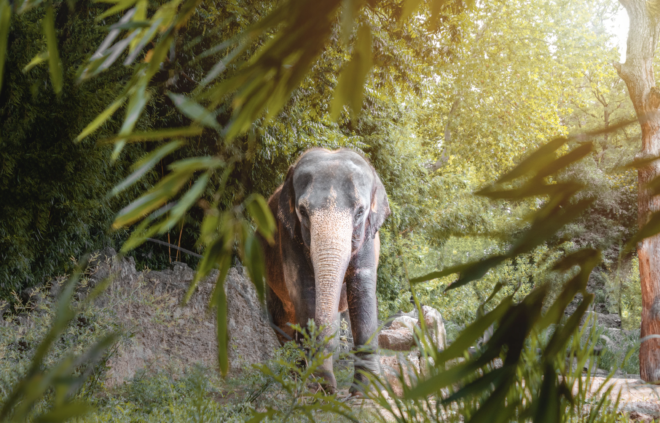
While building a wildlife hospital at a zoo in Israel, developers came across an interesting find: two ancient stone coffins called sarcophagi. Archeologists believe they could belong to husband and wife. A couple who have chosen to spend their afterlife along with the elephants and giraffes in the zoo.

Veteran safari workers present at the time said that the coffins had been found years ago in the area of the safari’s parking lot. At the time, the sarcophagi were moved to a location near the veterinary clinic and the African savanna zone, but over the years they were forgotten and became buried under sand and thick vegetation.

ossuary found at the zoo

Till death do us part at the zoo

When work on a new wildlife hospital began a few days ago, the contractor working in the area began digging and suddenly found the coffins. Based on the stones and their ornate decoration, the sarcophagi were intended for people of a high status who were evidently buried near the Safari Park.

ossuary found at the zoo

According to Israel Antiquities Authority archaeologists, the sarcophagi are roughly 1,800 years old and date from the Roman period. They are ornamented with symbolic discs – to protect and accompany the soul on its journey to the afterlife – and flower garlands, often used to decorate sarcophagi in the Hellenistic period as well.

ossuary found at the zoo

Between the garlands are oval blanks, which the archaeologists believe were originally intended to be filled with a customary grape-cluster motif, but for some unknown reason the work remained unfinished.

The sarcophagi, made of local stone – probably from the Judean Hills or Samaria – are locally-produced imitations of the prestigious sarcophagi made of Proconnesian marble from the Turkish island of Marmara.

Found together, the two sarcophagi bear identical ornamentation and they may have been made for a husband and wife, or for members of the same family. Maybe they wished their afterlife to be in the zoo? 

The exact provenance of the sarcophagi is unknown, but they were probably buried near the Safari Park, in the region of Messubim – the site of ancient Bnei Brak in the Roman period, known to us from the Passover legends. 

zebra rhino coffins found at zoo

The wealthy owners of the sarcophagi, buried with their personal grave goods, had no idea that the coffins would find a place of honor alongside giraffes, elephants and a bird nursery.

They were transferred to their rightful location in the Israeli National Treasures repositories.

The Pope supports pulses

0
plate of hummous
Eat hummus, save the world

Pulses can change the world for good. They are a good source of protein and are the most sustainable form of protein humans can produce. To mark World Pulses Day, the United Nations hosted a virtual event, where the Pope endorsed pulses. 

Speaking at the opening of FAO’s virtual event to mark World Pulses Day, QU Dongyu, the director of the FAO highlighted pulses’ incredible potential for contributing towards transforming agri-food systems – making them more inclusive, resilient and sustainable.  

“World Pulses Day is a valuable opportunity to pay tribute to this diverse and versatile commodity,” said the FAO Director-General.

What are pulses?

Think of the food from India or the Middle East: Pulses are the edible seeds of legume plants, such as lentils, chickpeas and Bambara beans.

Qu highlighted that pulses required less water than other protein sources, and could be planted on small plots of land; were an affordable source of safe and nutritious food, high in protein, fibre, vitamins and micronutrients; and could fix atmospheric nitrogen, release high-quality organic matter in the soil and facilitate soil nutrients’ circulation and water retention.

“Less fertilizers, a smaller water footprint and reduced use of energy, means lower greenhouse gas emissions,” he said.

The Director-General also pointed out that pulses have a higher cost-benefit ratio than other staples, which helps diversify and improve the income of rural people, often women and youth and located in vulnerable regions.

“Pulses have a long shelf life. Shifting consumption patterns to more pulses could, therefore, contribute to reducing food waste,” he said, noting that this characteristic has proved useful during the COVID-19 pandemic, as people without access to fresh food could still consume pulses.

Pulses are a noble food says the Pope

pope francis carrying a lamb

Pope Francis said that pulses were a noble food, with a huge potential to bolster food security globally. Pulses are simple and nutritious food that overcomes geographical barriers and go beyond social classes and cultures, he noted.

Pope Francis also deplored the fact that many people, including children, didn’t have healthy or sufficient food, and stressed that the consumption of healthy diets should be a universal right, with states having to play a key role in making this a reality.

All the countries that support pulses

Argentina’s Minister for Agriculture, Livestock and Fisheries, Luis Eugenio Basterra, extolled the many virtues of pulses, including their being an excellent crop in dry environments where food production was difficult due to the scarcity of water, and especially for vulnerable populations with little or no access to technology, for whom access to food represented a true challenge.

China is the world’s fourth largest producer of pulses. China’s Minister for Agriculture and Rural Affairs, Renjian Tang put forward solutions to promoting the sustainable development of the world’s pulses industry by: bolstering efforts to increase pulses’ consumption; increasing the supply of pulses through production expansion, scientific and technological innovation; and establishing a global common market for pulses.

Narendra Singh Tomar, India’s Minister for Agriculture and Farmers’ Welfare, said that pulses were especially important in a country such as India where the population was mostly vegetarian and considered pulses a major food item. He noted that his country had achieved near self-sufficiency in pulses production, and was the world’s largest producer and consumer of pulses, producing nearly a quarter of the world’s pulses.

France is the largest producer of pulses in the European Union. France’s Minister for Agriculture and Food, Julien Denormandie, said that protein crops, especially pulses, were the crops of the future. He noted that France’s objective was to increase areas planted with pulses by 40 percent over the next three years, and to boost the consumption of pulses, including through the school meals programme.

Burkina Faso played a leading role in the designation of World Pulses Day. The Ambassador and Permanent Representative of Burkina Faso to FAO, Joseìphine Ouedraogo, highlighted the key role of women in the production, processing and distribution of pulses in local markets. The Ambassador and Permanent Representative of Argentina to FAO, Carlos Bernardo Cherniak, agreed, noting that pulse production initiatives contributed to the empowerment of rural and indigenous women.

The President of Cuatro Pinos – a cooperative of indigenous women in Guatemala – Sandra Xiquin emphasized that pulses such as beans were important to the people of her country; however, the tradition of cooking and consuming pulses was no longer as strong as it used to be and it was important for this tradition to be restored. 

Pulses are a pandemic food

The UN Food Systems Summit 2021 Special Envoy, Agnes Kalibata, said that pulses provided a potential answer to several questions regarding how to “recover better” after COVID-19. Kalibata also encouraged everyone at the event to get their ideas on the table, including elevating the role of pulses in food systems, and to participate in the food systems dialogues.

The President of the Global Pulse Confederation 2021, Cindy Brown, noted that, globally, there had been an increase of about nine percent in the consumption of pulses over this past year of the pandemic – more than double the increase in consumption was estimated to result from the successful 2016 International Year of Pulses.  

The World Trade Organization Counsellor, Diwakar Dixit, pointed out that the global production of pulses had grown by over 50 percent in the last 20 years, with developing countries playing an important role. Global pulses trade has grown two times faster than growth in production with some of the poorest countries on the planet being amongst the top exporters of pulses, he said.

Lebanese eco-activists tell Iraq to keep their stinky oil

0
air pollution in Tehran
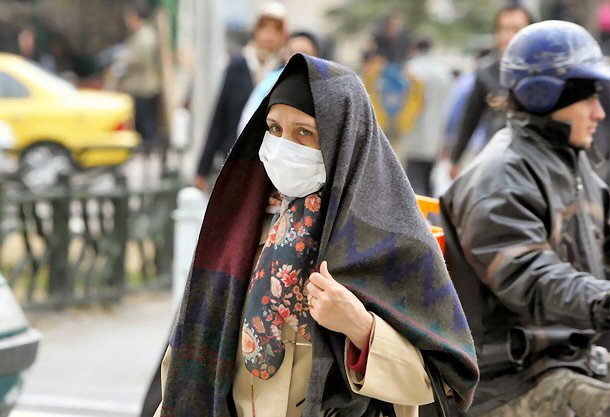
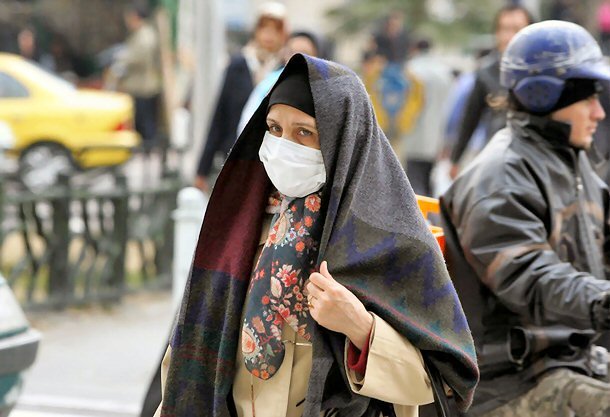
Air pollution in Tehran, Iran

Following reports indicating that Lebanon has reached an agreement to import Iraqi crude oil, The Programme director of Greenpeace MENA Julien Jreissati commented: “Iraqi oil has a high sulfur content and using it for power generation will worsen the air pollution in Lebanon that has already reached an alarming level”.

Greenpeace has released a global report in June last year entitled Toxic Air: The Price of Fossil Fuels which revealed that the estimated average number of premature deaths in Lebanon as a result of fossil fuel induced air pollution was 2,700 in 2018 and the annual cost reaches USD 1.4 billion.

Burning high sulfur fuel oil will emit considerable amounts of sulfur dioxide, a colourless poisonous air pollutant that increases the risk of critical health conditions including stroke, heart disease, asthma, lung cancer and premature death.

Jreissati continued: “we urge the minister of energy, Raymond Ghajar, to show some mercy to our lungs that are already struggling with years of chronic air pollution and with the current coronavirus pandemic”.

He concluded: “instead of acting irresponsibly with short vision panic buy, the minister of energy should focus his effort on working towards achieving the Lebanese government’s official target of 30% renewable energy by 2030”.

It must be noted that Greenpeace had published a report in July, 2019, entitled No More Excuses: Time to go Renewable” which shows that by investing more on renewable energy and by scaling down planned natural gas thermal power plants capacity, the government will save money in addition to saving lives and tackling pollution problems.

See-through worm repairs brains

0

brain worm hebrew universu

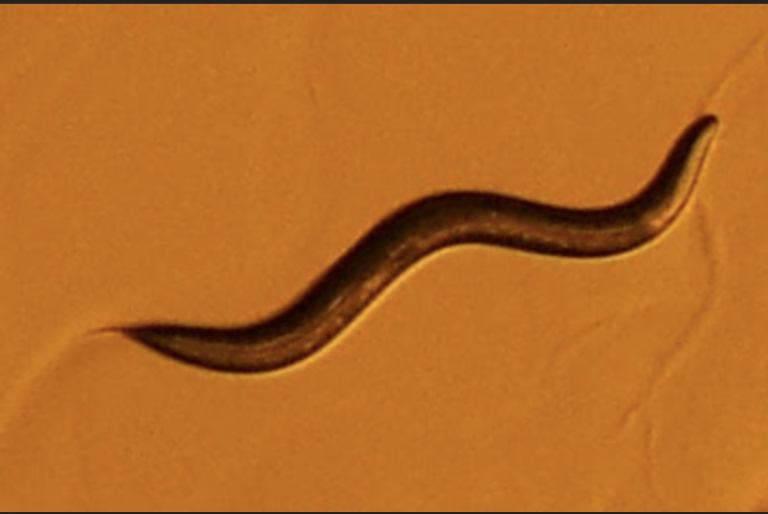
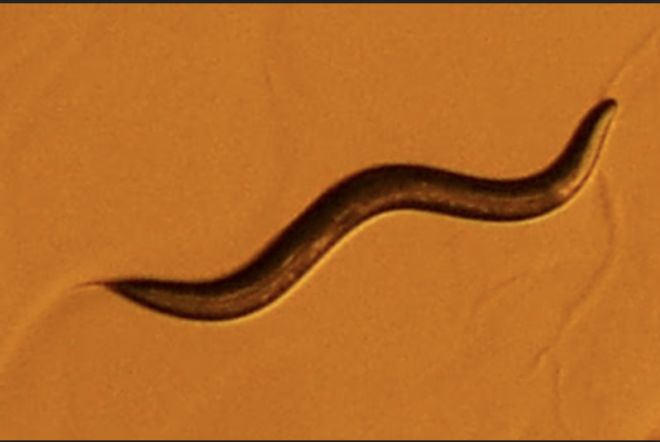
A team of Hebrew University researchers have successfully used genetic engineering as a first step to what one day may allow scientists to genetically repair damaged brain circuits.  The process, which was performed in tiny translucent C. elegans worms, saw the introduction of synthetically engineered connections (or synapses), as a means for bypassing missing connections between neurons in an impaired brain.  

The team, led by Dr. Ithai Rabinowitch, a Neurobiologist in the Faculty of Medicine at Hebrew University, applied the genetically engineered bypass to repair a failed odor response in the worms due to neuronal loss.  With the synthetic bypass network in place, the worms successfully responded to the odor stimuli, a behavior that was diminished in the absence of the genetically engineered “fix.”

The study, published in Cell Systems was jointly led by Dr. Jihong Bai of the Fred Hutchinson Cancer Research Center in Seattle, Washington.

“While this is a discovery that has so far been limited to a tiny worm, it opens the door for potential applications that may be relevant down the road to humans,” Dr. Rabinowitch said.  “At present, various approaches are used for addressing human brain damage, including brain-computer interfaces that are based on external electronics rerouting information flow between intact brain regions. 

This research indicates a new potential route for addressing brain damage, whether caused by direct physical trauma or stroke or other neurological disease, through genetically engineered changes in brain connectivity that can serve as biological neural bypasses.”

The researchers say that the species chosen, C. elegans, measuring about a millimeter long, is very beneficial for biological research. Compared to us, the worm has a very simple nervous system, and yet it is a multi-cellular animal sharing many similarities with us. According to Dr. Rabinowitch the next steps will involve deeper testing of the broader biological impact of genetically inserted neuronal connections and also applying the approach to other neural circuits and other organisms.

“In studying this tiny worm, we were able to advance our theory in an organism that has only several hundred neurons as opposed to the tens of billions neurons in the human brain,” he says.  “Our great hope is that as this study advances and is applied more broadly in the worm’s nervous system and in other organisms, we will one day be looking at genetic therapies based on synthetic brain rewiring as possible treatments for devastating brain disease and damage.”

How does massage help your body?

0

Australian man getting shoulder massage

When it comes to relaxation, body massage is one of the oldest and most trusted ways to relax the body and mind at the same time.  Massage therapy not only heals your body but also gives mental relaxation at the same time. Massage combined with the right type of serene music and oil can actually work wonders in terms of relaxation. It’s not only a good idea when your body actually needs it, but it is also a great way to relax and treat your body as well. Now a massage works on your muscles and releases tension between them and also increases the blood flow to relax them. However, this is not the only benefit that body massage has. Apart from physical relaxation, massage can do a lot more things for you. Let’s have a look at some of these benefits and how these can be good for you.

Back pain issues

The Best Body massage can help you deal with chronic or back pain and can also resolve issues that date back years. It has been seen that people having such back issues and getting regular massage have less back pain and a better posture as well. Back massage will not only stretch your back muscles but will also make them a lot stronger so that they could support the backbone. Once that happens, the pain in your back year slowly starts to reduce. Regular massage will make sure that your muscles remain active and give enough support to your backbone.

Improves circulation

One of the greatest benefits of getting a massage is that it improves blood circulation through the body. Blockage of flow in body parts can lead to serious muscle pain and getting relieved from that through a massage is one of the fastest ways available. Stretching and massaging of muscles will open any kind of blockage in the muscles by giving pressure on them and stretching them. If you are facing regular muscle soreness issues after exercise, then massage would be the best option for you to heal it.

Relaxation

how to relax

We have already discussed that body massage is not only a way to heal your body physically but also a way to heal it mentally. When we get a massage our body muscles start to relax and release a hormone that relaxes our mind at the same time. Also, there are certain points in your body which when massaged, will leave you to complete peace and a great feeling of nothingness. The experience of mental relaxation is nothing less than what you get in meditation.

Good for joints and bones

There is no wonder how beneficial a massage can be for you. Apart from relaxing your muscles, it is also great for your bones and joints. Periodic massage of your bones and joints will not only help them to remain mobile and flexible but will also prevent any kind of bone and joint pain at the same time. It is especially beneficial for middle and old-age people who commonly suffer from issues related to joints and bones. So if you really want to keep your body flexible and pain-free, then do get a massage periodically.

Anxiety and Depression

woman sleeping in flowers

We did discuss that massage is used to provide mental relaxation and it can go to an extent where it can also reduce issues like anxiety and depression. Since it releases hormones that provide mental relaxation, doctors often suggest their patients have such massage therapies regularly. Such therapies have proven positive results on patients that are suffering from depression and have actually helped a lot to recover.

Slaughter free ribeye steak meat grown in a lab

0

rib eye steak aleph farms

Aleph Farms and its research partner at the Technion – Israel Institute of Technology, have successfully cultivated the world’s first slaughter-free ribeye steak, using three-dimensional (3D) bioprinting technology and natural building blocks of meat – real cow cells, without genetic engineering and immortalization.

Aleph now has the ability to produce any type of steak and plans to expand its portfolio of quality meat products.

Unlike 3D printing technology, Aleph Farms’ 3D bioprinting technology is the printing of actual living cells that are then incubated to grow, differentiate, and interact, in order to acquire the texture and qualities of a real steak.

A proprietary system, similar to the vascularization that occurs naturally in tissues, enables the perfusion of nutrients across the thicker tissue and grants the steak with the similar shape and structure of its native form as found in livestock before and during cooking.

Are steak growers on Mars out to lunch?

“This breakthrough reflects an artistic expression of the scientific expertise of our team,” said Didier Toubia, Co-Founder and CEO of Aleph Farms. “Additional meat designs will drive a larger impact in the mid and long term. This milestone for me marks a major leap in fulfilling our vision of leading a global food system transition toward a more sustainable, equitable and secure world.”

The cultivated ribeye steak is a thicker cut than the company’s first product – a thin-cut steak. It incorporates muscle and fat similar to its slaughtered counterpart and boasts the same organoleptic attributes of a delicious tender, juicy ribeye steak you’d buy from the butcher.

Bibi Netanyahu lab steak, aleph farms
Bibi Netanyahu tastes some Aleph lab steak

“With the realization of this milestone, we have broken the barriers to introducing new levels of variety into the cultivated meat cuts we can now produce.

“As we look into the future of 3D bioprinting, the opportunities are endless,” says Technion Professor Shulamit Levenberg, Aleph’s Co-Founder, Chief Scientific Advisor and a major brainpower behind the company’s IP. Levenberg is considered a global leader in tissue engineering and has amassed over two decades of research in the field at the Massachusetts Institute of Technology (MIT), in the United States and at the Technion, in Israel. Levenberg is also the former Dean of the Biomedical Engineering Faculty at the Technion.
aleph farms engineered slaughter free meat, man looking at a piece of it

Aleph Farms’ zealous plans to diversify its offering align with its mission to create a global platform for local production, leveraging a highly scalable technology to create culinary experiences that can be adapted for the different food cultures around the world.

With the advent of synthetic milk or meat- or animal-free products cultivated in the lab, or alternatives to honey grown in an engineered bee stomach (another Israeli invention) –– some people think all this “progress” in the lab is really people out to lunch. Read our story about engineered honey for some alternative points of view to animal substitutes and our farming story on high tech hydroponic solutions that also may be out to lunch. The big solution may be simpler – regenerative agriculture. That what Woody Harrelson says, cow farts and all. 

When biopsies were so 2021

0
orange blue background
Invasive biopsies can determine if a tumor is cancerous, when blood tests won’t do. But going in and cutting up a cancer tumor, with a skin like an orange often spreads the cancer. A new test looking at DNA might eliminate biopsies forever.

In diagnostic medicine, biopsies, where a sample of tissue is extracted for analysis, is a common tool for the detection of many conditions.  It’s good news when the cancer is benign but often bad news if malignant because cancer tumors have shells. When ruptured tiny fragments of cancer can spill out and reinfect other parts of the body through the blood, spreading the cancer faster than ever.

There are other drawbacks – it can be painful, doesn’t always extract the diseased tissue, and can only be used in a sufficiently advanced disease stage, making it, in some cases, too late for intervention.  These concerns have encouraged researchers to find less invasive and more accurate options for diagnosing diseases like cancer.

Professor Nir Friedman (who developed a rapid test for Covid) and Dr. Ronen Sadeh from Hebrew University in Jerusalem have published a study in Nature Biotechnology that shows how a wide range of diseases can be detected through a simple blood test.  The test allows lab technicians to identify and determine the state of the dead cells throughout the body and thus diagnose various diseases including cancers and diseases of the heart and liver. 

hebrew university biopsy research team
The biopsy research team

The test is even able to identify specific markers that may differ between patients suffering from the same types of tumorous growths, a feature that has the potential to help physicians develop personalized treatments for individual patients.

The test relies on a natural process whereby every day millions of cells in our body die and are replaced by new cells. When cells die, their DNA is fragmented and some of these DNA fragments reach the blood and can be detected by DNA sequencing methods. However, all our cells have the same DNA sequence, and thus simply sequencing the DNA cannot identify from which cells it originated.

While the DNA sequence is identical between cells, the way the DNA is organized in the cell is substantially different.   The DNA is packaged into nucleosomes, small repeating structures that contain specialized proteins called histones. On the histone proteins, the cells write a unique chemical code that can tell us the identity of the cell and even the biological and pathological processes that are going on within it. In recent years, numerous studies have successfully developed a process where this information can  be identified and thus reveal abnormal cell activity.   

A new approach advanced by Hebrew University researchers, Professor Friedman and Dr. Ronen Sadeh is able to precisely read this information from DNA in the blood and use it to determine the nature of the disease or tumor, exactly where in the body it’s found and even how far developed it is. 

The approach relies on analysis of epigenetic information within the cell, a method which has been increasingly fine-tuned in recent years.  “As a result of these scientific advancements, we understood that if this information is maintained within the DNA structure in the blood, we could use that data to determine the tissue source of dead cells and the genes that were active in those very cells. Based on those findings, we can uncover key details about the patient’s health,” Professor Friedman explains.  “We are able to better understand why the cells died, whether it’s an infection or cancer and based on that be better positioned to determine how the disease is developing.”

Along with the clear diagnostic benefits of this process, the test is also non-invasive and far less expensive than traditional biopsies.  Dr. Ronen Sadeh said, “We hope that this approach will allow for earlier diagnosis of disease and help physicians to treat patients more effectively. 

Recognizing the potential of this approach and how this technology can be so beneficial for diagnostic and therapeutic purposes, we set up the company Senseera which will be involved with clinical testing in partnership with major pharmaceutical companies with the goal of making this innovative approach available to patients.”

Does Poor Oral Health Impact Brain Function?

0
plant sharing two women holding pots
Teeth are an underestimated part of the body and how they affect overall health. Western medicine and Chinese medicine agree that teeth health is a good start for general health.

The health of your mouth can indicate your overall health. Over time tooth decay has been linked to some health conditions, but are you aware that poor oral hygiene can affect your brain function? 

Oral diseases may reduce the quality of a person’s life and increase the risk of developing other, worse conditions. Research has linked gum disease to increase the risk of heart disease by 20%.

Signs of Gum Disease

To be able to monitor and note that it could be possible that you have or are developing oral and gum disease, here are some signs that you can spot yourself:

  • Toothache
  • Bad breath
  • Swollen gums
  • Bleeding gums
  • Receding gums
  • Gum tenderness and pain

Having gum disease isn’t the end of the world. However, it can affect more than just your mouth and the health of your gums.

In this next section, you’ll learn more closely about how gum disease can impact brain function and how it can create both short-term and long-term adversary side effects. 

Does It Impact Brain Function?

There have been studies that suggest that gum diseases can cause dementia. You might have heard of this if you are a dentist; however, results are just getting off the ground. If you have gingivitis, bacteria can enter the brain through nerve channels. 

It can also get to the brain through the bloodstream. Experts have warned that it can cause dementia, while others believe it to be the one valid reasons for the awful brain disease. 

Research done at Rutgers University, New Jersey, conducted a study to know if poor oral health can affect the brain. It was concluded that there is a relationship between memory and oral health, which can impact learning and complex attention. There was a link between stress and oral health that having a dry mouth is linked to high levels of stress. 

The dental professionals at The Smilist Dental in Clifton emphasize the importance of practicing good oral health in older generations because it can lead to dementia, slower cognitive functions, or episodic memory loss. However, more studies need to be done before professionals and dentists can tell if oral health can impact brain functions.

Symptoms of Brain Infection from Teeth

As mentioned earlier, poor oral health can lead to some pretty nasty and significant side effects. You must pay close attention to how you are reacting, as this can be an indicator of a more underlying, harmful side effect like:

  • Reduced mobility
  • Vision changes
  • Lethargy
  • Fever
  • Vomiting and nausea
  • Headache
  • Increased confusion 
  • Difficulty remembering

How Poor Dental Health Causes Dementia

You likely develop dementia if you suffer from gum disease. Studies have shown a connection between gum disease and cognitive decline as a direct link between dementia and periodontal disease. Some studies have also shown gum disease to be a catalyst for Alzheimer’s.

Tooth infection and memory loss: An infected tooth can cause memory loss when the infection spreads to the brain. Infection threatens the blood vessels and nerves when the cavity reaches the tooth’s root. These nerves connect directly to the brain. Maintaining oral hygiene and visiting the dentist will help stop the infection from spreading.

Tooth loss and dementia: Severe tooth loss is connected to dementia, as studies have shown. If you have lost most teeth, you are more likely to develop brain disease.

What Else Does Poor Oral Health Impact?

Gum disease can impact a lot. It can lead to infected and swollen gums and teeth. It does not just affect the brain but also has adverse effects on your heart. It can lead to cardiovascular disease in men. 

Bacteria in the mouth naturally get swallowed and find their way to the heart leading to hardening of the arteries. It can also cause thickness of the blood, which leads to a blockage that can result in stroke or heart attack. The lungs could also be at risk since you breathe air that passes through the bacteria in the mouth.

How Can You Stop It?

Since experts have not found out how to yet, you cannot completely stop it. However, the first step is to assess your oral health methods because it might help you start better hygiene practices that could shield you against gum diseases. If you don’t know where to start, speak to your dentist to help you learn or adopt better methods to go about your daily dental hygiene. Some people in the East swear by the miswak, a natural toothbrush made from a tree. Maybe it’s a natural brushing approach worth a try?

Final Thoughts 

Practicing daily hygiene can help you combat gum diseases—brushing after every meal, not just morning and evening. 

Ensure to get good toothpaste, preferably something with fluoride in the mix, use mouthwash after cleaning, and don’t forget to find an interdental brush to be able to reach hard-to-reach places. It will help kill bacteria that are building up in your mouth. If you are experiencing anything extraordinary, visit your dentist. 

6 Health benefits of salmon for brain, heart, and skin health

0

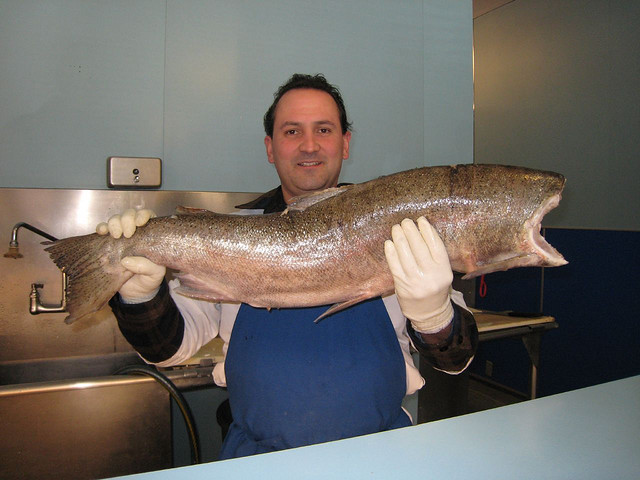
alaska-caught-wild-salmon

Salmon is sometimes called a super-food because of how much benefit consuming it has for your overall health. But what are the specific benefits of eating salmon over all the other sources of protein that are available? Here are the 6 health benefits of salmon for your brain, your heart and your skin.

It Enhances Brain Function

Omega-3 fatty acids are a vital nutrient, but they are something the body cannot manufacture itself. That’s why you must manage your intake to make sure you get enough. Omega-3 fatty acids are an essential building block of the brain. They are so important, in fact, that they’re added to baby formula to make sure babies and toddlers get enough of it. For older adults, a lack of omega-3 increases your risk of dementia. Note that taking omega-3 supplements or eating more salmon won’t help you if you have a healthy, fully formed brain. It is simply the deficit that is harmful, though a surprisingly large number of adults have it.

herbed-salmon-and-zucchini

It Improves Your Mood

We have already mentioned how omega-3 is a key building block of the brain. Studies have found that a lack of this nutrient can contribute to everything from brain fog to depression.  And one serving of salmon contains half your daily requirement of B12. If you don’t have enough B12, your body can’t turn iron into red blood cells. That is why B12 deficiency can cause anemia no matter how much red meat you eat. All of this is why you should try to increase your intake of salmon and similar fatty fish before you assume you need anti-depressants.

It Protects Your Heart

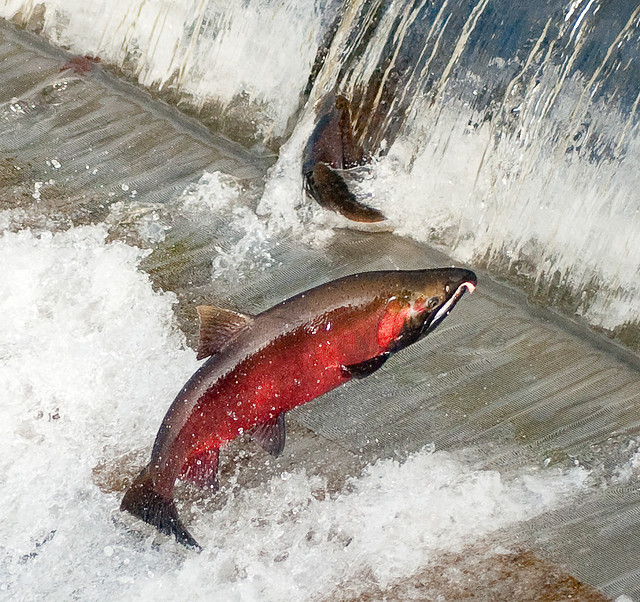
freshwater-coho-salmon

The antioxidants in salmon are associated with a lower risk of heart attack and stroke. At the same time, it is a healthy source of protein. Salmon contains lean protein necessary to maintaining your muscles without the fats that can clog your arteries. If you already have heart disease, the high levels of selenium and essential fatty acids in salmon can help bring it back down.

It Reduces Your Risk of Cardiovascular Disease

We’ve already mentioned how salmon reduces your risk of heart attack. However, that’s not the only benefit. It reduces your risk of general cardiovascular disease. Hardening of the arteries can contribute to everything from kidney failure to varicose veins to stroke. If you have salmon leftover, find ways to use the leftovers from stir-fry to soups to casseroles rather than throwing it out. And if you’re eating salmon in place of more calorie-rich foods, you’re maintaining a healthy weight and thus reducing your risk of cardiovascular disease.

It Maintains Your Skin

Salmon contains vital nutrients thought to reduce the risk of systemic inflammation. That’s a risk factor in heart disease. It can also contribute to your skin becoming puffy. Another point in favor of salmon is that it is a natural source of vitamin D. That vitamin is necessary to maintaining strong bones. The benefit of salmon consumption is that it lets you get this vitamin without spending a lot of time outside, while prolonged sun exposure can accelerate the aging of your skin.

BMW makes sustainable aluminium with Dubai’s Sun

0

solar aluminium BMW in Dubai, solar power plant

Emirates Global Aluminium (EGA) announced that the BMW Group is the first customer for EGA’s CelestiAL aluminium, made with the power of the desert sun.

EGA has supplied metal to BMW Group since 2013 for use in the German carmaker’s engines and other parts. EGA will supply 43,000 tonnes of CelestiAL aluminium to BMW Group per year.

Using solar aluminium from EGA will reduce BMW Group’s emissions by 222,000 tonnes of CO2 per year.

BMW Group’s annual supply contract with EGA is worth a three-digit million-euro sum. EGA’s CelestiAL metal will cover almost half the annual requirements of Plant Landshut, the BMW Group’s only production facility for light metal casting in Europe.

Last year, Plant Landshut produced 2.9 million cast metal components including engine parts such as cylinder heads and crankcases, parts for electric drive trains, and vehicle body parts.

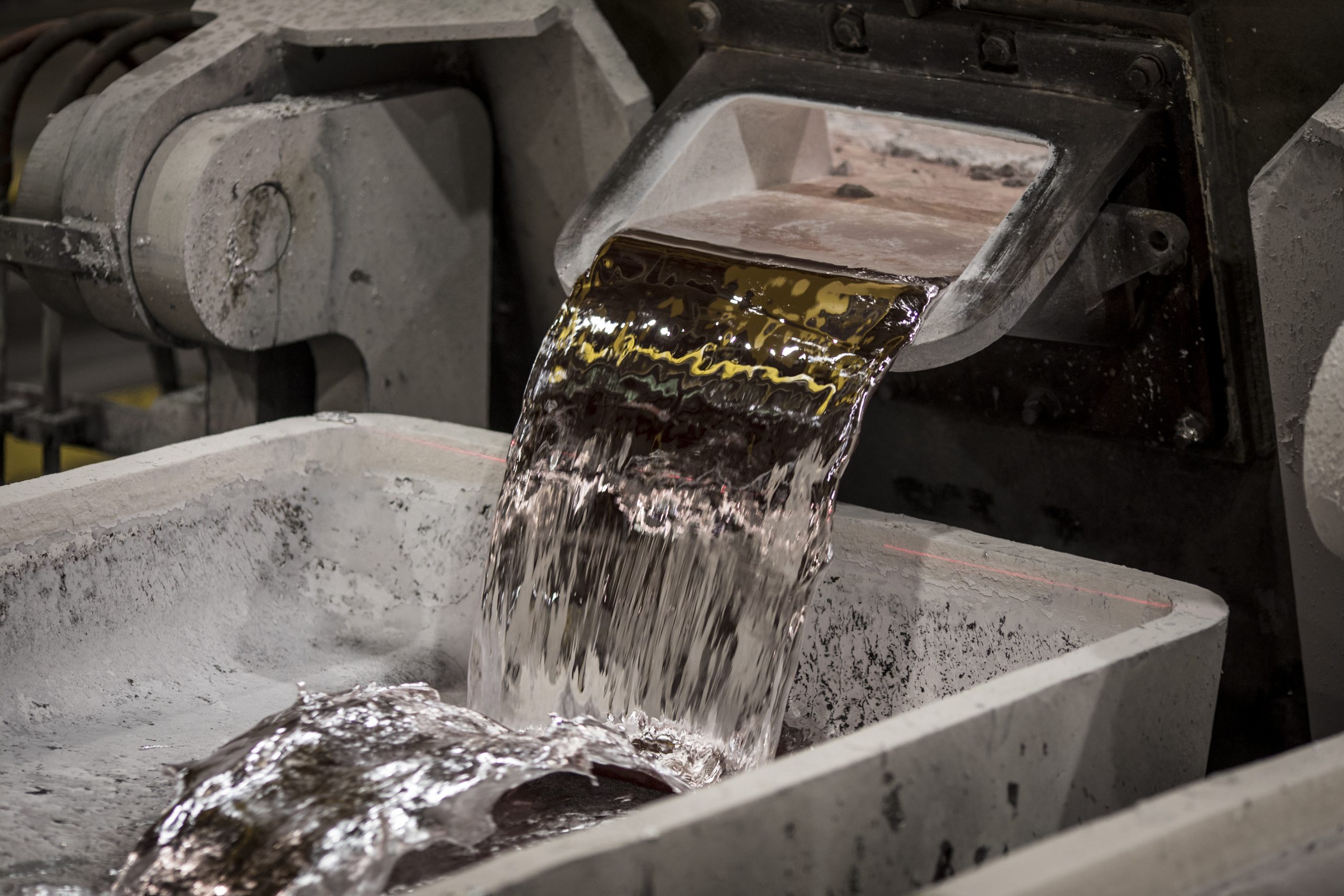
EGA’s CelestiAL aluminium is made using electricity generated at the Mohammed bin Rashid Al Maktoum Solar Park, located in the desert outside Dubai and operated by Dubai Electricity and Water Authority. EGA began production of CelestiAL earlier this month, the first time solar power has been used to produce aluminium commercially worldwide.

Producing aluminium is energy intensive, and generating electricity accounts for some 60 per cent of the global aluminium industry’s greenhouse gas emissions. The use of solar power significantly reduces the emissions associated with aluminium smelting.

Abdulnasser bin Kalban, Chief Executive Officer of EGA, said, “We are delighted that the BMW Group is the first customer for EGA’s low carbon CelestiAL. Aluminium is lightweight, strong and infinitely recyclable, and that is why it has an important role to play in developing a more sustainable society and making modern life possible. One key example of this is by improving the efficiency of vehicles through reducing their weight.

“But it also matters how sustainably aluminium is made. Solar aluminium is a step forward – using a natural and abundant source of energy in our desert environment to make a metal that is vital to our planet’s future.”

Dr. Andreas Wendt, BMW AG Board Member for Purchasing and Supplier Network, said, “In EGA, we have found a strong partner who values sustainable development just as much as we do. It is a special honour for us to be the first customer to receive aluminium produced using solar electricity. Aluminium plays an important role in e-mobility and using sustainably produced aluminium is tremendously important to our company.”

rio tinto blockchain aluminum, smelting
Rio Tinto smelts aluminium

Another aluminium producer, Rio Tinto, announced this week that they will make sustainable aluminium as well and they will put the traceability part on the blockchain. 

5 Signs It’s Time To Find A New Accountant

0
woman showing how to make a craft business
Your eco business was already running on a dream and a prayer. How can you make it sustainable and secure as any other kind of business? A great accountant can help. Find one that works paperless too.

Just like how you carefully manage your business to make sure everything is ticking over properly, you should also pay the same attention to the person who is looking after your books too. There are plenty accountants near you. Learn more here on how to find the right person to help your business succeed.

Here are 5 signs it’s time to find a new accountant to tell you more.

You Are Paying Too Much

Group-buying scheme to help Kent County residents residents invest in renewable energy opens again. Via County website.
Your solar panel business needs an accountant. But how much is too much?

Hiring an accountant will incur some expense, but it shouldn’t be the case that they are costing you an absolute fortune. If in doubt, it’s worth shopping around. Have a look at what other accounts charge for the same services to see if what you’re paying is about right or an absolute rip off.

Alternatively, if you want to stay with the same accountant, ask for a breakdown of their charges. It could be you are signed up to services you aren’t aware of but are actually integral to the running of your business. Don’t settle for anything that’s not, though.

They Baffle You With Complicated Jargon

Accountancy is an industry full of complex language and as such, you are going to hear quite a few terms that might go over your head at first. Here’s the thing though, it’s your accountant’s job to deal with the complicated matters relating to your financial affairs – not you.

While they of course need to explain certain procedures to you, it shouldn’t be the case you leave a meeting with them feeling completely exasperated. If your accountant doesn’t break everything down on a human level, it might be time to switch to someone who does.

They Condone Bad Practice

Tax evasion schemes are no laughing matter. In fact, taking part in one could land you in prison or at best with a hefty fine because they are strictly illegal. Tell-tale signs your accountant condones them are that they suggest adding personal items to your business expenses. Or if they tell you to pocket cash ‘off the books’.

A good way to check if you are dealing with a reputable firm is to see if they are registered with any relevant trade bodies. For example, ICAEW (Institute of Chartered Accountants in England & Wales), or ACCA (Association of Chartered Accountants).

Outdated Practices

The basics of accountancy are that more money should be coming in than is going out so that your books look healthy. However, there are so many rules, regulations and practices that are constantly changing that your accountant needs to be aware of. Otherwise, you could be given the wrong information or even subject to HMRC fines.

These days with the number of webinars, trade shows, newsletters and blogs out there, there’s really no excuse not to be in the loop. So, look out for an accountant who is constantly training their staff, rather than a firm who refuses to embrace the present day. 

Careless Mistakes

We’re all human so mistakes will happen even with the best of intentions. But given this is your accounts we are talking about, there’s only so much you can forgive. For example, forgetting to submit your tax return after filling it out. Or even recording the wrong expenses. The list of potential errors is endless, and if they happen to be pretty careless ones, you need to question whether you have the right person for the job or not.

If you don’t have absolute confidence in your accountant, then your business output could suffer as a result. There’s really no excuse for messing up what they are specifically hired for, especially if it’s become a regular occurrence. That’s why a fresh pair of eyes is probably needed in the form of a new accountant.

To Sum Up

The best accountants are highly trained, professional individuals. They work efficiently and confidentially to manage your business finances. Their advice and actions should be something that promotes the health of your business, not jeopardise it. If any of the above sounds familiar, then it’s time to find a new accountant who can restore good working order to your books to give peace of mind.