With Global Warming becoming a greater concern each year, countries around the world turn to renewable power sources. Scientists believe that using green and sustainable power could decrease the effects of climate change.
One alternate way of producing power is with the help of wind turbines. It’s popular, because it’s the most cost-effective renewable power source out there, and its operation creates no greenhouse gases, nor any pollution. But of course, wind power has some negative side effects.
One important side effect is noise pollution, as it could affect residents of nearby cities.
Noise pollution can cause physiological and psychological problems. In an office environment, for example, it can negatively affect productivity, concentration and can also increase stress. Many other factors can make a workplace difficult to work in, you can read more about surviving in such an environment.
But What is Noise Pollution and How Does a Wind Turbine Create it?
Noise pollution is any sound or noise that is louder than the usual background noise you hear. In case of wind turbines, it has two different kinds: mechanical and aerodynamical. Mechanical noise is created by the friction between two components of the machinery, and vibrations induced by the rotating components. The generator, fans, and hydraulic systems all contribute to it.
Aerodynamical noise is more complex and is the dominant source of noise from a turbine. It comes from the motion of the air around the blades. It’s proportional to the speed of the blades.
Wind turbine parks were also found to create infrasound. Infrasound or low-frequency sound is noise below the lower limit of audibility. Although humans can not hear it, it can still have a serious health effect. Studies conducted in the matter found that the infrasound produced is below the natural background infrasound, meaning it has no harmful consequences.
Let’s look at a few examples of noise pollution and how loud they are. A busy office environment is around 60 dB, a loud concert is 100 dB, a commercial airline flying above resident areas (near airports) is about 200 dB. A wind turbine produces approximately 100 dB of noise, and it drastically decreases as the distance increases.
250 meters away from the turbine, the noise is at 50 dB, but from 2 kilometers away it’s only about 20 dB. Depending on which way the wind is blowing, this noise rate can decrease by 10 dB.
Noise Reduction Strategies
In the case of mechanical noises, there are different ways to minimize unwanted vibrations. Vibration control is implemented in more and more new designs. They include the use of sound-isolating materials, insulation, and closing the holes in the nacelles which would decrease the sound transmitted to the air.
There are several adaptive noise reduction approaches for aerodynamic noise, including varying the speed of rotation of the blades. Since an increase in rotational speed will also lead to increased noise production, lowering the rotational speed will lead to decreased sound.
However, the rotational speed decrease reduces power output, and therefore should only be implemented within a certain range of wind velocities, since high winds also have the added benefit of masking the sound of the wind turbine with the sound of the wind itself.
The pitch angle of the wind turbine blades also has an important role in noise production. An increase in pitch angle will lead to a reduction in the angle of attack. If the pitch angle is reduced, a thinner boundary layer results on the suction side, which is considered the strongest source of noise production.
The major drawback to this adaptive noise control method is the corresponding reduction of power output since the angle of attack is decreased. Despite the loss in power, the main advantage of wind turbines with optimized operating conditions is that the acoustically affected areas are much smaller, allowing more wind turbines to be built in a wind park.
Adopting a dog is one of the most exciting moments in life. Dogs are loyal companions who will love you unconditionally and bring immense joy into your and your family’s life. However, having a dog is also a huge commitment that both you and your family have to be prepared for. Seeing as your new pet will live with you for many years, here are some tips you can follow to get ready for this new challenge.
Researching pet insurance
Once you’ve decided that you want to adopt a pet, research regarding pet insurance options will be your best friend. There will be an adjustment period, whether you bring home a puppy or an adult dog. Dogs might feel overwhelmed or scared when they first get to a new home, or might even appear aloof. Puppies might take to a new home faster than adult dogs who need more time to adjust, especially if they’ve been living at a shelter for a while. You should also research the breeds and the kind of care they need so you only adopt the one that fits your lifestyle the best.
Besides all of the necessary equipment required for a puppy or an adult dog (food, toys, etc.), you should also think about its health care. Puppies can get sick, and when that happens, you should be ready for vet visits and sudden costs. Choosing pet insurance will make these situations more effortless, and the best place to look for that is Bivvy.
Budget the dog’s expenses
One of the biggest factors that should not be ignored when adopting a pet is the costs involved. There are expenses such as quality dog food and treats, toys, grooming and others. There are also medical expenses such as periodic vet visits, checkups and vaccines to be considered.
Finding a veterinarian
Every dog needs a good vet. The first thing you’ll do when you get your dog is take them to a vet. A vet will guide and educate you about your dog’s well-being, health, medications and the role of pet ownership in general. Research the vets around you and choose one with a great team. Vets can also prescribe medicines like how to buy CBD oil for dogs.
Preparing your home for your dog
Your dog is going to need a lot of things in their new home and you should prepare your home for their arrival. Things such as bowls, beds, leashes, crates and collars are some of the important things that you should buy before you even bring your pet home. You can start with a few toys and keep buying new ones as time goes on. You can also install dog gates in your home if you want your dog to not go into certain rooms or stay in a particular area.
Buying the right food
Providing your pet with the right food is your responsibility. Different sizes and breeds of dogs have different food requirements, so ensure that you know their diet needs or consult a vet. You can buy high-quality, grain-free dog food that suits your pet’s needs the best and keeps them healthy.
These are a few beginner tips to help you prepare and set up your for a new member of the family. Once you adopt the dog, you will also have to train them properly and fulfill any other needs that arise. Ensure that you can make space in your life to keep them happy and healthy.
One of the conundrums confronting the quit smoking movement is the knowledge most smokers want to kick their habit but struggle with the cravings.
Public health information campaigns have been widely successful in publicizing the health risks smokers face, be it from increased risks of cardiovascular disease, lung cancer even impotence, not to mention a heightened susceptibility to COVID-19.
That’s where quit smoking hypnosis comes into its own, especially when combined with regular daily exercise and a healthy diet. Hypnosis channels the power of your subconscious mind to vanquish cravings and keep your nicotine addiction at arms-length.
Tap into the Power of Your Subconscious
Your subconscious is amazingly powerful. Hypnotherapy reprograms your subconscious mind by associating smoking with negative perceptions and motivating you with positive thoughts to help you want to kick that pesky tobacco habit. Channelled correctly, your subconscious can banish those persistent cigarette cravings.
Quit smoking hypnotherapy has achieved been consistently successful because it helps you quit cigarettes for good rather than you quitting for just a few weeks or a few months. It equips you with the right mental preparation in session together with post-session support to assist you to nurture and sustain your new nonsmoking lifestyle.
How Hypnotherapy Tackles Your Tobacco Addiction
So, if you want to stop smoking for good, tomorrow you are a candidate for quit smoking hypnosis. Regardless of whether it’s a recent habit you are regretting and want to kick, or if you’re a life-long smoker, how strongly you want to snap your smoking habit will determine how effective your treatment will be.
If you aren’t open to initiating changes to adopt a healthier lifestyle, a hypnotherapist alone won’t be able to coax the change you need out of you. There’s no hiding from your subconscious!
Once you are properly motivated, your hypnotherapist will work with you to direct that positive motivation towards achieving your goal. Your hypnotherapist’s job is to strengthen your ability to quash those nicotine withdrawal symptoms and cravings using a range of psychotherapy techniques and tools to help you quitting smoking permanently.
How Your Quit Smoking Hypnotherapy Sessions Are Structured?
Once you’ve mustered your willpower to stop smoking, your hypnotherapist will induce an altered state of consciousness, tapping into your subconscious mind to identify your smoking triggers and attaching negative responses to those triggers.
Understanding the root cause of your smoking habit is fundamental knowing which negative response to associate with each potential trigger.
Once the practitioner has identified the underlying source of your smoking issues, they will seed your subconscious with positive suggestions to help you overcome those triggers.
You won’t feel you need to resist the impulse to smoke, because the very idea of smoking will have lost its appeal for you.
This subconscious-driven process unlocks your inner resistance to smoking while cultivating your ingrained ability to overcome your addiction to tobacco and its raft of addictive chemicals.
Once these supportive subconscious messages have replaced your self-sabotaging impulses, your ability to combat those nicotine-based craving will flower. Not only will you discover you feel happier and healthier, but your bank balance will love you too, as you bank the cash you used to fritter away on cigarettes.
And the good news is it usually only takes most people an average of three sessions to transform you from a habitual smoker into a healthy, happy non-smoker.
Final Observations
Stopping smoking is hard. Quit smoking hypnosis is a smart way to break your habit, particularly when you combine it with healthy exercise and regular exercise. Use the power of your subconscious mind to overcome those cravings and create a path towards a new, more vibrant you.
An eye twitch is an involuntary spasm of the muscle in the eyelid and can be quite annoying if they continue for a while, or happen regularly. Perhaps you’re experiencing the issue right now, which is likely why you’ve clicked on this article about how to stop eye twitching, however, before we look at how to stop an eye twitch (or myokymia) we need to know what it is that is causing yours…
Stress is the most common cause of eye twitching and is your body’s way of telling you that you need to relax. Perhaps you’re getting agitated at work, or you’ve taken too much on and need a break. If your eye is twitching due to stress, perhaps try some breathing exercises, meditation, or even yoga. You should use this as a sign to make a conscious effort to reduce some stress in your life.
Some people may find that excessive alcohol or caffeine can cause their eyes to twitch and if this is the trigger for your eye twitches it’s simply a case of switching to decaf and cutting down on your alcohol consumption.
Fatigue is another common reason you might find your eyes twitching, so if you’re feeling extra tired it might be a sign that it’s time to go for a nap. An irritation to your eye such as an allergy might cause twitching so eye drops could be an option for this.
Certain medications, for example antihistamines or antidepressants, list eye twitching as a common side effect. If you do find that you get this side effect, don’t just stop taking the medication as this can be dangerous, but do go and speak to your doctor to see if there is a suitable alternative.
If you spend too much time at the computer or looking at a screen your eyes can become strained and this can manifest in eyelid twitching. Follow the 20-20-20 rule where you look at something at least 20 feet away from your screen for 20 seconds (or more!) every 20 minutes of working at a screen. If you find yourself getting too ingrained in your work, you could set a reminder every 20 minutes to do this. Although you might feel frustrated that it interrupts your flow, at the same time it is a great way to relieve some of the strain on your eyes (and your brain) and help you stay fresh.
Although most of the time eyelid twitches are harmless, albeit a little annoying, there are some conditions related to your brain or nerves that include eye twitches as one of their symptoms. This can include Parkinson’s disease, Multiple sclerosis (MS), Bell’s palsy, or dystonia. It’s important to remember that with all of these more serious conditions eye twitches are just one of the symptoms you may experience so if you have twitches alongside any other concerns, you must get checked out as soon as possible.
Your eco business was already running on a dream and a prayer. How can you make it sustainable and profitable with devops?
Software development is an industry that’s been inundated by a wave of changes and challenging demands over the past several years. And to match the market’s demands, organizations are adopting new practices and processes to ensure efficient software delivery. One such model is DevOps.
Chances are you’ve heard about professionals in the tech community talk about DevOps and how it has become one of the biggest IT trends in recent years. The truth is that DevOps has had a tremendous impact on the world of software. If you’re new to DevOps or are a developer looking to transition into the DevOps model, you may feel confused about where to start. When you’re starting a business from scratch, here’s a quick guide on everything you need to learn and know about DevOps.
What is DevOps?
The term “DevOps”— which combines two words “development” and “operations— is a process framework that bridges any divide between the development team and the IT operations department to encourage participation and collaboration between the two sides. Simply put, DevOps attempts to bring development and IT operations together into one group. And by so doing, both sides get to share and experience the responsibility, rewards, and “pain” of designing, building, deploying, monitoring, and generating revenue from the application or product.
The DevOps methodology at its core aims to streamline the software development process, speeding up the delivery of applications and services, and creating continuous value for customers. It not only establishes a process framework for communication and collaboration but also automates all the development processes, from design to deployment.
With that said, DevOps has become one of the most lucrative career options for professionals in the tech industry. If you’re looking to start a career in this field, you’re on the right track.
But how do you learn and succeed with DevOps in an environment that requires you to consistently meet the ever-changing customer needs and demands?
Start by Defining What Matters
You can’t measure your progress in learning DevOps or becoming a DevOps Engineer unless you define the purpose of your work. Testing new software systems or developing new applications might be what your organization requires you to do, but they can’t be the purpose of your work.
Purpose, in this case, refers to the reason behind what you do, and what your organization or employer values. This is where you need to start since everything else relies on it. If you’re not sure how your work relates to the organization’s vision and mission, consider asking your employer.
Keep Learning
Companies are increasingly looking to hire experienced IT professionals who are experts in DevOps. And since there’s a huge shortage of good talent in the software development industry, only professionals who have the right training and experience will meet the growing demand for DevOps experts. This means understanding the technology that helps streamline devops pipelines, knowing how to integrate into your current development infrastructure, and having an automation plan in place. There are tons of industry-recognized certifications that you can do to gain a base knowledge as you begin your journey into DevOps.
One of the key pillars of the DevOps methodology is continuous improvement. This means organizations must continuously evolve and adapt to changing circumstances to optimize cost, performance, and speed of delivery. And you’re no exception. So, by all means, if you want to succeed with DevOps, make sure you keep learning.
Communicate and Engage
If you’ve ever been part of a development project, you know how communication is important within a team. But that’s not possible if you don’t understand your team’s vision and goals. First, you need to engage with your team to understand what you’re working to achieve. Otherwise, you won’t be able to determine how your efforts are contributing to the business and to your own career. The best software systems are designed, deployed, and implemented when you work closely with others in a cross-functional team where everyone gives their input. You should communicate both internally within your team and externally with other teams.
Automate
As mentioned, DevOps involves unifying and automating processes. DevOps experts play a crucial role in combining code, application deployment, application management. To be involved in all these tasks, you must understand the software development life cycles as well as the DevOps culture and its practices and tools. Moreover, you need to create your own automated process to deploy applications faster and more reliably.
Don’t worry so much about the exact tool or practice you need to use. Instead, focus your efforts on understanding why you need a specific tool. DevOps tools change with changing market trends but the concepts and skills are transferable. You want to make sure you can effectively build CI/CD pipelines, perform ad-hoc changes, and deliver value to customers in the shortest time possible.
Practice Real-World Skills
DevOps isn’t solely about practices and tools, as most professionals leverage their experience in the IT industry to continuously create value for customers. To gain the experience and holistic view needed to succeed with DevOps, you need to work closely with other professionals outside of your team and skill set.
Additionally, find real-life case studies and industry-quality projects that allow you to apply multiple skills to the challenges you will encounter in your career. Practicing real-world skills will help you adopt new technologies, embrace changing market trends, and meet customer needs.
Had Back to the Future star Michael J. Fox been able to go back to the future he might have discovered that constipation is an early sign for Parkinson’s Disease. The new observation means catching it earlier and treating it faster.
While Parkinson’s Disease is one of the most common neurological disorders, physicians still lack a validated lab-based methodology, or biomarker, for diagnosing it definitively. That means it’s hard to diagnose it early and conclusively. One study we reported on says Parkinson’s might come through in your handwriting, but who is writing by hand these days?
So how is it diagnosed today? Neurologists primarily rely on a clinical diagnosis that is based on the appearance of specific motor symptoms that indicate a patient is already suffering from the disease. What gives rise to the motor symptoms is a loss of dopamine cells in the brain.
Unfortunately, by the time the disease is diagnosed, too many dopamine cells are lost, limiting the prospects for recovery. Instead, the available treatments target the symptoms of Parkinson’s but cannot reverse the progression of the disease. (Some early research suggests a keto diet may help the brain).
But a recent discovery by a team from the Hebrew University of Jerusalem led by Professor Joshua Goldberg has successfully identified a chain of cellular and physiological events that have the potential to provide some help in diagnosing the disease years earlier.
Specifically, the research conducted in collaboration with Professor Jochen Roeper of the Goethe University in Frankfurt, Germany and published in the journal Science Advances, hypothesizes that one possible key for diagnosing Parkinson’s disease earlier is to better understand the physiological process underlying constipation, which is a common – while not usually discussed – non-motor symptom of Parkinson’s. Importantly, constipation can predate diagnosis by up to 20 years. (A quick fix for constipation might be aloe vera if you are wondering).
Observations on Lewy Bodies
The path to this latest discovery goes all the way back to 1912 when Dr. Friedrich Lewy first published the existence of a buildup of tiny deposits of protein waste within brain cells called Lewy bodies.
Twenty years ago researchers elaborated on this finding and described how these Lewy bodies spread throughout the brain of Parkinson’s patients. But while this finding was viewed as a potentially groundbreaking, the Lewy bodies remain clinically inaccessible preventing the ability to determine whether a person has them, even though they may be lurking in the brain for many years before diagnosis.
The science thus focused on trying to link the Lewy body buildup with specific known non-motor symptoms of Parkinson’s. These included anxiety, sleep disorder, loss of the sense of smell and notably constipation. Scientists proposed that the Lewy bodies were building up in specific areas of the brain and killing the brain cells that control the healthy functioning of relevant parts of the body.
Interestingly, one of the first locations where Lewy bodies are found in the brain is an area that affects gastrointestinal motility, providing a potential explanation for constipation in Parkinson’s patients. The problem with this proposition is that Lewy bodies do not necessarily kill brain cells, and may instead represent the cells’ coping mechanism. Therefore, Professor Goldberg’s team, searched for a mechanistic explanation tying Lewy bodies to constipation that does not depend on them killing brain cells.
To this end, Professor Goldberg’s team over-expressed a specific protein, alpha-synuclein – that was already known to aggregate as the main constituent of Lewy bodies – in mouse brain cells that control gastrointestinal motility. The result was that the over-expression of the protein caused these brain cells to shrink and their electrical activity to slow down- directly affecting the physiological properties that led to the constipation. It is thus likely that this is the process that also occurs in humans in the early stages of Parkinson’s Disease.
According to Professor Goldberg, “As far as we know, this is the first time that anyone has described a causal chain of events connecting between how alpha-synuclein protein impacts brain cells and the early symptoms that we have long known predate this disease.”
On a diagnostic level he says that this finding may help physicians detect the disease earlier in the future. “Consider a 55 to 60-year-old patient suffering from constipation. We may someday design a test based on the neural changes we discovered to determine whether there is a neural factor at play which could hint to Parkinson’s.” While he admits that this is still hypothetical, “one day in the future we are confident that we will be able to identify a variety of biomarkers – including physiological ones, like the one we propose – that will allow us to definitively diagnose the disease far earlier than we are currently able.”
The potential behind such an early diagnosis is enormous because at present there are no therapies capable of stopping the progression of the disease. The hope is that with early intervention certain therapies that are unsuccessful at a later stage may actually be able to halt the progression of Parkinson’s disease. Some say a keto diet may help. Read this link for more.
Shisha pipe is a massive addiction in the Middle East. What can we learn from the UK about quitting bad habits?
It’s often forgotten that the harmful effects of smoking were only discovered during the 1950s and the 1960s. Over seventy years later, a colossal amount of research has come to the fore to emphasize the risks associated with cigarettes. At this point in time, we now know that there are no real benefits to smoking, perhaps besides the satisfying yet addictive nicotine rush that many people fall victim to.
With smoking often being referred to as a vicious cycle, it comes as no wonder as to why many people grapple with the idea of quitting. Fortunately, the impact of anti-smoking campaigns in the UK has continued to skyrocket in recent years, having offered millions of people encouragement to give up smoking. This support is only continuing to grow, and it seems as though the effectiveness of these campaigns remains to be promising. Smoker or non smoker, here are the UK’s most successful quit smoking campaigns that are worth knowing about.
PHE’s Health Harms Campaign
Launched in 2018, Public Health England’s Health Harms campaign released an informative video featuring an experiment which demonstrated the detrimental health effects of smoking in comparison to a non smoker or an e-cigarette user. The campaign heavily praises the use of vaping devices as an effective quitting aid, giving smokers the chance to possibly change their perspective on the usage of vaping devices. The campaign also offers several downloadable resources which encourage smokers to learn about the damage that cigarettes cause to our health.
Through their campaign, PHE states that some smokers can be deterred from using vaping devices due to personal fears regarding the safety of e-cigarettes. In fact, PHE revealed that many smokers believe vaping is as harmful as smoking, while others aren’t aware that e-cigarettes present a significantly lower risk to their health. On a fundamental level, the purpose of the Health Harms campaign is to disseminate the proven facts associated with both smoking and vaping, while offering a sense of reassurance from an authoritative standpoint.
Vapril
As part of vaping awareness month, VApril is an anti-smoking campaign focused on encouraging smokers to quit with one particular smoking cessation tool: e-cigarettes. The definitive health effects of vaping devices may still be unclear, but hopeful studies from the likes of PHE have claimed that e-cigarettes are at least 95% less harmful than smoking cigarettes. With this optimistic fact held high, the campaign serves to educate smokers and non-smokers alike about the differences between vaping and smoking, and encourages avid vapers with success stories to speak out and help others.
VApril has been a hit among those committed to quit, with a recent poll of 2,000 people revealing that 74% of smokers were influenced to switch to vaping through the campaign. Certainly, what is even more encouraging to know is that over 3 million people have now made the decision to quit cigarettes and transition to vaping as an approved alternative.
Stoptober
Recognised by many, Stoptober is an annual NHS campaign in October with the purpose of persuading smokers to give up cigarettes for 28 days. In doing so, it’s hoped that participants will continue to cease their cigarettes usage, and eventually live smoke-free. It’s believed that if a smoker can quit for 28 days, they will be 5 times more likely to quit for the long term.
For those who are nicotine dependent, this may sound like an impossible feat. However, the campaign aims to instill motivation and courage into smokers through further support, including their official Stoptober app, a Facebook Messenger bot, daily emails, access to Stoptober online communities, as well as a personal quit plan.
Collectively, these resources can help smokers to receive personal support, inspiration, and even insights into how much money they are saving while separating cigarettes from their lives. This hugely influential quit smoking campaign has been running since 2012, and in this time, they have helped to free 2 million people from cigarettes.
Quit Together
In 2020, healthcare workers at Northern Lincolnshire and Goole NHS Foundation Trust launched the Quit Together campaign, which encourages smokers to “make a promise” to quit smoking to not just protect themselves, but those who they hold closest in their lives. The reasons for quitting smoking can span far further than a person’s individual health. For many people, their driving force for giving up cigarettes is for the health of others. Whether it’s for a pet, pregnant partner, or young child, having a personal motivating factor can often prove to be effective.
The campaign’s official website offers useful resources for helping smokers quit, as well as supportive messages and information regarding smoking’s complications with pregnancy, mental wellbeing, and physical health conditions. Their website also provides real stories from those who have successfully quit, allowing smokers to find determination again when the end of their journey seems far out of reach.
Studies have so far presented us with the evidence that those who smoke are at an increased risk of severe COVID-19 symptoms. In unity with the #QuitforCovid campaign, Quit Together also serves to educate people about the dangers of smoking and COVID-19.
“Don’t Wait” NHS Campaign
In early 2021, NHS Greater Glasgow and Clyde and NHS Lanarkshire and NHS Lothian joined together to create the “Don’t Wait” anti-smoking campaign with the goal of reminding smokers that it’s “never too late to change”. All too often, many of us fall into the trap of repeating the phrase “I’ll try again tomorrow.” Whether we say this by means of delaying a new diet, fitness regime, or our own professional development, staying with this mindset can prove to create a cycle of unproductivity and prolonged stress.
The TV led campaign features NHS respiratory consultant Dr Colin Church, who emphasizes the severe threat of COVID-19 for smokers, and highlights how a person’s health can improve as soon as they quit. After encouraging smokers to visit their local stop smoking service, the phrase “it’s never too late to quit smoking” is repeated again in the video. It’s expected that this message will resonate in those who have delayed their quitting journey for one reason or another, acting as a crucial sign that it’s time to change.
Author bio:
Jennifer Williams is a Staffordshire based copywriter with notable expertise in the travel, fitness and well-being sectors. While studying English and Journalism at Coventry University, she worked as a freelance copywriter for a variety of different industries and niches.
Switching to solar energy is a big decision, and clashing information about alternative energy can drag you in separate directions until you’re stretched thin. Although the change may sound daunting, solar-powered homes have become increasingly popular in the past few years. The growing demand for solar panels drives a competitive market, meaning manufacturers are producing higher-quality panels at lower prices.
Because of innovative panel solutions and installation methods, going solar is easier than ever. Once you’ve cleared the smog of solar panel misconceptions, you can rest easy knowing that investing in solar panel kits will charge up your home without draining your bank account.
High cost
Although a solar panel system’s initial cost is more than a monthly energy bill, the amount of money saved by forgoing power companies to run your home is worth the investment. Your house will run independently of traditional utility businesses, and you’ll ultimately avoid rising energy costs. There are also tax incentives for homeowners who choose to go solar, giving you even more savings in the future.
Not enough space
Solar panels have a lower power-density than fossil fuels or coal, which traditionally run your local power grid. Because of their decreased density, you need more solar panels to generate the same energy levels as a traditional power grid. You may not have enough space to power your entire home, but solar power isn’t all-or-nothing. You can still connect to your local power grid while saving money using solar panels for partial energy. Even one solar panel installed on your roof will help you save money on your monthly electricity bill.
The installation will cause damage
People against solar panels are often under the impression that installation will damage their roofs. However, when installed correctly by reputable alternative energy companies, your house will be safe, sound, and energy-efficient. Additionally, if your roof is under warranty, you’ll be protected from damages.
Solar panels don’t last
Although early solar panel models were finicky and prone to breaking, newer, high-tech models are durable and storm-resistant. Electrical components lay underneath layers of industrial-grade glass, protecting them from weather conditions like hail or severe rain. Not only are new solar panels long-lasting and tough, but most manufacturers also offer warranties protecting against damage within the first ten years of purchase.
Panels will tank resale value
One of the most widespread misconceptions about solar panels is that they decrease release value, turning off homebuyers when deciding to list. However, modern panels are sleek and clean in design and offer lowered energy costs across the board. Additionally, panels allow you increased control over your energy consumption, which is an incentive for potential buyers.
Solar panels only work during sunny days
Solar power is an “intermittent energy source,” meaning it isn’t always producing energy. While it’s true panels only collect energy when the sun is shining, they can still power your home after the sun has set. Solar power systems connect to batteries that store excess energy to use when the panels are no longer soaking in the rays. Another concern is cloudy days inhibiting streams of light. Although clouds may drop production slightly, your system will still produce energy on the dreariest of days.
Solar panels require a lot of maintenance
Many unknowing individuals believe panels require mass amounts of maintenance to keep them running smoothly. While alternative energy sources will require some upkeep, the workload is light and sparse. Routine maintenance isn’t more than wiping panels down and clearing collected roof debris.
Although keeping your solar panels clean and clear helps them last longer and run efficiently, insuring them under warranty is advised for extra TLC. If your system does require additional care, it’s best to call in the experts, allowing them to work out the kinks.
Final thoughts
While solar energy has drawbacks, like initial cost, space, and maintenance, the environmental and economic advantages are worth the investment. Solar power engineering is making strides in innovative approaches and increased recycling efforts. Lower the cost of your energy bill and environmental impact by going solar.
A study from London shows that women are more likely to get killed while cycling than men. Another blow to the marine environment: a marine hero I knew was killed on an electric scooter on the streets of Tel Aviv.
Eco-entrepreneur Shimrit Perkol-Finkel, 45 and a mother of 3 girls, was killed on the streets of Tel Aviv while riding an electric scooter and the truck that hit her had no idea that she was killed in his wake. The streets of Tel Aviv are dangerous and deadly for drivers and pedestrians. But compounding the problem is scooters and electric bikes themselves.
Electric vehicles drive fast, often on the roads and the drivers are ill-equipped to handle traffic. They serve as no match to large trucks.
Equipped with a helmet and driving on the right side of the road, she was sidelined by a heavy vehicle on the busy Hamisger Street going to pick her child up from pre-school. Some 24 people have been killed in the last year on mopeds in Tel Aviv, according to local news reports. The streets aren’t safe for those using them, especially because there is no designated lanes for electric bikes and mopeds in the city.
While only making up for a small percent of the traffic, heavy trucks in major cities are responsible for most of the fatalities. Large blindspots prohibit them from yielding to cyclists and now the omni-present mopeds and electric bikes which can speed out of almost nowhere.
In London, city officials estimate that 58 percent of cyclist deaths and more than a quarter of pedestrian deaths involve heavy trucks. Evidence suggests trucks pose an especially large risk to women cyclists.
Should we ban heavy vehicles in a city’s peak hours?
Electric mopeds also pose a challenge for pedestrians as a number of users threaten the elderly and children who aren’t able to avert them as they whizz by. But Shimrit was following the rules and lost her life for it.
“This is gendered,” argued Sarah Wollaston, a Conservative MP for Totnes who has long campaigned for better cycling infrastructure and more funding in London after a famous British young scientist lost her life while cycling. She was commenting about the number of women who have lost their lives in London while cycling: “I’m not saying we ban [lorries] all day, but let’s not have them out there at peak times for cyclists.”
In one area of London there were 14 fatalities at the same intersection that year. All of them were women.
She wanted to save the sea
I met Shimrit in a course run by Israel’s secretive computer coding army unit known as “8200” on how to bring an idea to a global market. We were able to tap into the networks and expertise that the group brought through their startup accelerator program. Later, I interviewed her.
Although Shimrit’s idea wasn’t “high tech” it had merit to run in the startup tech circles for making a broad impact on the marine environment. She had developed a novel “bio” way of developing and shaping concrete for ports, breakwalls and seashores, using specially produced and formed concrete, so that the built environment could be a refuge for marine life. Her company is called Econcrete. In 2019 they won a Time Magazine best 100 Invention of the Year Award.
Shimrit diving
Concrete is the world’s most consumed material after water and it is one of the world’s most polluting, releasing an estimated 10 to 15 percent of all global carbon emissions. This year our built mass outweighed the planet’s biomass. But Shimrit showed how concrete could be used for good. I was impressed by her ability to secure contracts around the world that wanted to incorporate her solution into harbours and ports. Instead of selling a brighter future, Shimrit’s idea could be implemented today.
Shimrit Perkol-Finkel
Normally, poured concrete in the built environment of seas and lakes repels the return of a healthy ecosystem. But with nooks and crannies and artificial intertidal pools built into its forms, Econcrete creates the ultimate new habitat for small sea-life to latch onto, such as barnacles, tube worms and oysters. These creatures move in and deposit calcium onto the concrete and then integrate into it creating a stronger break-wall or levee. This is important for cities such as new York City and New Orleans that face the threat of rising seas and flooding from climate change. And these are two cities where Econcrete is established.
She started the company with another Israeli, Ido Sella, who will be left to hold onto the business and new projects in the Port of San Diego and Staten Island.
Shimrit had a PhD in marine biology, and was known by her peers to excel in all that she did.
When I heard about the tragic accident my salty tears reminded me that we all came from the sea and that this life is too fragile to not rise up and stand for something big.
Below, I copy an article I wrote about Perkel in 2015, where we spoke about her work in Brooklyn.
New ‘eco’ concrete is tough, but soft on marine life
If you were a coral, oyster or crab and about to lay down foundations, where would you like build your next dream home?
This is the question that Econcrete founders from Israel asked themselves when they embarked on a mission to change the way we rebuild coastal environments. The company is creating a long-term solution for the Brooklyn Bridge Park, so marine life there will be healthy as the city works to protect coastal infrastructure – and its people.
Econcrete creates a new kind of concrete – one that gives strength to the shoreline at risk for erosion and floods, and that is also built to sustain life.
Solutions like this are much sought after, especially when cities like New York face the threat of future floods, but which must rebuild with nature in mind. Consider the 2012 floods caused by Hurricane Sandy: The devastating damages made it the second most costly hurricane in U.S. history.
Current solutions meant to stabilize break walls and shorelines do not consider the ecological and habitat needs of the plants and animals that live in the water. These tend to get covered in the weedy species that don’t promote a healthy shoreline habitat, and become eroded.
Econcrete has a new way to “shore up” support for coastal regions by creating a home that marine animals love. In effect, the marine life, like barnacles, continues to build support around the infrastructure.
Econcrete is already giving structure and life to two projects in the Brooklyn Bridge Park in New York City. The company has built some small tidal pools, with nooks and crannies and a filtration system, and they are working to reinforce the rocky shore with their ecologically sound material.
Besides the fins and crab claws now clapping in New York, Econcrete has plenty of fans on shore as well, like Kate Orff from SCAPE Landscape Architecture in New York City, who is working on integrating Econcrete into her firm’s proposals for the city.
“Our global water bodies are under threat from pollution, habitat loss and acidification and desperately need restoration,” said Orff: “At the same time, we need upgraded and protective infrastructure.
“Econcrete helps us design a future inclusive of the needs of both people and marine life,” she said. “Econcrete is important for coastal cities in that we need to find ways to make our edges more resilient to protect vulnerable residents and at the same time increase habitat for marine life.”
The technology behind Econcrete’s solution includes trade secrets in the formulation, texture and structure of the ecological concrete. They also know how to build a home that barnacles love. In a sense, the Econcrete comes alive when new animals cling to it.
You can already see this in action at the Brooklyn Bridge Park, where Econcrete is starting to “grow” its living projects. This waterfront site along Brooklyn’s East River edge has become one of the most popular areas in Brooklyn and New York City.
It has been a great pilot project for them, says Econcrete CEO Shimrit Perkol-Finkel, as the company gears up to lay sustainable foundations throughout America. They already have projects in Haifa, Israel, and Savannah, Georgia.
Perkol-Finkel says that being in New York City is “a significant stepping stone for us.”
And that’s a significant stepping stone, too, for the crabs and barnacles that have come to live side-by-side with New Yorkers.
Early Thursday saw stock index futures in the US fall across the board, with fluctuations experienced as bond yields eased. The benchmark 10-year Treasury yield was previously at 1.4636 percent but rose to 1.49 percent on Wednesday before falling slightly. Investors were wary due to bond yield rises, and this resulted in significant losses during the regular trading session on Wednesday.
Futures that were linked to the Dow Jones Industrial Average saw losses of over 130 points at the open. In addition, losses were seen with Nasdaq 100 futures and S&P 500 futures. Initially, Dow futures fell by over 200 points, although they did experience an upward trend briefly.
What the Data Showed
The data showed that there was a 1.3 percent drop in S&P 500 futures, and a 0.38 percent drop in the Dow Jones Industrial Average, which fell by 119 points. With a decline in tech names, the Nasdaq Composite fell by 2.7 percent.
This means that the index could experience its longest negative period since last September, as it is set to post its third negative week in a row. While the 10-year treasury yield experienced gains, it had already experienced what was described as a flash spike last week, when it rose to 1.6 percent.
Economic Growth Could be Positive for Stocks and Assets
When it comes to successful trading, many people look for the best forex brokers as shownin the article on btcmanager.com. However, the economy also has an impact, and one expert said that economic growth this year could be robust with a small increase in inflation.
He said that both inflation and growth were likely to start going back to normal levels as the global pandemic started to ease, and this would prove to be a positive step for stocks and risk assets.
Good News Stemming from Opening of the Economy
As the vaccination program continues to roll out and the impact of the pandemic eases, more sections of the economy will open up. This proved to be a huge positive for trading during the session on Wednesday.
As a result of the reopening of some parts of the economy, shares in companies such as cruise liners and airlines went up. This came after it was confirmed by President Biden that there will be adequate vaccines available for all adults in the United States by the end of May.
It is thought that a number of other stimulus plans could help to boost the market in the near future. This includes plans being considered by the Senate to provide $1.9 trillion in relief funding, a package that was passed by the House recently.
In the meantime, many investors were eagerly awaiting information about the number ofnew jobless claims, which is another indicator of economic recovery. A survey carried out by Dow Jones showed that economists were predicting around three-quarters of a million new claims for unemployment in the figures for the final week in February.
Today’s financial investors and traders that seek long and short-term profits are increasingly aware of the carbon footprint of the companies they invest in. With climate change now widely acknowledged and businesses across all sectors ramping up their efforts to operate with a greater responsibility towards the wider environment, ethical trading has become an exciting opportunity for eco-conscious individuals.
It is said that up to €120 billion was invested in sustainable investment options during 2019. Much of that will have been invested in binary options trading, as more retail traders are looking to speculate on stocks with fixed risks and rewards, acting as an entry-level form of trading for beginners, thanks to the low minimum trade prices and the hundreds of assets available to trade with reputable brokers. If you are looking to redefine your investment portfolio and incorporate a more sustainable and ethical approach to investing in the future for you and the planet, read on as we recommend five ethical trading trends that are likely to be hot topics throughout 2021.
Capitalisation of shifting consumer ethics
In the UK alone, ethical consumer spending and finance in 2019 peaked at £98 billion. This shift in consumer attitudes towards ethical goods and services is fuelled by two key issues – climate change and public health. Retailers are working hard to improve their sustainability, while consumers are changing their approach to things like their diet in a bid to improve their physical and mental wellbeing. McDonald’s is a global fast-food giant with a keen eye on veganism. In fact, their proposed ‘McPlant’ food menu is due to drop in 2021 which could catapult the McDonald’s share price. Unilever is another stock worth monitoring given that they are supplying Burger King with their own plant-based fast-food menu in 2021.
The concept of green bonds
In a bid to accelerate the transition towards a low-carbon, sustainable global economy, many of the world’s biggest stock exchanges have introduced certified green bonds. The London Stock Exchange was one of the first to champion an exclusive Sustainable Bond Market (SBM). The proceeds of green bonds are used to finance major projects with green benefits. $200 billion worth of green bonds were issued last year, and the UK government is also set to issue its inaugural sovereign green bond in the coming months.
Renewables Vs coal
The previous governor of the Bank of England, Mark Carney, once labelled the fight for a carbon-neutral world as the “greatest commercial opportunity” of our time. In the next four-to-five years, the International Energy Agency (IEA) forecasts that the majority of electricity supplies worldwide will be powered by renewables rather than coal. Oil powerhouses like Orsted transitioned towards a renewable future a decade ago, leaving giants like BP and Royal Dutch Shell trailing in their wake. It will be intriguing to see which opportunities present themselves in the renewables sector, including the electric vehicle (EV) industry and its bid for mainstream adoption. There are tell-tale signs when a business is developing a sustainable energy business model, not least internal efficiencies and new technologies.
Corporate diversity at boardroom level
Following the Parker Review in 2017, it was revealed that over half of the companies listed in the FTSE 100 index lacked directors from ethnic minorities. The review encouraged corporations to appoint one by the end of 2021, so the clock is ticking. Investing in forward-thinking, agile stocks that are embracing ethnic and gender diversity should be part of any ethical trading strategy in 2021. More than a third of members on the board of FTSE 100 companies are now female, with Citibank becoming the first leading global bank to appoint a woman as chief executive in Jane Fraser. Investors should also note that McKinsey’s survey of 1,000-plus corporations in over a dozen countries found that firms with gender and ethnic diversity on their boards are likely to experience above-average profitability in the coming years.
Impact investments
Last but by no means least, societal investing should also be considered as an ethical trading strategy. Investing in stocks and businesses with bold ambitions for positive societal change should be prioritised. These changes could include projects relating to health and social care and affordable housing. The size of the market for social impact investments in the UK alone is expected to be worth at least £10 billion in four years.
There is no doubt that climate change will reset the trading landscape in the decades ahead, as investors scramble to revise their portfolios in an opportunist fashion as opposed to a long-term threat to their returns.
The pandemic has changed the lives of many – some lost their job, while some are on the brink of losing their minds. This is natural given the fact that, in some countries, people were under strict lockdown rules that prevented them from leaving the house.
Naturally, if you’re not cut for a solitary or indoor lifestyle, you’ll soon see the effects of a lockdown on your mental health. Obviously, mental health is not something to toy with.
As such, in the following lines, we’ll tell you some of the things you can do to take care of your mental health during the pandemic!
Watch Less News
Lockdown and quarantine come with one main thing – namely, increased anxiety, especially when related to pandemic-related news. This is why most specialists recommend taking a break from the news and/or watch channels that actually tell the news and not fake news.
Overall, limit the amount of stressful information you receive – the 5 am news should be just enough for a daily update.
Take Care of Your Body
Instead of falling into a slumber, it’s essential to take care of your physical health – because the mental one can’t operate properly without being guided by a healthy body.
As such, do your best to avoid junk and fast-food, keep your meals regular and healthy, sleep for at least 8 hours a night (looking for a new bed – try Avocado organic mattresses), engage in exercise, and, most importantly, don’t give in to alcohol or medication (antidepressants and so on). Look for some of the best nootropic choline supplements to regulate your internal balance. You can also monitor how well you are getting on in the night with a sleep calculator. Though getting into nature and just digging into the soil might be the best natural medicine in the world.
Take Care of Your Mind
As mentioned above, stress and anxiety are two by-products of the pandemic and its restrictions. Luckily, thanks to this pandemic, a lot of companies/services with recreational purposes have significantly developed.
If you visit a CBD clinic, you’ll see that now you can freely enjoy CBD products (depending on where you live) and let them help you have a clearer mind that is free of stress, potential depression, and anxiety.
Talk to Other People
If you live alone, you must talk regularly to other people. Believe it or not, even small chitchat with a person you may not be that fond of can really help you eliminate bad thoughts and anxiety.
When you spend two, three, or more weeks locked up in your home without any sort of contact with another person, you slowly start to lose your mind. As such, go online, find a chat platform or forums, and engage in some healthy human-to-human conversations!
The Bottom Line
Mental health is basically what gets us going every single day. If we do not take care of it, we’ll soon experience behavioral changes and, before you know it, you’ll change your entire lifestyle.
All because you let the pandemic and its restrictions change your usual schedule too much. Keep in mind that, despite all the restrictions, there are still plenty of alternatives through which you can continue to have a close-to-normal lifestyle and a healthy body/mind!
Have you invested in a company that consistently pollutes? The SEC is looking for you. New whistleblower unit seeks to penalise polluters and corporations that deny climate change.
The U.S. Securities and Exchange Commission (known as The SEC) is a large independent agency of the United States federal government that was created following the stock market crash in the 1920s to protect investors and the national banking system. The primary purpose of the SEC is to enforce the law against market manipulation. But now they are going to help save our planet.
The task force will be led by Kelly L. Gibson, the Acting Deputy Director of Enforcement pictured below, who will oversee a Division-wide effort, with 22 members drawn from the SEC’s headquarters, regional offices, and Enforcement specialized units.
Consistent with increasing investor focus and reliance on climate and ESG-related disclosure and investment, the Climate and ESG Task Force will develop initiatives to proactively identify ESG-related misconduct.
The task force will also coordinate the effective use of Division resources, including through the use of sophisticated data analysis to mine and assess information across registrants, to identify potential violations.
The initial focus will be to identify any material gaps or misstatements in issuers’ disclosure of climate risks under existing rules. The task force will also analyze disclosure and compliance issues relating to investment advisers’ and funds’ ESG strategies. Its work will complement the agency’s other initiatives in this area, including the recent appointment of Satyam Khanna as a Senior Policy Advisor for Climate and ESG. As an integral component of the agency’s efforts to address these risks to investors, the task force will work closely with other SEC Divisions and Offices, including the Divisions of Corporation Finance, Investment Management, and Examinations.
“Climate risks and sustainability are critical issues for the investing public and our capital markets,” said Acting Chair Allison Herren Lee. “The task force announced today will play an important role in enhancing and coordinating the efforts of the Division of Enforcement, the Office of the Whistleblower, and other parts of the agency to bolster the efforts of the Commission as a whole on these vital matters.”
“Proactively addressing emerging disclosure gaps that threaten investors and the market has always been core to the SEC’s mission,” said Acting Deputy Director of Enforcement Kelly L. Gibson, who will lead the task force. “This task force brings together a broad array of experience and expertise, which will allow us to better police the market, pursue misconduct, and protect investors.”
In addition, the Climate and ESG Task Force will evaluate and pursue tips, referrals, and whistleblower complaints on ESG-related issues, and provide expertise and insight to teams working on ESG-related matters across the Division.
The onsite work will includes clearing the top cement layer of the relevant sections of the sea wall, followed by adding steel rebars for reinforcement and finally the creation of a new cement layer, which shall provide the necessary support for the installation of the floaters.
In parallel, the company has started the production of ten floaters, which are expected to arrive to site in conjunction with the finalization of the works on the sea wall.
Eco Wave Energy at the Jaffa Port
“We have previously finalized the assembly of our conversion unit and now moving forward to the most exciting part of our project, which is the installation works. We cannot wait to finalize the floaters production and installation of the whole array, which will enable us to send clean electricity from sea waves to the Israeli national electrical grid for the very first time,” said Inna Braverman, Founder and CEO of Eco Wave Power.
The Jaffa energy project will include 10 floaters, connected to one conversion unit. Due to the onshore nature of the Eco Wave Power technology, the works on the sea wall and floaters installation will be straightforward and will not involve any works performed from the seaside. The Eco Wave Power one project is executed in collaboration with EDF Renewables and co-funding from the Israeli Energy Ministry.
Eco Wave Power is an onshore wave energy technology company that developed a patented, smart and cost-efficient technology for turning ocean and sea waves into green electricity. Eco Wave Power’s mission is to assist in the fight against climate change by enabling commercial power production from ocean and sea waves.
Investing in wave power
Eco Wave Power’s project in Gibraltar has received funding from the European Union Regional Development Fund and from the European Commission’s Horizon 2020 framework program. The company has also received the “Climate Action Award” from the United Nations.
Eco Wave Power’s common shares (ECOWVE) are traded on Nasdaq First North Growth Market.
EU Ambassadors clean up an oil spill in Israel. The sea is on everyone’s minds. Invest in it.
New guidance published by the UN Environment Programme Finance Initiative (UNEP FI) provides a market-first, practical toolkit for financial institutions to take immediate action on their lending, investment and underwriting activities which negatively impact ocean health. In short, if you want to make sound investment decisions for your clients, consider the sea. You can get the toolkit here (links to PDF).
The ocean covers 70% of the earth’s surface, holding 97% of all water and 80% of all life forms. Major ocean sectors such as tourism, shipping, fishing, aquaculture and marine renewable energy collectively contribute to a ‘blue’ economy, estimated at a global gross value added of USD 1.5 trillion in 2010. This is projected to double in size to USD 3 trillion by 2030, with some ocean industries set to grow faster than the global economy (OECD, 2016).
We see how an oil spill in Israel can threaten the seafood industry and tourism but it’s a bigger problem than one country, one sea.
Coral reef, French Polynesia.
However, ocean health is under existential threat. Faced with the triple crises of pollution, nature loss and climate change, two-thirds of our oceans have been negatively altered by human activity; leaving industries, businesses and livelihoods exposed. With existing financing still largely directed towards unsustainable sectors and activities, it is critical that all sectors of the blue economy are rapidly transitioned towards sustainable pathways.
Invest in the sea
Banks, insurers and investors have a major role to play in financing this transition to a sustainable blue economy, helping to rebuild ocean prosperity and restore biodiversity to the ocean. Through their activities, and client relationships, financial institutions have a major impact on ocean health and hold the power to accelerate and mainstream the sustainable transformation of ocean-linked industries.
They thereby play essential roles in wider ocean governance, engaging in public-private partnerships, and propelling local-to-global actions for sustainability.
“Momentum is building as more banks, insurers and investors wake up to the realisation that their financial activities can have a sizeable impact on ocean health, creating a negative feedback loop for key ocean industries such as shipping, fishing, tourism and marine renewables” said Eric Usher, Head of UN Environment Programme Finance Initiative (UNEP FI).
“A new sustainable pathway for the blue economy is thus both an environmental and economic necessity. This critical new guidance provides a practical toolkit for financial institutions to understand their impact and discover how a new sustainable finance approach can help them identify key risks and opportunities in ocean-linked sectors” he added.
Leveraging best practice based on input from more than 50 pioneering institutions and experts, this guidance sets out pathways to sustainable growth across five key ocean sectors, chosen for their established connection to private finance. It presents a detailed breakdown of which activities to seek out as best practice, which activities to challenge, and which activities to avoid financing completely due to their damaging nature.
“Decades of unsustainable consumption and production is leading to environmental risks and losses in natural capital, eroding the ocean’s resource base. Without engagement by financial institutions, we will not be able to change the course to sustain a healthy ocean and unlock its enormous potential. 1$ of sustainable ocean investments can yield 5x higher global benefits” said Leticia Carvalho, Head of the Marine and Freshwater Branch, UN Environment Programme.
“This new guidance can help financial institutions invest in good ocean governance at local, regional and global levels. In a nutshell, making sustainable blue economy opportunities too hard to resist” she added.
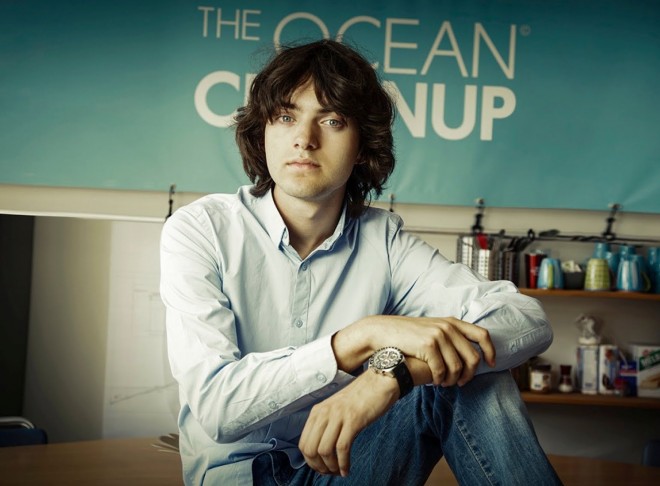
Consider new initiatives like the Ocean Cleanup. Young people are looking for real world solutions that invest in cleaning the seas.
This guidance provides decision-makers across banking, insurance and investment with a science-based and actionable toolkit, giving easy-to-follow recommendations on how to approach financial activity related to:
Seafood, including both fisheries and aquaculture as well as their supply chains;
Ports;
Maritime transportation;
Marine renewable energy, notably offshore wind; and
Coastal and marine tourism, including cruising.
It builds on the foundation of the Sustainable Blue Economy Finance Principles – a keystone for financing activities in the blue economy, supported by a community of over 50 institutions worldwide with a collective total asset size of over USD 6trn.
We think the United Nations has a lot of potential to transform the world for good and we support more initiatives like this, less on costly meetings and conferences which have more or less been eradicated since Covid times.