Plants can eat dust and grow – should we stop dusting them?

Dusty plants? Let them eat their hearts out.

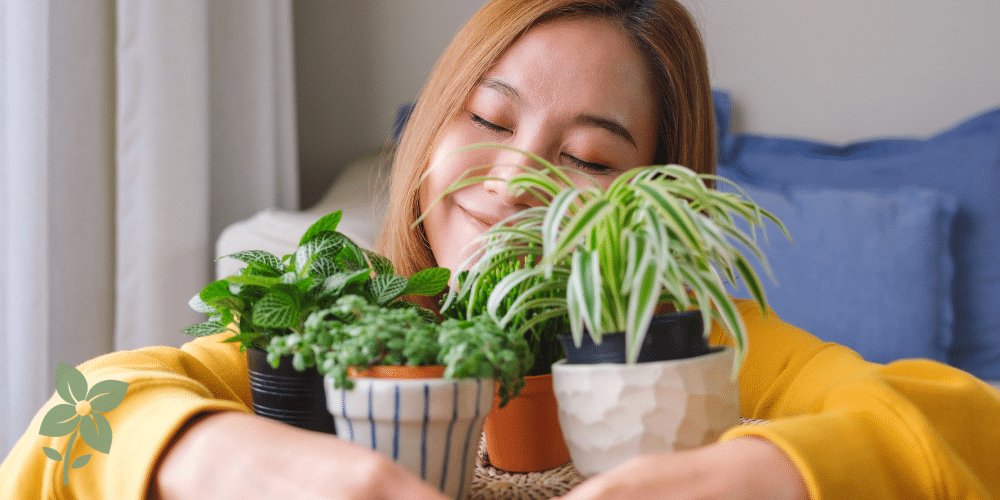
An argument for not dusting the house – ever. It might actually make your plants healthier.

New research published in New Phytologist shows that plants can acquire nutrients not only from the soil but also from atmospheric dust that settles and dissolves on their leaves, releasing elements such as phosphorus and iron. This goes against what many plant owners assume: that dusty leaves impair respiration and growth.

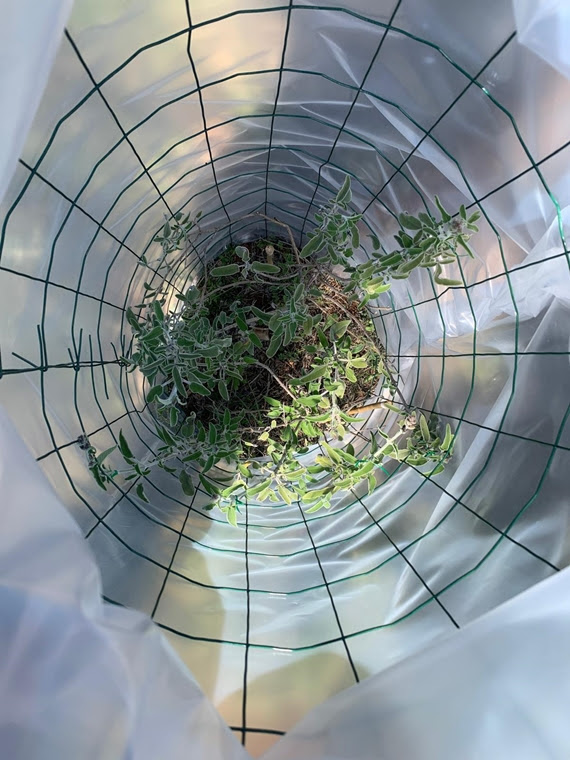
In a Mediterranean field study simulating dust events—common during dust storms—dust application increased plant macronutrient and micronutrient concentrations through the plants’ mildly acidic leaves.
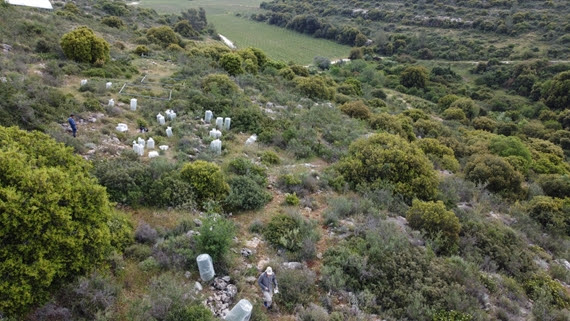
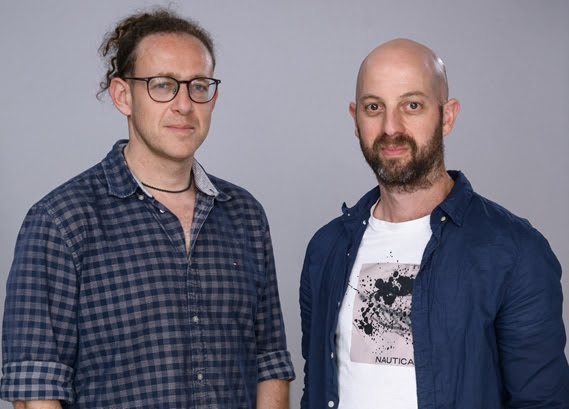
Dr. Anton Lokshin and Dr. Avner Gross. Photo credit: Dani Machlis/ BGU

By integrating field observations with dust-deposition estimates and soil nutrient data from different regions, investigators found that during dust events, daily nutrient inputs via foliar uptake can match or even exceed soil-derived inputs.
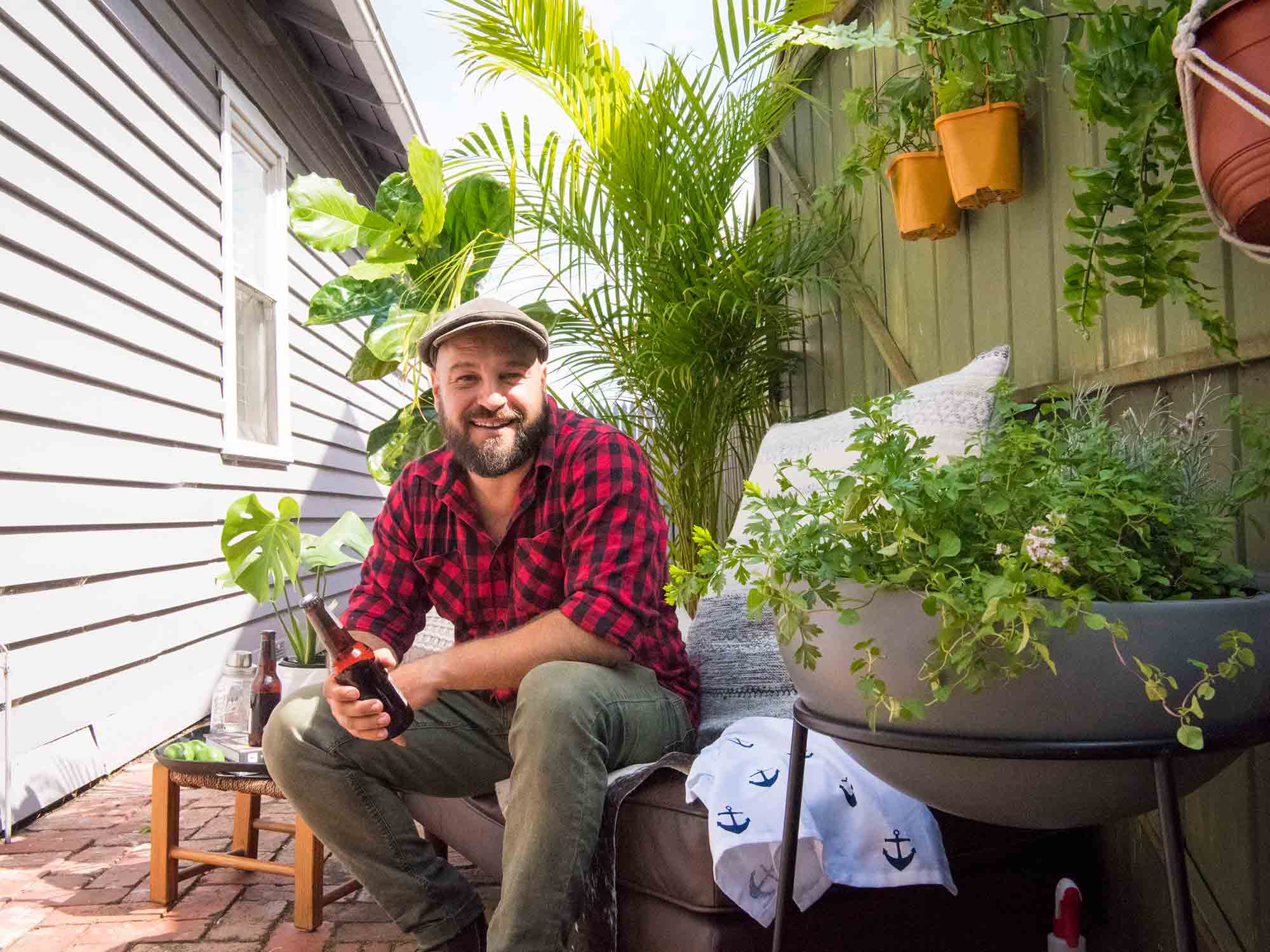
A new rule for homecare: no dusting! Plants can eat dust and thrive

“This suggests a shift from the traditionally soil-centric view of nutrient acquisition toward a vegetation-mediated pathway, where the plant canopy acts as an active interface for capturing and processing atmospheric particles,” said Dr. Anton Lokshin, a postdoctoral researcher at BGU where the research took place. “In nutrient-limited ecosystems, this leaf-based nutrient pathway may represent an important and currently overlooked contribution to plant nutrition and ecosystem functioning.”

The study was conducted by Anton Lokshin in the laboratory of Dr. Avner Gross, in collaboration with Dr. Daniel Palchan (Ariel University), Prof. Marcelo Sternberg (Tel Aviv University), Tom Goren (Bar Ilan University), and Andre (Mahdi) Nakhavali (IIASA).


Karin Kloosterman
Karin Kloostermanhttp://www.greenprophet.com
Karin Kloosterman is an award-winning journalist, innovation strategist, and founder of Green Prophet, one of the Middle East’s pioneering sustainability platforms. She has ranked in the Top 10 of Verizon innovation competitions, participated in NASA-linked challenges, and spoken worldwide on climate, food security, and future resilience. With an IoT technology patent, features in Canada’s National Post, and leadership inside teams building next-generation agricultural and planetary systems — including Mars-farming concepts — Karin operates at the intersection of storytelling, science, and systems change. She doesn’t report on the future – she helps design it. Reach out directly to [email protected]

LEAVE A REPLY

Please enter your comment!
Please enter your name here

TRENDING

Billie Eilish’s Mom Maggie Baird Launches “Climate Kitchen” on Public TV

Maggie Baird, best known as the mother of Billie Eilish and Finneas O’Connell, is stepping into a much larger spotlight, this time as a climate storyteller.

Carrot Waste Could Be Your Next Oyster Substrate –– Mycelium Protein Beats Soy in Taste Tests

Researchers investigated whether carrot side streams, generated during the production of natural food colorants, could support edible fungi growth. After screening 106 fungal strains, they identified Pleurotus djamor (pink oyster mushroom) as the most efficient, producing strong biomass growth and high protein content when cultivated on carrot residues.

Grow a unibrow for Januhairy and embrace your body hair

Januhairy or Janu Hairy is a new movement which encourages women to stop shaving their body hair.

Best cheese made without cow milk

Sheep, goat, and buffalo milk create some of the world’s most flavorful cheeses. And if you are going an extra step and can find it, camel milk cheese might be one to try.

The orange peel candle: A how-to guide

First, slice your orange in half. That's the half with the knobby part on the outside - the one I'm holding in my right hand, in the picture. The pith coming from that knob is stronger and will make for a better wick.

Nobul’s Regan McGee on Shareholder Value: “Complacency Is the Silent Killer” 

Why the governance framework designed to protect shareholders so...

Should You Invest in the Private Market?

startustartup Unlike public stock exchanges, which offer daily trading, strict...

How to build a 100-year-company

Kongō Gumi is a Japanese construction company, purportedly founded in 578 A.D., making it the world's oldest documented company. What can we learn about building sustainable businesses from them?

From Pilot Plant to Global Stage: How Aduro Clean Technologies’ 2026 Expansion Signals a Turning Point for Chemical Recycling Investors Like Yazan Al Homsi

The company's Next Generation Process (NGP) Pilot Plant in London, Ontario, has officially moved into initial operating campaigns, generating the kind of structured, repeatable data that separates laboratory promise from commercial viability.

How AI Helps SaaS Companies Reduce Repetitive Customer Support Work

SaaS products are designed for large numbers of users with different levels of experience, and also in renewable energy.

Pulling Water from the Air

Faced with water shortage in Amman, Laurie digs up...

Turning Your Energy Consultancy into an LLC: 4 Legal Steps for Founders in Texas

If you are starting a renewable energy business in Texas, learn how to start an LLC by the books.

Tracking the Impacts of a Hydroelectric Dam Along the Tigris River

For the next two months, I'll be taking a break from my usual Green Prophet posts to report on a transnational environmental issue: the Ilısu Dam currently under construction in Turkey, and the ways it will transform life along the Tigris River.

Related Articles

Popular Categories