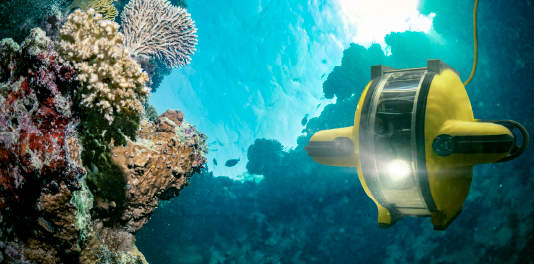

Did China sever undersea communications cables yet again? Are ships hauling crude oil leaking their cargo along the way? Are animal transport ships dumping feed bags overboard and causing unseen turtle and wildlife deaths? Are port authorities deliberately destroying underwater archaeology so projects can move ahead?
Getting away with bad business at sea may soon be harder with Mirai Robotics on patrol.
While security is a giant concern, Luciano Belviso, Mirai’s co-founder told Green Prophet: “Mirai’s autonomy can also support environmental monitoring, enabling continuous observation of marine ecosystems, pollution, and offshore infrastructure with persistent, autonomous operations, regardless of weather conditions.”
The company just raised $4.2 million in a seed round to continue development of its AI-driven autonomous marine vehicles. According to the company, the sea is one of the most critical infrastructures on the planet: more than 80% of global trade moves by sea, over 90% of Europe’s foreign trade depends on maritime routes, and roughly 95% of international internet traffic flows through subsea cables.
“The sea is one of the last major physical infrastructures not yet governed by software,” says Luciano Belviso, CEO of Mirai Robotics. “Autonomy is the key to finally making the oceans safe and usable, unlocking enormous resources and addressing critical security challenges. But it must be implemented through systems capable of operating continuously and safely in extreme environments. This is a technological and industrial challenge that requires a true robotics-lab approach.”
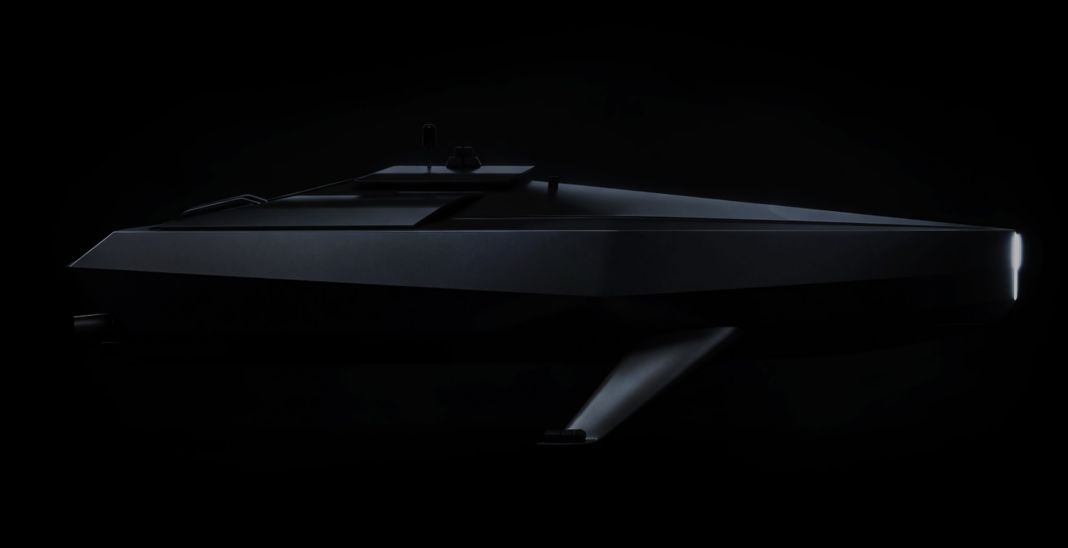
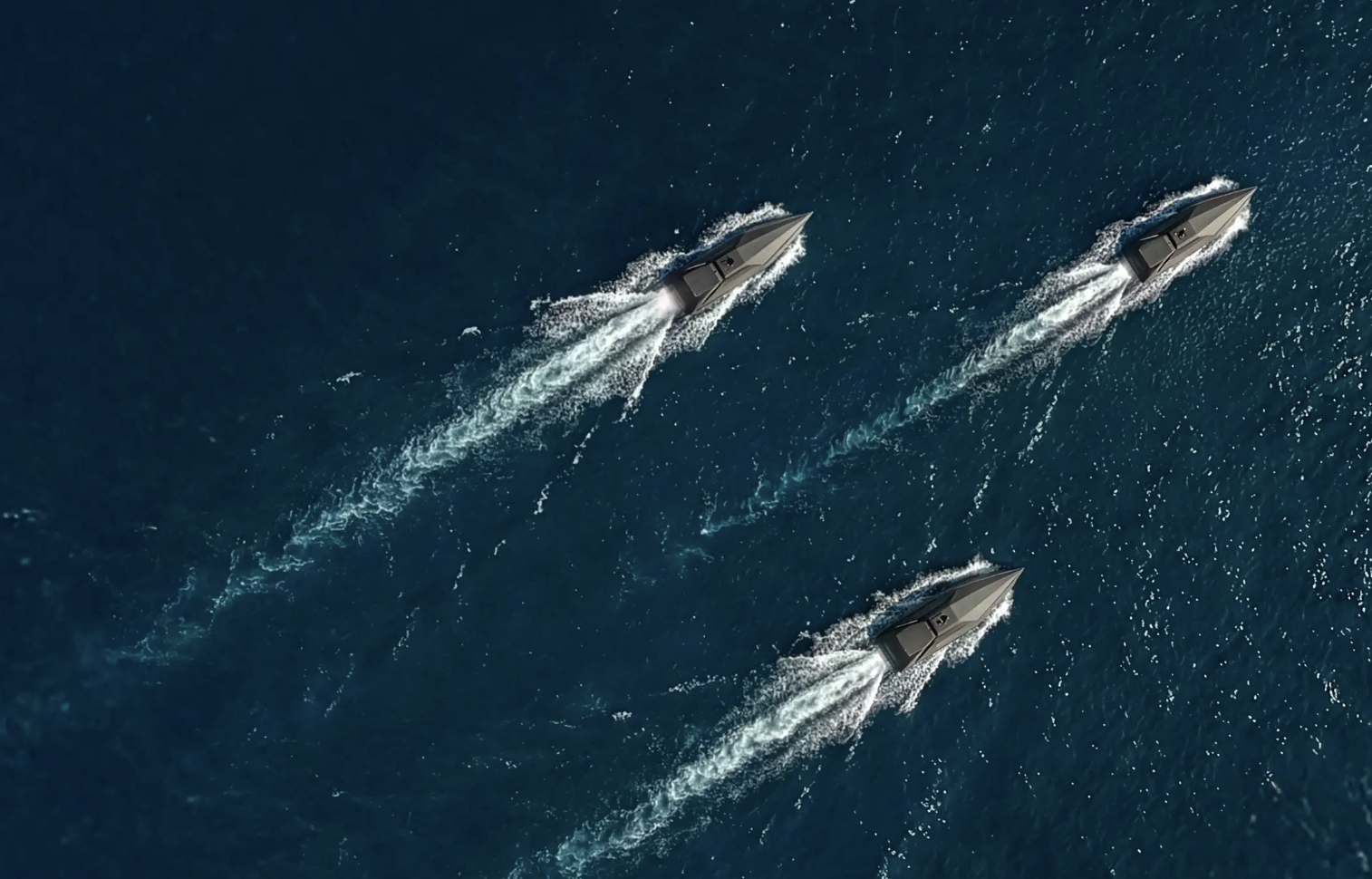
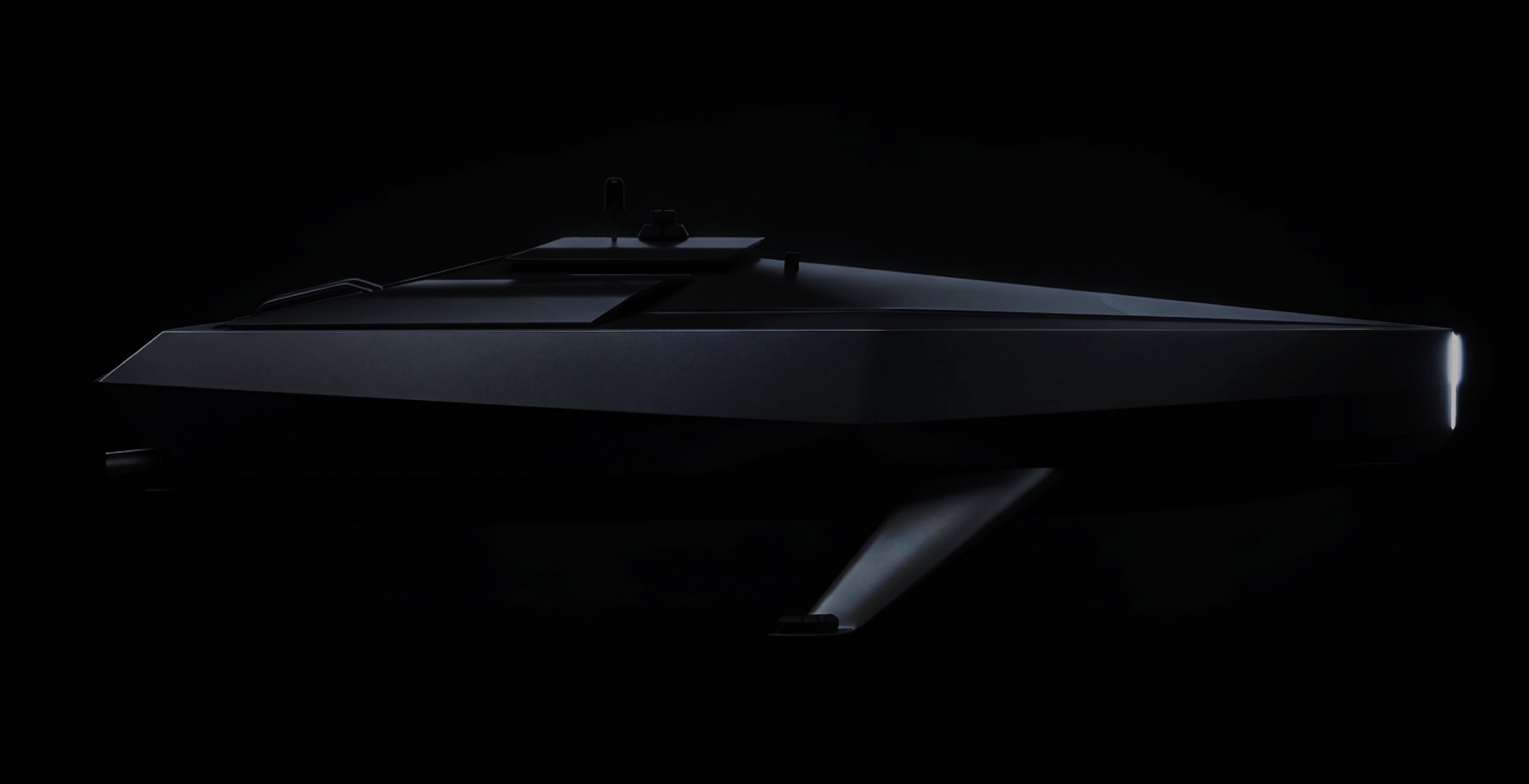
Mirai Robotics has already developed two autonomous vehicles designed for different operational needs, targeting ISR (intelligence, surveillance and reconnaissance) and patrolling scenarios in both coastal and offshore environments.
The vehicles integrate advanced perception systems, autonomous navigation, remote control, and safety features. They are designed to operate either as standalone units or as part of distributed monitoring systems.
Alongside its proprietary platforms, Mirai Robotics also develops autonomy, navigation, and control systems that can be integrated into third-party vessels. This allows industrial and institutional operators to adopt autonomous technology without fully redesigning existing fleets.
The decision to start in Italy is deliberate. The country is historically a global leader in shipbuilding and maritime engineering, with strong expertise in defense, yachting, offshore infrastructure, and marine technology.
The company was founded by Luciano Belviso (CEO), Luca Mascaro, and Davide Dattoli. Belviso previously built and led complex industrial companies including Blackshape, an aircraft design and manufacturing company later acquired by Angel Holding.
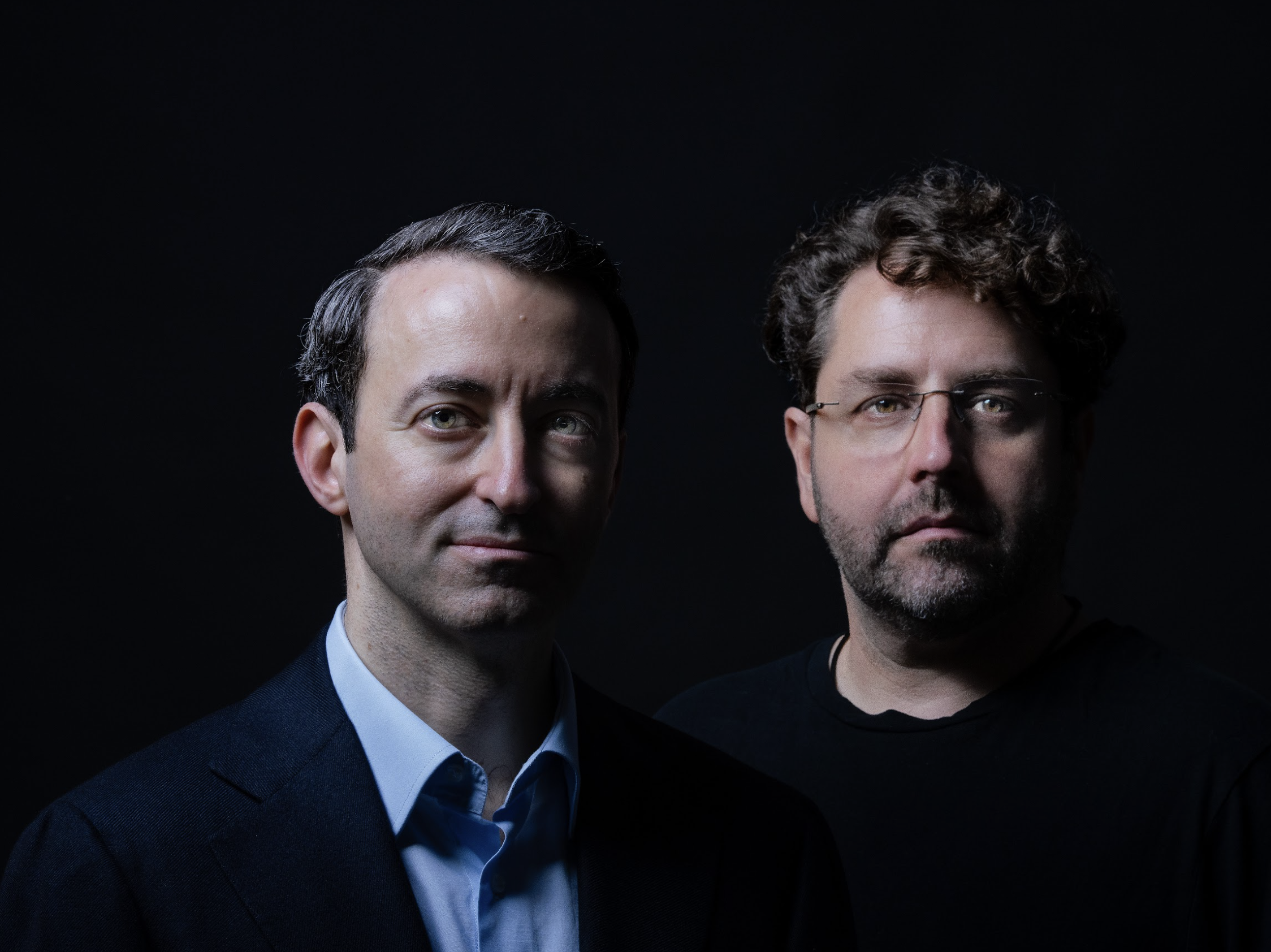
Luciano Belviso (left) and Luca Mascaro (right). Supplied by Mirai
Mirai Robotics has closed a $4.2 million pre-seed equity round, one of the largest in Italy in the robotics and deep-tech sector, led by Primo Capital, Techshop and 40Jemz Ventures, with participation from Italian and international angel investors. The capital will accelerate technology development, strengthen the team, and launch new pilot projects with industrial and institutional partners.
We love that the company can catch polluters in real time and take risks to rescue those at sea where other seafarers may not dare or have the expertise.
Mirai (未来) is a Japanese word that means “future.”
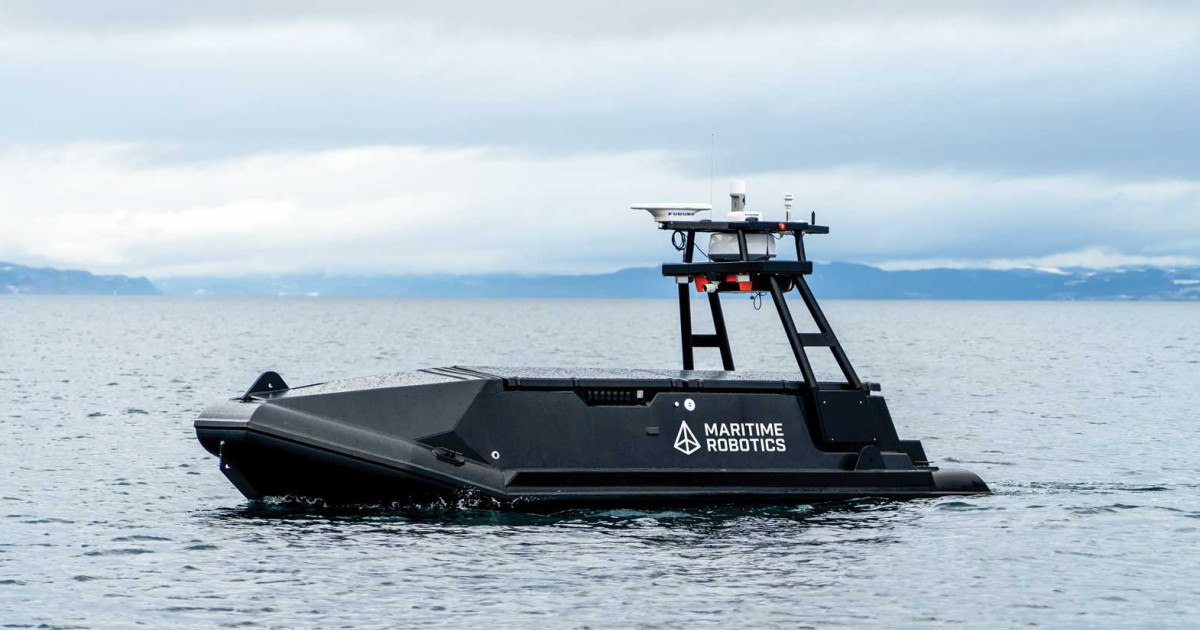
They aren’t alone. Mirai Robotics enters a rapidly growing field of autonomous maritime technology that can support defense and environmental missions. Competitors include firms such as Maritime Robotics, Saildrone, whose wind- and solar-powered robotic vessels collect environmental and security data across vast ocean areas. Defense and dual-use companies like L3Harris Technologies and Thales Group are also developing autonomous patrol boats and surveillance platforms for naval and infrastructure protection. In Europe, look to startups such as Ocean Infinity and Sea Machines Robotics.
::Mirai