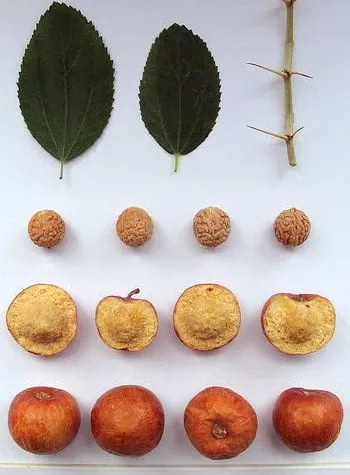

Jujube, the tree of medicine and magic

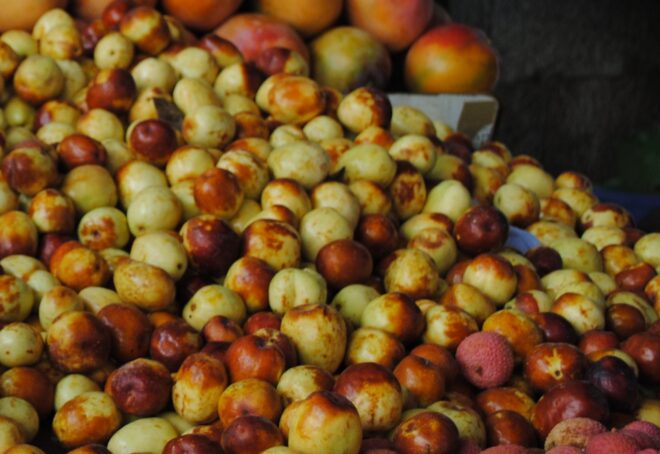
fresh jujube fruit
fresh jujube fruit in Ramla market Israel
Photo by Miriam Kresh

When you hear “jujube,” you might first think of the chewy, retro gumdrop candy with its brilliant red, yellow and green colors. But “jujube” started as English for sidr, the tree considered holy in Islam.

In the Koran it’s written that on the Day of Judgment the faithful, will dwell in Paradise “Among thorn-less sidr trees and clustered plantains, and spreading shade, and water gushing, and plentiful fruit.” Perhaps because of this, sidr leaves are said to have magical, mystical properties.
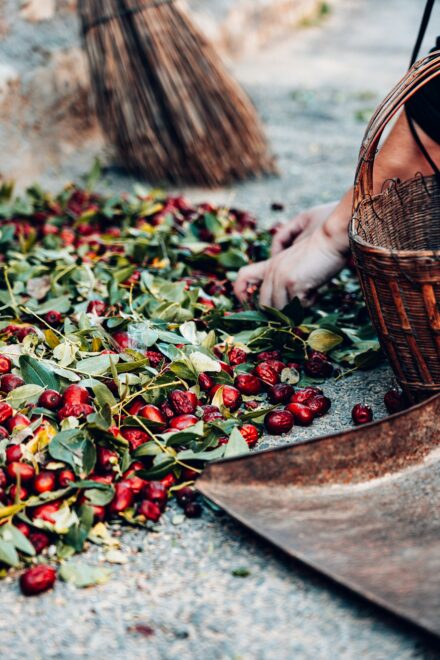
jujube fruit
Jujube (sidr) fruit
Photo by Douglas Alan via Unsplash

We’ve noted the multiple medicinal qualities of the sidr fruit and mentioned the potential of the tree to hold off desertification.

Then there’s the intriguing use of sidr leaves as protection from black magic and the evil eye. We described what the evil eye is. Basically, it’s ill-wishing someone from feelings of envy, rivalry, and hatred.

Jealousy exists in the human heart; it can’t be shrugged off. Mature people recognize and try to overcome it; if we can’t exactly turn the other cheek, at least we hopefully move on to a healthier way of coping than secretly ill-wishing someone.

In Islamic culture, and in cultures who have lived in close quarters with Moslems, the evil eye is feared as one would fear a physical threat. In speaking of another’s child or property, it’s polite to raise one’s hand, palm outward, and say “hamsah” several times – to show there’s nothing to fear – all one’s intentions are good.

Men may fear that their success in business may cause envy, or that their virility will be impaired by witchcraft. Women are especially susceptible to the suggestion of an evil eye. A pretty girl. A married woman wanting to conceive. A protective mother.

bracelets against the evil eye
Anti evil eye bracelets Photo by Miriam Kresh

To ward off the evil eye, a person may wear an amulet bracelet.

Or hang a five-fingered “hamsah” on the office or home wall. See our post on the evil eye and how to avoid it.

hamsah amulet
hamsah amulet print

But for a person needing stronger protection, there’s another, more intimate way to deal with witchcraft and the evil eye: bathing with sidr-infused water. This is also said to expel demons.

On the positive side, the sidr tree may host the spirit of a saint. Far from pagan, pre-Islamic tree worship, the tree itself isn’t a holy object; rather, the holiness of a saint whose custom it was to sit in its shade has been transfered to the tree. For this reason, it’s considered lucky to sit or sleep under a sidr tree.

There’s a Moslem legend about a sidr tree that grows in Paradise. On its leaves are etched the names of all humans. Every year, one evening at mid-Ramadan, the tree shakes. The names on the leaves that fall are of those who will die in the coming year.
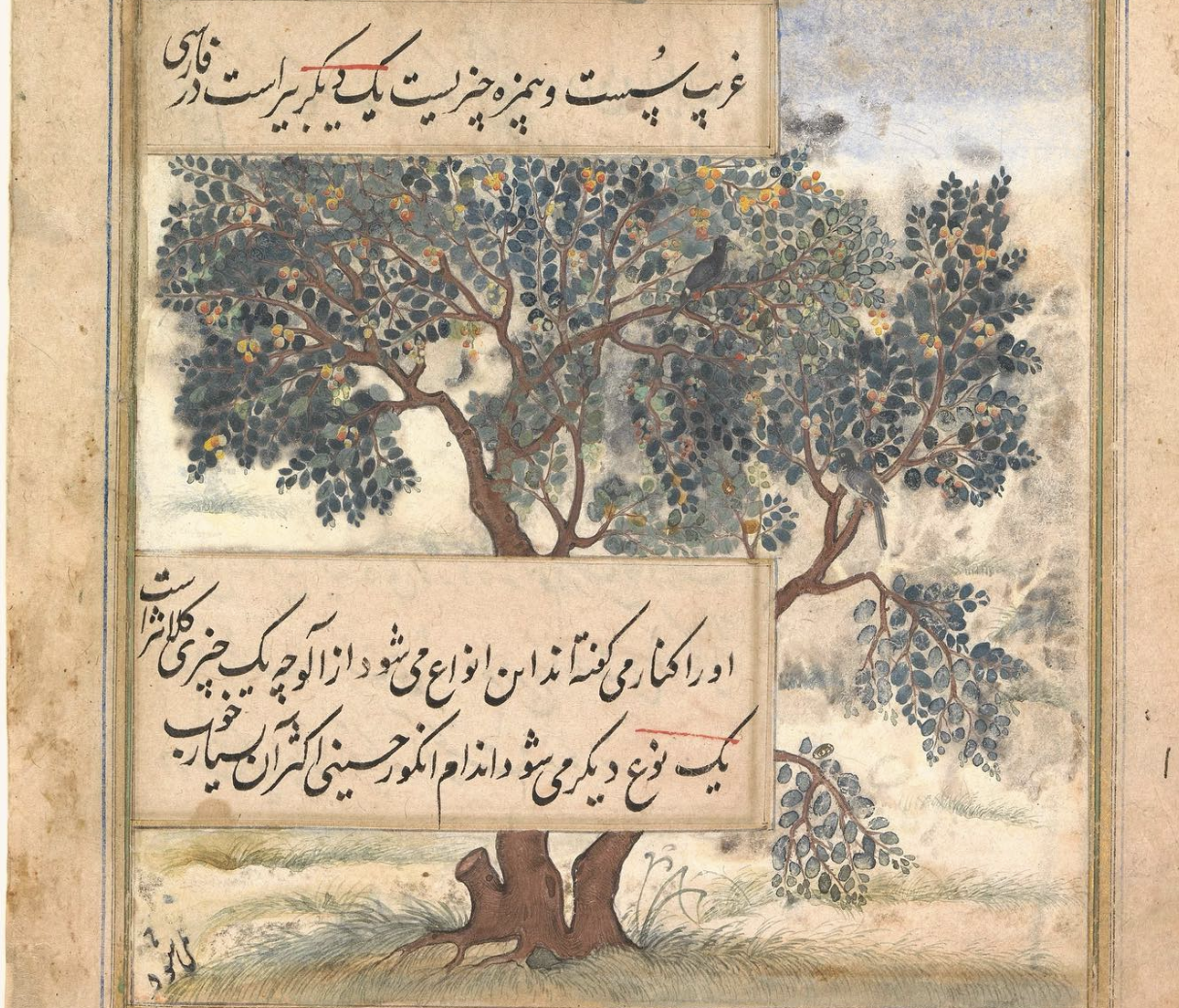
It follows that sidr once served to purify the dead. In Iran, Iraq, India, and southwestern Saudi Arabia, deceased Muslims were washed water infused with sidr leaves. The custom has apparently faded out in most countries.

But how to use the leaves of the holy sidr to deflect the evil eye?

It needs 7 powdered sidr leaves stirred into a bucket of warm water. The hadith of the Prophet Muhammad allows to repeat healing prayers and verses from the Koran to increase the water’s potency. 5 grams, or 1 tablespoon of sidr powder equals 7 leaves.

Take the bucket of warm sidr water into the shower and pour it all over. It’s ok to rinse off the powder residue. Then step out of the shower, freshly immune to other people’s bad vibes.
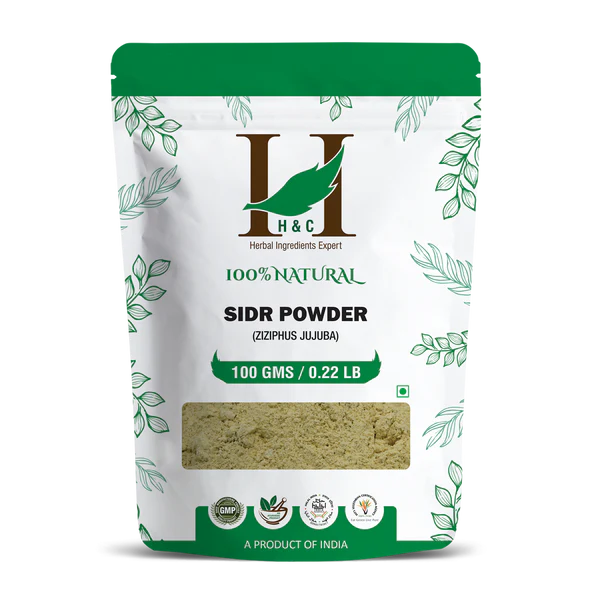

powdered sidr leaves

powdered sidr leaves

Miriam Kresh
Miriam Kreshhttps://www.greenprophet.com/
Miriam Kresh is an American ex-pat living in Israel. Her love of Middle Eastern food evolved from close friendships with enthusiastic Moroccan, Tunisian and Turkish home cooks. She owns too many cookbooks and is always planning the next meal. Miriam can be reached at miriam (at) greenprophet (dot) com.

LEAVE A REPLY

Please enter your comment!
Please enter your name here

TRENDING

The Christ’s thorn (sidr tree) is also a well-known folk medicine

Christ’s thorn jujube (Ziziphus spina-christi) also known as the sidr tree is a real, identifiable tree native to the Middle East, and it appears—directly or indirectly—in Islam, Judaism, and later Christian tradition. The connections between the three faiths are not theological agreements but overlapping uses, names, and symbolic associations rooted in the same landscape.

Farm To Table Israel Connects People To The Land

Farm To Table Israel is transforming the traditional dining experience into a hands-on journey.

The Lote Tree of the Utmost Boundary, explained

Knowing about the concept of the Lote Tree of the Utmost Boundary helps explain a core idea in Islam.

Female Genital Mutilation still happens — quietly, at home, and across borders in Canada

A service provider explains that women may choose midwives from within their community to keep their status private. Another line cuts to the core: “There’s a lack of understanding… especially psychologically.”

Sustainable Architect Ronak Roshan on the Politics Behind the Houston Ismaili Center

Roshan’s reflection situates the Houston Ismaili Center within a broader discussion about architecture as diplomacy — where aesthetics, faith, and geopolitics intersect. Her words challenge readers to question whether “green” design and grand symbolism can coexist without transparency and accountability.

Tracking the Impacts of a Hydroelectric Dam Along the Tigris River

For the next two months, I'll be taking a break from my usual Green Prophet posts to report on a transnational environmental issue: the Ilısu Dam currently under construction in Turkey, and the ways it will transform life along the Tigris River.

6 Payment Processors With the Fastest Onboarding for SMBs

Get your SMB up and running fast with these 6 payment processors. Compare the quickest onboarding options to start accepting customer payments without delay.

Qatar’s climate hypocrisy rides the London Underground

Qatar remains a master of doublethink—burning gas by the megaton while selling “sustainability” to a world desperate for clean air. Wake up from your slumber people.

How Quality of Hire Shapes Modern Recruitment

A 2024 survey by Deloitte found that 76% of talent leaders now consider long-term retention and workforce contribution among their most important hiring success metrics—far surpassing time-to-fill or cost-per-hire. As the expectations for new hires deepen, companies must also confront the inherent challenges in redefining and accurately measuring hiring quality.

8 Team-Building Exercises to Start the Week Off 

Team building to change the world! The best renewable energy companies are ones that function.

Thank you, LinkedIn — and what your Jobs on the Rise report means for sustainable careers

While “green jobs” aren’t always labeled as such, many of the fastest-growing roles are directly enabling the energy transition, climate resilience, and lower-carbon systems: Number one on their list is Artificial Intelligence engineers. But what does that mean? Vibe coding Claude? 

Somali pirates steal oil tankers

The pirates often stage their heists out of Somalia, a lawless country, with a weak central government that is grappling with a violent Islamist insurgency. Using speedboats that swarm the targets, the machine-gun-toting pirates take control of merchant ships and then hold the vessels, crew and cargo for ransom.

Leopoldo Alejandro Betancourt López Turned Ocean Plastic Into Profitable Sunglasses

Few fashion accessories carry the environmental burden of sunglasses. Most frames are constructed from petroleum-based plastics and acrylic polymers that linger in landfills for centuries, shedding microplastics into soil and waterways long after they've been discarded. Leopoldo Alejandro Betancourt López, president of the Spanish eyewear brand Hawkers, saw this problem differently than most industry executives.

Related Articles

Popular Categories